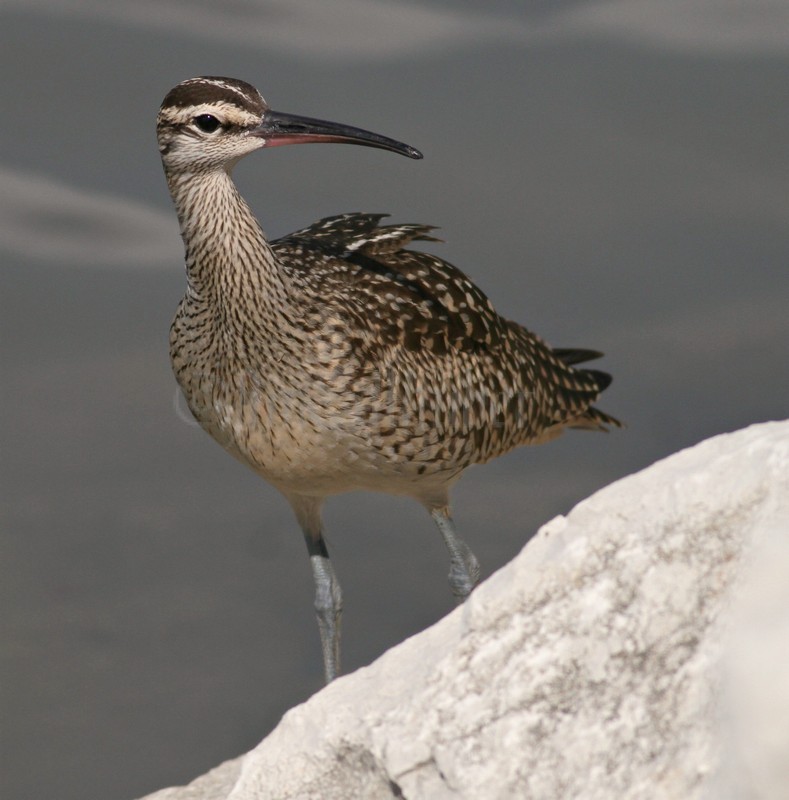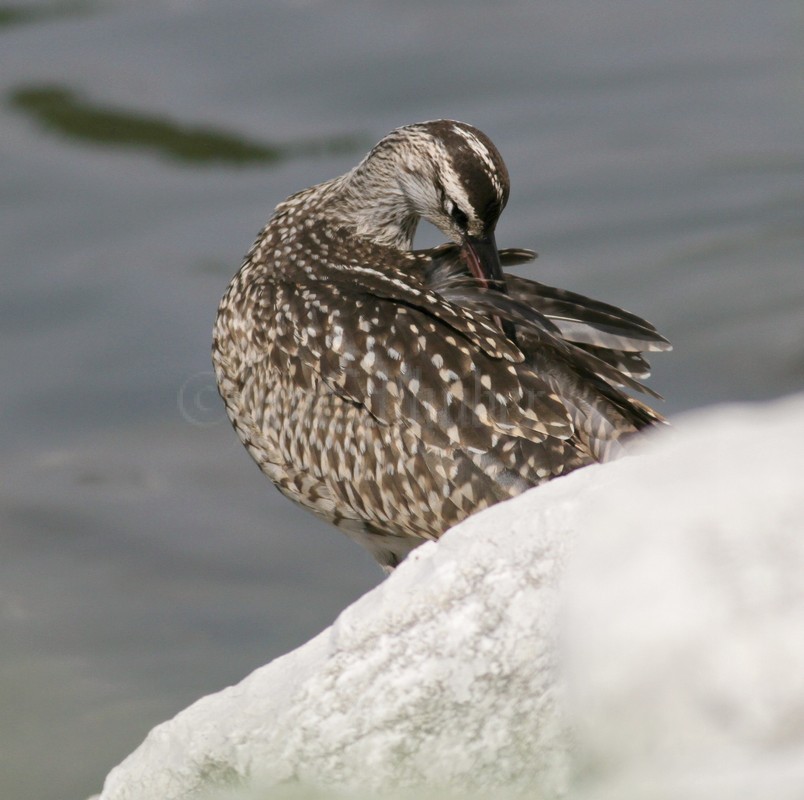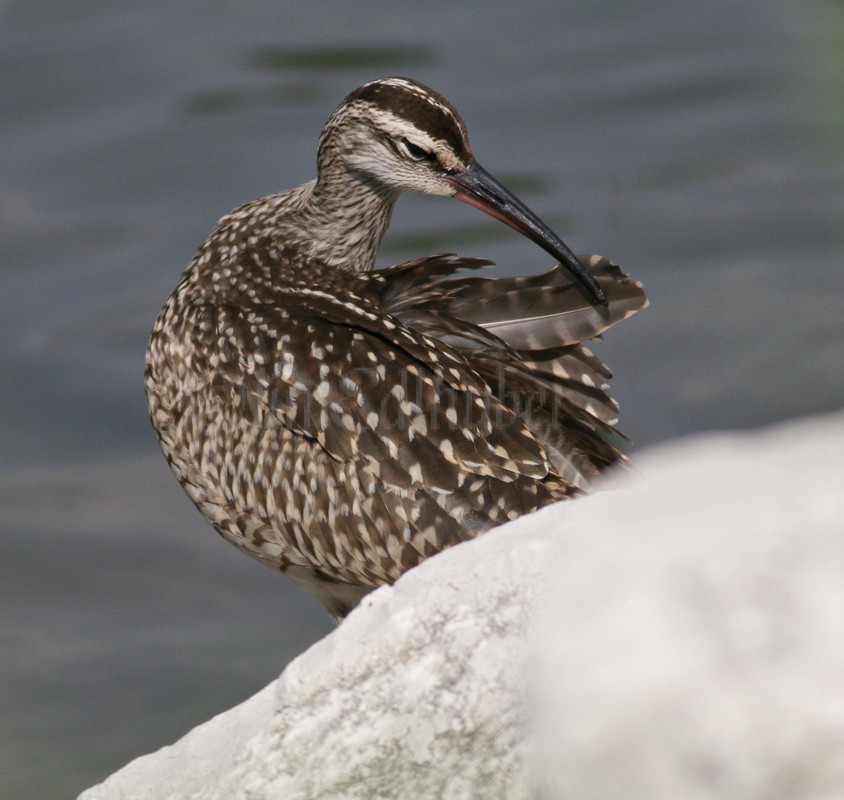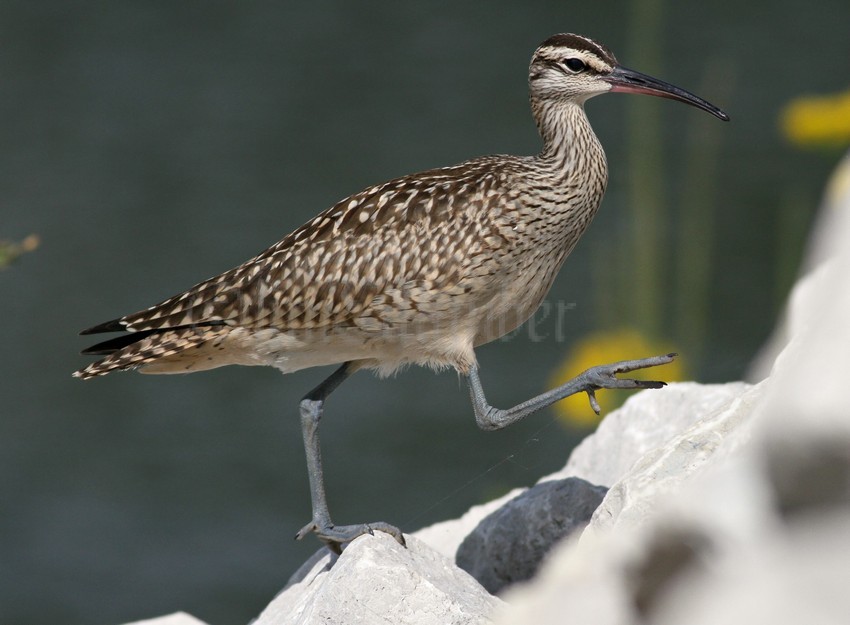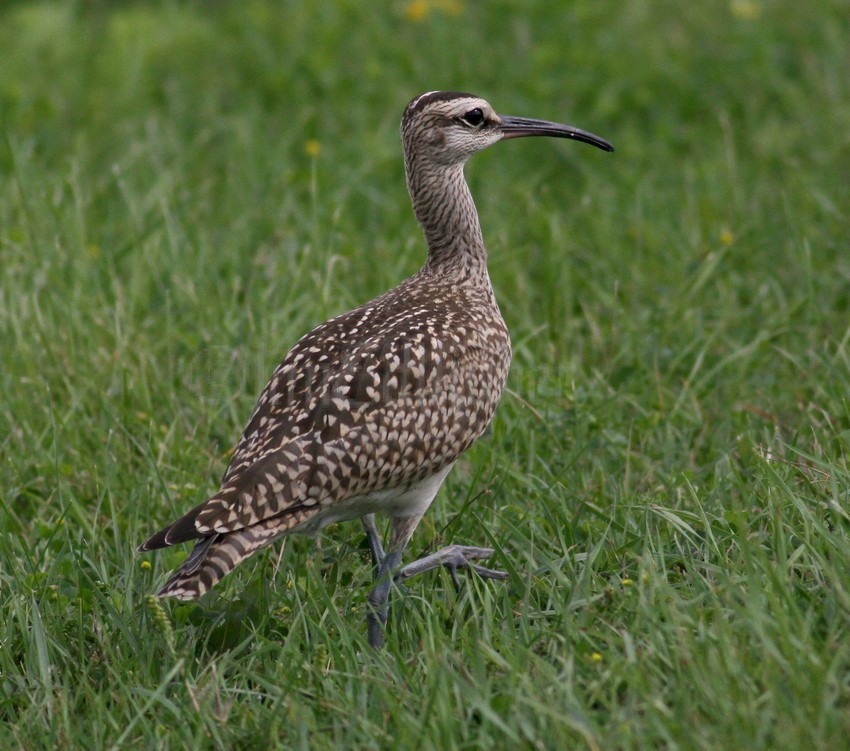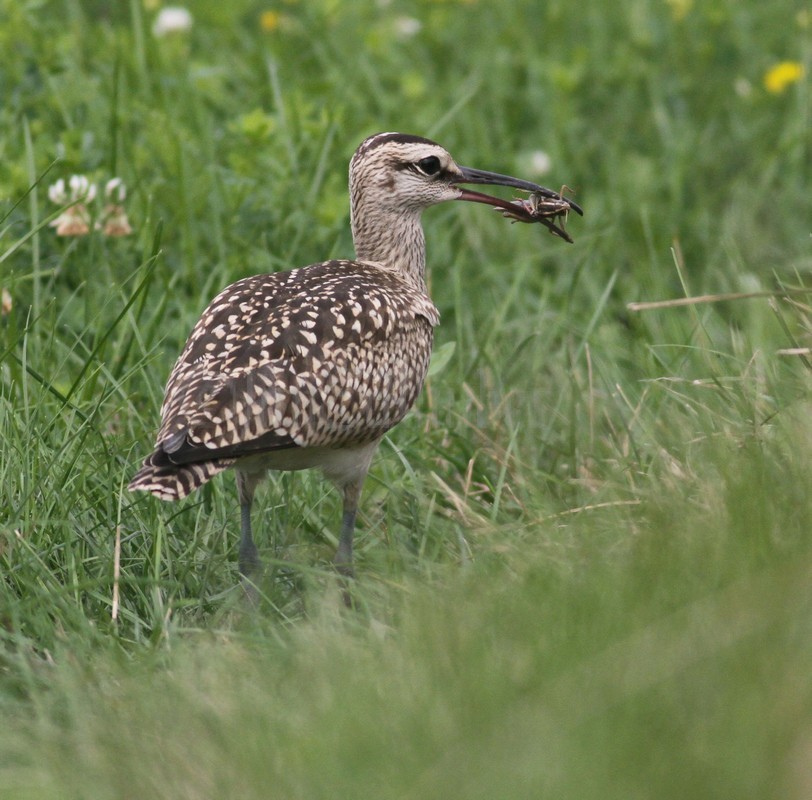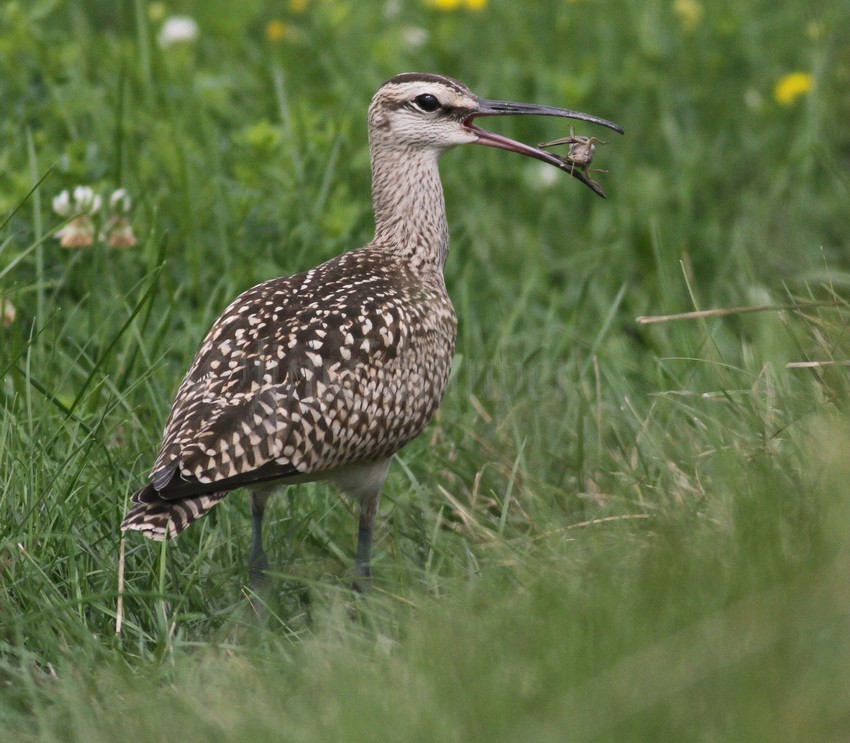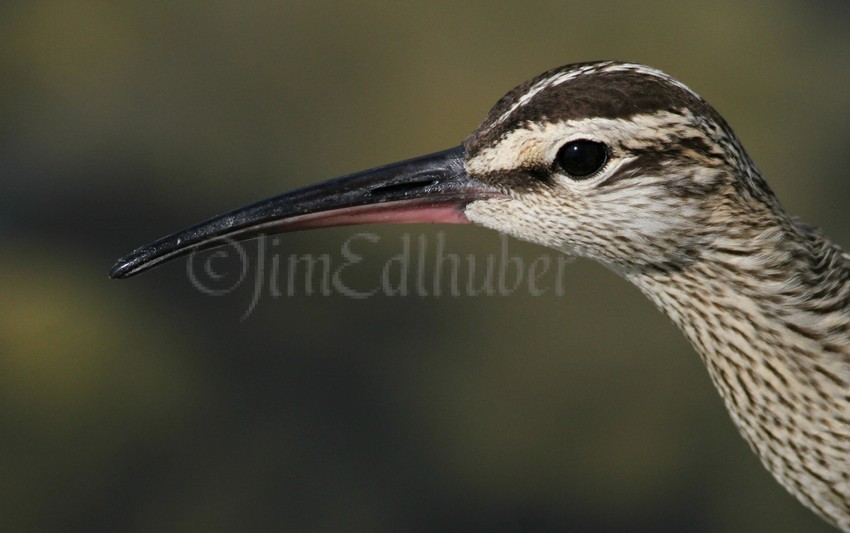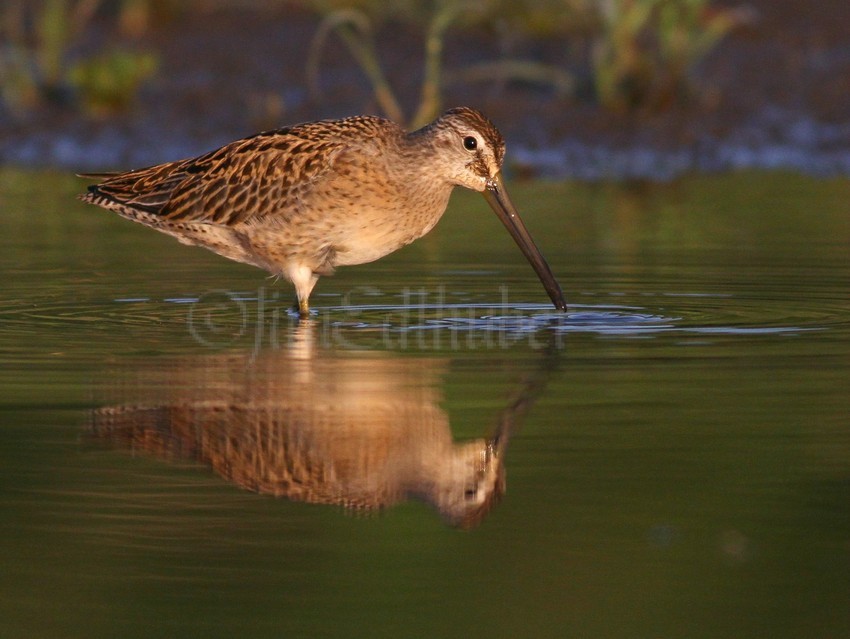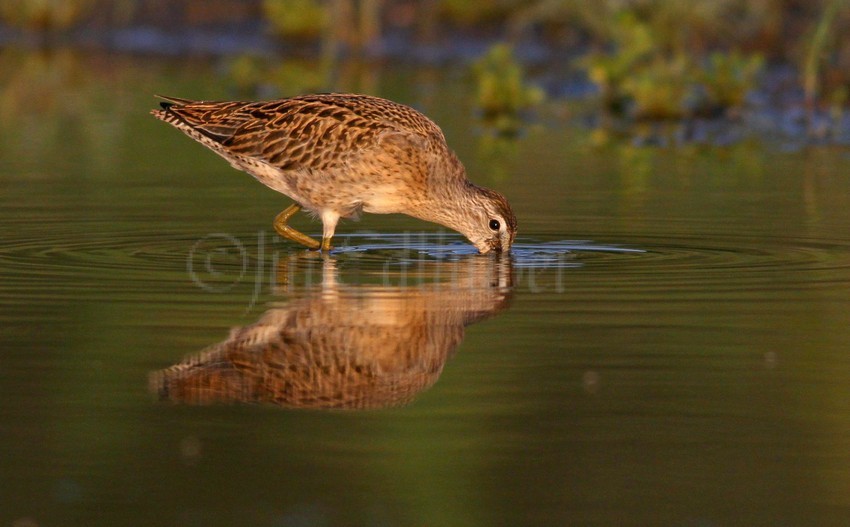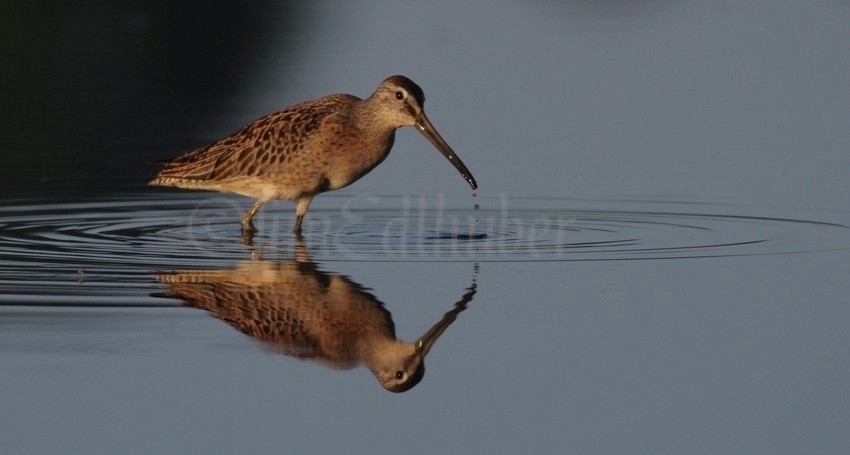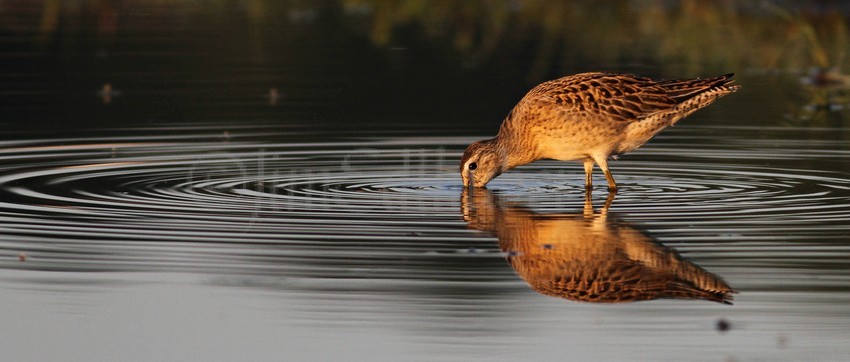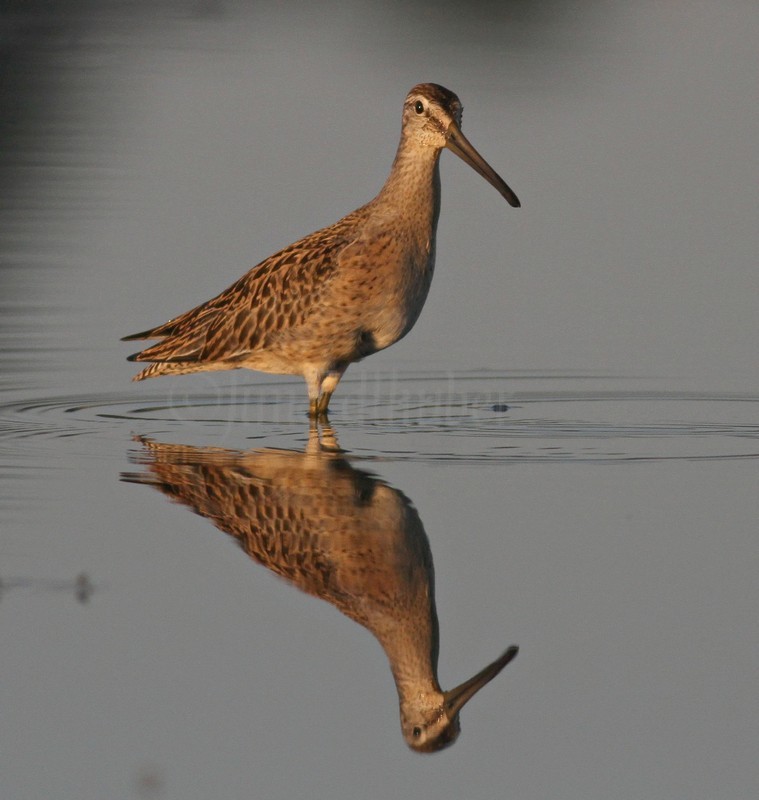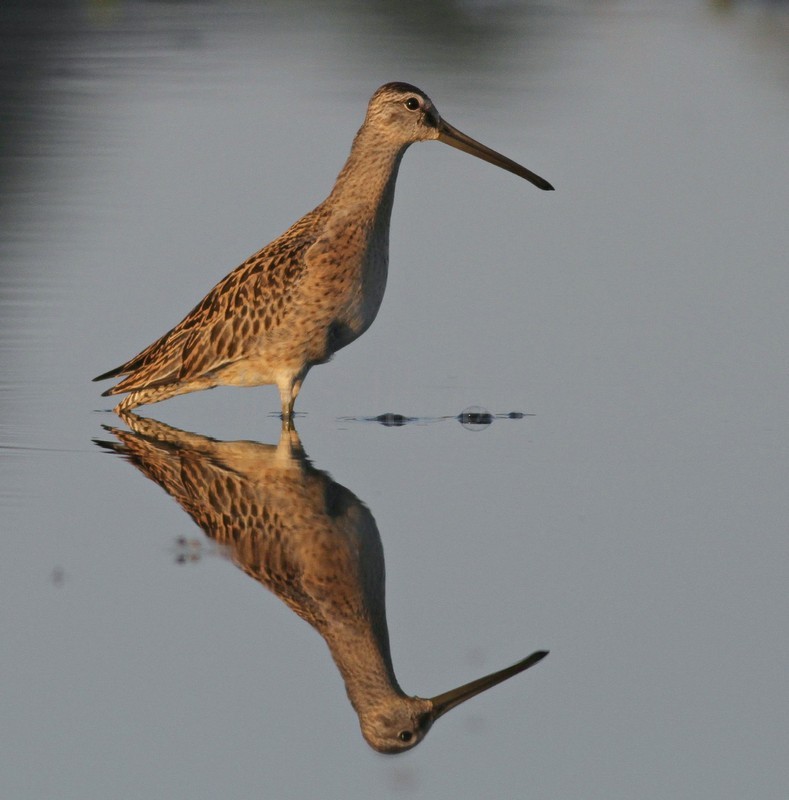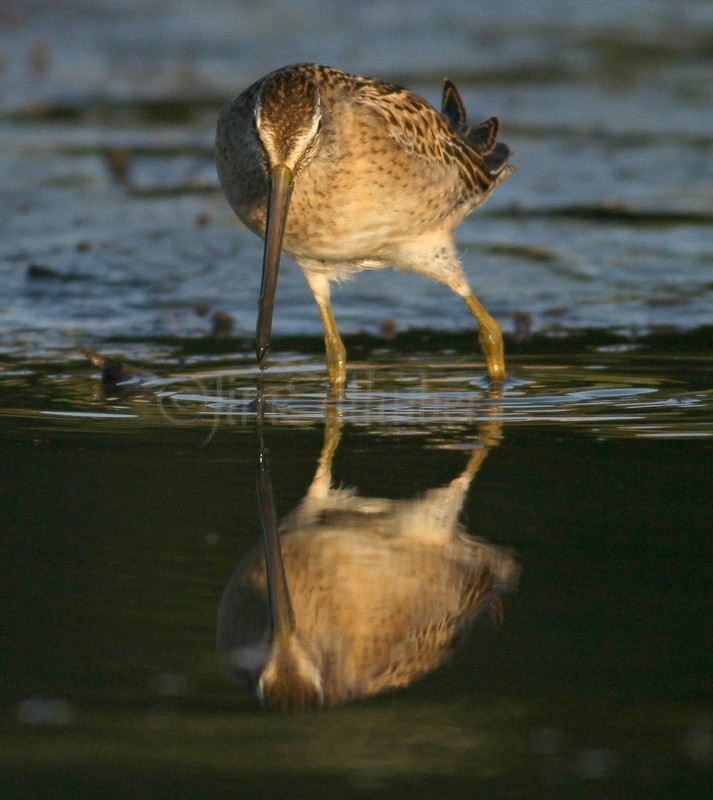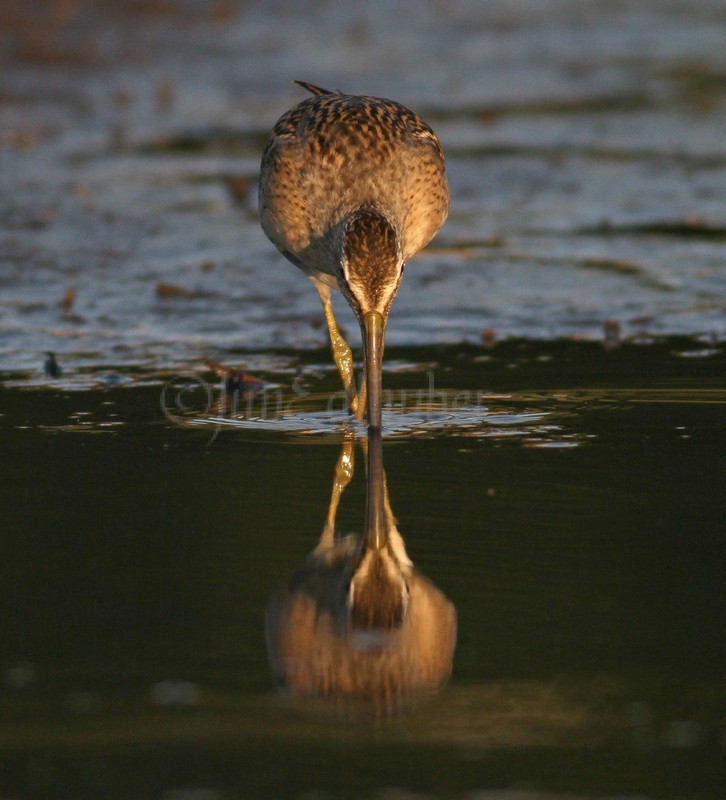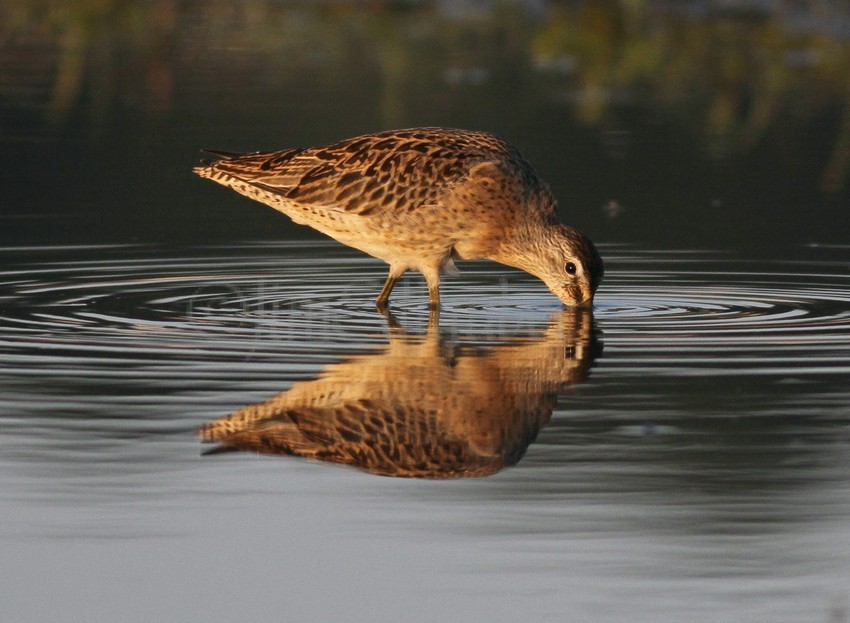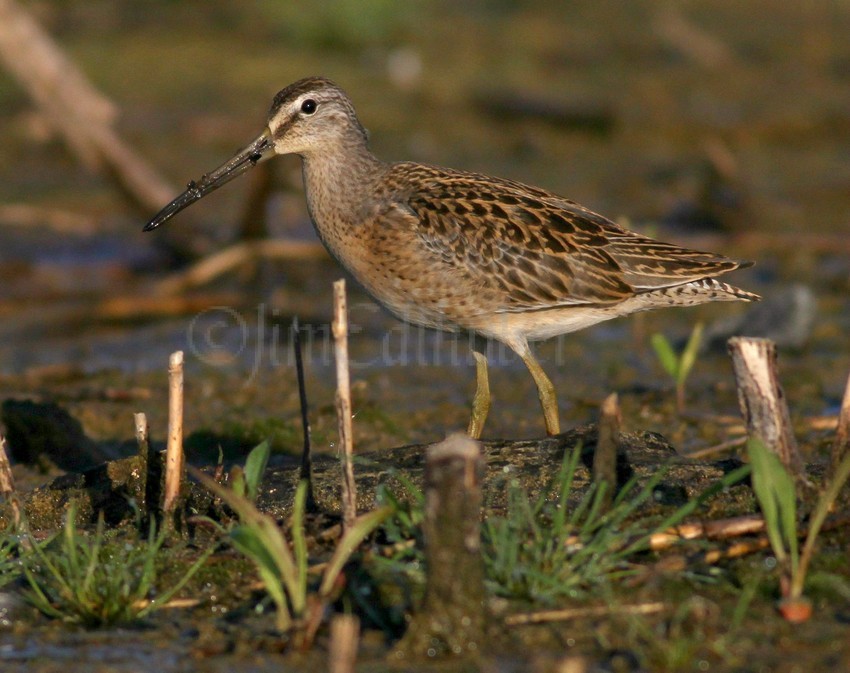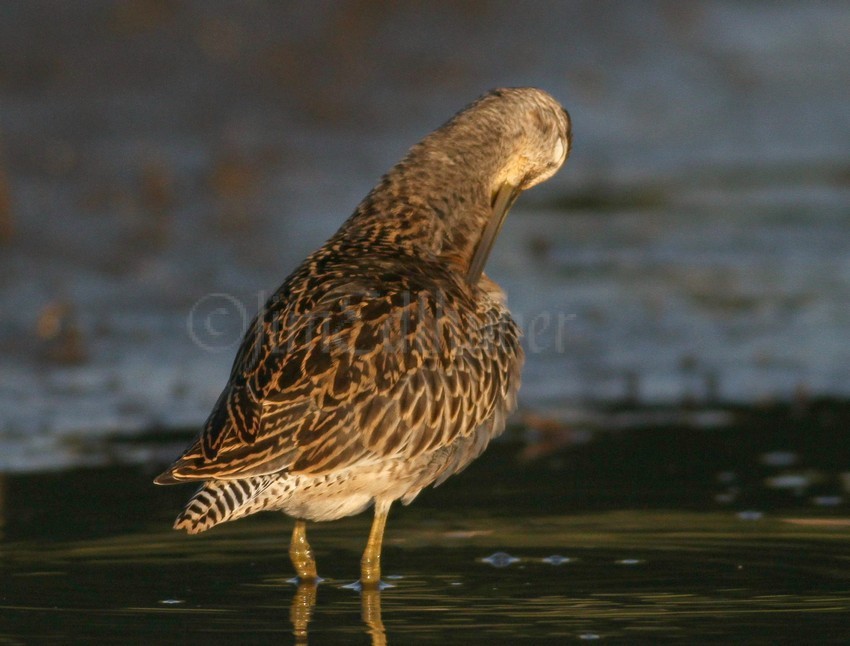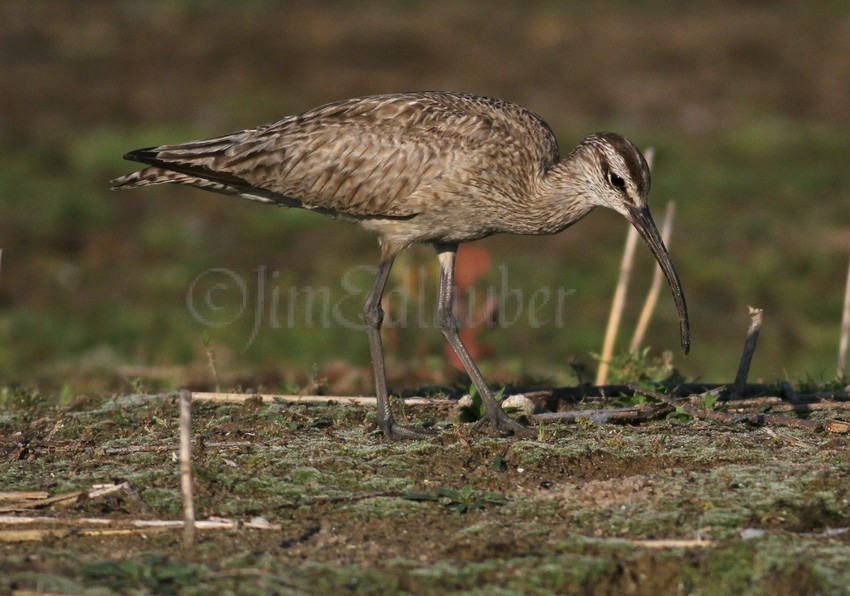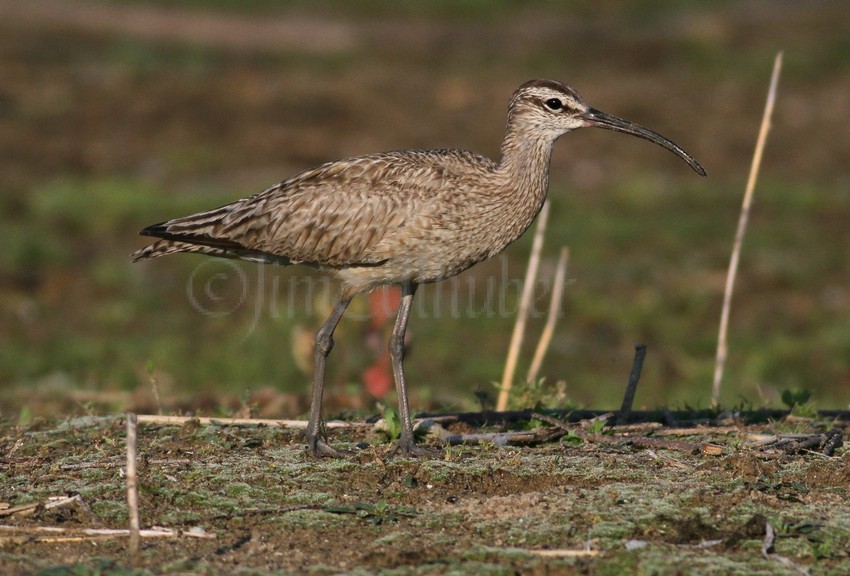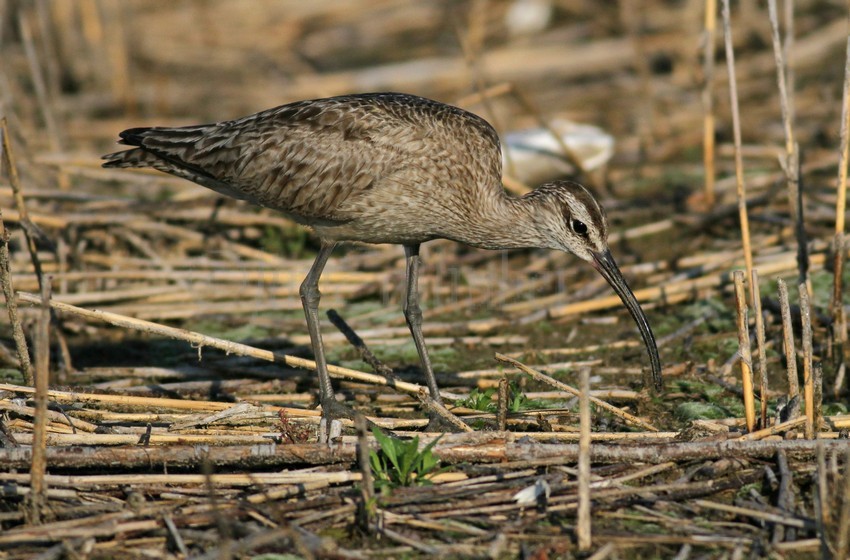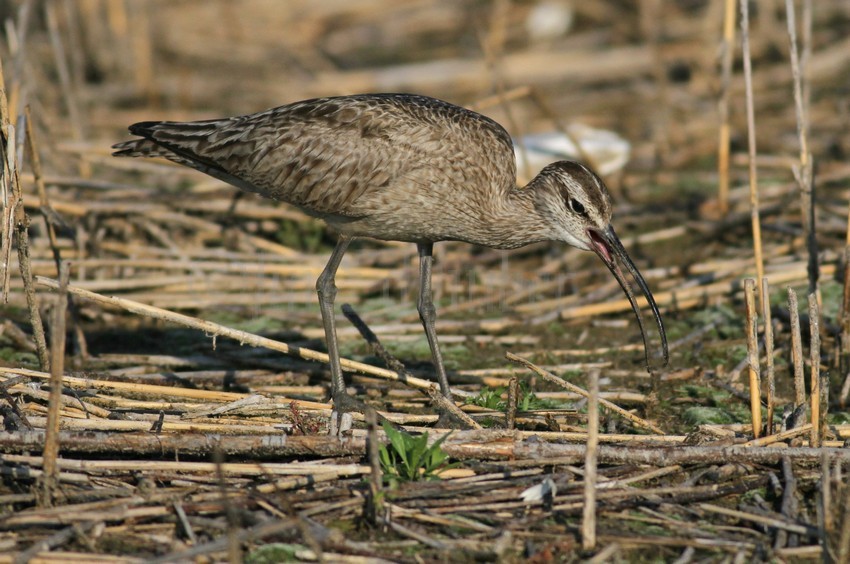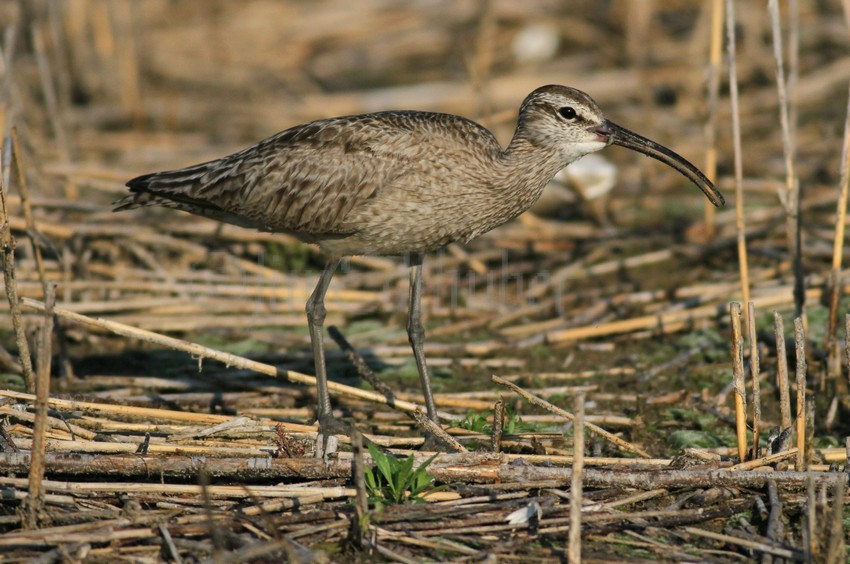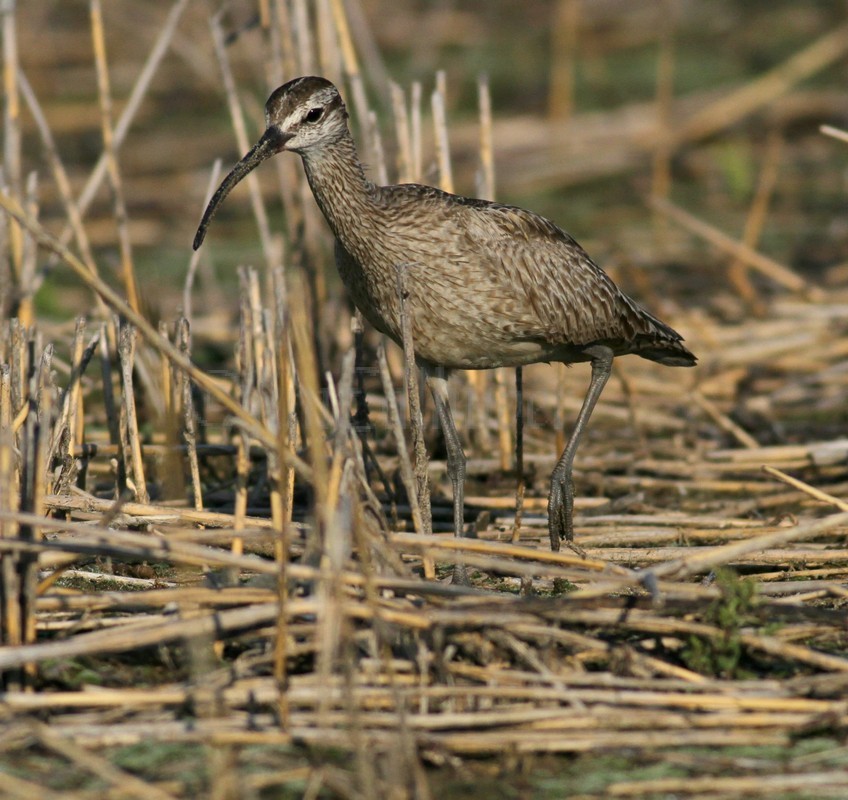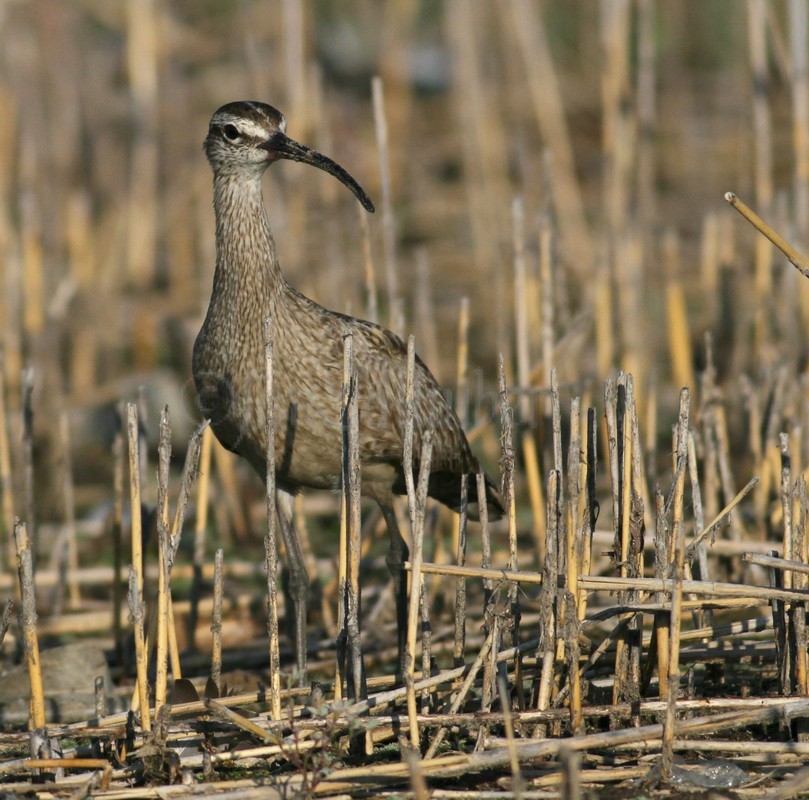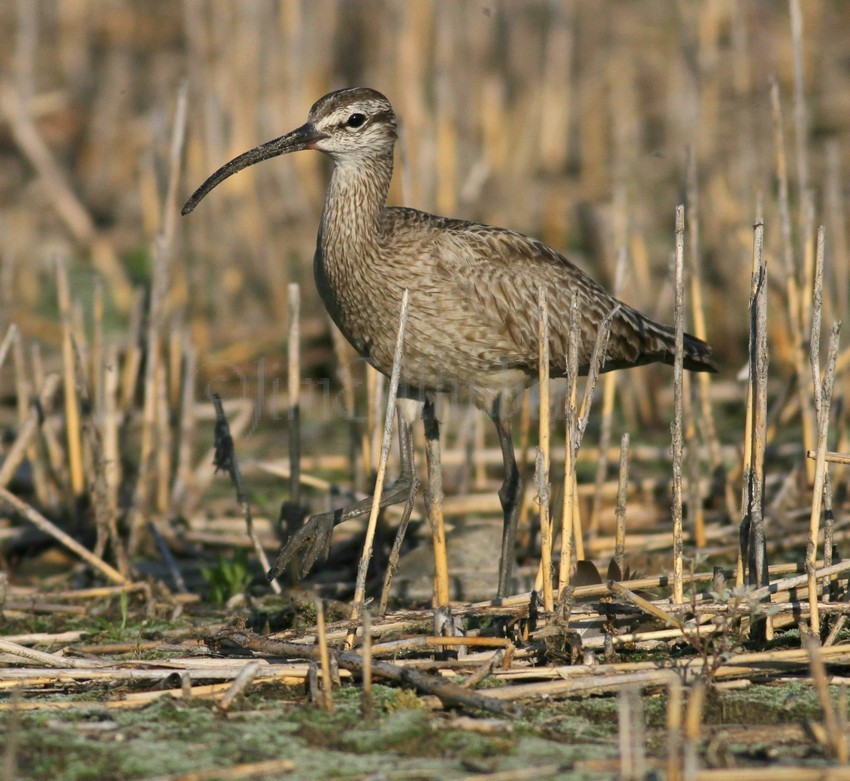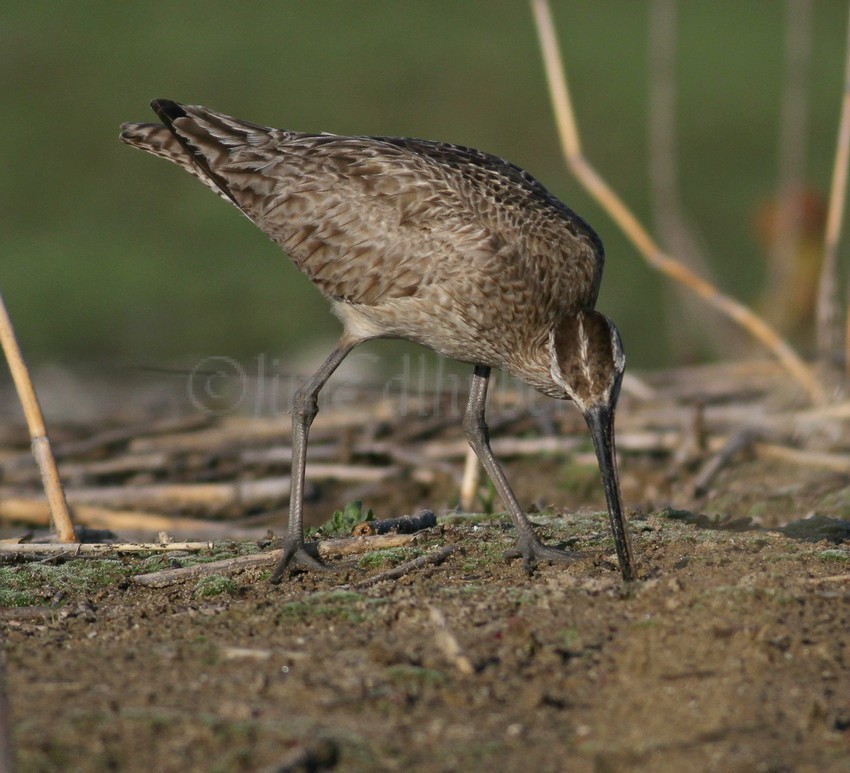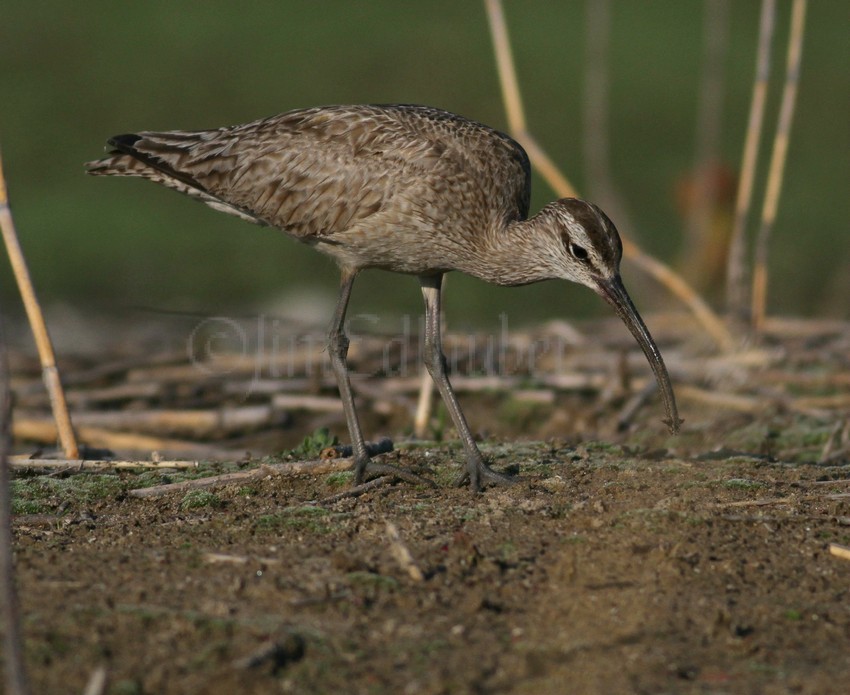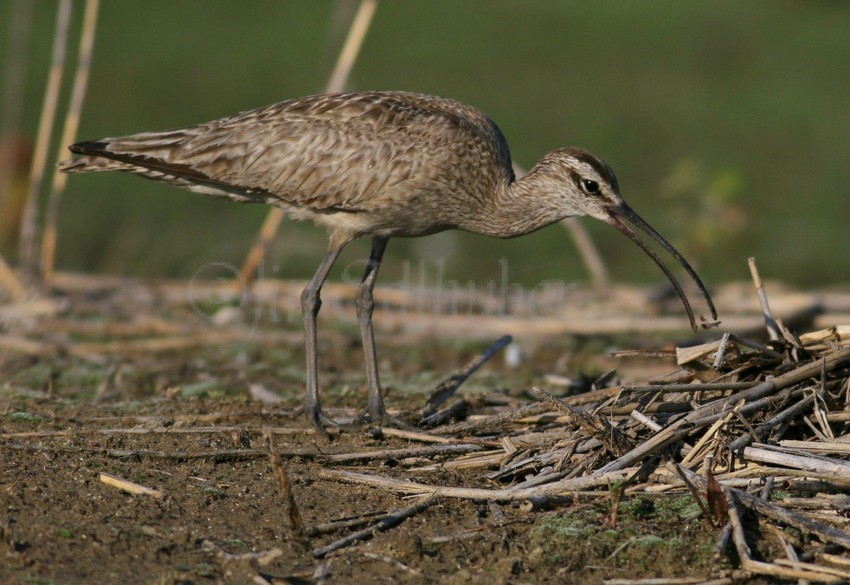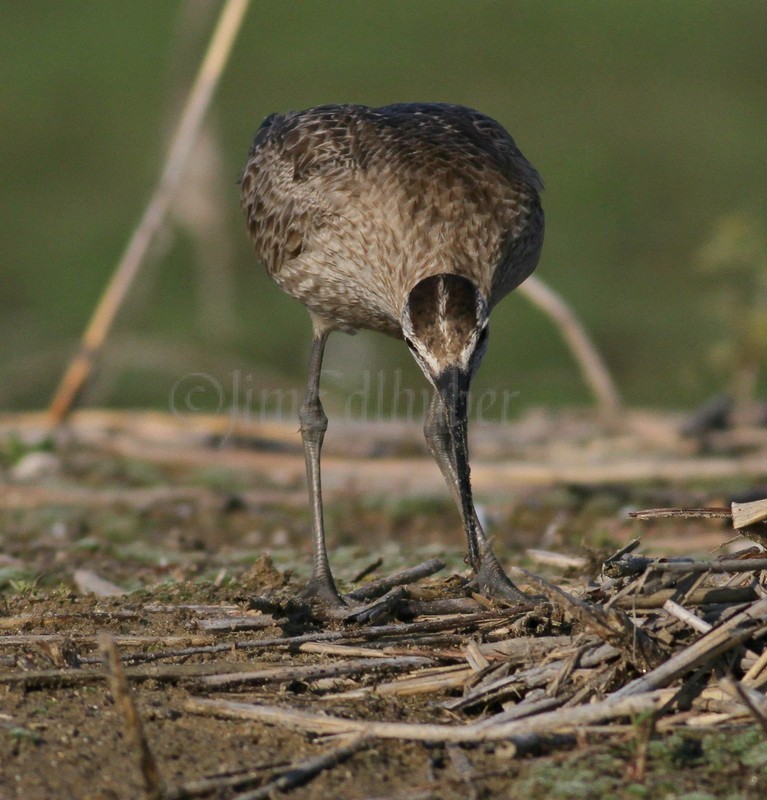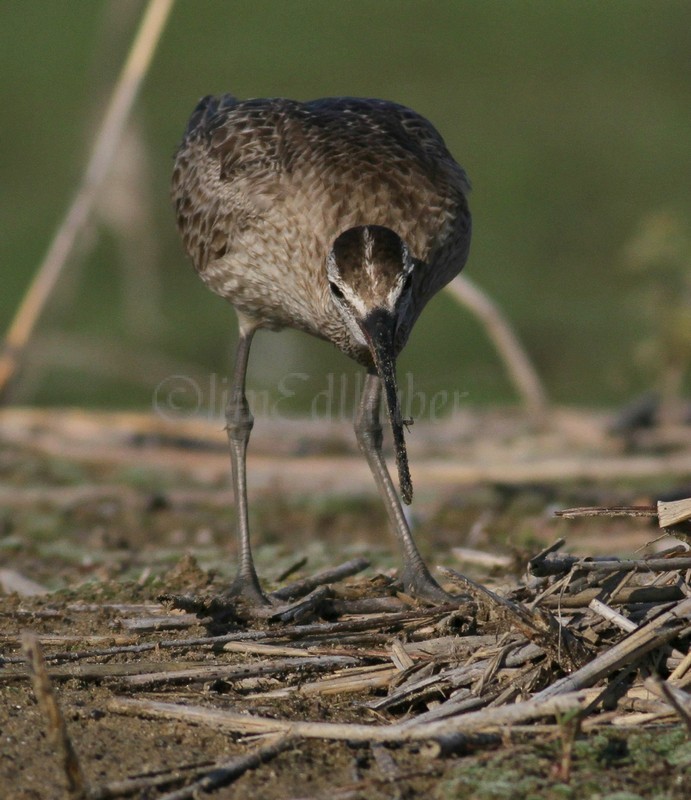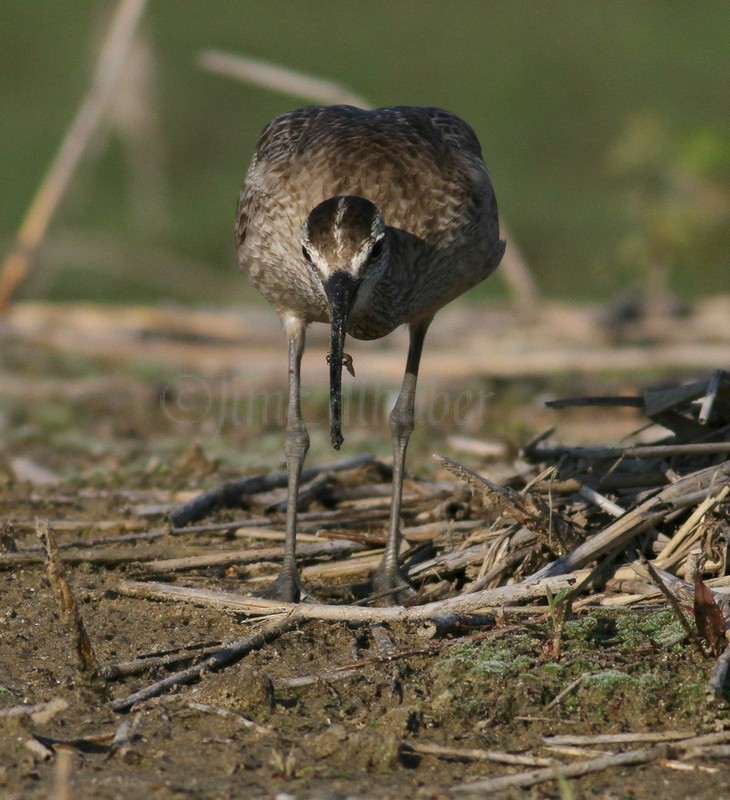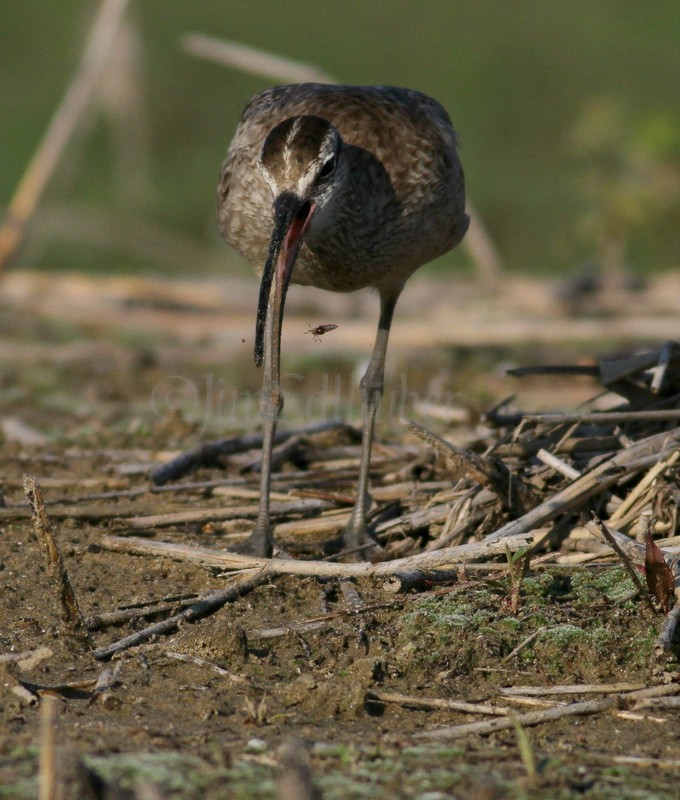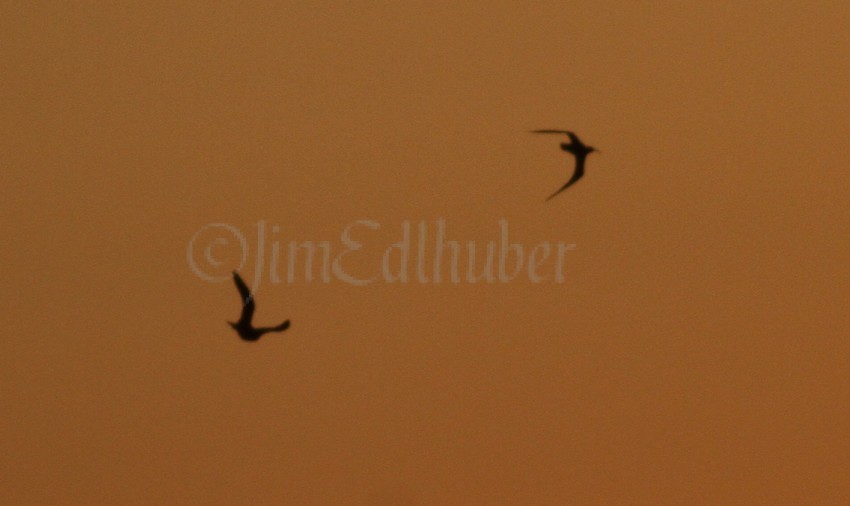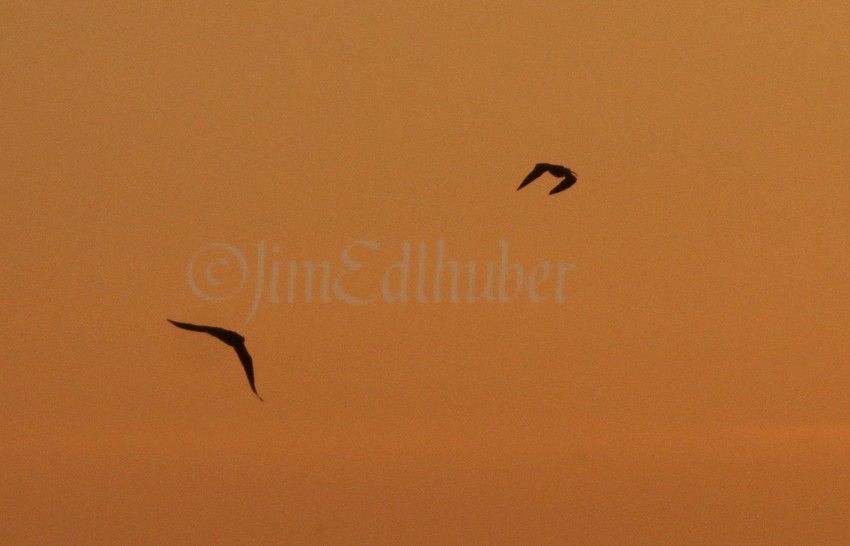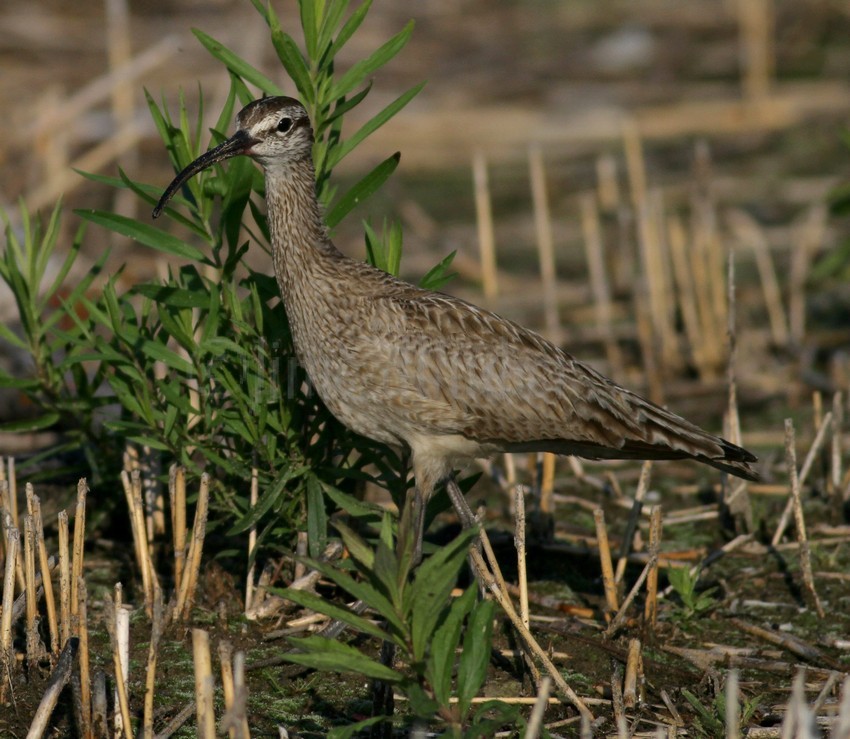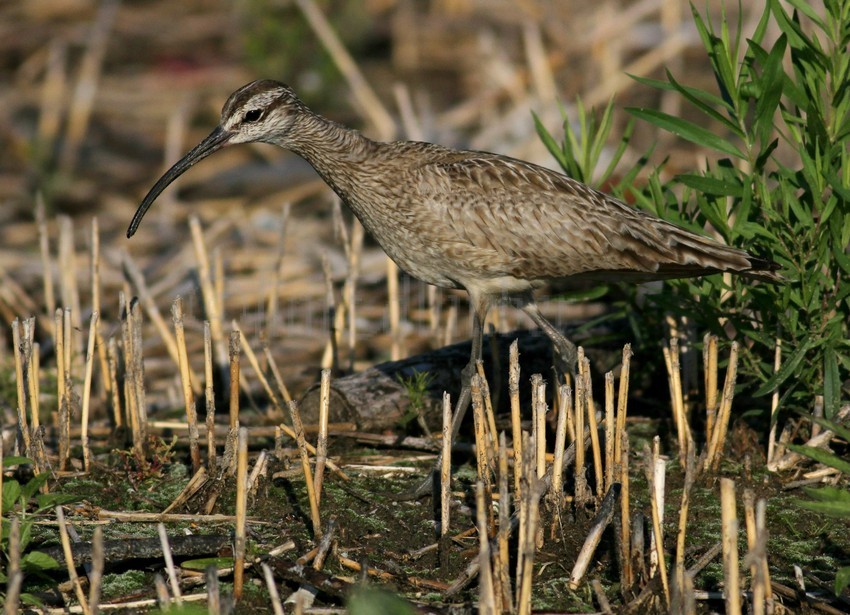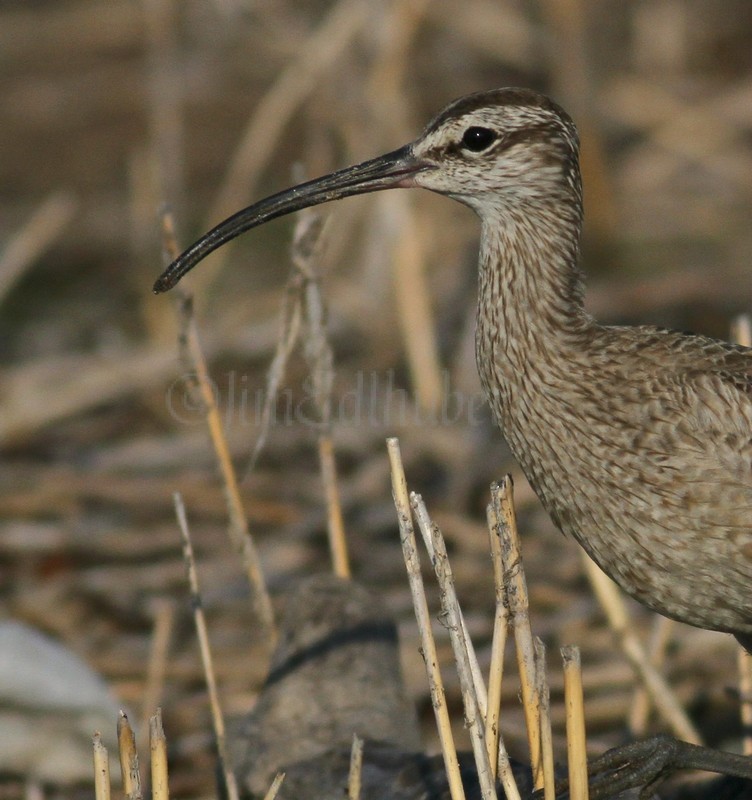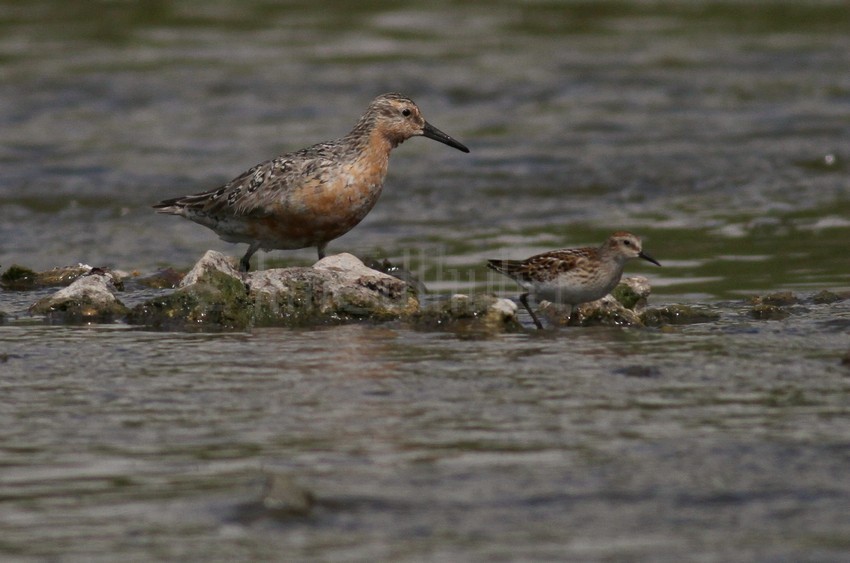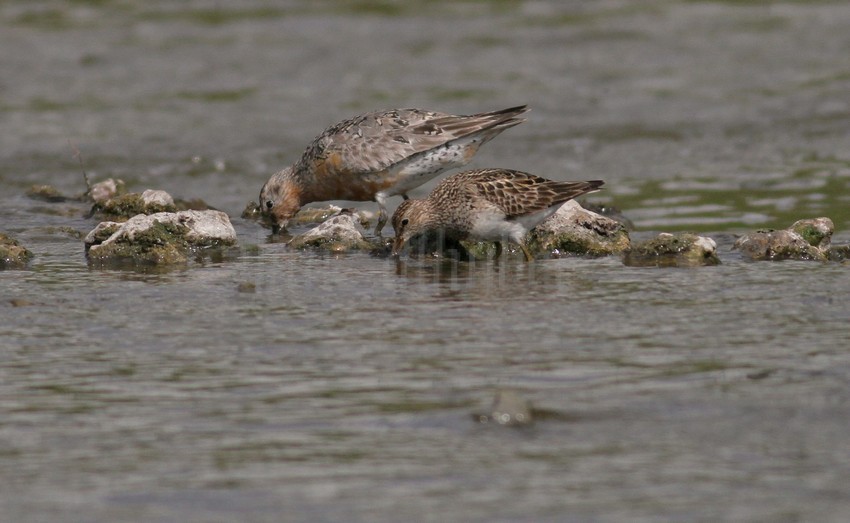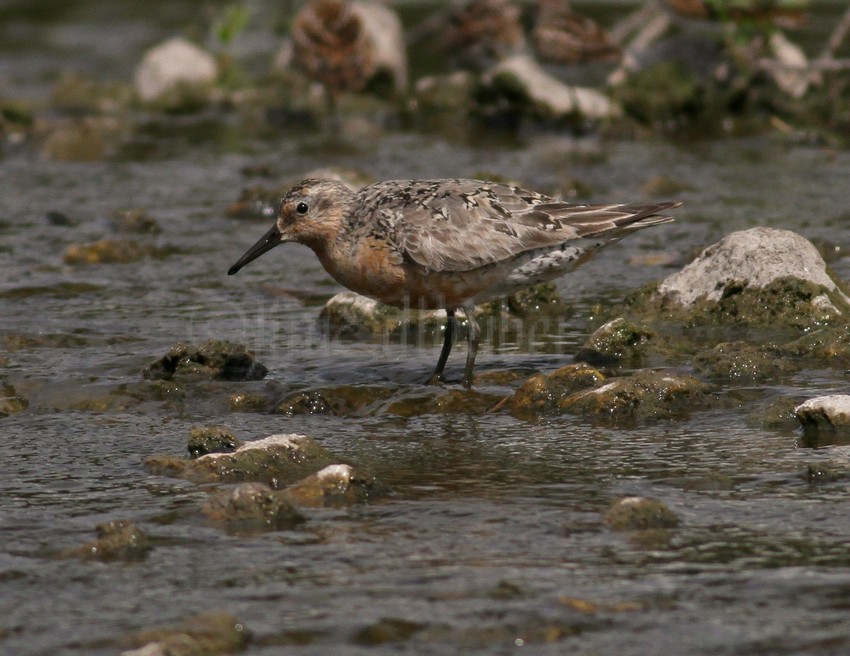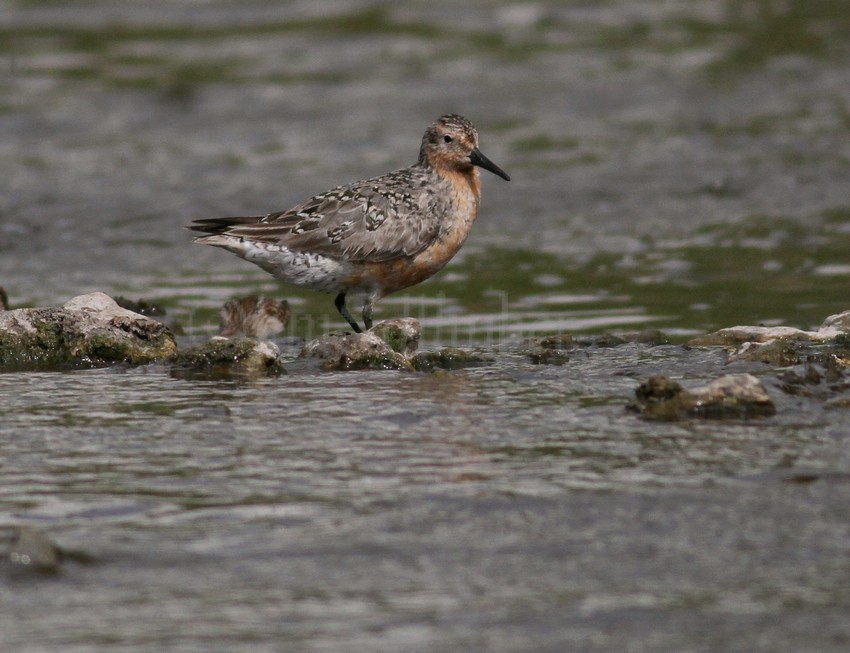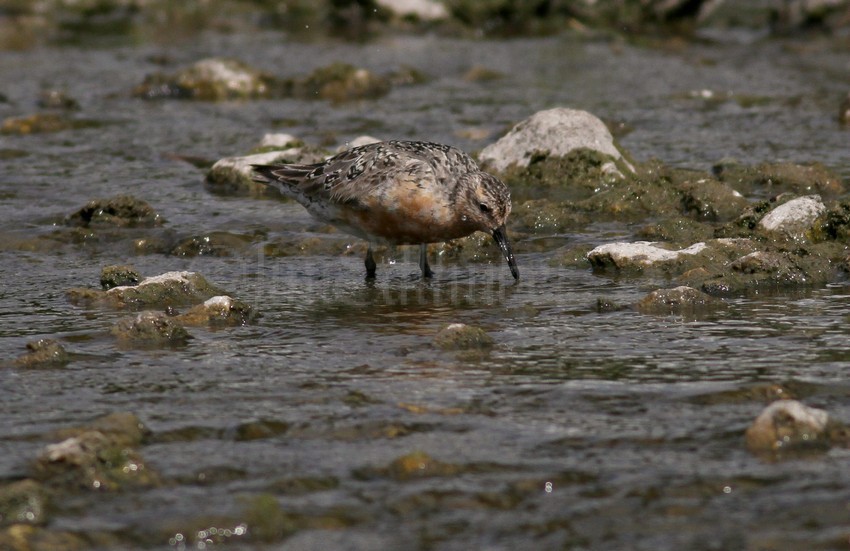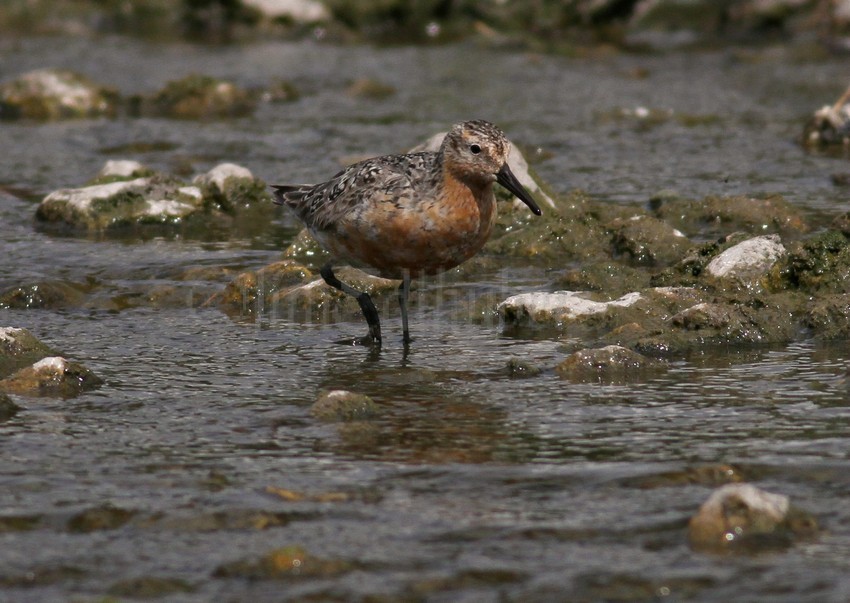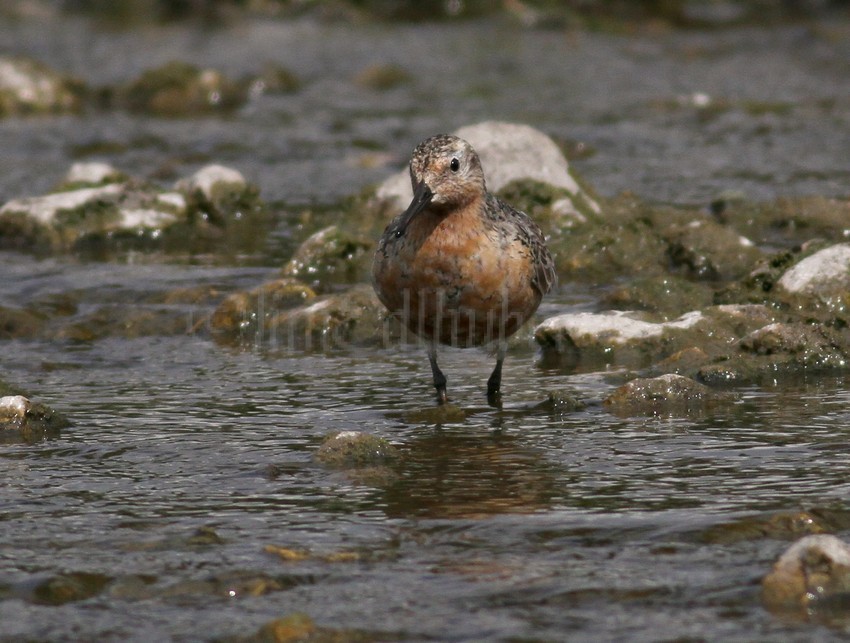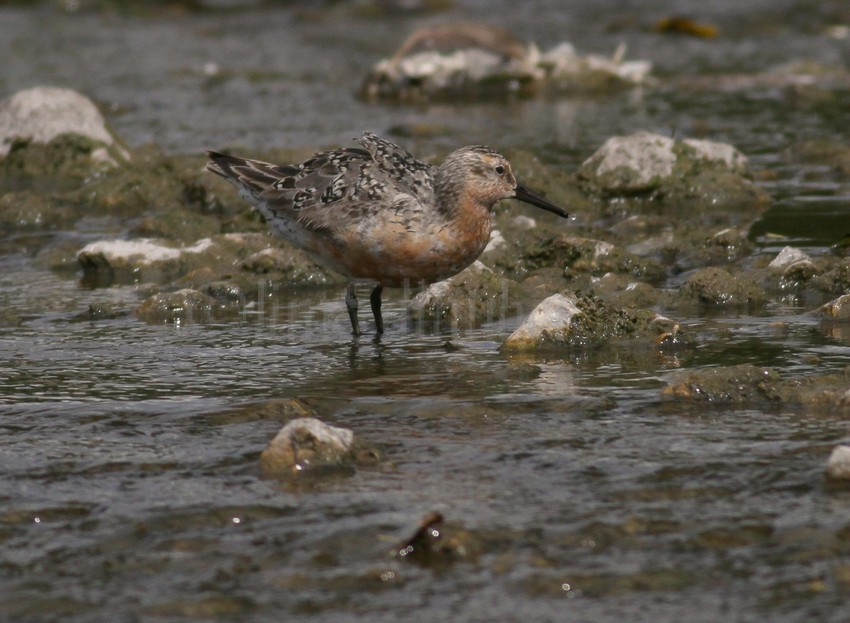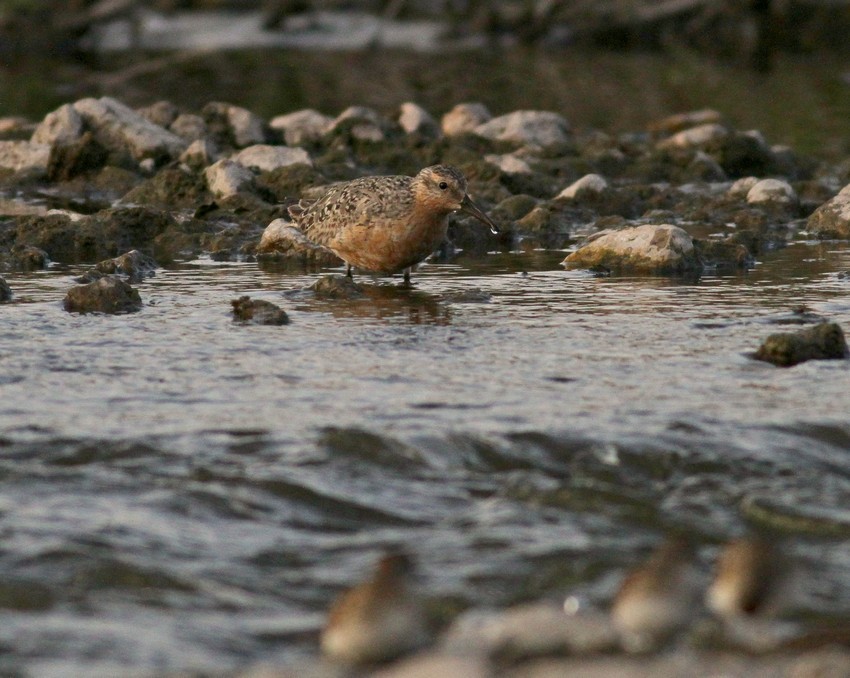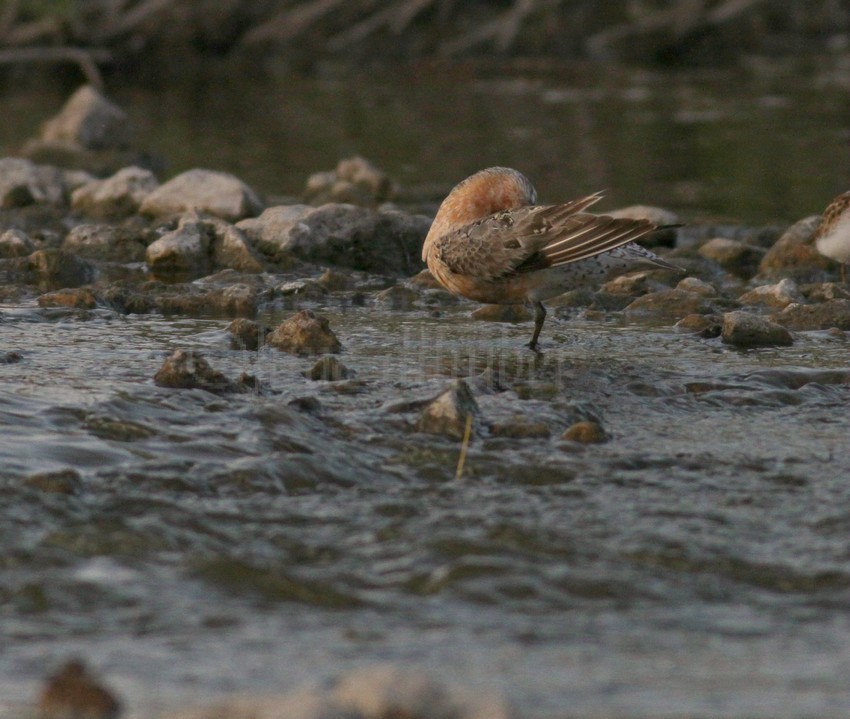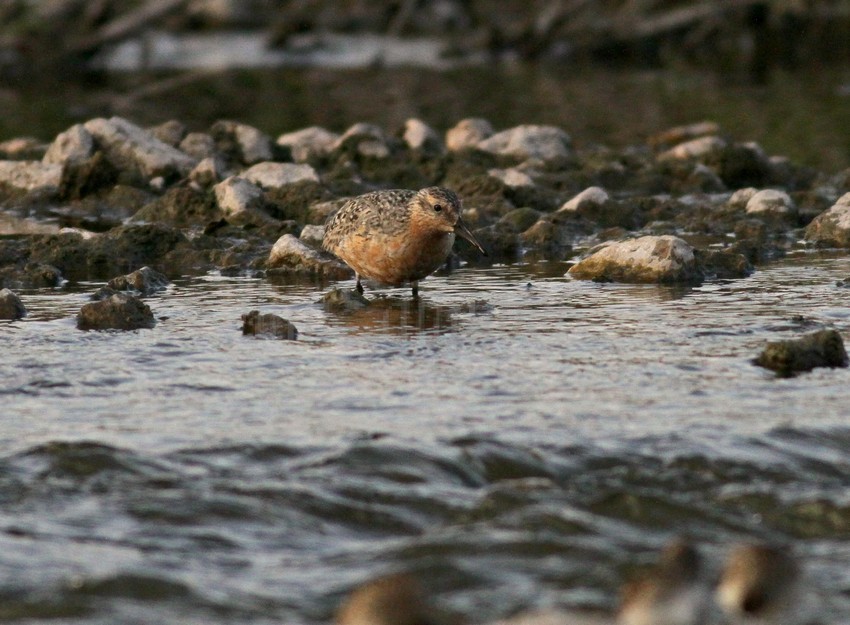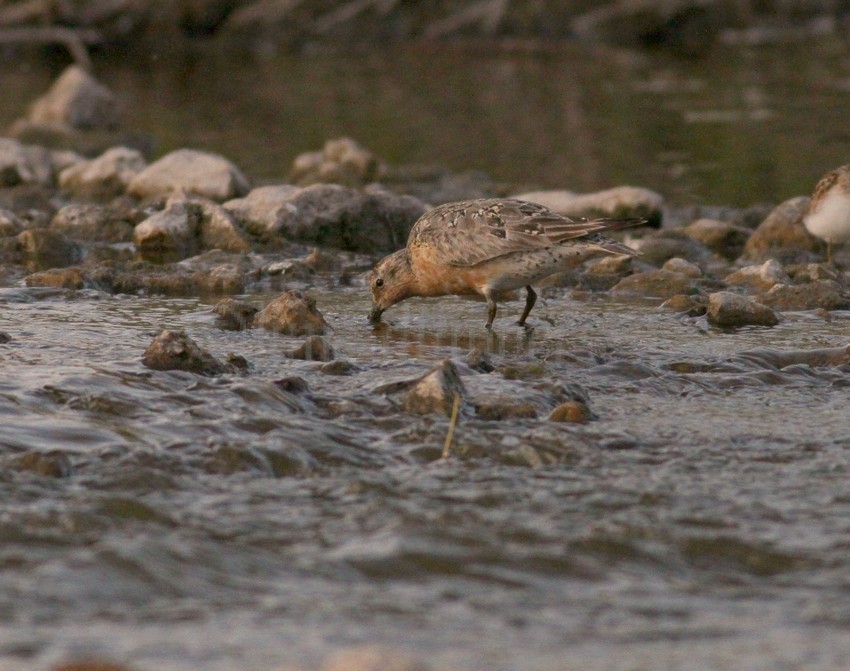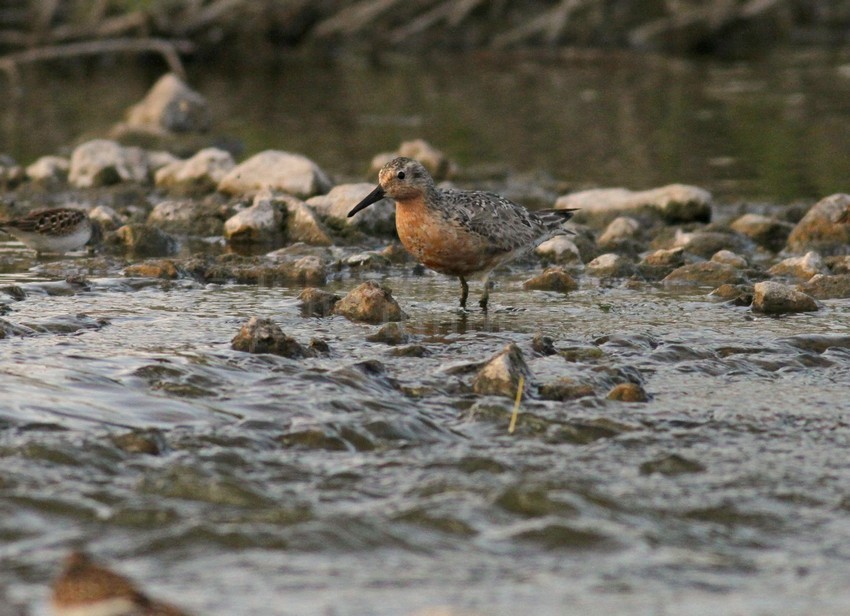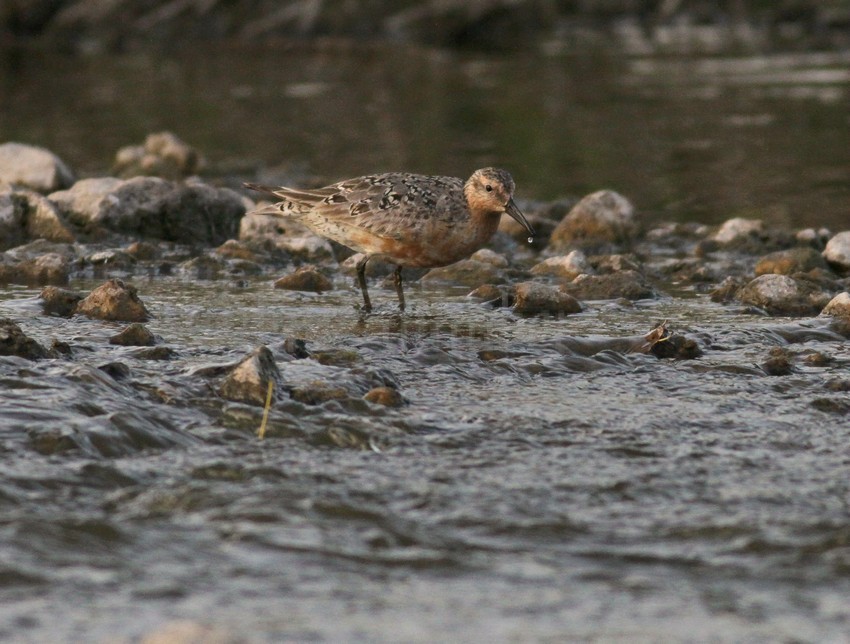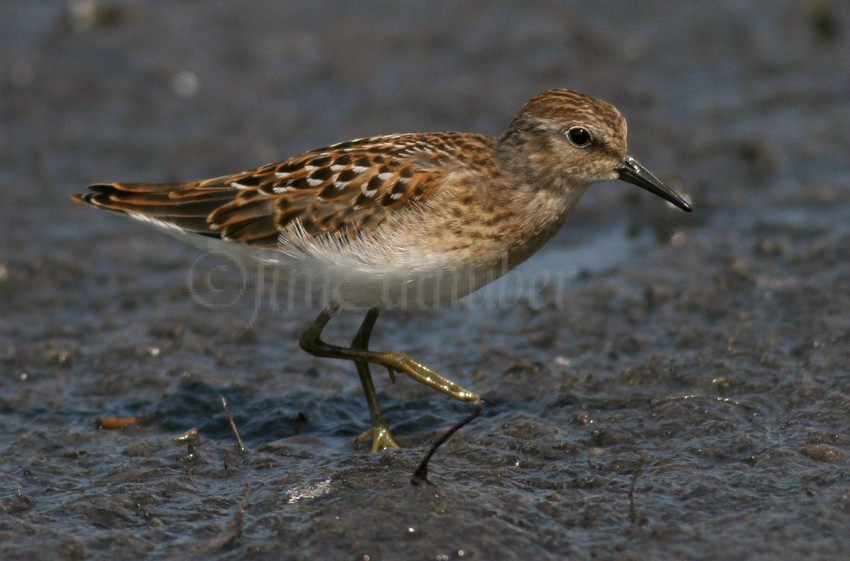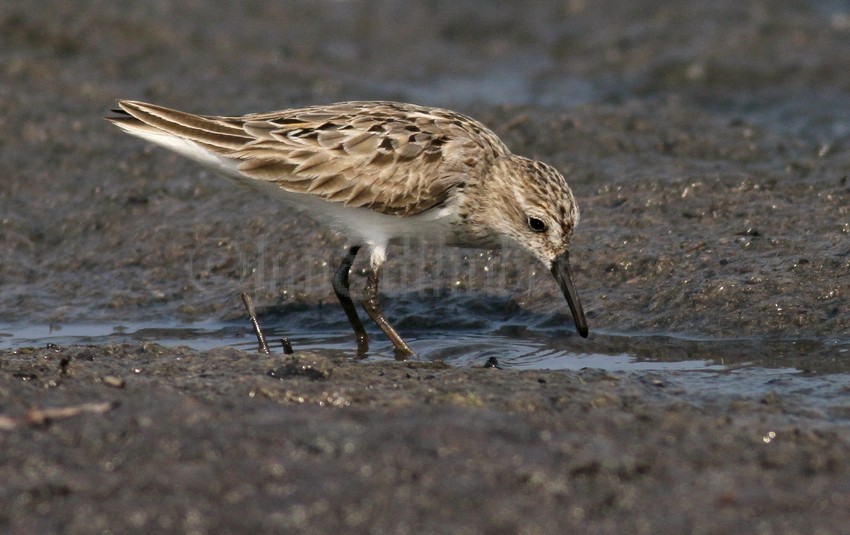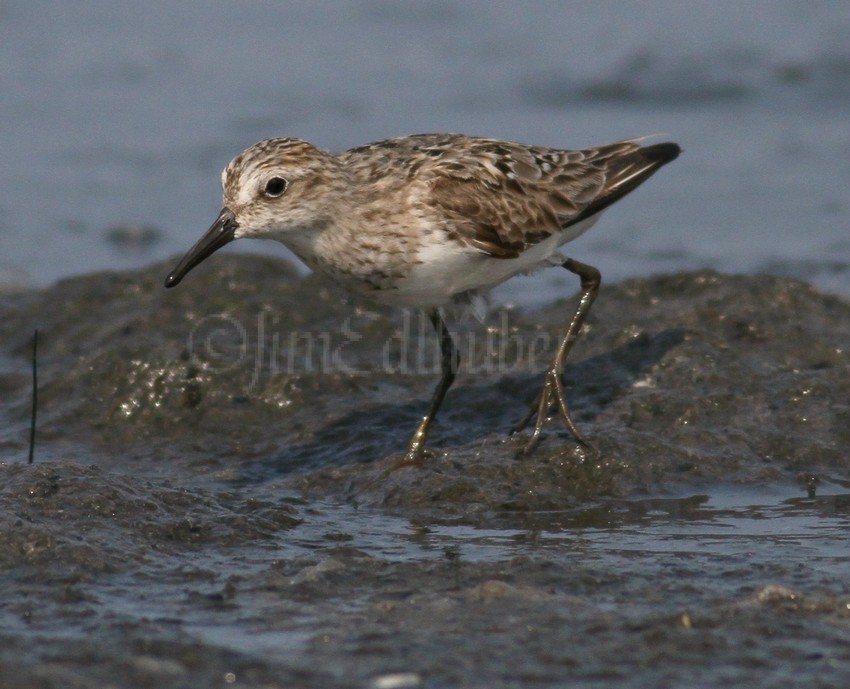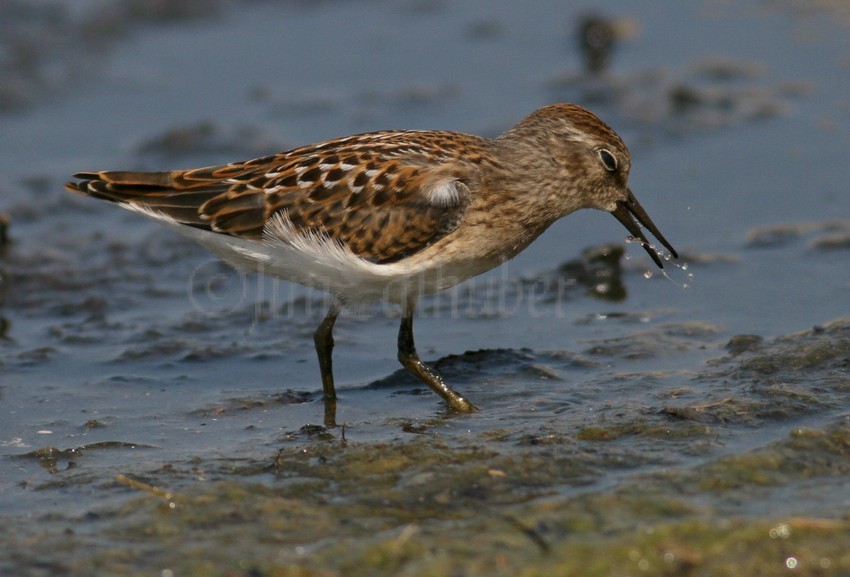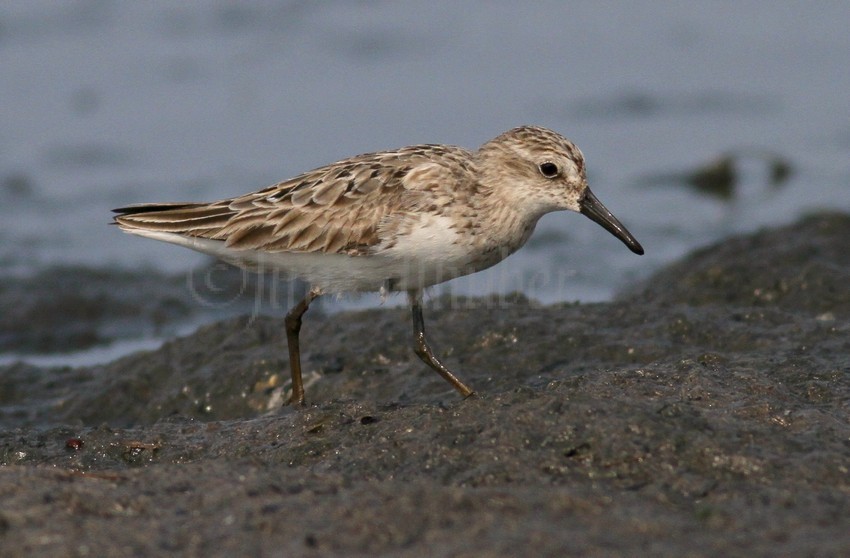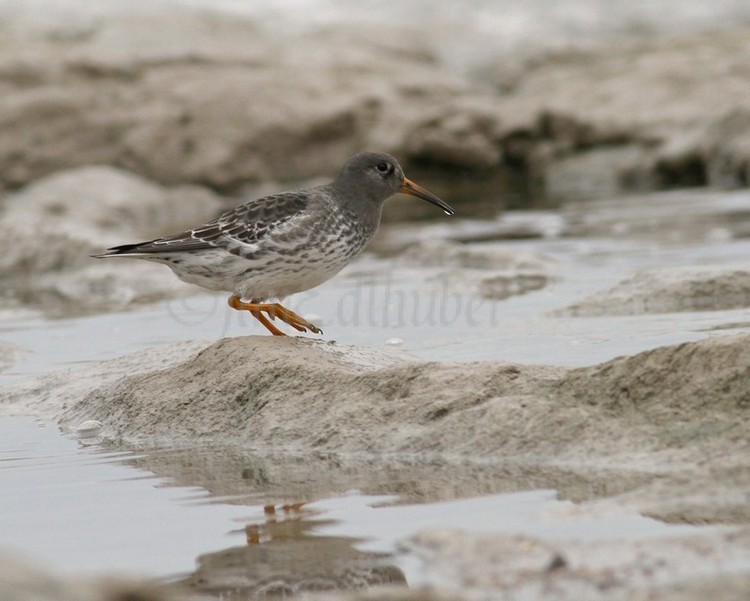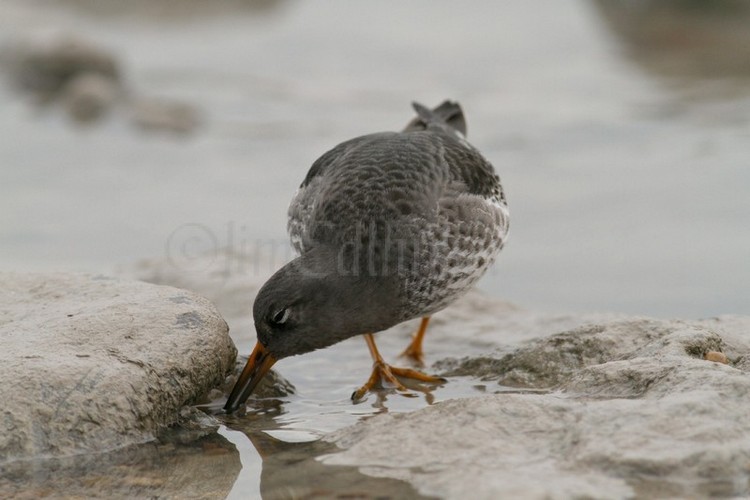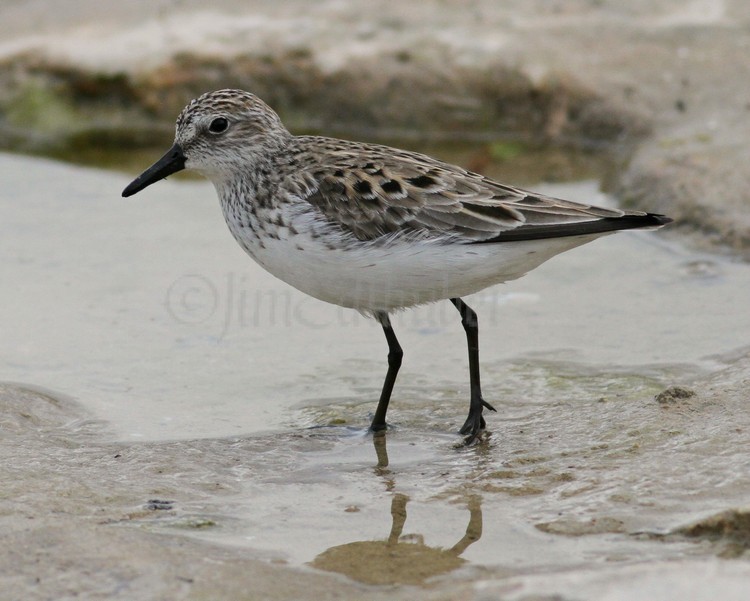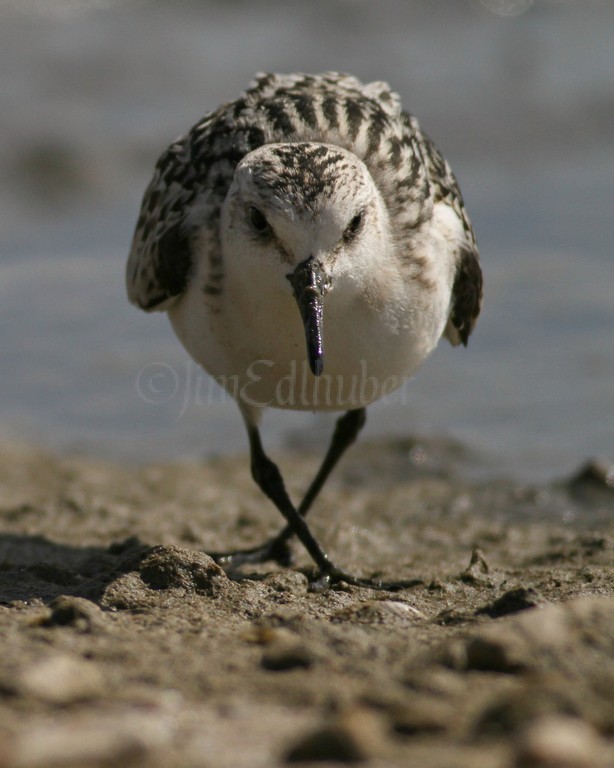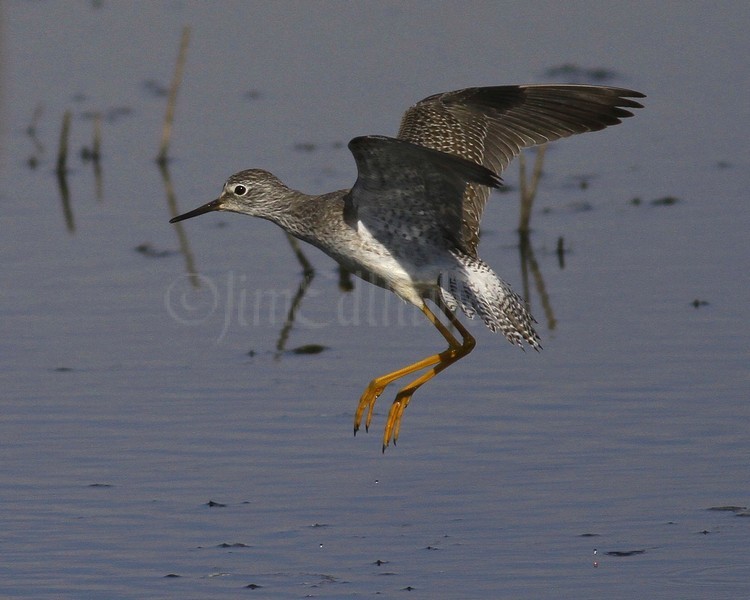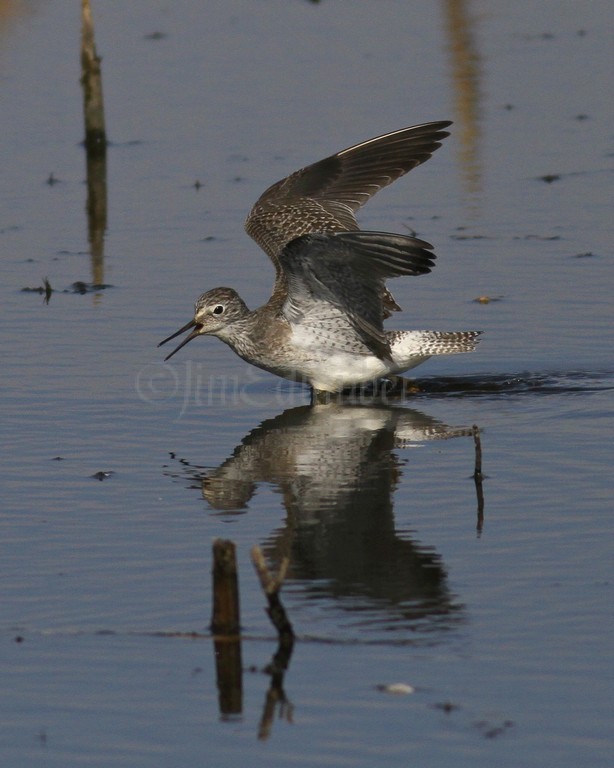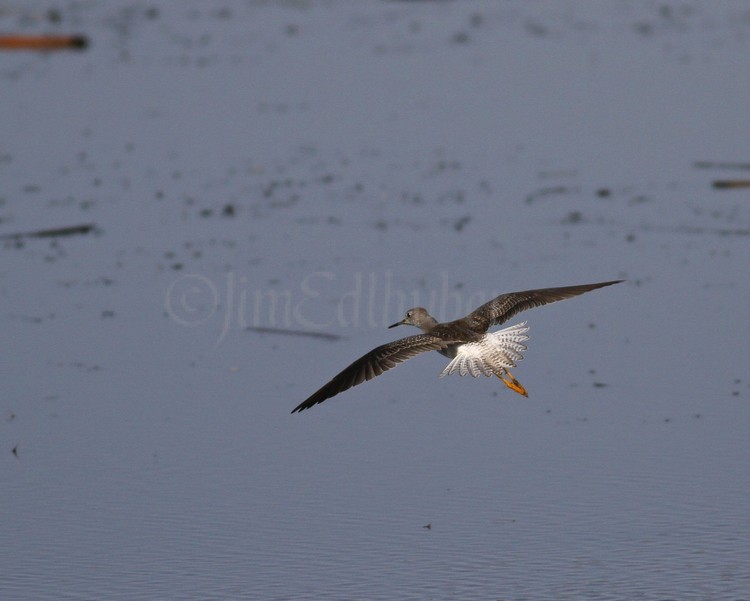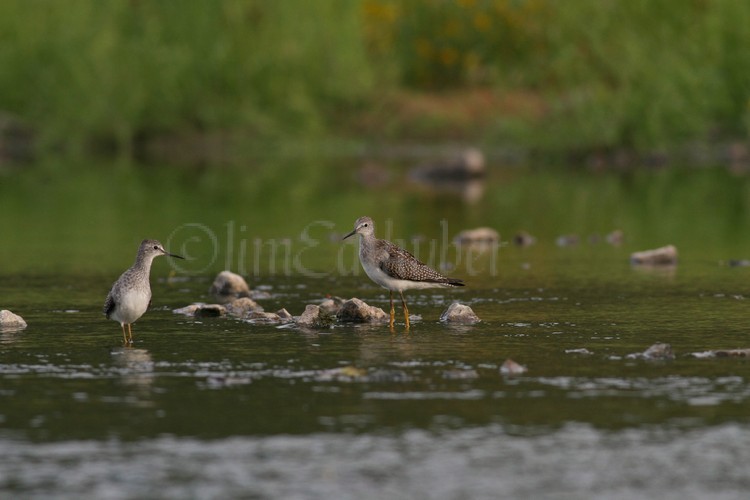
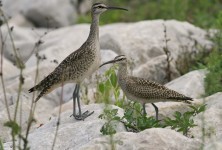
Baird’s Sandpiper

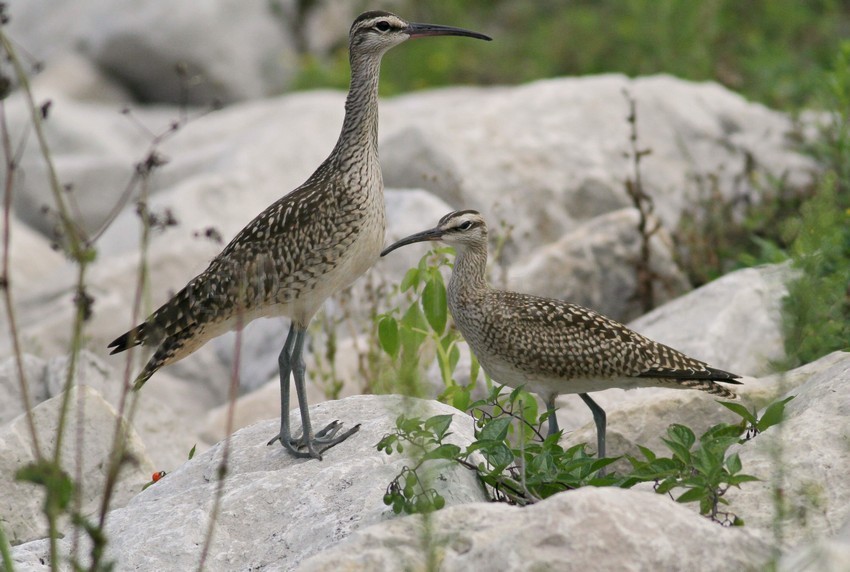
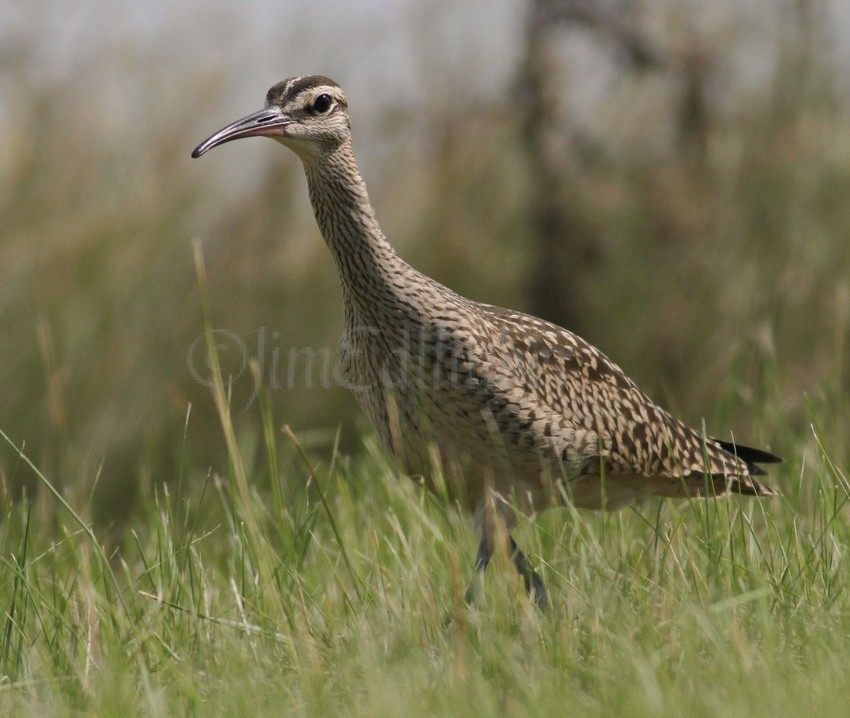
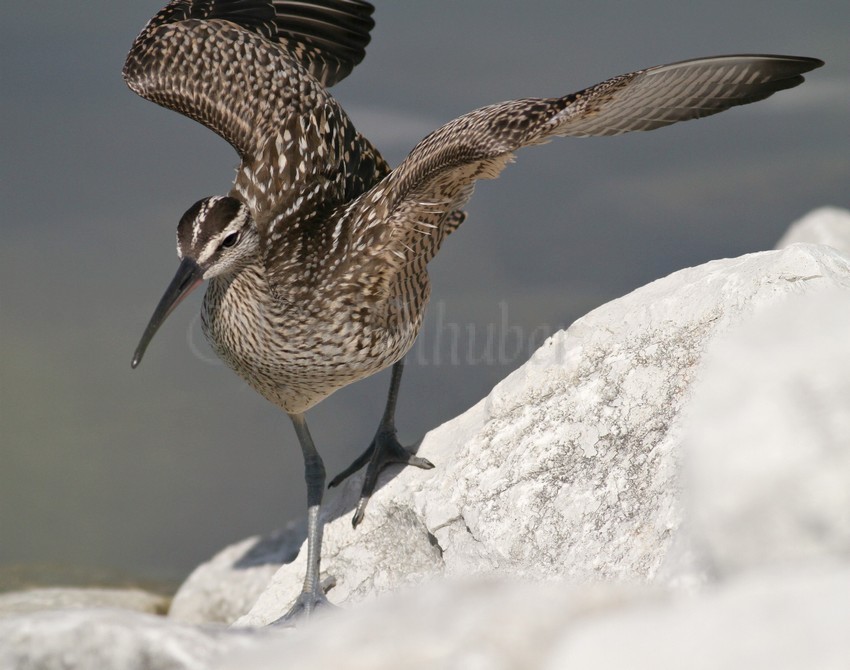
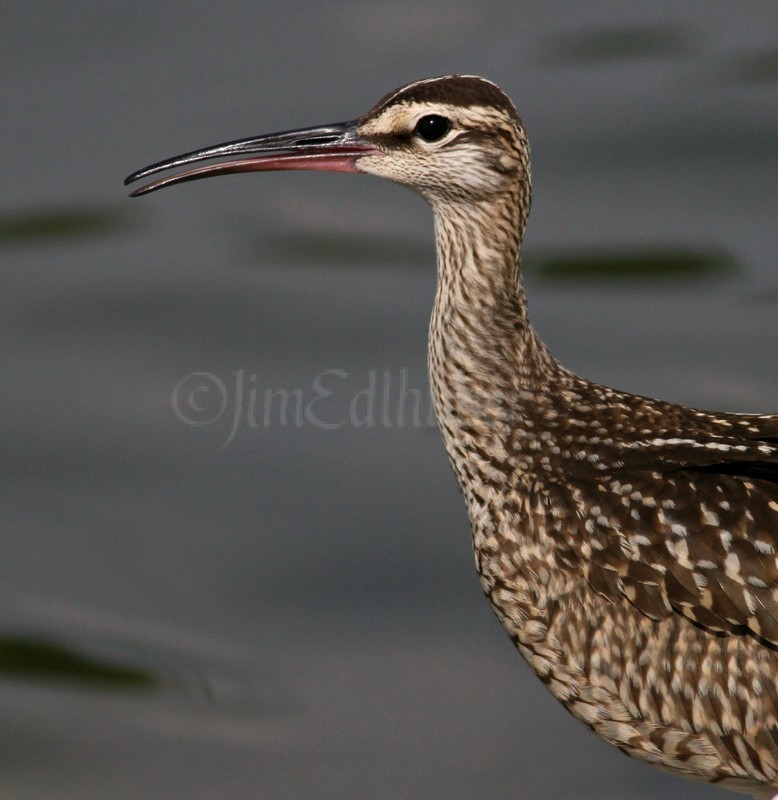
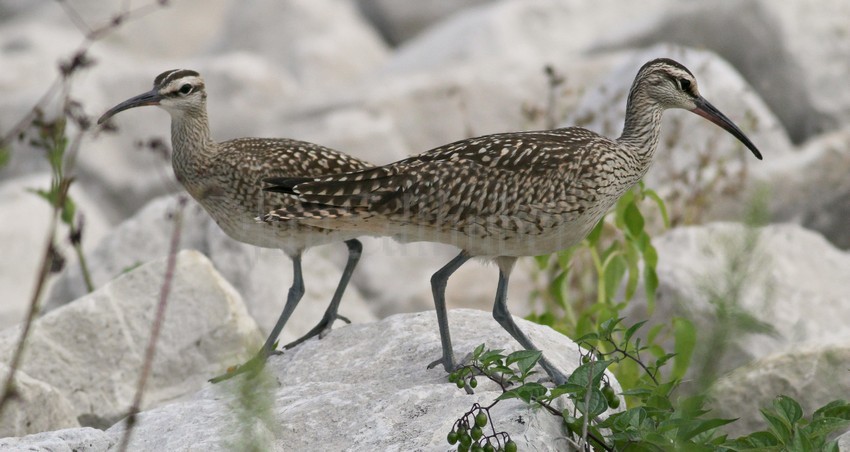
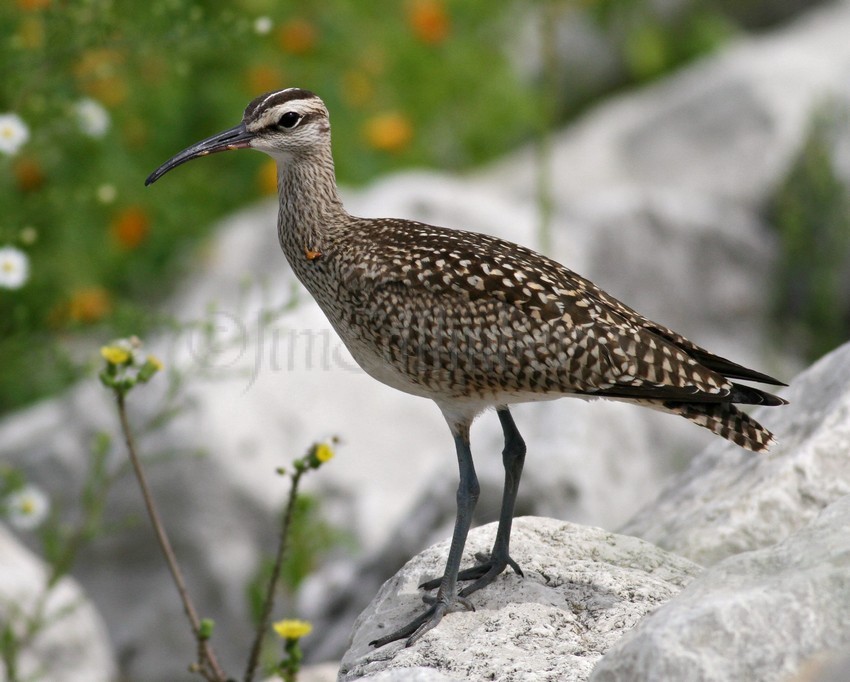
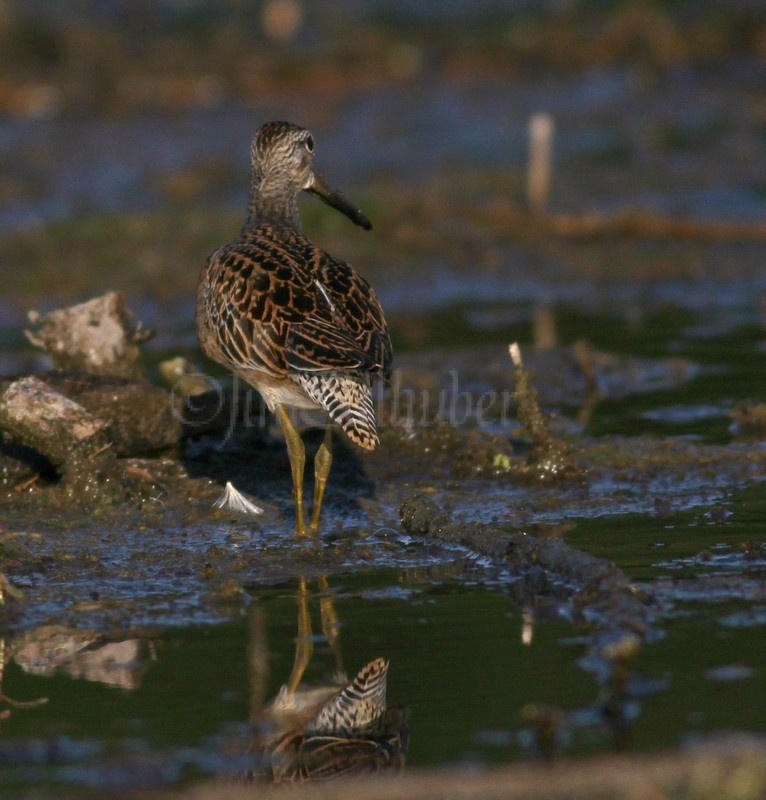
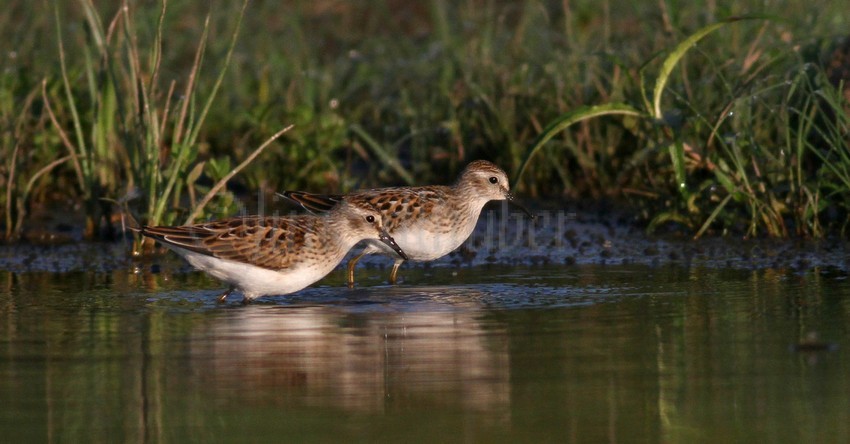
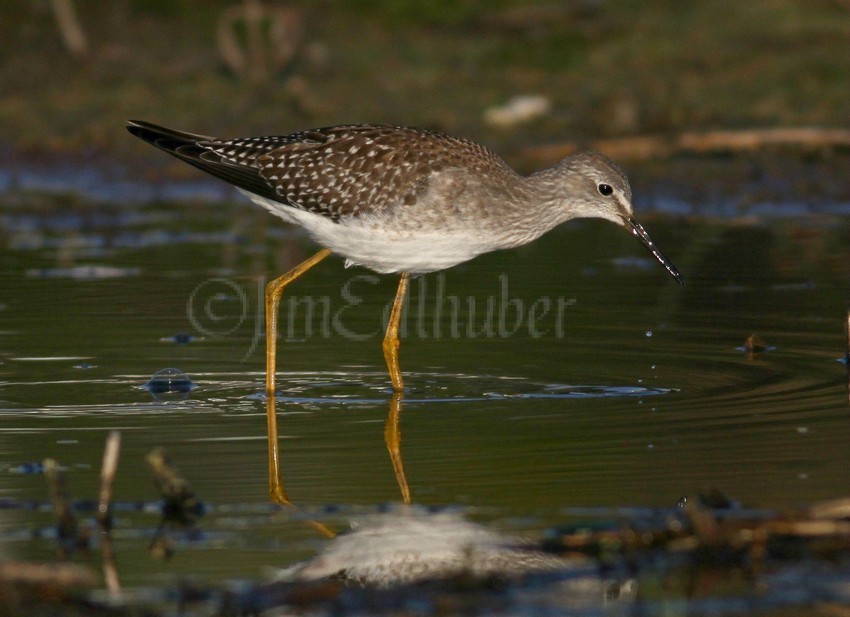
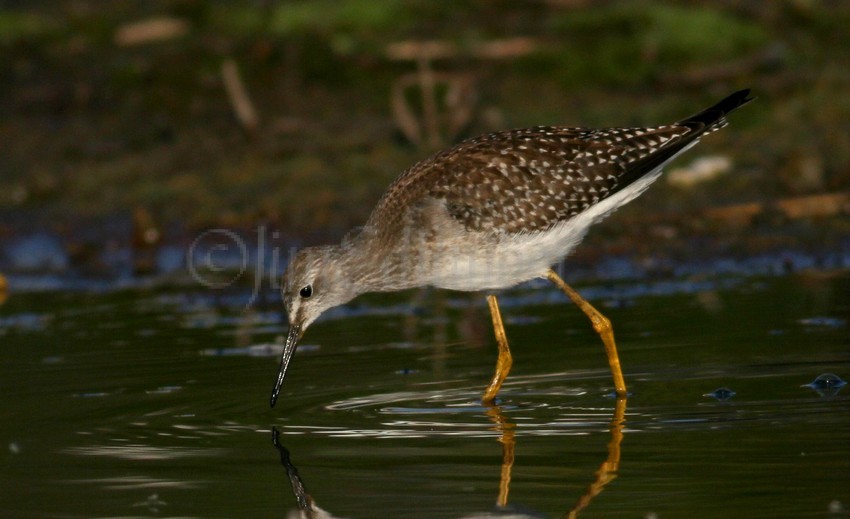
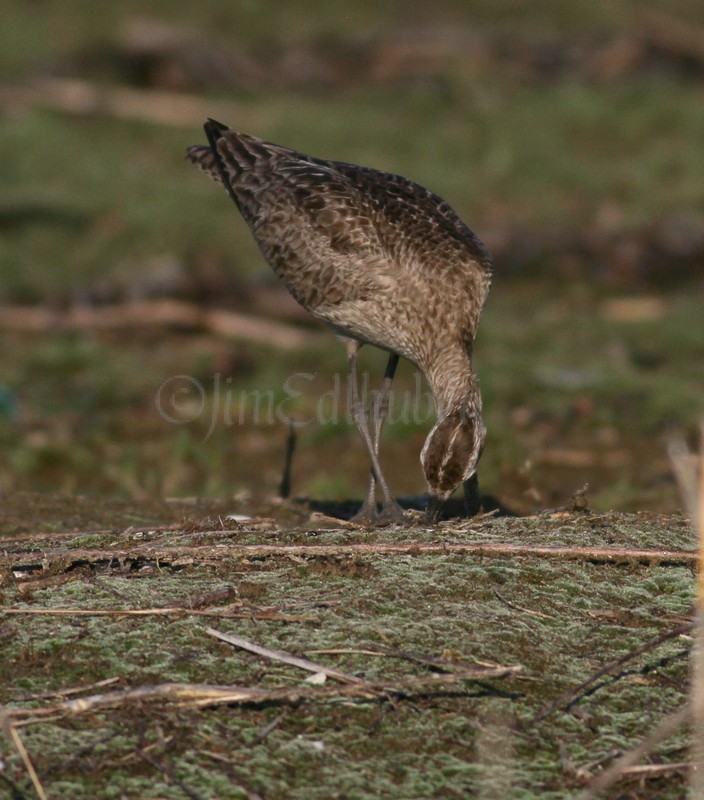
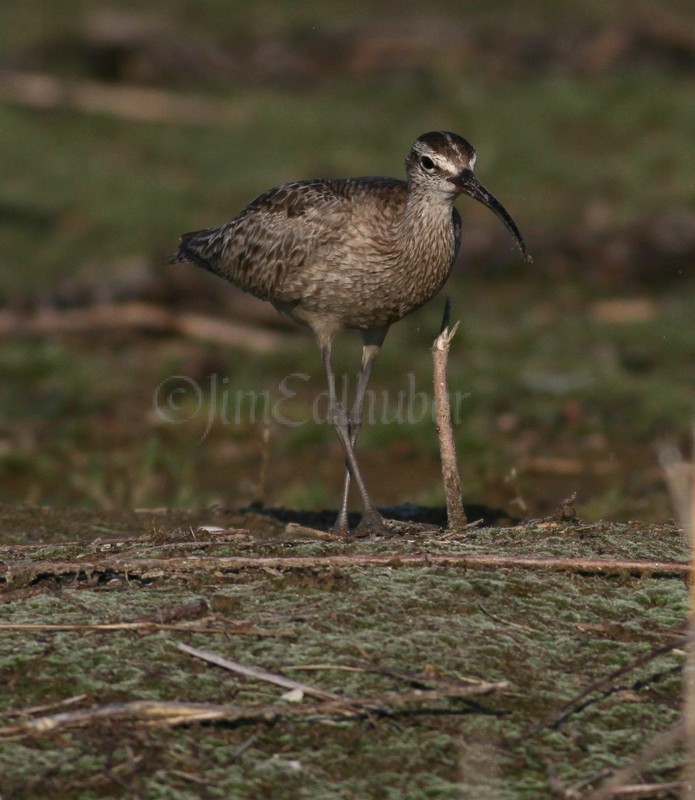
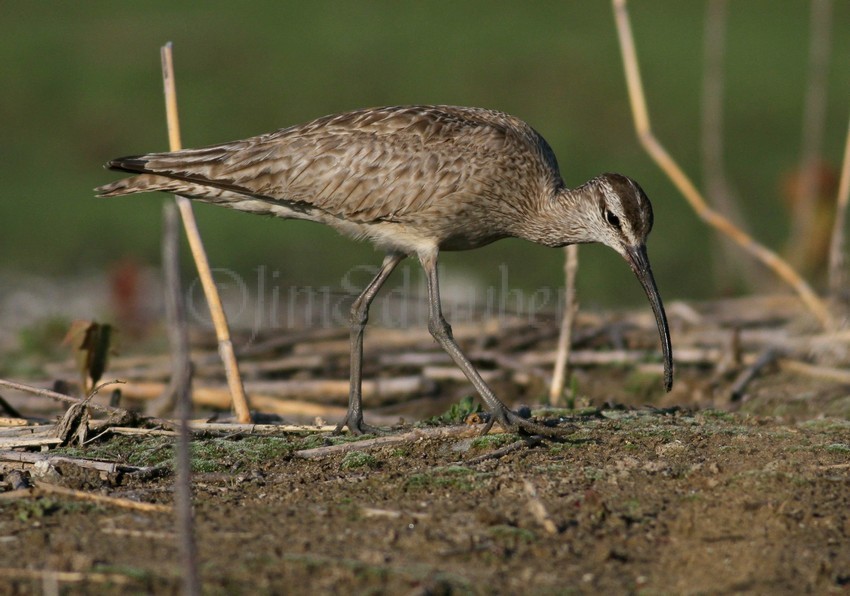
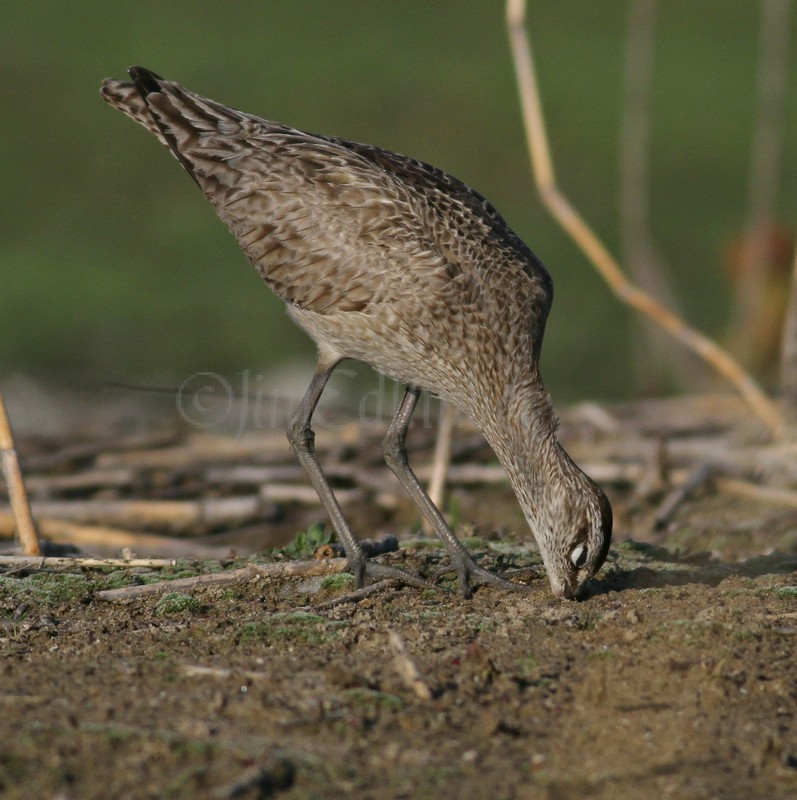
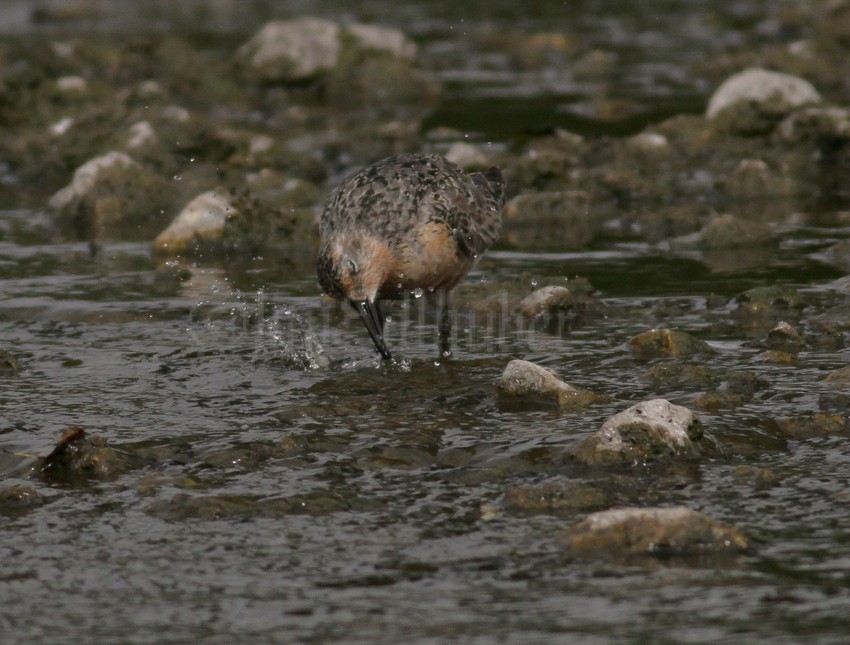
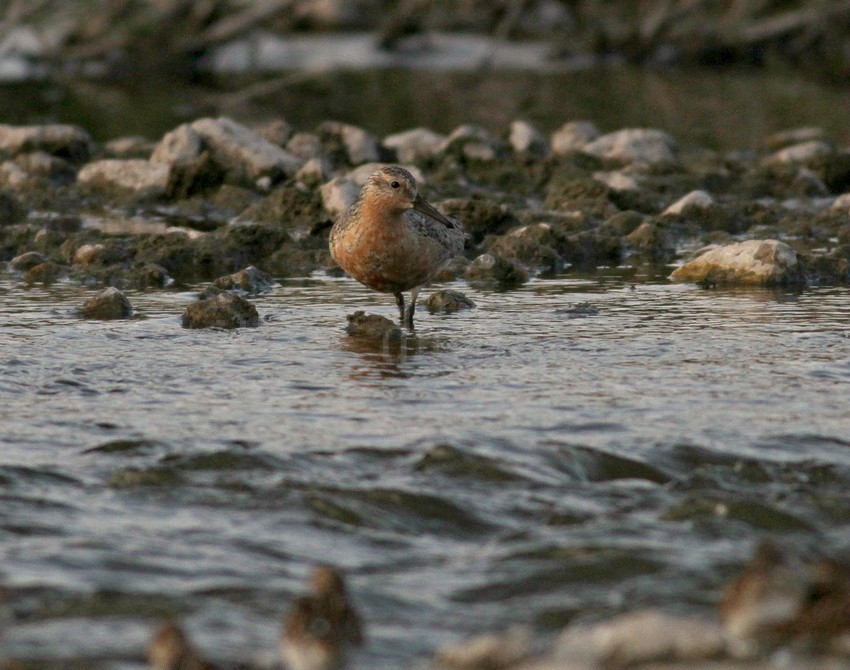
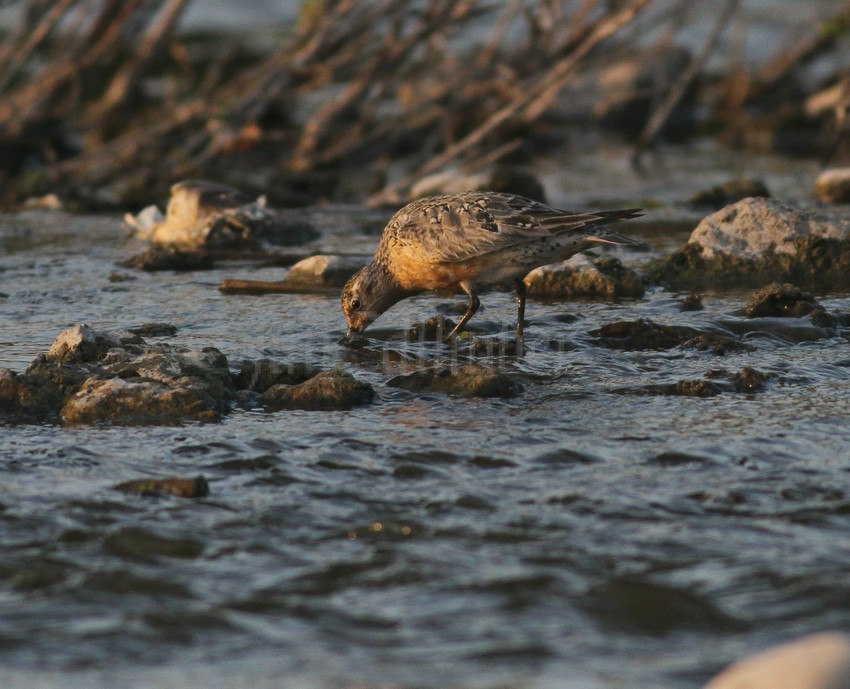
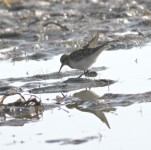
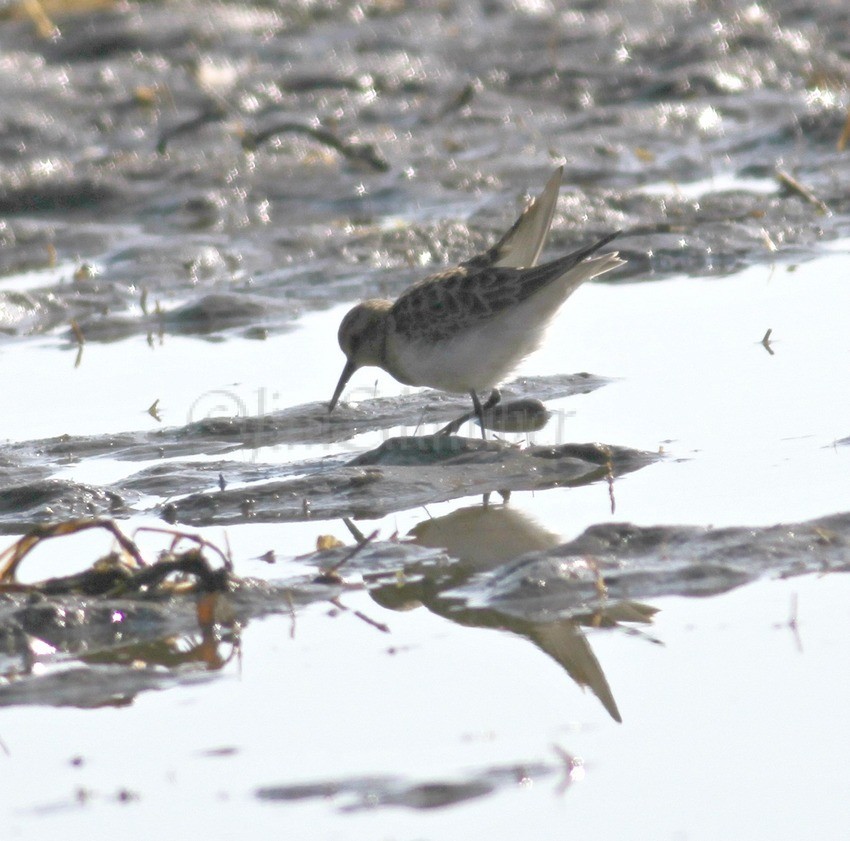
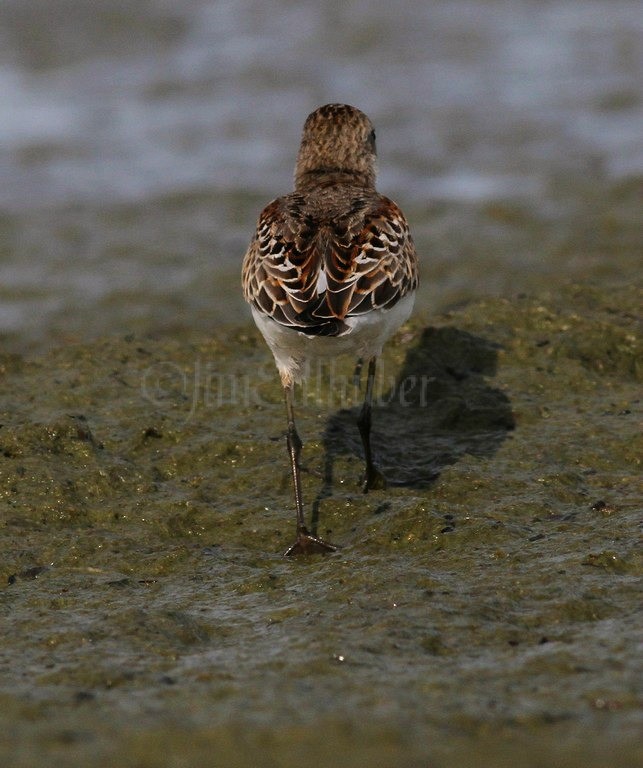
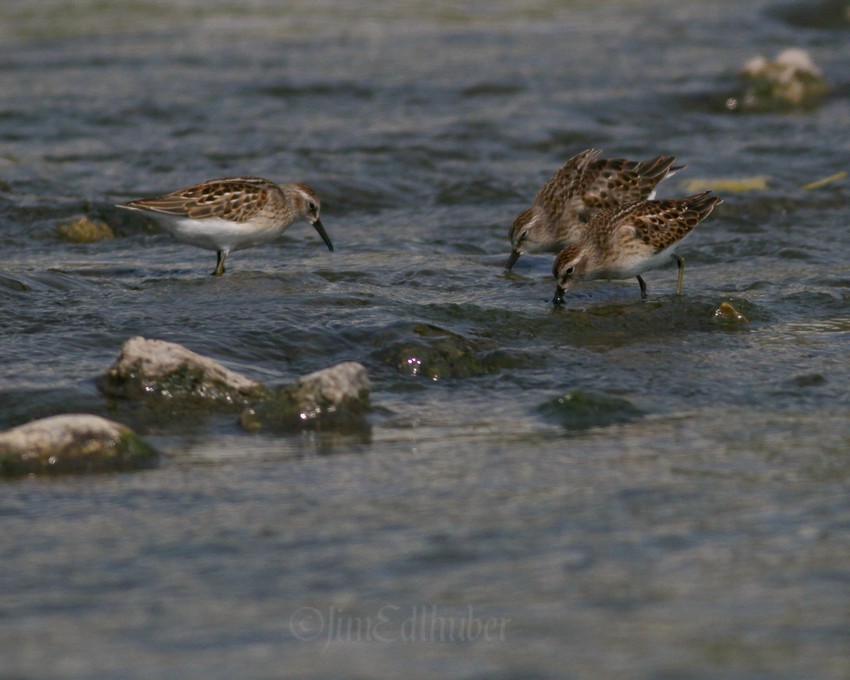
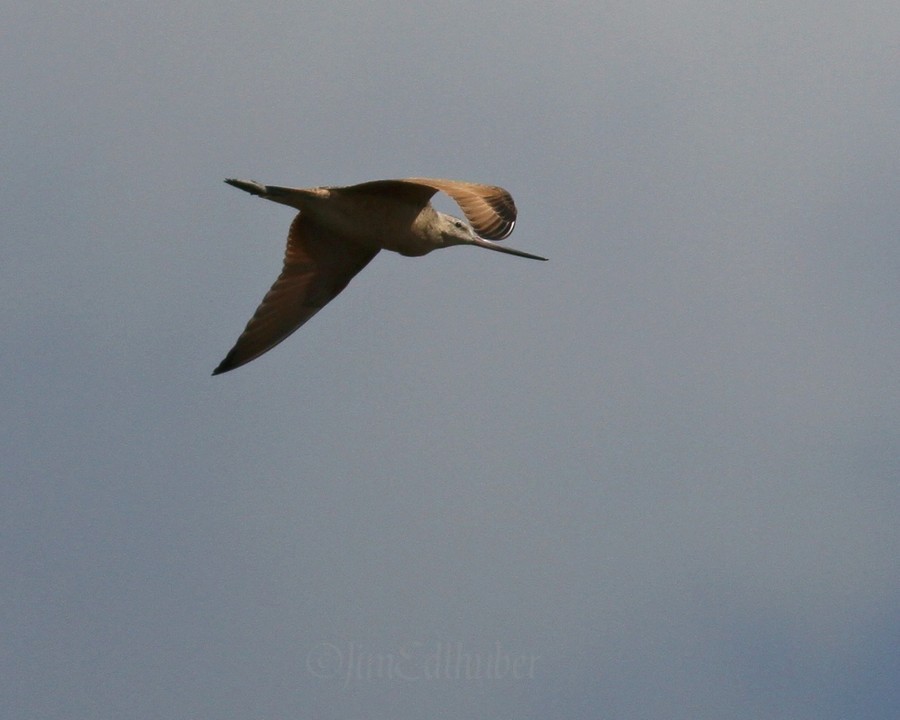
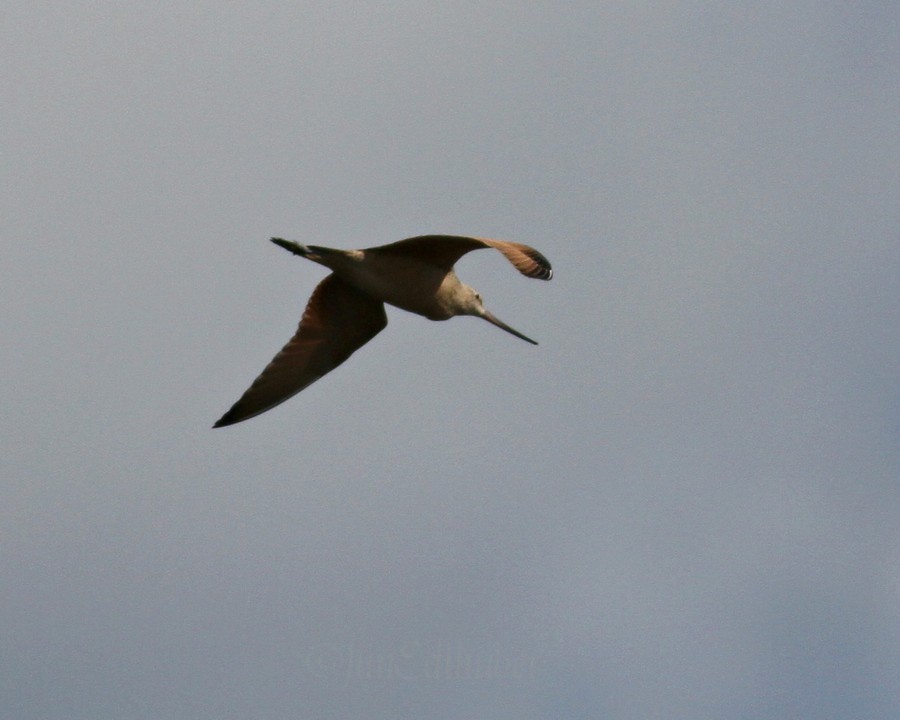
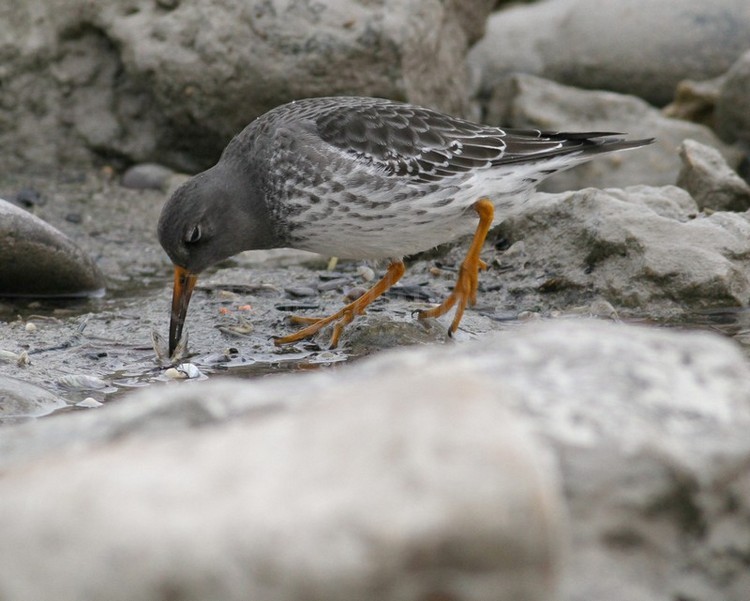
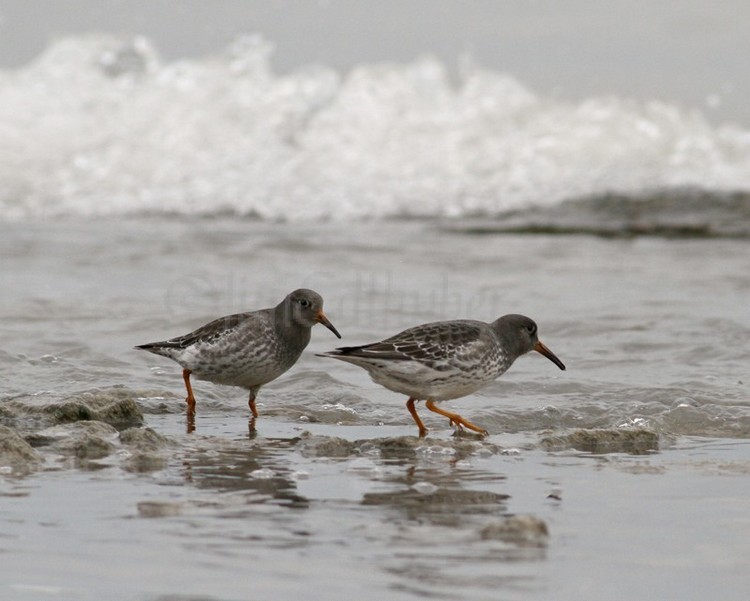
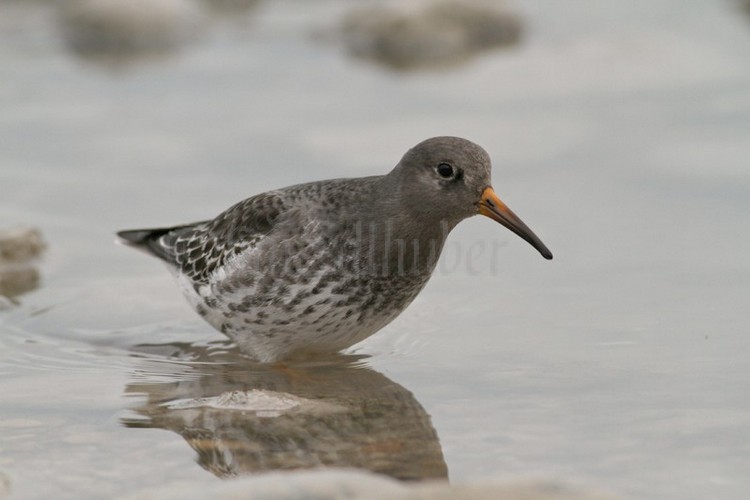
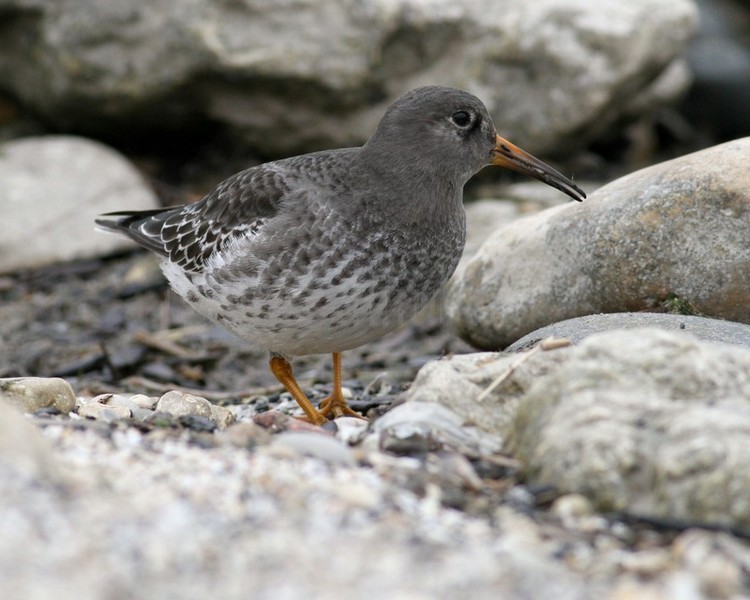
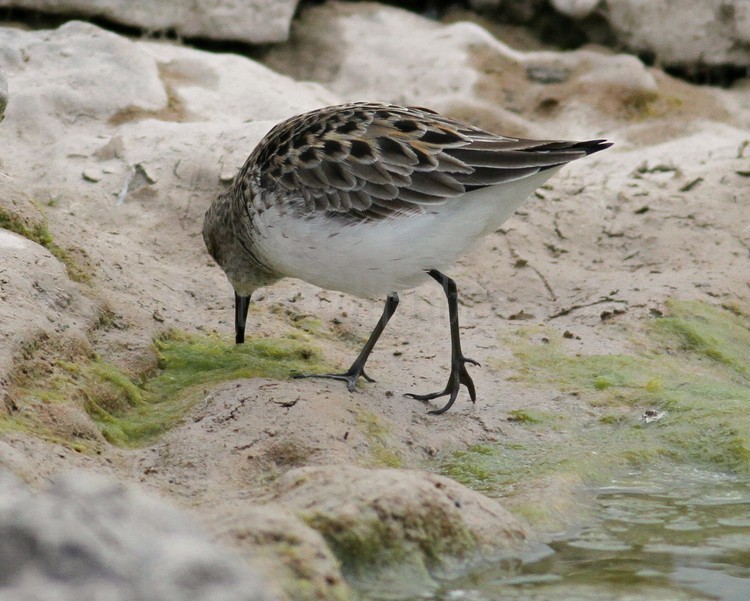
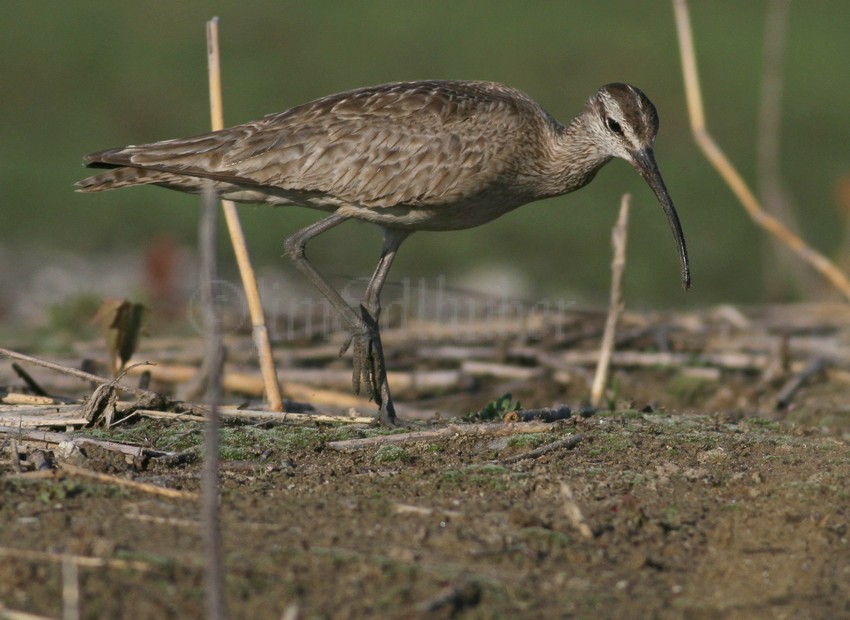
Baird’s Sandpiper photographed in Jefferson County, Wisconsin. This appears to be the earliest recorded date for a Baird’s Sandpiper to arrive in Wisconsin.  There were 3 Baird’s Sandpipers at this location in a field just north of Hwy 106 on Mehring Road. I also tried 3 times in the last 24 hours to locate the Franklin’s Gull reported Northwest of Palmyra on Hwy 106 with no luck. Less than ideal shooting conditions due to shooting into the light at a long distance. Image taken on April 2, 2014.
__bairrsIMG_4675_cr

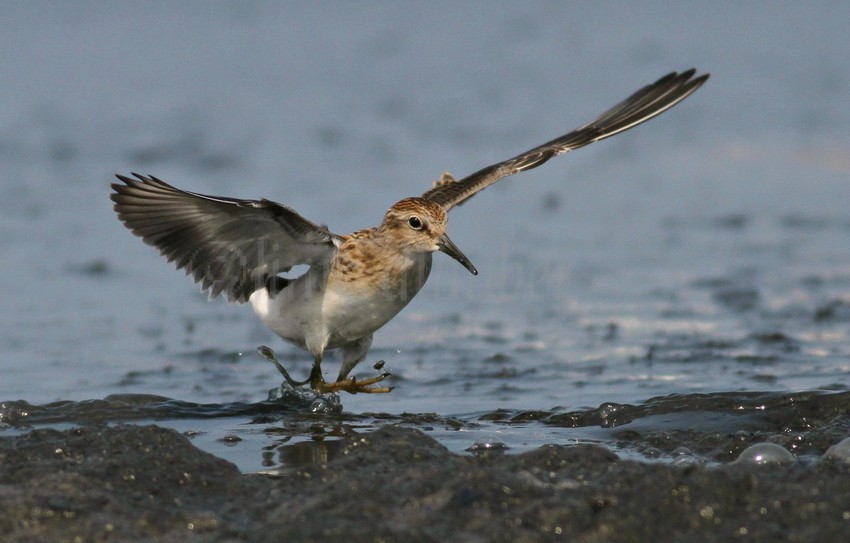
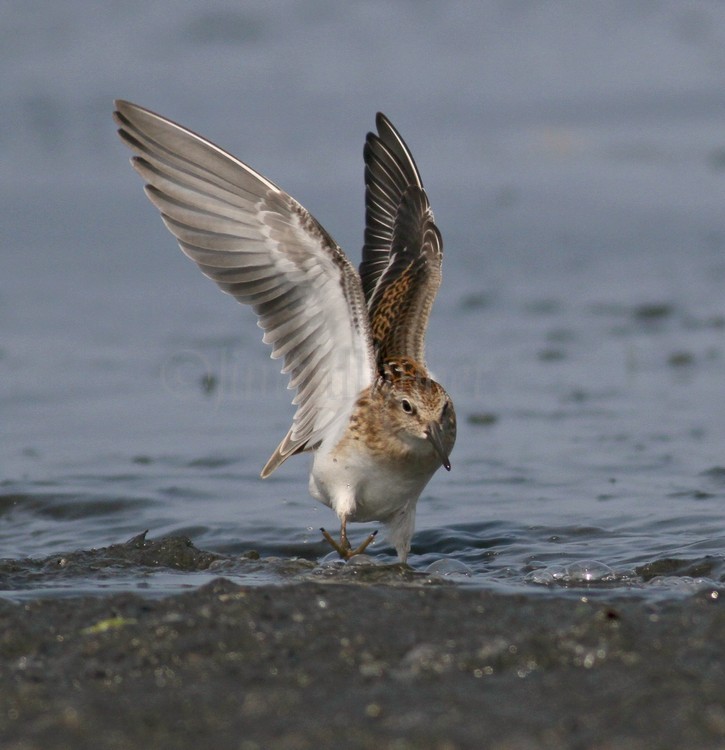
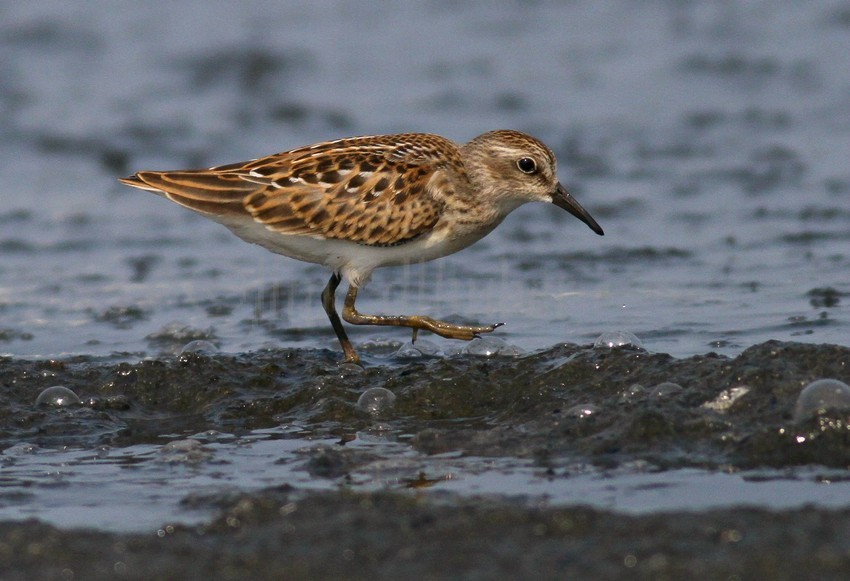
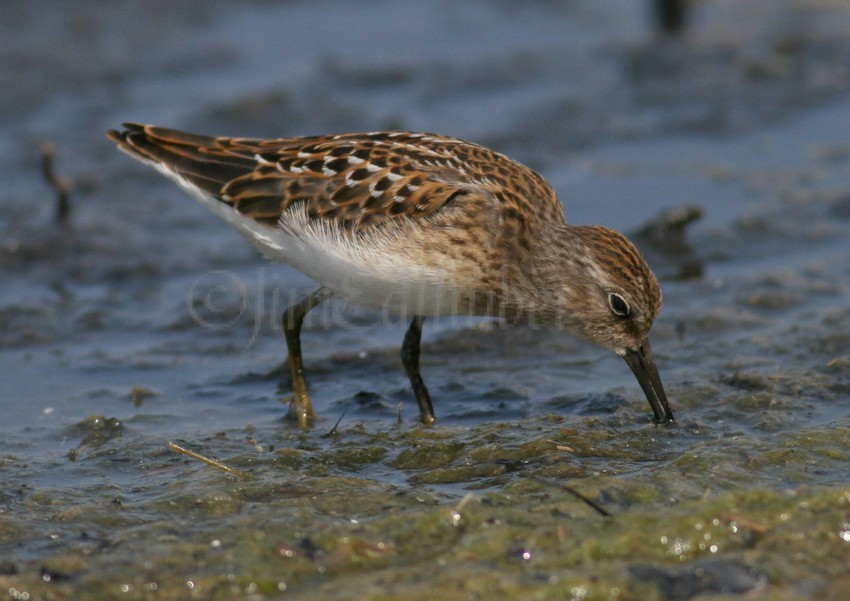
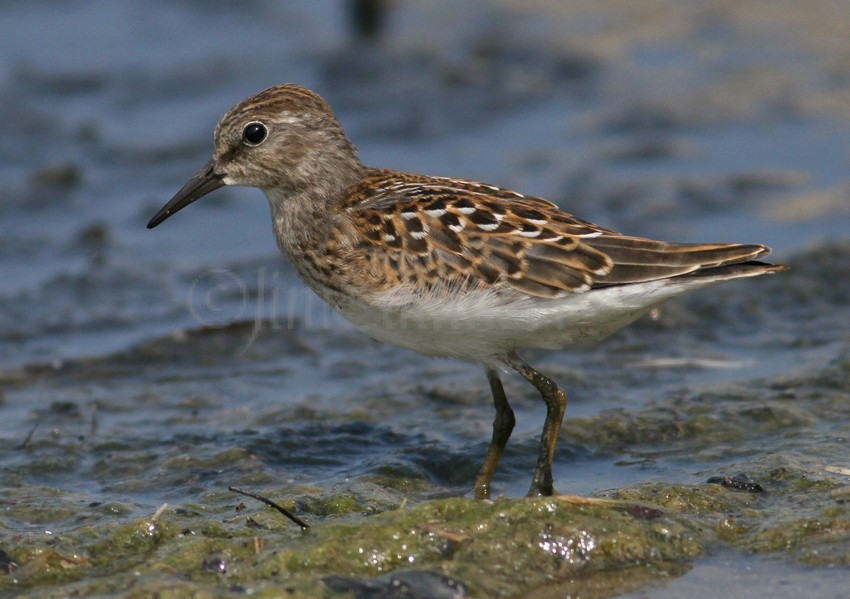
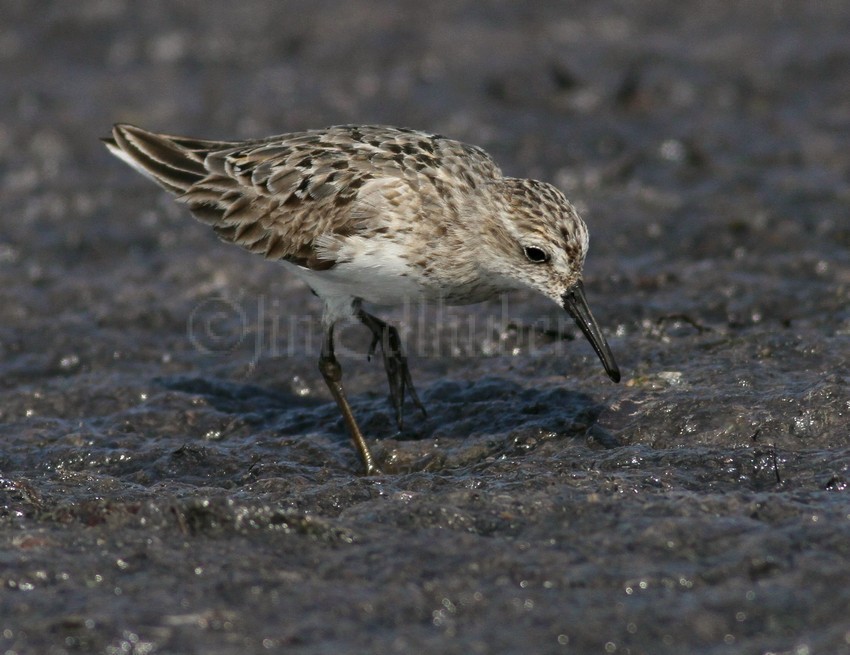
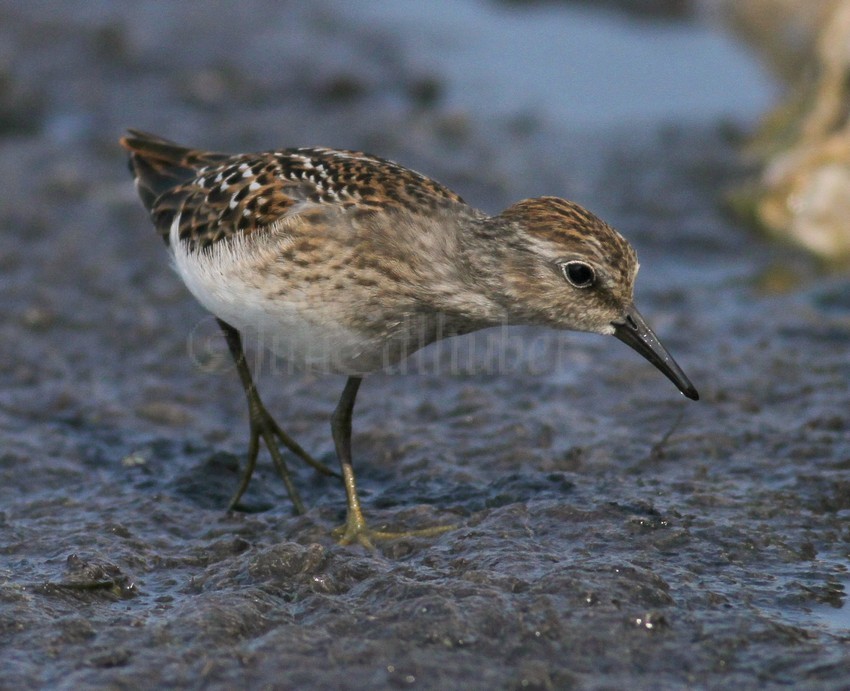
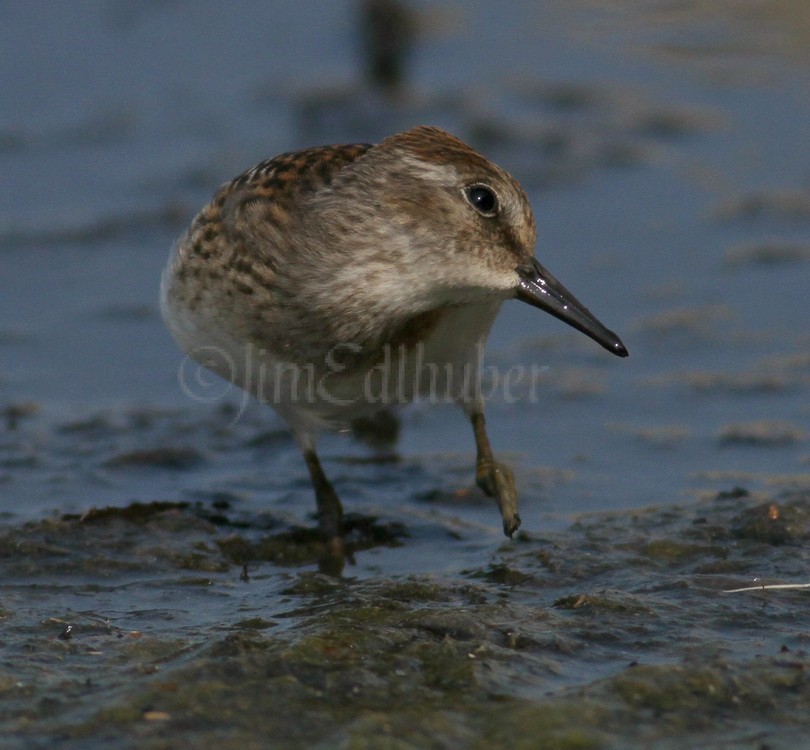
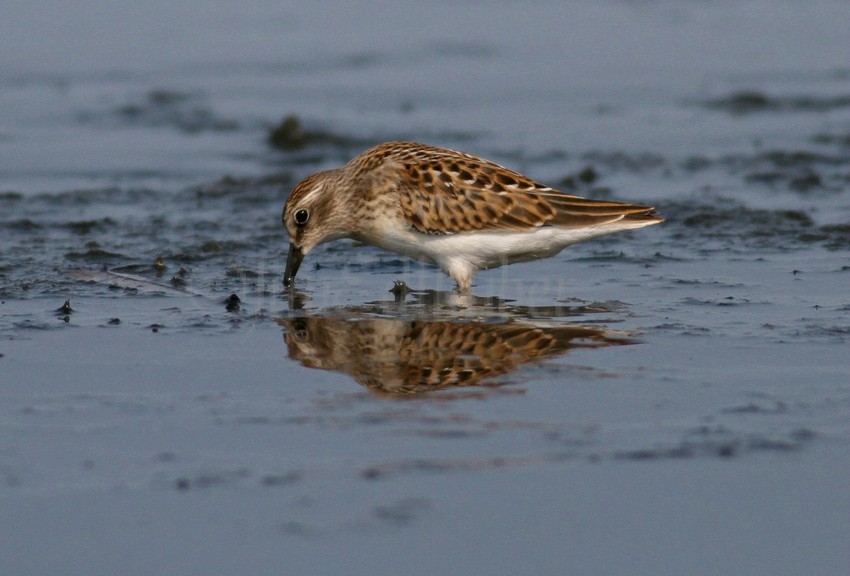
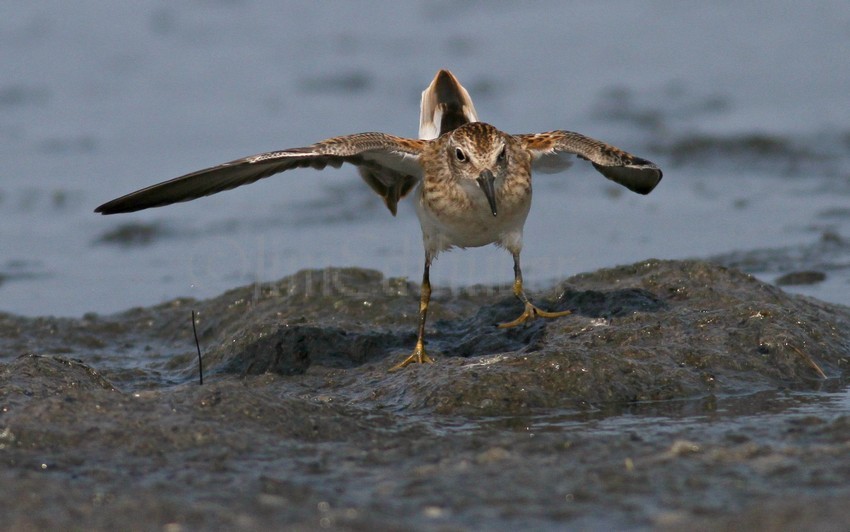
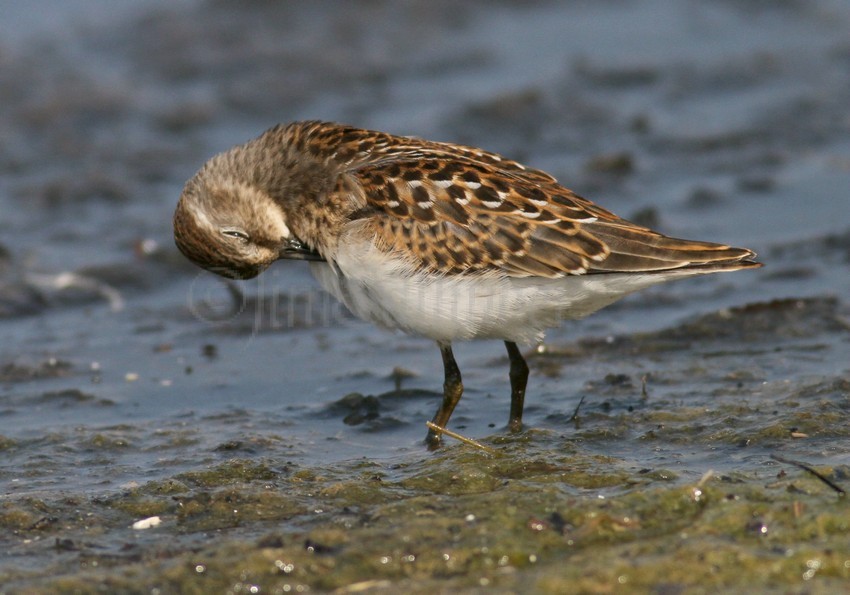
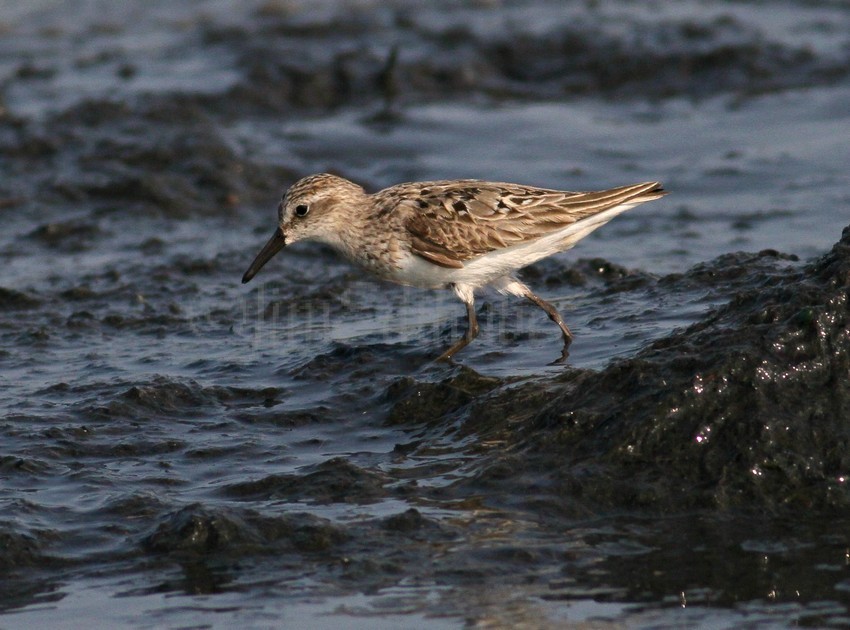
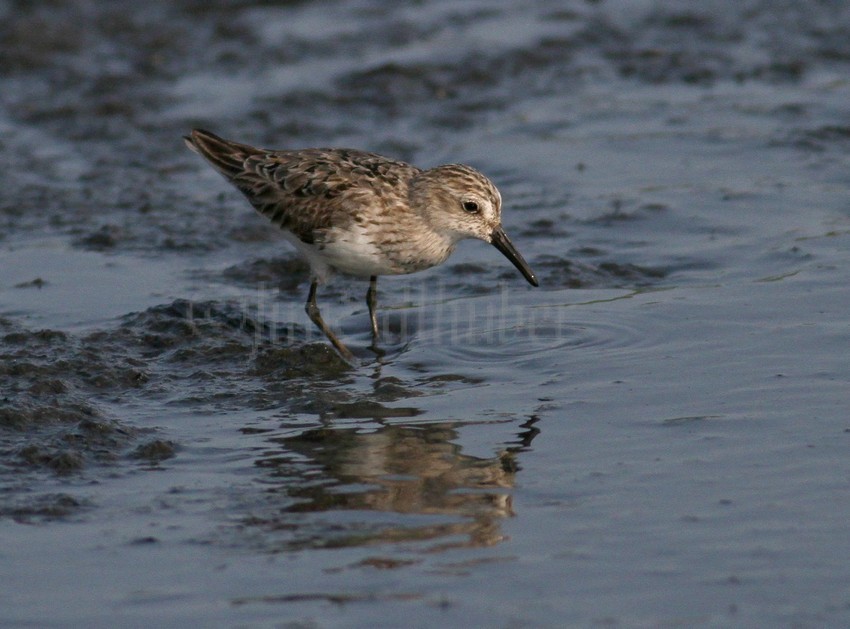
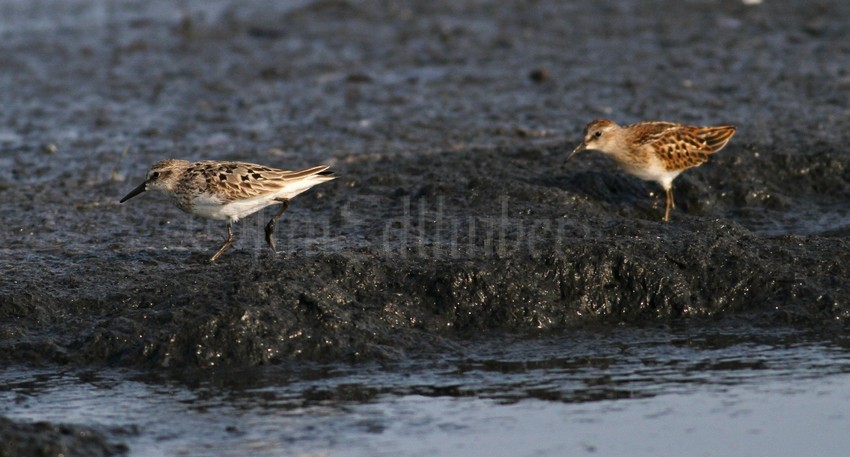
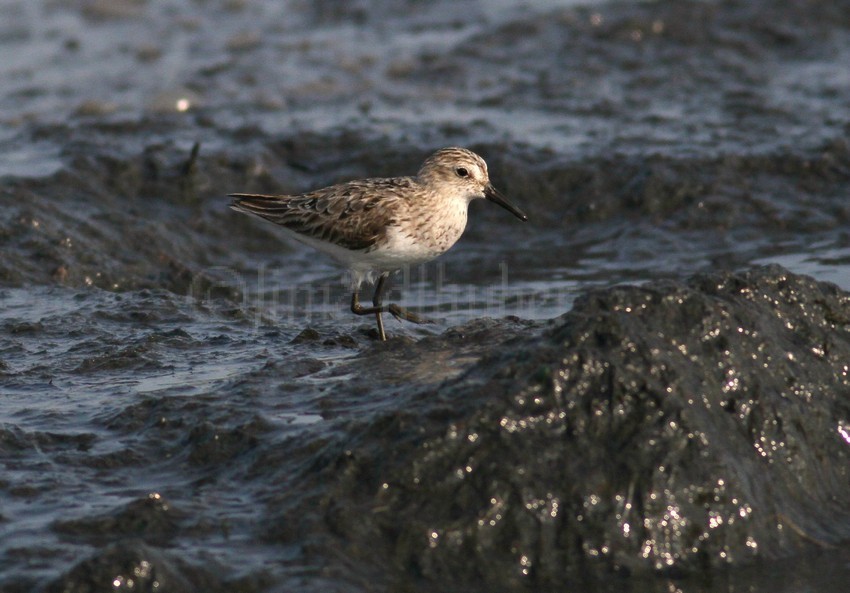
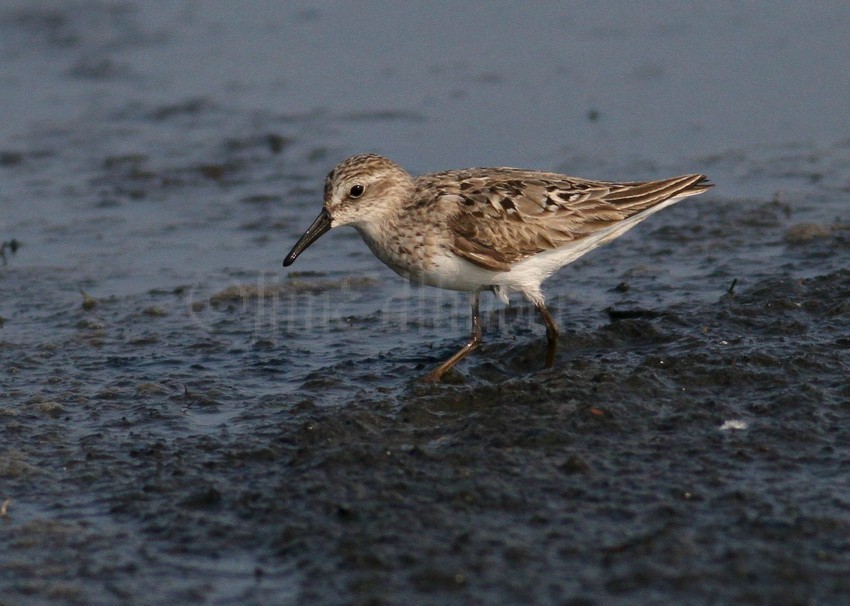
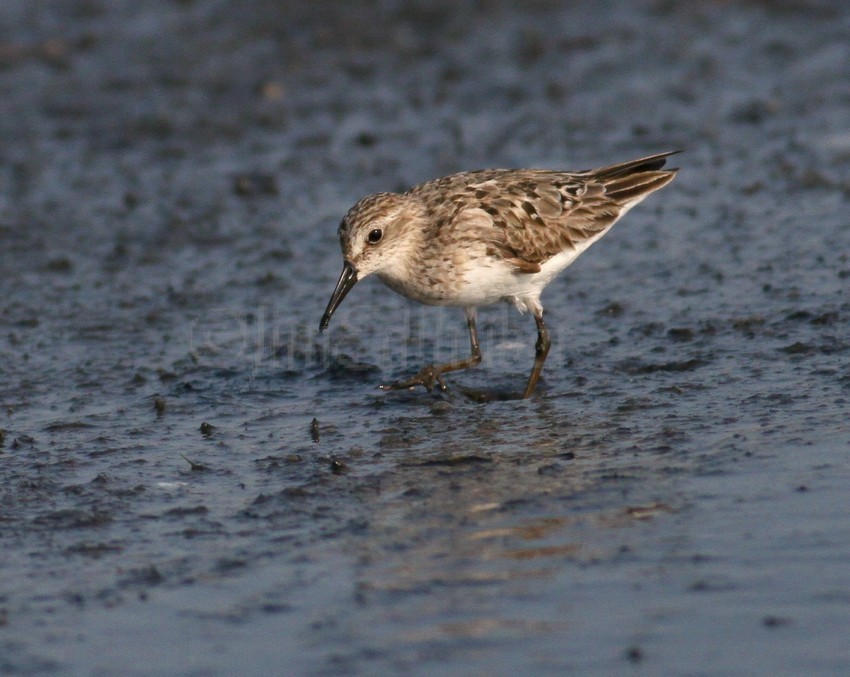
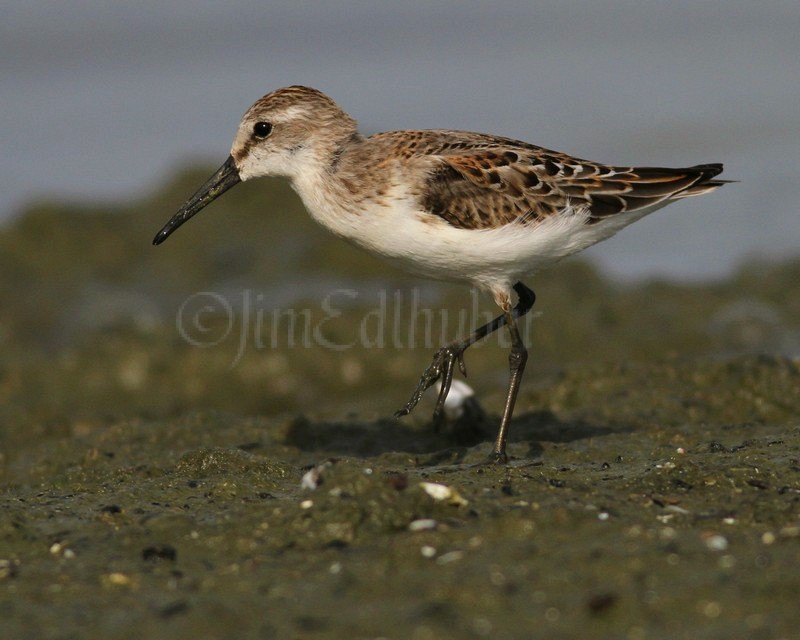
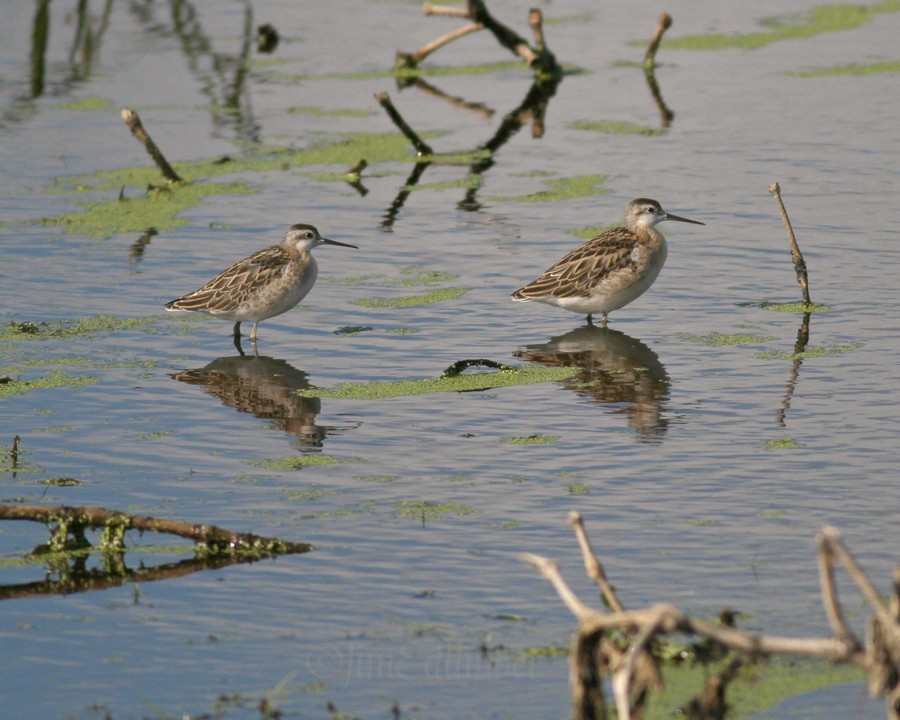
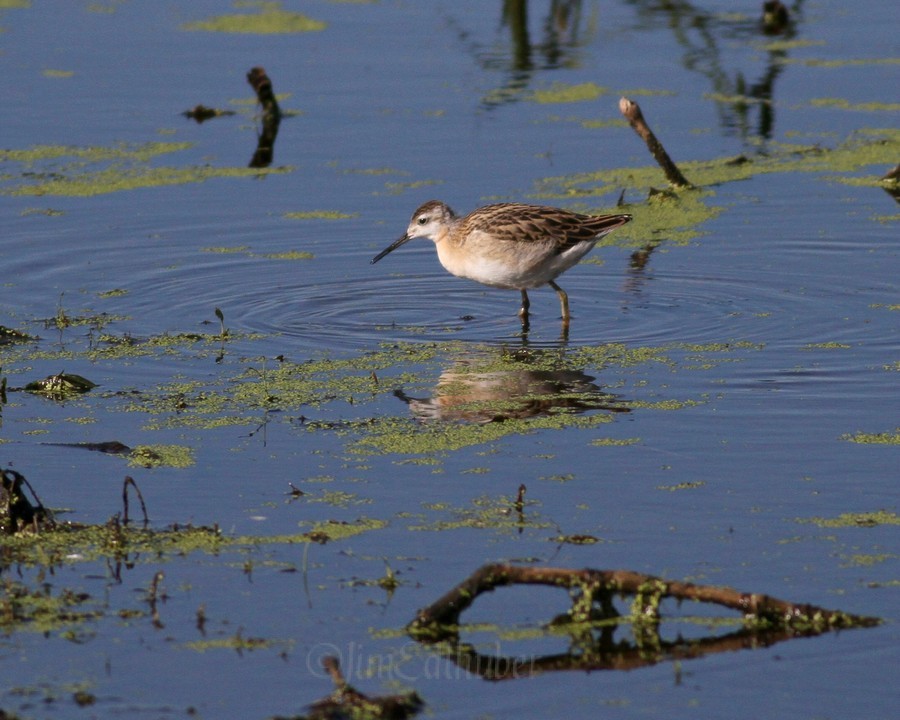
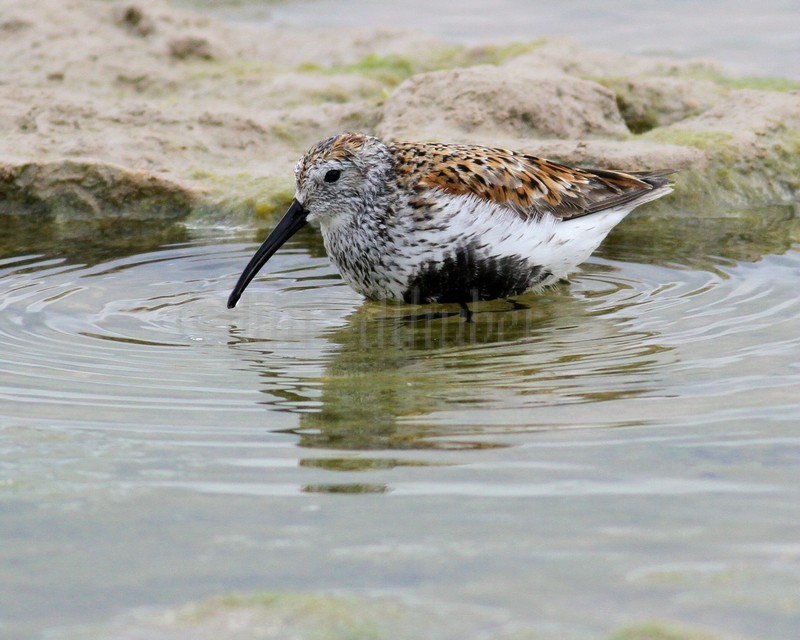
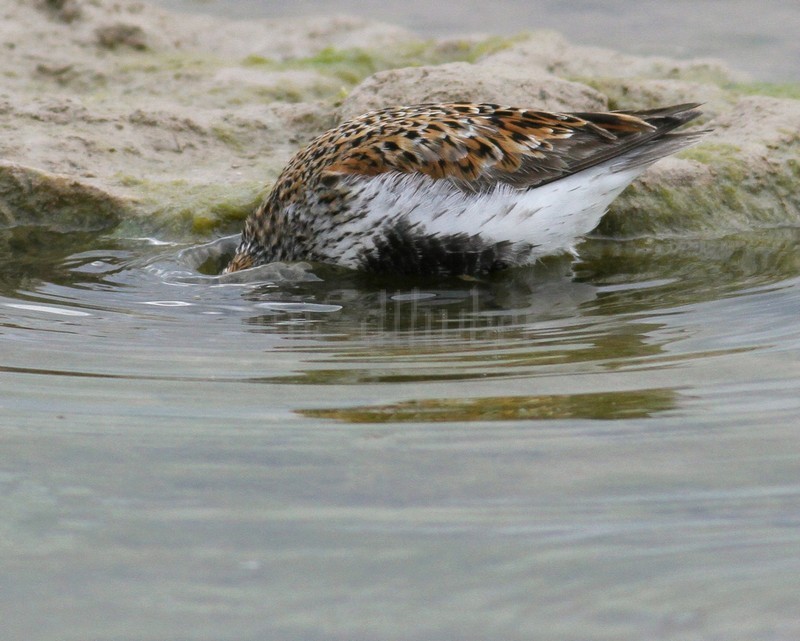
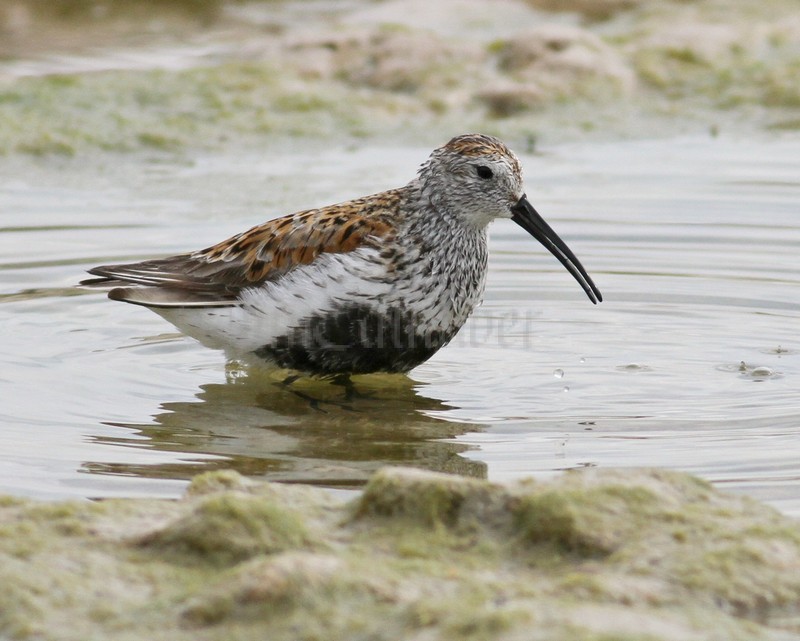
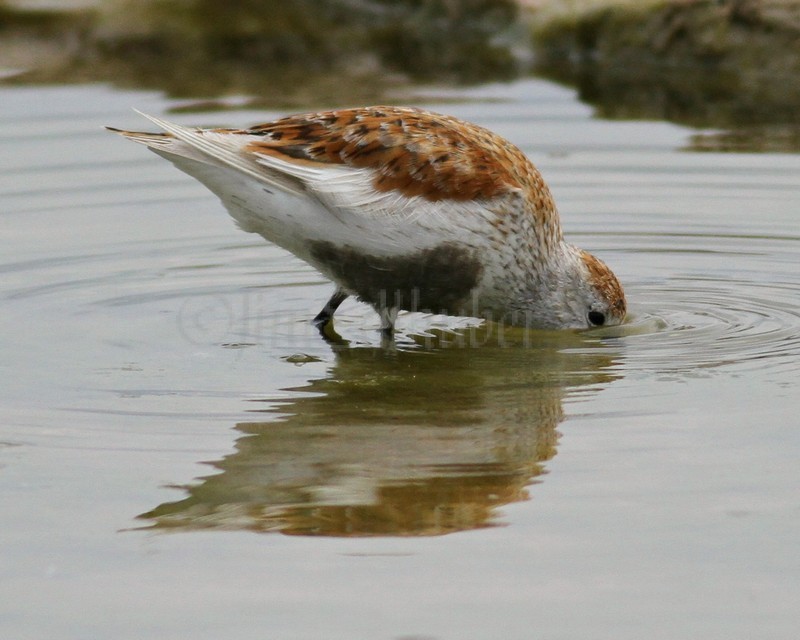
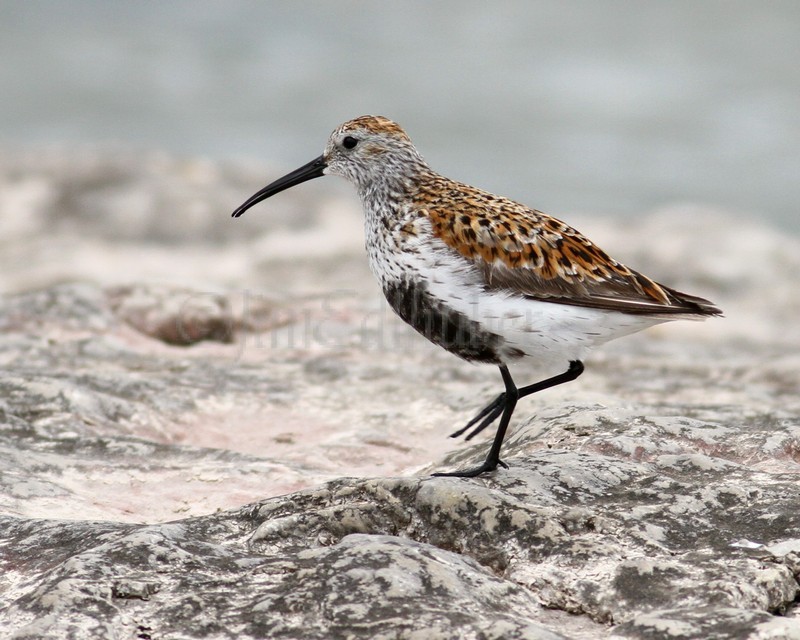
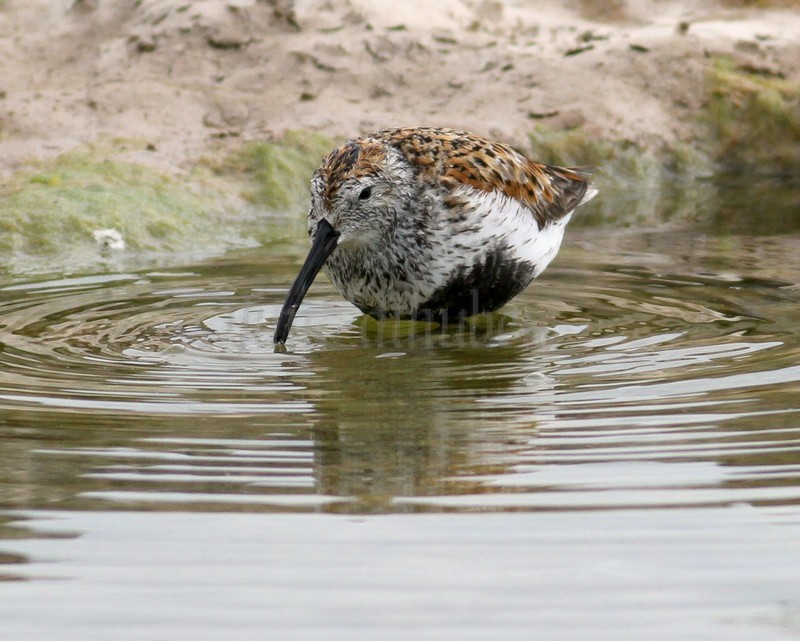
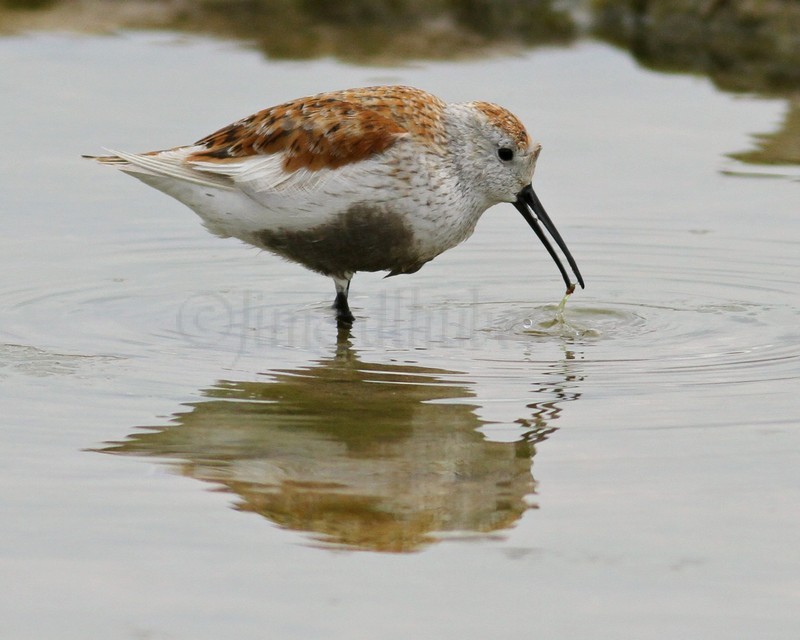
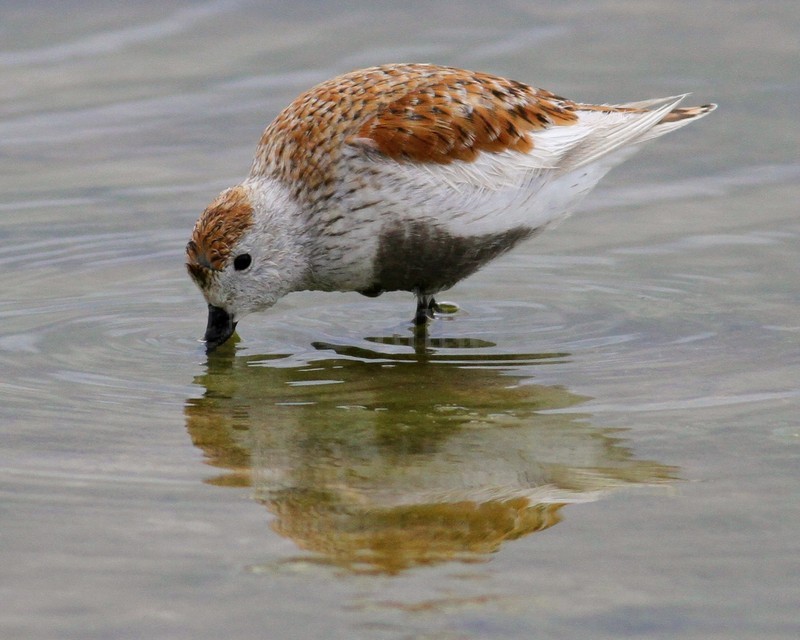
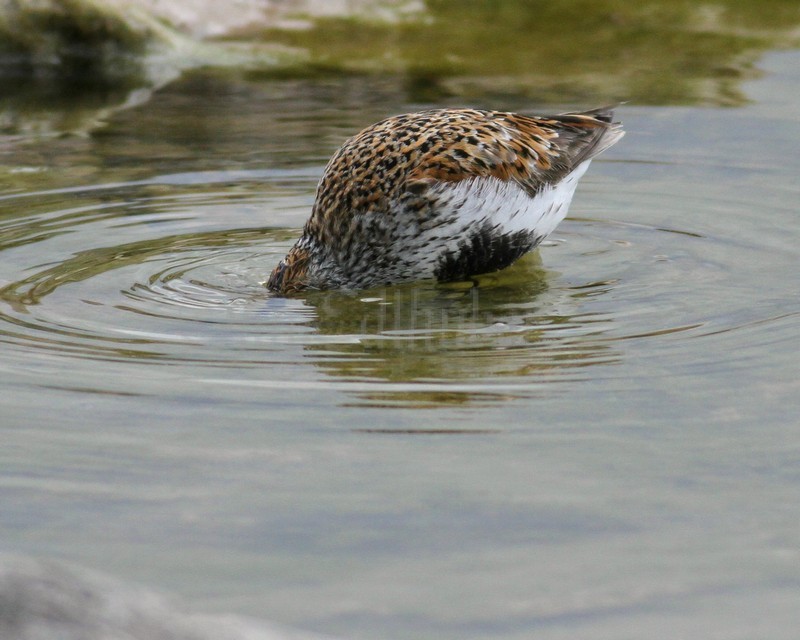
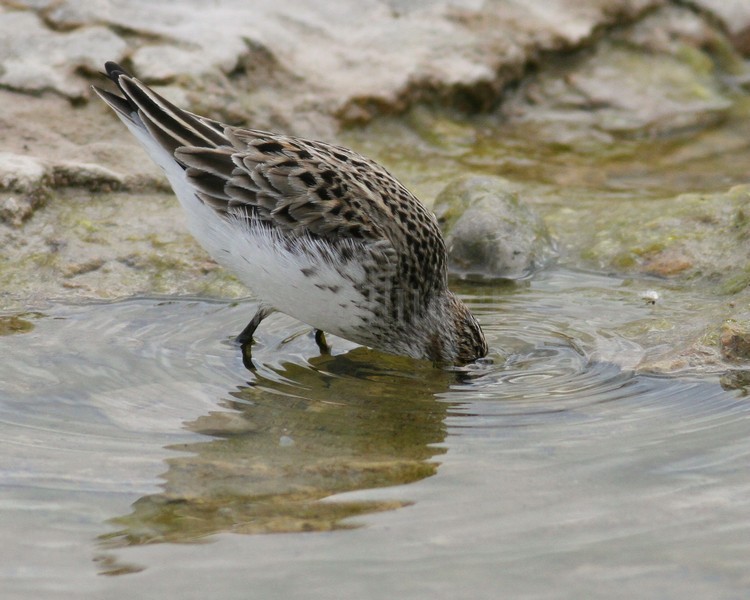
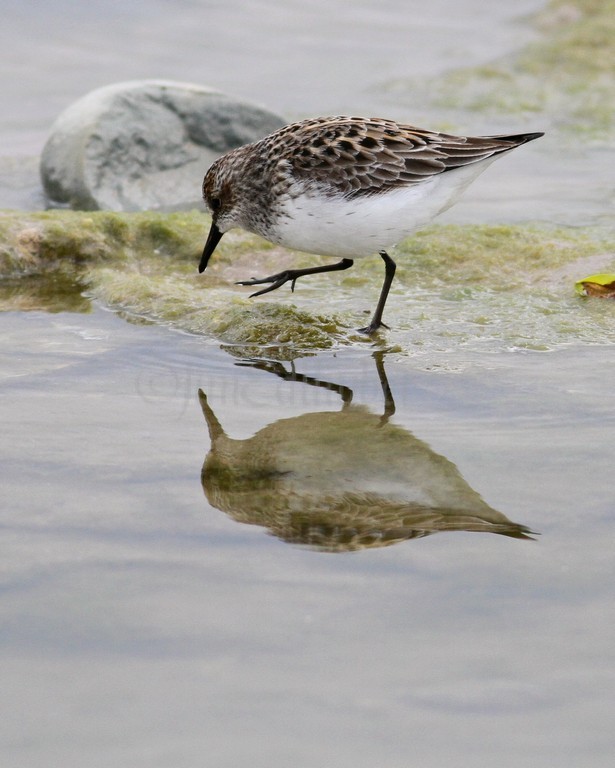
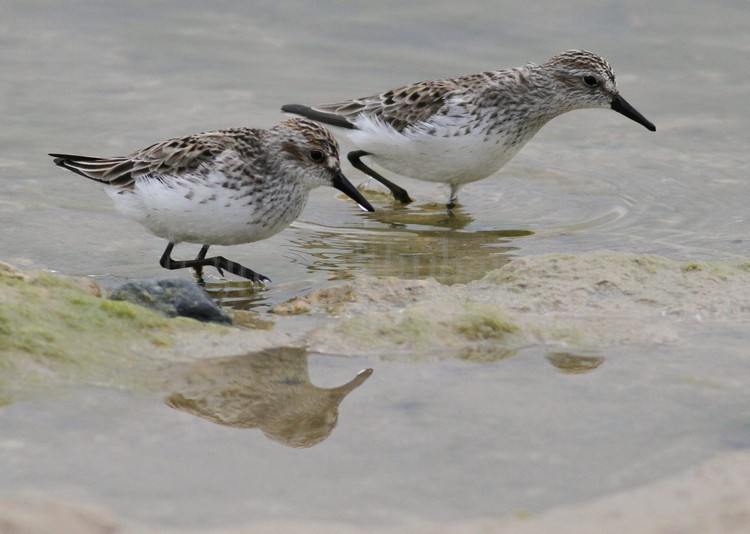
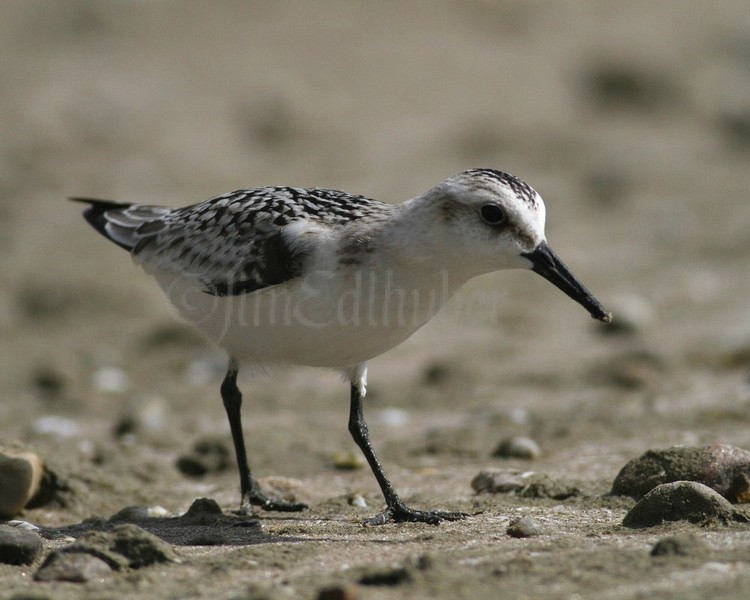
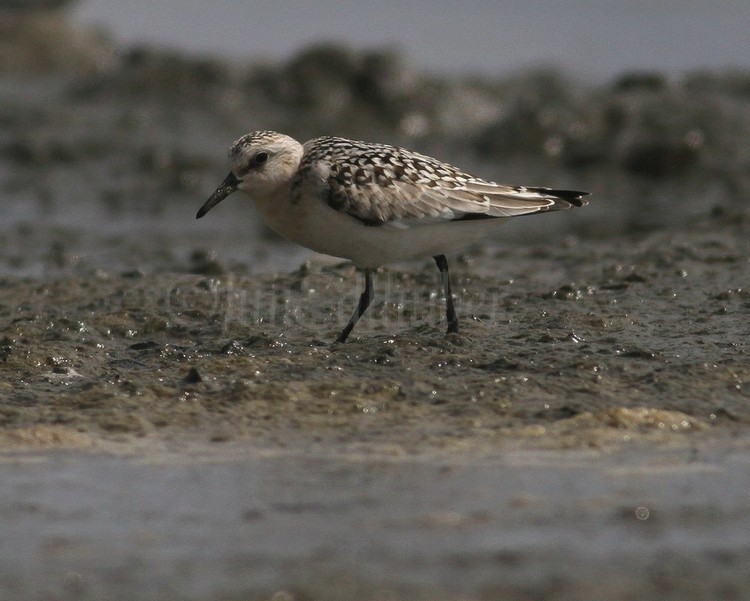
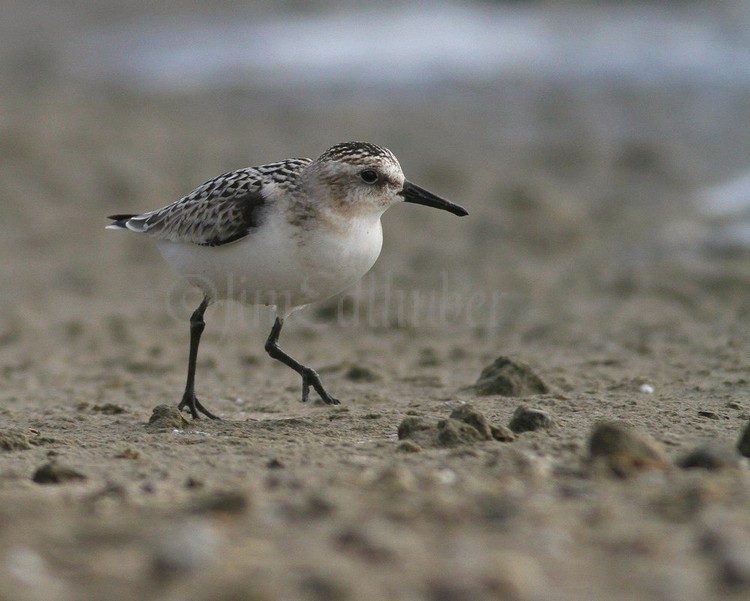
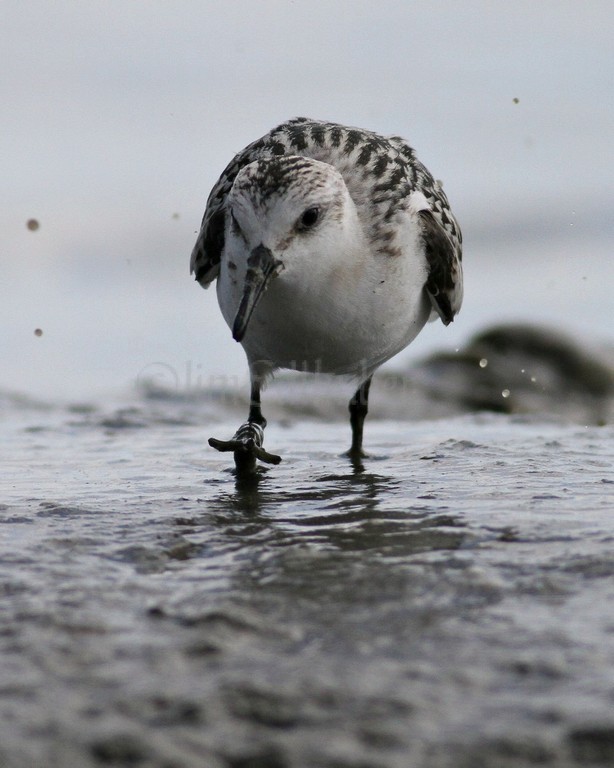
Western Sandpiper

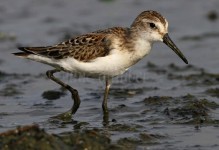
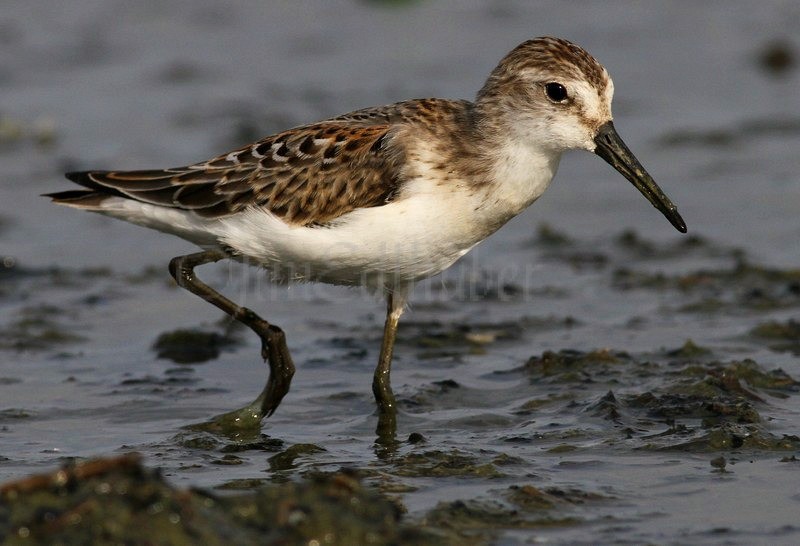
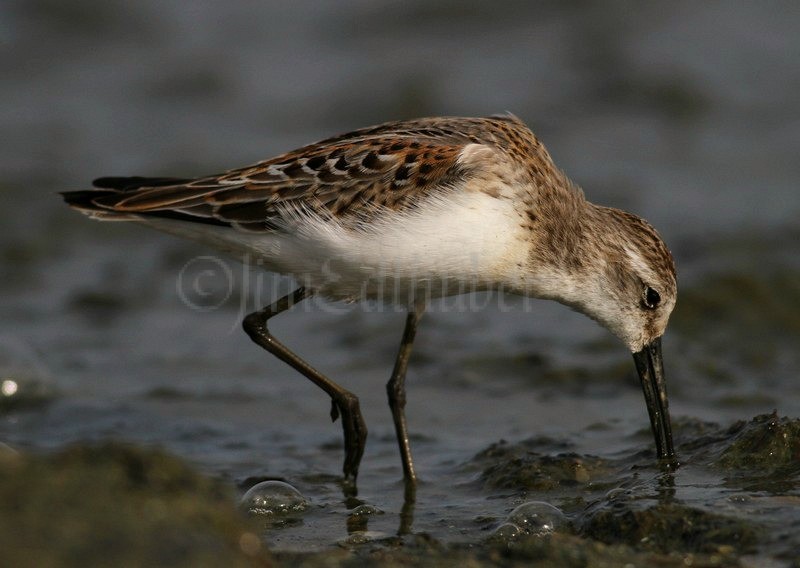
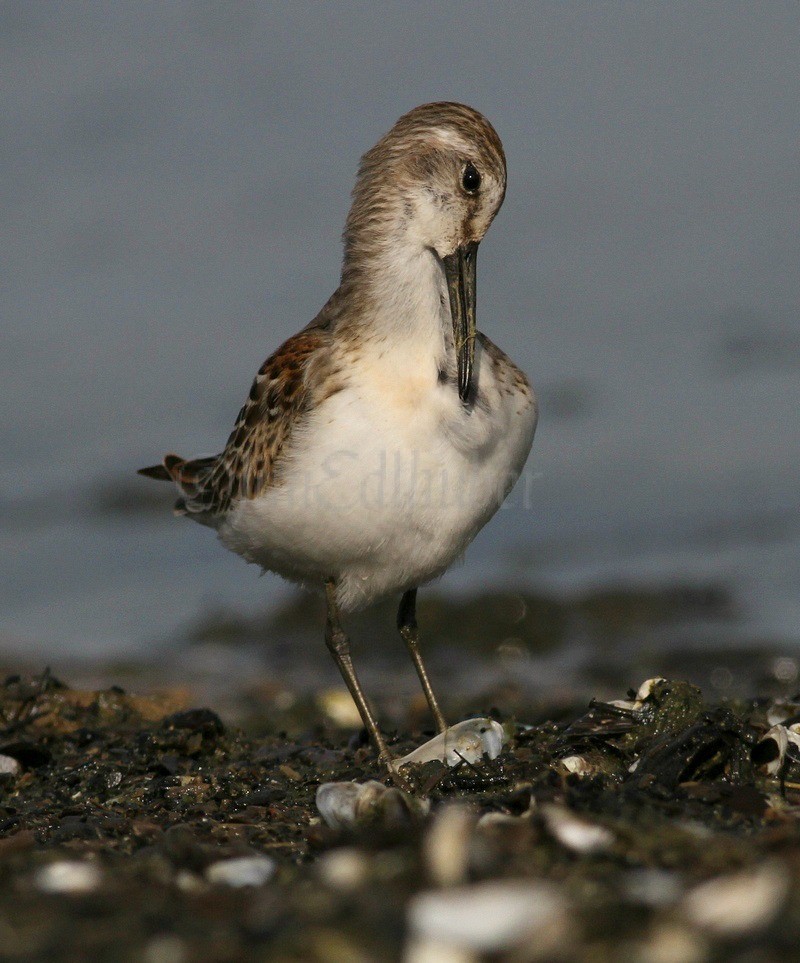
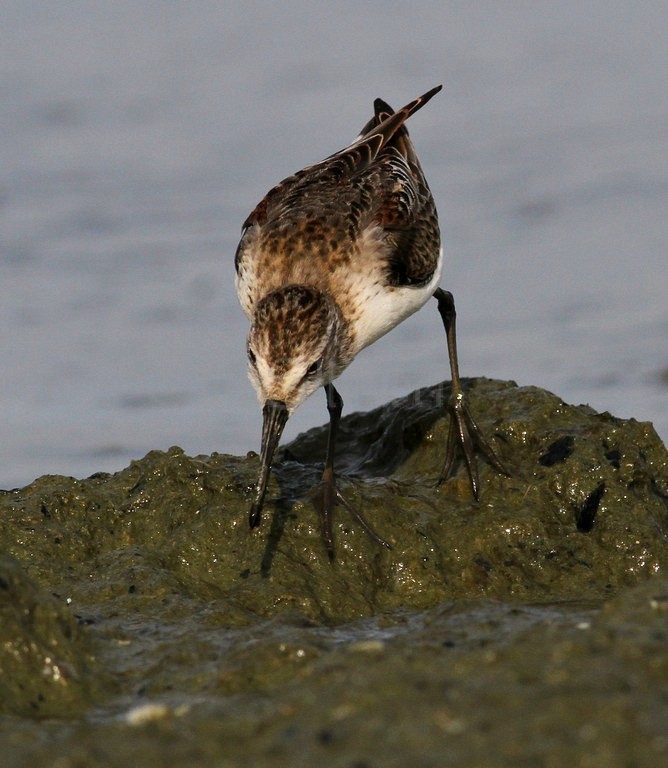
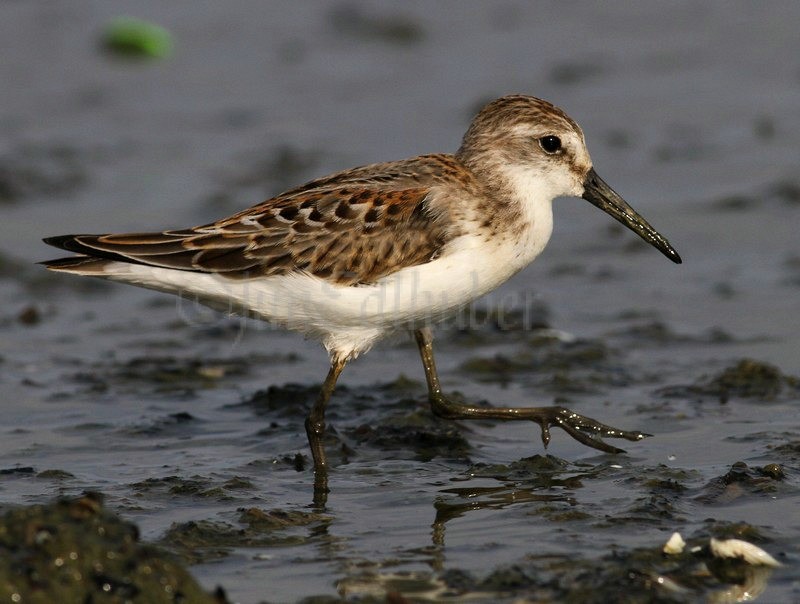
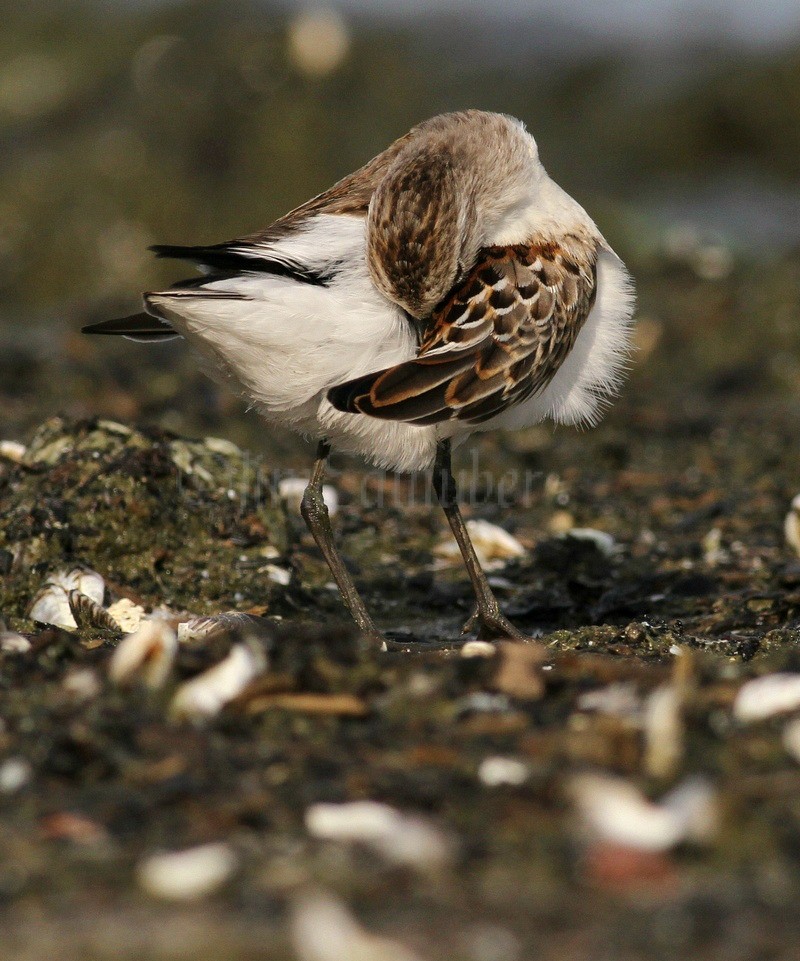
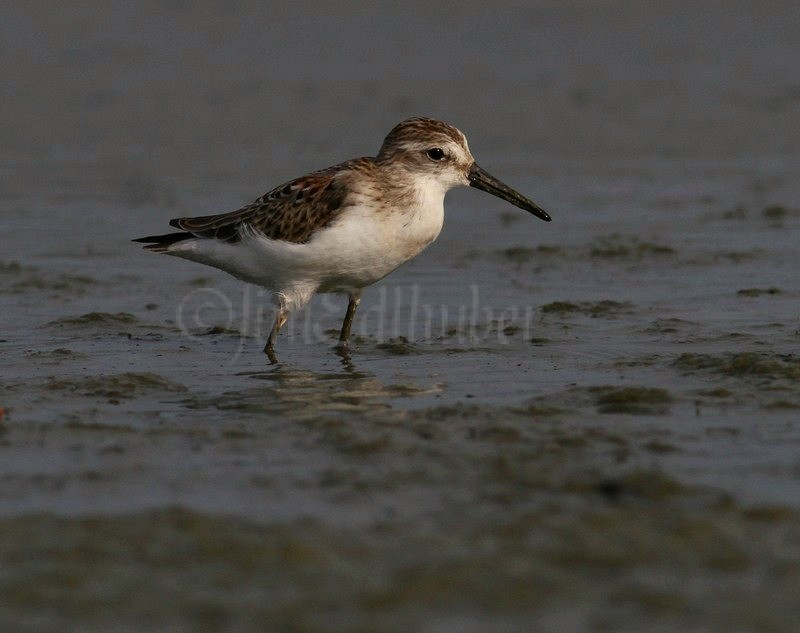
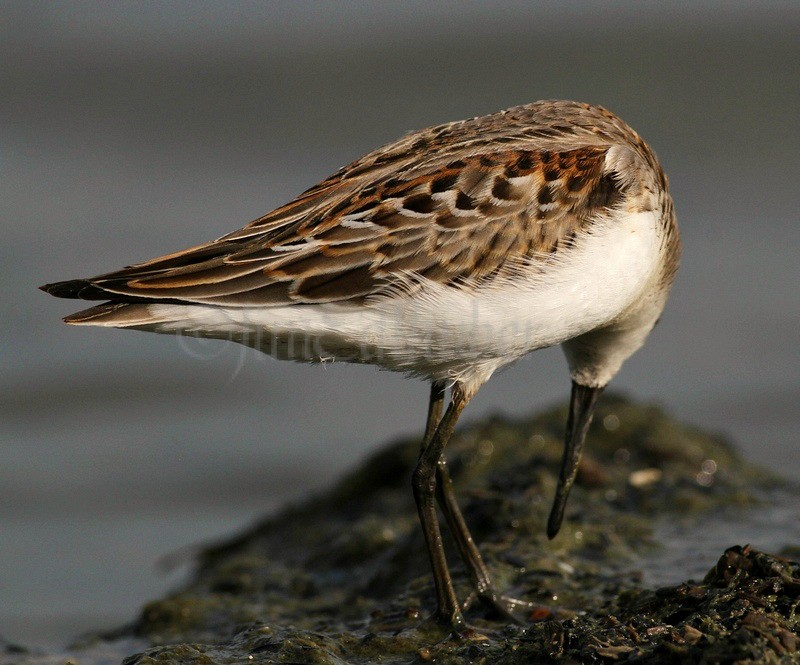
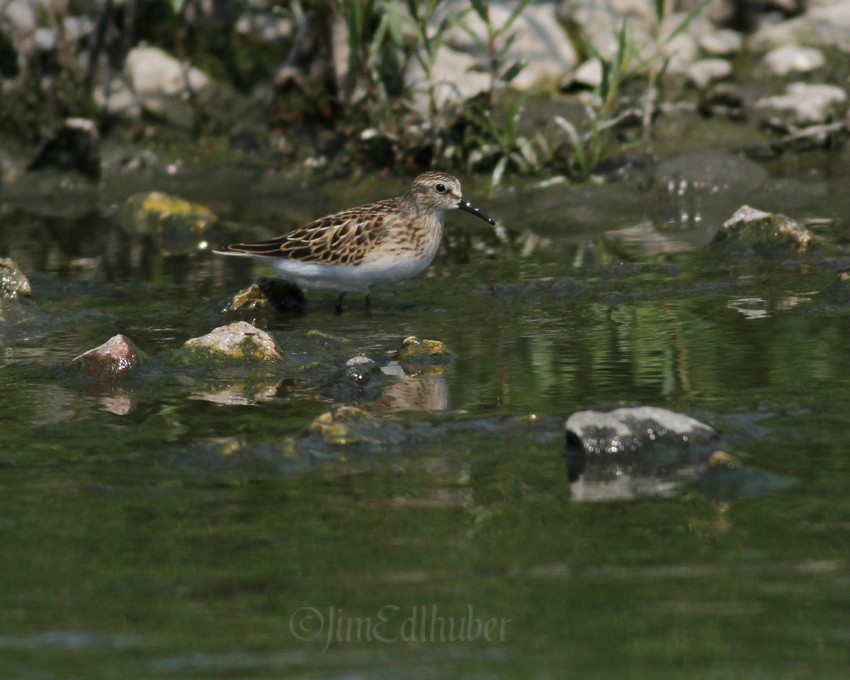
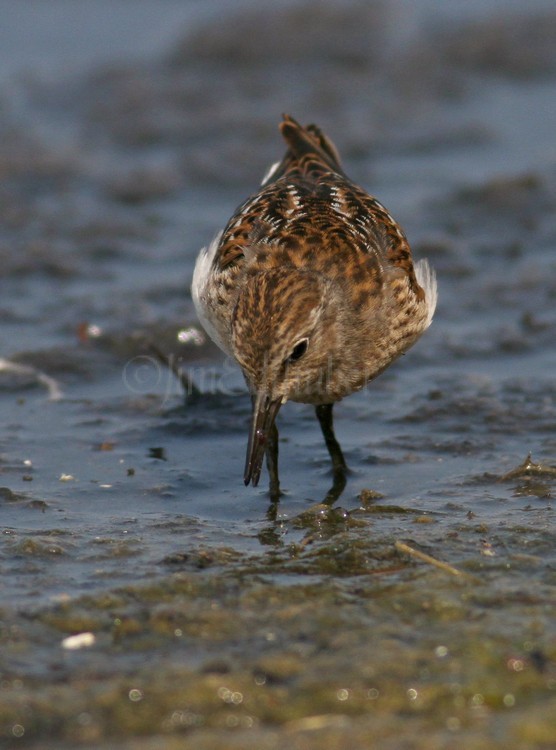
Western Sandpiper at Bradford Beach, Milwaukee, WI.  Photographs taken September 11, 2013.

Western Sandpiper

Western Sandpiper

Binomial name: Calidris mauri

Category: Sandpipers, Phalaropes, and Allies

Description: Brown feathers on back with white underparts.  Dark legs and bill.

Size: 5.5” – 6.7” long, 10.2” – 14.6” wingspan

Weight: 0.8 oz. – 1.2 oz.

Habitat: Coastal tundras, shorelines, and mudflats

Diet: Small insects such as flies and beetles as well as spiders, mollusks, and small crustaceans

Nesting: The male builds several nests out of grasses, leaves, and lichens pressed into a mud flat or shoreline.  He will then sing to attract a mate, and she will choose the nest.  Both parents will incubate the eggs.  The typical clutch size is 3-5 eggs.  The female may stay and help care for the chicks, or she may leave before the eggs hatch and the male will be the sole caretaker.

Notes: Western Sandpipers breed in Siberia and Alaska, although migration will take them down the West Coast to California.  Very rarely are they seen as far east as the Midwest.

Western Sandpiper

Western Sandpiper

Western Sandpiper

Western Sandpiper

Western Sandpiper

Western Sandpiper

Western Sandpiper

Western Sandpiper

Western Sandpiper

Horicon Marsh and Hustisford August 20, 2013

Photographs taken at Horicon Marsh and Hustisford on August 20, 2013.

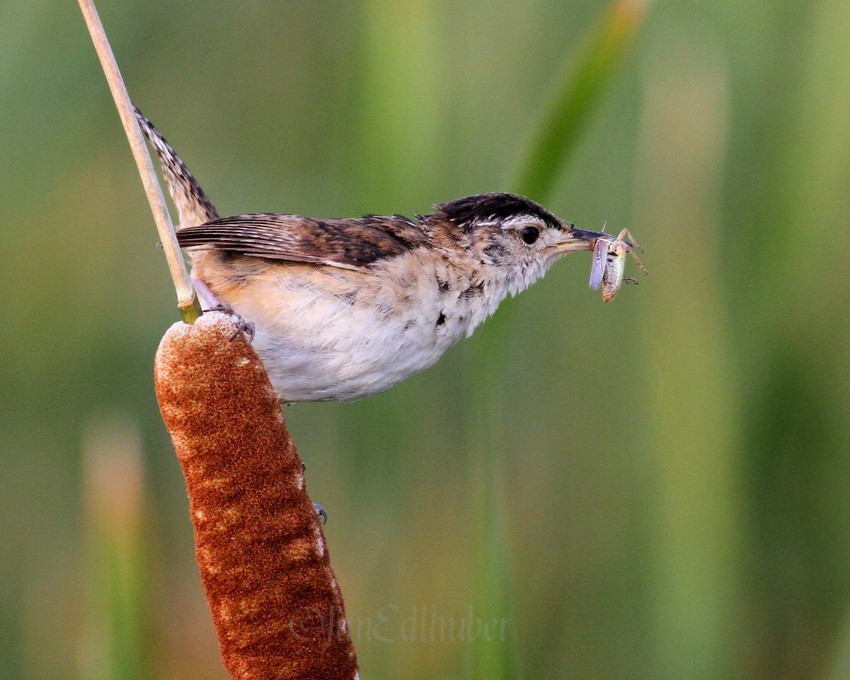
Marsh Wren

Marsh Wren

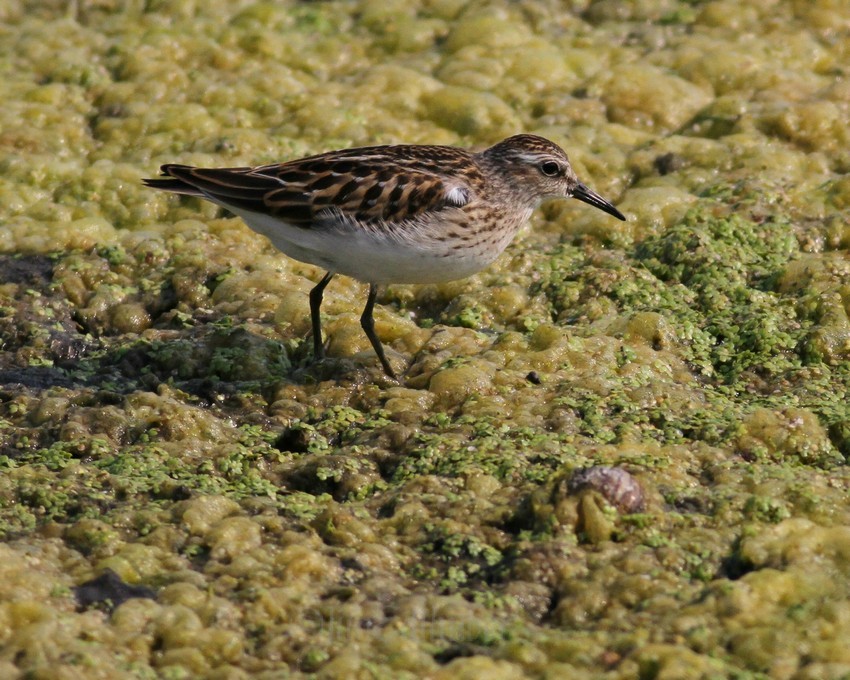
Least Sandpiper

Least Sandpiper

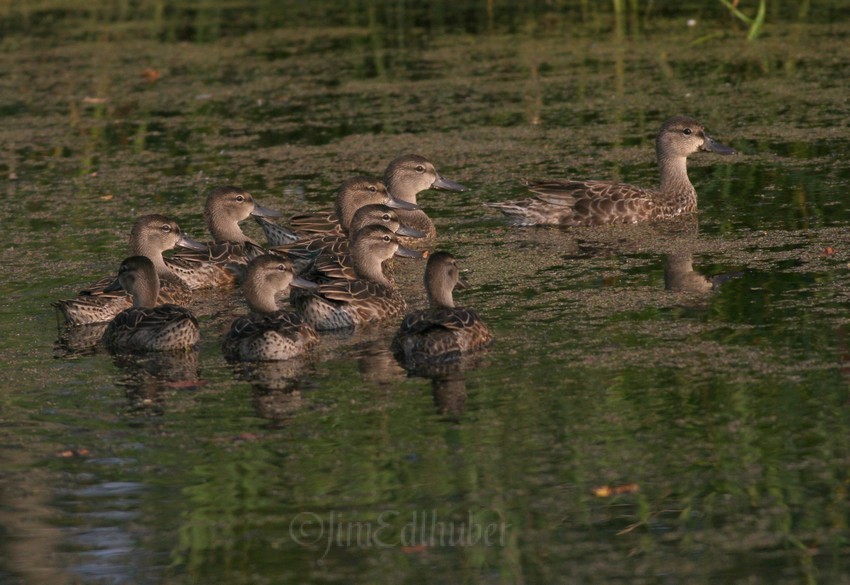
Blue-winged Teal Family

Blue-winged Teal Family

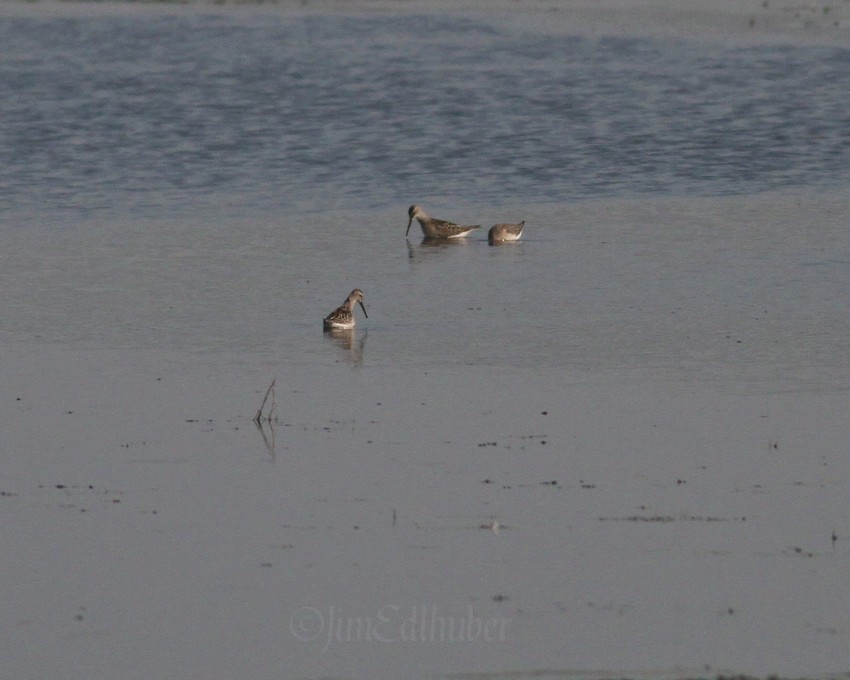
Stilt Sandpipers

Stilt Sandpipers

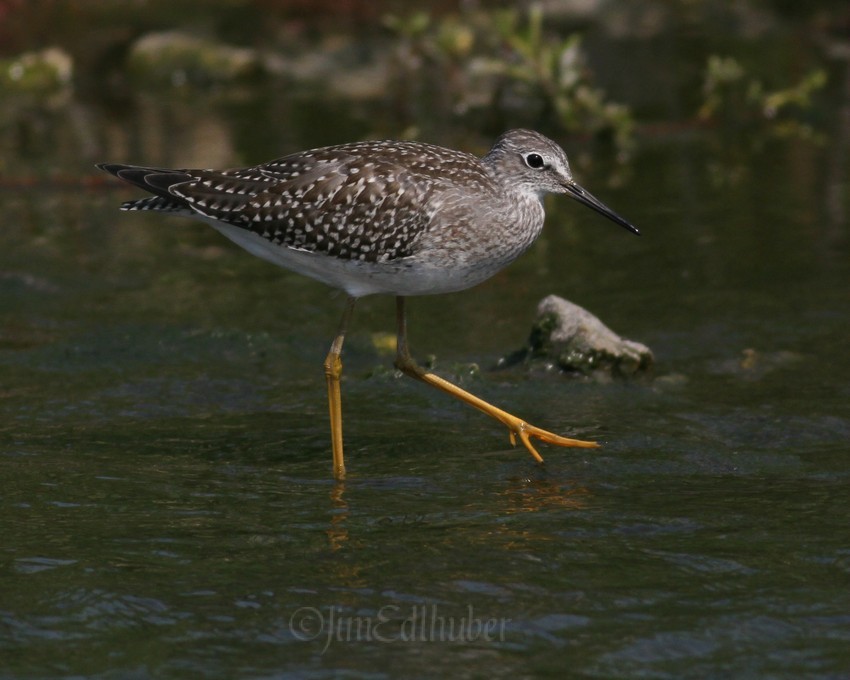
Lesser Yellowlegs, Hustisford

Lesser Yellowlegs, Hustisford

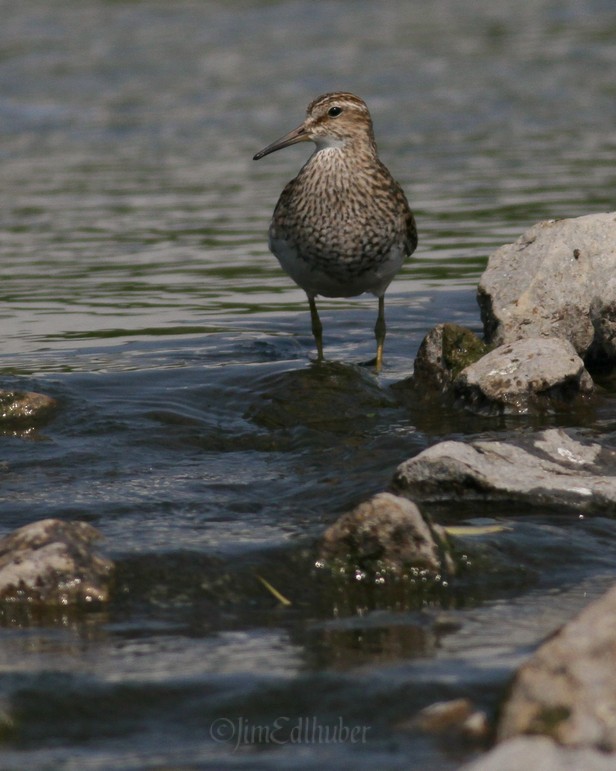
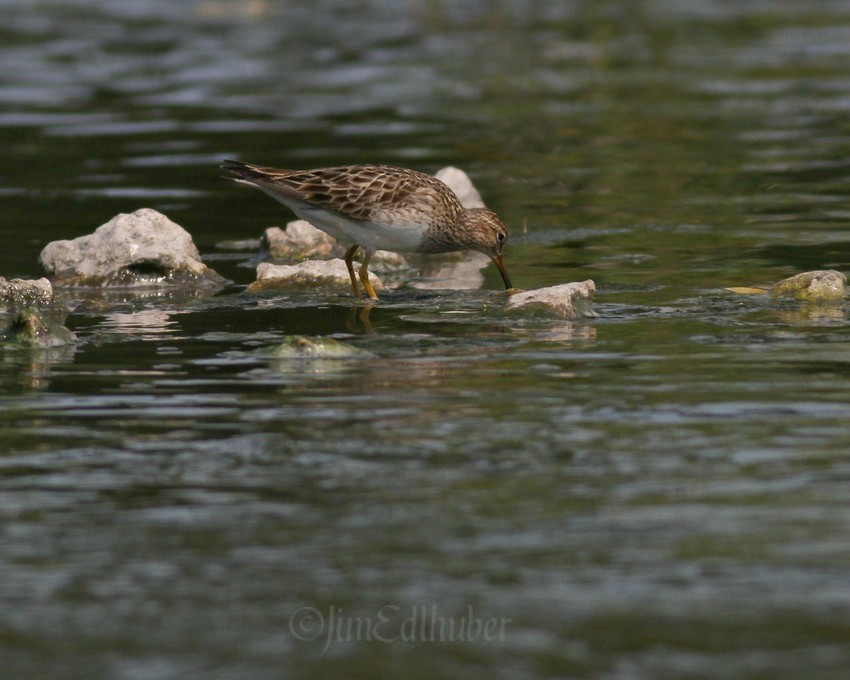
Pectoral Sandpiper, Hustisford

Pectoral Sandpiper, Hustisford

Least Sandpipers, Hustisford

Least Sandpipers, Hustisford

Least Sandpiper, Hustisford

Least Sandpiper, Hustisford

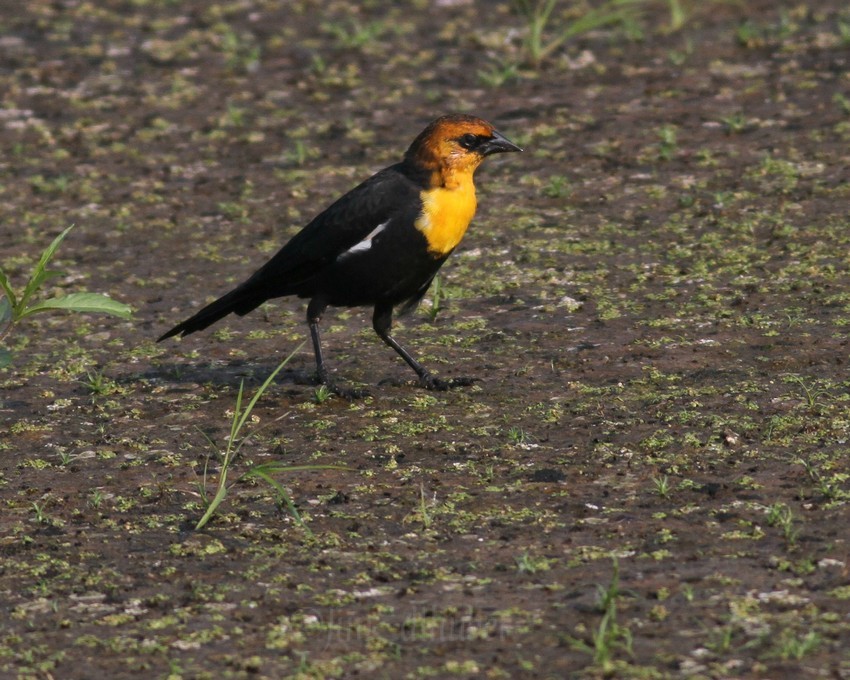
Yellow Headed Blackbird

Yellow-headed Blackbird

Pectoral Sandpipers, Hustisford

Pectoral Sandpipers, Hustisford

To view the full gallery of images, please click here.

Horicon Marsh, WI August 13, 2013

Photographs from Horicon Marsh, Fond du lac/Dodge County, Wisconsin taken August 13, 2013.

Marbled Godwit

Marbled Godwit

Marbled Godwit

Marbled Godwit

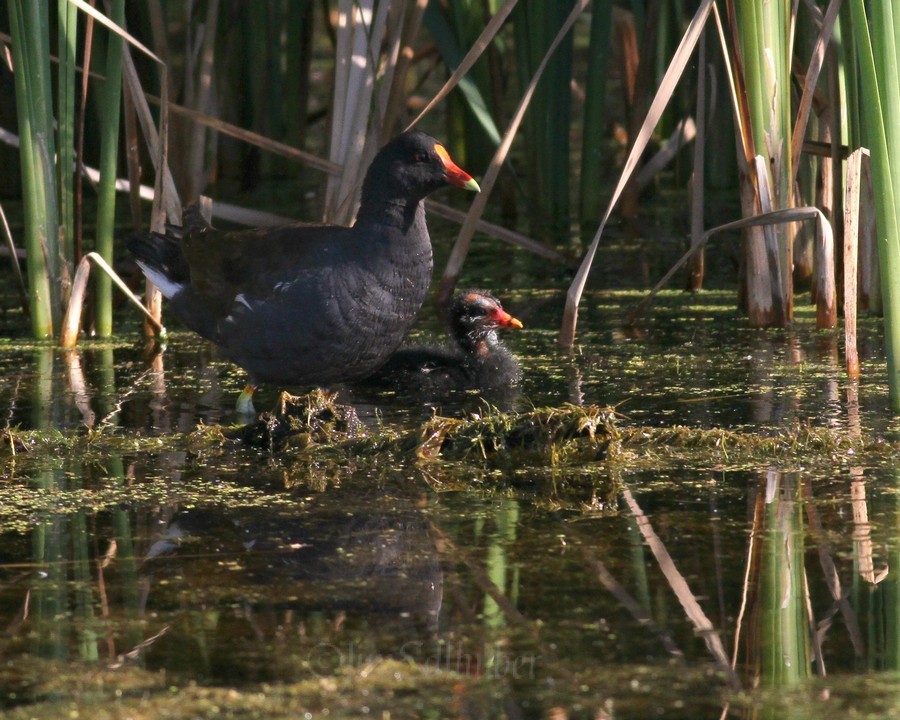
Common Moorhen with young

Common Moorhen with young

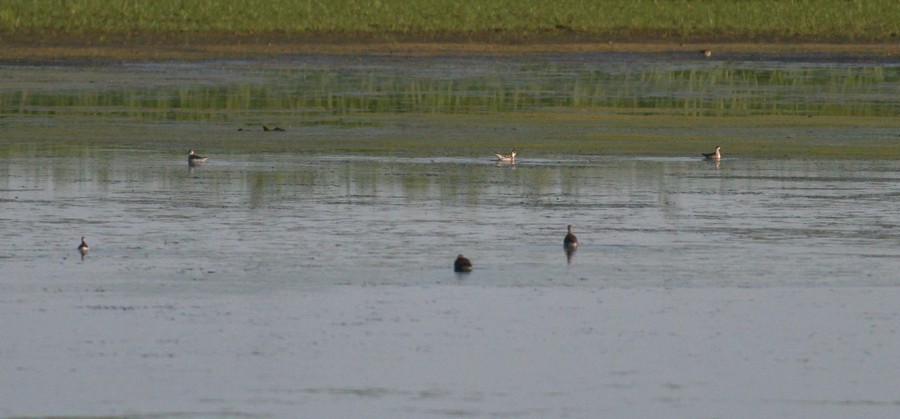
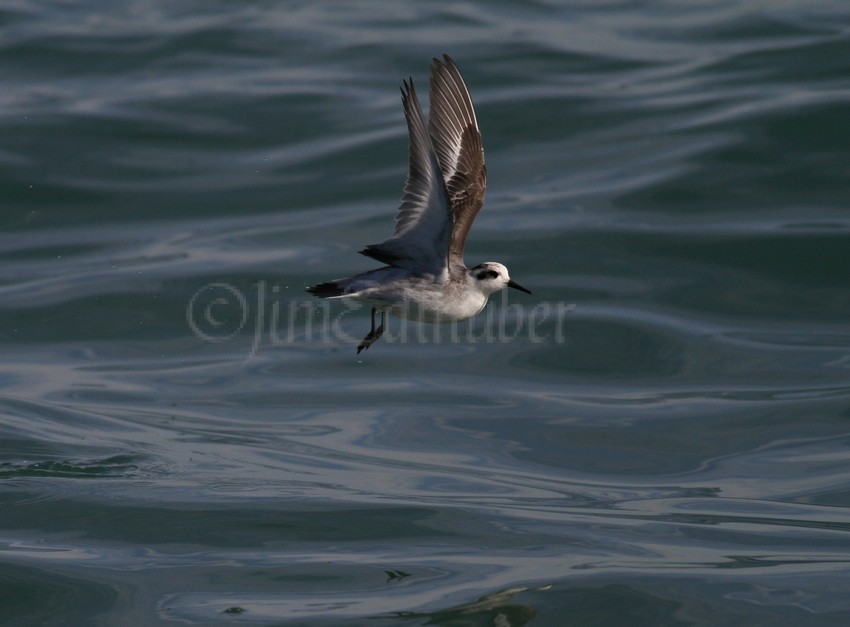
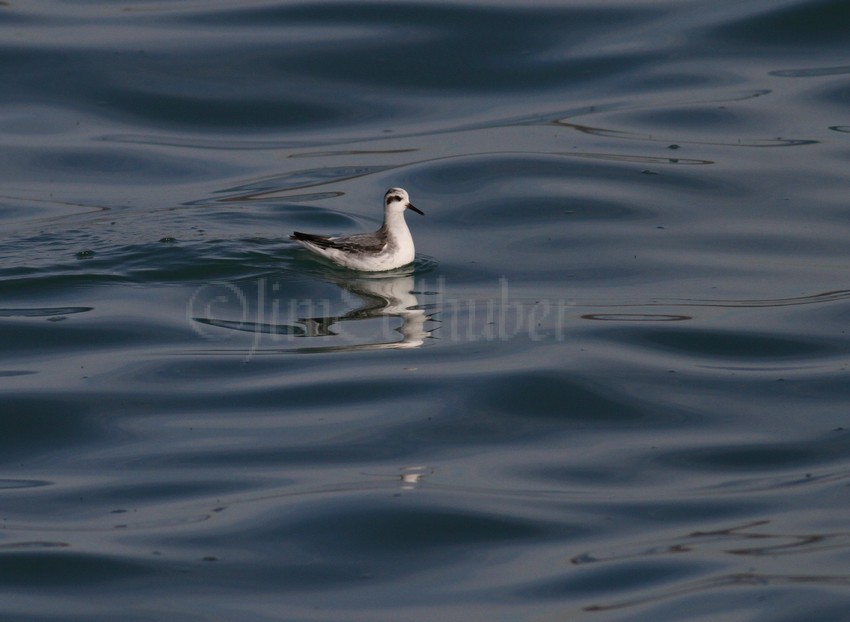
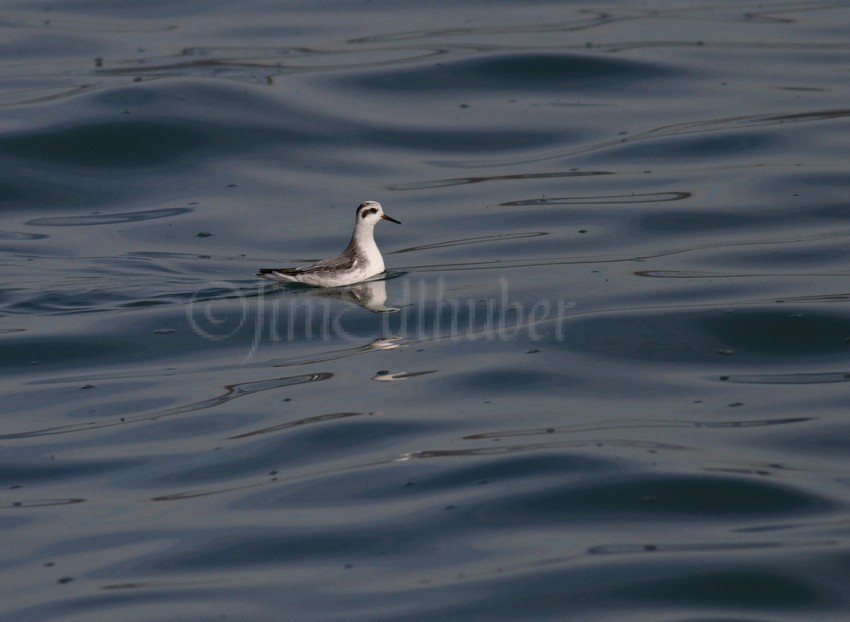
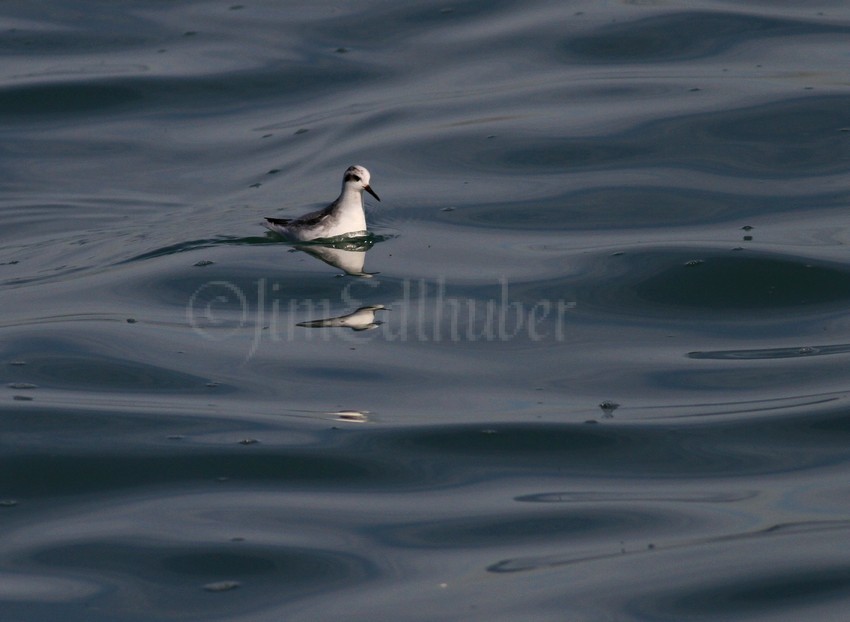
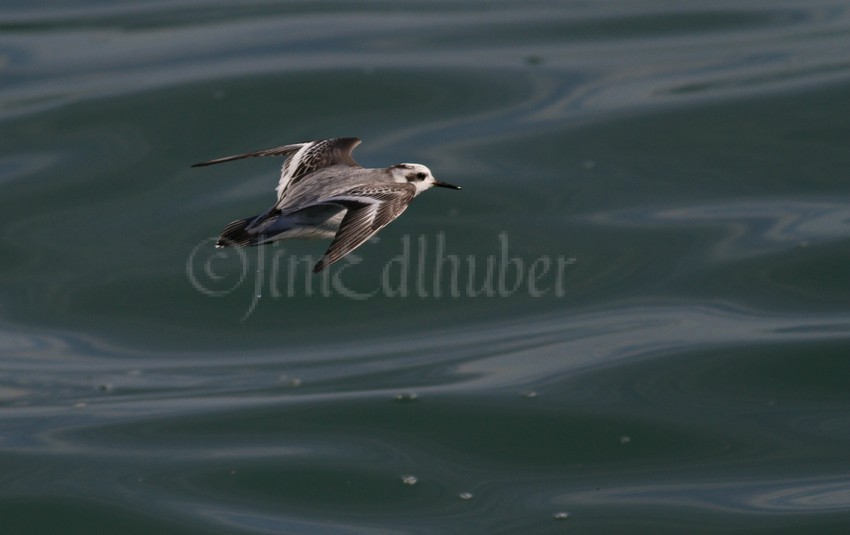
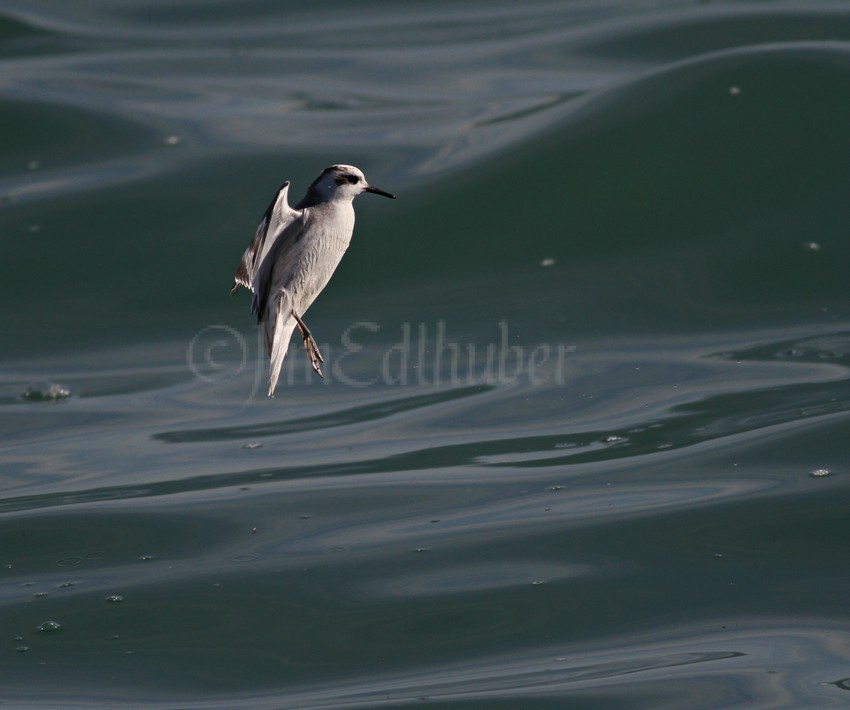
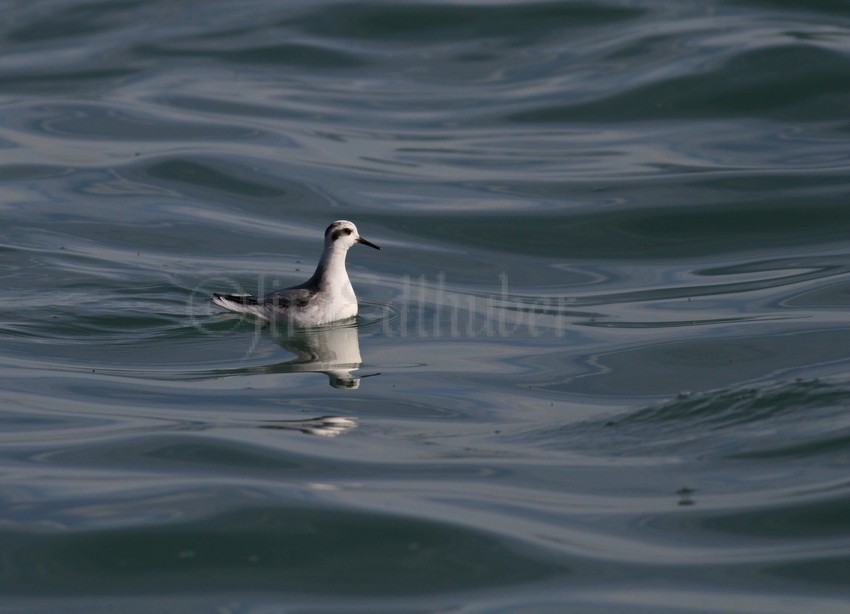
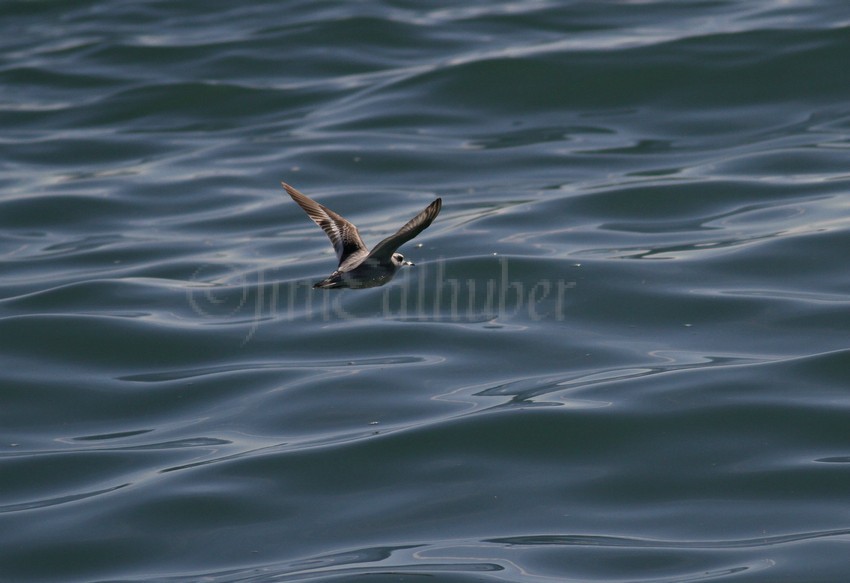
Red-necked Phalaropes

3 – Red-necked Phalaropes (background)

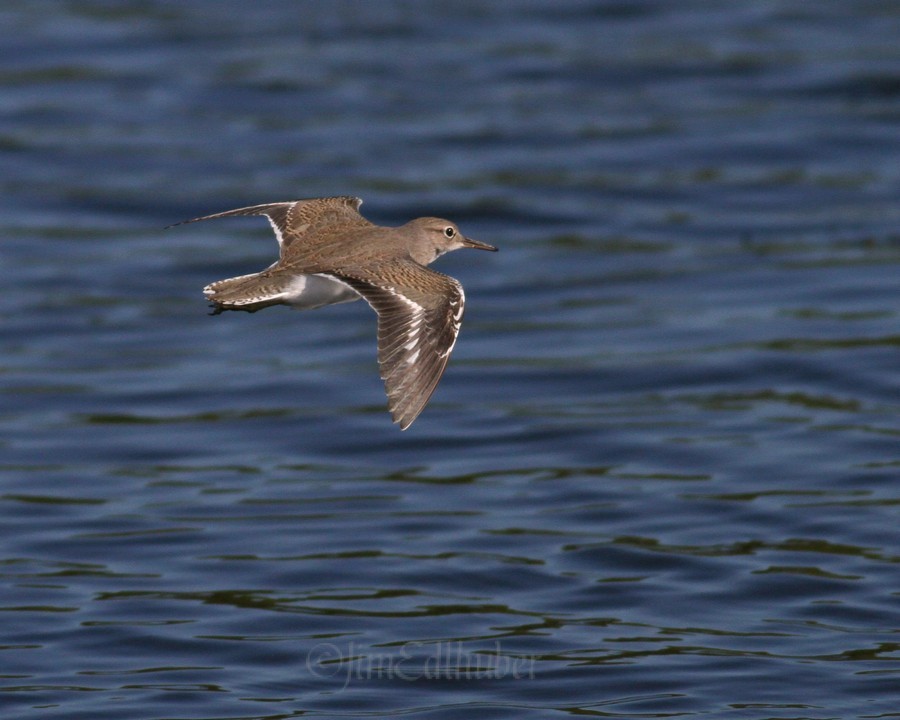
Spotted Sandpiper

Spotted Sandpiper

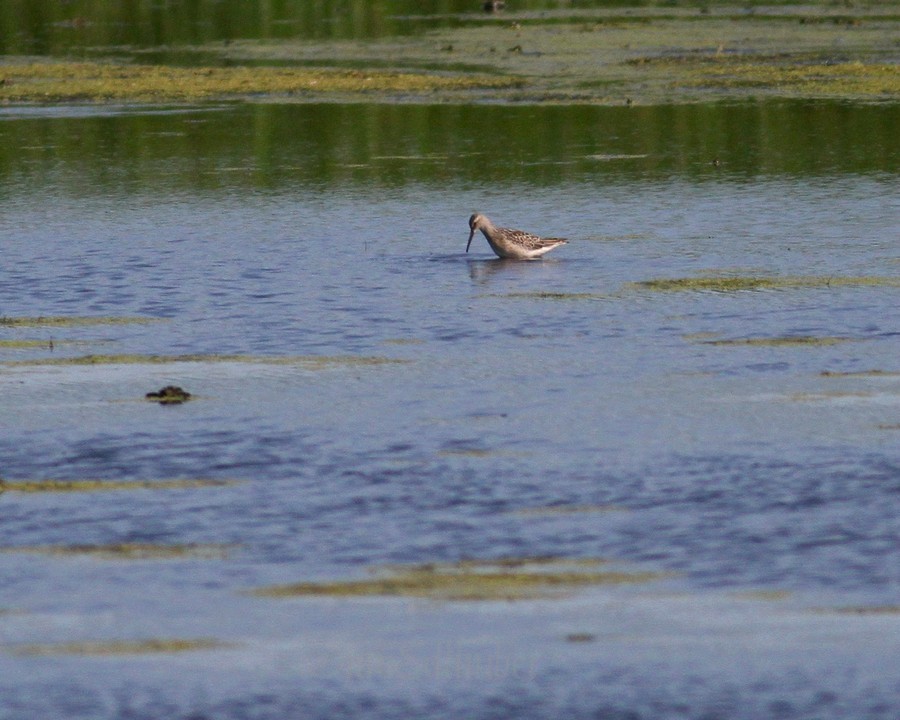
Juvenile Stilt Sandpiper

Juvenile Stilt Sandpiper

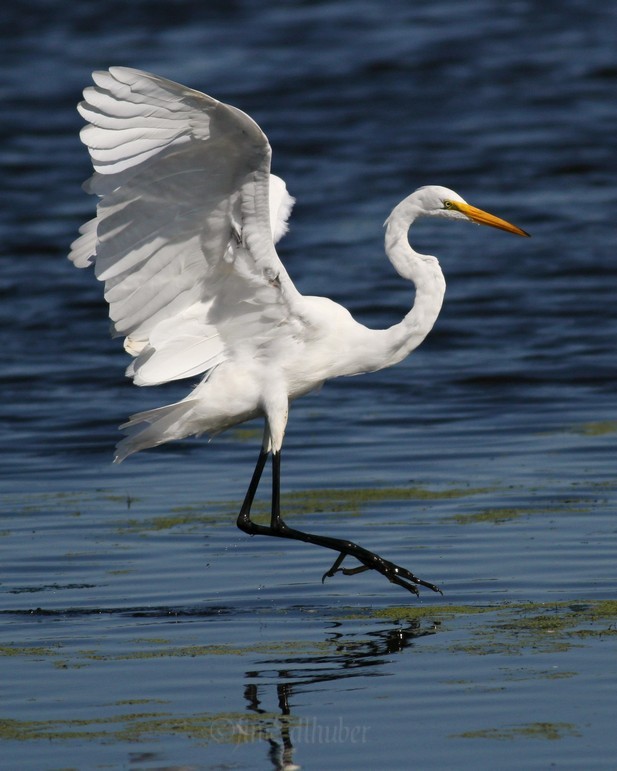
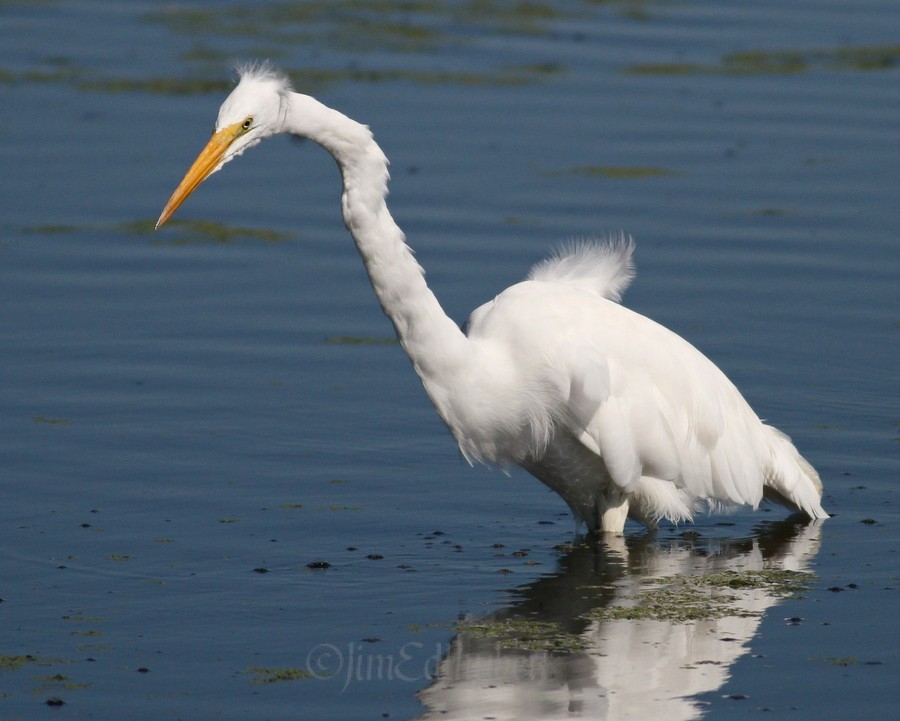
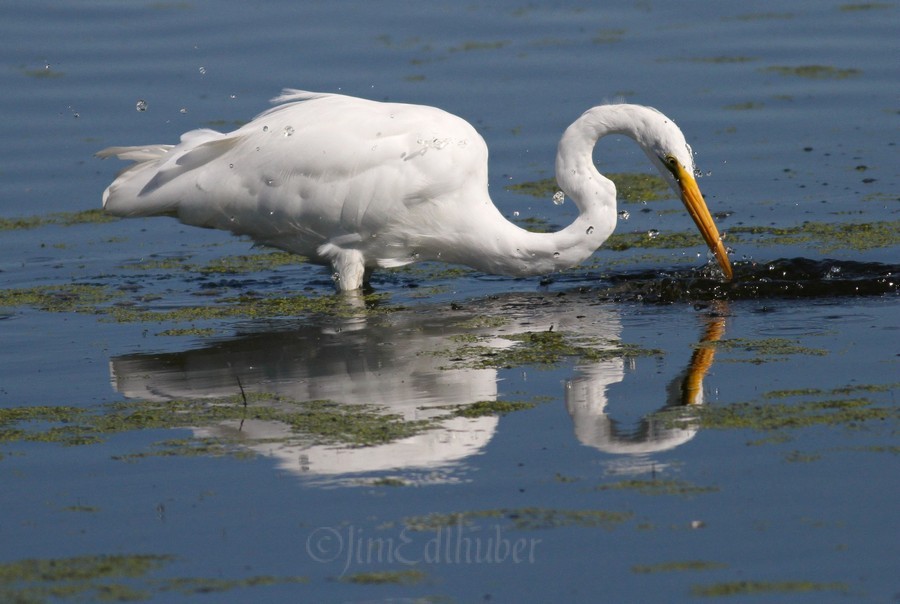
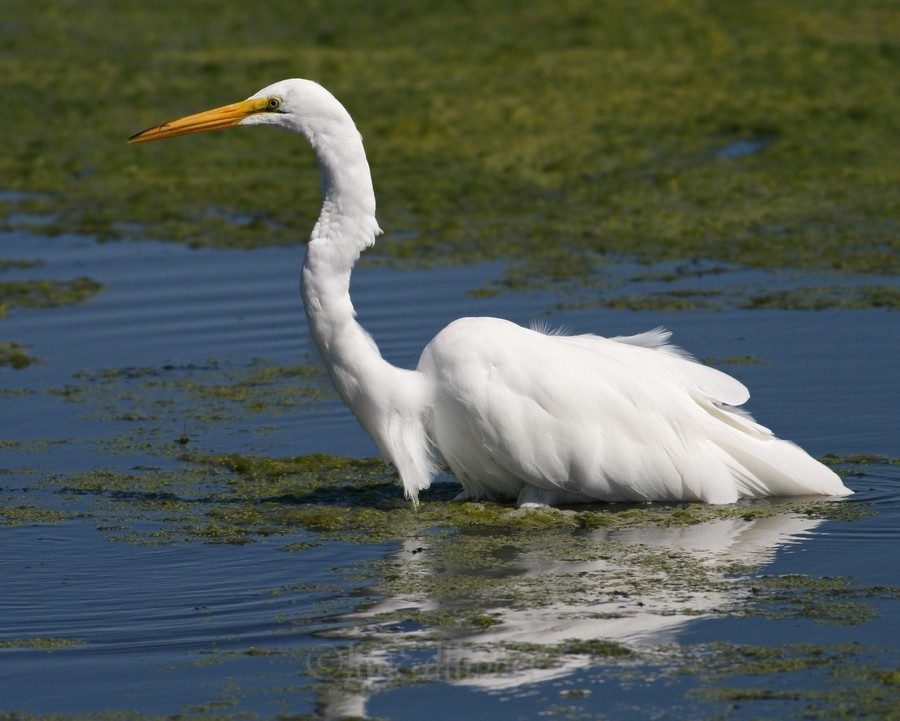
Great Egret

Great Egret

Great Egret

Great Egret

Great Egret

Great Egret

Great Egret

Great Egret

To view the full gallery of images, please click here.

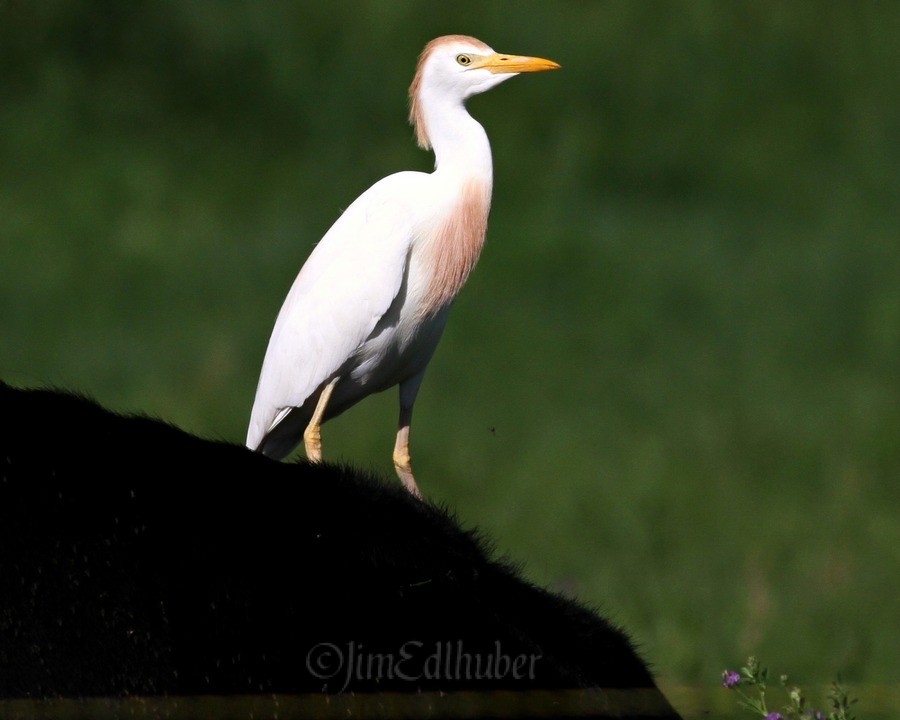
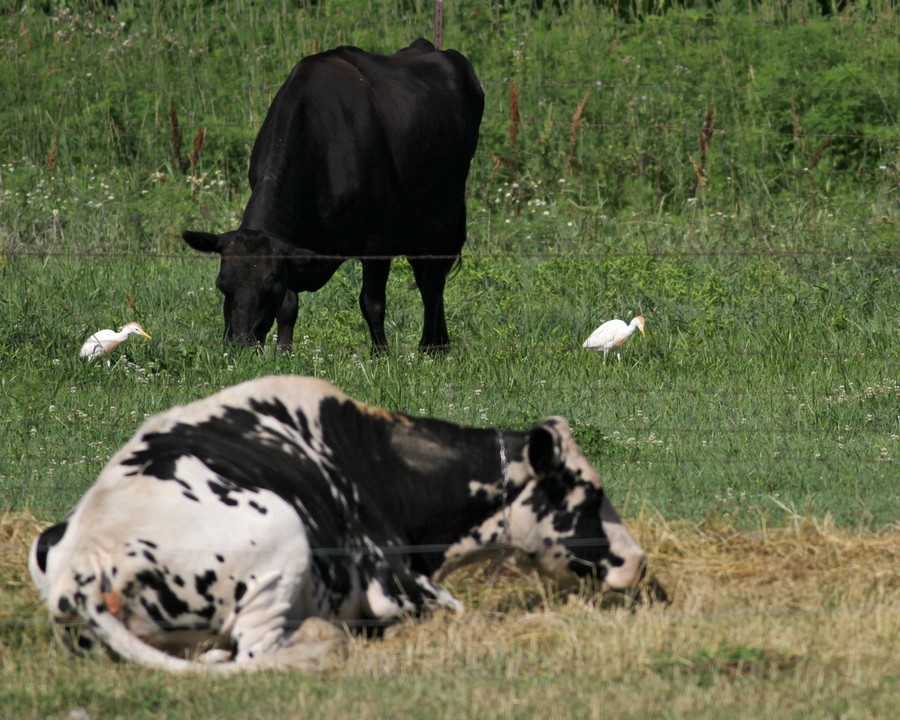
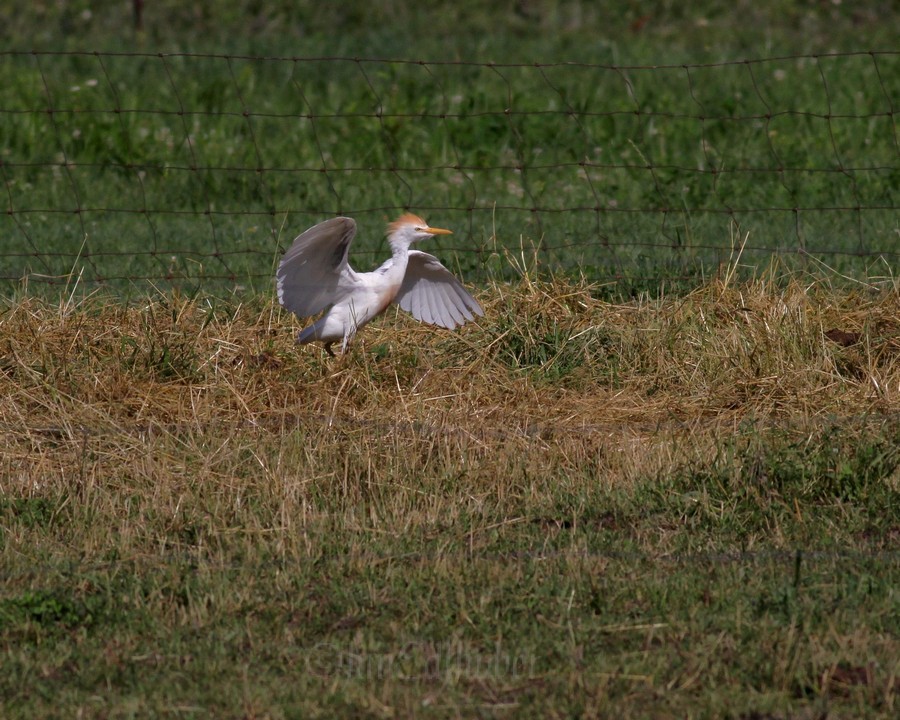
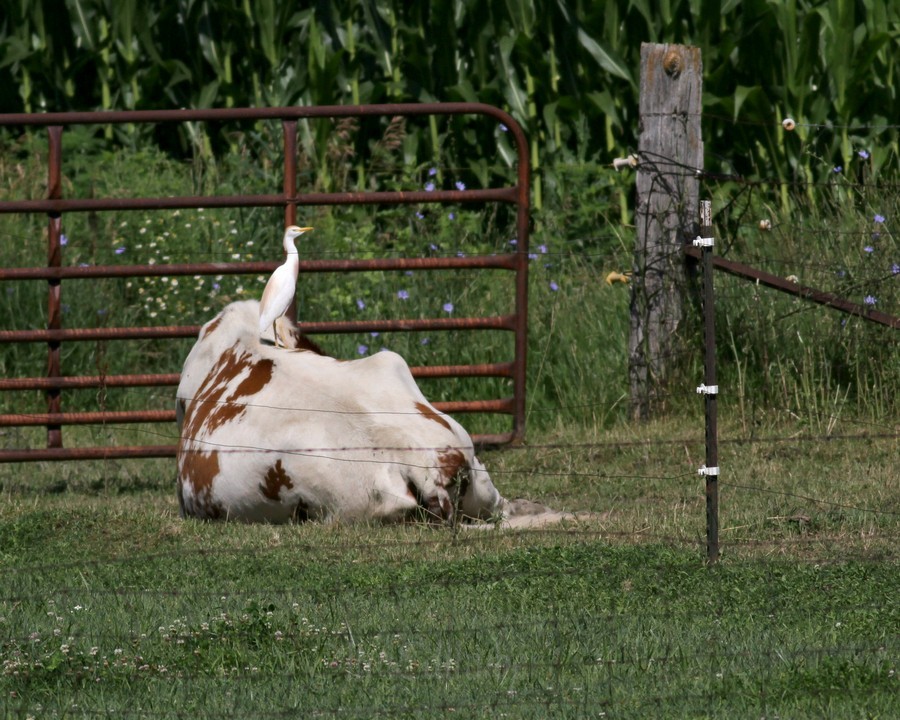
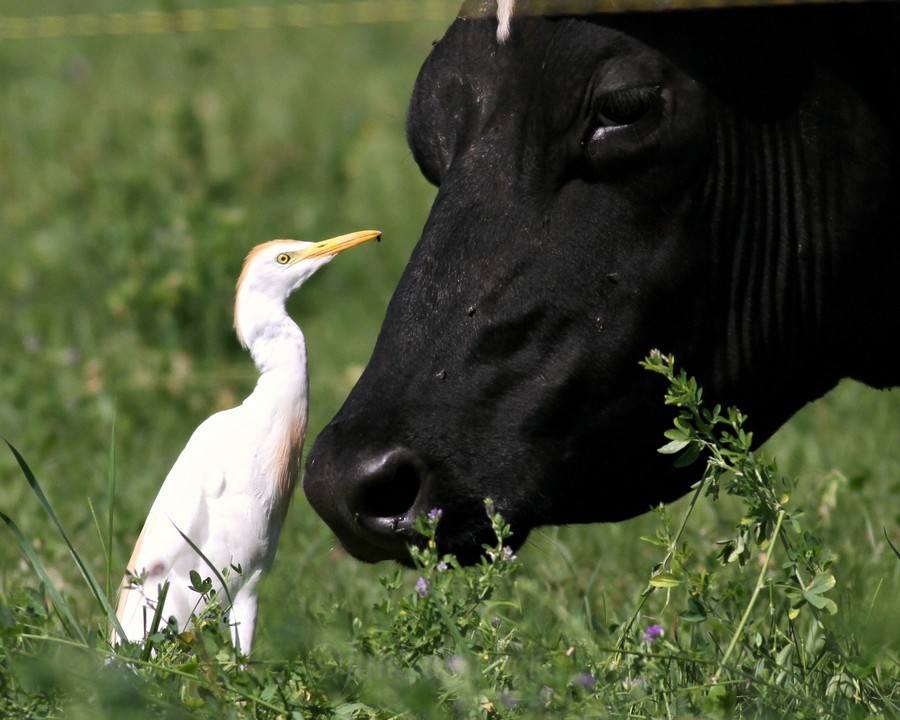
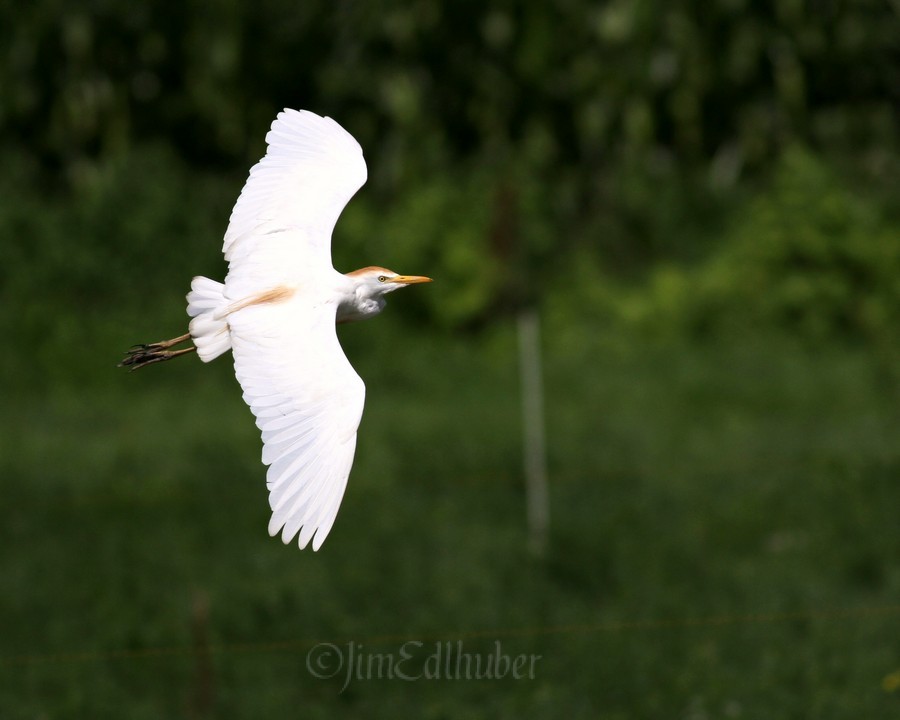
Cattle Egret

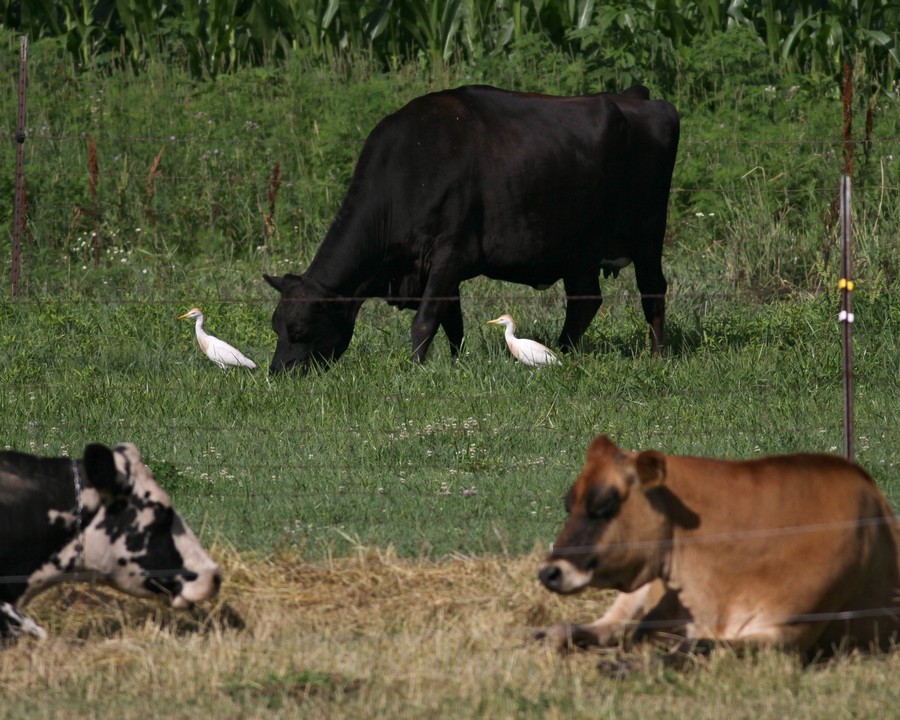
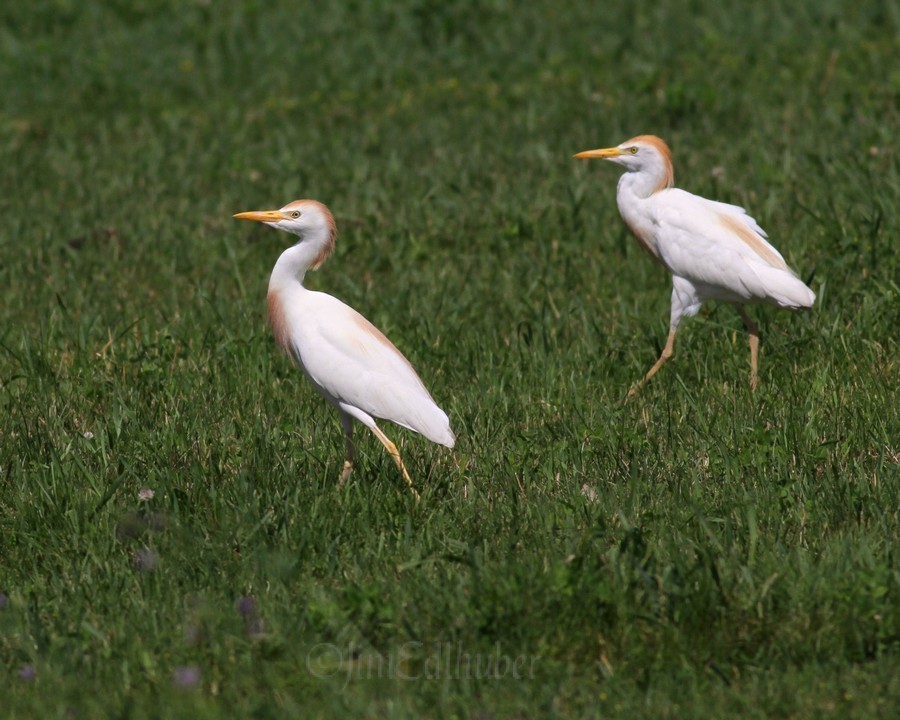
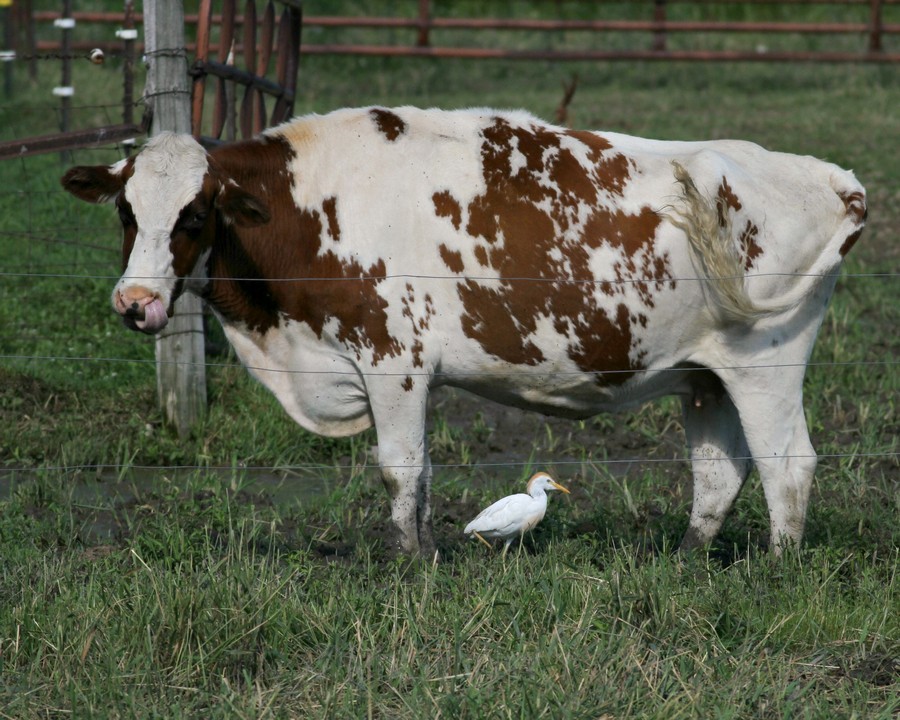
The Cattle Egret is one of my nemesis birds this year. After many miles of driving through areas where Cattle Egrets had been reported, this was my first real chance to photograph one. This time it did not disappoint me. I saw not one bird, but two.  They were in a double pasture with cows just northeast of Horicon Marsh on Stumpf Road in Fond du lac County, Wisconsin.

I’ve also included images of some Wilson’s Phalaropes (Phalaropus tricolor) from Horicon Marsh.

Photographs taken July 23, 2013.

Cattle Egret

Cattle Egret

Binomial name: Bubulcus ibis

Category: Bitterns, Herons, and Allies

Description: White plumage with cream-colored feathers on its chest, head, and tail during breeding season.  Yellow bill and gray legs.

Size: 18”-22” long, 35” – 38” wingspan

Weight: 9.5 oz. – 18 oz.

Habitat: Pastures, grasslands, meadows, and wetlands

Diet: Insects (grasshoppers and crickets), spiders, amphibians, and worms

Nesting: Cattle Egrets nest in colonies, typically near a body of water.  Both males and females build the nest; males collect twigs and sticks while the female assembles them into jumbled pile in a tree or shrub.  It is common for these birds to steal nest materials from others.  The female will lay 1 to 5 eggs and raise 1 brood each season.  Both parents incubate the eggs.  Chicks are born with down feathers but are still helpless.  The fledglings leave the nest after about 45 days.

Notes: Cattle Egrets are appropriately named as they tend to forage for food near cattle or other large, grazing animals.  They eat insects and other vertebrates spread by these animals.  The birds have also been known to forage behind farm machinery.  Farmers may welcome these birds to their pastures as Cattle Egrets will help control fly and tick populations among cattle.

Cattle Egret

Cattle Egret

Cattle Egret

Cattle Egret

Cattle Egret

Cattle Egret

Cattle Egret

Cattle Egret

Wilson's Phalarope

Wilson's Phalarope

To view the full gallery of images, please click here.

Sanderling

Sanderling  North Point Sheboygan 5-30-2012

Sanderling North Point Sheboygan 5-30-2012

Sanderling

Binomial name: Calidris alba

Category: Sandpipers, Phalaropes, and Allies

Description: Whitish-gray feathers with a thick, black bill and feet.

Size: 7.1″ – 7.9″ long, 13.8″ wingspan

Weight: 1.4 oz. – 3.5 oz.

Habitat: Rocky shorelines in coastal and island regions or inland marshes and wetlands.

Diet: Insects, crustaceans, invertebrates, and plants or grasses.

Nesting: The female gathers materials and builds the nest, usually a scrape on a shallow rocky area or a preexisting depression in sand.  She may line it sparsely with grasses, leaves, lichens, moss. The typical clutch size is 3 to 4 eggs and both parents incubate.  The male is highly territorial and will defend the nesting site.

Notes: Sanderlings are a populous and widespread shorebird with a global distribution.  They show up on nearly every temperate and tropical shoreline in the world.  However, they only breed in the high Arctic.

Sanderling  North Point Sheboygan 5-30-2012

Sanderling North Point Sheboygan 5-30-2012

Sanderling  North Point Sheboygan 5-30-2012

Sanderling North Point Sheboygan 5-30-2012

Sanderling  North Point Sheboygan 5-30-2012

Sanderling North Point Sheboygan 5-30-2012

Sanderling  North Point Sheboygan 5-30-2012

Sanderling North Point Sheboygan 5-30-2012

Sanderling  North Point Milwaukee 9-4-2011

Sanderling North Point Milwaukee 9-4-2011

Sanderling  North Point Milwaukee 9-4-2011

Sanderling North Point Milwaukee 9-4-2011

Sanderling  North Point Milwaukee 9-4-2011

Sanderling North Point Milwaukee 9-4-2011

Sanderling  North Point Milwaukee 9-4-2011

Sanderling North Point Milwaukee 9-4-2011

Sanderling  North Point Milwaukee 9-4-2011

Sanderling North Point Milwaukee 9-4-2011

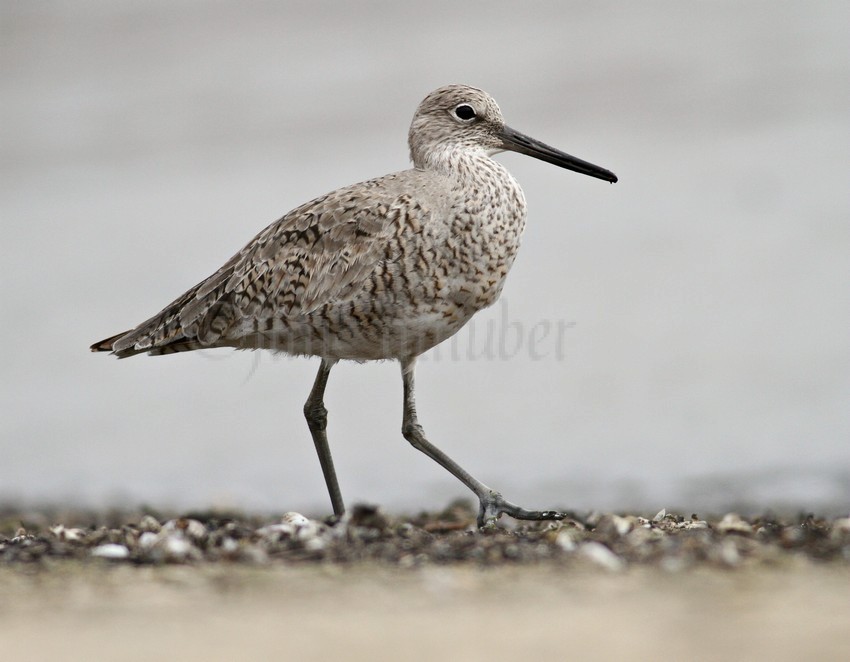
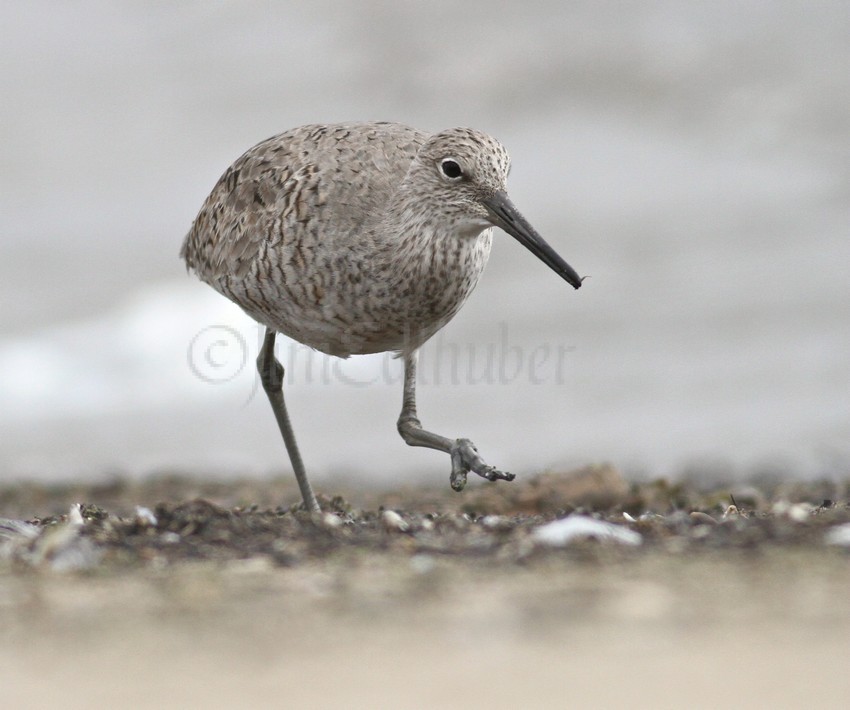
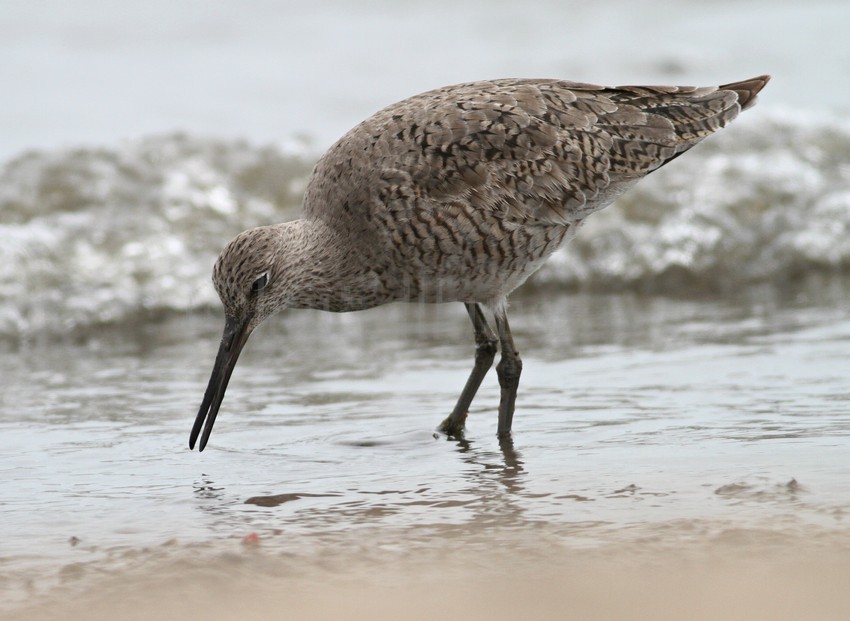
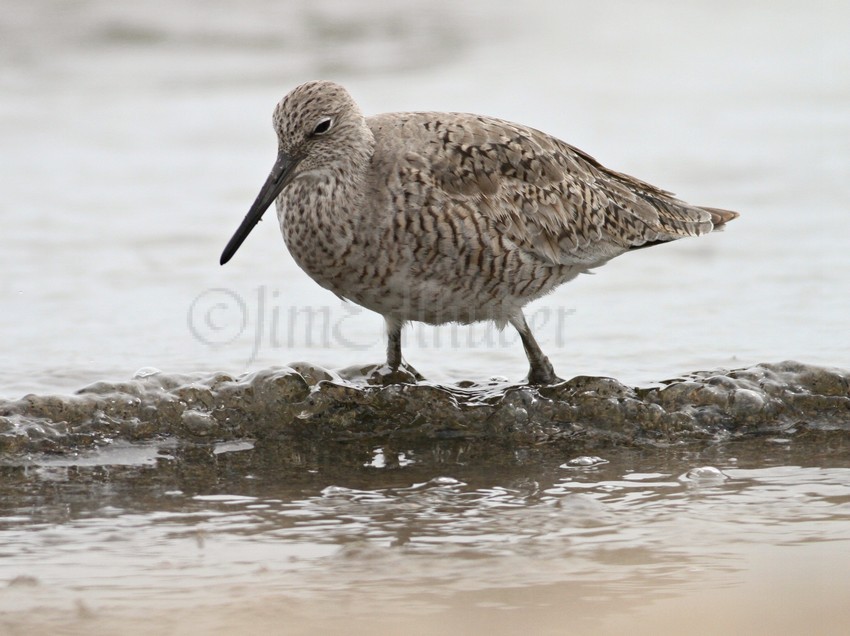
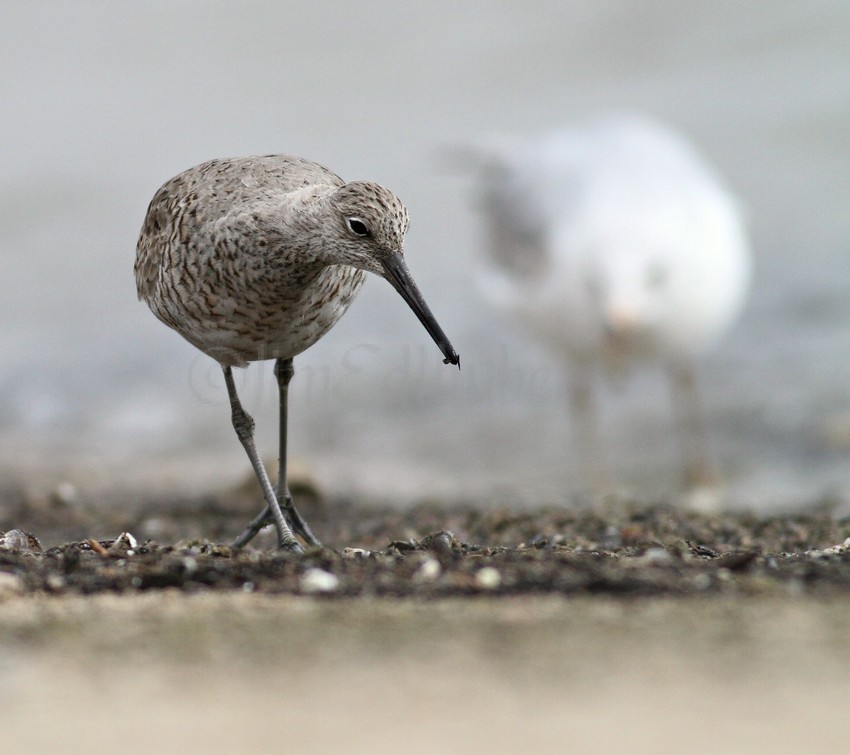
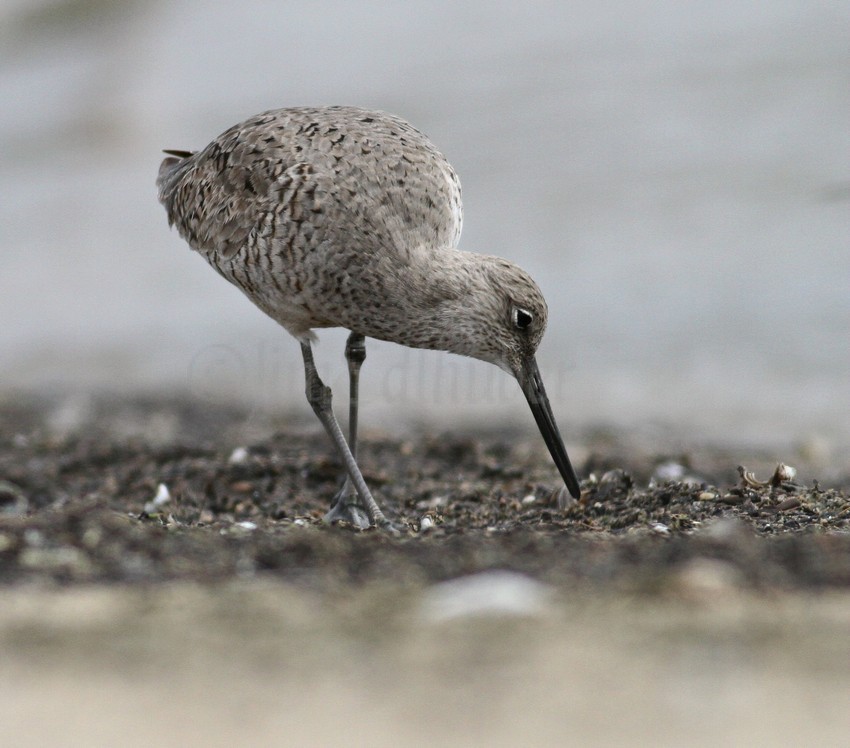
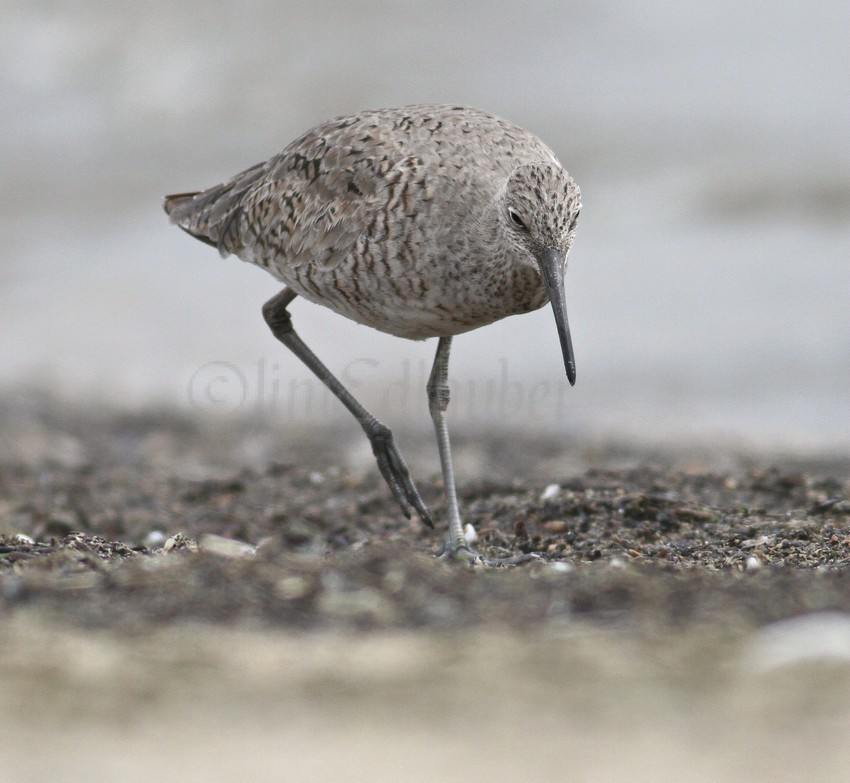
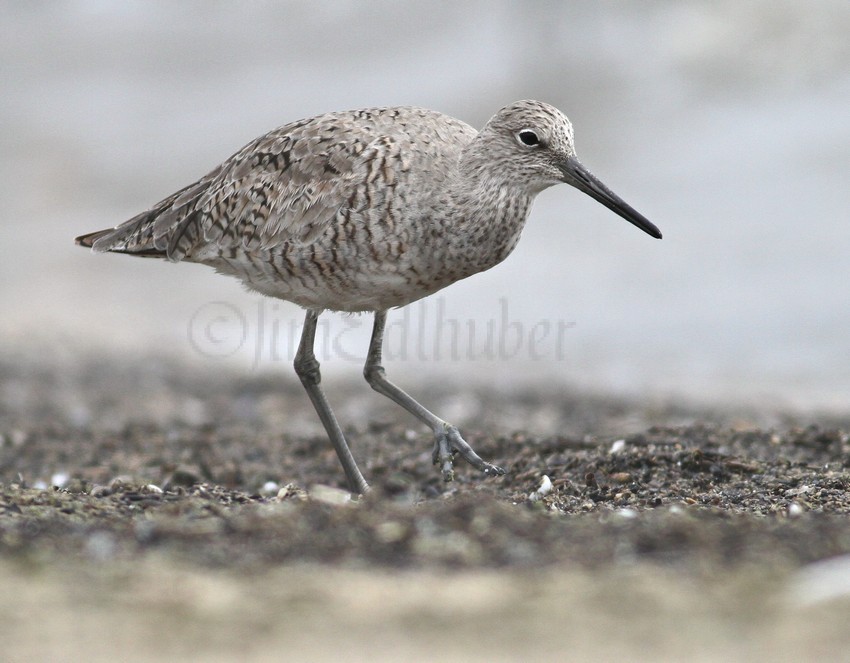
Willet at McKinley Beach in Milwaukee Wisconsin on May 1, 2012

A flock of 37 American Avocets had spent the day at McKinley Beach in Milwaukee Wisconsin on May 1, 2012. Within the flock was one lone Willet that just mixed right in with the Avocets as they feed and rested for the day.

_rIMG_3329_cr

Willet

Binomial name: Tringa semipalmata

Category: Sandpipers, Phalaropes, and Allies

Size: 15” long, 26” wing span

Weight: 8 oz

_rIMG_3327_cr

_rIMG_3444_cr

_rIMG_3441_cr

_rIMG_3440_cr

_rIMG_3324_cr

_rIMG_3321_cr

_rIMG_3320_cr

_rIMG_3319_cr