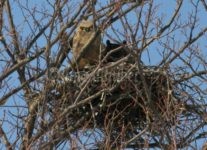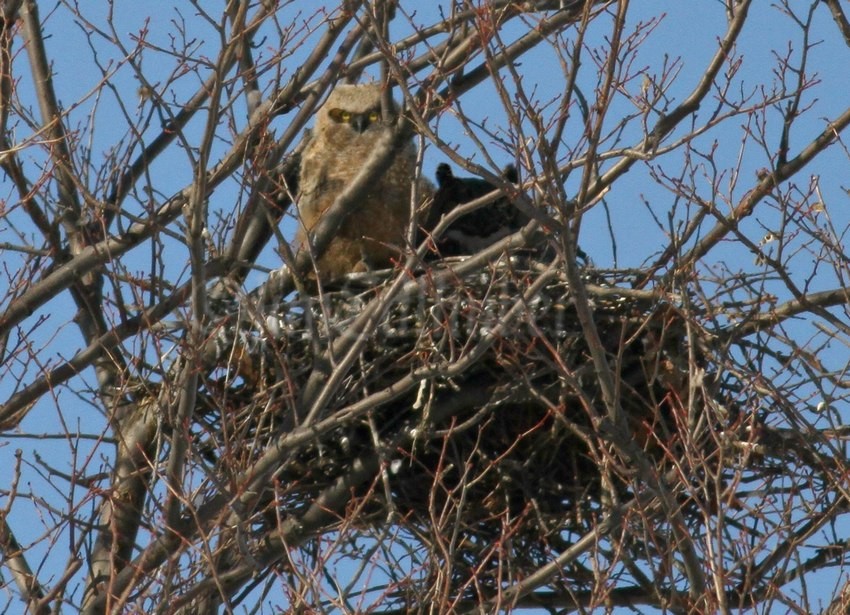
While out birding, I captured a Great Horned Owl with an owlet at a distance. The owlet is pretty good size sitting along side an adult. Image taken in southeastern Wisconsin on March 19, 2017.

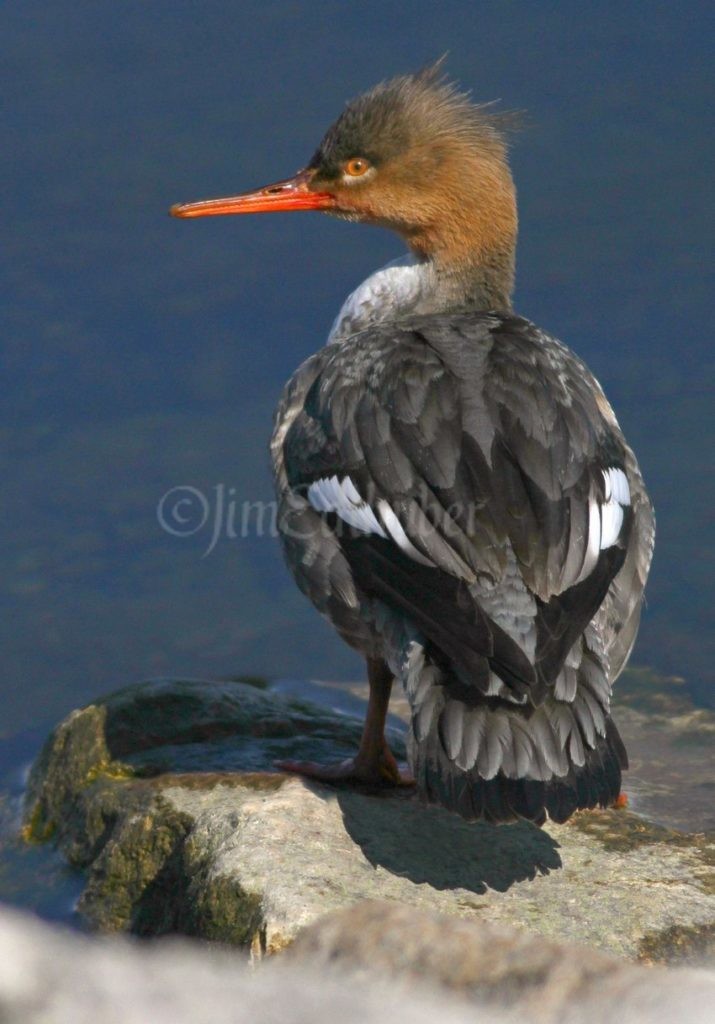
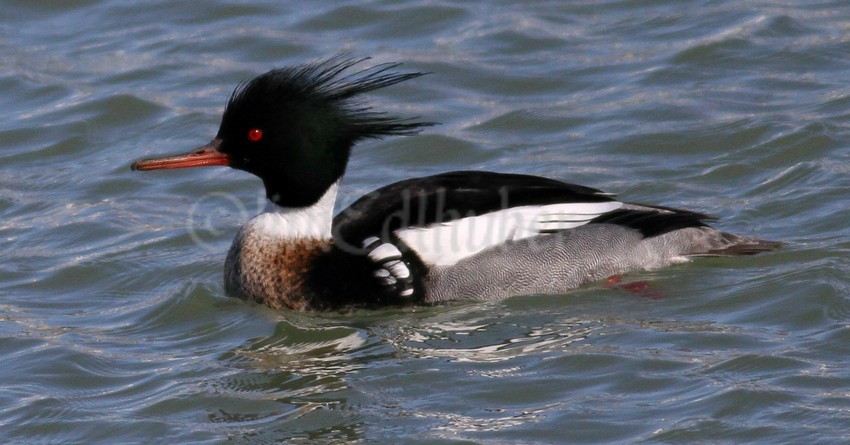
A quick walk through Lakeshore State Park provided a couple nice views of the few ducks present there. They were Red-breasted Mergansers. Most ducks have moved north with spring around the corner but there are always a few that linger. A full sun day with temps finally above freezing, low winds made for a nice morning for a stroll through the park. Images were taken on March 16, 2017.

Red-breasted Merganser, female just after preening on the shore
Binomial name: Mergus serrator
Category: Ducks, Geese, and Swans
Size: 23” long, 30” wing span
Weight: 2.3 lb

Red-breasted Merganser, male just cruising on by…
I made the run up to North Point Park in Sheboygan this morning with hopes to see the male Barrow’s Goldeneye. I was not disappointed. The Barrow’s Goldeneye rode the large waves coming in like the other ducks present. It dove often for food and sometimes it was hard to relocate with the large waves. This is not a life bird as I photographed one at the exact location back on January 7, 2011. As I have searched high and low through rafts of Common Goldeneye on the Milwaukee lakefront year after year, to see one again is a special treat. From Sheboygan I stopped at Port Washington for a couple of minutes and got a distant shot of 4- Red-throated Loons just east of the harbor entrance feeding on occasion. Thanks to Dan B for finding this uncommon bird for the area and for getting the word out for others to see it. It was about 20 degrees with full sun when I arrived at 9:00 am with steady winds off the lake. It was a bitter cold viewing period. Images were taken on March 15, 2017.
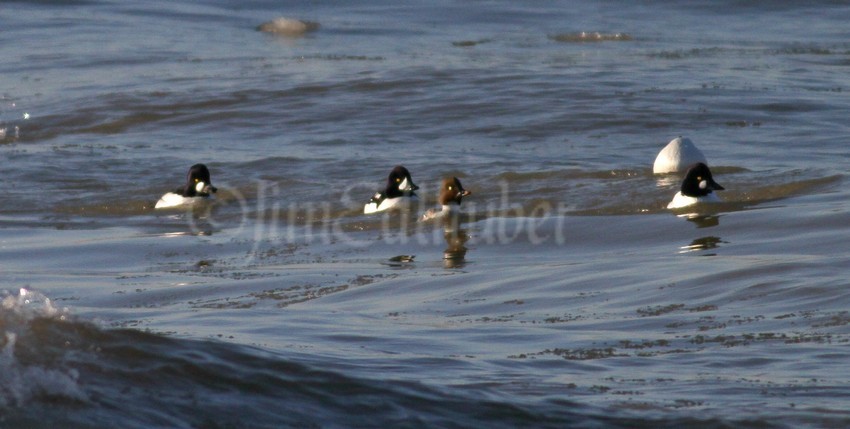
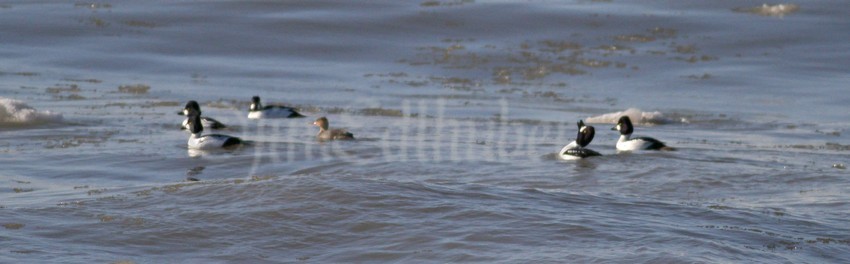
Common Goldeneye, males on both sides with the Barrow’s Goldeneye, male in the middle, also the brown duck being a Common Goldeneye, female
Binomial name: Bucephala islanddica
Category: Duck, Geese, and Swans
Size: 18” long, 28” wing span
Weight: 2.1 lb.
Range: The normal winter range for this duck species is the east and west coasts of the US and Canada. The breeding range in general, is inland along with west coast of Canada well into Alaska south into Wyoming.
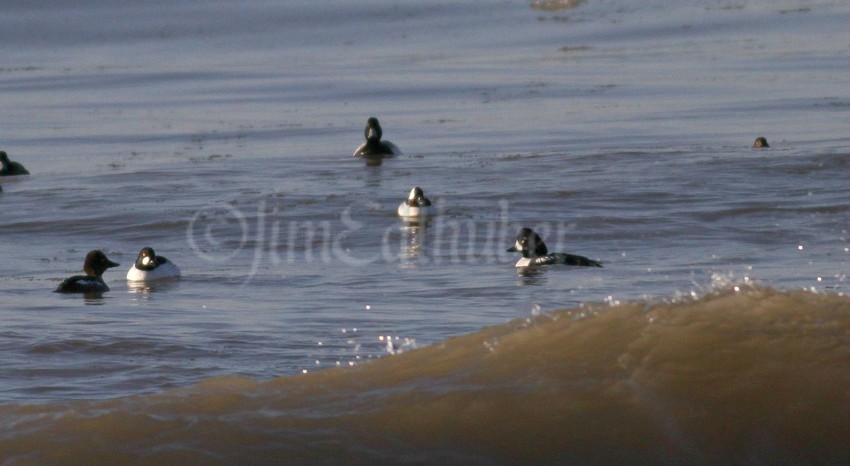
Barrow’s Goldeneye, male on the right
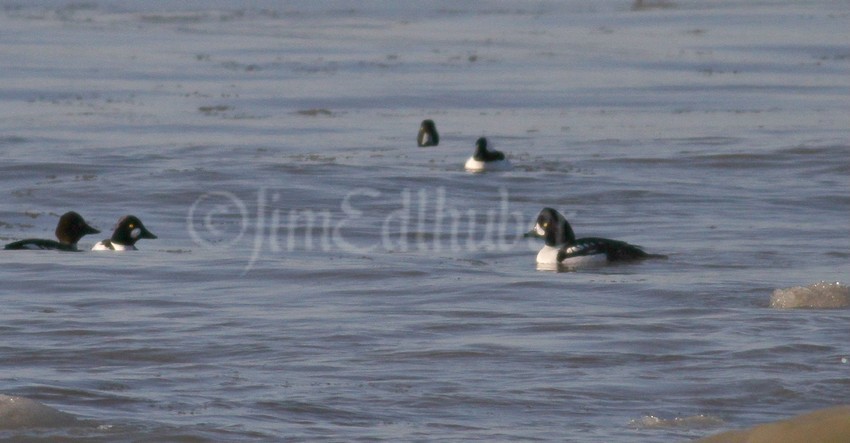
Barrow’s Goldeneye, male on the right
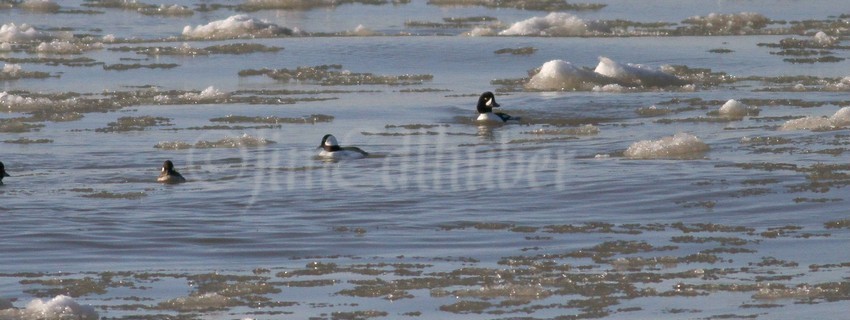
Barrow’s Goldeneye, male on the right, Bufflehead male to the left
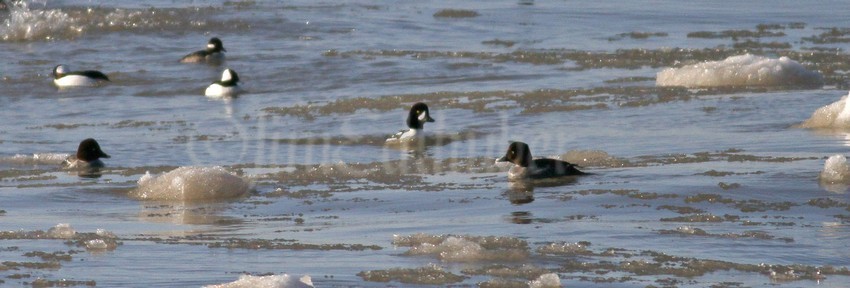
Barrow’s Goldeneye, male in the middle with a Common Goldeneye, female on the right, Bufflehead males behind, Bufflehead female way back
Barrow’s Goldeneye with some displaying action
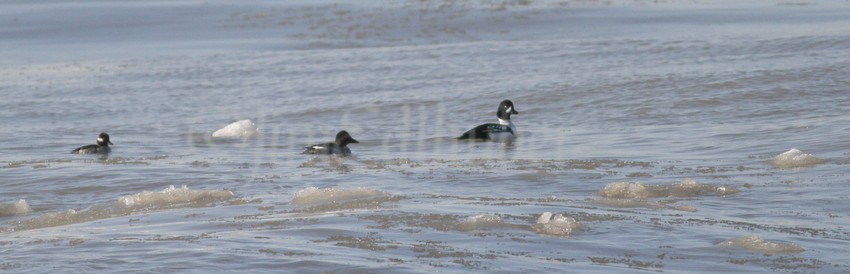
Barrow’s Goldeneye, male on the right with a Common Goldeneye, female following, Bufflehead female on the left
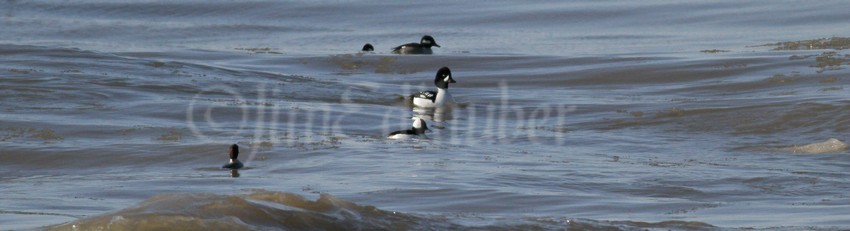
Barrow’s Goldeneye, male in the middle with a Bufflehead, male in front
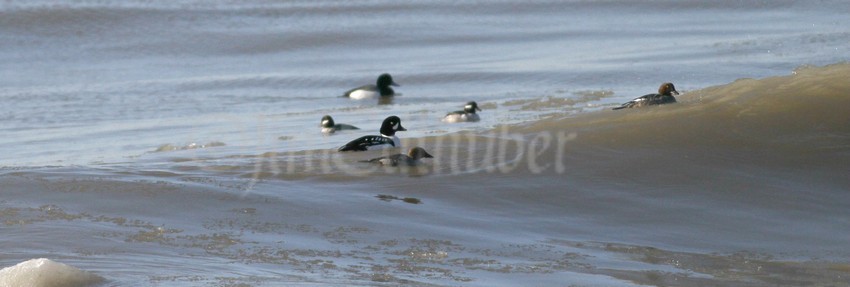
Barrow’s Goldeneye in the middle
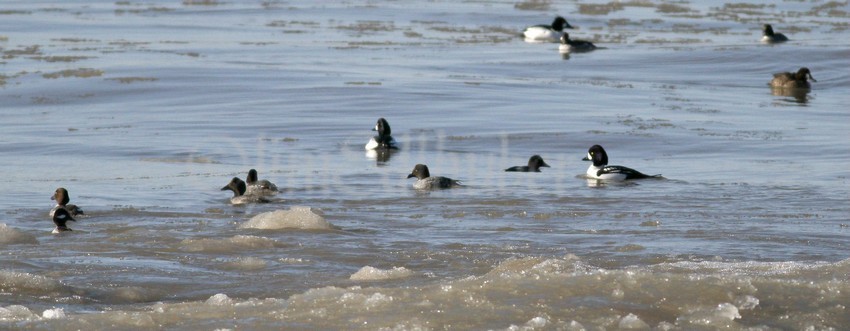
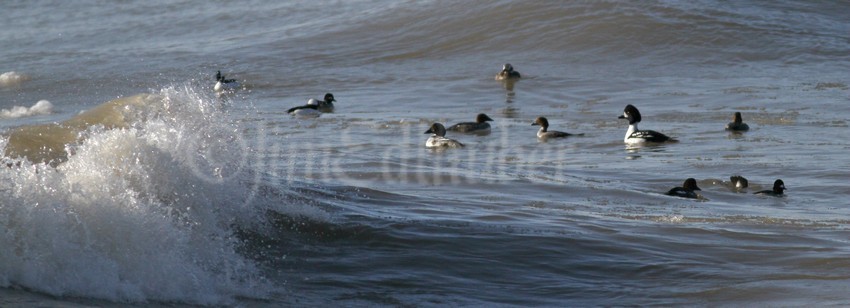
Barrow’s Goldeneye on the right with many Common Goldeneye, females around on the left
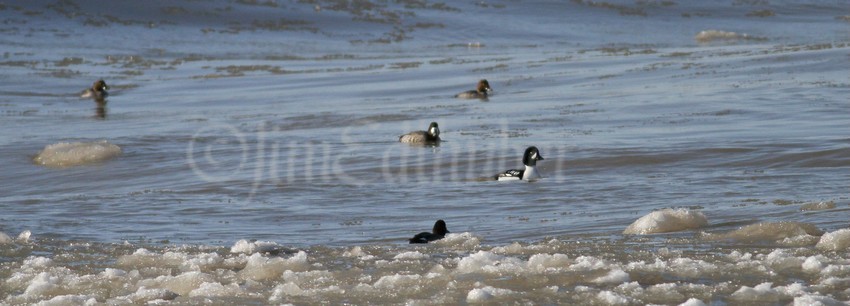
Barrow’s Goldeneye, male, just being there on the right
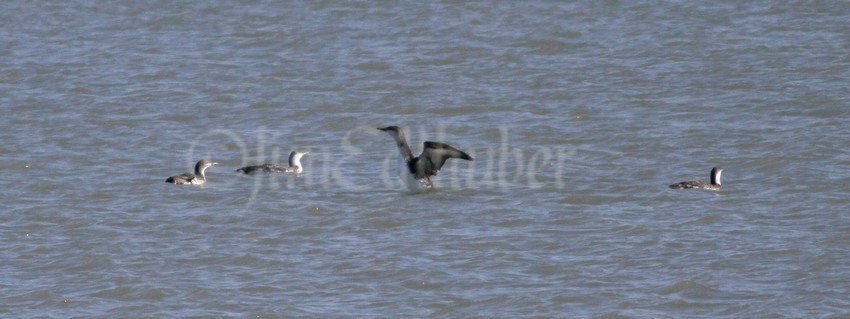
4- Red-throated Loons, nonbreeding plumage, distant shot at Port Washington
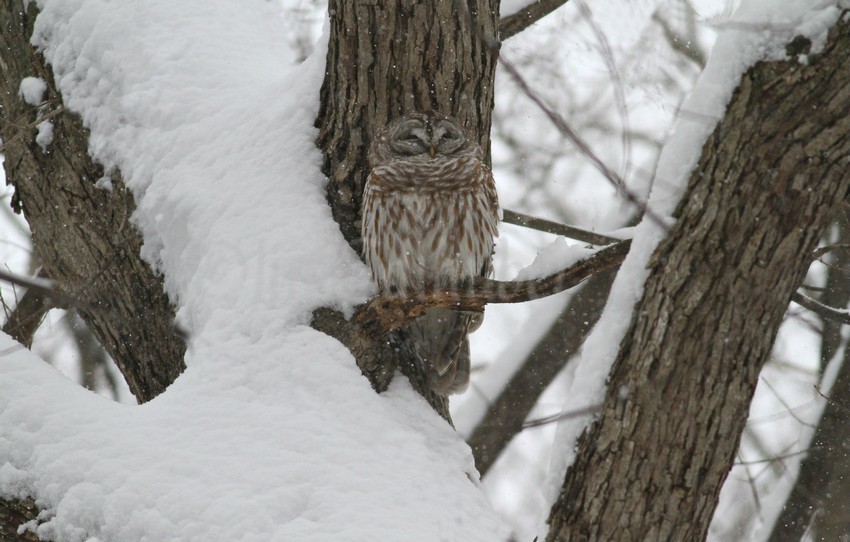
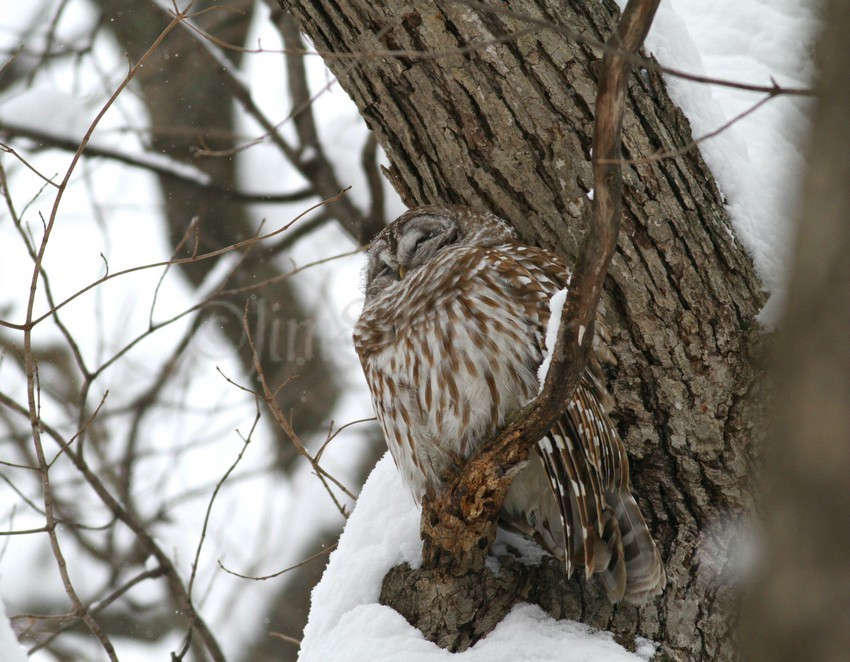
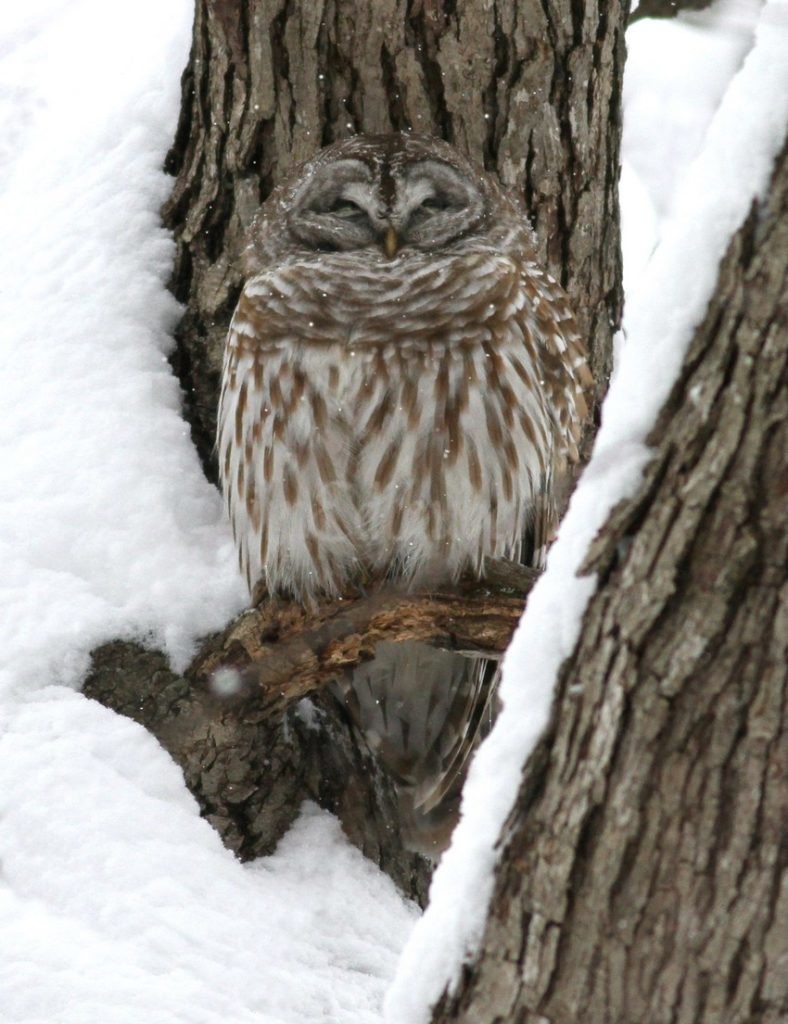
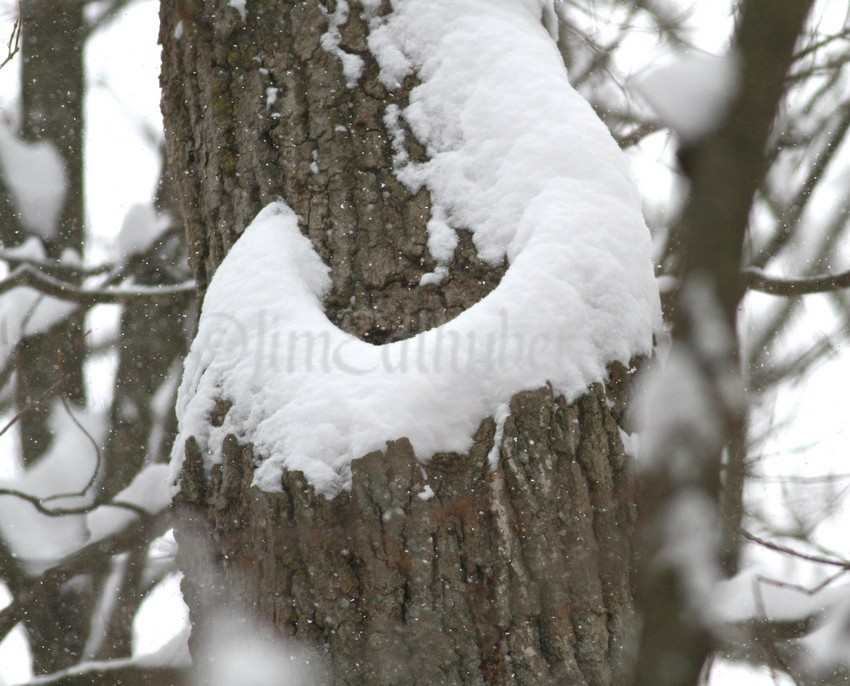
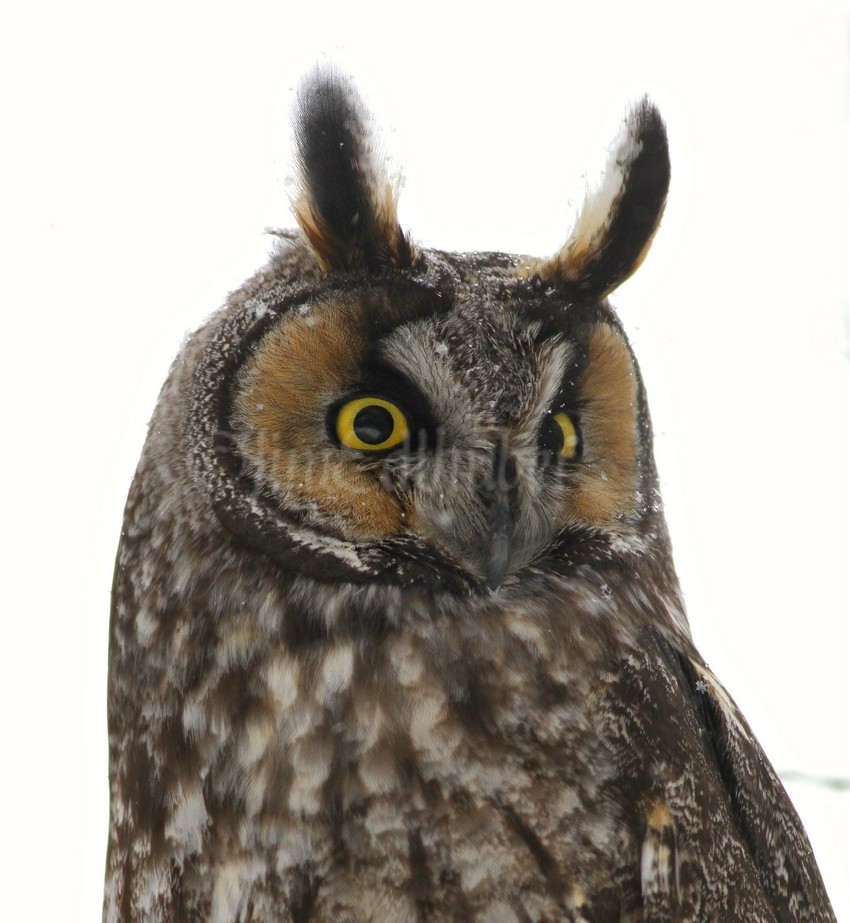
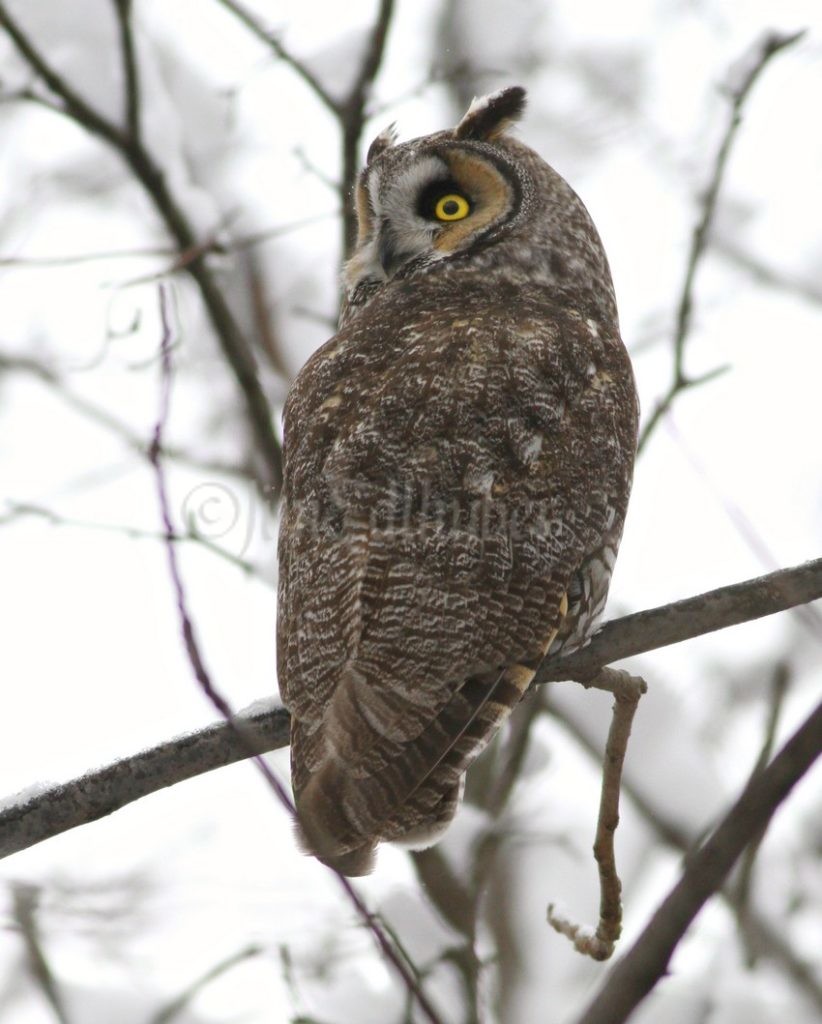
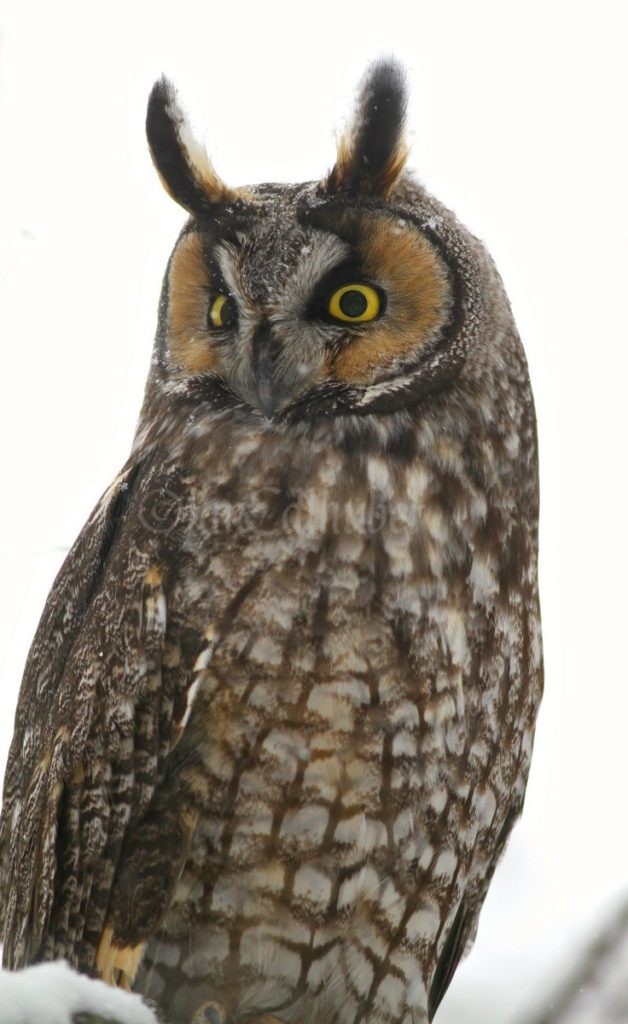
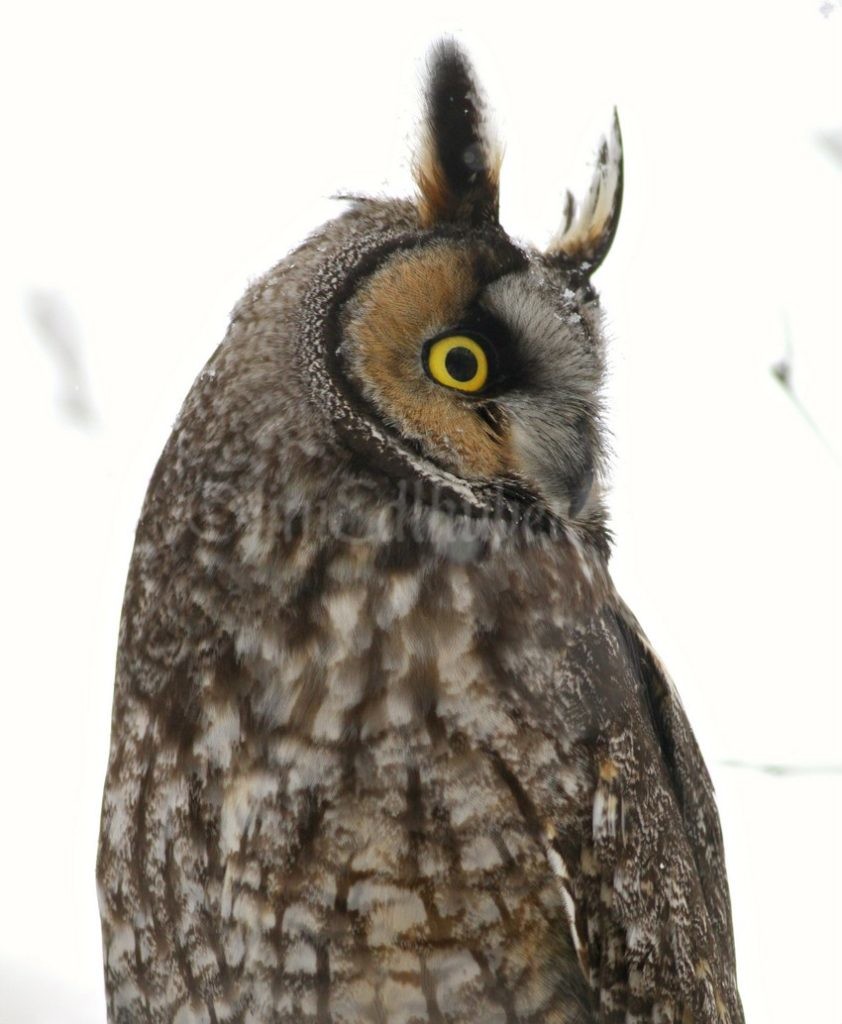
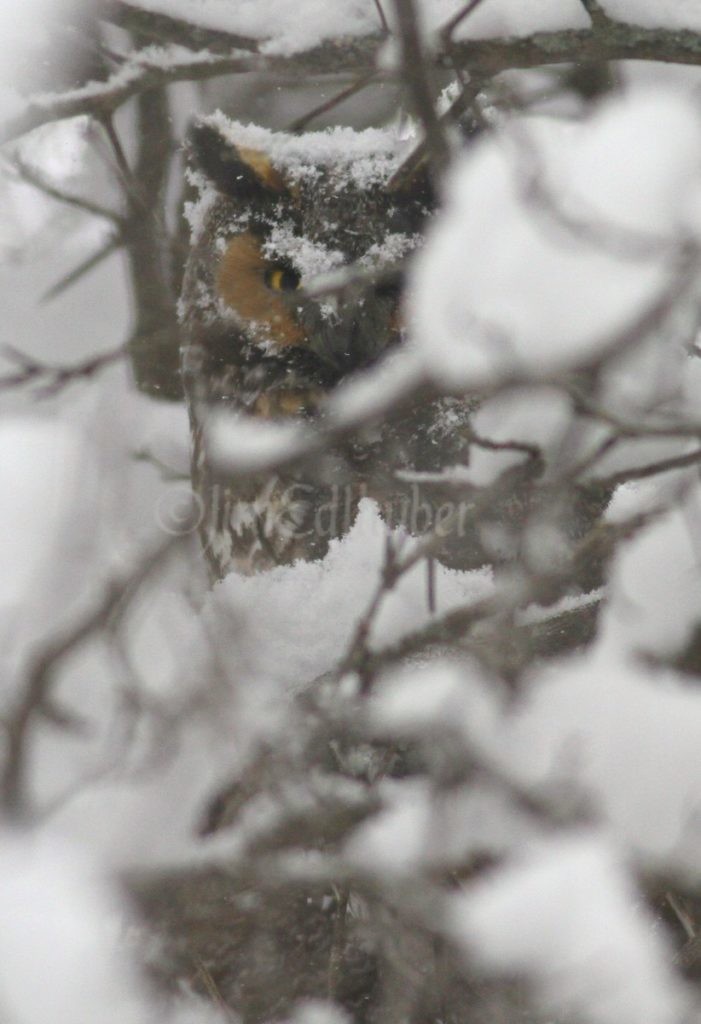
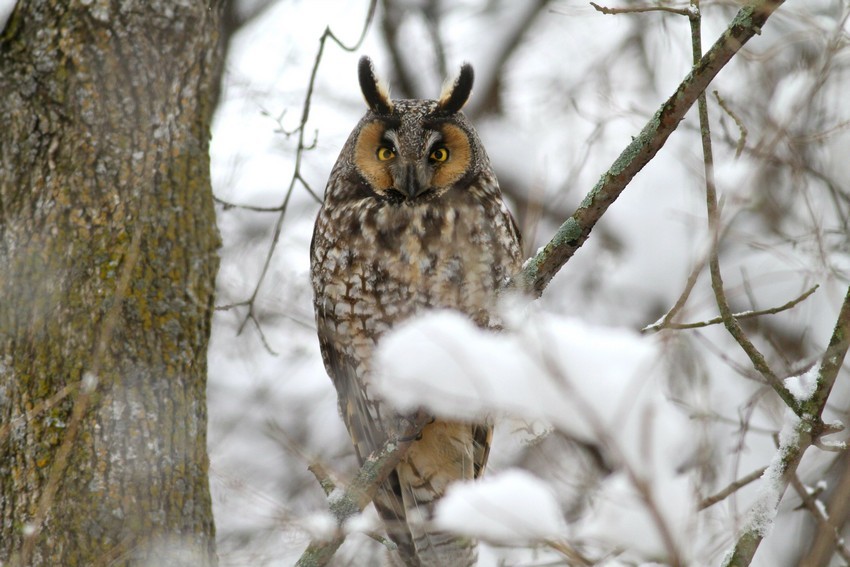
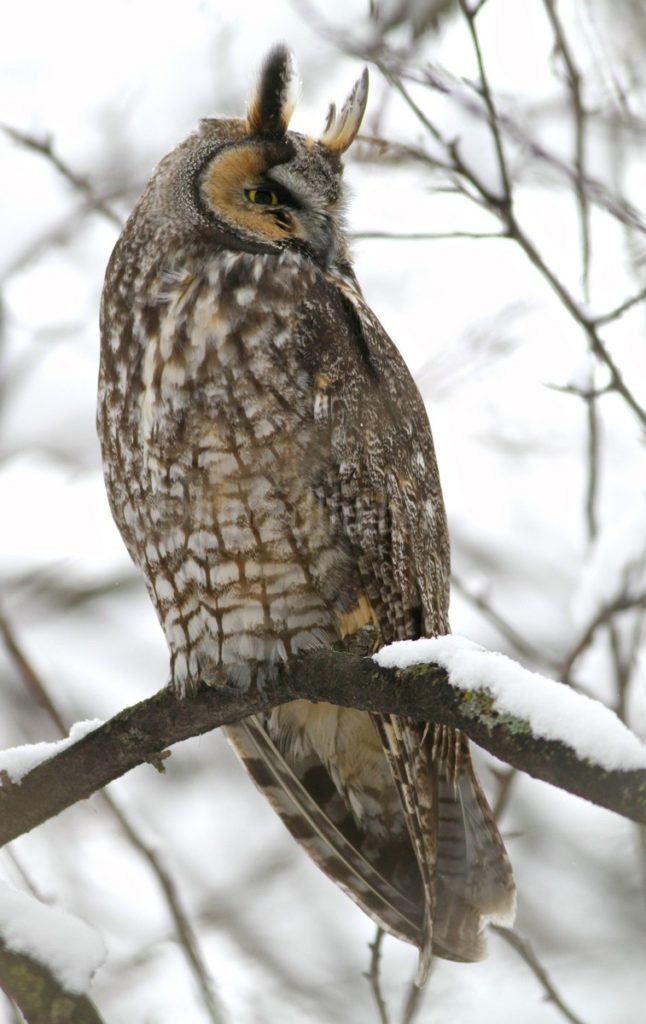
With a day of falling snow, it was be a great day to check out a few owls. I checked out a few spots with a little luck. The Barred Owl was hunkered down when found, it never moved. The Long-eared Owls sat tight as well. With the snow falling on and off during the day, it made for a winter wonderland atmosphere out in the woods. Images were taken on March 13, 2017
The Barred Owl blends right in, how exciting!


Barred Owl nest hole…

Long-eard Owl with snow…


The Long-eared Owl is hidden pretty well….
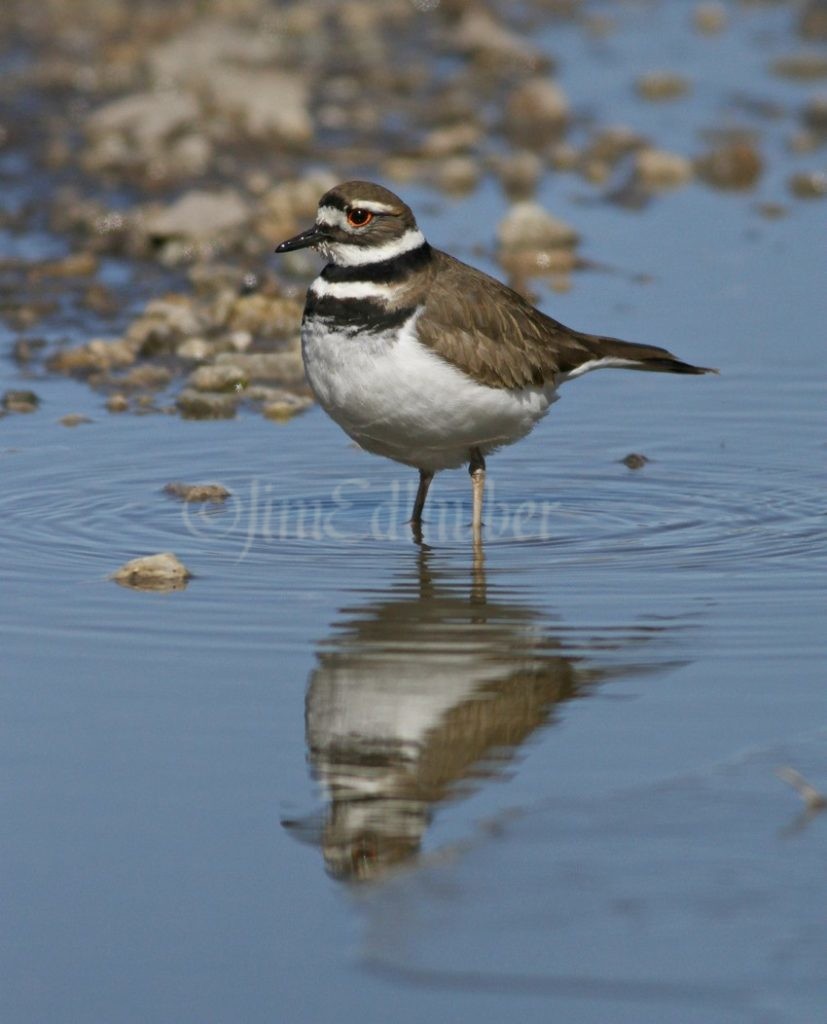
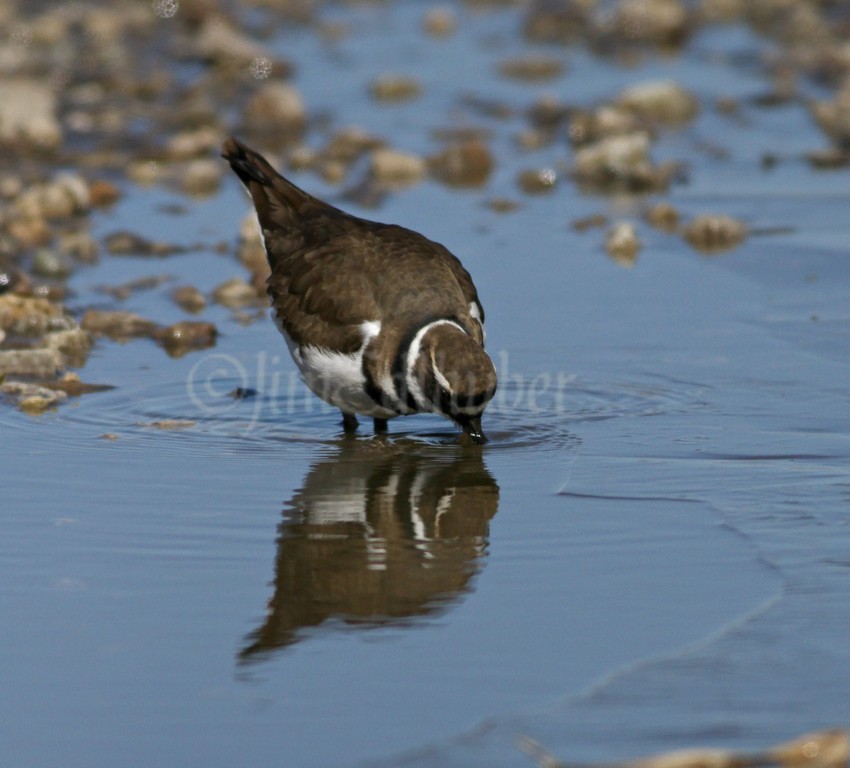
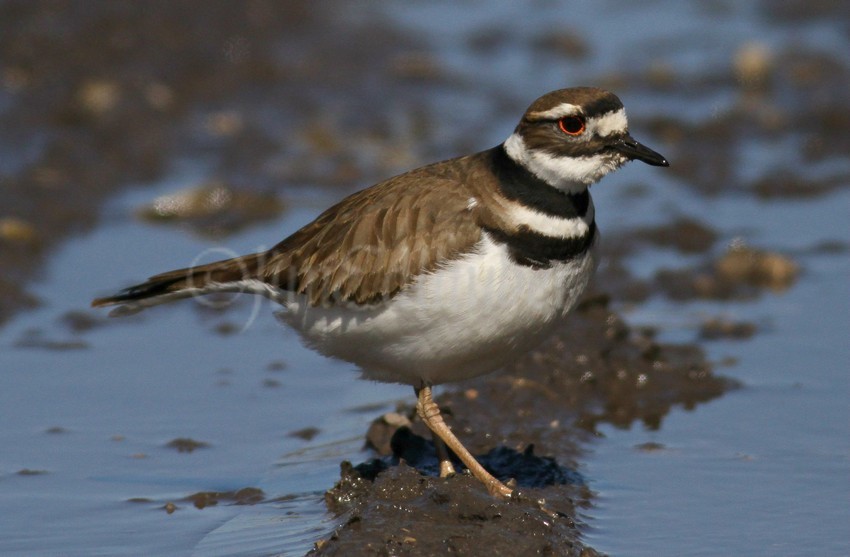
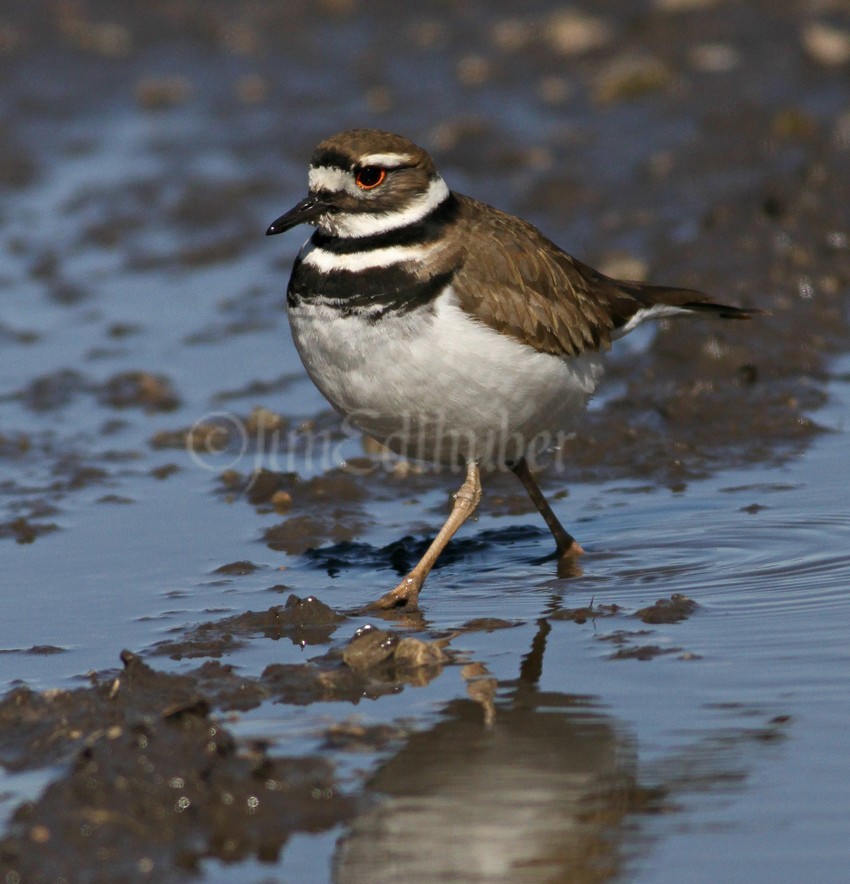
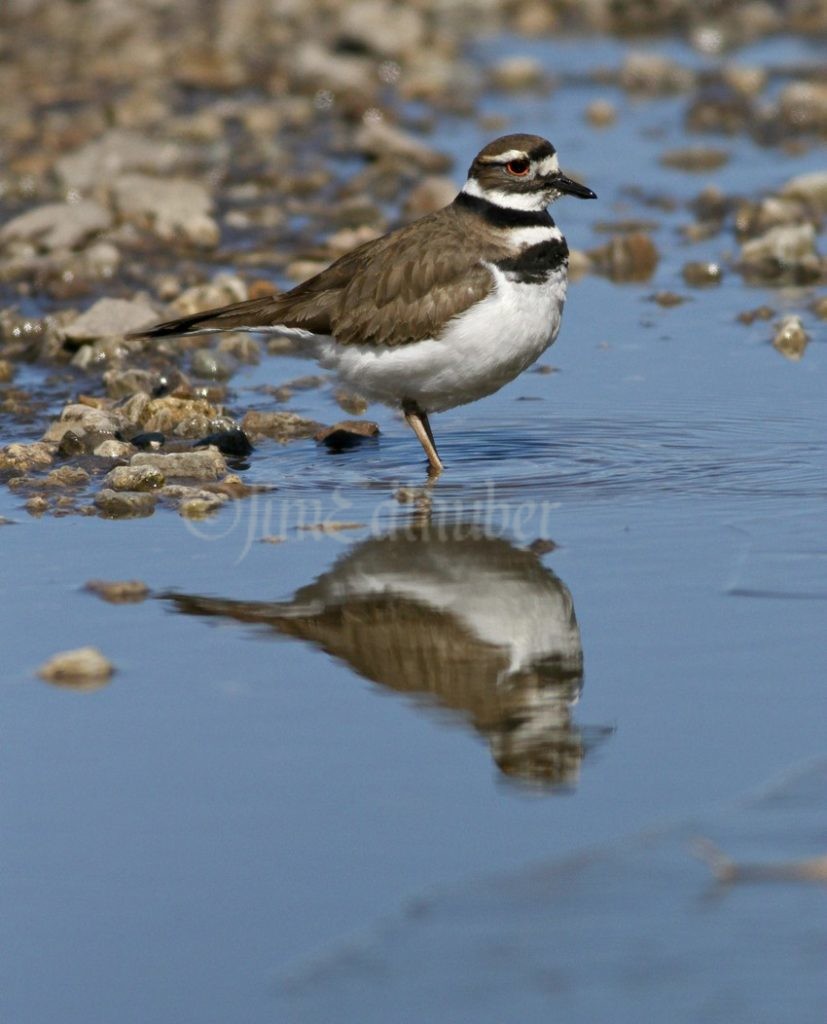
I came across some Killdeer today drinking water out of a half frozen puddle in Milwaukee County. Temperatures remained below freezing all day but the Killdeer still found some open water. Watching them in a short grass field they also appeared to find food today, a good thing! A cold and windy day today with some sun, the high for the day was 26 degrees. Images were taken on March 10, 2017.


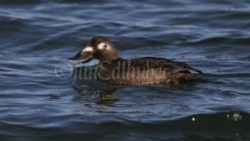
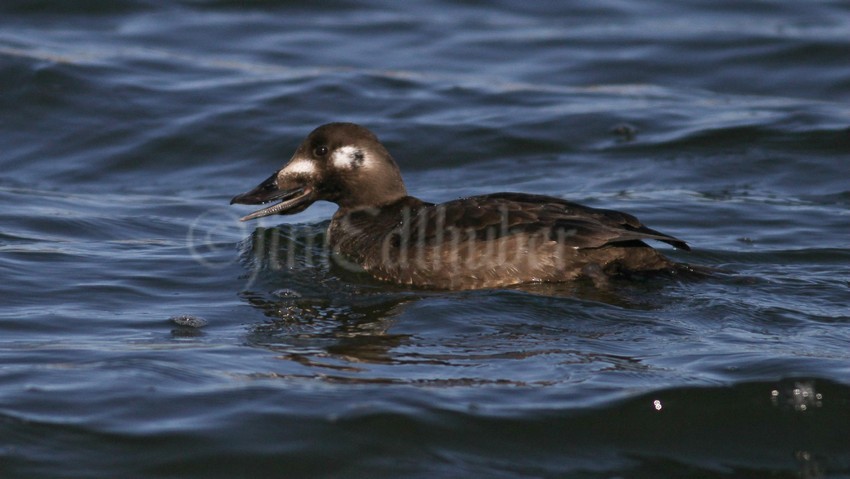
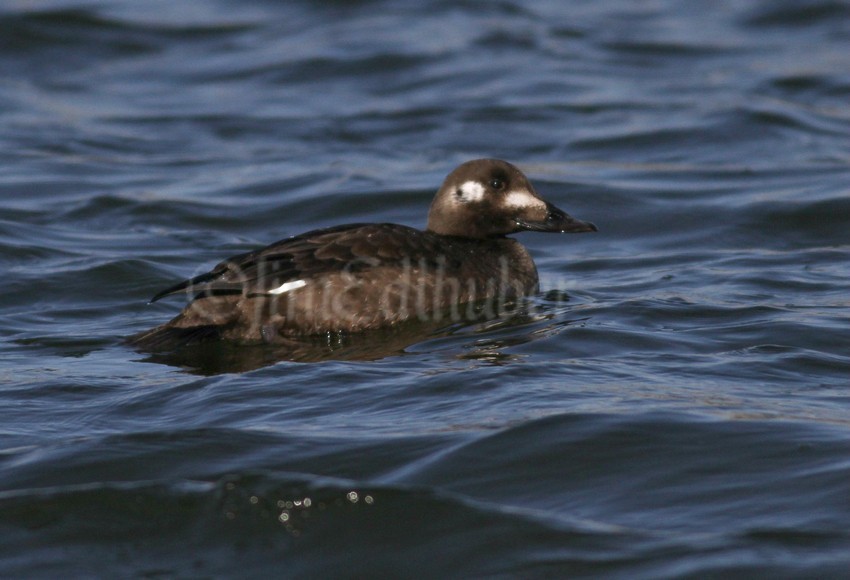
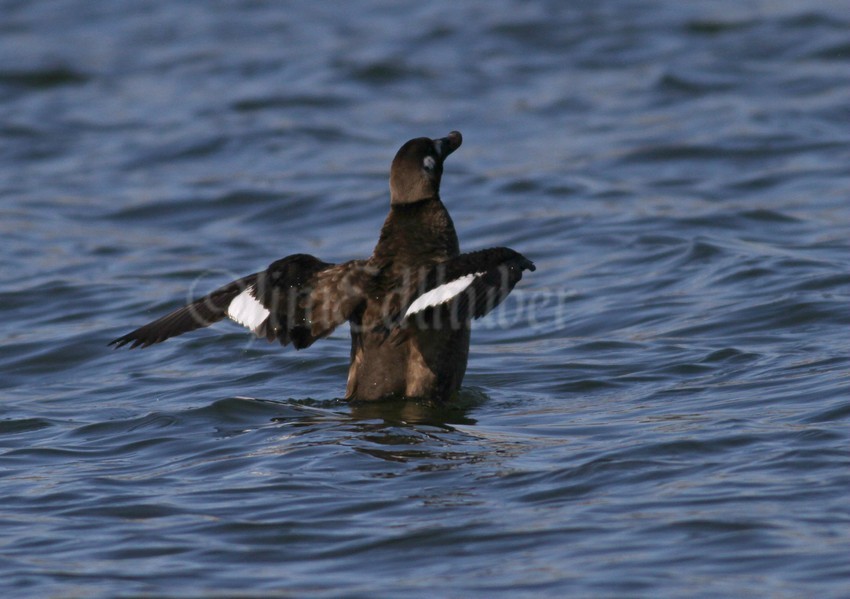
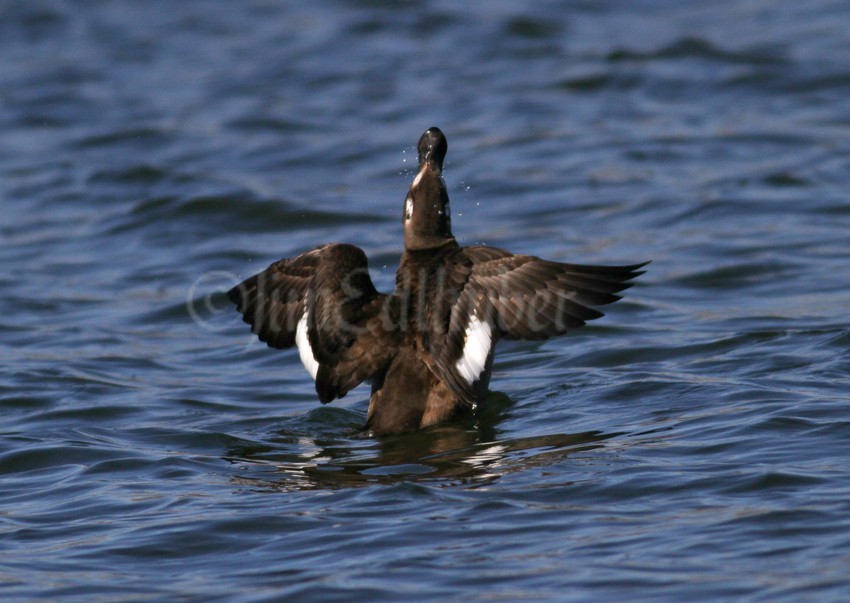
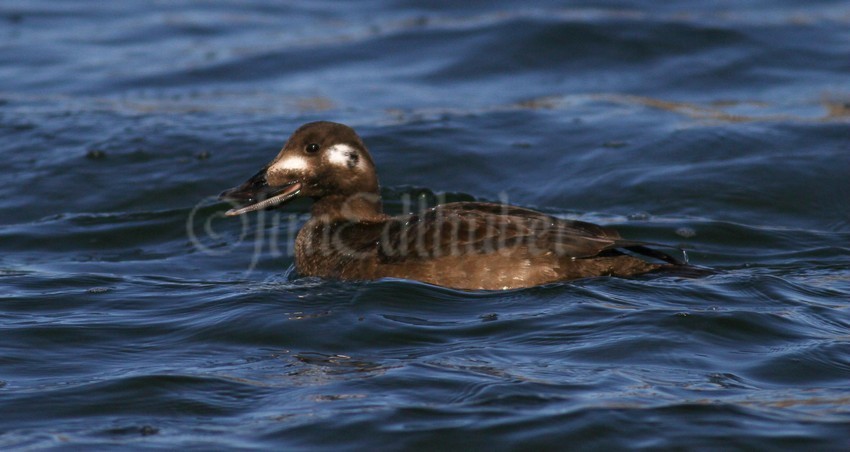
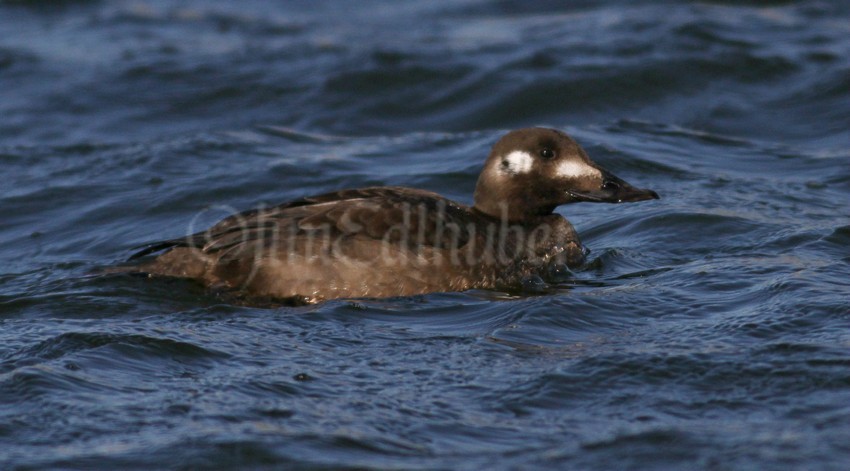
A brief birding stop this morning at Lakeshore State Park provided nice views of a White-winged Scoter. The female duck was hanging out with Greater Scaup and feeding on mussels in the lagoon. I took a few shots from a distance. As usual with hundreds of duck eyes watching you, they tend to stay away from the shore when you are around. It was a nice way to start the day out birding. Very cold out this morning with full sun but the wind made it feel like January. Images were taken on March 10, 2017.

White-winged Scoter, female with a mussel in the mouth
Binomial name: Melanitta fusca
Category: Ducks, Geese, and Swans
Size: 21” long, 34” wing span
Weight: 3.7 lb


A stretch!

A stretch!

With a mussel

Just cruising along
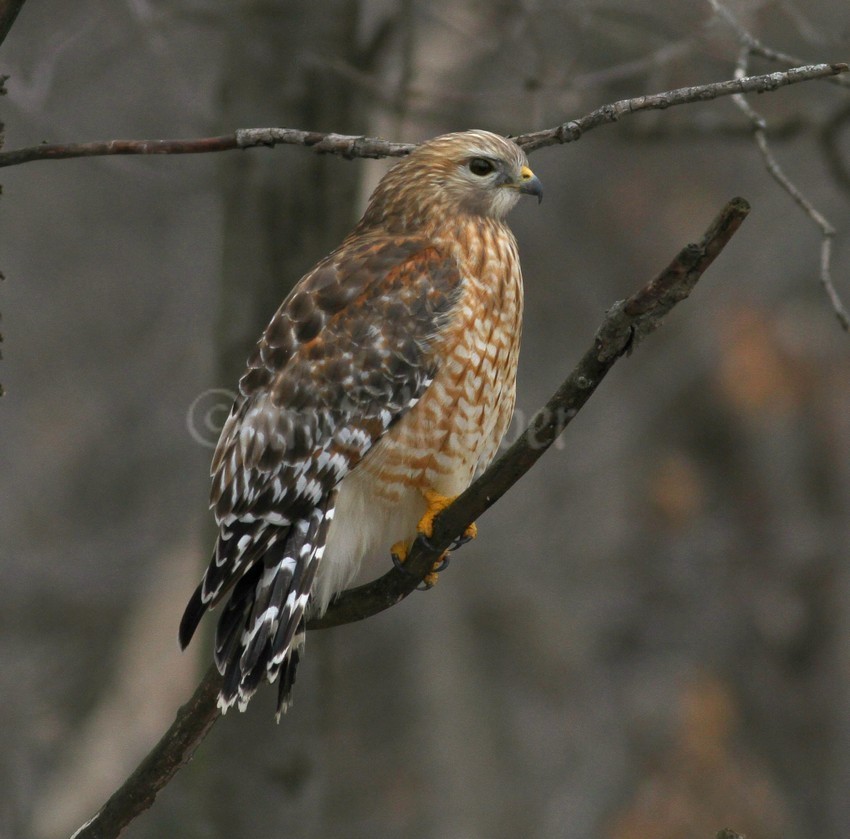
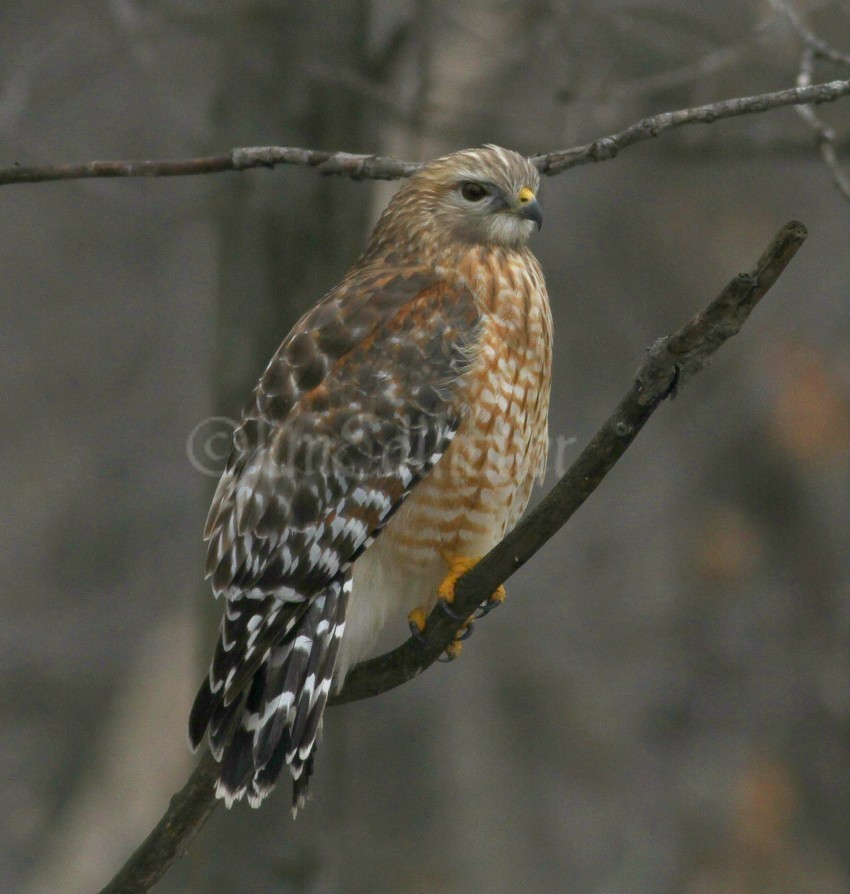
While driving on a back road in Marquette County with my son this morning we spotted a stunning Red-shouldered Hawk sitting on a branch in a wooded parcel about 50 feet off the road. I pulled over and took a couple shots. After about 30 seconds it flew about 50 feet down the road but remained in the woods. The colors on this bird when the wings went up and it flew were incredible! It landed in a heavily branched tree and we left the area. By far the closest I have ever been to this species, my lucky day! Images were taken on March 5, 2017.

Red-shouldered Hawk
Binomial name: Buteo lineatus
Category: Hawks, Kites, Eagles, and Allies
Size: 17” long, 40” wing span
Weight: 1.4 lb
Cool facts: These hawks of the forests hunt prey from mice to frogs and snakes often near rivers and swamps. Considered a secretive bird for this area.

Red-shouldered Hawk
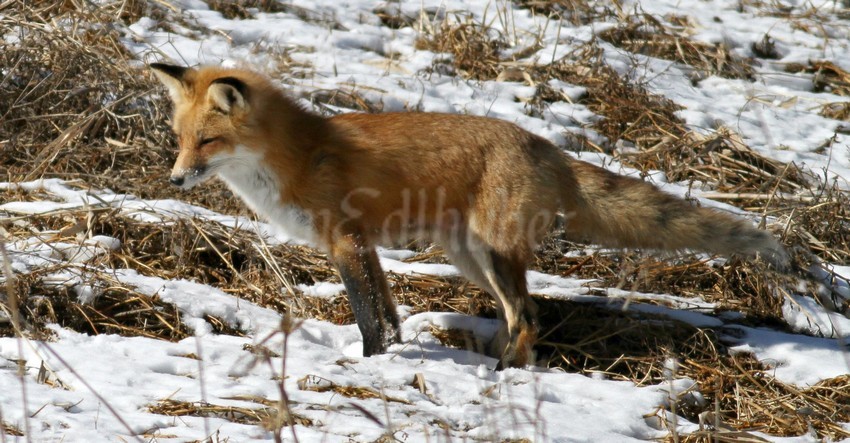
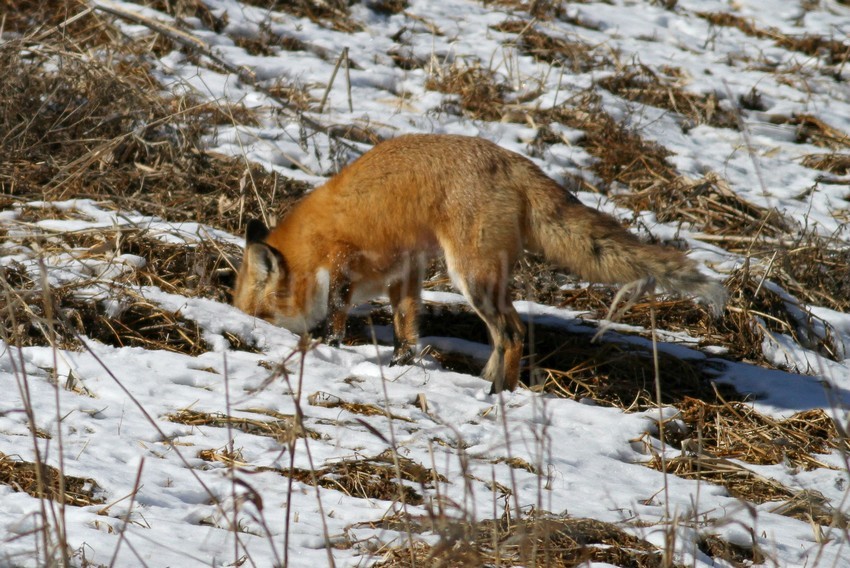
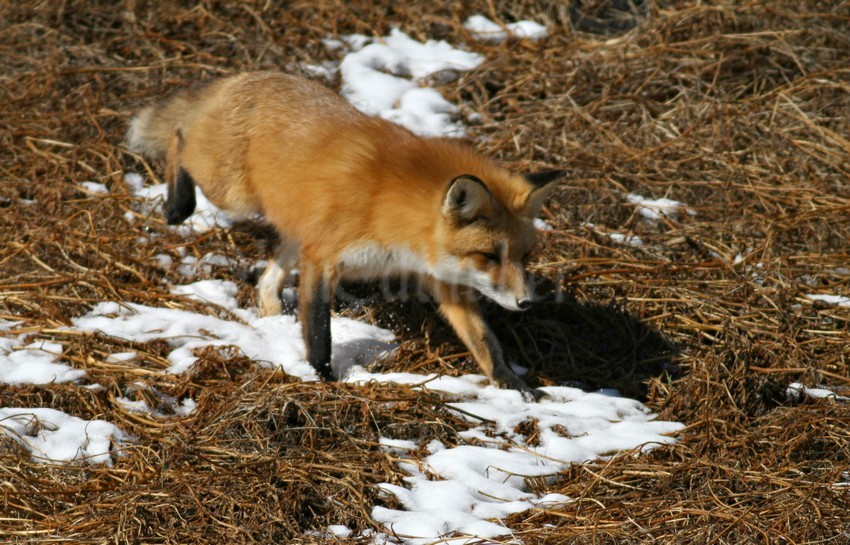
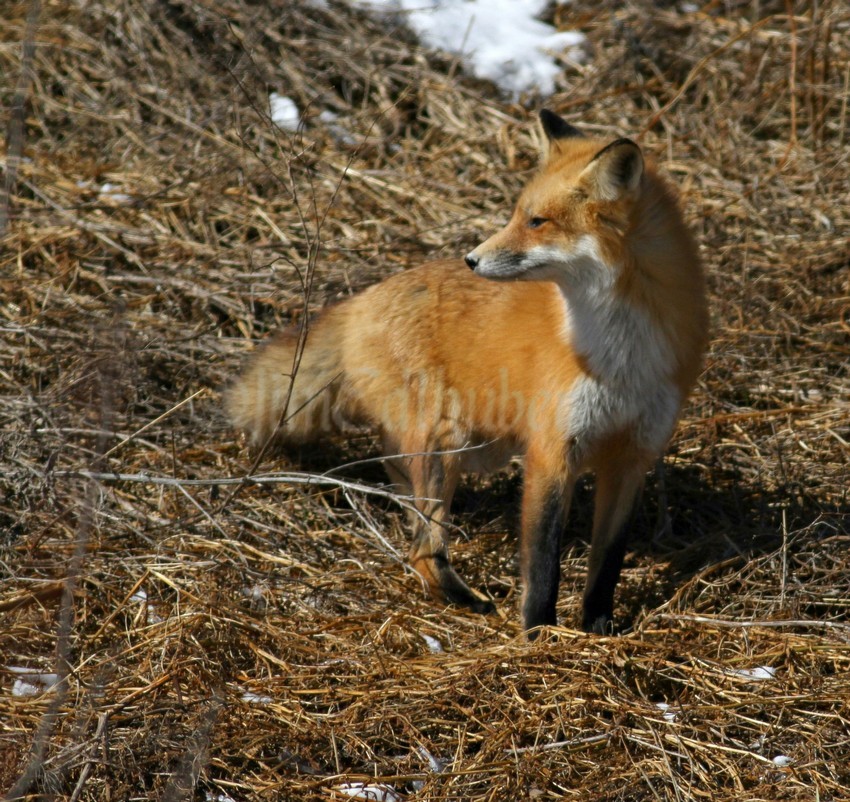
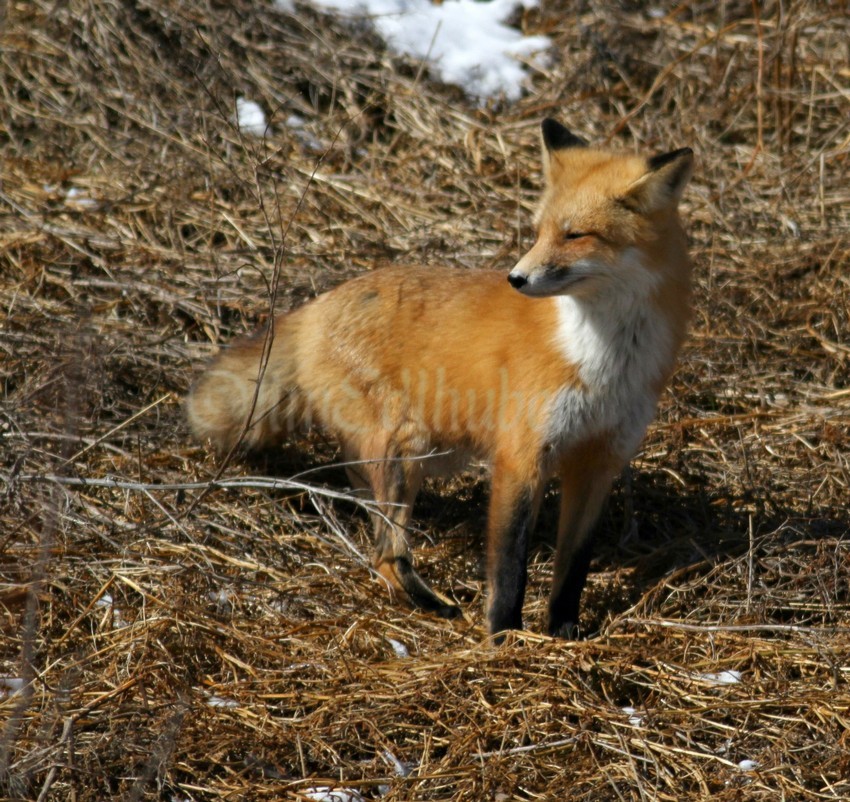
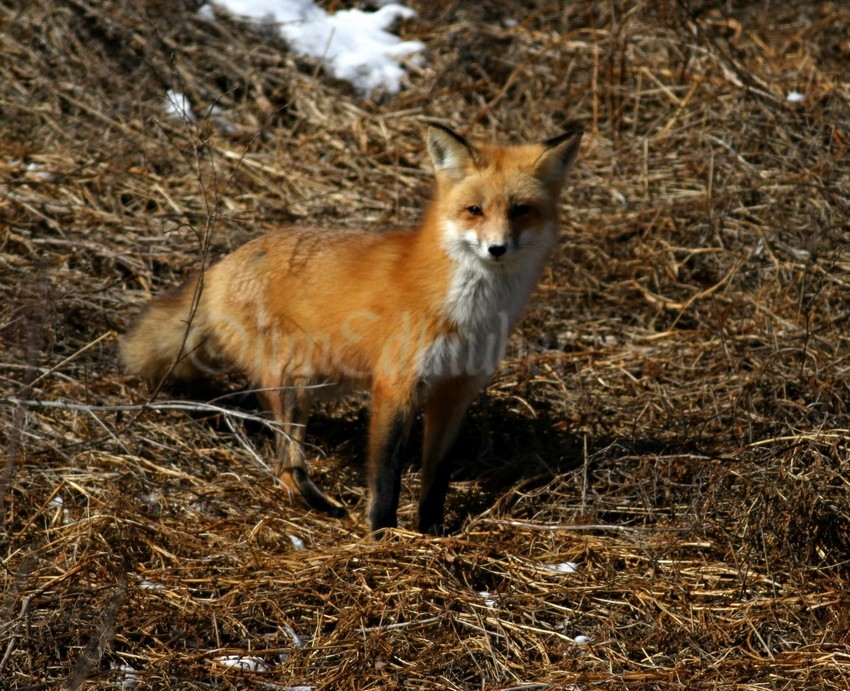
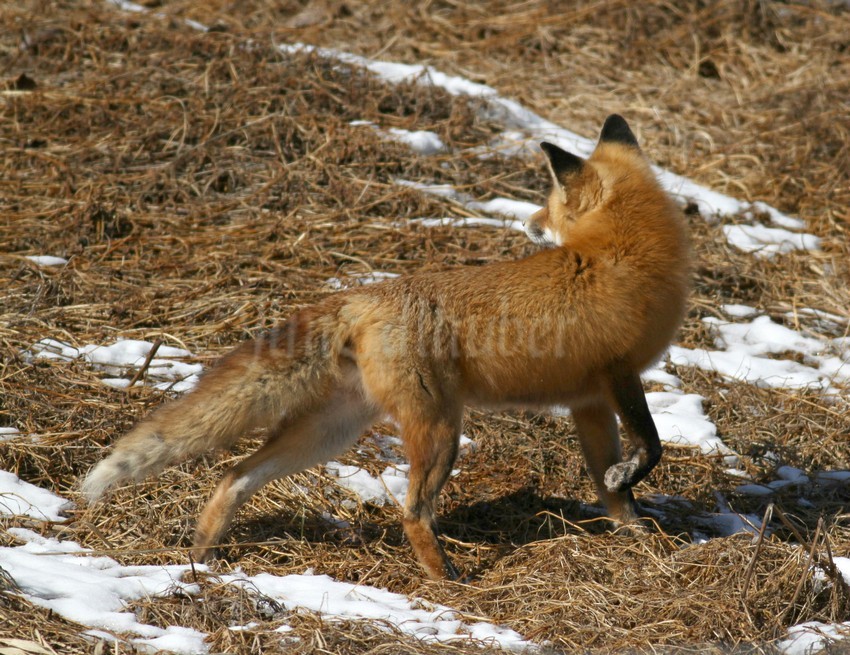
On a birding run today in Milwaukee County I stumbled across a Red Fox hunting. The Red Fox tried to make a catch here but it’s snack got away. It remained in the hunting mode but then moved out of sight. Always makes for a fun day seeing one of these mammals out doing it’s thing!

Before the catch…

It got away!

Pursuing another catch!

Looking and listening

Maybe it got away

Just looking at the photographer

A beautiful coat!
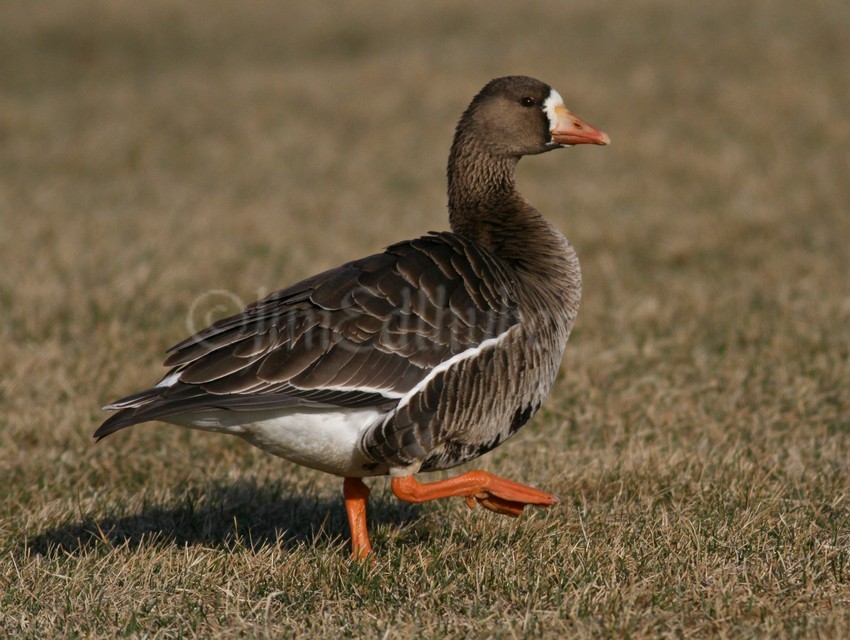
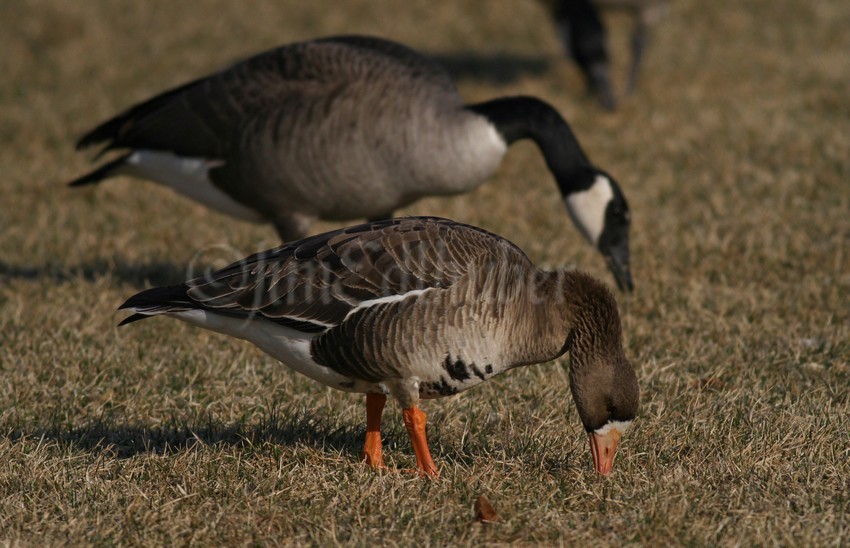
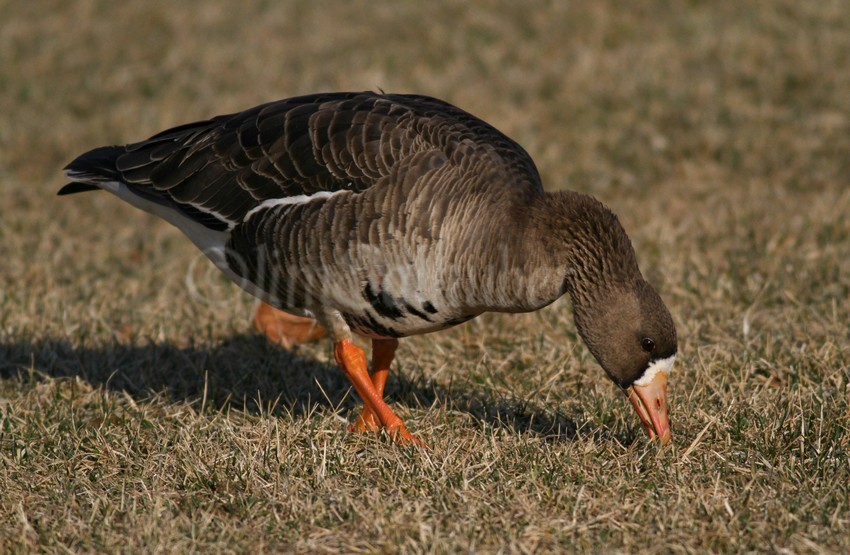
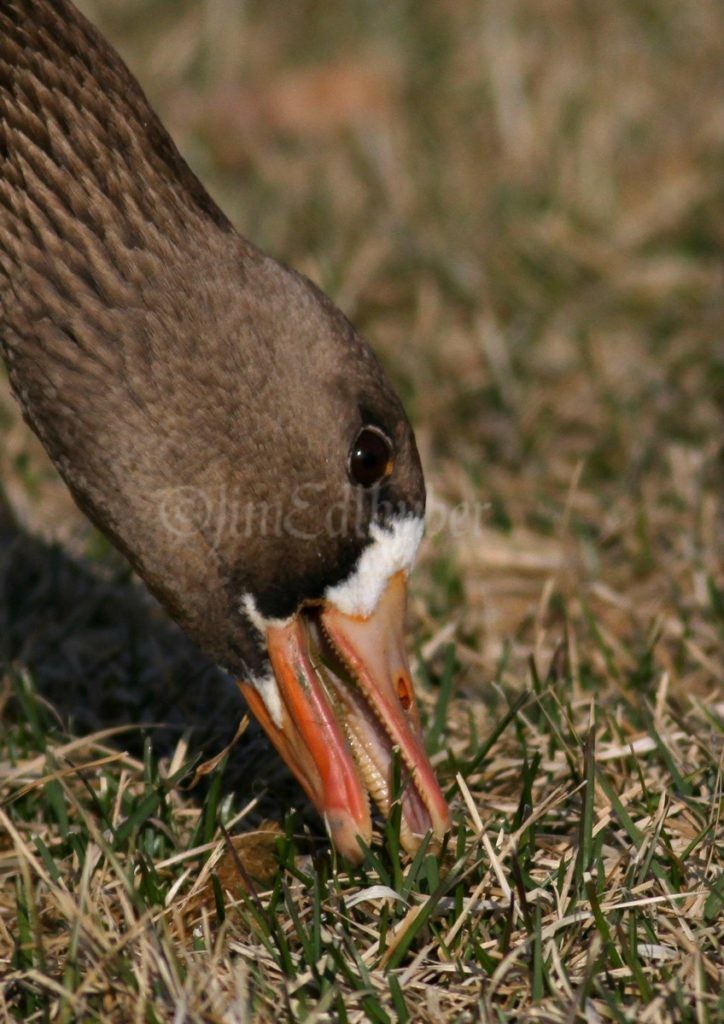
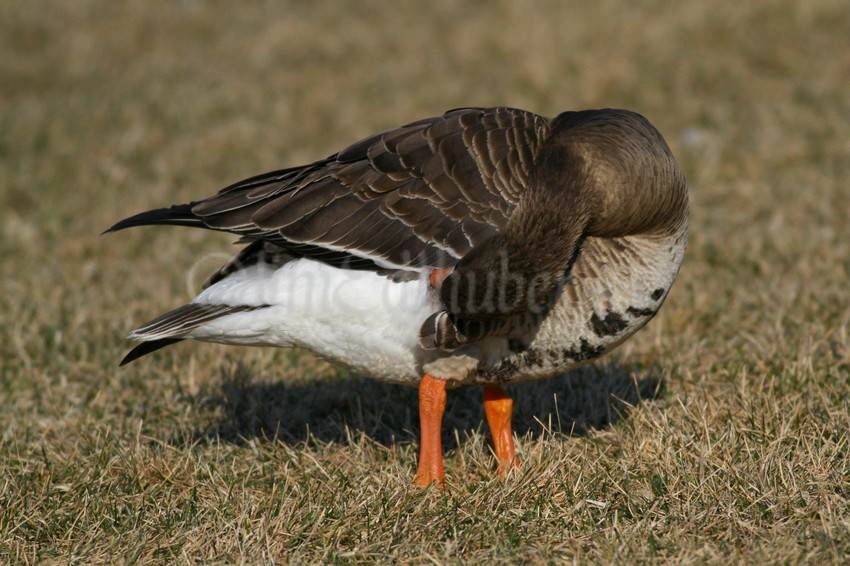
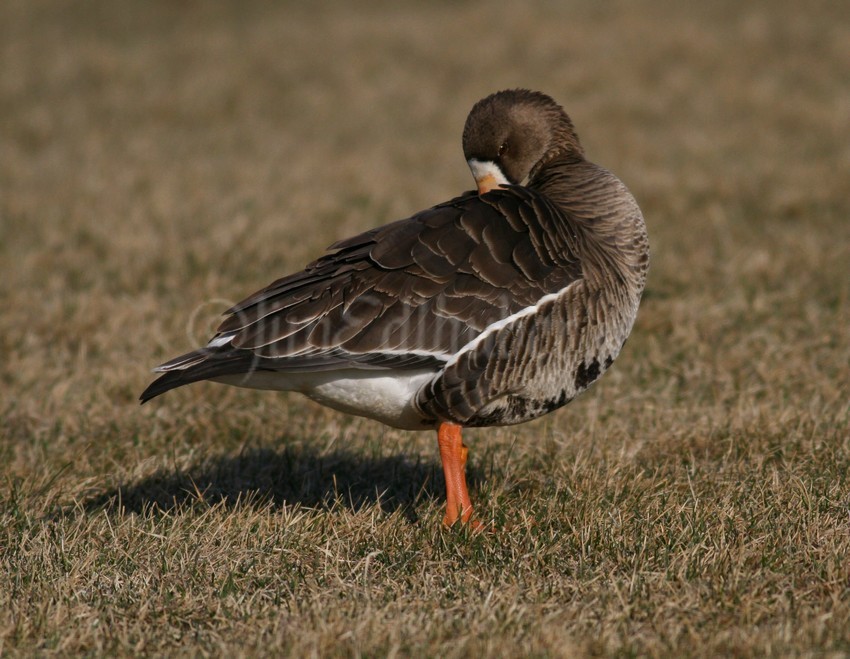
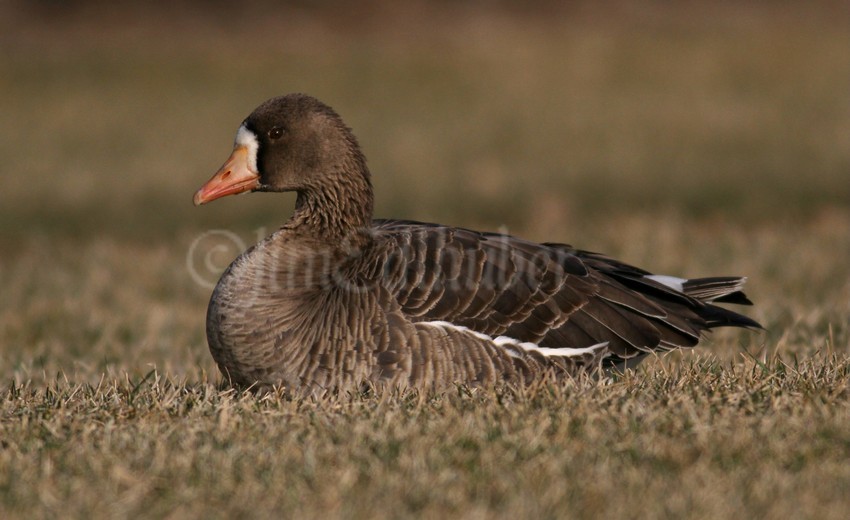
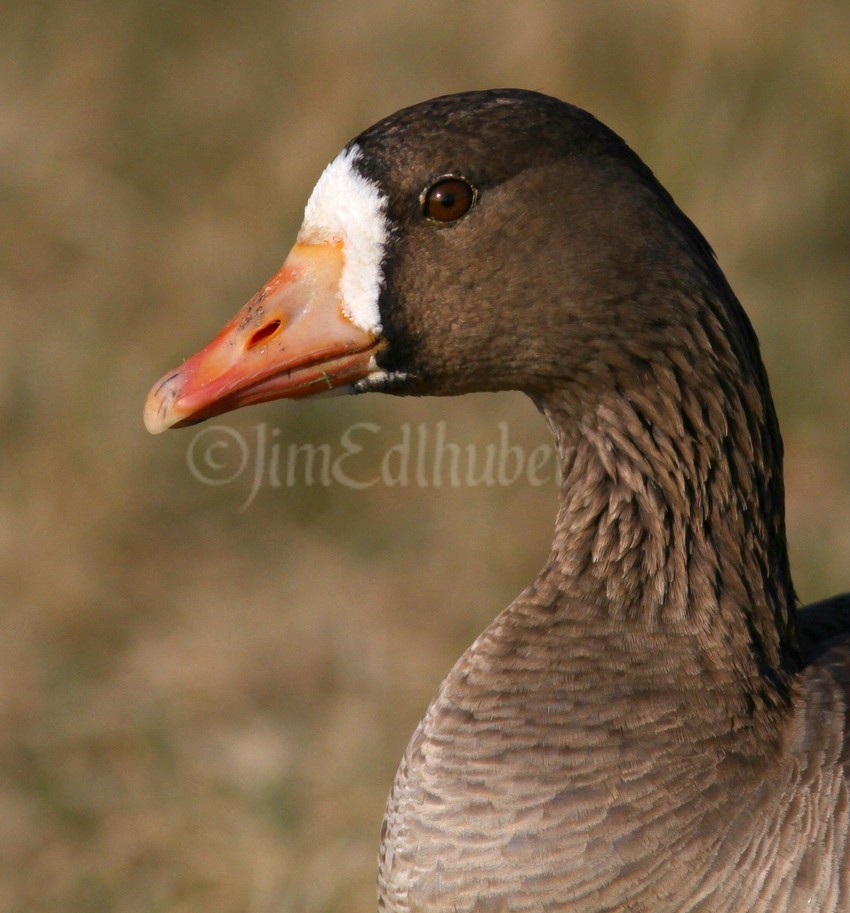
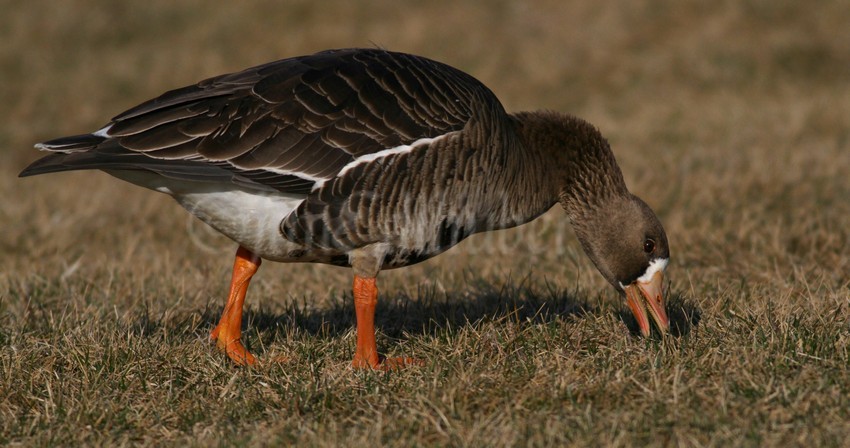
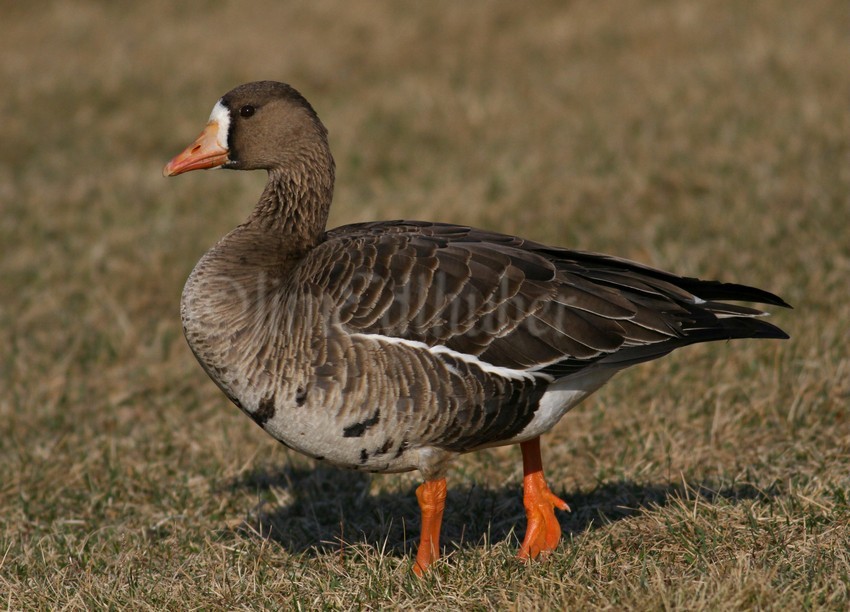
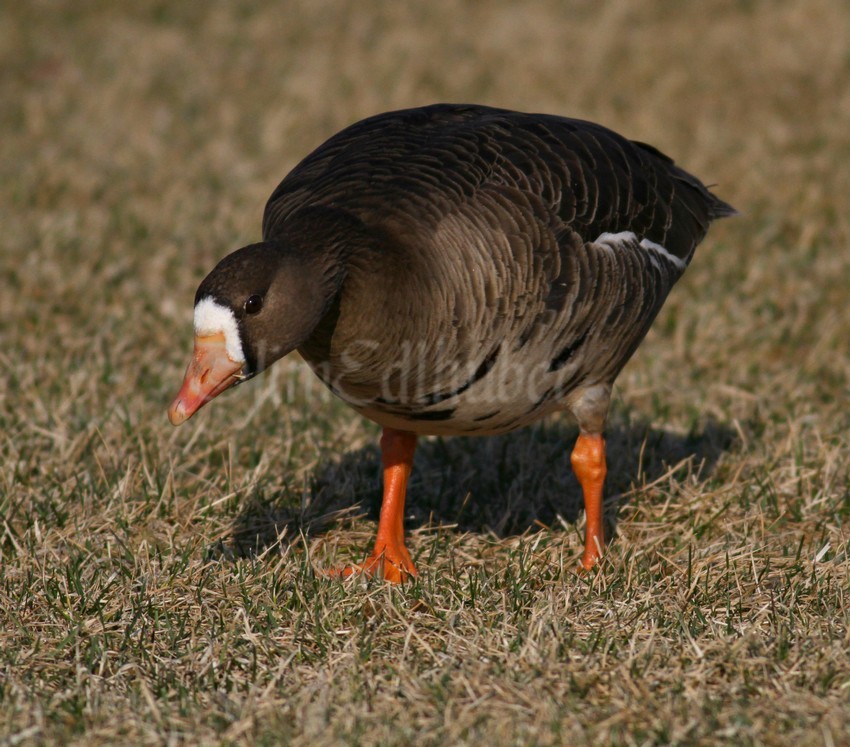
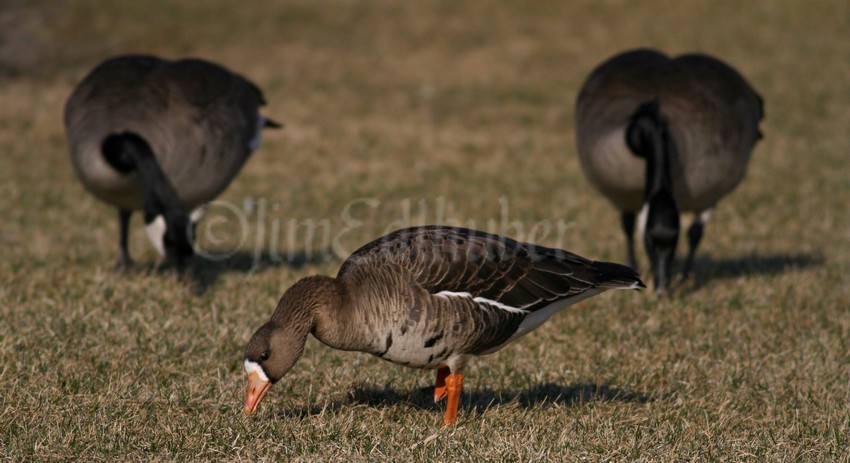
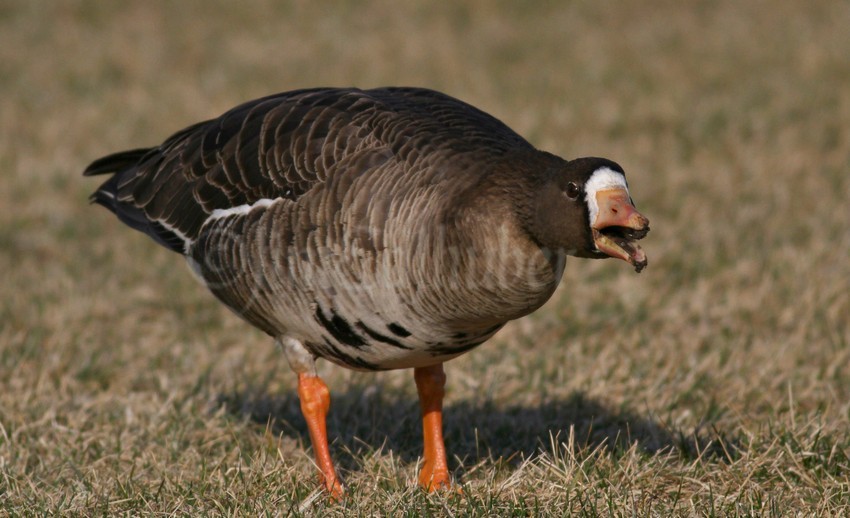
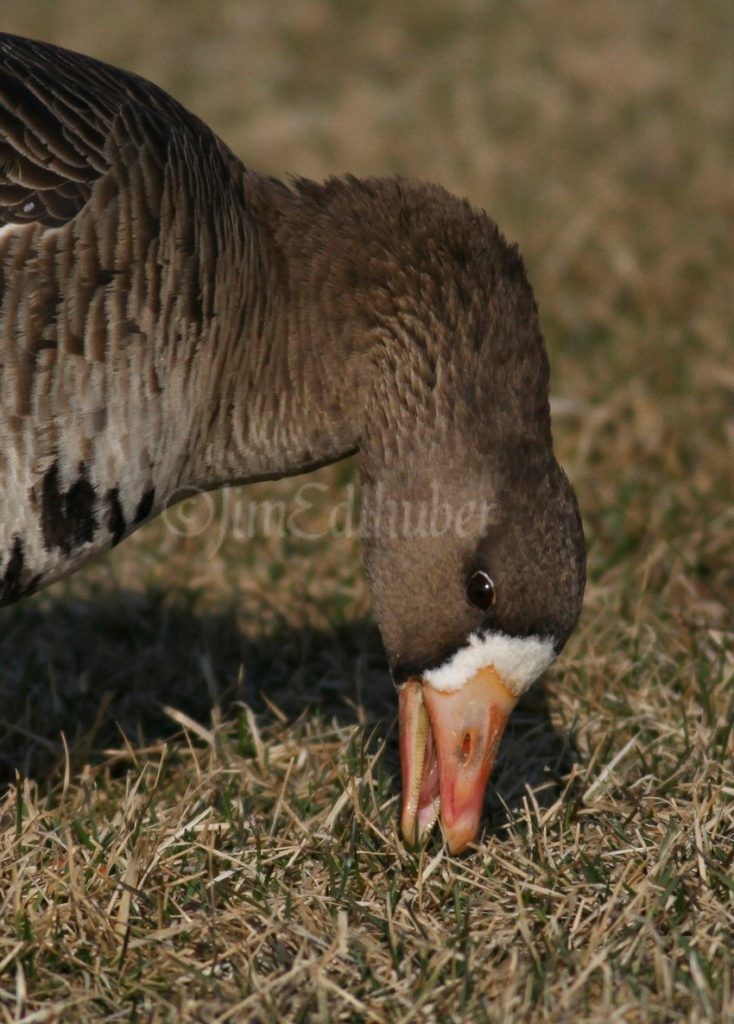
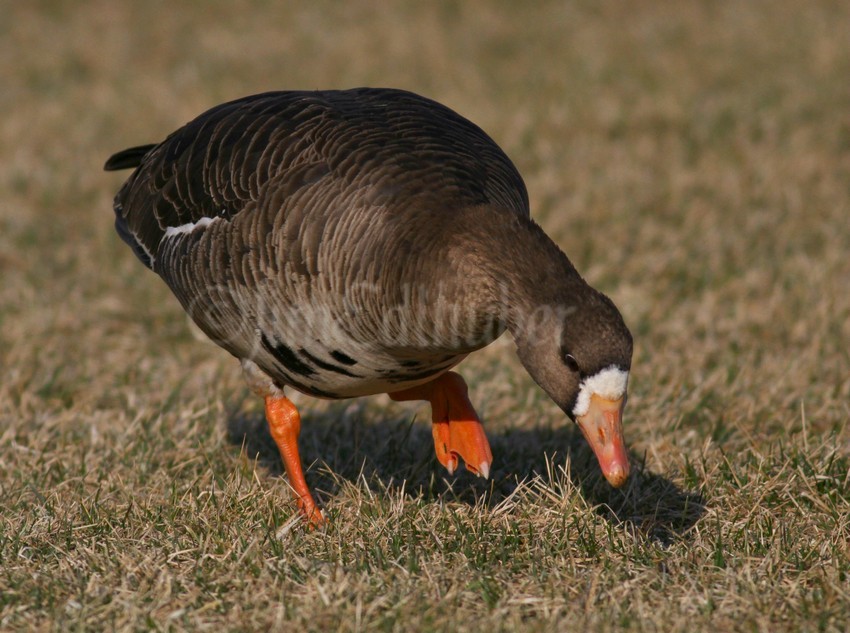
Birding along the lakefront in Milwaukee this morning I came across the Greater White-fronted Goose that was reported yesterday in with a flock of Canada Geese. It would be nice to photograph this beautiful goose in the water but you have to take what you can get. It seemed very comfortable grazing with about 30 Canada Geese near the lagoon. It did a small amount of resting and preening while I watched. It was a clear sky this morning with temps around 30, the wind off the lake made it feel like January. Images were taken on February 27, 2017.

Binomial name: Anser albifrons
Category: Ducks, Geese, and Swans
Size: 28” long, 53” wing span
Weight: 4.8 lb
Range: We typically see more of these geese west of Lake Michigan as their migration route north is mainly more west of Wisconsin, Texas through the dakota’s to northern Canada and Alaska. Always a treat to see one on the lakefront in Milwaukee.

With a Canada Goose

Grazing

Grazing

Preening

Preening

Taking a break


Grazing with some Canada Geese


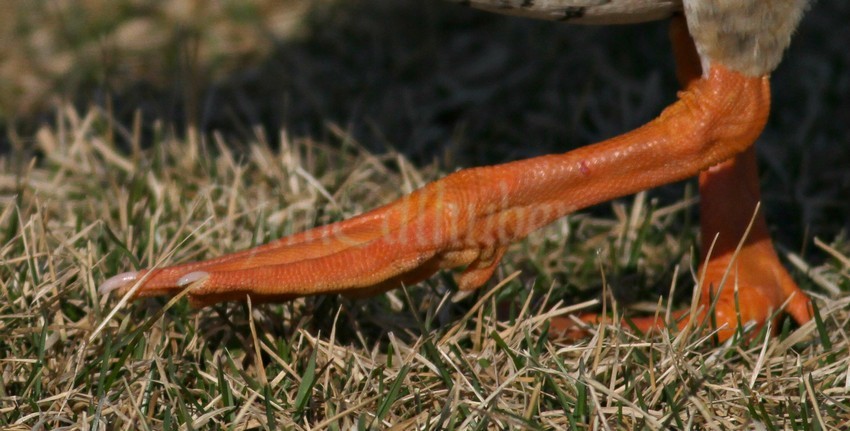
The foot

While birding in the South Kettle Moraine in Waukesha County the highlight was a pair of Sandhill Cranes in the snow. They looked cold as temperatures were around 20 degrees. I noticed too a good part of the time I observed them they stood on 1 leg. Maybe they don’t particularly care for standing in the snow. Some preening was done but very little. Before I left the area one stuck it’s head under the wing and rested, but left an eye open. A cloudy day with a few flurries on and off with a steady breeze from the northwest bringing in that cold air. Images were taken on February 25, 2017.

The pair…the painted ones…


One resting with the eye open…

A few snowflakes…


Cleaning the snow out of the toes..

Preening

Preening


The highlight out birding today was setting my binoculars on a couple of Barred Owls. They did a little flying around on their own and surprisingly one could not be relocated as they just blend in. Image is one of the two seen. Image was taken on February 23, 2017


Binomial name: Strix varia
Category: Typical Owls
Size: 21” long, 42” wing span
Weight: 1.6 lb
I saw a first today in the Southern Kettle Moraine in Waukesha County. Sandhill Cranes painting themselves by preening mud into their feathers. They are known to do this to change their colors to blend in more with their surroundings. It was said by a friend of mine that iron oxide in the mud is a form of dye, they also said they turn gray again after they molt before migrating in the fall, makes perfect sense. Totally amazing to watch so I had to share some of this excitement with others. Images were taken on February 22, 2017.

The pair, preening and painting themselves with mud to change their colors

Getting the mud……look at the paint

Painting and preening

Getting the mud

Painting and preening

Painting and preening

Painting and preening….when doing their backs and even in other places, their large bill is rolling back and forth, in and out…at a pretty good speed

Painting and preening

Painting and preening

Painting and preening

Painting and preening away…

Painting and preening

Painting and preening

Getting more mud…

The pair

Look at the paint!

Painting and preening away…

Look at that paint job!
Doing some birding in Waukesha County today I came across 3 Killdeer. They appeared to be finding something to eat in the short grasses. They also did some calling and that is what got my attention to start with. Their visit was short lived after one spent a couple minutes at some water, they left the area and I did not see them around after that. Must be just be moving on through. Images were taken on February 22, 2017.

On the move!
Binomial name: Charadrius vociferus
Category: Lapwings and Plovers
Size: 10.5” long, 24” wing span
Weight: 3.3 oz


I made a quick run out to the South Kettle Moraine this morning and the highlight was a Sandhill Crane off the road. I saw another Sandhill Crane out in a field nearby, there are a few coming in with the warm weather. Another bird to note was a Snow Goose flying high up in a V shape formation of Canada Geese flock heading north. Unseasonably mild temps around 60 degrees with mostly sunny skies. Images were taken on February 19, 2017.

Binomial name: Grus canadensid
Category: Cranes
Size: 46” long, 77” wing span
Weight: 10.6 lb


I had been birding the lakefront in Milwaukee when I got a call from Mike W, thanks Mike. He stated Tom W had found a Slaty-backed Gull at Northridge Lakes. With a quick ride over there, and some birders having it in their scopes it put a spike in what looked like might be a quiet day birding. The bird stayed in one spot the whole time I was there of about 30 minutes. It stood and rested while I was there along with the preening. It raised its wings once and I capture a couple of shots of what is known as the ‘string of pearls’, spots on the outer primaries. Other birds to note, it was said that there were 2 Glaucous Gulls, 1-adult, 1-immature and 4 Kumlien’s, 3-adults, 1-juvenile, I did not see all of them. A big thank you to Tom W for finding this nice bird and getting the word out for others to see. A mild day with temps around 40 with full sun, light breeze made for a pleasant morning out. Images were taken on February 13, 2017.

Slaty-backed Gull, with the wing up you can see the ‘string of pearls’ on the primaries
Binomial name: Larus schistisagus
Category: Gulls, Tern. and Skimmers
Size: 25” long, 58” wing span
Weight: 3.0 lb
Note: An Asian gull that is considered a rare breeder on the west coast of Alaska and is a very rare visitor to North America.

Standing in the middle

The way it was…

Going down to rest

Resting


Doing a stretch


Just another shot
It was quiet on the lakefront in Milwaukee this morning. Only thing I could come up with for a few shots was a female Red-breasted Merganser at South Shore Yacht Club. It did extensive preening and then went on to relax. It hung out with about 50 Mallards that were also just taking a break with the high winds. Other birds to note, the Ross’s Goose was still hanging around Veteran’s Park and Hooded Merganser, male was off in a distance at the yacht club. Temps were low 40’s with sun but had wind gusts from 35-40 mph so it was just not a pleasant day out there. A warm up is on the way, maybe some new birds will be found along with that change. Images were taken on February 12, 2017.

Red-breasted Merganser, female
Binomial name: Mergus serrator
Category: Ducks, Geese, and Swans
Size: 23” long, 30” wing span
Weight: 2.3 lb


Preening

Shaking off!


Into the water…

Preening


Resting

Usually on the lookout
Making a stop today at Grant Park in Milwaukee County a Dark-eyed Junco, Oregon Junco made a brief appearance at the feeder there. The junco was present for about 30 seconds and then it left. I hung around for about 20 minutes and it did not reappear. The feeder was empty but there were birds around finding things to eat. I photographed a Dark-eyed Junco, Oregon Junco at the same location on December 15, 2016. This image was taken on February 8, 2017.

Dark-eyed Junco, Oregon Junco
December 15, 2016 image below

Dark-eyed Junco, Oregon Junco photographed on December 15, 2016
Binomial name: Junco hyemalis
Category: Emberizids
Size: 6.25” long, 9.25” wing span
Weight: .67 oz
I have not been out to Johnson Creek in Jefferson County lately so I gave it a try mid morning. There were a lot of gulls over the dump but only a couple hundred loafed at the Kohl’s outlot south of I94. It was nice to see 2 Glaucous Gulls in the small group there. There was 1- 1st cycle and 1- adult present. They took flight a few times as there must have been something in the area that spooked them. A very cold day with some wind but the sun made it feel not too bad. Images were taken on February 3, 2017.

Glaucous Gull, adult
Binomial name: Larus hyperboreus
Category: Gulls, Terns, and Skimmers
Size: 27” long, 60” wing span
Weight: 3.1 lb
Habitat: This large gulls breeding grounds are in the northern arctic. It spends its winters farther north than most gulls on coasts, lakes, urban areas, dumps and agricultural fields. Mostly breeds along shorelines of the seacoast, rivers and lakes, also refuse dumps. These gulls are usually not found inland.
Diet: It captures prey such as plovers, small ducks, ptarmigans, auks, birds, small mammals and invertebrates. It also scavenges dead fish, carrion, garbage and dead animal matter.
Nesting: The nest is a shallow bowl constructed of twigs, grasses, sedges, moss and sometimes feathers. The nest is located on cliff edges, grass slopes above cliffs, islands or ponds on the tundra. 3 eggs are usually laid brown in color with dark brown spots.

Glaucous Gull, 1st cycle

Glaucous Gull, 1st cycle in the middle, it just landed

Glaucous Gull, 1st cycle loafing

Glaucous Gull, adult

Glaucous Gull, adult loafing

Glaucous Gull, adult

Glaucous Gull, adult

Glaucous Gull, 1st cycle
Got a glimpse of a Red Fox doing a brief hunting before it left the area. Always a treat to see one of these. Images were taken on January 30, 2017.

Thinking about something here in the grass….
Scientific name: Vulpes vulpes
Type: Mammal
Habitat: Forests, grasslands, mountains, savanna, agricultural lands and deserts. Red Foxes can also adapt to farms, suburban areas and sometimes cities.
Average life span in the wild: 2 to 4 years
Size: Head and body, 18-33.75 inches
Weight: 6.5 to 24 lbs
Diet: Fruit, vegetables, fish, frogs, rabbits, birds and rodents in the wild. If living in a human environment they may include in the diet garbage and pet food.
Range: Northern hemisphere from the arctic circle to Central American. They can also be found in Northern Africa and central Asia.

On a mission


Comes up empty and leaves the area