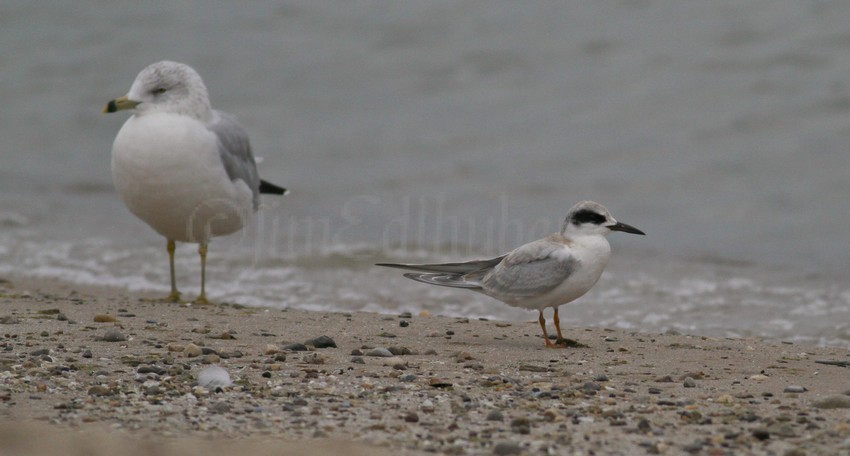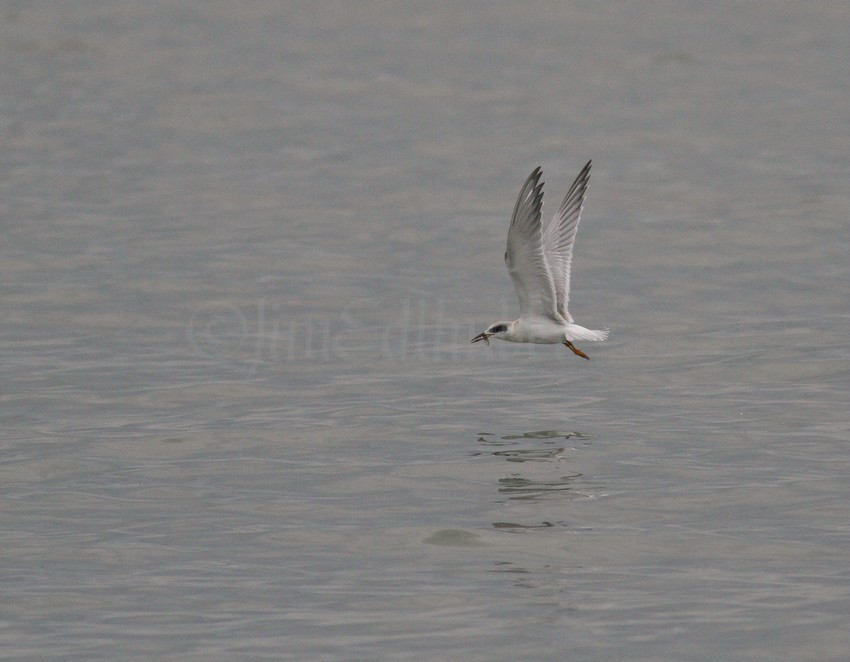
Common Goldeneye and Greater and Lesser Scaup Ducks at Lakeshore State Park in Milwaukee Wisconsin December 7, 2014

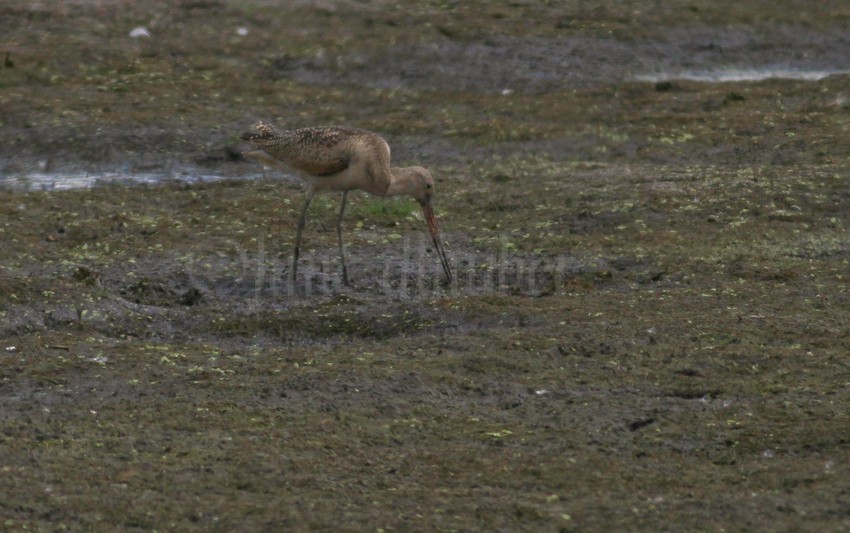
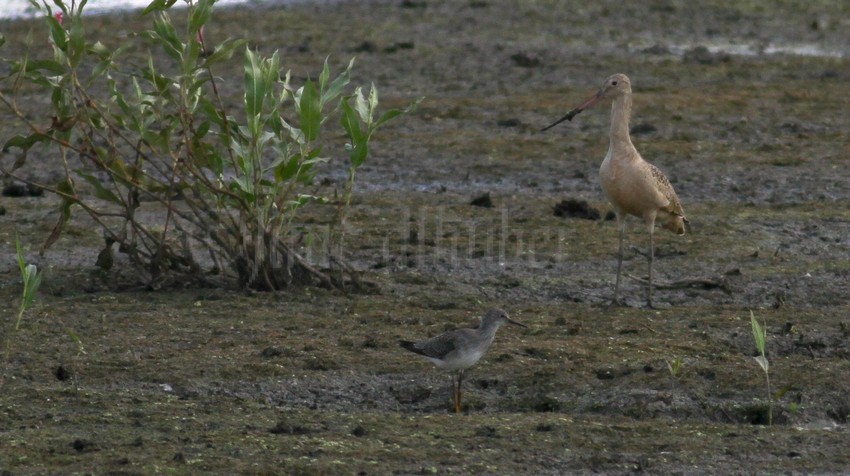
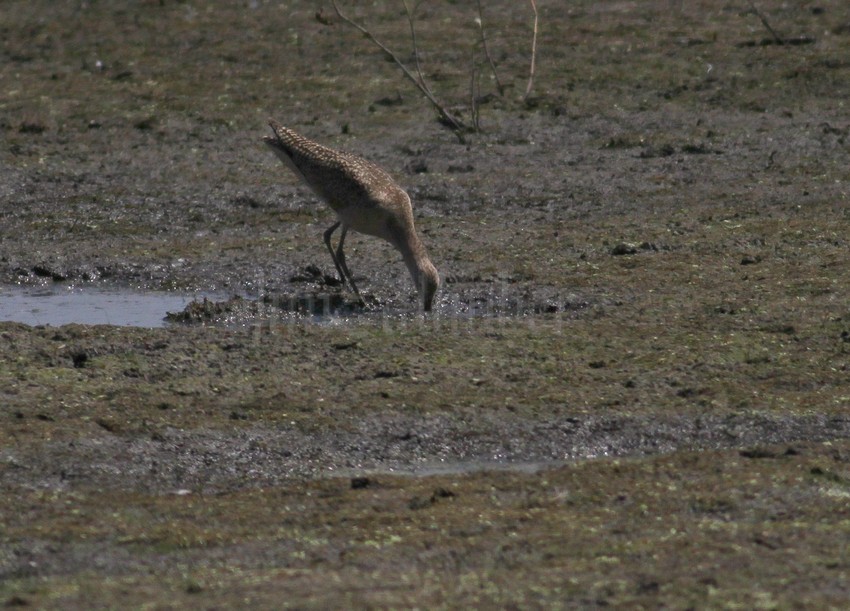
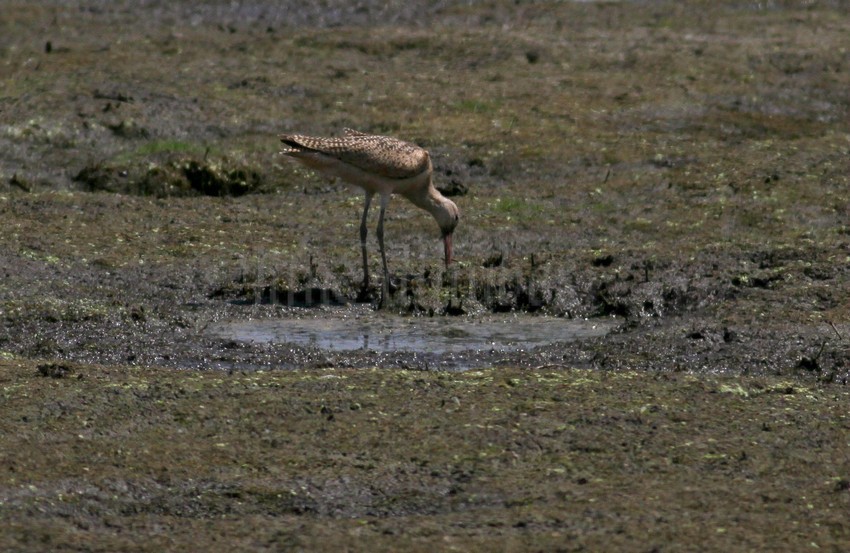
Lakeshore State Park in Milwaukee Wisconsin has been giving nice views of Greater and Lesser Scaups and Common Goldeneyes. Numbers are not high there in the park but a few to enjoy. The open water on the big lake has 1,000’s of these species right now along with and some Bufflehead, Common and Red-breasted Mergansers. The Snowy Owl over at the Lake Express Ferry was near its hangout, the culvert pipe coming out of the ground. It was inside it this morning, later in the morning it appeared to be outside of it next to it. It seemed like there were many spectators there waiting for close up views when I checked a few times this morning. Images were taken on December 7, 2014.

___rIMG_6169_cr

Greater Scaup, female adult

Common Goldeneye, female

Common Goldeneye, male 1st winter

Common Goldeneye, male

Common Goldeneye, male 1st winter

Common Goldeneye, male

Common Goldeneye, male adult

Greater Scaup, female

Lesser Scaup, female adult

Greater Scaup, male

Greater Scaup, male adult, on the beach.

Greater Scaup, female

Greater Scaup, female adult, on the beach.

Greater Scaup, female left - male right

Greater Scaup adults, female left – male right, on the beach.

Greater Scaup, females watching a piece of ice go by!

Greater Scaup, females watching a piece of ice go by!

Common Goldeneye, male, looking at you!

Common Goldeneye, male adult, looking at you!

Greater Scaup, female

Greater Scaup, female adult

Common Goldeneye, male adult

Common Goldeneye, male adult

Common Goldeneye, adult female

Common Goldeneye, female adult

Long-tailed Duck at the South Shore Yacht Club in Milwaukee Wisconsin December 6, 2014

I birded the Milwaukee lakefront this morning and the highlight of the day was a adult female Long-tailed Duck. Jym M. found the gorgeous Long-tailed Duck hanging out in the boat dock area there. Thanks Jym! I ran into Jym while birding Bradford Beach looking through gulls. I had looked hard and ran into other birders looking for the reported Kumlien’s Iceland Gull Jym found yesterday with no luck at numerous gull hangouts. Lots of gulls along the lakefront this morning, I just could not find anything odd. The Snowy Owl was still hanging out in the culvert pipe at the Lake Express Ferry catching sun. Images were taken on December 6, 2014.

_rltIMG_6041_cr

Long-tailed Duck

Binomial name: Clangula hyemalis

Category: Duck, Geese, and Swans

Size: 16.5” long, 28” wing span

Weight: 1.6 lb.

Note: Long-tailed Duck formally known as Oldsquaw

_rltIMG_6005_cr

_rIMG_5803_cr

_rltIMG_6036_cr

_rltIMG_6060_cr

stretching

Stretching

Tail shot

Tail shot

Tail shot

Tail shot

Looking at you!

Looking at you!

Snowy Owl at the Lake Express in Milwaukee Wisconsin November 29, 2014

I made a run into Milwaukee to see the Snowy Owl at the Lake Express that had been reported. When I arrived at 8:00 am, the Snowy Owl was no where to be seen. I birded other parts of the lakefront with nothing major to report. I stopped at the Lake Express one more time before leaving the lakefront and the Snowy Owl was present. It was sitting out near a pipe, moved 10 feet from that location in the next couple hours and remained a very long distance from the best viewing point. The first Snowy Owl sighting of the season is always a special treat no matter how far away it is from viewing. It was a pleasant day out on the lakefront with mild temps, some sun early and low winds. It was a fun day too seeing some old birding friends and meeting some new. Images of the beautiful female Snowy Owl were taken on November 29, 2014.

_rIMG_4504_cr

Snowy Owl

Binomial name: Bubo scandiacus

Category: Typical Owls

Description: Adult males are mostly white with a few dark feather tips.  Adult females and juveniles are white with dark scalloping on chest, back, wings, and tail.  Yellow eyes, black beak, and feathery feet.

Size: 20”- 28” long, 49” – 59” wingspan

Weight: 3.5 lb. – 6.6 lb.

Habitat: Wide open, treeless spaces such as shorelines, lakes, open fields, and agricultural sites.

Diet: Small mammals such as rodents, lemmings, voles, mice, rats, rabbits, squirrels, raccoons, and other birds such as shorebirds, songbirds, ducks, geese, and pheasants.

Nesting: The female builds a nest on a mound with good visibility.  She scrapes away the top layer of soil and, over several days, presses her body into the ground to make a depression.  She will lay a clutch of 3 to 11 eggs and incubate them for about 5 weeks.  Both parents will defend the nest and care for the hatchlings which are born pure white.  The same nest may be used year after year.

Notes: Snowy owls are considered the heaviest owl in North America, weighing about a pound more than its closest contender, the Great Horned Owl.  A snowy owl was featured in the Harry Potter series when Harry received his pet, Hedwig.  It is also the official bird of Quebec.

_rIMG_4459_cr

_rIMG_4532_cr

_rIMG_4467_cr

Glaucous Gull at Bradford Beach on Milwaukee’s Lakefront November 14, 2014

I birded a good portion of the lakefront in Milwaukee this morning. The second time I checked out Bradford Beach I spotted a very large gull with some Ring-billed Gulls, it was an adult Glaucous Gull. Not your everyday gull on the lakefront, but we do see a few during the winter months. I had hit that beach earlier in the morning and it was empty. These gulls are always moving around. Off the shorelines were some Bufflehead, Scaups, American Coots, Red-breasted Mergansers, Horned Grebes along with the usually Mallards. About 15 American Robins were eating berries off the trees just south of the entrance to Bradford Beach parking lot. Bruce joined me for some shooting of the Glaucous Gull. It was a cold morning, overcast with a stiff wind, sure felt like winter. Images were taken on November 14, 2014.

_rIMG_2013_cr

Glaucous Gull

Binomial name: Larus hyperboreus

Category: Gulls, Terns, and Skimmers

Size: 27” long, 60” wing span

Weight: 3.1 lb

Habitat: This large gulls breeding grounds are in the northern arctic. It spends its winters farther north than most gulls on coasts, lakes, urban areas, dumps and agricultural fields. Mostly breeds along shorelines of the seacoast, rivers and lakes, also refuse dumps. These gulls are usually not found inland.

Diet: It captures prey such as plovers, small ducks, ptarmigans, auks, birds, small mammals and invertebrates. It also scavenges dead fish, carrion, garbage and dead animal matter.

Nesting: The nest is a shallow bowl constructed of twigs, grasses, sedges, moss and sometimes feathers. The nest is located on cliff edges, grass slopes above cliffs, islands or ponds on the tundra. 3 eggs are usually laid brown in color with dark brown spots.

Glaucous Gull  with a Herring Gull behind and Ring-billed Gulls all around.

Glaucous Gull with a Herring Gull behind and mostly Ring-billed Gulls all around.

Glaucous Gull with the Ring-billed Gulls.

Glaucous Gull with the Ring-billed Gulls.

_rIMG_2051_cr

_rIMG_2011_cr

_rIMG_1341_cr

_rIMG_1342_cr

_rIMG_1348_cr

_rIMG_1349_cr

_rIMG_1359_cr

_rIMG_1370_cr

_rIMG_1371_cr

_rIMG_1458_cr

_rIMG_1465_cr

_rIMG_1538_cr

_rIMG_1621_cr

_rIMG_1634_cr

With fish below

_rIMG_1655_cr

Eating with fish below

_rIMG_1663_cr

Eating with fish below

_rIMG_1786_cr

Fish below

Eating the fish

Eating the fish

Eating the fish

Eating the fish

_rIMG_1865_cr

Eating the fish

Eating the fish

_rIMG_1888_cr

Eating the fish

Eating the fish

Eating the fish

_rIMG_1992_cr

_rIMG_2002_cr

Glaucous Gull Milwaukee Lakefront December 4, 2012

Glaucous Gull Milwaukee Lakefront December 4, 2012

Glaucous Gull Milwaukee Lakefront December 4, 2012

Glaucous Gull Milwaukee Lakefront December 4, 2012

Glaucous Gull Milwaukee Lakefront December 4, 2012

Glaucous Gull Milwaukee Lakefront December 4, 2012

Glaucous Gull North Point Sheboygan Wisconsin November 21, 2011

Glaucous Gull North Point Sheboygan Wisconsin November 21, 2011

Glaucous Gull North Point Sheboygan Wisconsin November 21, 2011

Glaucous Gull North Point Sheboygan Wisconsin November 21, 2011

Glaucous Gull North Point Sheboygan Wisconsin November 21, 2011

Glaucous Gull North Point Sheboygan Wisconsin November 21, 2011

Glaucous Gull North Point Sheboygan Wisconsin November 21, 2011

Glaucous Gull North Point Sheboygan Wisconsin November 21, 2011

grxxIMG_9344_cr

Glaucous Gull North Point Sheboygan Wisconsin November 21, 2011

Glaucous Gull North Point Sheboygan Wisconsin November 21, 2011

Glaucous Gull North Point Sheboygan Wisconsin November 21, 2011

Glaucous Gull North Point Sheboygan Wisconsin November 21, 2011

Glaucous Gull North Point Sheboygan Wisconsin November 21, 2011

American Kestrel at the Lake Express Ferry on the Milwaukee Lakefront November 12, 2014

While birding this morning at the Lake Express on Milwaukee’s lakefront an American Kestrel, male was present. This species is commonly seen at this location or within a couple of blocks of the ferry. I watched it for 15 minutes and in that amount of time it flew to the ground 4 times and picked up fairly large insects and ate them. I would like to say the insect was a little bigger than a grasshopper and also had narrow clear wings. So not sure what the insect was. Bradford beach had one Juv. Great Black-backed Gull. The rest of the lakefront from Northpoint south to the Express I thought was very quiet. Images were taken on November 12, 2014.

American Kestrel with large insect

American Kestrel with large insect in bill.

American Kestrel

Binomial name: Falco sparverius

Category: Caracaras and Falcons

Size: 9” long, 22” wing span

Weight: 4.1 Oz.

Habitat: They prefer open areas of grasslands, meadows and deserts with sparse vegetation and trees. They usually are seen on top of a pole, posts, fence or on a telephone wire. On top of these posts, poles, etc the American Kestrels will face the wind and balance themselves.

Diet: Mice and voles are common foods for the American Kestrel. They also eat in insects such as dragonflies, butterflies, moths and grasshoppers. They have also been known to eat squirrels, gophers, bats, small birds such as House Sparrows, lizards and snakes. Prey is usually taken off the ground.

Nesting: Nest cavities are used with no nesting materials. Sometimes other birds nest cavities are used. Typically 4-5 eggs are laid that are white and light pink in color.

Cool fact: Smallest falcon in North American also called the “Sparrow Hawk”

_rkIMG_1025_cr

American Kestrel eating the insect.

_rkIMG_1032_cr

_rkIMG_0963_cr

_rkIMG_0961_cr

Doc shot for insect ID.

Doc shot for insect ID.

Doc shot for tail spread.

Doc shot for tail spread.

Doc shot for insect ID, grasshopper.

Doc shot for insect ID, grasshopper.

___rslastrIMG_0995_cr

Hunting!

____rslastrIMG_1020_cr

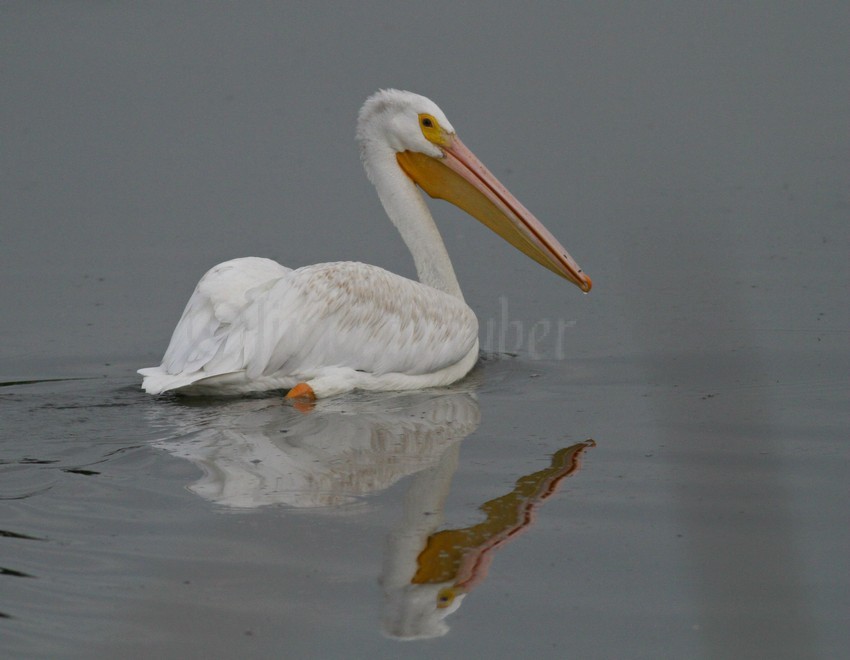
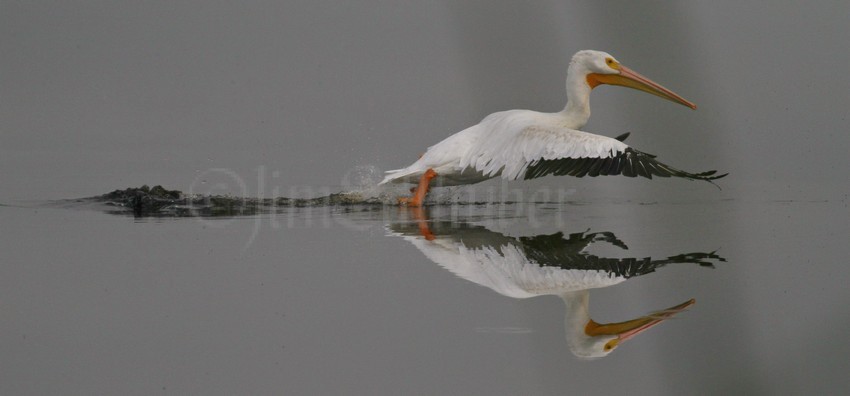
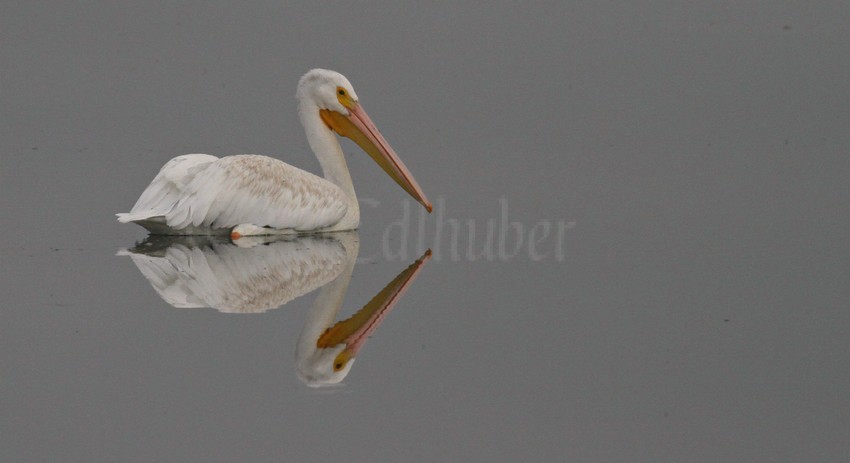
American White Pelican at McKinley Beach in Milwaukee Wisconsin on October 29, 2014

I was just heading out the door this morning when I got a text message from a friend Bruce that he had located an American White Pelican at McKinley Beach. The bird was viewed previously by other birders at least a week ago, if this is the same bird. If it is, it some good hiding places. An American White Pelican is a common bird, but it is a special sighting on the lakefront in Milwaukee. I have preciously viewed them up in Sheboygan on the lakefront there. When I arrived at the location it was present. This location was on the lake side of the large rocks just east of the beach. I notified Jym M of the bird after receiving the text from Bruce as I knew Jym had been on the hunt for this bird for his Milwaukee Co. list. Jym arrived in a few minutes later, and he was all smiles, congrats Jym! The bird did some extensive preening while we were present. After preening it took to the water and then took off to the south. A fun birding moment for all of us and thanks to Bruce for the early text message this morning! Also present close by were about 12 Snow Buntings, 20 Female Surf Scoters out a ways, a couple of Horned Grebes and the Glaucous Gull.  Images were taken on October 29, 2014.

_rvIMG_0118_cr

American White Pelican

Binomial name: Pelecanus erythrorhynchos

Category: Pelicans

Size: 62” long, 108” wing span

Weight: 16.4 lbs

_rvIMG_0140_cr

Stretching

_rvIMG_0080_cr

Stretching

_rvIMG_9761_cr

_rvIMG_9539_cr

_rvIMG_9514_cr

Stretching

_rvIMG_9522_cr

Stretching

_rvIMG_9948_cr

Preening

_rvIMG_9960_cr

Preening

_rvIMG_9909_cr

Preening

_rvIMG_9995_cr

Grooming

_rvIMG_0081_cr

Stretching

_rvIMG_0084_cr

Stretching

_rvIMG_9871_cr

Grooming

_rvIMG_0094_cr

_rvIMG_0049_cr

Preening

_rvIMG_0048_cr

Preening

_rvIMG_0038_cr

Preening

_rvIMG_0037_cr

Preening

_rvIMG_9841_cr

Grooming

_rvIMG_9855_cr

Preening

_rvIMG_9697_cr

_rvIMG_0153_cr

Rufous Hummingbird at Black Earth Wisconsin October 26, 2014

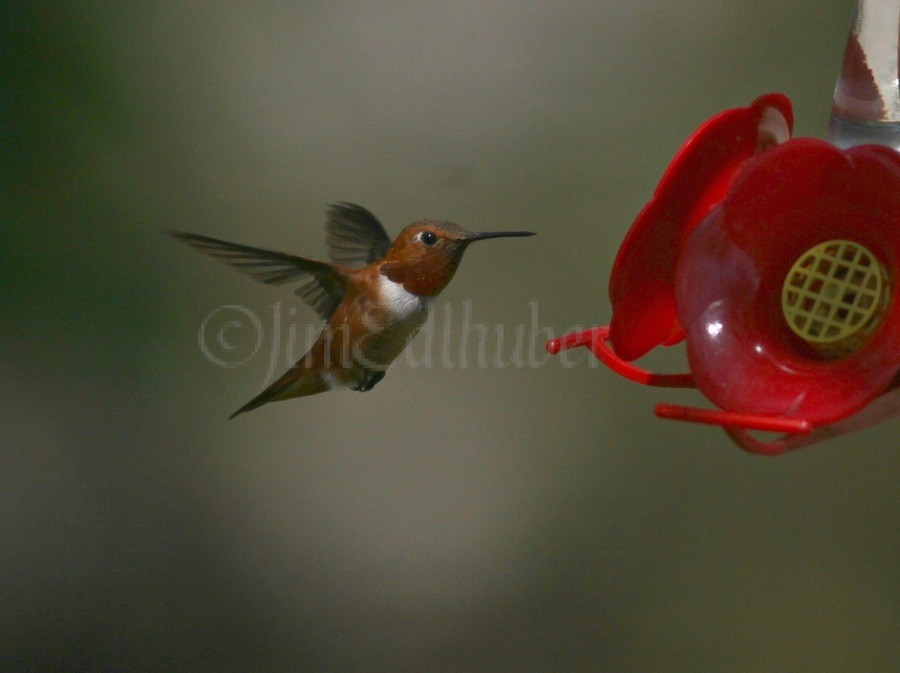
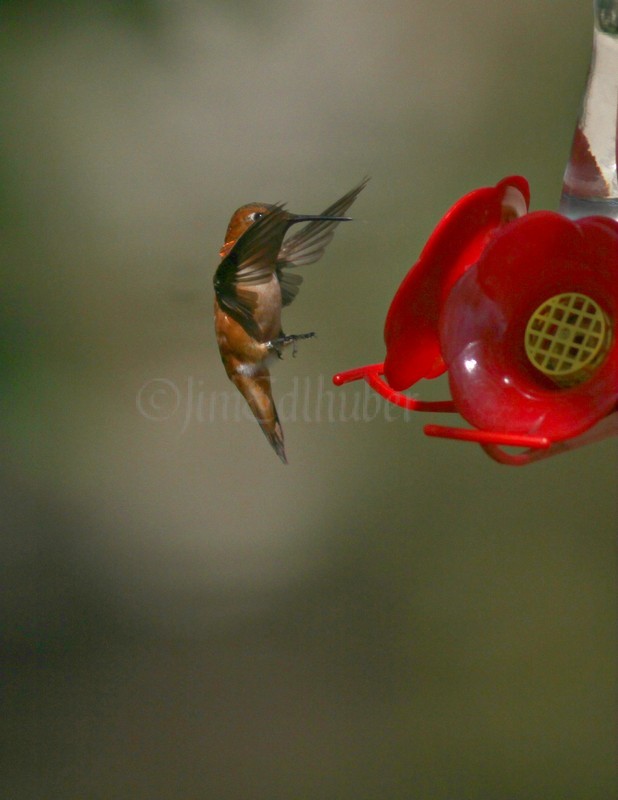
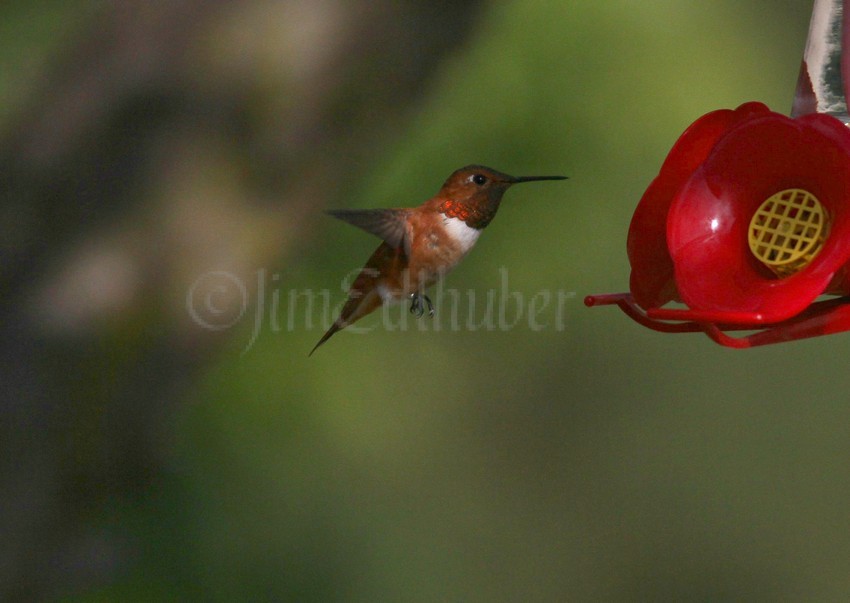
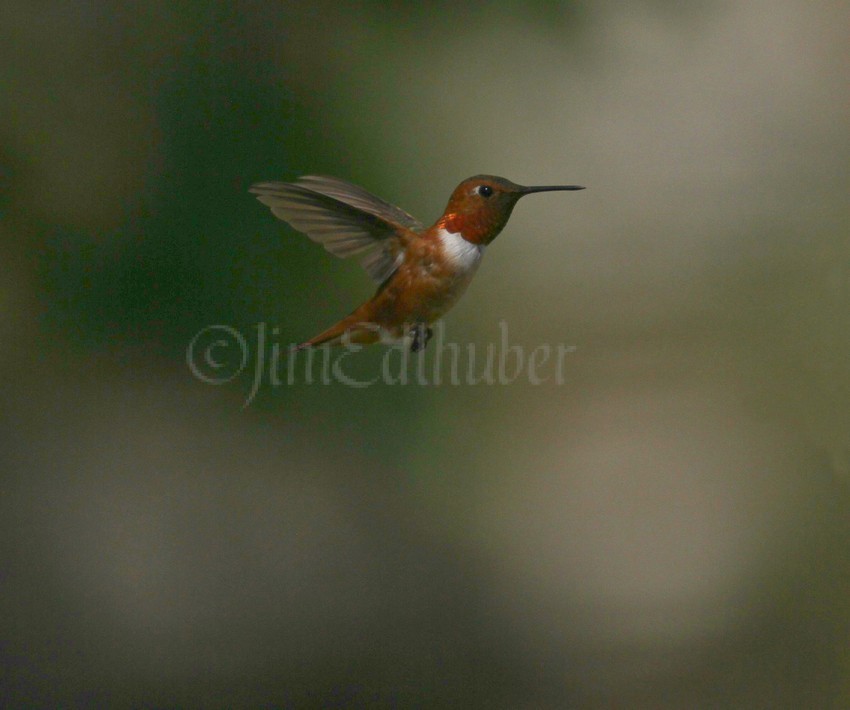
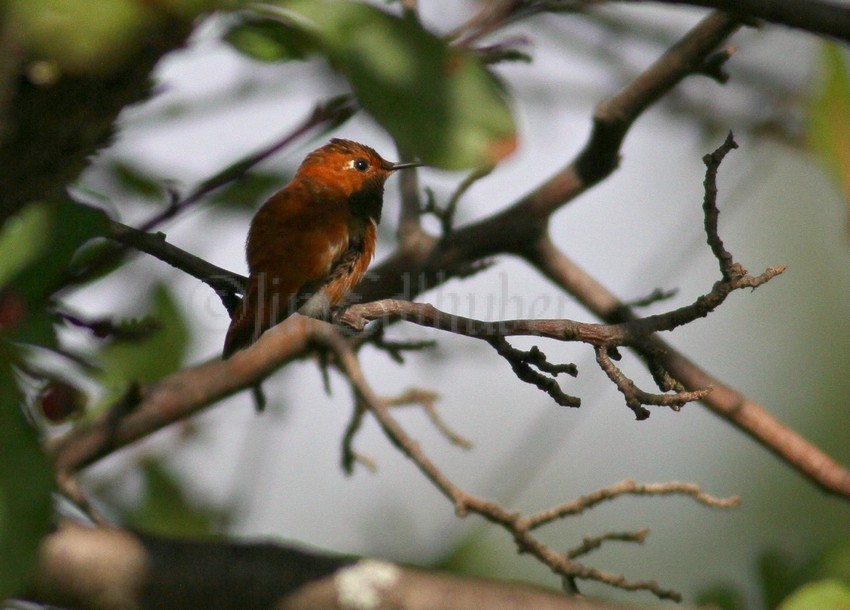
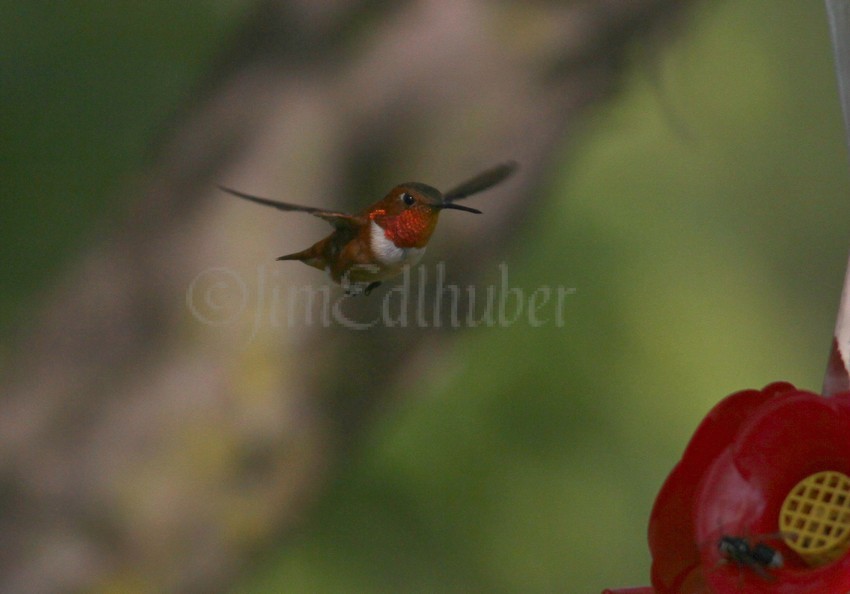
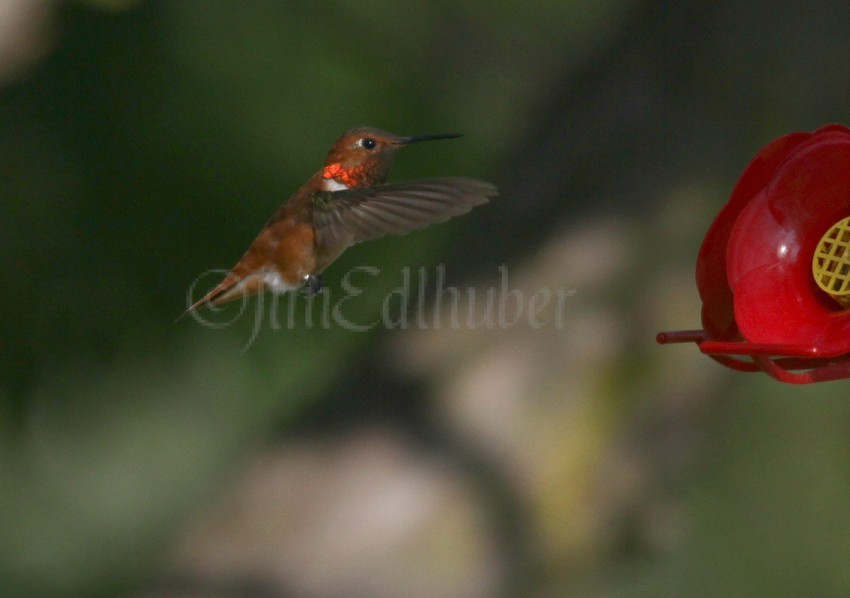
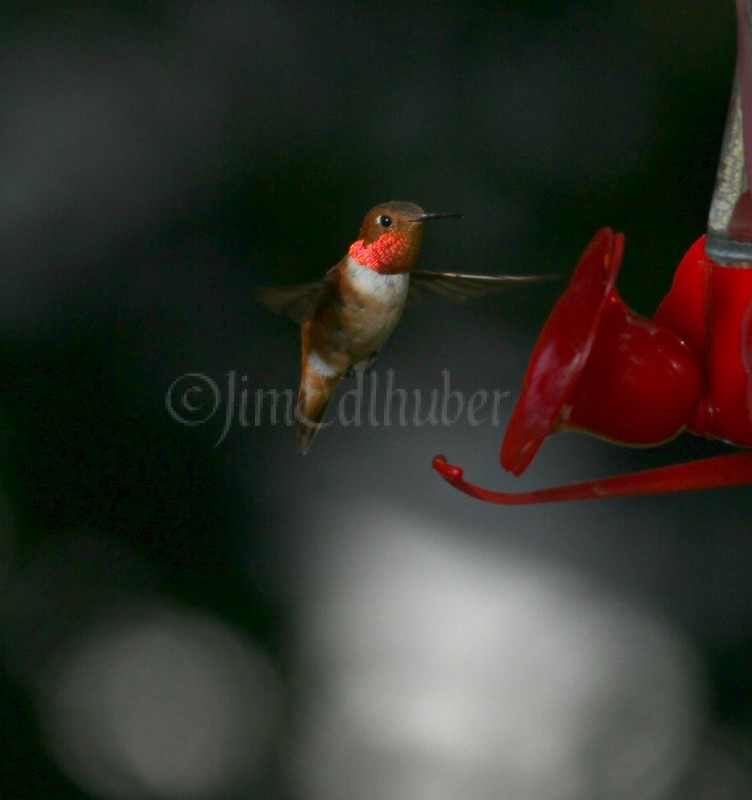
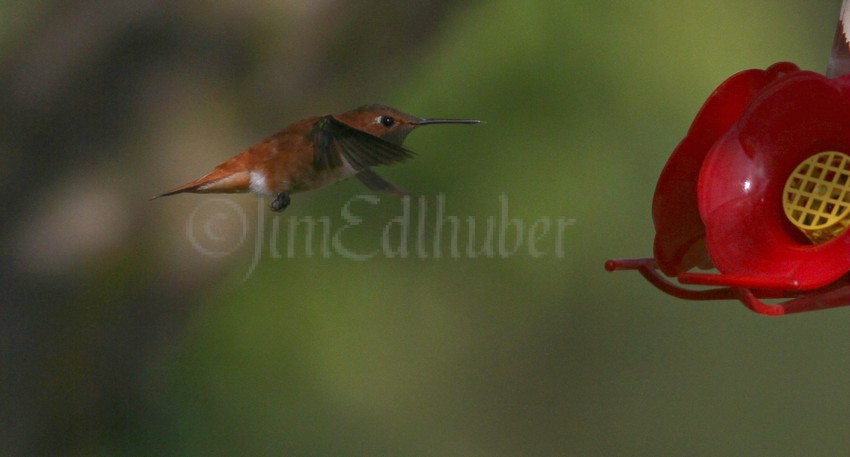
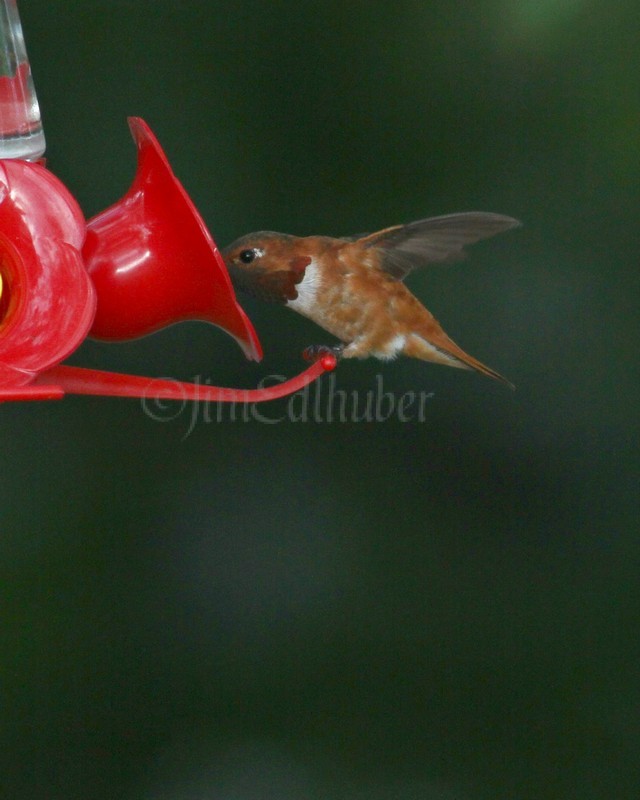
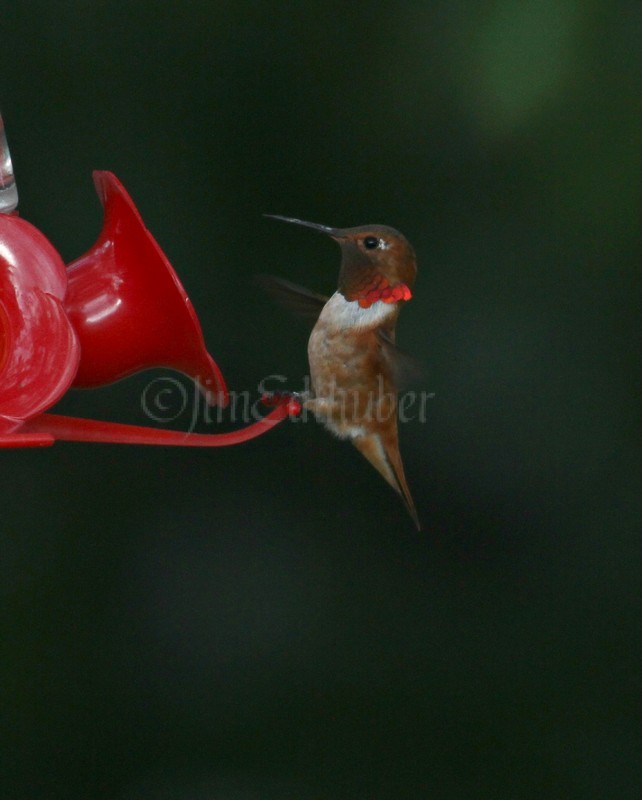
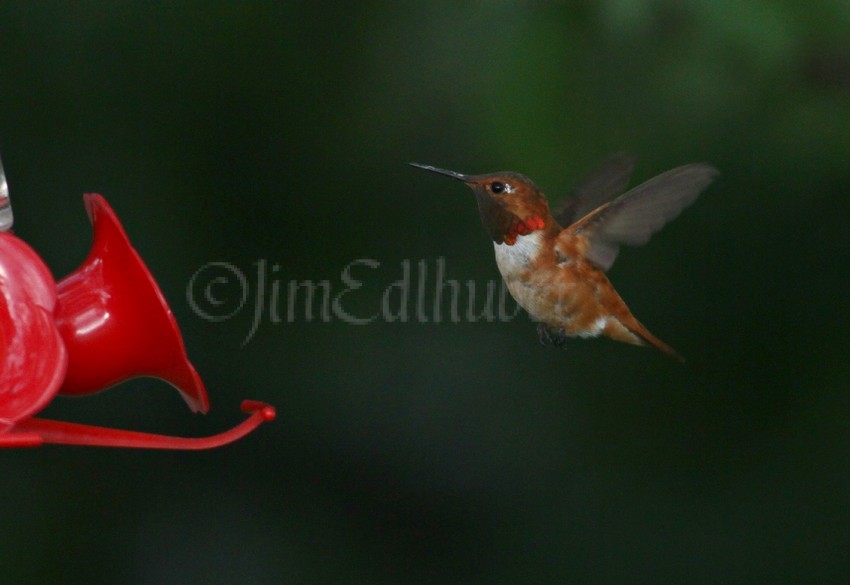
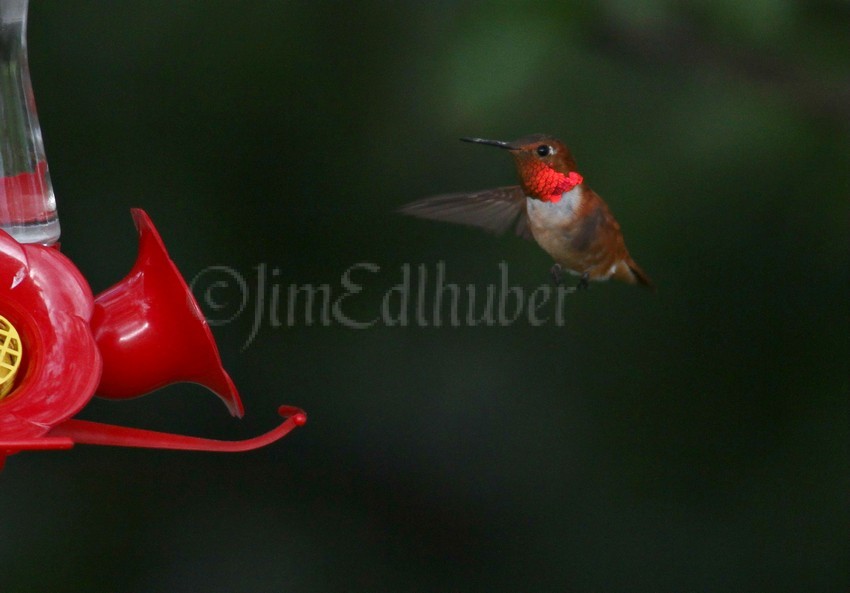
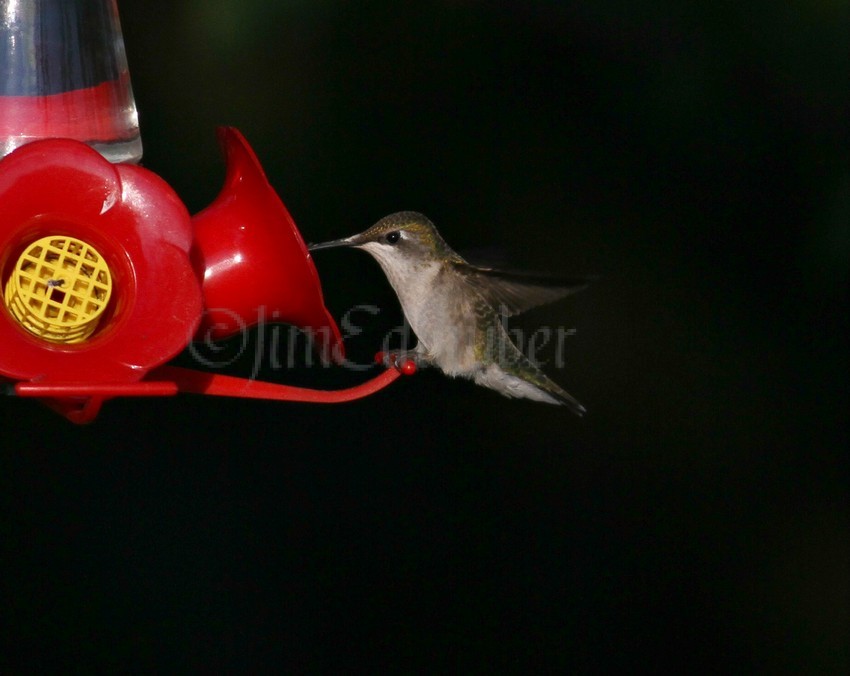
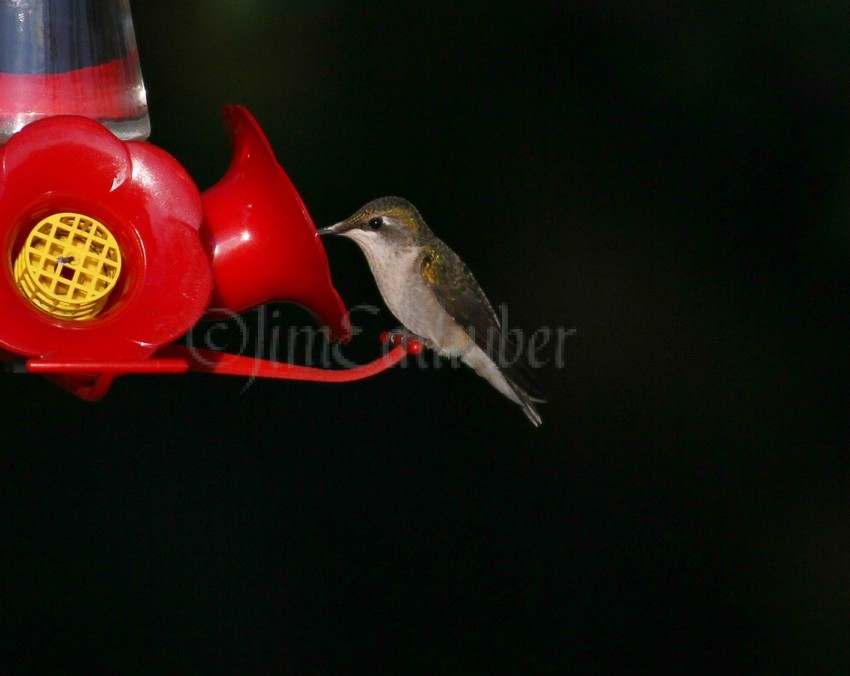
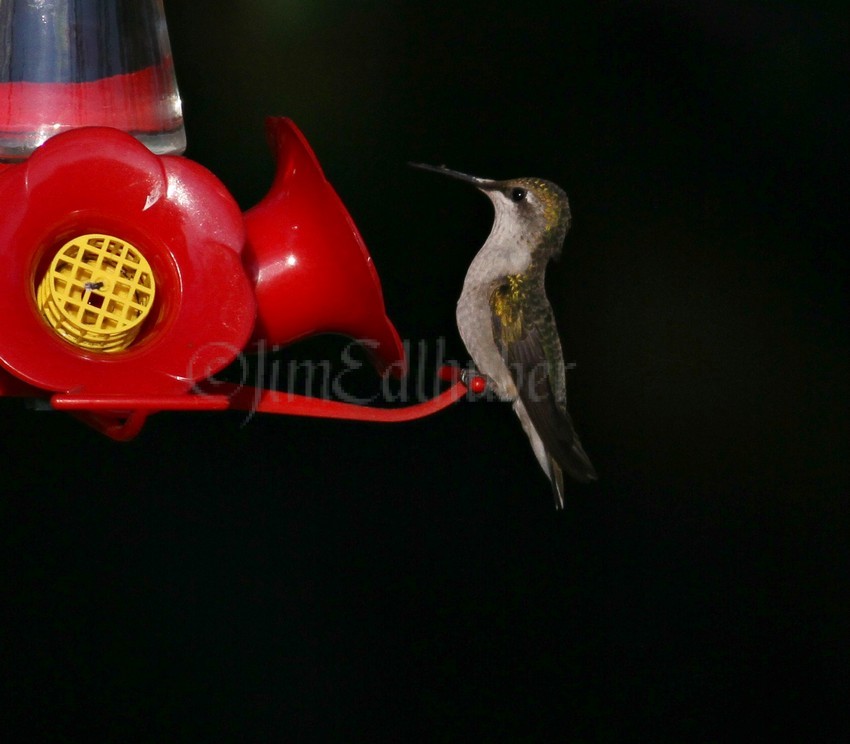
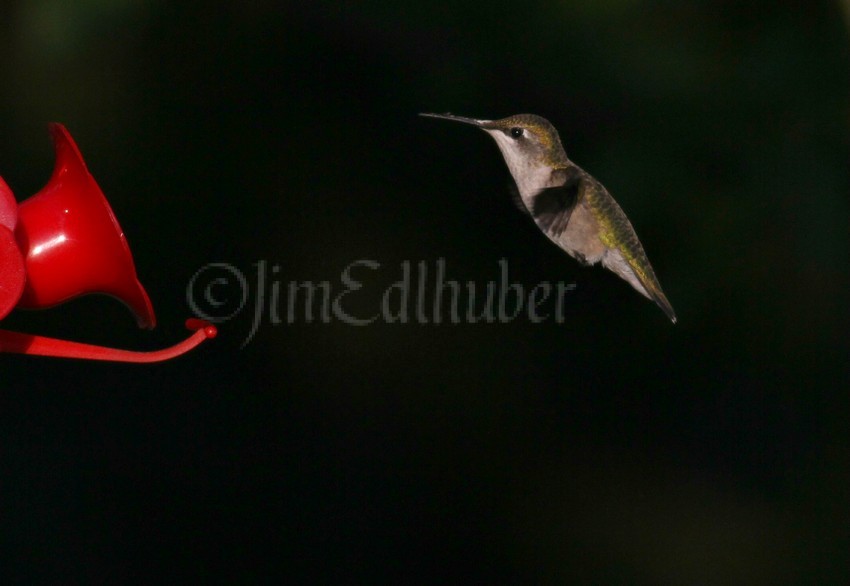
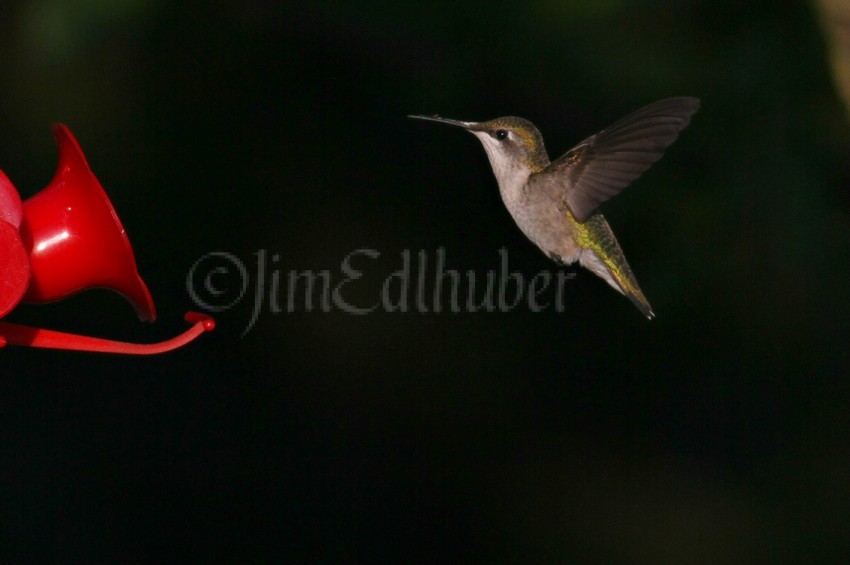
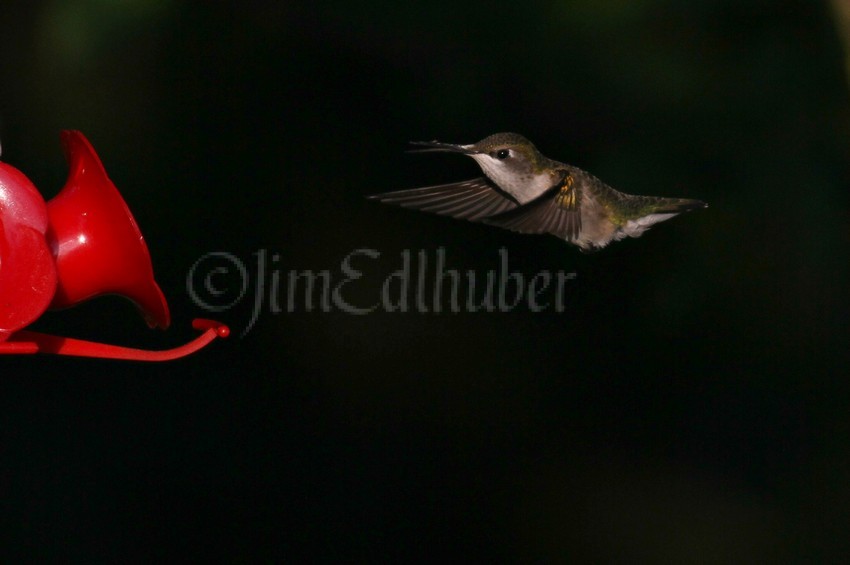
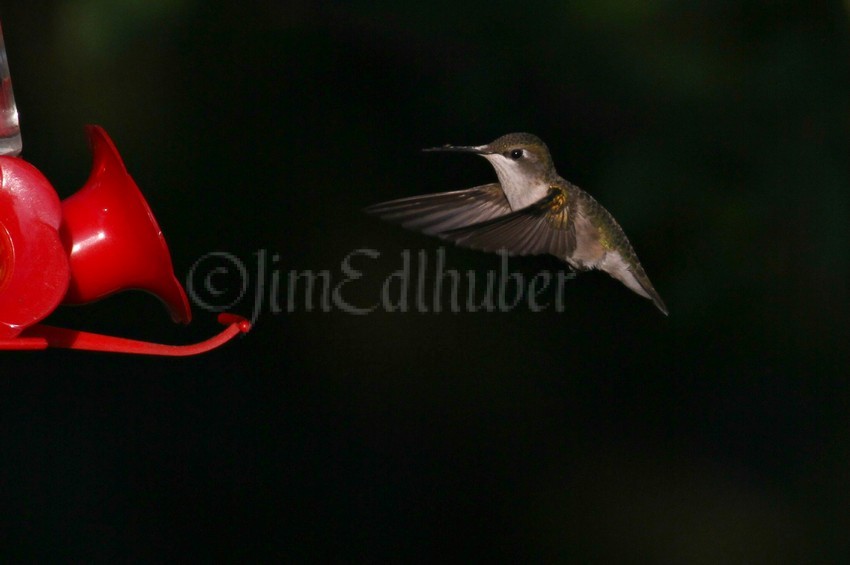
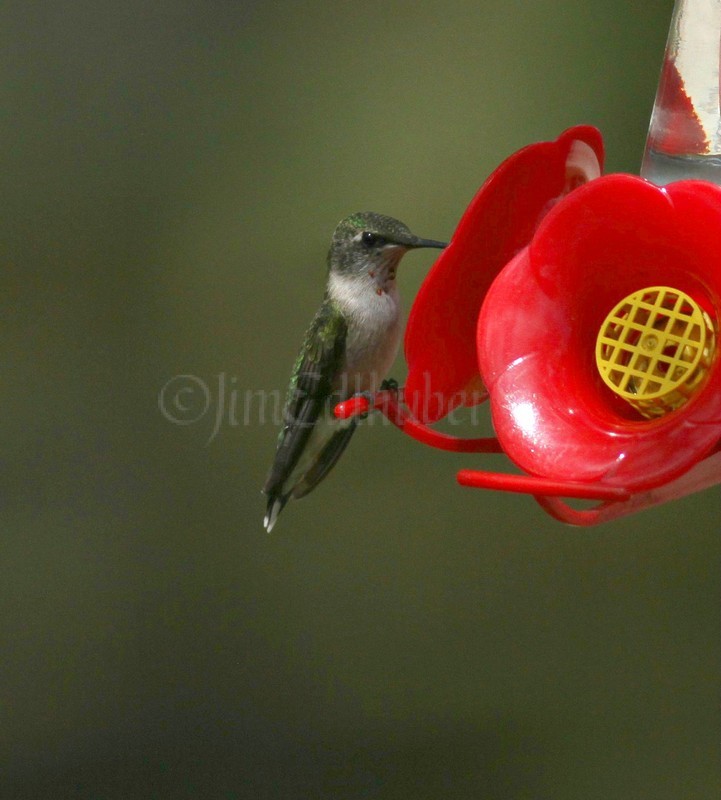
Rufous Hummingbird, thought to be hatching year male. I received and email late morning from a friend in Black Earth Wisconsin who was pretty sure she had Rufous Hummingbird coming to her feeder. She sent me some great images and I thought I better check it out. I arrived around 1:30 pm. The bird came to the feeder within minutes after I arrived, I was hardly set up. The feeding was short and the bird feed on the opposite side of the feeder from where I was. I had notified Cynthia and she arrived a bit later. I the bird showed one more time briefly. We then had a good 2.5 hour lull with now bird. There was at least one other feeder at a neighbor’s house that Cynthia had spotted so who knows where the bird was hanging out. I got very few images of this bird. Thought to be confirming images to ID this bird were taken on October 27, 2014 by Kyle and Cynthia B. Thanks to Ann W. for contacting me about this bird. Hopefully the bird shows in the morning and continues for others to view. If the bird shows in the morning I will post Ann’s email address  and you can contact her. She is open to visitors to view this bird. It has been an exciting fall for me with vagrant hummingbirds as in the last 8 days I have viewed the 1- Anna’s, 3- Rufous. Images were taken on October 26, 2014 at Black Earth, Dane County Wisconsin.

___r=IMG_7770_cr

___r=IMG_7769_cr

___r=IMG_7745_cr

Rufous Hummingbird in Waukesha County Wisconsin on October 24, 2014

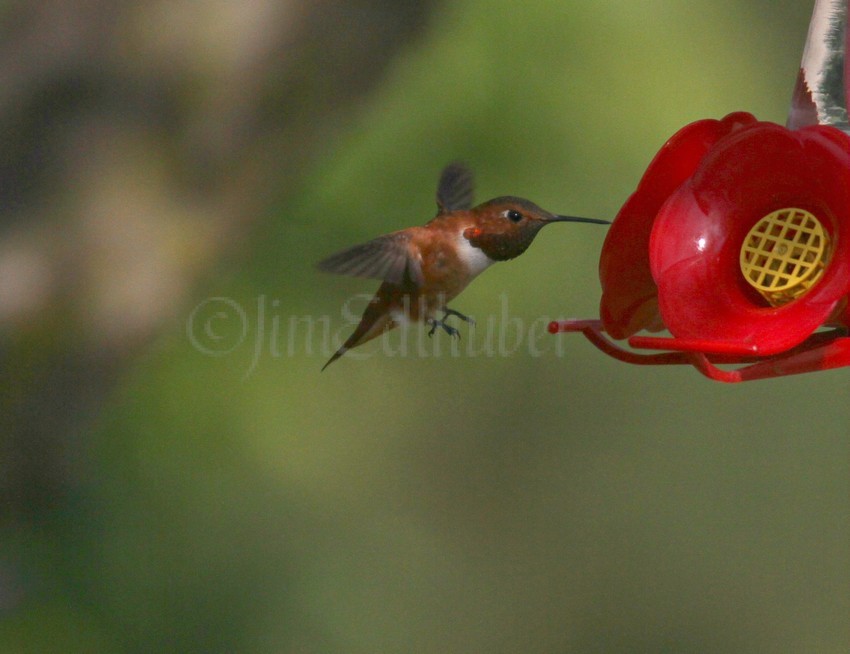
With a little sun this afternoon I decided to run out to Eagle in Waukesha County. I thought I would try for a couple more shots with some sun of the Rufous Hummingbird as I heard it is still being viewed. There was a small crowd of birders when I arrived. When I was there the Rufous was pretty consistent coming to the feeder. Those feedings were about every 25-30 minutes. When it showed, it gave nice views dipping into the feeder for nectar about 5 times, then off in a flash! Nobody ever really could follow to where it was perching. Birders came and went while I was there. Even though there have been a couple Rufous Hummingbirds in the last 2 years in the state, still a life bird for many that were present. All and all a beautiful day to be out birding with warm temps and nice sunshine. It was nice to see a few old birders and meet some new ones too. Thanks again to Danielle and Raef for being such nice hosts and allowing birders in to see this beauty on their property! Images were taken on October 24, 2014.

___rIMG_7388_cr

Rufous Hummingbird

Binomial name: Selasphorus rufus

Category: Hummingbirds

Description: Primarily rust-colored feathers with a small patch of white on the chest.  Red-orange patch on throat.   Short wings and a slender, slightly sloping bill.

Size: 2.8″-3.5″ long, 3” – 4” wingspan

Weight: 0.071 oz. – 0.18 oz

Habitat: Open broadleaf forests, orchards, meadows, parks, swamps, and yards

Natural Range: West Coast from Alaska to Mexico and Rocky Mountains, wintering in the Gulf Coast and Southeastern Atlantic states.  They are occasionally, although rarely, found in cold-weather areas such as the Midwest due to their surprising hardiness.

Diet: Tree and flower nectar, small insects, and hummingbird feeders

Nesting: The males may mate with several females but do not care for the young.  The female provides all parental care, building a nest in a protected tree or shrub.  They favor either deciduous or coniferous trees such as spruce, cedar, maples, pines, birch, and hemlocks.  The nest is made out of bud scales, lichen, spider silk, and dandelion or thistle down.  The same nest may be used year after year and not necessarily by its previous occupant. The female will lay 2-3 eggs at a time, laying 1 brood per summer.  She incubates the eggs for 15-17 days, and the young remain in the nest for 15-19 days.

Notes: This high-strung bird is considered extremely aggressive and will chase other animals from feeders or its nest including larger birds, chipmunks, and even other hummingbirds.  Like other hummingbirds, Roufus Hummingbirds are adept flyers and can hover, dart, and perch with ease.  They have even been seen to pluck insects out of midair.
___rIMG_7405_cr

___rIMG_7211_cr

___rIMG_7244_cr


___rIMG_7273_cr

___rIMG_7297_cr

___rIMG_7286_cr

___rIMG_7262_cr

___rIMG_7403_cr

___rIMG_7170_cr

____rxIMG_7210_cr

____rxIMG_7176_cr

____rxIMG_7177_cr

___rIMG_7217_cr

Rufous Hummingbird in Waukesha County Wisconsin on October 23, 2014

This afternoon I received a message from a friend in Eagle Wisconsin that said she had a hummingbird coming to her feeder this morning that she did not recognize. She thought possible Rufous. I headed out there and Anne Morretti was right behind me when I arrived. She also heard the news.  The bird was there moments after we arrived on a feeder. She said she was just going to take the feeder down last Sunday but it had got put off. Danielle and Raef the property owners were anxious to find out what exact species this was. We took some photos as the sky turned grey and later rained pretty good. The Rufous continued to feed during the rain. We are assuming at this point it is a Rufous Hummingbird. I posted many images of the bird in hopes that we can ID it 100%. If anyone can call this bird something else or can find the marks to confirm it’s ID as a Rufous please let us know. I have seriously not studied the bird images yet myself as wanting to get the post up. The property owners are willing to let others in to view this beautiful bird well out it normal range. A big thank you to Danielle and Raef for getting the word out on this bird and letting others in to view it. They also had a beautiful leucistic Ruby-throated Hummingbird visit them last year, 2013 for a few days. 2 incredible birds coming to one residence.  I have included an image from that event at the bottom of these images. The Rufous Hummingbird images were taken on October 23, 2014. It was another exciting birding day with 3 vagrants in just 5 days! (I have recently added an image at the bottom here of the best tail spread I have. Is it enough to confirm this bird as a Rufous)?

_r+IMG_6444_cr

Rufous Hummingbird

Binomial name: Selasphorus rufus

Category: Hummingbirds

Description: Primarily rust-colored feathers with a small patch of white on the chest.  Red-orange patch on throat.   Short wings and a slender, slightly sloping bill.

Size: 2.8″-3.5″ long, 3” – 4” wingspan

Weight: 0.071 oz. – 0.18 oz

Habitat: Open broadleaf forests, orchards, meadows, parks, swamps, and yards

Natural Range: West Coast from Alaska to Mexico and Rocky Mountains, wintering in the Gulf Coast and Southeastern Atlantic states.  They are occasionally, although rarely, found in cold-weather areas such as the Midwest due to their surprising hardiness.

Diet: Tree and flower nectar, small insects, and hummingbird feeders

Nesting: The males may mate with several females but do not care for the young.  The female provides all parental care, building a nest in a protected tree or shrub.  They favor either deciduous or coniferous trees such as spruce, cedar, maples, pines, birch, and hemlocks.  The nest is made out of bud scales, lichen, spider silk, and dandelion or thistle down.  The same nest may be used year after year and not necessarily by its previous occupant. The female will lay 2-3 eggs at a time, laying 1 brood per summer.  She incubates the eggs for 15-17 days, and the young remain in the nest for 15-19 days.

Notes: This high-strung bird is considered extremely aggressive and will chase other animals from feeders or its nest including larger birds, chipmunks, and even other hummingbirds.  Like other hummingbirds, Roufus Hummingbirds are adept flyers and can hover, dart, and perch with ease.  They have even been seen to pluck insects out of midair.
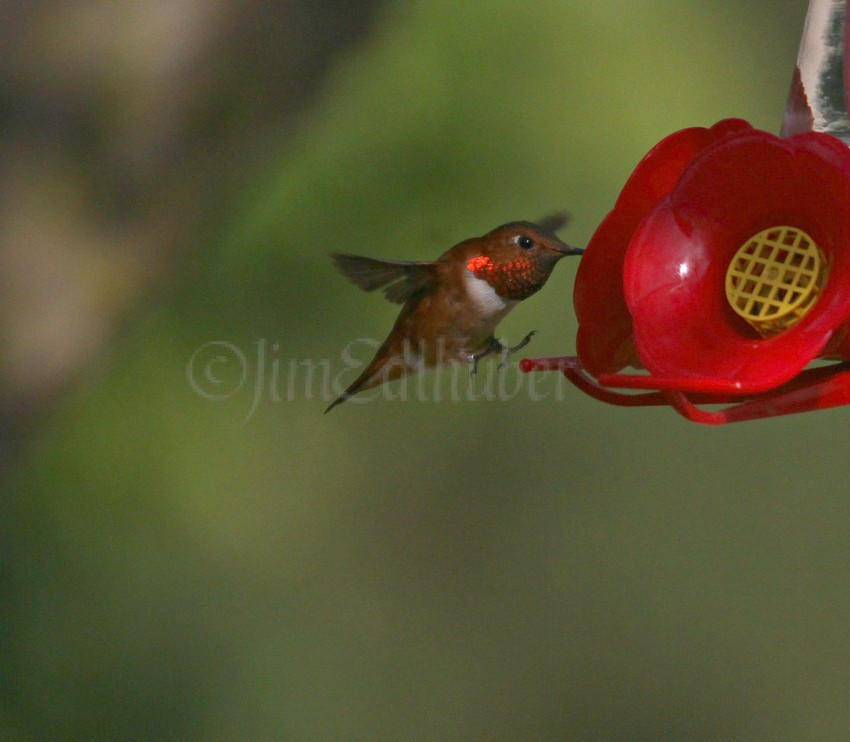
_r+IMG_6260_cr

_r+IMG_6585_cr

_r+IMG_6185_cr

_r+IMG_6204_cr

_r+IMG_6221_cr

_r+IMG_6227_cr

_r+IMG_6377_cr

_r+IMG_6185_cr

_r+IMG_6193_cr

_r+IMG_6383_cr

_r+IMG_6899_cr

_r+IMG_6697_cr

_r+IMG_6557_cr

_r+IMG_6448_cr

_r+IMG_6486_cr

_r+IMG_6592_cr

Leucistic Ruby-throated Hummingbird

Best tail spread I could come up with, is it enough to confrim this bird as a Rufous)?

Best tail spread I could come up with, is it enough to confirm this bird as a Rufous?

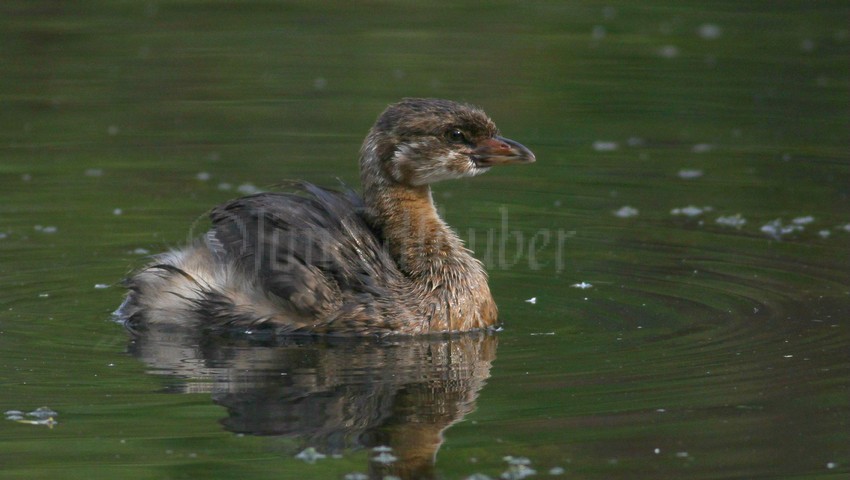
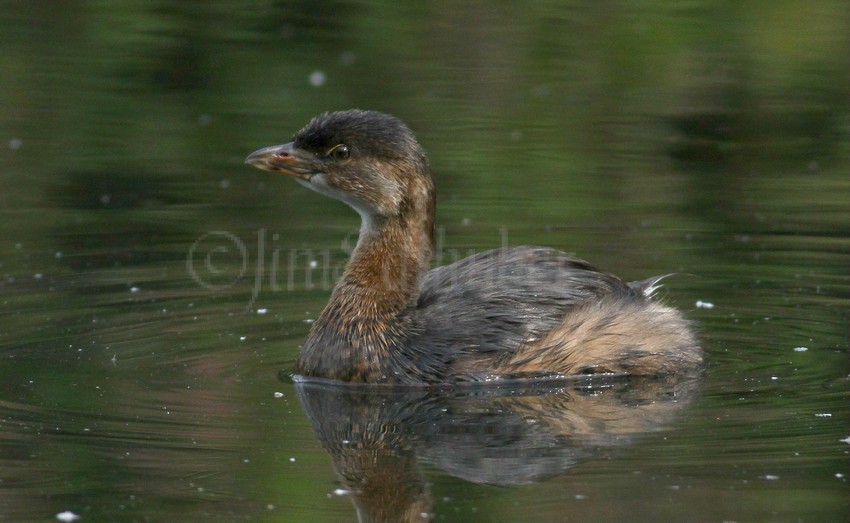
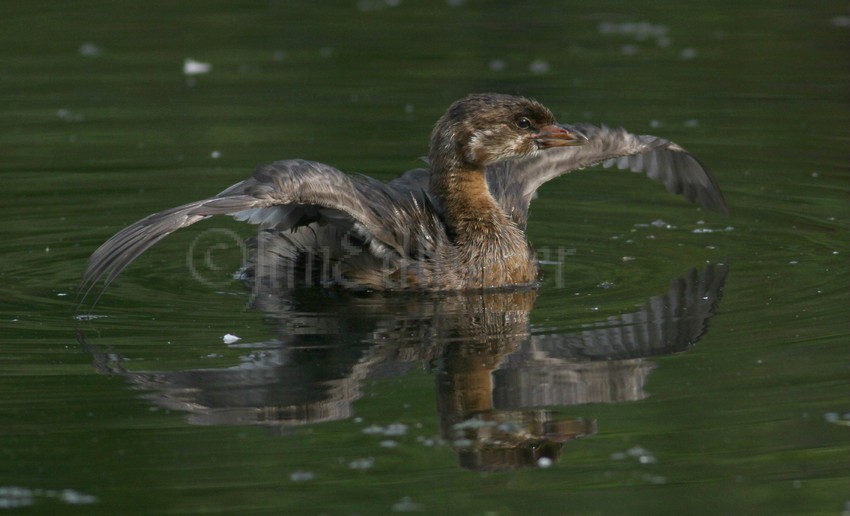
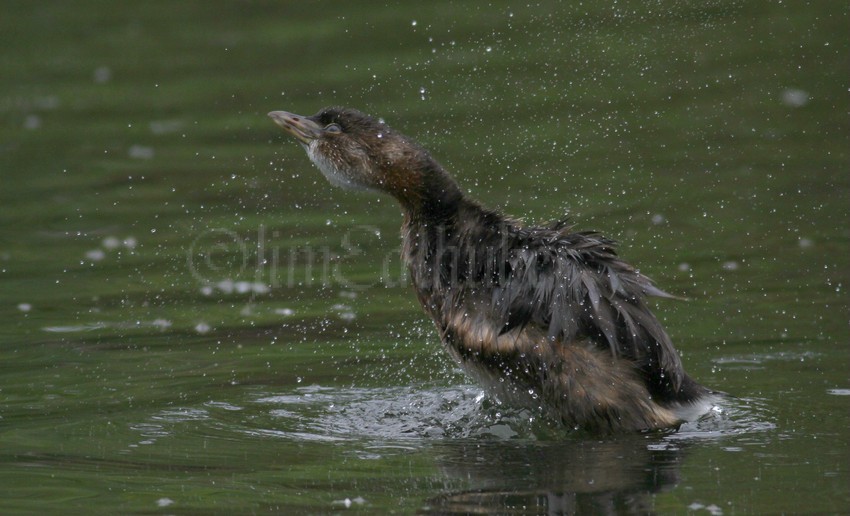
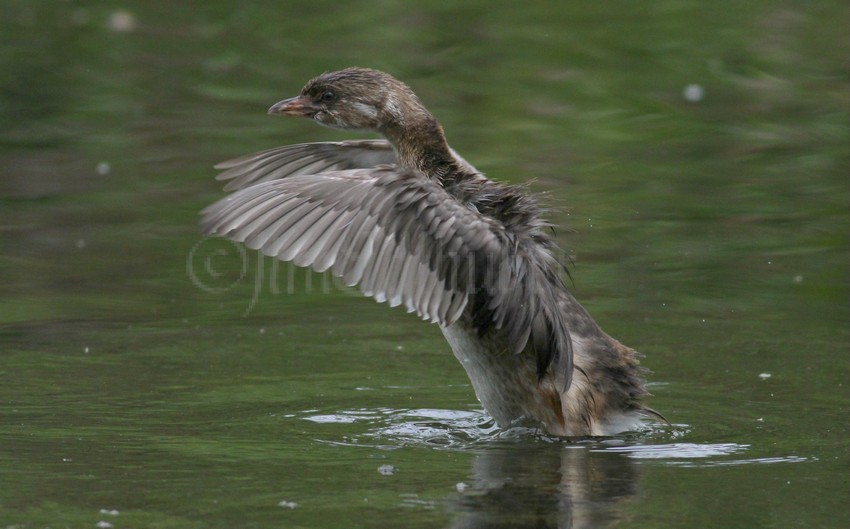
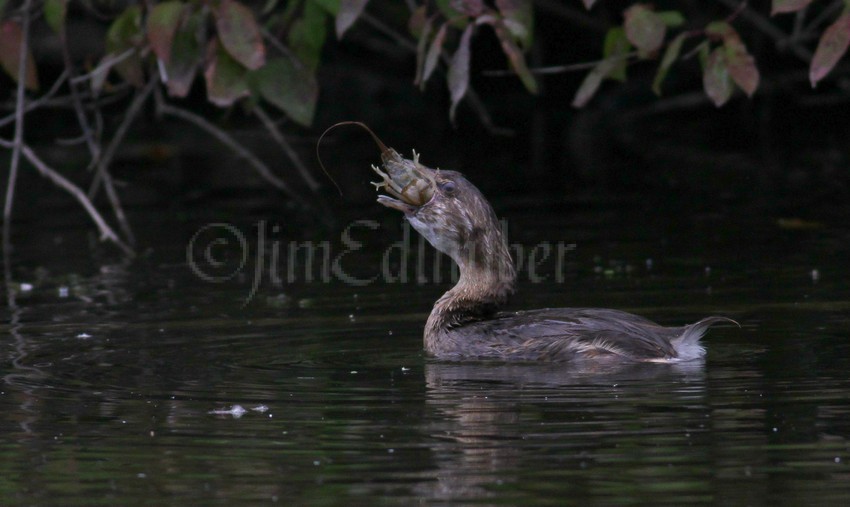
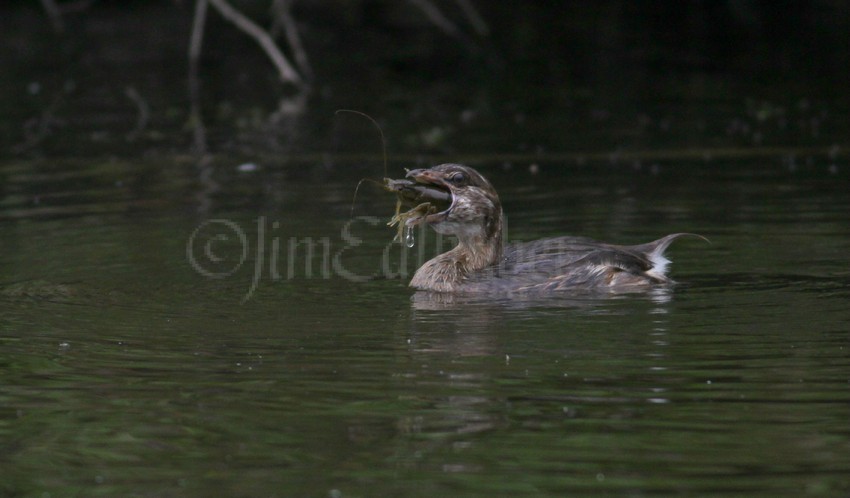
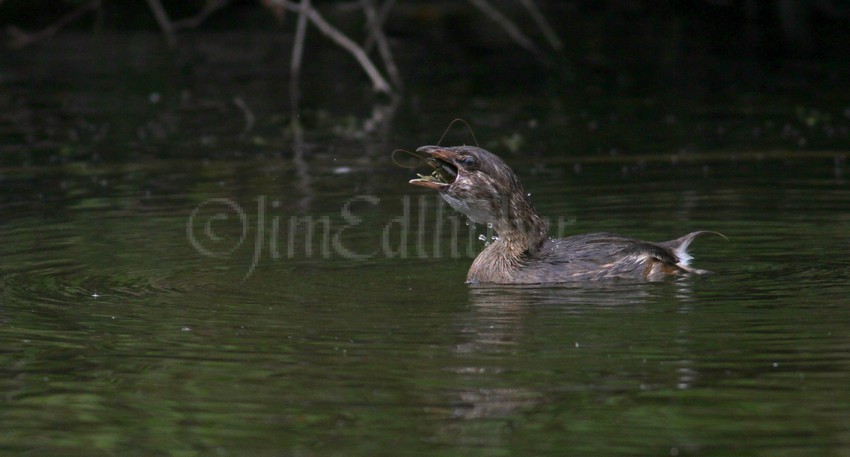
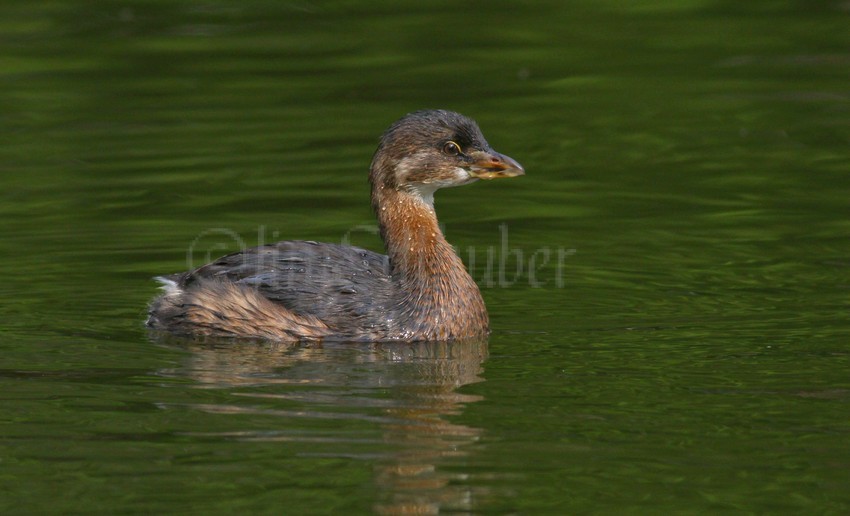
Pied-billed Grebe Lakeshore State Park Milwaukee Wisconsin October 23, 2014

I birded the lakefront  in Milwaukee last Thursday morning and it was pretty slow. The Glaucous Gull was still at Bradford Beach but that was the big event there. I think the Glaucous Gull has been present in the area since October 8, 2014. Lakeshore State Park was also slow except for a Pied-billed and Horned Grebe in their nonbreeding plumages. Later in the day I received the message on the Rufous Hummingbird in Waukesha County, the reason I am posting these images a little late. Images were taken on October 23, 2014.

Pied-billed Grebe nonbreeding plumage

Pied-billed Grebe nonbreeding plumage

Pied-billed Grebe

Binomial name: Podilymbus podiceps

Category: Grebes

Size: 13” long, 16” wing span

Weight: 1 lb.

Habitat:  Breeds across North America in ponds and lakes that are seasonal or permanent. On those waters it prefers thick stands of emergent vegetation, sloughs and bays. If waters are frozen the will go to salt water.

Diet: Diving for fish, occasional plant material, crustaceans (mainly crayfish), and aquatic insects. Their feathers are also part of their diet along with giving them to their young. Feathers help in digestion to prevent damage by bones.

Nesting:  The nest is open bowl shaped made of vegetation, typically floats and is anchored by emergent vegetation. The female lays 3-10 light blue eggs, sometimes twice a year that both parents help incubate. The young are feed by both parents and are typically carried around on the adult backs.

Cool Facts: Small bird, stocky, short necked that dives up to 30 seconds at a time. They are known to dive for food with young on their back. Adults have a black ring around their chicken like bill during breeding season. A shy, not sociable bird that is sensitive to disturbances, are rarely found in flocks.

_r+__IMG_5956_cr

Pied-billed Grebe nonbreeding plumage

_r+__IMG_5940_cr

Pied-billed Grebe nonbreeding plumage

Pied-billed Grebe nonbreeding plumage

Pied-billed Grebe nonbreeding plumage

Pied-billed Grebe nonbreeding plumage

Pied-billed Grebe nonbreeding plumage

_r+__IMG_5978_cr

Pied-billed Grebe nonbreeding plumage

Pied-billed Grebe nonbreeding plumage

Pied-billed Grebe nonbreeding plumage

Horned Grebe nonbreeding plumage

Horned Grebe nonbreeding plumage

Horned Grebe

Binomial name: Podiceps auritus

Category: Grebes

Size: 14” long, 18” wing span

Weight: 1 lb.

Habitat:  Breeds on small to medium sized, vegetated areas of shallow freshwater ponds and marshes. The breeding range is from northern central US north to northern regions of Canada and Alaska.

Diet: In summer mostly feed on aquatic insects which they get off the top of the water. They also eat crustaceans which they get diving under water. In winter their diet includes fish, crustacean and small aquatic animals.

Nesting:  The nest is a pile of wet plant material that is floating or sometimes on a rock. It is an open bowl and located near the water’s edge as this since the grebe legs are back far and they cannot walk well. The female lays 3-7 eggs white to light brown or light blue-green. The young are feed by both parents and can swim and dive usually the next day after hatching. The young often ride on the back of the parents back like loons do.

Cool Facts: This grebe eats some of its own feathers and they sit in their stomach and act as a filter and hold fish bones and other things till they are digested. One of the smaller grebes that is an excellent diver and swimmer that can stay under water for very long periods of time.

Horned Grebe nonbreeding plumage

Horned Grebe nonbreeding plumage

Horned Grebe nonbreeding plumage

Horned Grebe nonbreeding plumage

Horned Grebe nonbreeding plumage

Horned Grebe nonbreeding plumage

Horned Grebe nonbreeding plumage

Horned Grebe nonbreeding plumage

Horned Grebe nonbreeding plumage

Horned Grebe nonbreeding plumage

Horned Grebe nonbreeding plumage

Horned Grebe nonbreeding plumage

Horned Grebe nonbreeding plumage

Horned Grebe nonbreeding plumage

Horned Grebe nonbreeding plumage going for the dive!

Horned Grebe nonbreeding plumage going for the dive!

Anna’s Hummingbird in Sauk County Wisconsin on October 21, 2014

I made a run up to Sauk Co. with Cynthia this morning with hopes to see the very rare visiting bird to the state, the Anna’s Hummingbird. From what I heard this western bird, will be the 5th ever recorded bird in the state of Wisconsin. As we arrived, Chris was waiting, standing there, not looking happy as he said, I have been here for 1 hour and I have not seen the bird. In only seconds the sound of the hummer was present. We had not even had our cameras out of our bags and it was on the feeder. We had a very big laugh! The bird was on and off all morning with some long periods in between feedings. It perched high, it perched low, it perched out of sight. This bird put on I think the biggest show ever of all the years I have been birding being so photogenic. The colors on the bird were so stunning from one moment to the next as it’s position changed perched, colors I have never saw on a bird. All and all a very exciting day! It is a life bird for me! It was nice to see some birders too that I have not ran across in a while like Daryl, Chris and others. A very big thank you to the host Linda who allowed us all to come on to her property to see this bird and all the special goodies she provided making us feel so welcome. I hope the bird continues for others to see.

__rIMG_4183_cr

Anna’s Hummingbird

Binomial name: Calypte anna

Category: Hummingbirds

Size: 4″ long, 5.25” wingspan

Weight: 0.15 oz

__rIMG_4182_cr

__rIMG_4184_cr

__rIMG_4047_cr

__rIMG_5052_cr

__rIMG_4959_cr

__rIMG_4857_cr

__rIMG_4825_cr

__rIMG_4747_cr

__rIMG_4358_cr

__rIMG_4393_cr

__rIMG_4470_cr

__rIMG_4339_cr

______xtraxxxxxIMG_5128_cr

__rIMG_4048_cr

__rIMG_4072_cr

__rIMG_4088_cr

__rIMG_4097_cr

__rIMG_4098_cr

__rIMG_4133_cr

___roooIMG_4166_cr

___roooIMG_4219_cr

___roooIMG_4035_cr

___roooIMG_4155_cr

___roooIMG_4203_cr

Rufous Hummingbird at Ft. Atkinson Wisconsin on October 19, 2014

I had a couple extra hours  today so I decided to make a run out to Ft. Atkinson in Jefferson County to see if the Rufous Hummingbird was still hanging around. It had been reported late morning so I thought I would give it a shot. The bird was present when I arrived and seemed to hang out in one specific tree in the yard each time after feeding. It gave nice views. On Monday when I view this bird it was out of sight after each feeding in a large spruce tree. It was well worth the trip. Also on tap was banding this bird. I have never viewed banding a bird so I thought it it was a great opportunity. On a second attempt they got the bird and banded. I was amazed at how fast the banding went and how professionally it was done. The bander Mickey and her assistant Jane made the job look like had been done 1 million times by them. Great job! Also present was Cynthia and Scott. It was nice to catch up on birding talk with them in the waiting time for the Rufous Hummingbird to appear. A big thank you to Cynthia for letting folks in to view this beautiful bird in her yard. I have included some images too of the banding that took place. Images were taken on October 19, 2014.

_rIMG_2798_cr

Rufous Hummingbird

Binomial name: Selasphorus rufus

Category: Hummingbirds

Description: Primarily rust-colored feathers with a small patch of white on the chest.  Red-orange patch on throat.   Short wings and a slender, slightly sloping bill.

Size: 2.8″-3.5″ long, 3” – 4” wingspan

Weight: 0.071 oz. – 0.18 oz

Habitat: Open broadleaf forests, orchards, meadows, parks, swamps, and yards

Natural Range: West Coast from Alaska to Mexico and Rocky Mountains, wintering in the Gulf Coast and Southeastern Atlantic states.  They are occasionally, although rarely, found in cold-weather areas such as the Midwest due to their surprising hardiness.

Diet: Tree and flower nectar, small insects, and hummingbird feeders

Nesting: The males may mate with several females but do not care for the young.  The female provides all parental care, building a nest in a protected tree or shrub.  They favor either deciduous or coniferous trees such as spruce, cedar, maples, pines, birch, and hemlocks.  The nest is made out of bud scales, lichen, spider silk, and dandelion or thistle down.  The same nest may be used year after year and not necessarily by its previous occupant. The female will lay 2-3 eggs at a time, laying 1 brood per summer.  She incubates the eggs for 15-17 days, and the young remain in the nest for 15-19 days.

Notes: This high-strung bird is considered extremely aggressive and will chase other animals from feeders or its nest including larger birds, chipmunks, and even other hummingbirds.  Like other hummingbirds, Roufus Hummingbirds are adept flyers and can hover, dart, and perch with ease.  They have even been seen to pluck insects out of midair.
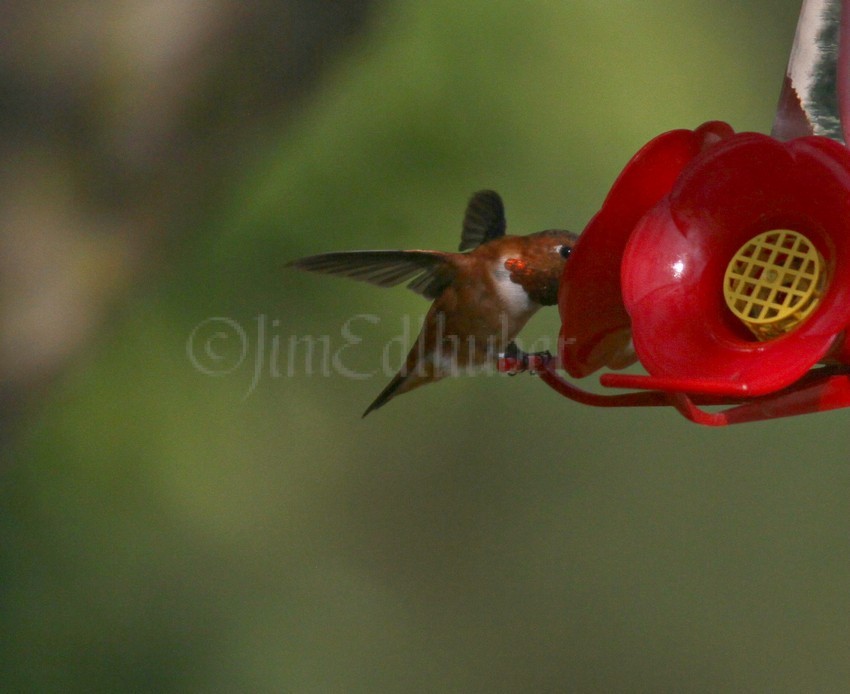
_rIMG_2779_cr

_rIMG_2894_cr

__rIMG_3020_cr

_rIMG_3291_cr

_rIMG_3282_cr

_rIMG_3037_cr

_rIMG_2998_cr

_rIMG_3564_cr

_rIMG_3569_cr

_rIMG_3543_cr

_rIMG_3542_cr

_rIMG_3544_cr

IMG_1427

IMG_1431

IMG_1435

IMG_1437

IMG_1439

IMG_1440

IMG_1441

IMG_1445

IMG_1447

IMG_1455

IMG_1456

IMG_1464

IMG_1468

IMG_1471

Time to fly free!


Glaucous Gull at McKinley Beach on Milwaukee’s Lakefront October 9, 2014

I read the report of the Glaucous Gull at McKinley Beach on Milwaukee’s lakefront yesterday. I headed down to the lakefront this morning with hopes it was still present. It was and it gave nice views. This bird is said to be a 2nd cycle, born in summer of 2013. This was not a life bird for me but I wanted to see this bird. It was feeding on and off while I was there on a dead fish and kept Herring Gulls away some of the time from its meal. A few of this gulls are found throughout the US during migration. It took to the water a few times too as some tourists came by to the beach area. A beautiful gull I will say! The Glaucous Gull made Ring-billed Gulls look small. Thanks to Rita W. for getting the report of this bird out as she found it. Thanks to Jym M for confirming and posting this bird too.

_rIMG_7940_cr

Glaucous Gull

Binomial name: Larus hyperboreus

Category: Gulls, Terns, and Skimmers

Size: 27” long, 60” wing span

Weight: 3.1 lb

Habitat: This large gulls breeding grounds are in the northern arctic. It spends its winters farther north than most gulls on coasts, lakes, urban areas, dumps and agricultural fields. Mostly breeds along shorelines of the seacoast, rivers and lakes, also refuse dumps. These gulls are usually not found inland.

Diet: It captures prey such as plovers, small ducks, ptarmigans, auks, birds, small mammals and invertebrates. It also scavenges dead fish, carrion, garbage and dead animal matter.

Nesting: The nest is a shallow bowl constructed of twigs, grasses, sedges, moss and sometimes feathers. The nest is located on cliff edges, grass slopes above cliffs, islands or ponds on the tundra. 3 eggs are usually laid brown in color with dark brown spots.

_rIMG_7939_cr

_rIMG_7409_cr

_rIMG_7278_cr

Herring Gull front, Glaucous Gull back

_rIMG_7349_cr

_rIMG_7412_cr

_rIMG_7187_cr

Preening

_rIMG_7204_cr

Preening

_rIMG_7727_cr

Glaucous Gull front, Herring Gull back with Ring-billed Gulls background, front center and right side.

_rIMG_8020_cr

_rIMG_8018_cr

Glaucous Gull in the front with Ring-billed Gulls in the background.

_rIMG_6716_cr

_rIMG_6698_cr

_rIMG_6651_cr

_rIMG_7975_cr

Standing on its meal!

_rIMG_7976_cr

Standing on its meal!

_rIMG_7501_cr

Taking a bite!

_rIMG_7919_cr

____rsrIMG_8409_cr

_rIMG_8416_cr

Glaucous Gull with Ring-billed Gulls all around.

_rIMG_8449_cr

Taking a rest when I left the beach!

Horned Grebe Lakeshore State Park Milwaukee Wisconsin October 7, 2014

I birded the lakefront in Milwaukee this morning for a couple hours and it was pretty quiet. The highlight of the morning was a Horned Grebe at Lakeshore State Park. The two Pied-billed Grebes that were present for the last two days were still hanging around at the park. Other species present, a couple of Double-crested Cormorants, lots of Palm Warblers and about 40 American Coots. Two large boats flushed this grebe from where we were at and I could not relocate the bird after that. Other than the wind gusts, it was a beautiful morning to be out birding. Images were taken on October 7, 2014.

_rIMG_5620_cr

Horned Grebe

Binomial name: Podiceps auritus

Category: Grebes

Size: 14” long, 18” wing span

Weight: 1 lb.

Habitat:  Breeds on small to medium sized, vegetated areas of shallow freshwater ponds and marshes. The breeding range is from northern central US north to northern regions of Canada and Alaska.

Diet: In summer mostly feed on aquatic insects which they get off the top of the water. They also eat crustaceans which they get diving under water. In winter their diet includes fish, crustacean and small aquatic animals.

Nesting:  The nest is a pile of wet plant material that is floating or sometimes on a rock. It is an open bowl and located near the water’s edge as this since the grebe legs are back far and they cannot walk well. The female lays 3-7 eggs white to light brown or light blue-green. The young are feed by both parents and can swim and dive usually the next day after hatching. The young often ride on the back of the parents back like loons do.

Cool Facts: This grebe eats some of its own feathers and they sit in their stomach and act as a filter and hold fish bones and other things till they are digested. One of the smaller grebes that is an excellent diver and swimmer that can stay under water for very long periods of time.

_rIMG_5599_cr

_rIMG_5622_cr

_rIMG_5906_cr

Preening

Preening

Preening

_rIMG_5910_cr

_rIMG_5891_cr

_rIMG_5874_cr

_rIMG_5851_cr

The dive!

The dive!

The dive!

The dive!

Preening

Preening

Preening

Preening

Preening

Preening

_rIMG_5636_cr

_xyzIMG_7624_cr

_xyzIMG_7615_cr

_xyzIMG_7602_cr

To view images of the Horned Grebe from spring of 2014 going into breeding plumage, please click here.

Northern Shovelers, Shorebirds and more at Bradford Beach and Lakeshore State Park in Milwaukee October 3, 2014

I birded Bradford Beach and Lakeshore State Park in Milwaukee today around noon. Bradford Beach had 1 Black-bellied Plover, 1 Semipalmated Sandpiper and about 15 Sanderlings. Some high gusts of wind from the southwest made for an interesting setting for the shorebirds. Sometimes it was like a whiteout! Lakeshore State Park had a few new ducks. 2 Northern Shovelers, 3 Ruddy Ducks and a Gadwall. Some Palm Warblers were also present. Images were taken on October 3, 2014.

Northern Shovelers

Northern Shovelers

Northern Shoveler

Northern Shoveler

Northern Shoveler

Northern Shoveler

Northern Shovelers

Northern Shovelers

_rIMG_4823_cr

Northern Shovelers

Northern Shovelers with Mallard in back.

Northern Shovelers with Mallard in back

Gadwall

Gadwall

Ruddy Ducks, distant shot

Ruddy Ducks, distant shot

Sanderlings

Sanderlings

Sanderlings

Sanderlings

Sanderlings

Sanderlings

Semipalmated Sandpiper

Semipalmated Sandpiper

Semipalmated Sandpiper with blowing sand!

Semipalmated Sandpiper with blowing sand!

Semipalmated Sandpiper and Sanderling in back with blowing sand!

Semipalmated Sandpiper and Sanderling in back with blowing sand!

Semipalmated Sandpiper with blowing sand!

Semipalmated Sandpiper with blowing sand!

Semipalmated Sandpiper with blowing sand!

Semipalmated Sandpiper with blowing sand!

Semipalmated Sandpiper, front - Sanderling back

Semipalmated Sandpiper, front – Sanderling back

Semipalmated Sandpiper

Semipalmated Sandpiper

Sanderling

Sanderling

Sanderling

Sanderling

Sanderling feeding in the sand

Sanderling feeding in the sand

Sanderling in search of food

Sanderling in search of food

Double-crested Cormorant

Double-crested Cormorant

Double-crested Cormorant

Double-crested Cormorant

"Fall is in the air", Ring-billed Gull

“Fall is in the air”, Ring-billed Gull

American Avocet Lakeshore State Park Milwaukee Wisconsin September 30, 2014

I birded Bradford Beach this morning on Milwaukee’s Lakefront and present were 2 American Black-bellied Plovers. I headed over to Lakeshore State Park in hopes that an American Avocet would have come in over night. As I walked towards the beach area I had to do a double take as there mixed in with about 10 Ring-billed Gulls was an American Avocet! It was not long and a jogger ran right down the shoreline. The birds flushed but only to the other side of the beach area. As I watched this bird, it seemed tired and wanted to sleep as it parked in numerous places and closed its eyes. Finally it moved in a just parked with a handful of gulls and closed it eyes for a short period. Along came a dog walker with 2 very large dogs and they went right into the water and all the birds flushed. A couple of gulls returned minutes later but I did not see the American Avocet return. I’m guessing it did in time. As I birded the rest of the park, every where I looked I saw Yellow-rumped Warblers!

_rIMG_3542_cr

American Avocet

Binomial name: Recurvirostra americana

Category: Stilts and Avocets

Description: Black and white plumage on the body. Reddish-brown feathers on the head in summer for breeding season; white in the winter.  Thin, upturned bill and long, gray legs.

Size: 16″-20″ long, 27″ – 30″ tall

Weight: 10 – 15 oz.

Habitat: Ponds, lakes, and shorelines

Diet: Crustaceans and insects

Nesting: Shallow nest near water such as shorelines or small islands.  The nest may be made out of thin sticks, dried grasses, or a depression in sand.  Typically 3 or 4 eggs will be laid at one time and will be incubated by both parents.  The parents aggressively protect their nests.  After hatching, the young will leave the nest within 24 hours and feed themselves.

Notes: The American Avocet has a tricky way of dealing with predators.  When in danger, its bird call pitch may change to simulate the Doppler effect.  This confuses predators into thinking the bird is approaching more quickly than it really is!

_rIMG_1617_cr

Sleeping!

_rIMG_1907_cr

_rIMG_1857_cr

_rIMG_1826_cr

_rIMG_1807_cr

Berry in bill, but the American Avocet did not eat these berries.

_rIMG_1775_cr

_rIMG_1229_cr

_rIMG_1217_cr

_rIMG_1218_cr

_rIMG_1219_cr

_rIMG_1221_cr

_rIMG_1276_cr

_rIMG_1282_cr

_rIMG_1286_cr

_rIMG_1332_cr

Berry in bill, but the American Avocet did not eat these berries.

_rIMG_1337_cr

Berry in bill, but the American Avocet did not eat these berries.

_rIMG_1369_cr

_rIMG_1413_cr

_rIMG_1698_cr

Preening

_rIMG_1765_cr

_rIMG_1768_cr

_rIMG_1775_cr

_rIMG_1932_cr

_rIMG_1991_cr

Preening

_rIMG_3528_cr

Scratching

Preening

Preening

______rssssrIMG_9537_cr

___rIMG_9897_cr

___rIMG_9799_cr

_rIMG_3531_cr

The Ring-billed Gulls pushed this bird around a little bit, but all and all they got along pretty good together.

Sleeping when I left!

Sleeping when I left and it was sleeping right in the middle of about 7 Ring-billed Gulls at waters edge.

37 American Avocets stayed for 1 day at the McKinley Beach on Milwaukee’s Lakefront on May 1, 2012. If you care to view these amazing birds in the spring colors go to this link below:

http://www.windowtowildlife.com/american-avocet/

Black-bellied Plovers at Bradford Beach in Milwaukee Wisconsin September 27, 2014

I got a late start this morning getting into Bradford Beach but I did not miss the 3 Juvenile Black-bellied Plovers that were present. They were continually feeding long the shoreline for most of the beach area but moving around often as they were being flushed by joggers and dog walkers.  Also present were 4 Semipalmated Plovers and 7 Sanderlings. Some nice algae along the beach, hopefully it will continue some to keep shorebirds to continue stopping. This beach has been amazing! Beautiful morning to be out birding. Images were taken on September 27, 2014.

___rIMG_6719_cr

Black-bellied Plover

Binomial name: Pluvialis squatarola

Category: Lapwings and Plovers

Size: 11.5” long, 29” wing span

Weight: 8 Oz.

Habitat: Breeding habitat is lowlands on dry Arctic tundra. They spend their winters on beaches and estuarine mudflats. They sometimes are found in flooded fields, agricultural lands, meadows near coasts or inland waters.

Diet: On their breeding grounds, main food source is insects. Their wintering habitat provides worms, bivalves and crustaceans.

Nesting: They prefer a raised area for nesting for good visibility. Nest is a shallow depression made by the male and finished by the female as her job is lining it with pebbles, grass, twigs, lichens and moss. 3-4 eggs are usually laid, one brood per season, both parents incubate them. Within 12 hours, the chicks are usually able to forage and both parents care for them.

_rIMG_6735_cr

_rIMG_6709_cr

_rIMG_6802_cr

__rIMG_6792_cr

_rIMG_6889_cr

The big black spot under the wing indicates it is a Black-bellied Plover and not a American Golden-Plover.

_rIMG_6746_cr

_rIMG_6732_cr

_rIMG_6651_cr

_rIMG_6613_cr

_rIMG_6834_cr

__rIMG_6658_cr

_rIMG_6852_cr

__rIMG_6743_cr

_rIMG_6669_cr

_rIMG_6902_cr

American Golden-Plovers at Bradford Beach in Milwaukee Wisconsin September 24, 2014

I stopped at Bradford Beach in Milwaukee at sun up this morning and the beach had no shorebirds, just a few gulls. I birded Lakeshore State Park, the Whimbrel was still present there. I headed back to Bradford Beach for another check. As I started to walk the beach I noticed 2 plovers towards the north end, they appeared to be juveniles. After viewing my images they are certainly American Golden-Plovers. They have the gray belly and long wings. These birds were hardly scared by walking dogs on the beach. They gave nice views as they feed along the beach on the algae mat eating worms. Spencer was present and got in on some of the  nice viewing as did Bruce who was with me. Also present were 7 Sanderlings. Bradford Beach just continues to amaze me. Images were taken on September 24, 2014, some recent images were taken on September 26, 2014.

_rIMG_5212_cr

American Golden-Plover

Binomial name: Pluvialis dominica

Category: Lapwings and Plovers

Size: 10.5” long, 26” wing span

Weight: 5 Oz.

Habitat: Breeding grounds are the Arctic tundra in northern Canada and Alaska. It prefers short vegetation on rocky slopes. This bird winters in central and south America on grasslands. During migration it stops at prairies, tilled farmlands, airports, pastures, mudflats, shorelines, golf courses and beaches.

Diet: Insects, crustaceans, snails, seeds and sometimes berries.

Nesting: Nest is a shallow bowl on the ground. The bowl can be lined with lichen, also leaves and grasses can be used. The eggs are incubated by the adults, males during the day, females at night lasting about 26 days. Both adults also defend the nesting site and care for the young chicks. The young chicks are lead to the forging areas and within a few hours after hatching start to find food on their own.

Cool fact: This birds migratory journey is one of the longest of any shorebird.

_rIMG_5074_cr

_rIMG_5187_cr

_rIMG_5242_cr

_rIMG_5320_cr

_rIMG_5494_cr

_rIMG_5497_cr

_rIMG_5498_cr

_rIMG_5499_cr

_rIMG_5500_cr

_rIMG_5501_cr

_rIMG_5305_cr

_rIMG_5479_cr

_rIMG_5206_cr

_rIMG_5540_cr

_rIMG_5552_cr

_rIMG_5554_cr

_rIMG_5555_cr

_rIMG_5556_cr

_rIMG_5557_cr

_rIMG_5558_cr

_rIMG_5559_cr

_rIMG_5357_cr

American Golden-Plover with Semipalmated Plover, background

_rIMG_5580_cr

American Golden-Plover with Ring-billed Gull, background

____lastrIMG_5489_cr

2- American Golden-Plovers

___rrMG_4849_cr

2 American Golden-Plovers, distant shot

Whimbrel at Lakeshore State Park Milwaukee Wisconsin September 22, 2014

I birded Lakeshore State Park in Milwaukee this morning about 7:30. I have not visited the park in well over 2 weeks. I ran into Bruce, and we walked the park for about an hour. We were just talking about the Whimbrel and having not seen it when out from nowhere it glided right over our heads and landed 50 feet away. It gave nice views and preened for some time, getting all the feathers in order. The Whimbrel also ate gravel for it digestive system which I had never saw before. The stones or gravel help in grinding up their food in their stomachs.  The second Whimbrel has not been seen for some time. This bird will have been present 3 weeks as of tomorrow. Other species to note, about 10 Double-crested Cormorants were in the waters around the park area. Images were taken on September 22, 2014.

_+rIMG_3643_cr

Whimbrel

Binomial name: Numenius phaeopus

Category: Sandpipers, Phalaropes, and Allies

Size: 17.5” long, 32” wing span

Weight: 14 Oz.

Habitat: Breeding habitats can be wet or dry in tundra areas, taiga bogs, and sparse scrub lands across northern Canada and Alaska. This species winters in parts of the southern US and South America on coastal shorelines, in tidal flats, shallow marshes, short grasslands, mangroves, beaches and oyster banks.

Diet: In breeding season they prefer marine invertebrates mainly small crabs, sometimes insects and berries and even flowers. They are also known to eat butterflies. In migration their diet can include crabs, beach flies, beetles, spiders, grasshoppers and oysters.

Nesting: As the snow melts on their nesting grounds they establish territories doing aerial displays. The nest is made up of a scrape on the ground or pressed bowl typically lined with leaves, lichens and grasses. Clutch size is usually 2-5 eggs green in color marked with darker greens and browns. Both sexes incubate the eggs for about 25 days. When the downy chicks hatch, they are ready to walk. Adult birds are known to attack humans if they come too close in their nesting area.

Cool facts: Some of the migrating Whimbrels are known to do a nonstop migration flight south of 2,500 miles.

_+rIMG_3689_cr

_+rIMG_3755_cr

_+rIMG_3928_cr

Picking up a stone.

_+rIMG_3963_cr

Getting ready to swallow the stone.

_+rIMG_4114_cr

Getting ready to swallow the stone.

_+rIMG_3980_cr

Getting ready to swallow the stone.

_+rIMG_4004_cr

Picking up a stone.

_+rIMG_4054_cr

Scratching!

_+rIMG_4348_cr

Preening, straightening and cleaning the feathers.

_+rIMG_4425_cr

Preening, straightening and cleaning the feathers.

_+rIMG_4349_cr

Preening, straightening and cleaning the feathers.

_+rIMG_4218_cr

Preening, straightening and cleaning the feathers.

_+rIMG_4276_cr

_+rIMG_4327_cr

Preening, straightening and cleaning the feathers.

_+rIMG_4466_cr

Preening, straightening and cleaning the feathers.

_+rIMG_3870_cr

_+rIMG_3816_cr

_+rIMG_4043_cr

Eating a grub, image taken September 26, 2014

Eating a grub, image taken September 26, 2014

Eating a grub, image taken September 26, 2014

Eating a grub, image taken September 26, 2014

Image taken September 26, 2014

Image taken September 26, 2014

_raddIMG_6252_cr

Image taken September 26, 2014

Image taken September 26, 2014

Image taken September 26, 2014

Parasitic Jaeger at Bradford Beach in Milwaukee Wisconsin on September 19, 2014

I made a run down to Bradford Beach about 10:00 am. I did a little looking around and all that was present were 5 Sanderlings and 100 plus or minus gulls coming and going. Jym M showed up and we met Spencer on the beach. We were just doing some bird talk, talked some on jaegers and could they show up there at the beach, etc? Out from nowhere Jym says, jaeger, jaeger, jumping up and down. I thought he was seriously pulling our legs as we were just talking about them. Moments later I realize it was no joke! We stood back and watched this cool bird which I think is a juvenile cruise around the beach area and some over the water trying to get a few shots to take home. We thought it was going to land on the beach, finally it did. Just for a moment, it looked around and off it went. It started heading north and it took a left at north point out of sight. We looked at the beach, it was unreal, there was no bird to be found anywhere, no gulls, no nothing! We were lucky that Jym knows what to look for in a jaeger, a big thanks to him! It was a life bird for Spencer and I. We could have maybe missed the big event if Jym was not present as when the bird first came in off the lake it went right over us, circled above us, before it did some loops on the beach cruising, brief stop and then gone. Beautiful day to be out birding and it will be one of those birding days we will never forget! The bird showed up at 10:42 am, it hung around for a little over 3 minutes. A nice short visit from a uncommon bird to the area. Images were taken on September 19, 2014.

_rIMG_3129_cr

Parasitic Jaeger

Binomial name: Stercorarius parasiticus

Category: Skuas and Jaegers

Size: 16.5″, adult to 20″ long, 46” wingspan
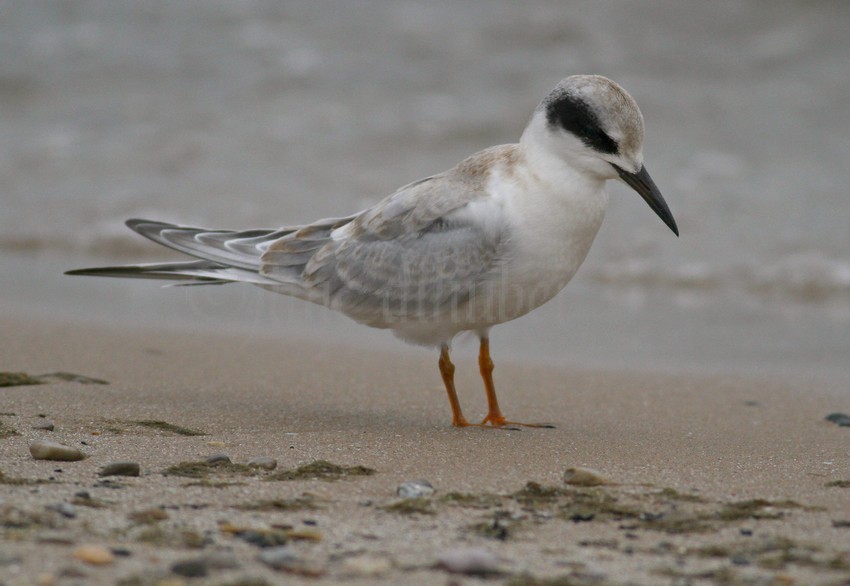
Weight: 1 Lb

Habitat: Breeds on grass areas of the tundra and stone covered ground on inland lakes or the ocean. Breeding range is northern Alaska and northern Canada. They winter in southern hemisphere areas along coasts. Much of their time is spent miles from shore on the ocean.
Diet: Their diet includes insects, smaller birds, eggs from birds, berries and rodents. This bird harasses gulls, kittiwakes and terns then steals their catches.
Nesting: The nest is just a shallow depression on the ground among small rocks or stones lined with grasses or lichen. Both parents incubate usually 2 laid eggs brown-olive in color. The young usually leave the nest within 2 days but stay close by.

_rIMG_2945_cr

_rIMG_2968_cr

_rIMG_2982_cr

_rIMG_2986_cr

_rIMG_3001_cr

_rIMG_3002_cr

_rIMG_3021_cr

_rIMG_3030_cr

_rIMG_3031_cr

_rIMG_3032_cr

_rIMG_3038_cr

_rIMG_3039_cr

_rIMG_3056_cr

_rIMG_3084_cr

_rIMG_3085_cr

_rIMG_3086_cr

_rIMG_3087_cr

_rIMG_3106_cr

_rIMG_3107_cr

_rIMG_3117_cr

_rIMG_3128_cr