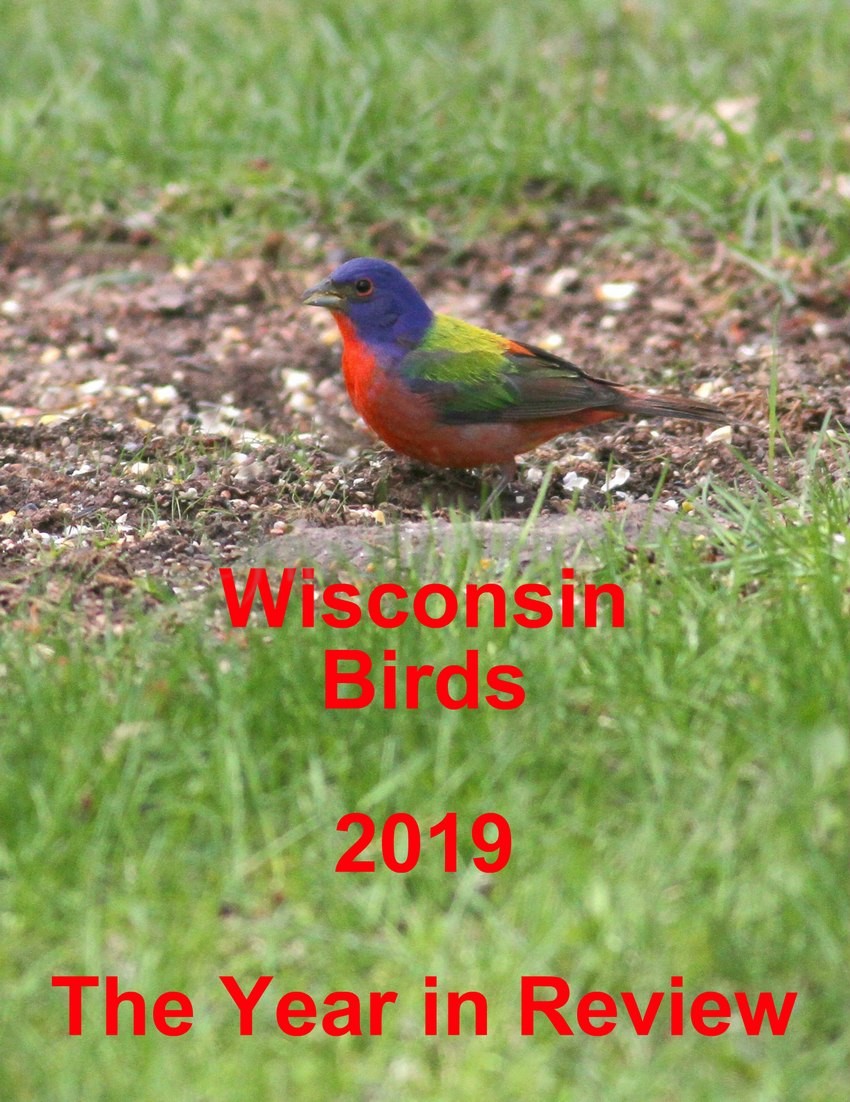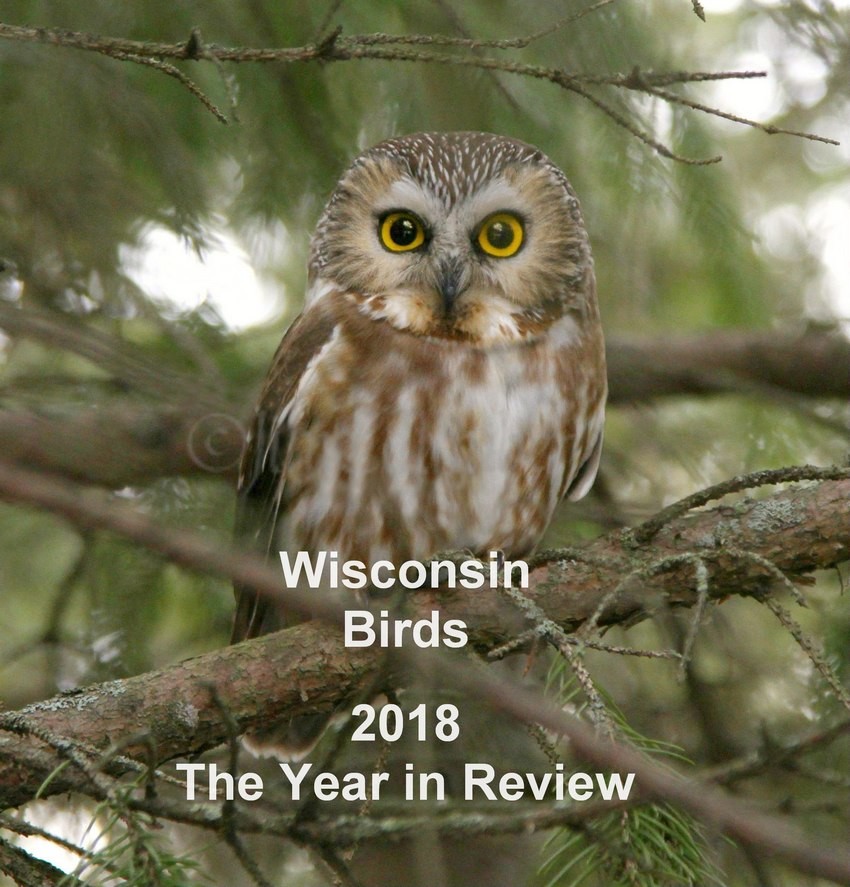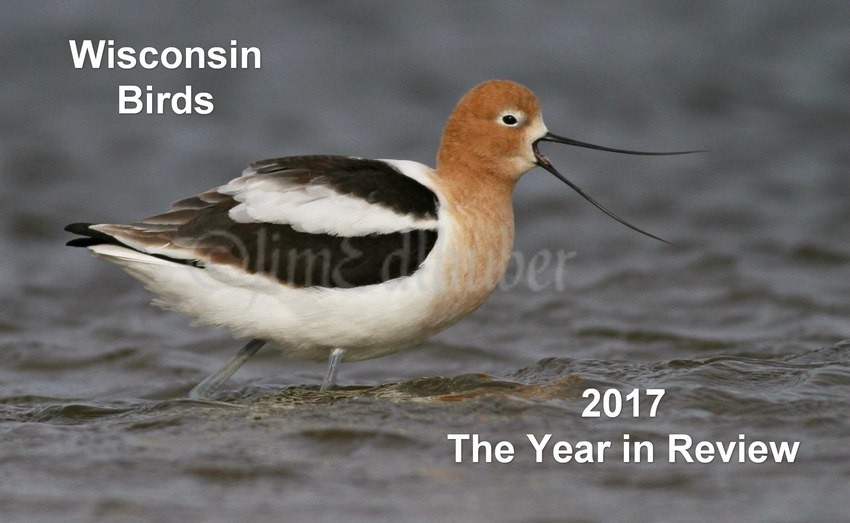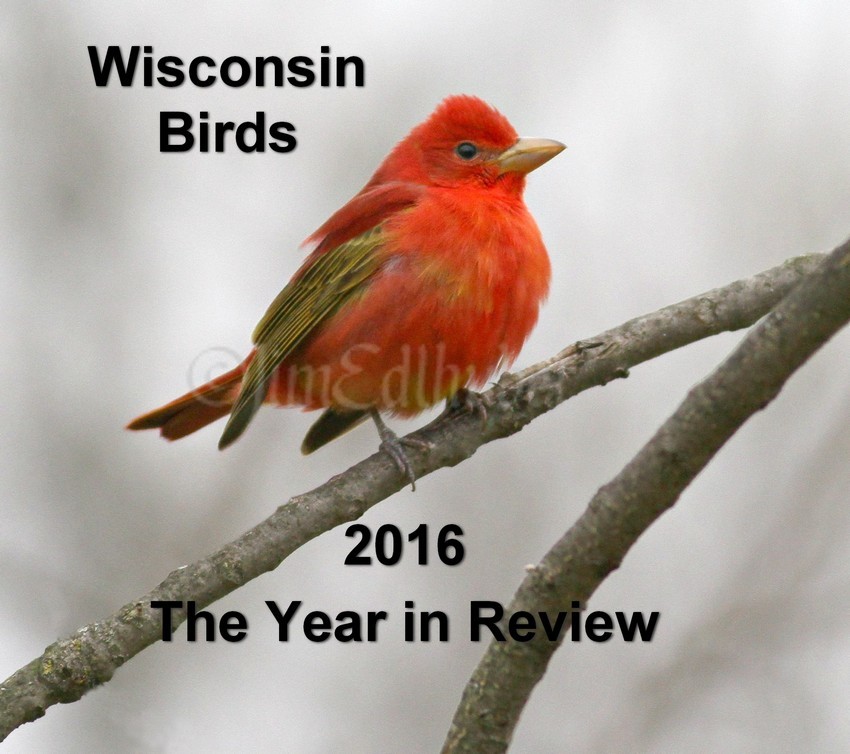
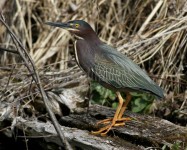
An adult Green Heron at Wehr Nature Center in Greenfield WI. Juvenile Green Herons at Veterans Park Lagoon Milwaukee WI . Photographs were taken in 2011.
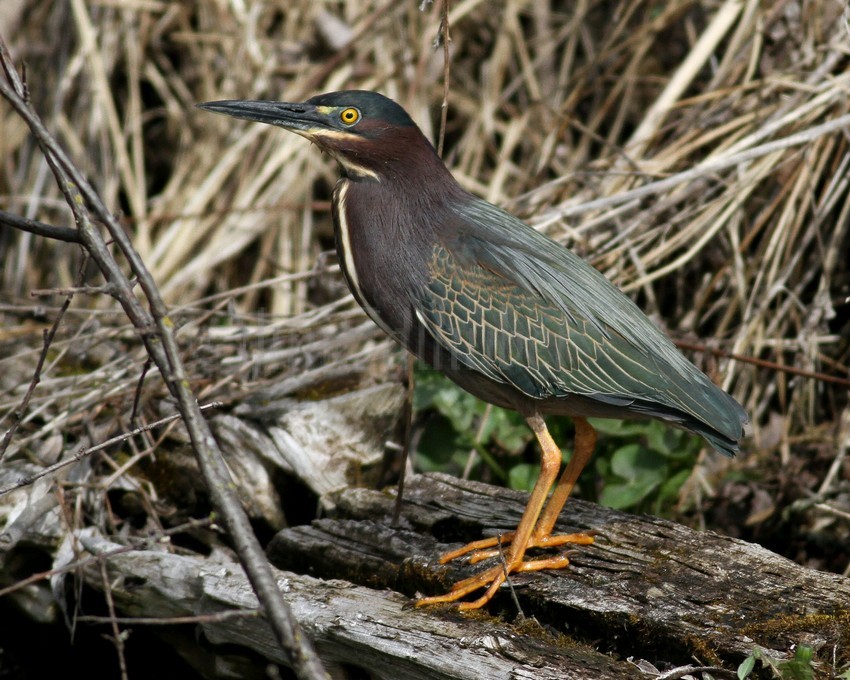
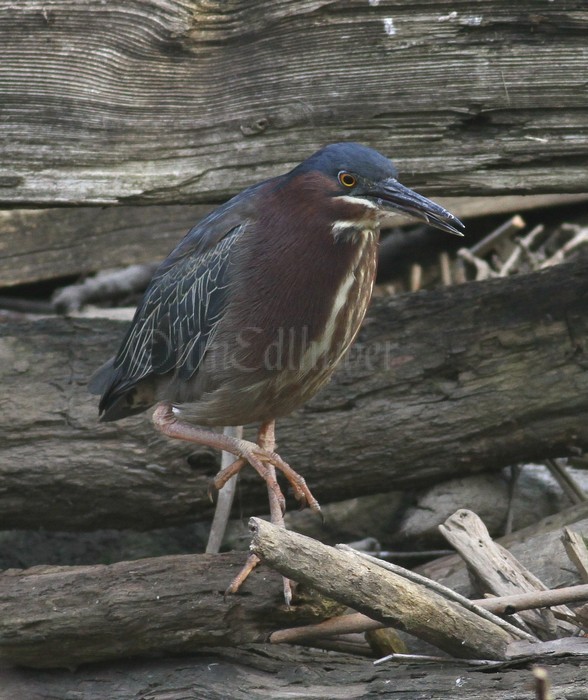
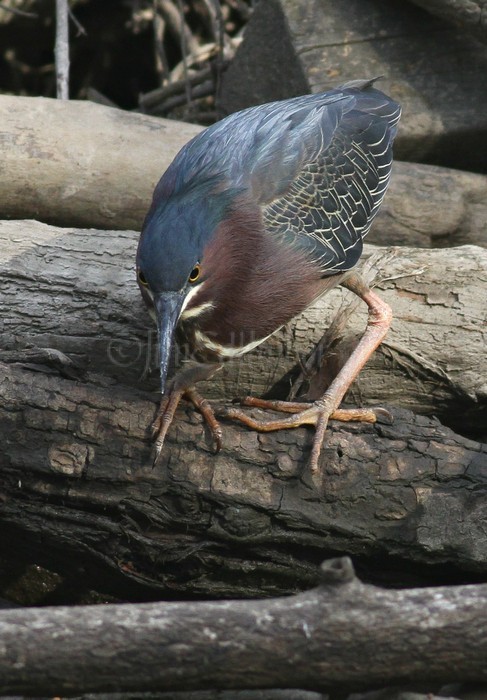
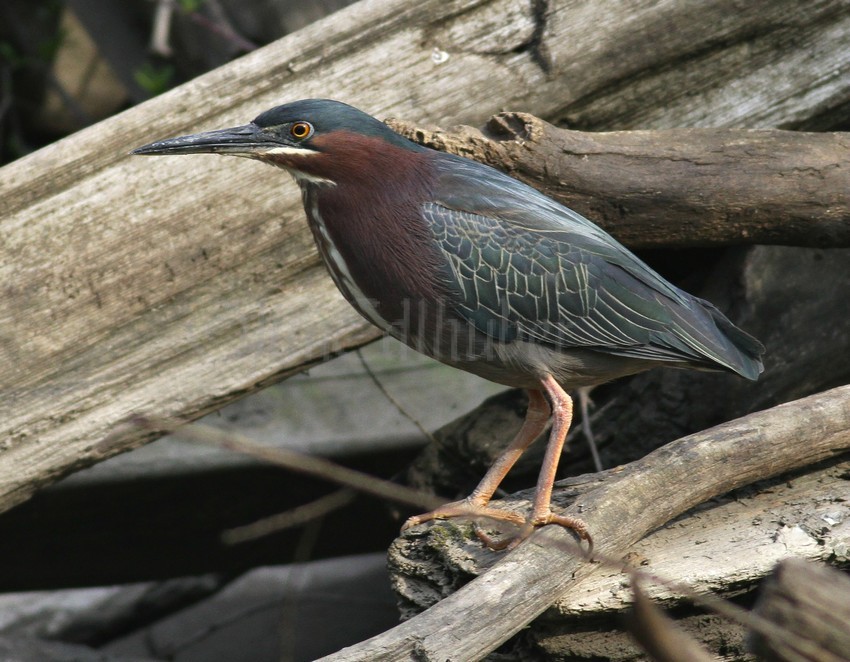
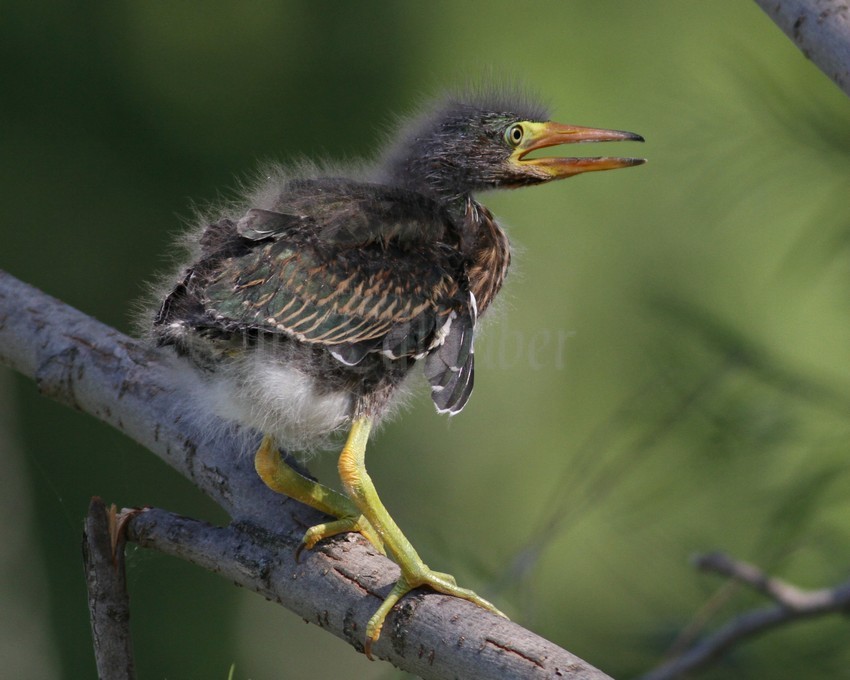
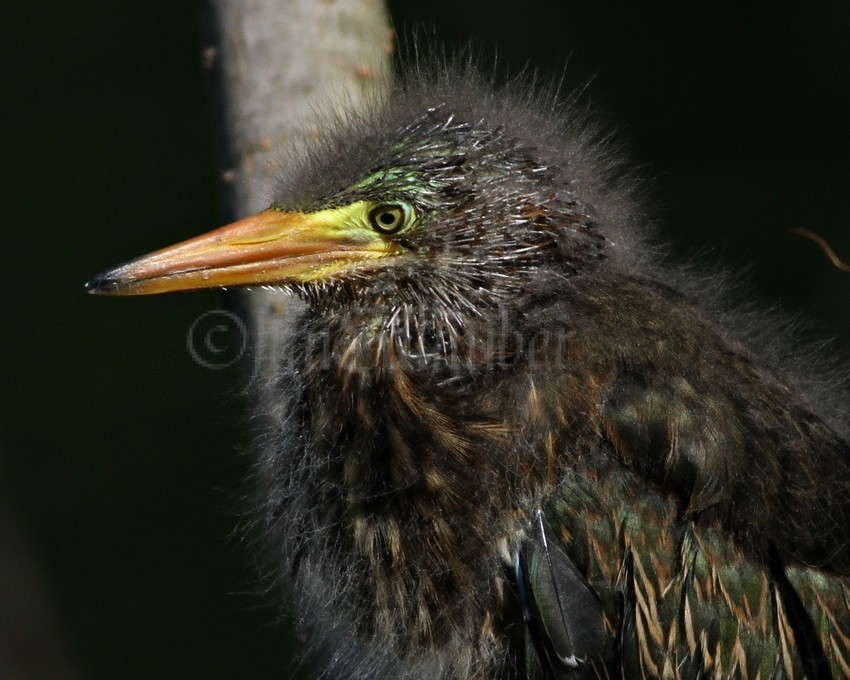
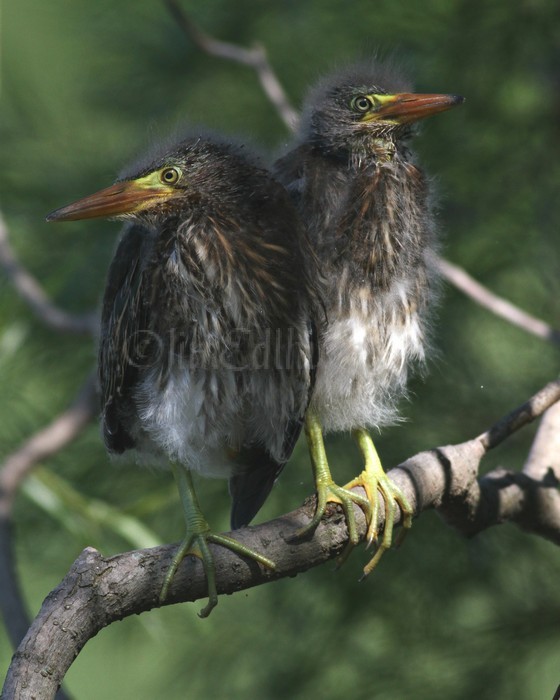
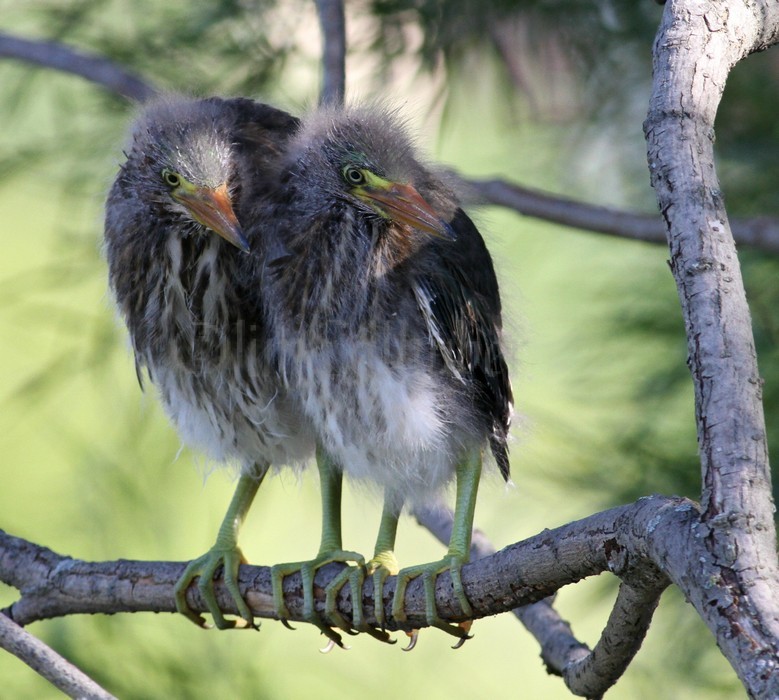
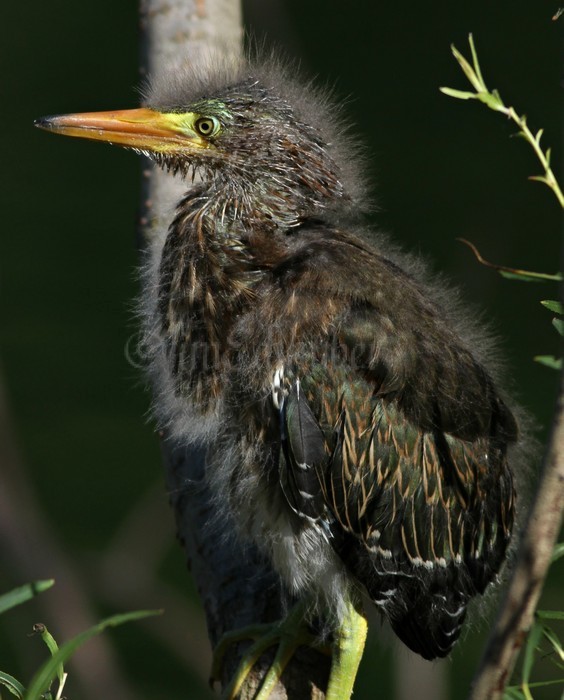
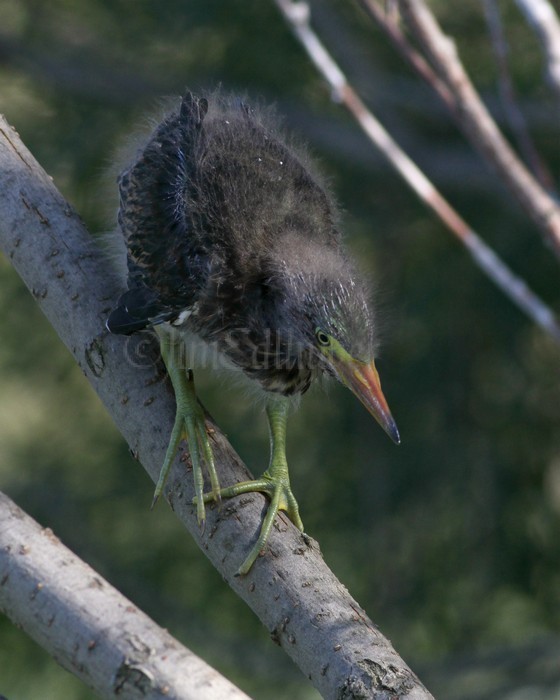
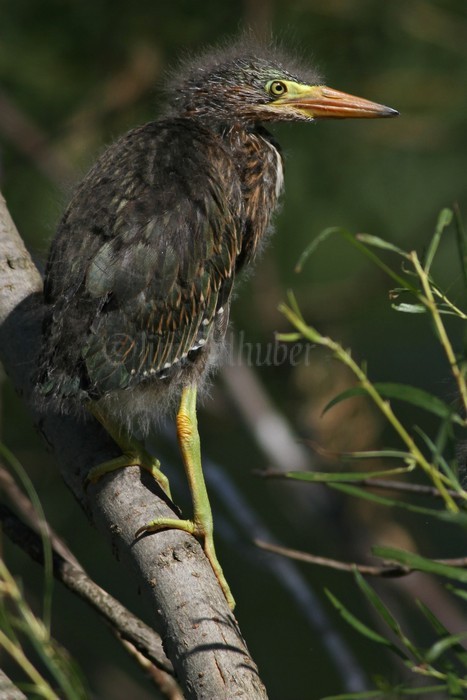
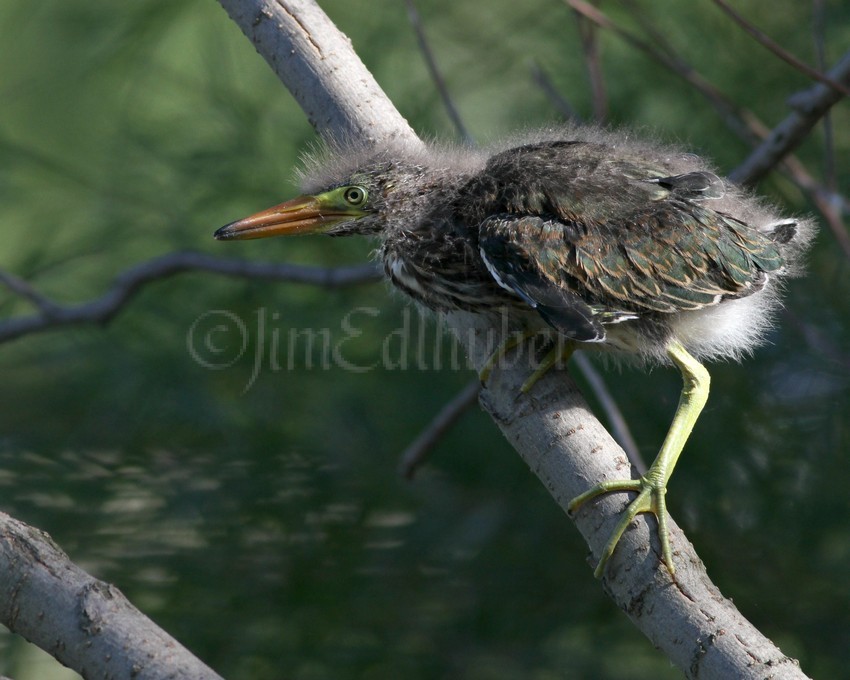
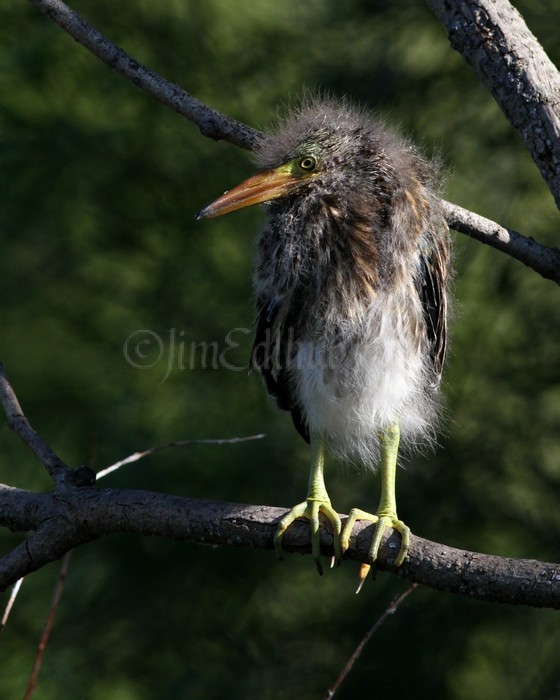
An adult Green Heron at Wehr Nature Center in Greenfield WI. Juvenile Green Herons at Veterans Park Lagoon Milwaukee WI . Photographs were taken in 2011.
While birdwatching in Marquette County, I was able to photograph Eastern Bluebirds, a Red-headed Woodpecker, and others on October 26, 2013. Images were taken near a small water source where birds were coming and going, bathing, preening and drinking.
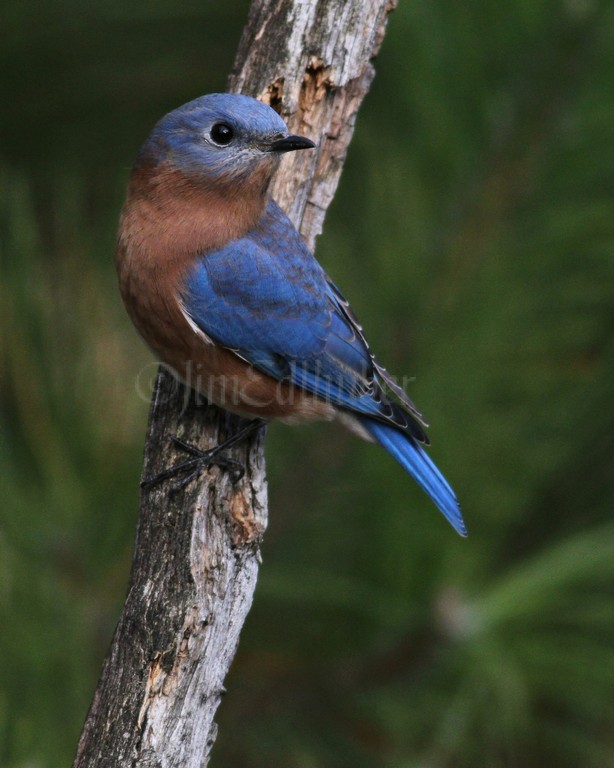
Eastern Bluebird
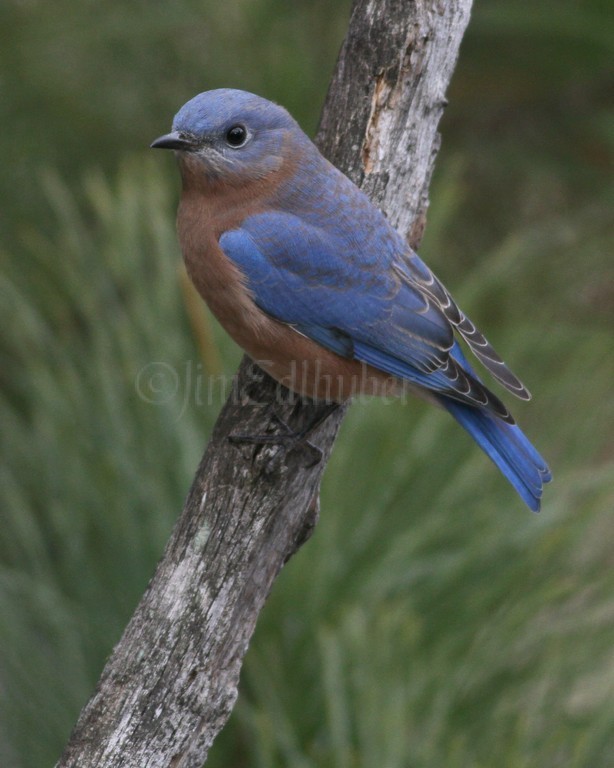
Eastern Bluebird
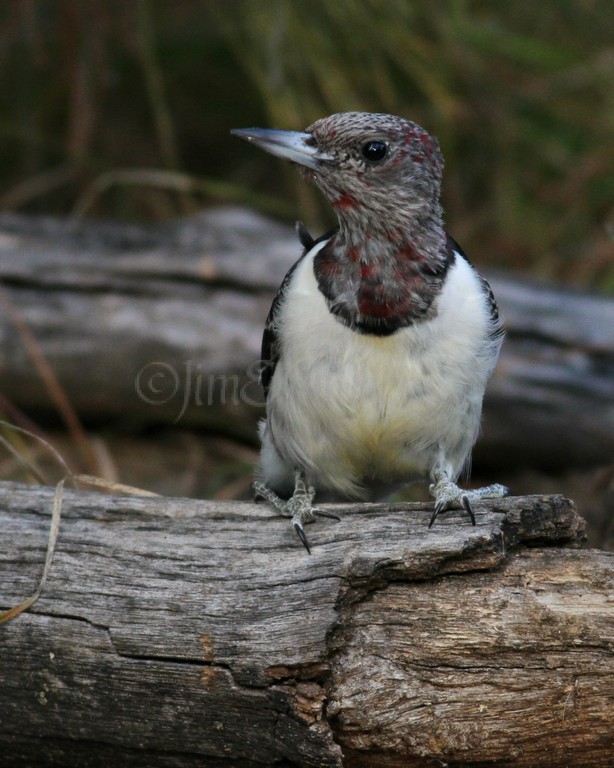
Red-headed Woodpecker, Juvenile transitioning to the red head
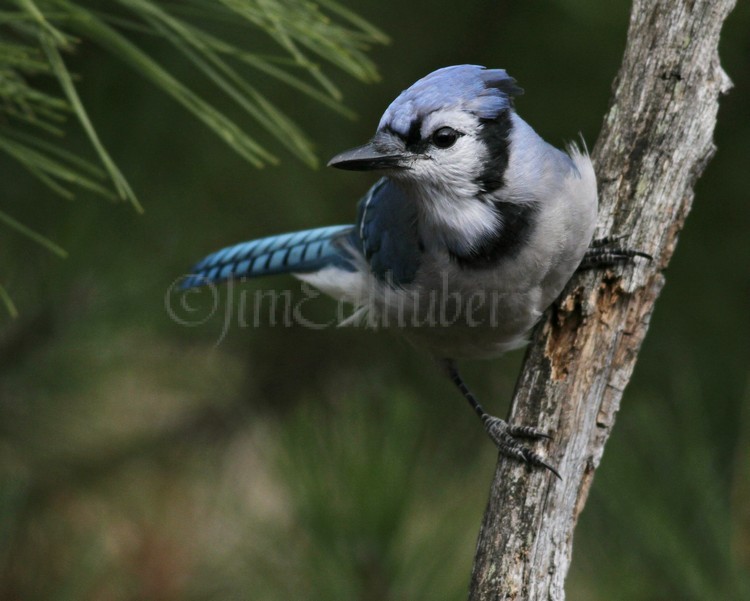
Blue Jay
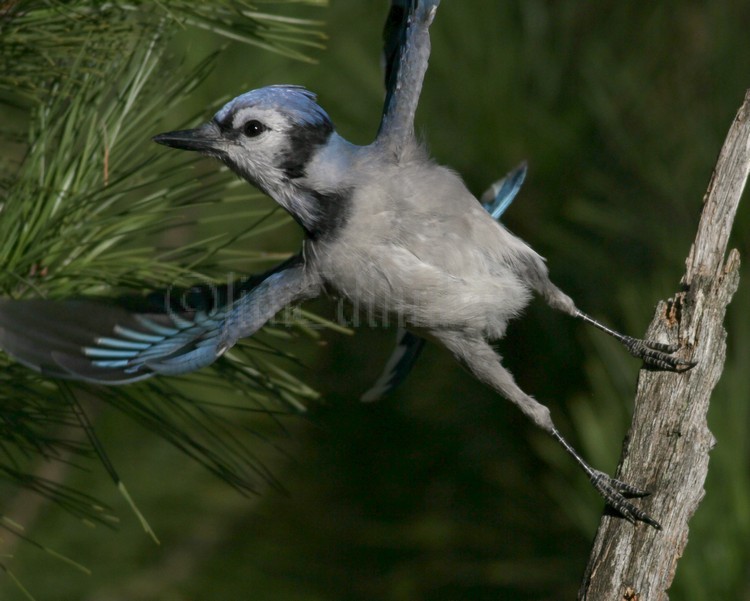
Blue Jay
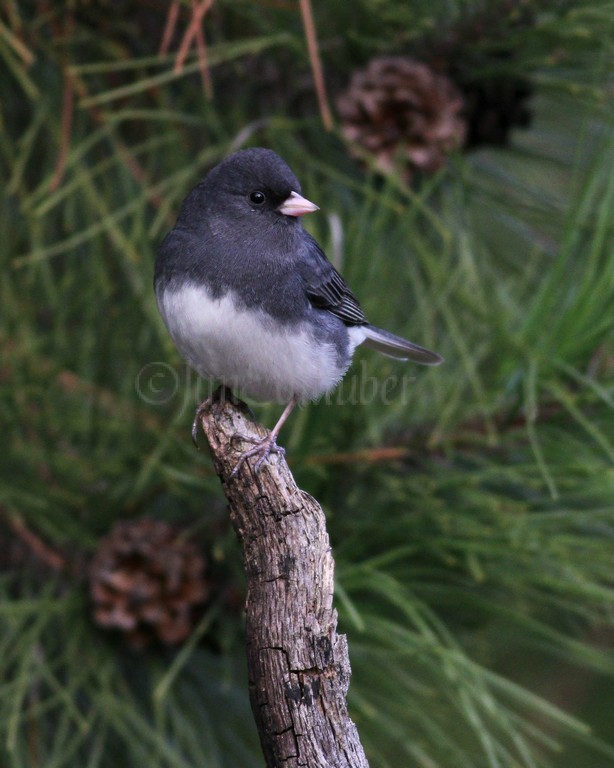
Dark-eyed Junco
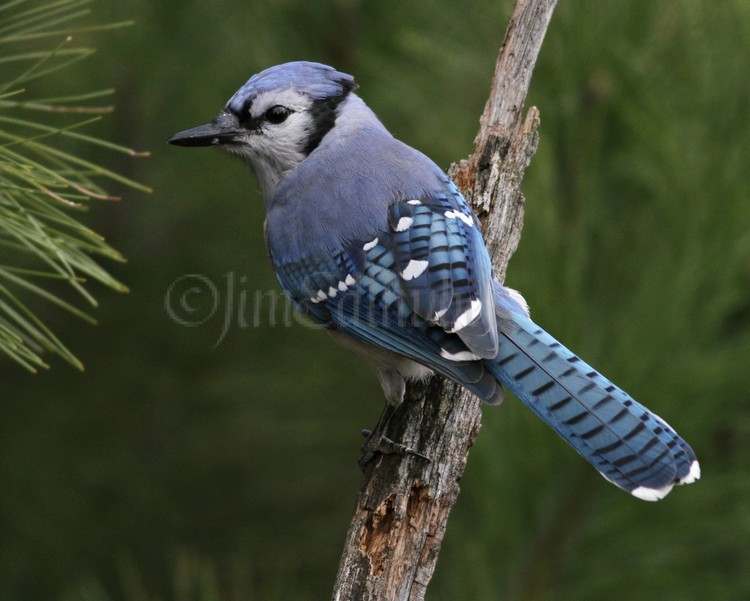
Blue Jay
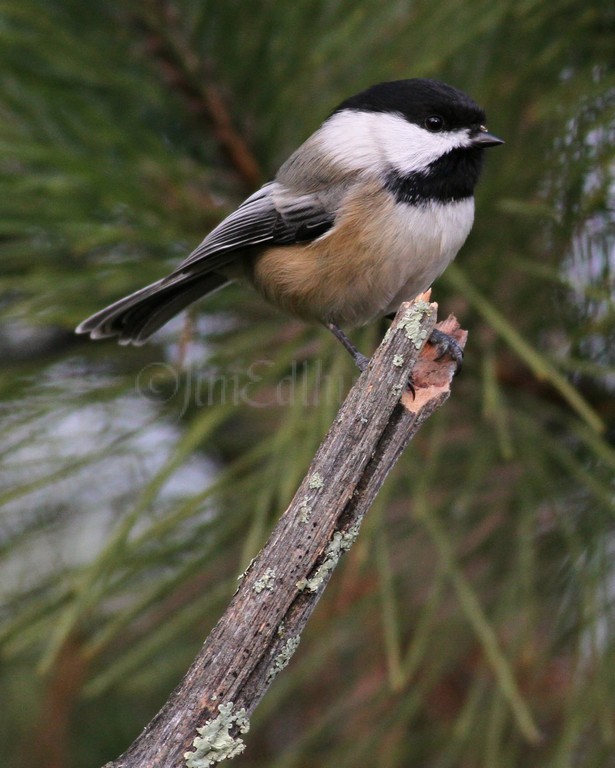
Black-capped Chickadee
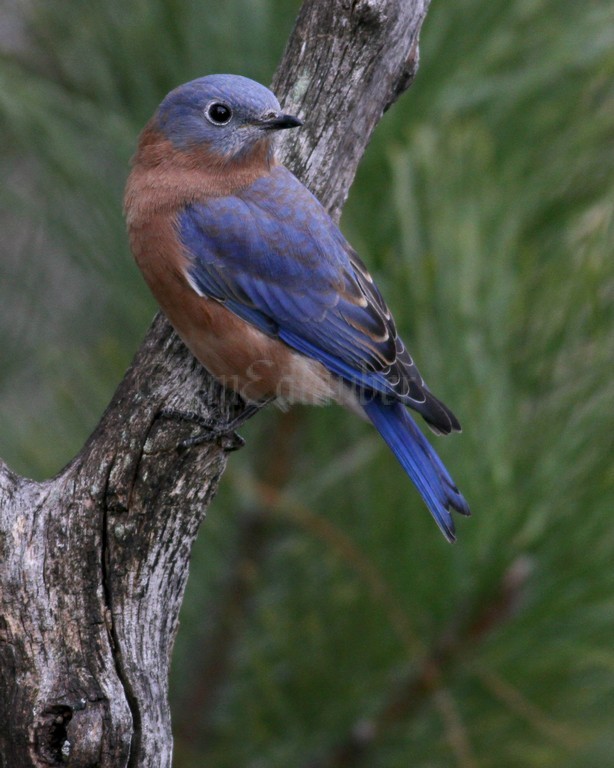
Eastern Bluebird
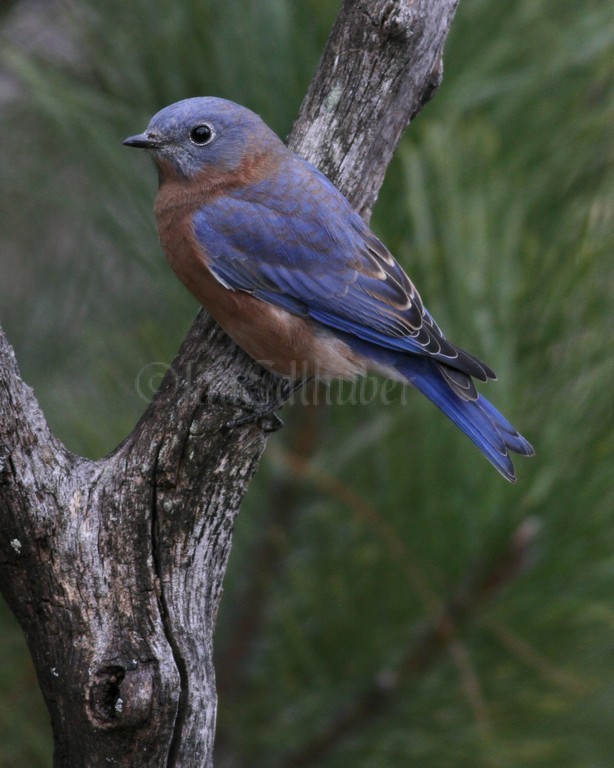
Eastern Bluebird
To see the gallery of images, please click here.
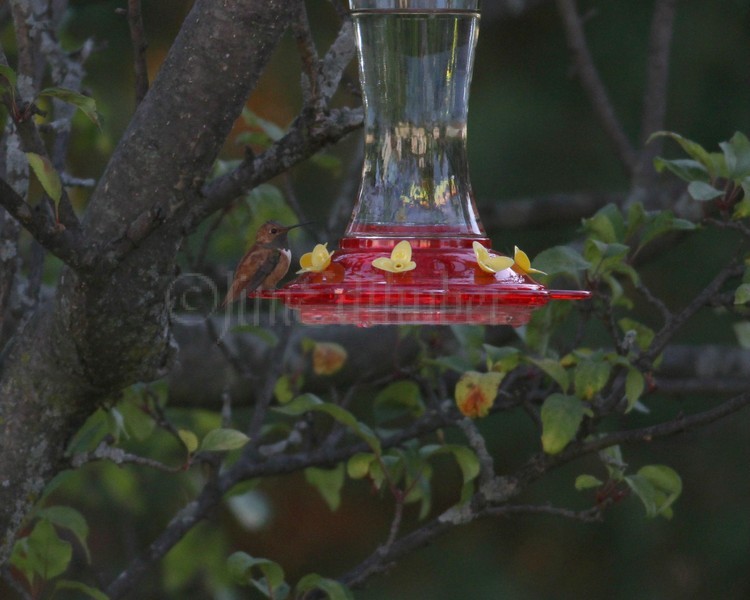
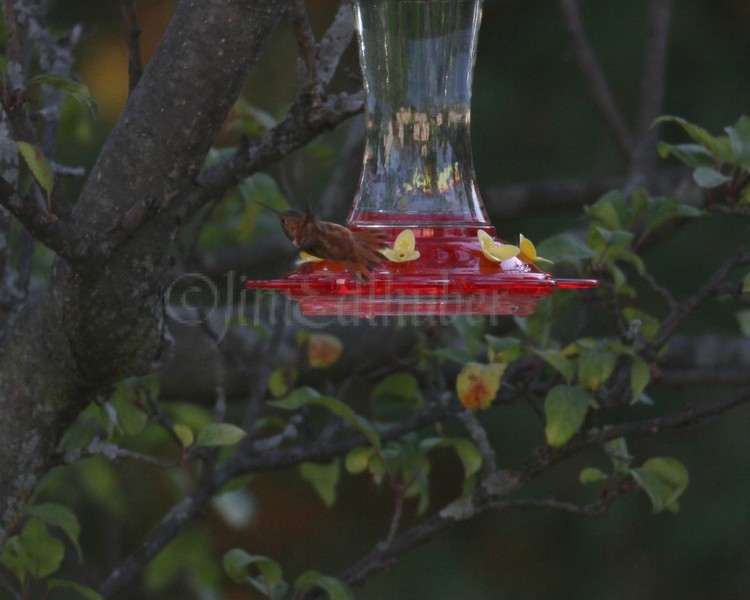
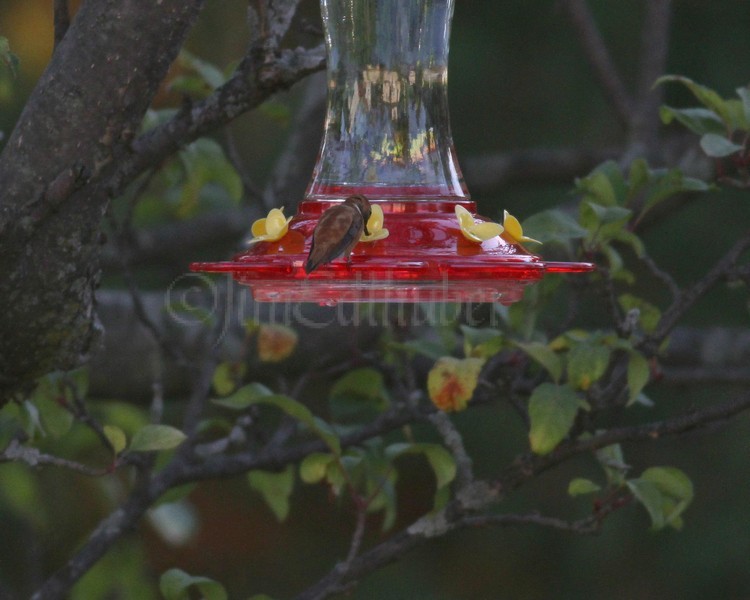
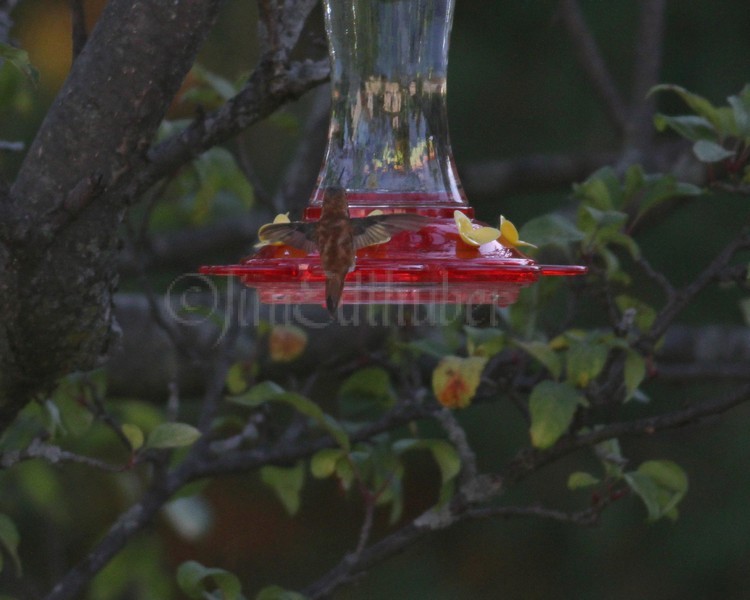
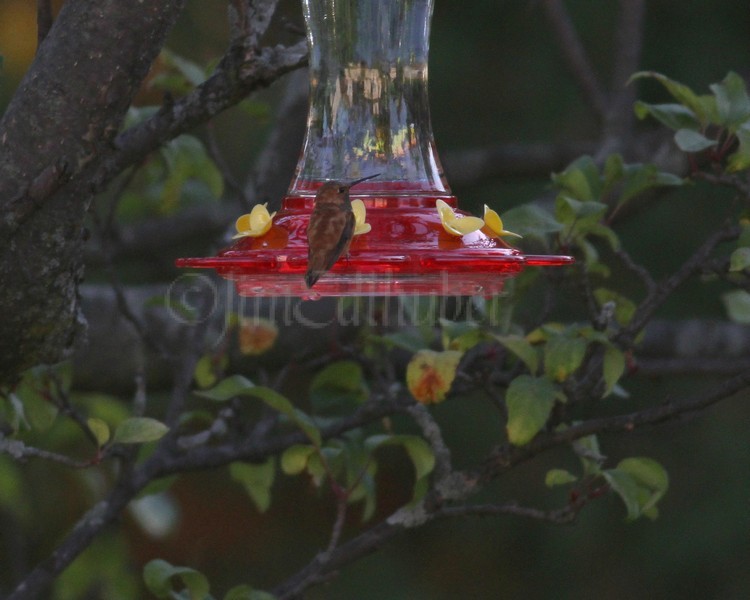
Rufous Hummingbird photographed in Sheboygan, Wisconsin on October 27, 2013.
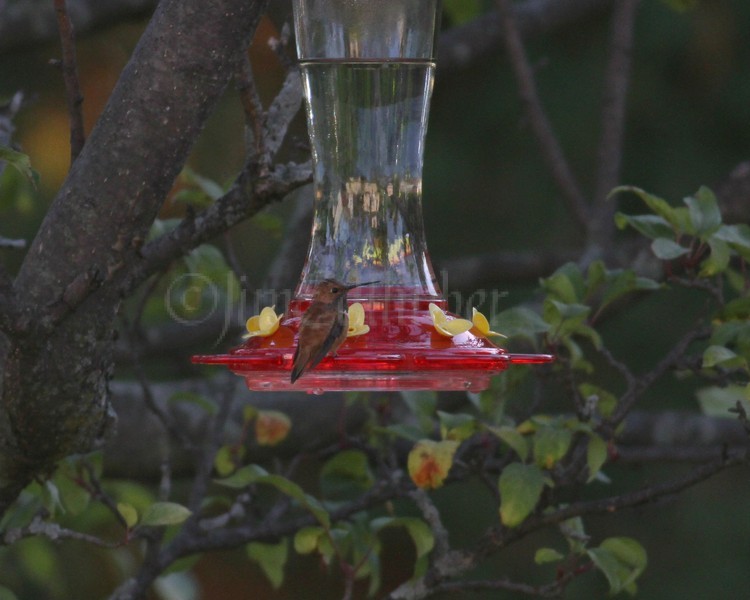
Binomial name: Selasphorus rufus
Category: Hummingbirds
Description: Primarily rust-colored feathers with a small patch of white on the chest. Red-orange patch on throat. Short wings and a slender, slightly sloping bill.
Size: 2.8″-3.5″ long, 3” – 4” wingspan
Weight: 0.071 oz. – 0.18 oz
Habitat: Open broadleaf forests, orchards, meadows, parks, swamps, and yards
Natural Range: West Coast from Alaska to Mexico and Rocky Mountains, wintering in the Gulf Coast and Southeastern Atlantic states. They are occasionally, although rarely, found in cold-weather areas such as the Midwest due to their surprising hardiness.
Diet: Tree and flower nectar, small insects, and hummingbird feeders
Nesting: The males may mate with several females but do not care for the young. The female provides all parental care, building a nest in a protected tree or shrub. They favor either deciduous or coniferous trees such as spruce, cedar, maples, pines, birch, and hemlocks. The nest is made out of bud scales, lichen, spider silk, and dandelion or thistle down. The same nest may be used year after year and not necessarily by its previous occupant. The female will lay 2-3 eggs at a time, laying 1 brood per summer. She incubates the eggs for 15-17 days, and the young remain in the nest for 15-19 days.
Notes: This high-strung bird is considered extremely aggressive and will chase other animals from feeders or its nest including larger birds, chipmunks, and even other hummingbirds. Like other hummingbirds, Roufus Hummingbirds are adept flyers and can hover, dart, and perch with ease. They have even been seen to pluck insects out of midair.
To see the gallery of images, please click here.
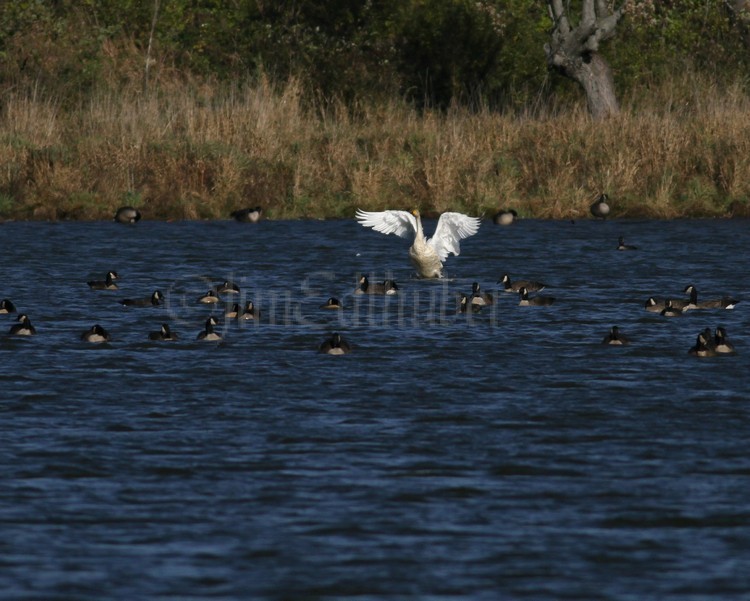
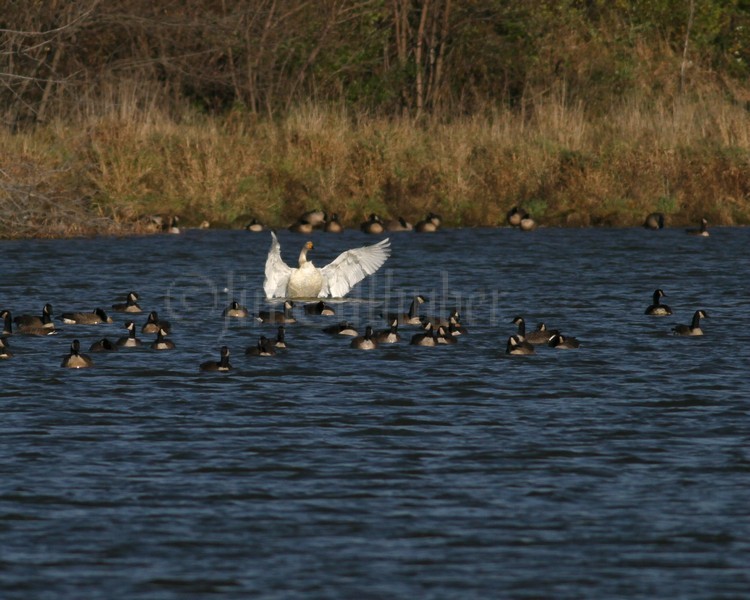
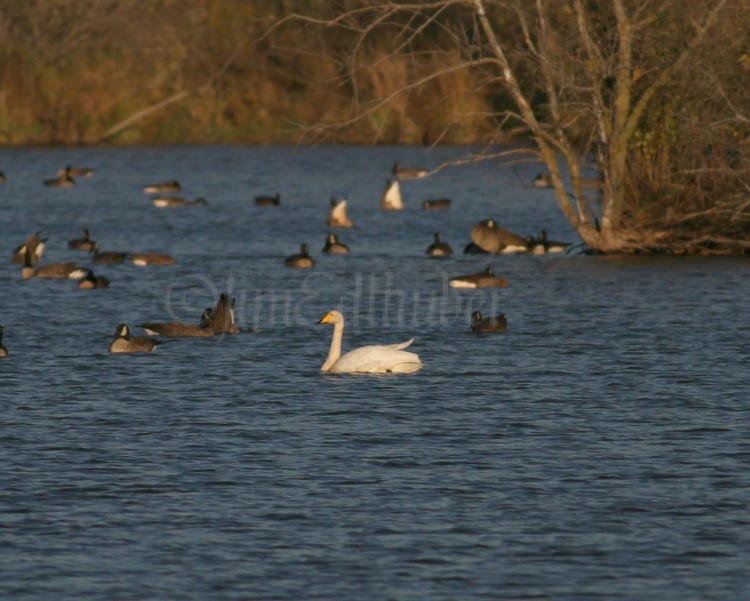
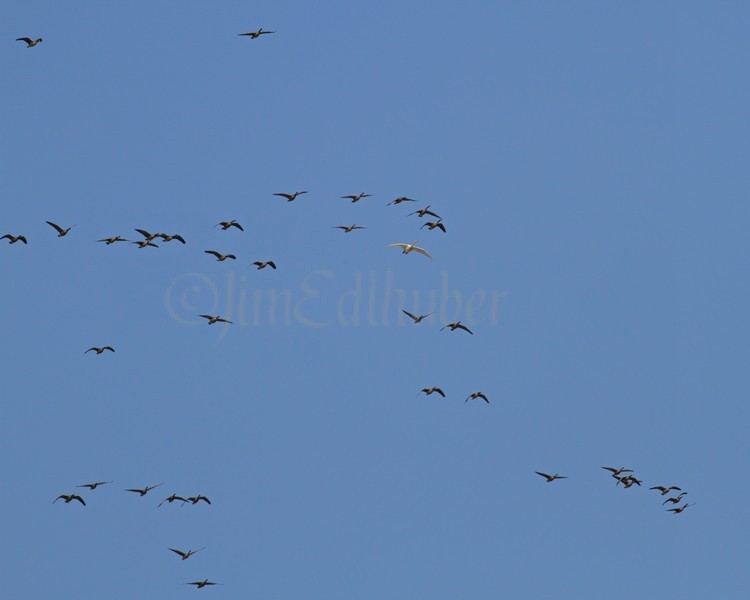
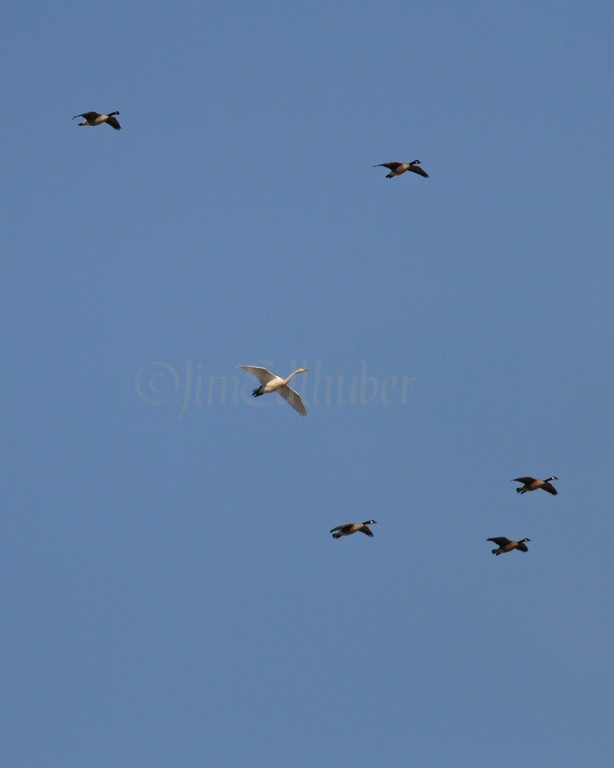
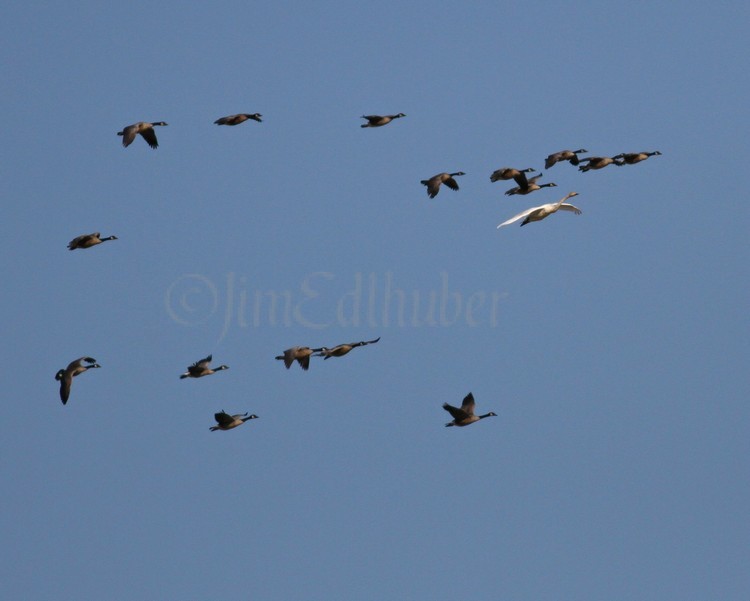
Whooper Swan photographed at the Otsego Marsh in Columbia County, Wisconsin on October 27, 2013. At this time it is unknown if this bird is a wild bird or an escapee bird.
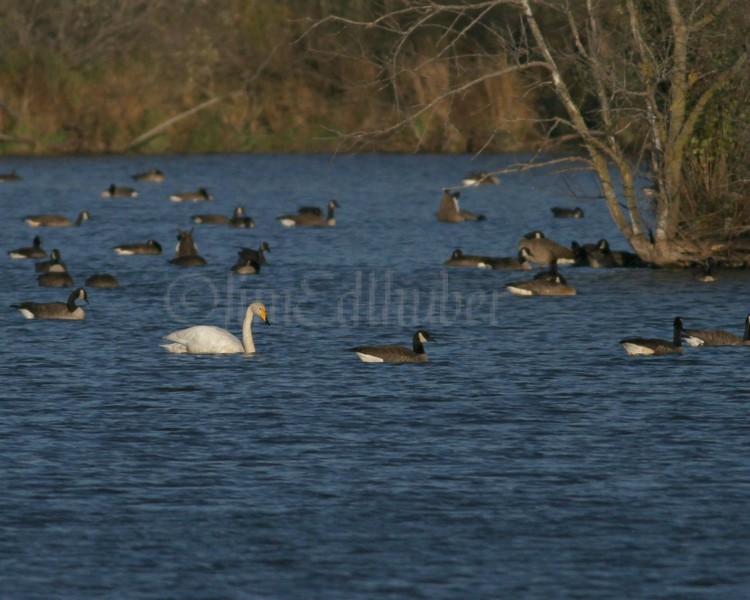
Binomial name: Cygnus cygnus
Category: Ducks, Geese, and Swans
Description: White body with a black and yellow bill, more yellow than black. Black legs and feet.
Size: 55” – 65” long, 81” – 108” wingspan
Weight: 16 lbs. – 31 lbs.
Habitat: Freshwater lakes, shorelines, slow rivers, wetlands, marshes, swamps, and bogs
Natural Range: Breeds in Northern Eurasia and winters primarily in the United Kingdom and Southern Asia. It is extremely rare to see one in the United States.
Diet: Aquatic plants, leaves, stems, roots, grasses, and sedges. In winter will also eat grains, acorns, and vegetables such as turnips or potatoes.
Nesting: Both parents build the nest out of grasses, leaves, and other plants pressed into a mud flat or reed beds. The male will stand guard while the female incubates the eggs (4 -7 eggs per clutch). Mating pairs will breed for life, and the same nest may be used repeatedly over several years with repairs being made as necessary. Sometimes offspring from previous years will rejoin their parents.
Notes: Although large in size, this bird has comparatively small legs. Consequently, it spends most of its time swimming and scouring bodies of water for food instead of walking on land. It is also the national bird of Finland. The yellow markings on each swan’s bill are unique and can identify a particular bird in much the same way humans may be identified by fingerprints.
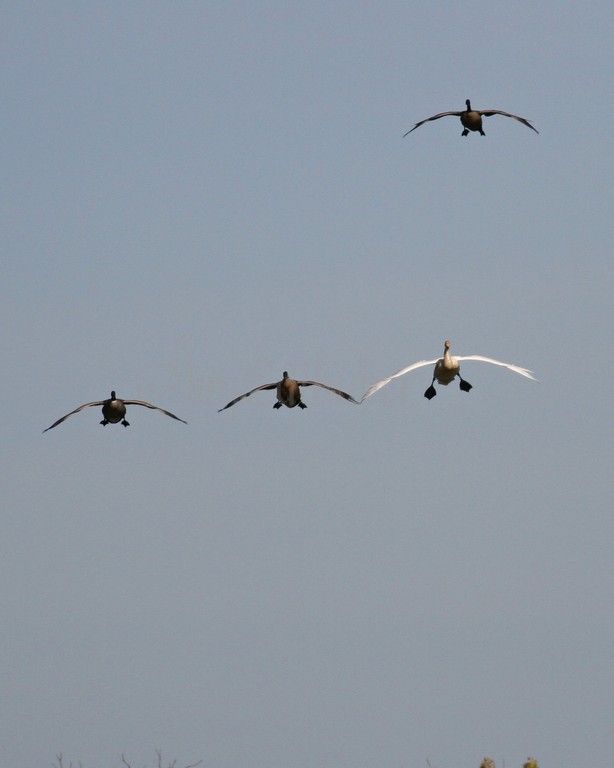
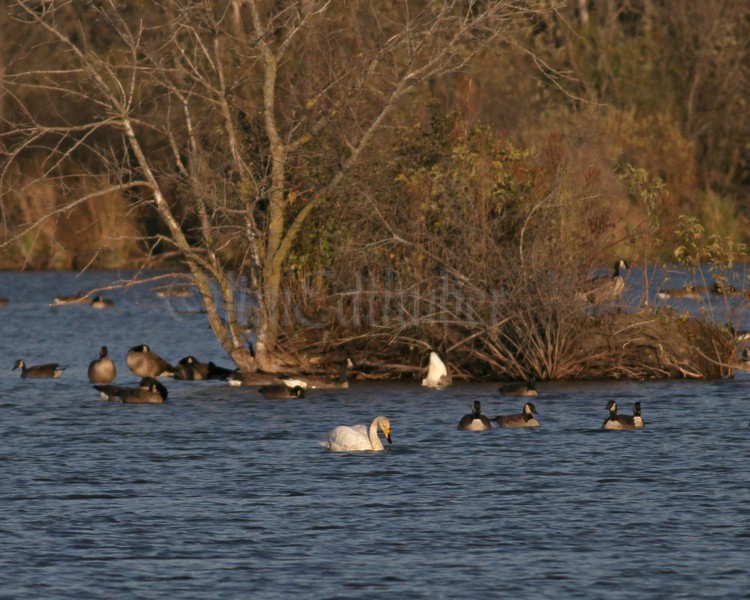
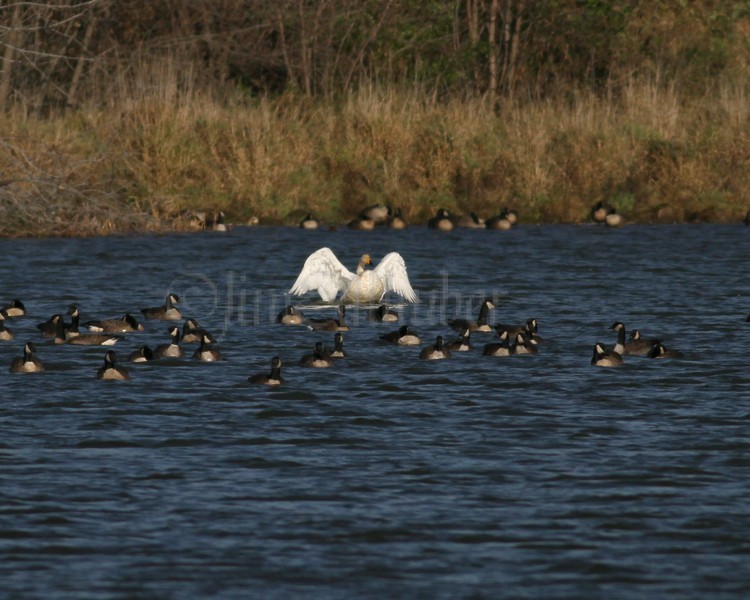
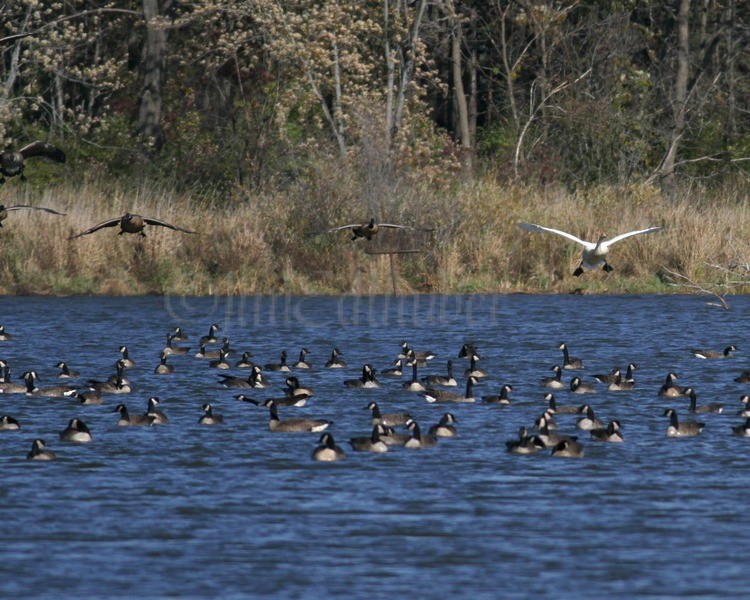
To see the gallery of images, please click here.
Yellow-rumped Warblers and Cedar Waxwings sharing the berries of a cedar tree in Waukesha County. Photographs taken October 19, 2013.
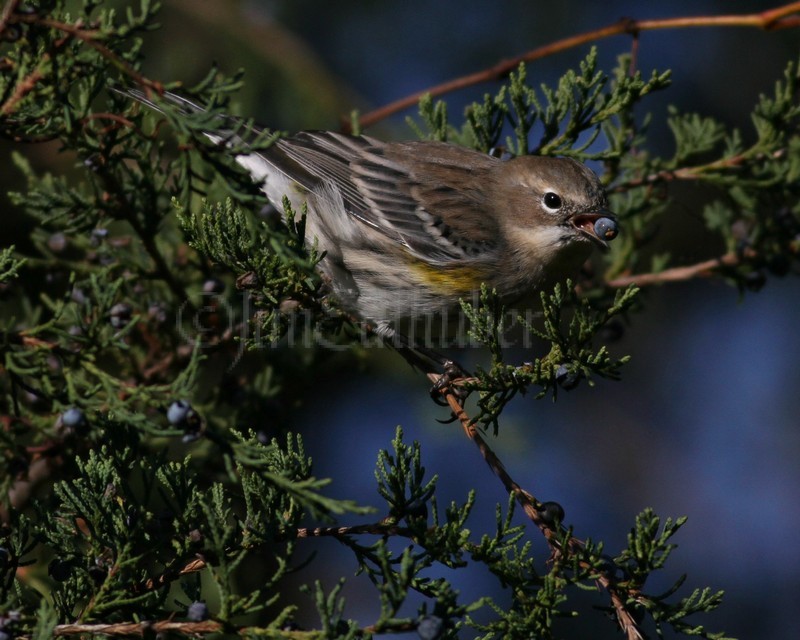
1st winter Yellow-rumped Warbler
Binomial name: Setophaga coronata
Category: Wood-Warblers
Description: Both males and females have gray streaks, white on wings, and yellow rumps. Males have black streaking on slate blue backs while females also have brown steaks. Both have black bills and legs.
Size: 4.7″-5.9″ long, 7.5” – 9.4” wingspan
Weight: 0.39 oz. – 0.49 oz.
Habitat: Broadleaf and pine forests, mountains
Diet: Insects such as beetles, ants, aphids, grasshoppers, and spiders, as well as berries, fruits, and seeds
Nesting: The female builds the nest on a conifer branch out of grass, pine needles, twigs, and feathers. The male may help supply materials. The clutch size is 1 to 6 eggs, usually 3 or 4, with 1 to 2 broods laid per season. The female incubates the eggs for 12 or 13 days and the young can fledge after 10 to 14 days.
Notes: Four related species are often lumped together as the Yellow-rumped Warbler: Myrtle Warbler, Audobon’s Warbler, Mexican black-fronted Warbler, and Guatemalan Goldman’s Warbler.
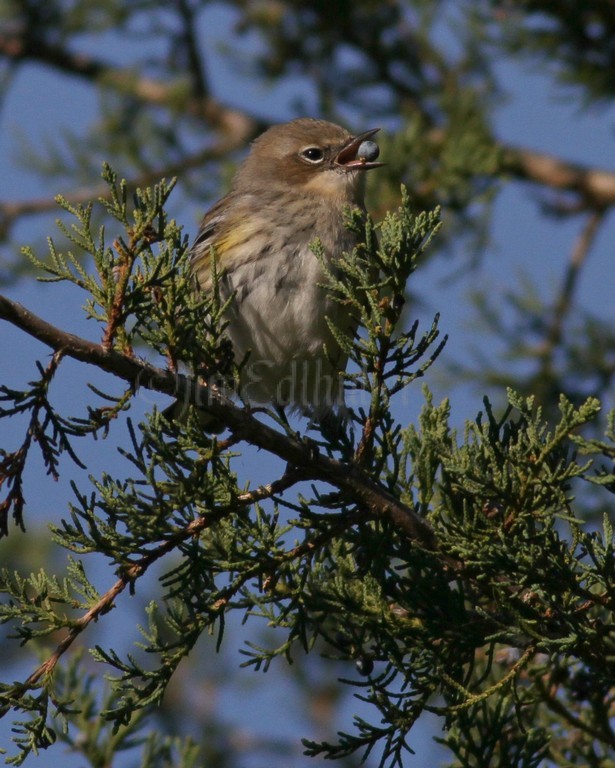
1st winter Yellow-rumped Warbler
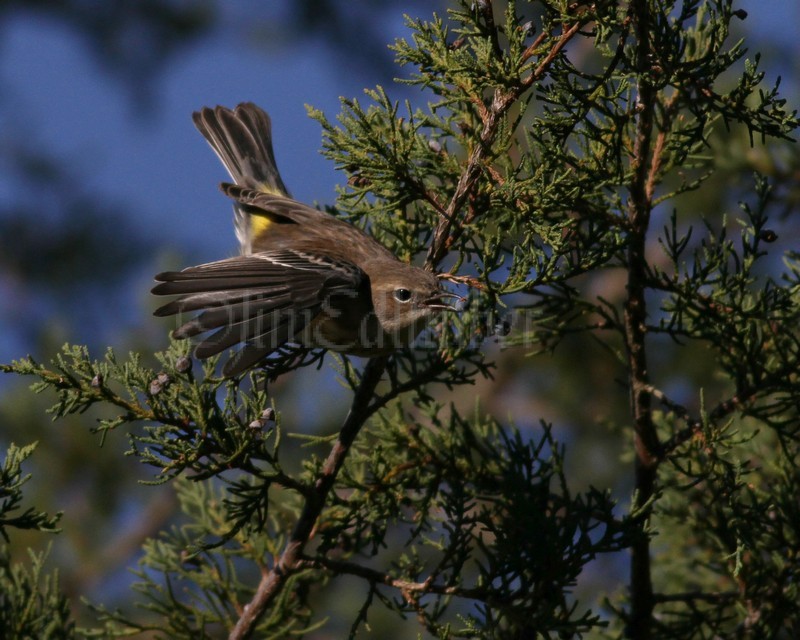
1st winter Yellow-rumped Warbler
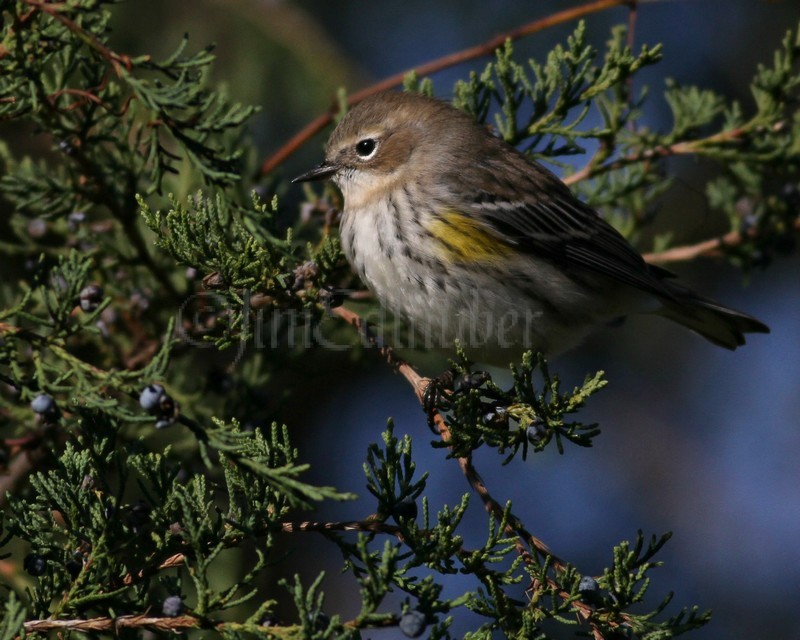
1st winter Yellow-rumped Warbler
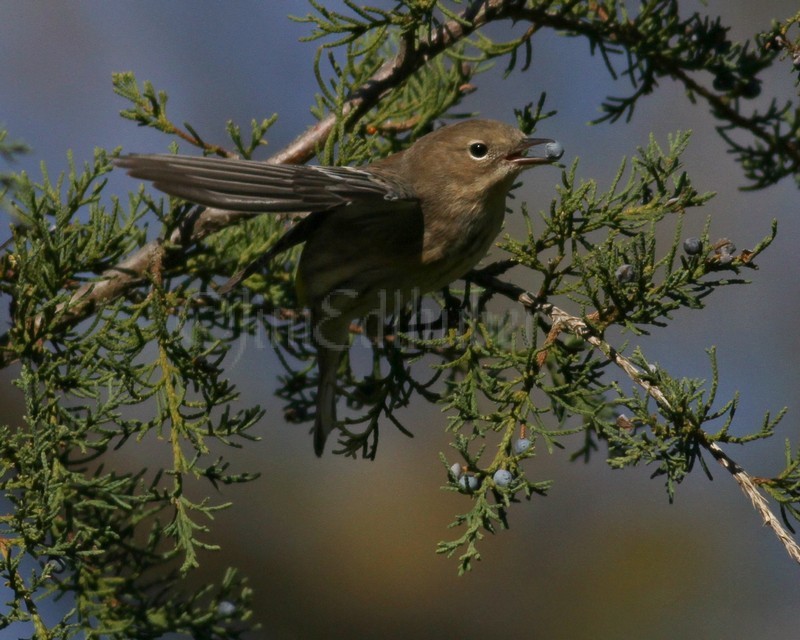
1st winter Yellow-rumped Warbler
Binomial name: Bombycilla cedrorum
Category: Waxwings
Description: Pale brown on and chest with gray wings and tail. Pale yellow belly with and a bright yellow tip on the tail. Black mask on the face outlined in white and red drops on wings. Black bill and legs.
Size: 5.5” – 6.7” long, 8.7” – 11.8” wingspan
Weight: 1.1 oz.
Habitat: Open woodlands, orchards, and residences, particularly locations with fruit and berry sources
Diet: Berries, fruits, insects, and cedar cones
Nesting: The courtship ritual involves the male doing a “hopping” dance. If a female is interested, she’ll “hop” back. Mating couples will pass small objects between each other such as flowers or food and may rub bills affectionately. Females handle most of the nest-building using twigs, grass, feathers, and animal hair. 4 to 6 eggs will be laid per clutch with 1 to 2 broods per season, and the female incubates them for 11 to 13 days. Both parents will care for the young.
Notes: Unlike most birds, the Cedar Waxwing specializes in eating fruit. Instead of separating and regurgitating seeds from fruit and berries as most birds do, Cedar Waxwings will pass them. Occasionally if fruit has become overripe, Cedar Waxwings may ingest too much and become intoxicated or even die.
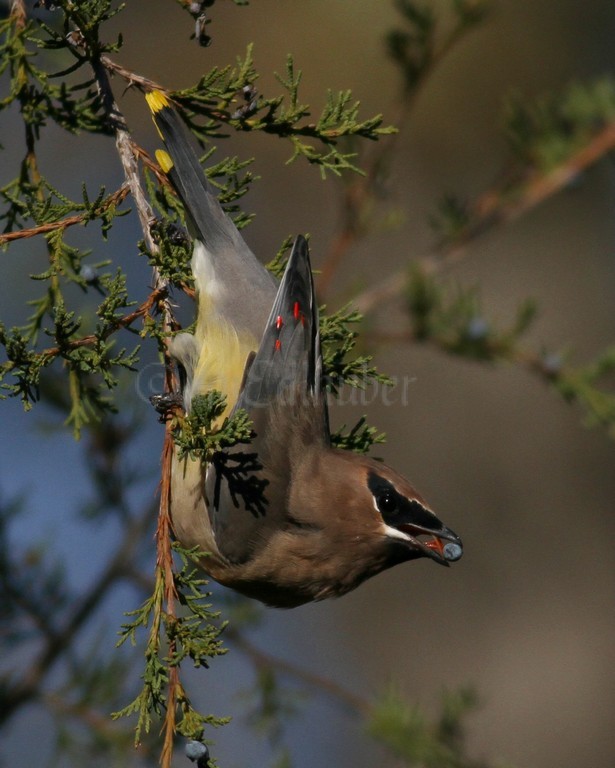
Cedar Waxwing
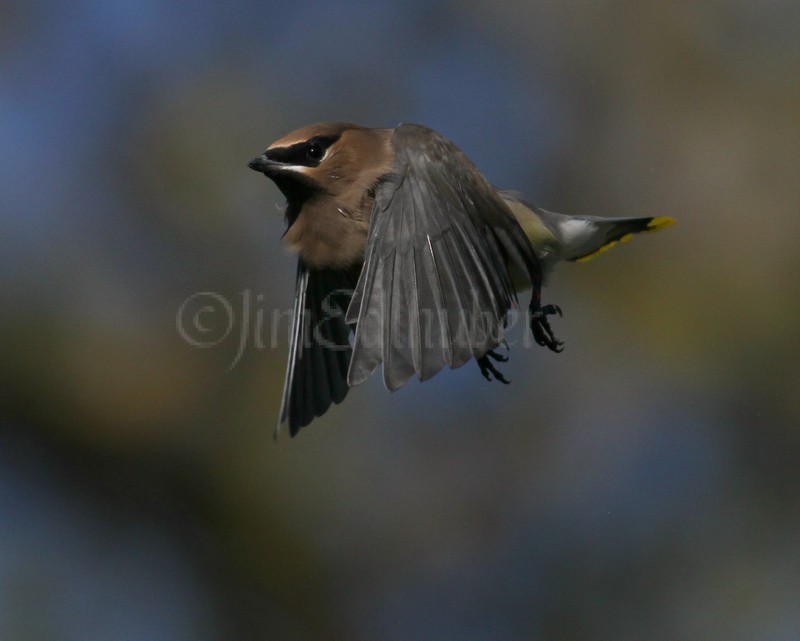
Cedar Waxwing
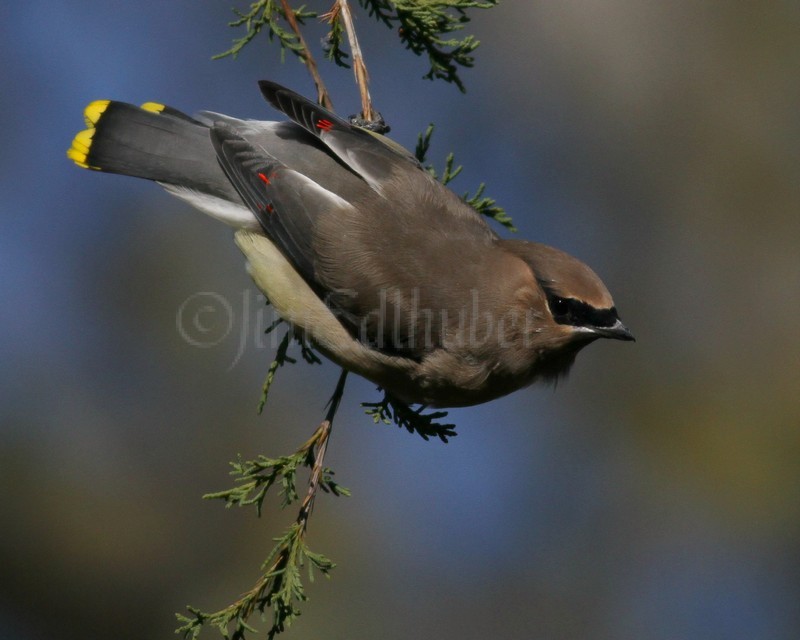
Cedar Waxwing
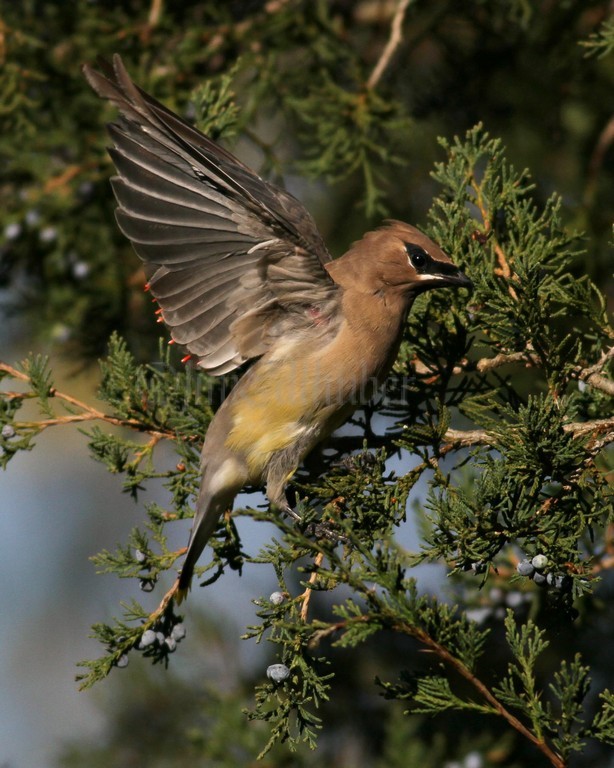
Cedar Waxwing
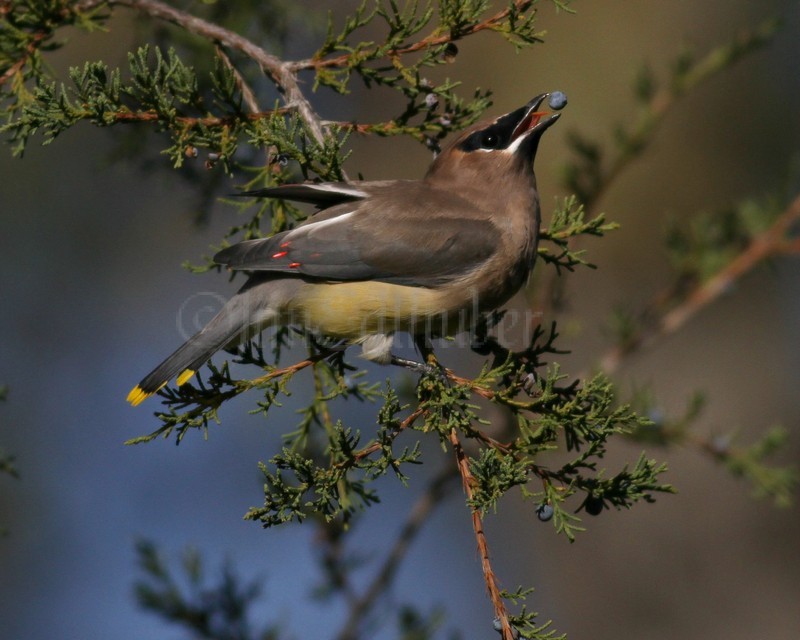
Cedar Waxwing
To see the gallery of images, please click here.
A Red-headed Woodpecker storing acorns for the winter in Marquette County, WI. Photographs taken October 13, 2013.
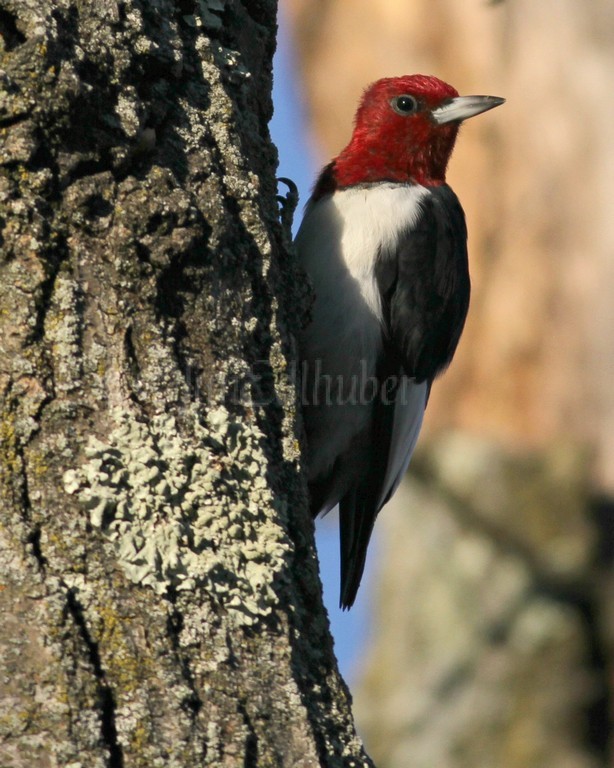
Red-Headed Woodpecker
Binomial name: Melanerpes erythrocephalus
Category: Woodpeckers and Allies
Description: Red head with black back and white underparts. The wings are black with white wingtips. Adult males and females have identical plumage (sexually monomorphic).
Size: 7.5″- 9.8″ long, 16.7” wingspan
Weight: 2.0 oz. – 3.4 oz.
Habitat: Deciduous and coniferous forests, orchards, swamps, wetlands, and farmland
Diet: Insects, fruits, berries, nuts, and seeds
Nesting: Nests are built by both partners in cavities of dead trees or utility poles. The males do most of the cavity excavation. Females lay 3 to 10 eggs at one time, up to two broods per season. The first brood is laid in May and incubated for 2 weeks, and hatchlings remain in the nest for 24 to 31 days. Red-headed Woodpeckers often reuse the same nesting cavity year after year.
Notes: The Red-headed Woodpecker stores food, only one of four species in North American known to do so. It may hide nuts, seeds, and insects. In fact, Red-headed Woodpeckers awesome store grasshoppers still alive, stuck in tight crevices or covered with bark. The Red-headed Woodpecker was also featured on a stamp from the United States Postal Service in 1996 and from 1999 – 2006.
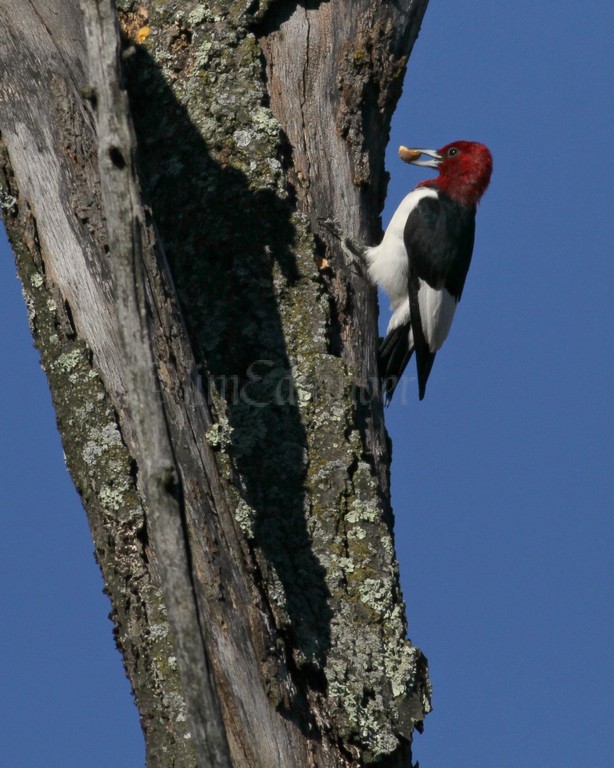
Red-Headed Woodpecker with acorn piece to hide under bark
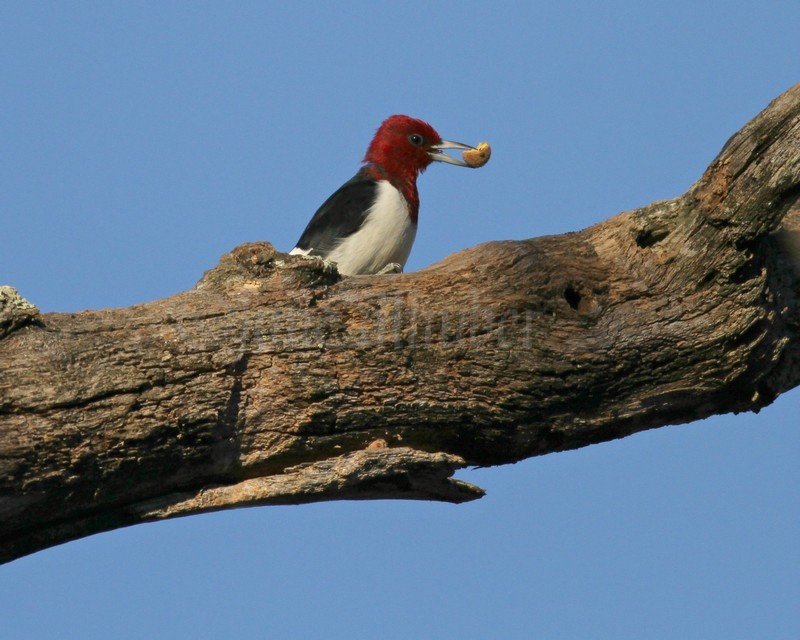
Red-headed Woodpecker just finished breaking apart the acorn with its bill in tree limb pocket
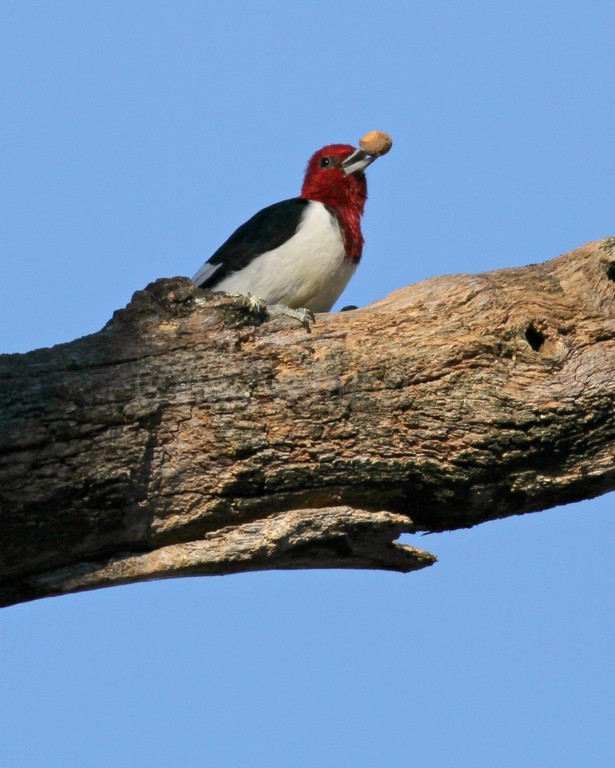
Red-headed Woodpecker just finished breaking apart the acorn with its bill in tree limb pocket
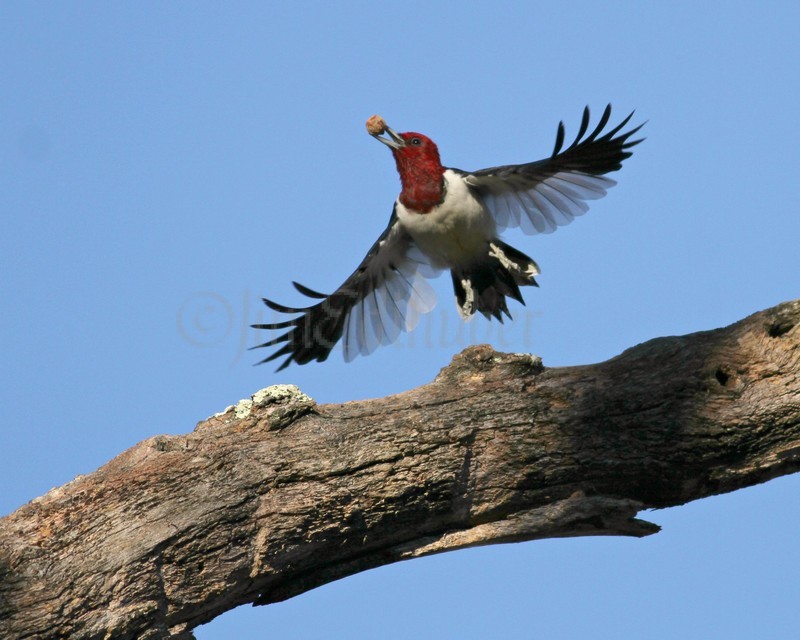
Red-headed Woodpecker takes flight to a nearby tree limb to hide the acorn piece behind bark
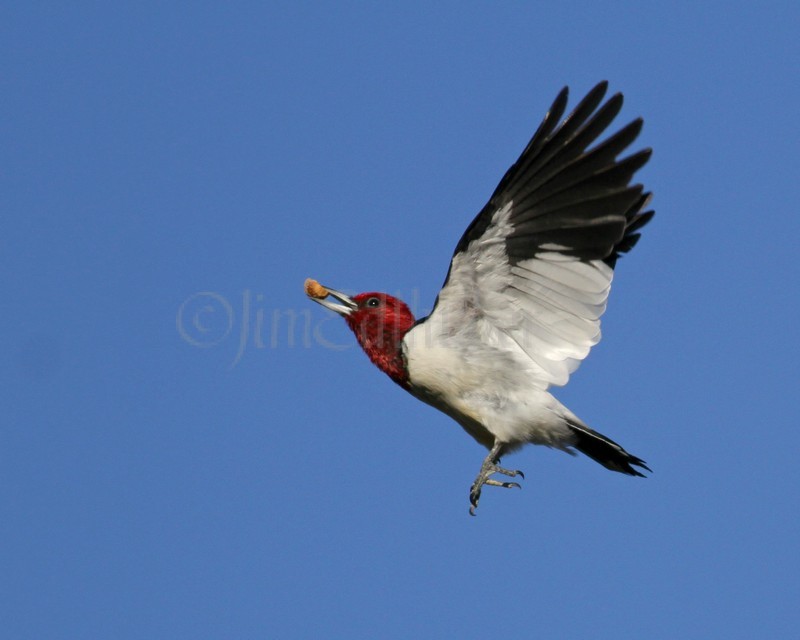
Red-headed Woodpecker takes flight to a nearby tree limb to hide the acorn piece behind bark
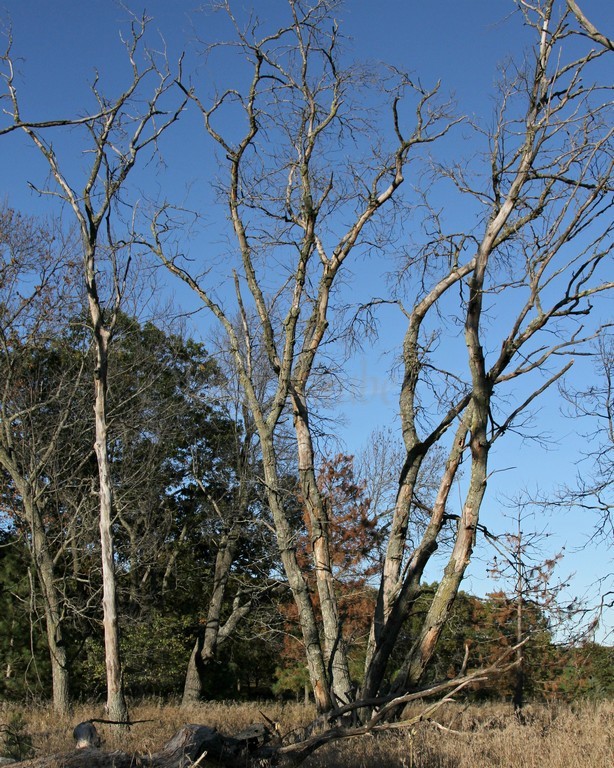
Dead oak where Red-headed Woodpecker was photographed
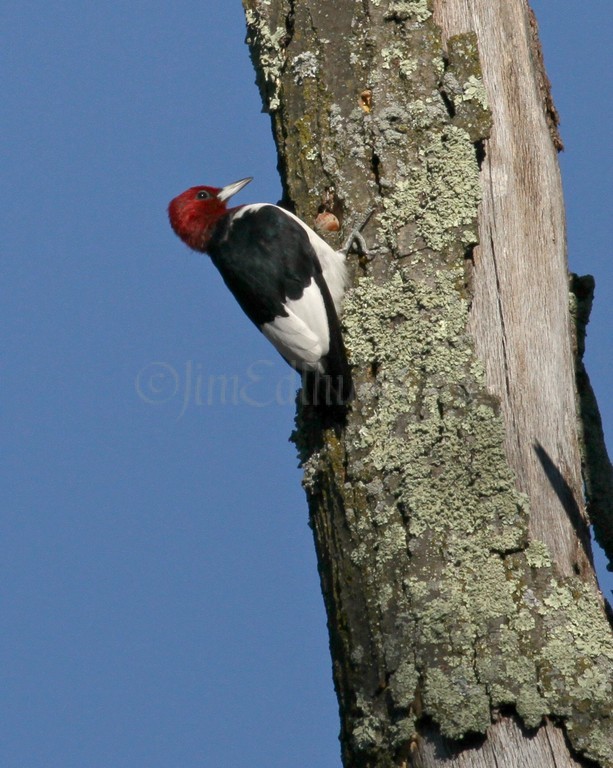
Red-headed Woodpecker hiding acorn piece
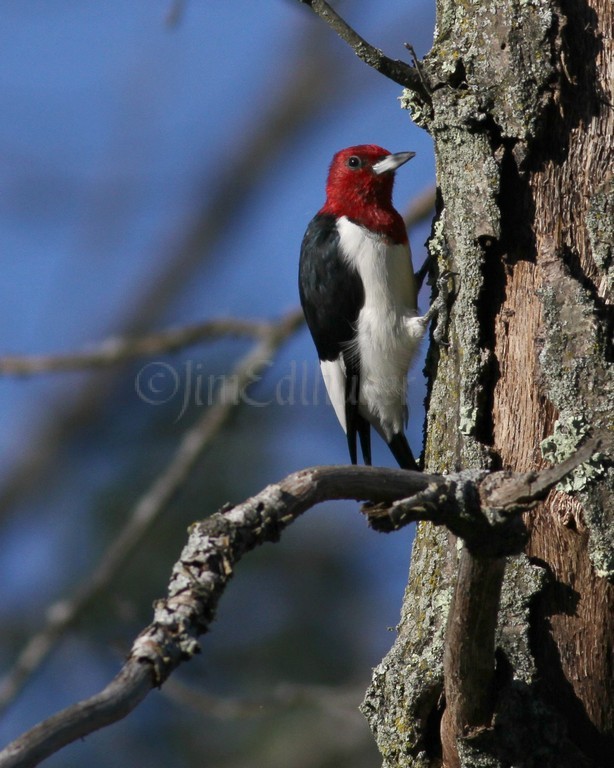
Red-headed Woodpecker hiding acorn piece
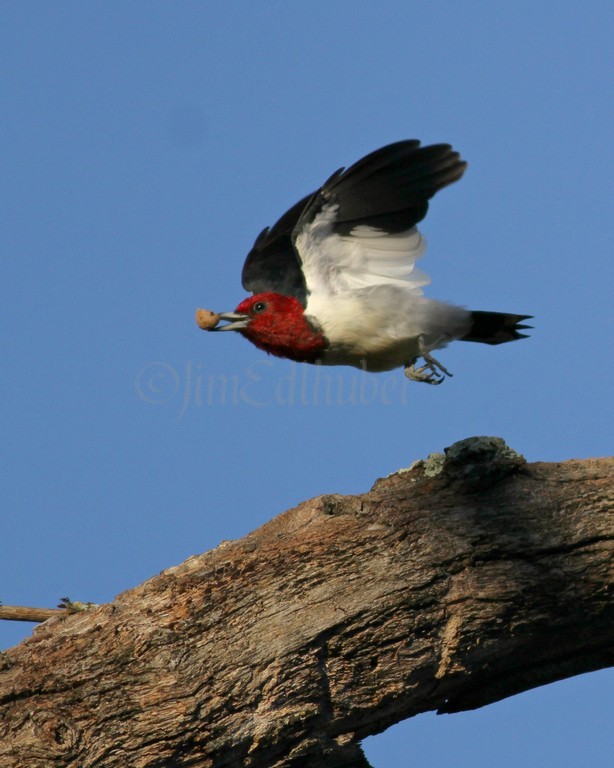
Red-headed Woodpecker takes flight to a nearby tree limb to hide the acorn piece behind bark
For the gallery of images, please click here.
American Avocet and Goose photographed at Horicon Marsh in Fond du Lac/Dodge County, Wisconsin on October 8, 2013.
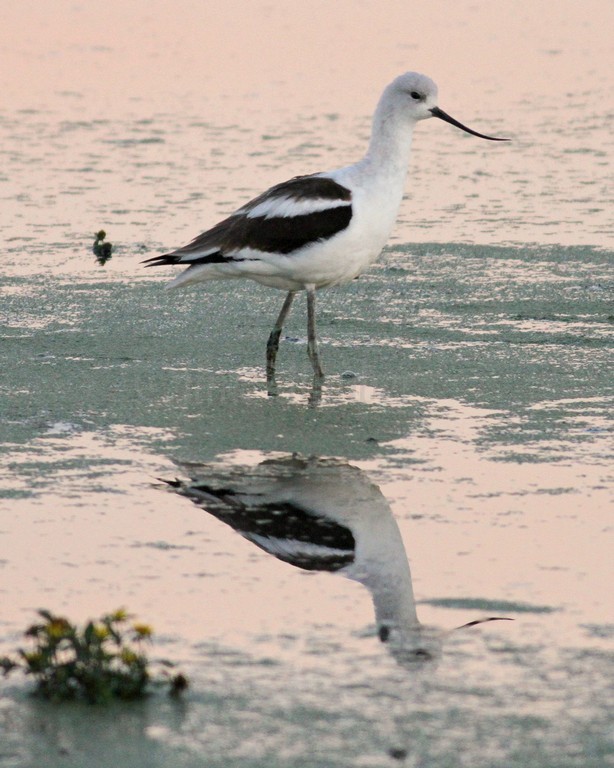
American Avocet
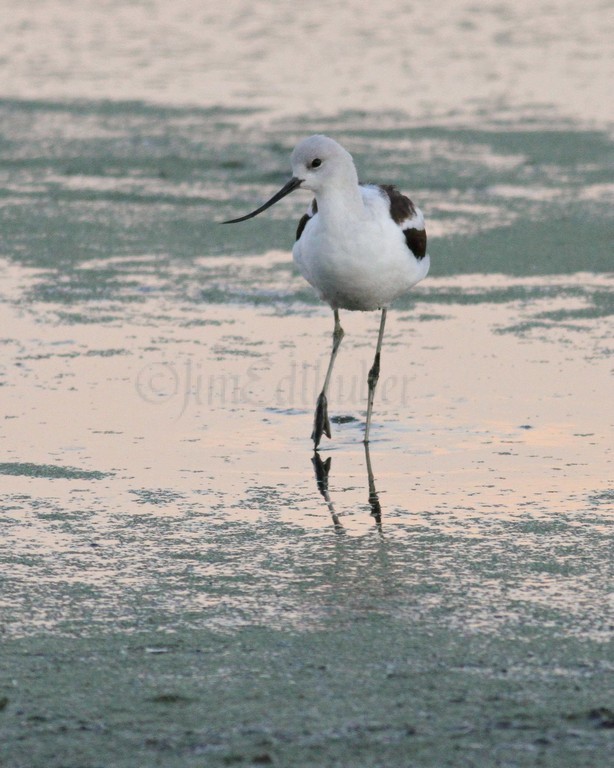
American Avocet
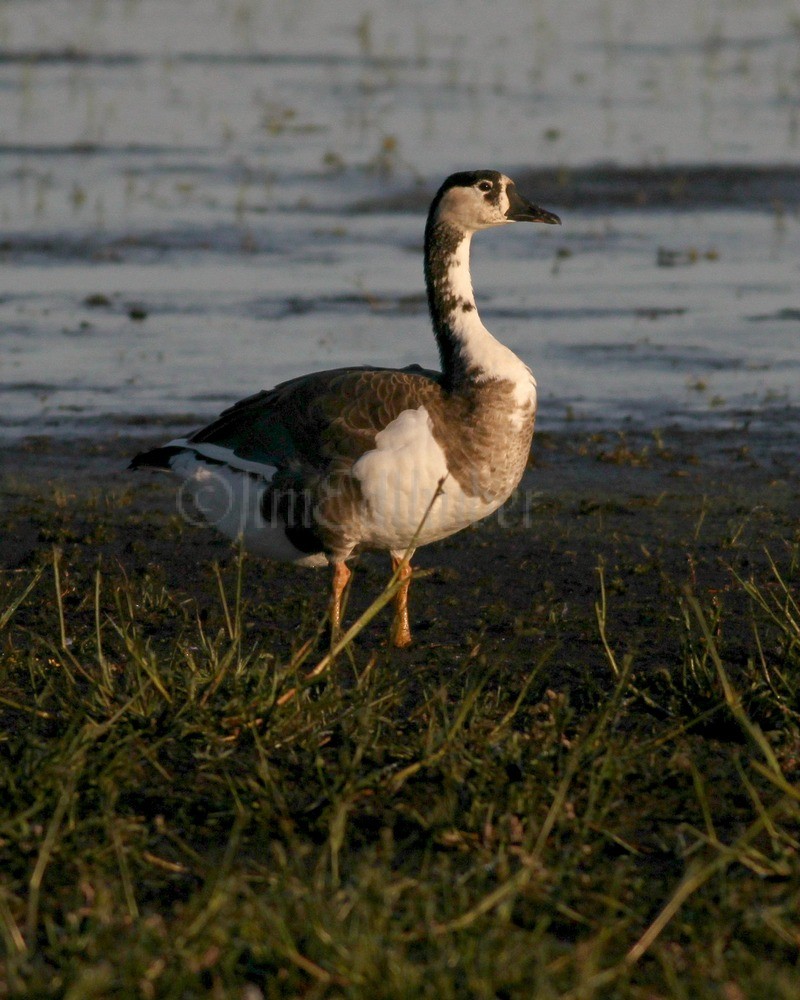
Canada Goose and domestic Graylag Goose
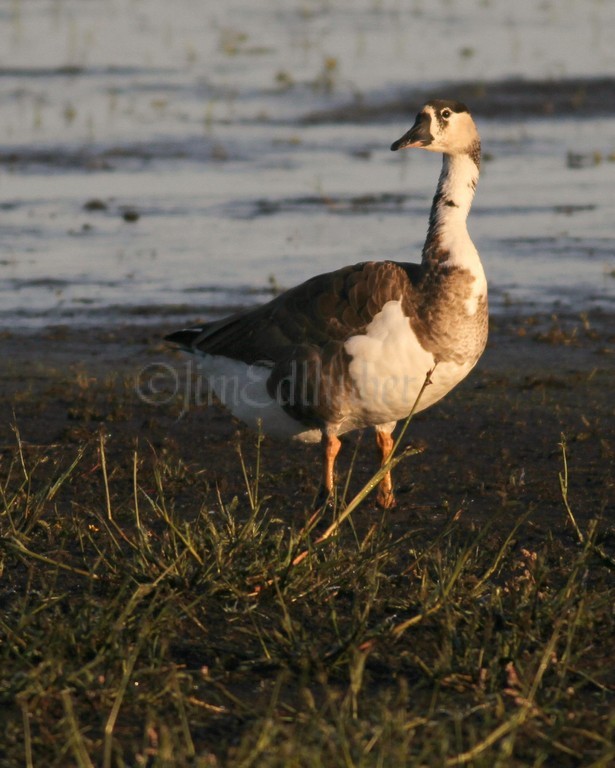
Canada Goose and domestic Graylag Goose
Canada Goose and domestic Graylag Goose
White-Tailed Kite near Leola Marsh, Adams County, Wisconsin. Photographed on September 30, 2013.
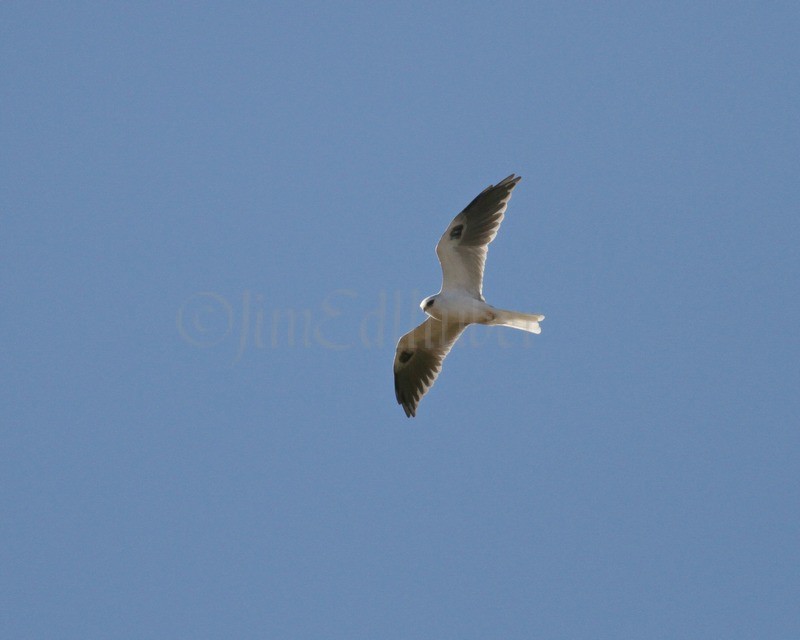
Binomial name: Elanus leucurus
Category: Hawks, Kites, Eagles, and Allies
Description: White with black shoulders and wingtips; elongated wings and tail. Red eyes and yellow legs.
Size: 14” – 17” long, 35” – 40” wingspan
Weight: 8.8 oz. – 13 oz.
Habitat: Coastal areas, marshes, sparse woodlands, and grasslands
Diet: Rodents and other small mammals
Nesting: Both parents choose the nesting site and may participate in building the nest; sometimes only the female builds the nest. The nest is typically in the top third of a tree and is shallow and made with twigs and grasses or leaves. The female will lay an average of 4 eggs at a time, laying 1 brood per season. The incubation period lasts 30 to 32 days and the young remain in the nest for about 35 days.
Notes: The White-Tailed Kite can hover in midair 80 feet above the ground without flapping its wings by facing into the wind. This behavior is called “kiting,” thus the name White-Tailed Kite. From this stationary position, the White-Tailed Kite will plunge straight down to retrieve its prey.
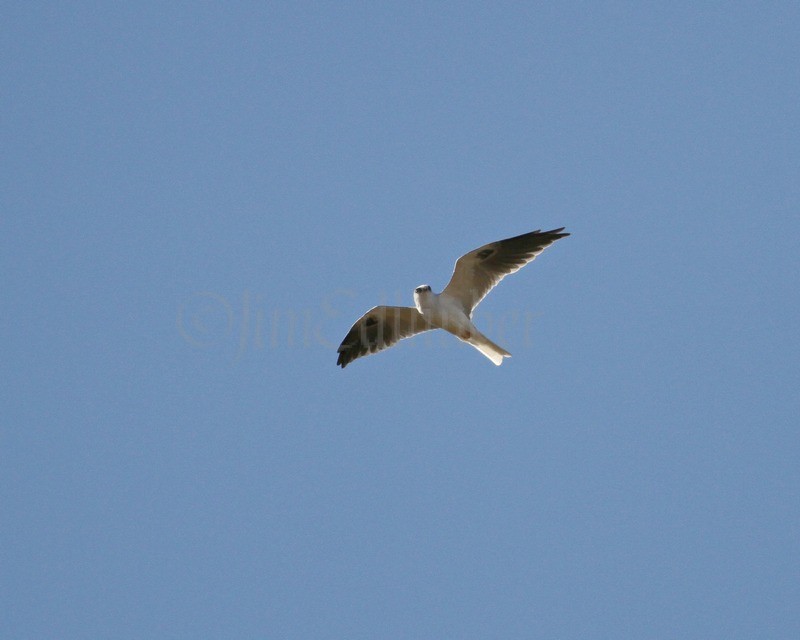
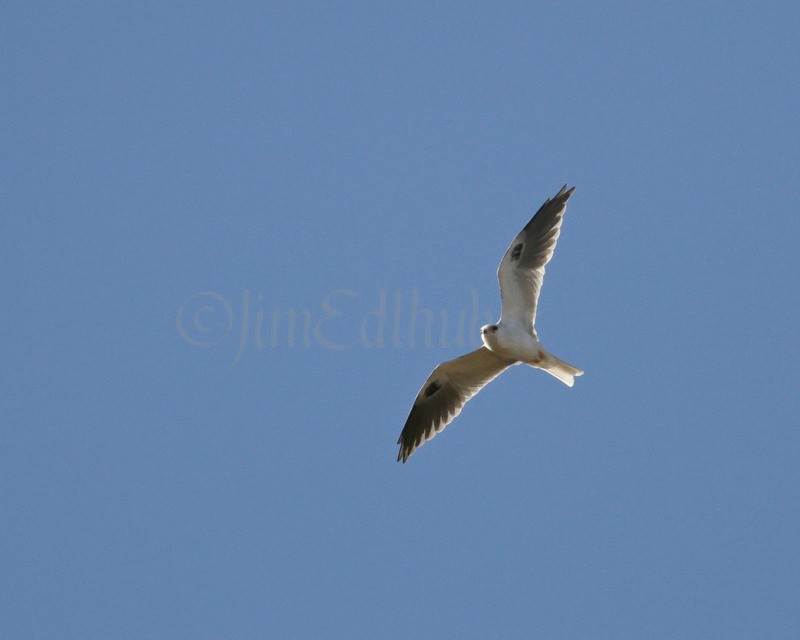
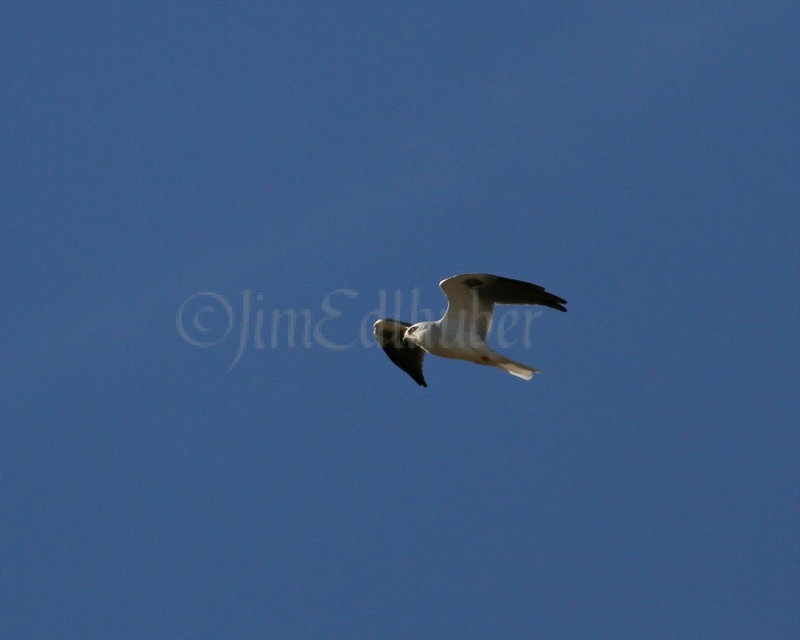
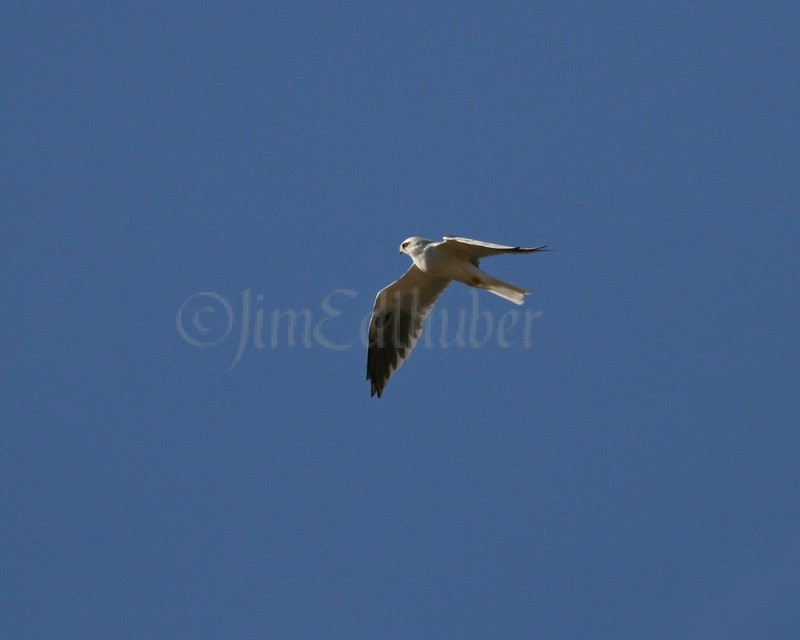
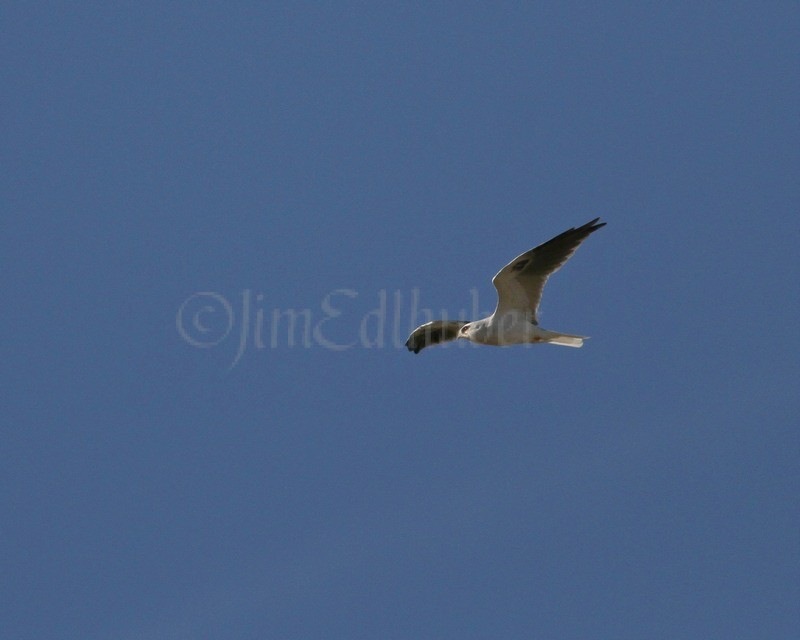
Please click here to see the gallery of images.
Harris’s Sparrow photographed at Retzer Nature Center in Waukesha, WI on September 25th and 26th, 2013.
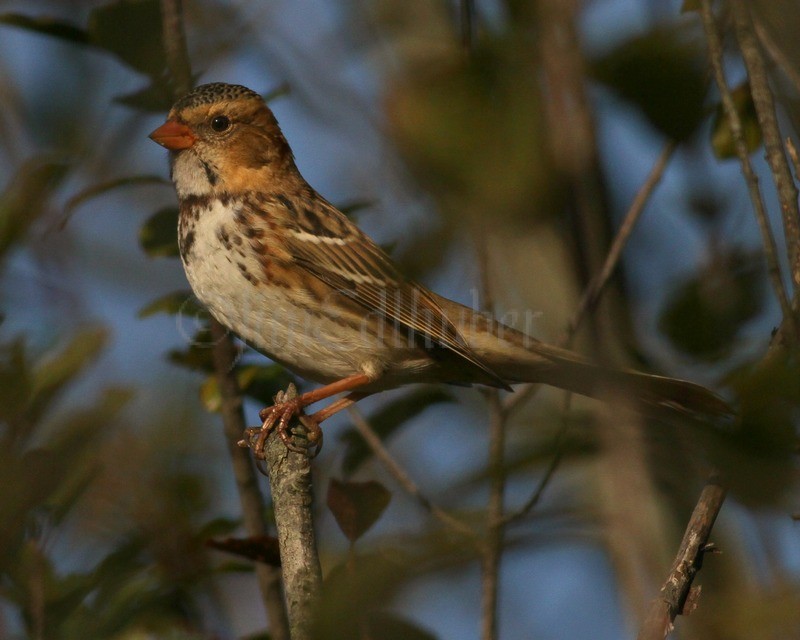
Binomial name: Zonotrichia querula
Category: Emberizids
Description: Brown face and back, both overlaid with black markings especially crown, face, and throat. White on wings and underparts. Pink bills and legs.
Size: 6.7″ – 7.9″ long, 11” wingspan
Weight: 0.92 oz. – 1.7 oz.
Habitat: Coniferous forests and tundras adjacent to bogs
Diet: Seeds, especially grass seeds, fruits, pine needles, and flower parts. Scratches the ground to forage for food.
Nesting: Nests are built on the ground under the protection of a coniferous bush or in a bed of grasses. Both parents construct the nest in mid-June using materials such as sticks, grasses, moss, and lichens. The female will lay 3-5 eggs at a time, laying eggs at the end of June to the middle of July. The young remain in the nest for about 3 weeks before becoming completely independent of their parents.
Notes: “Harris’s Sparrow” is named after ornithologist Edward Harris. This bird will live nearly 12 years in the wild if not caught by a predator. And, Harris’s Sparrow only breeds in Canada, the only bird to do so.
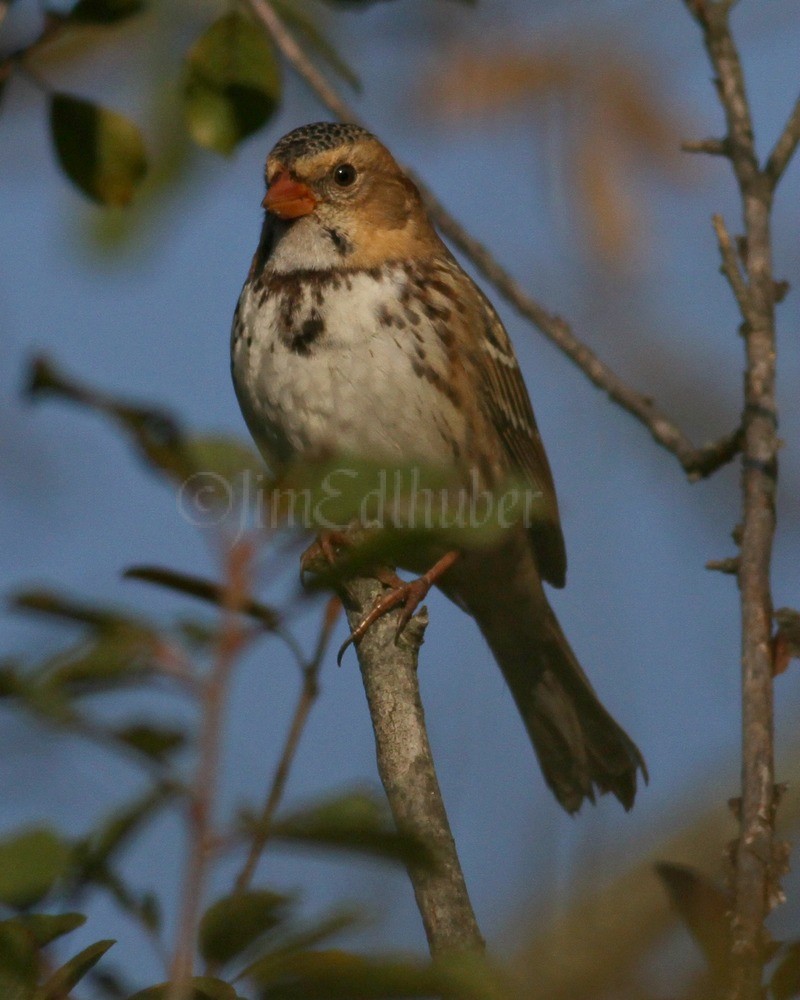
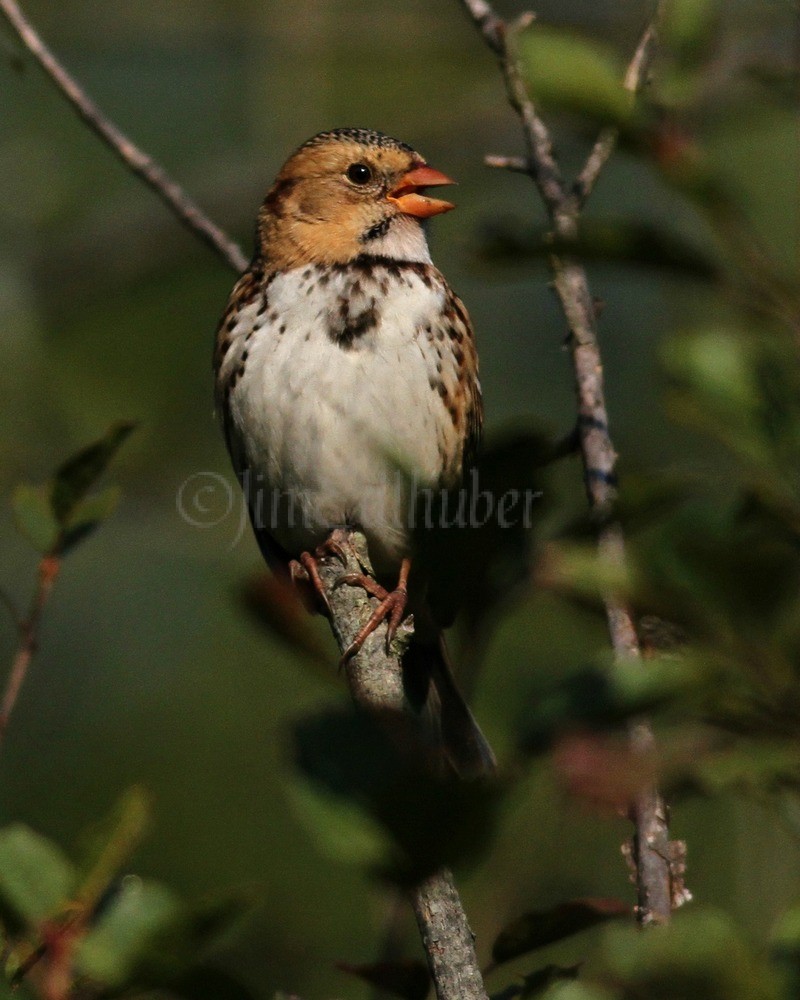
Please click here to see the gallery of images.
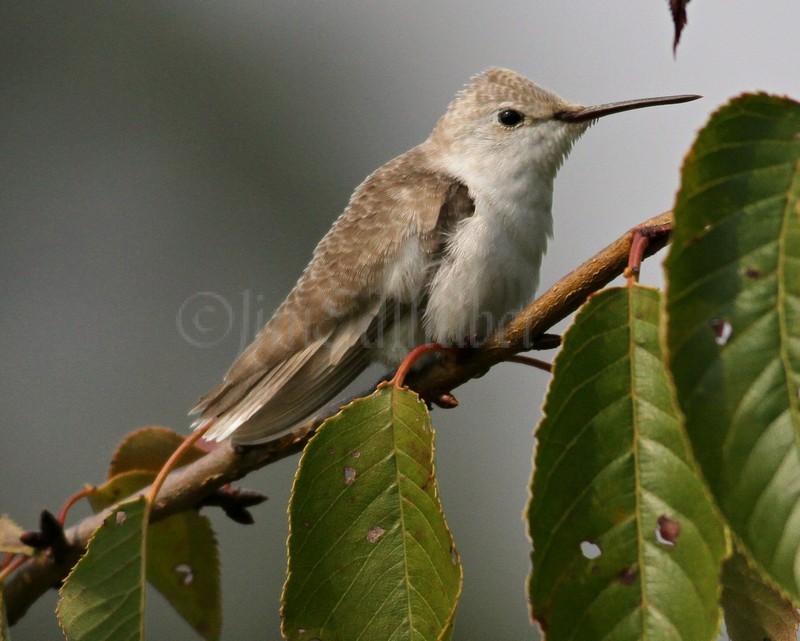
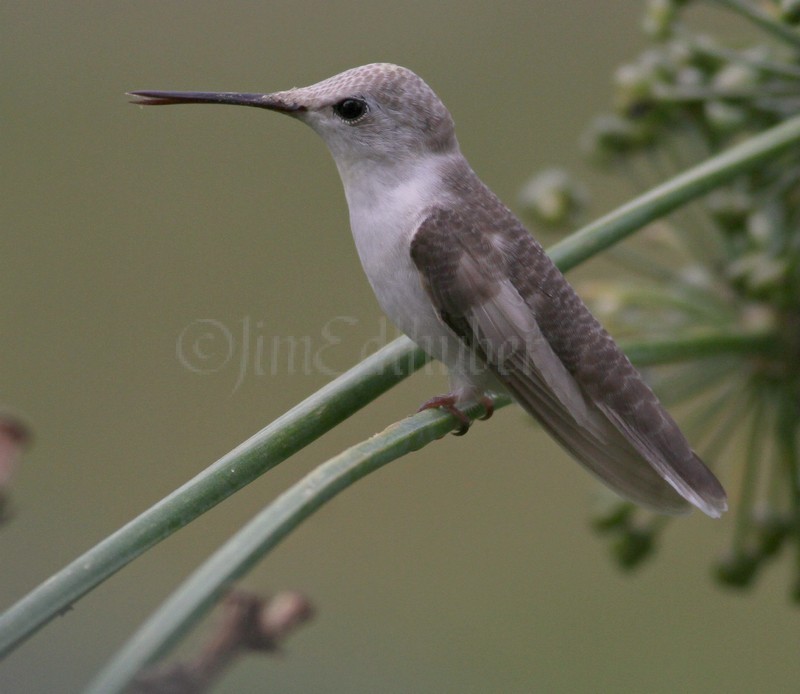
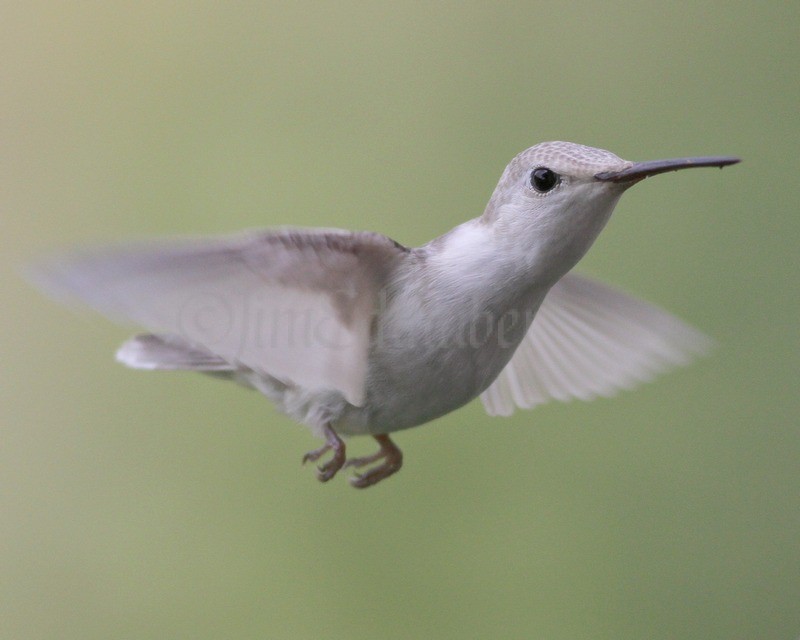
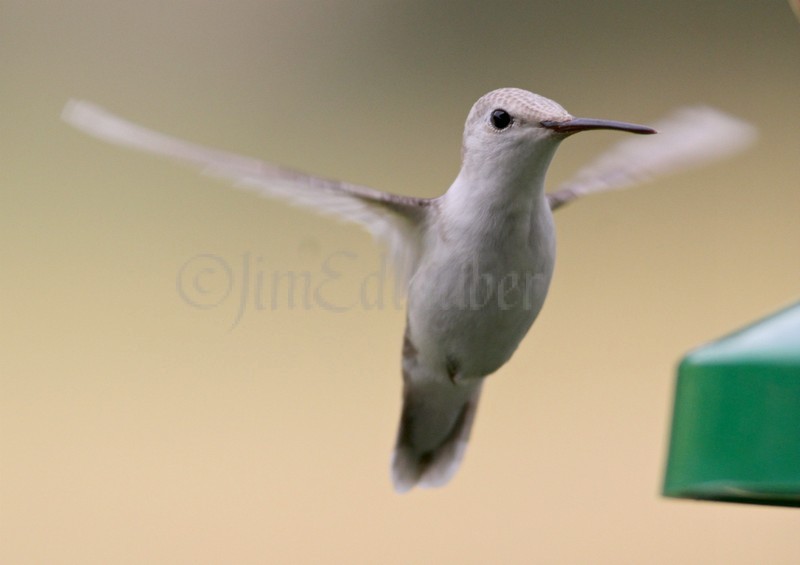
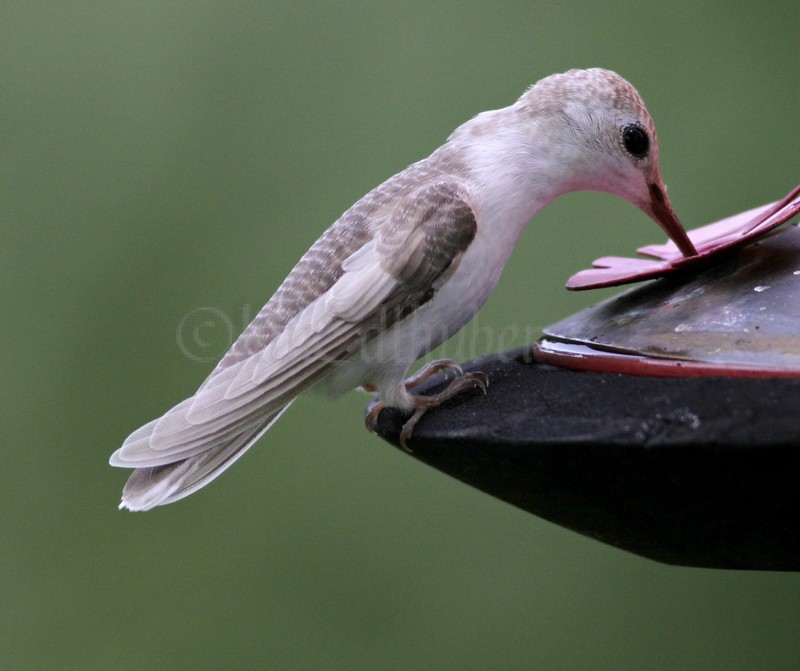
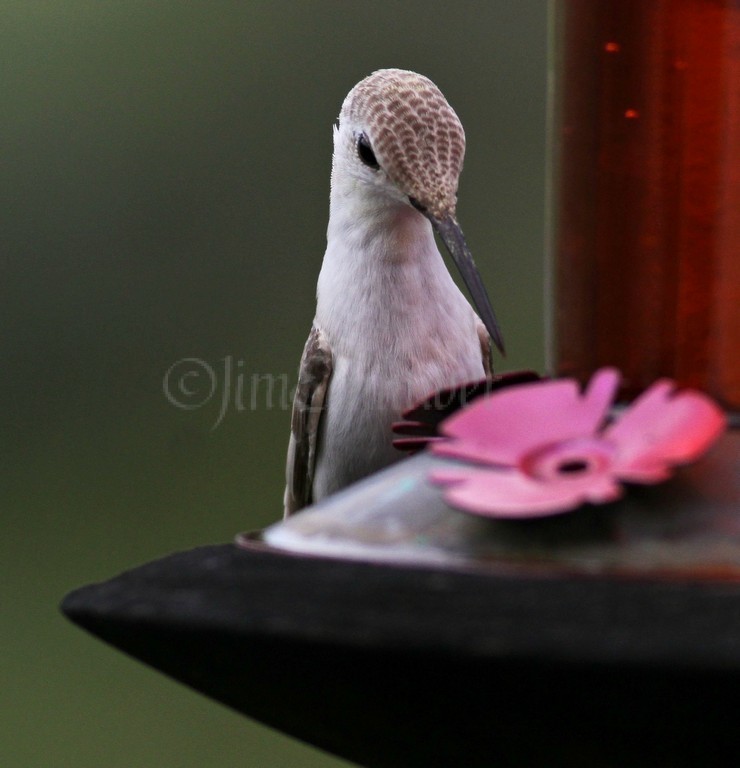
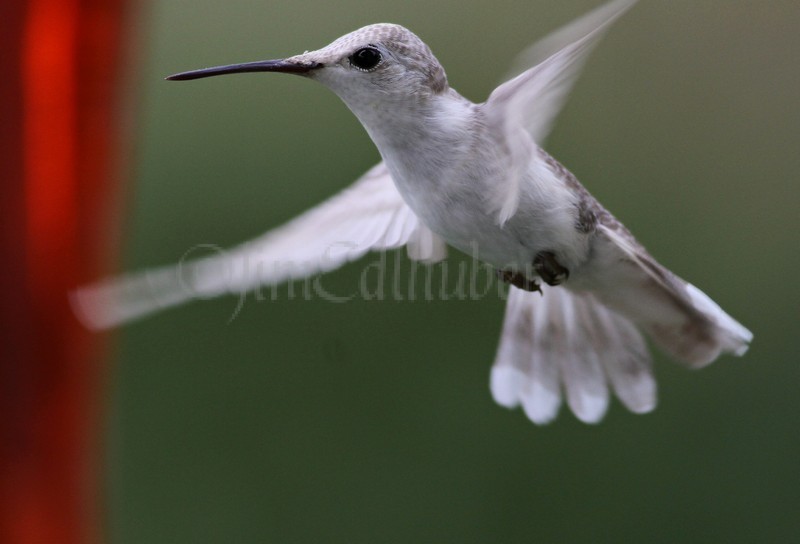
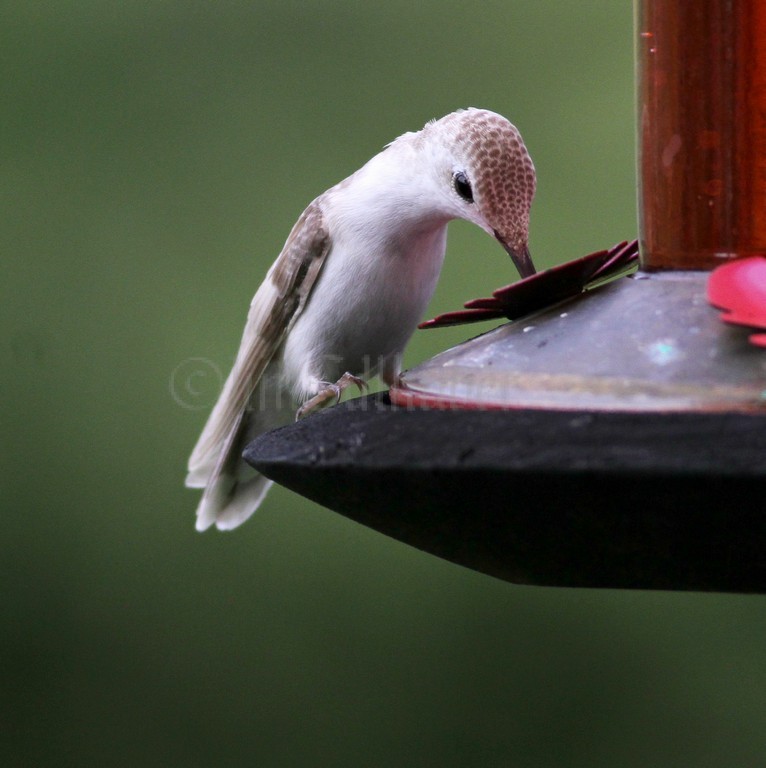
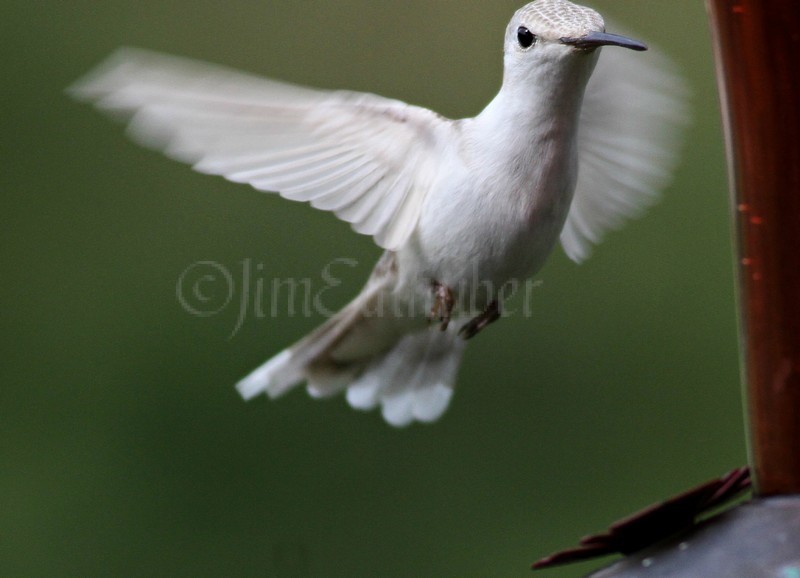
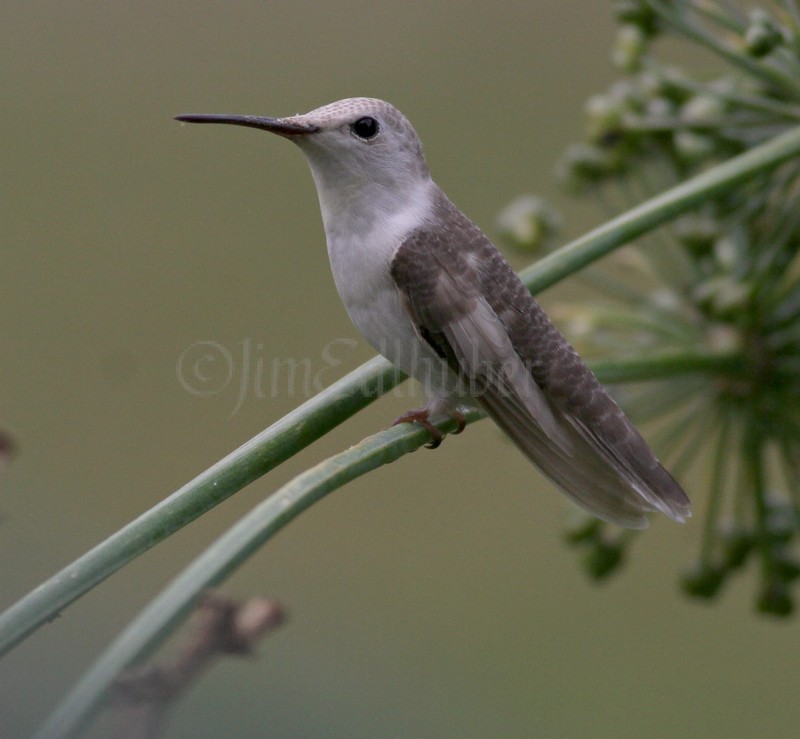
Leucistic Ruby-throated Hummingbird photographed in Waukesha County on September, 18 2013.
Binomial name: Archilochus colubris
Category: Hummingbirds
What is Leucism?
Leucism is an uncommon condition in birds. This condition is caused by a genetic mutation which prevents pigments, particularly melanin, from being deposited evenly in the bird’s feathers. Leucistic birds have melanin elsewhere in their bodies which is why they may have dark eyes, legs, and bills. However, their true color will be missing or greatly reduced due to the lack of proper pigmentation.
What is Albinism?
Leucism is similar to albinism as in both cases the birds may be completely white. However, albinism is defined as a complete absence of melanin in an animal. Truly albino species will have pink eyes as the only color seen will be caused by blood vessels behind their eyes. They will also have pink bills, legs, and feet. Albinism is extremely rare in birds.
Notes:
Leucistic birds are extremely uncommon for a number of reasons. They are not thought to live very long because their white feathers make it difficult for them to hide from predators. If they do stay alive, it is difficult for them to find a mate and successfully pass on their genetic mutation. Additionally, the melanin found in regular birds adds strength to the feathers. Leucistic birds lacking melanin have weaker feathers and thus have a more difficult time flying in severe weather. Last, the reflective properties of white feathers may be problematic for birds who rely on solar energy for heat.
To see Ruby-throated Hummingbirds without Leucism, please visit my posts featuring this bird on Red Bee Balm, Royal Catchfly and Cardinal Flower.
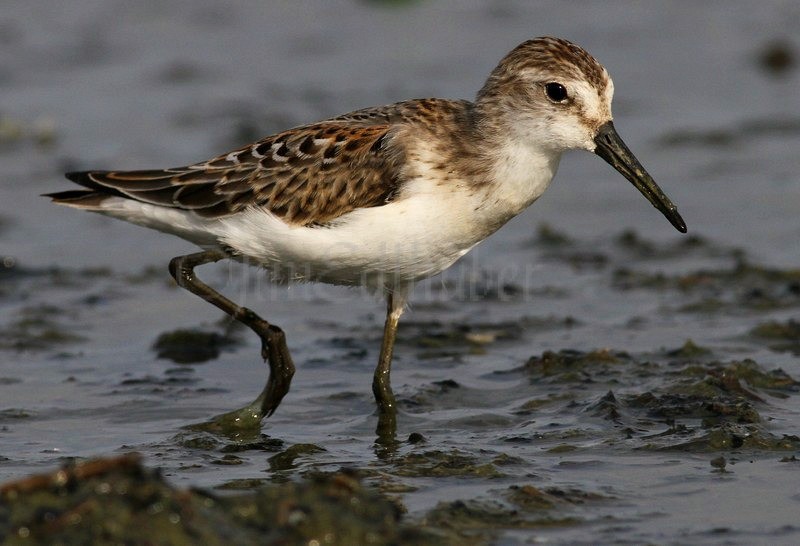
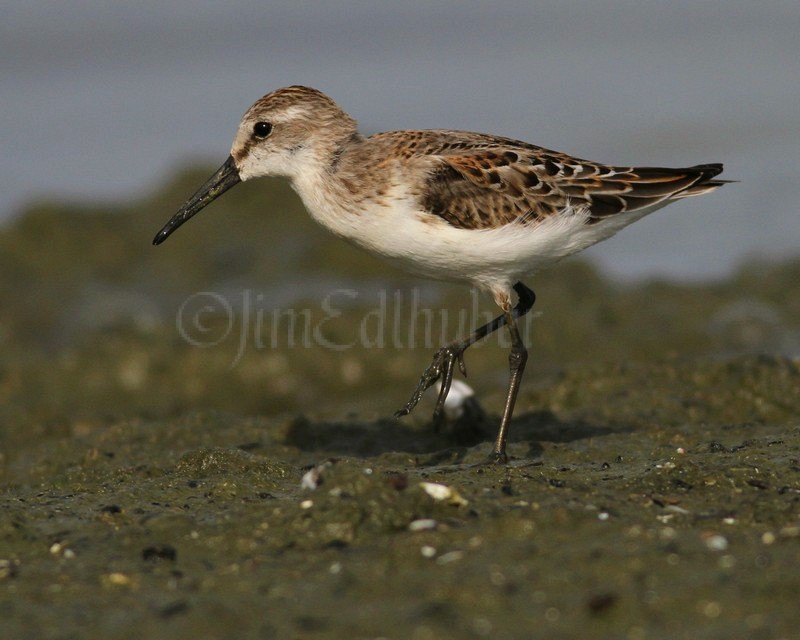
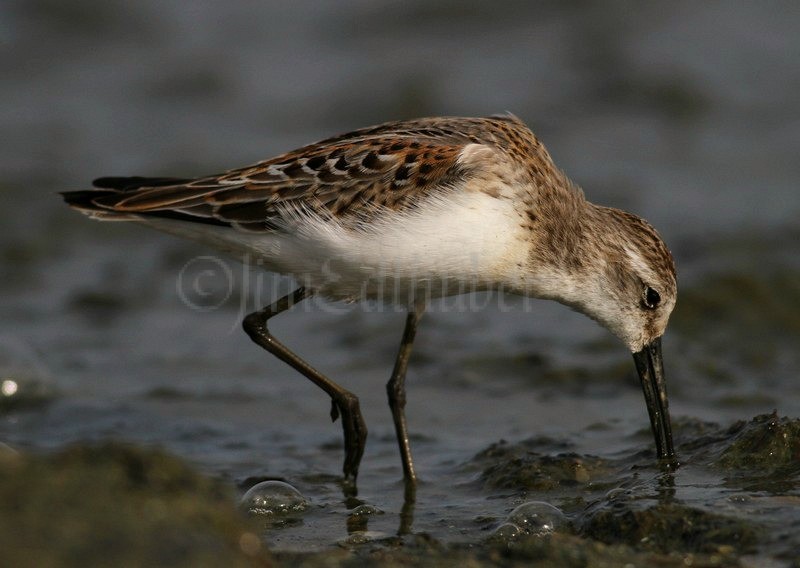
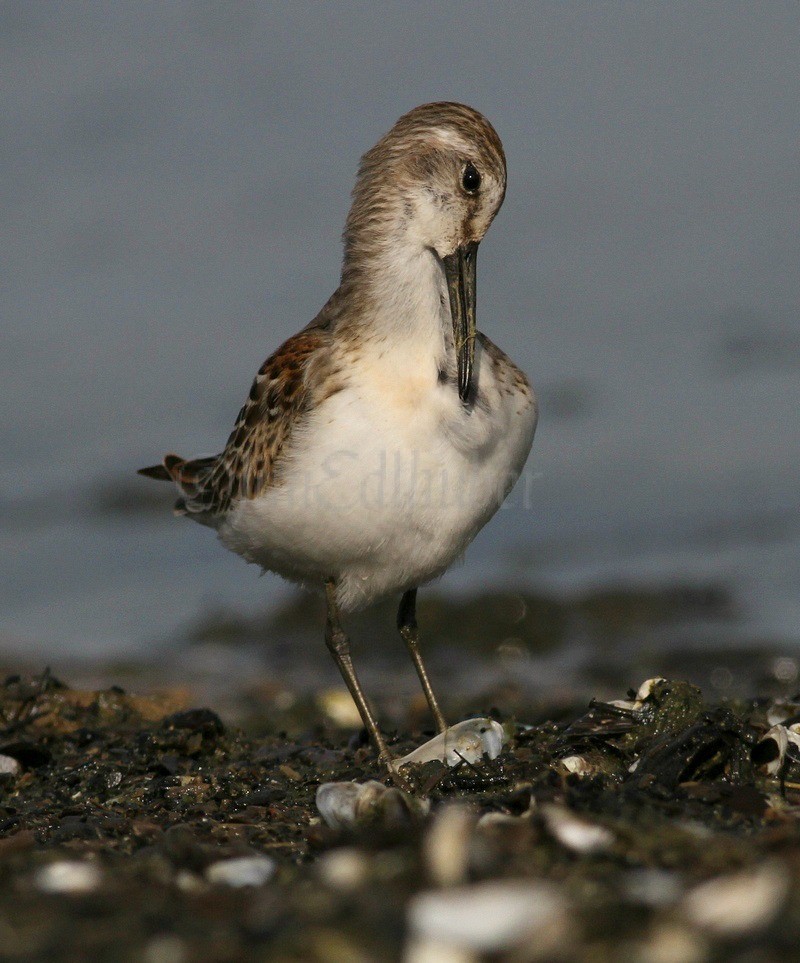
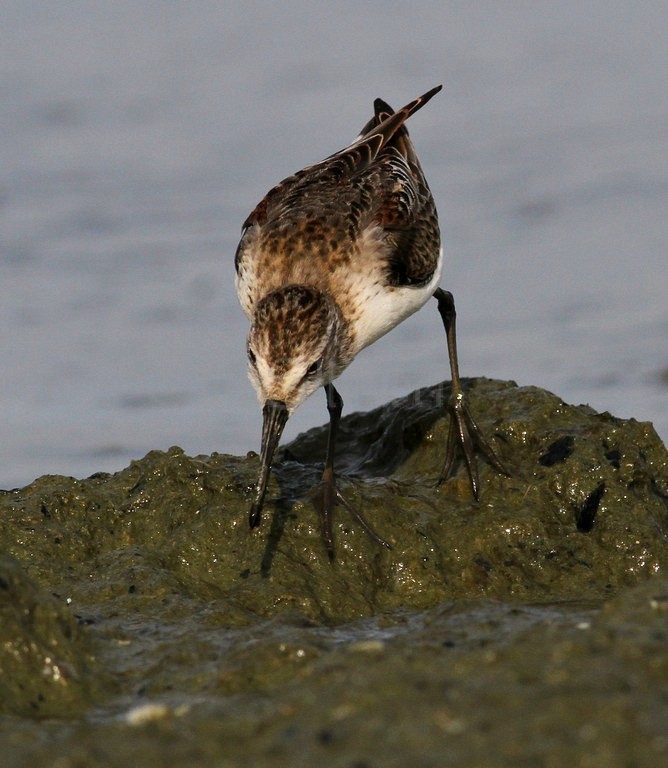
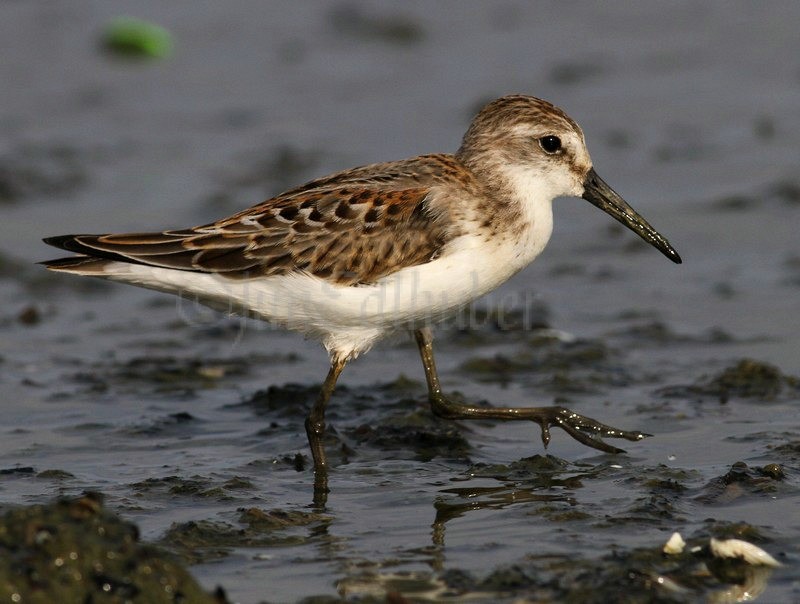
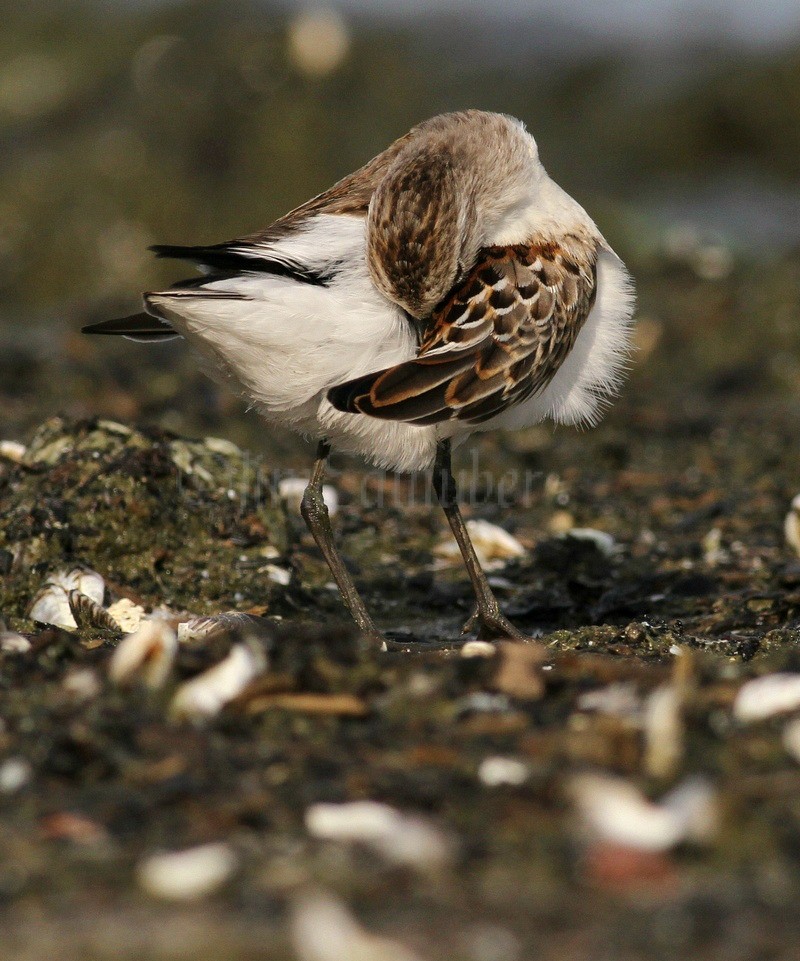
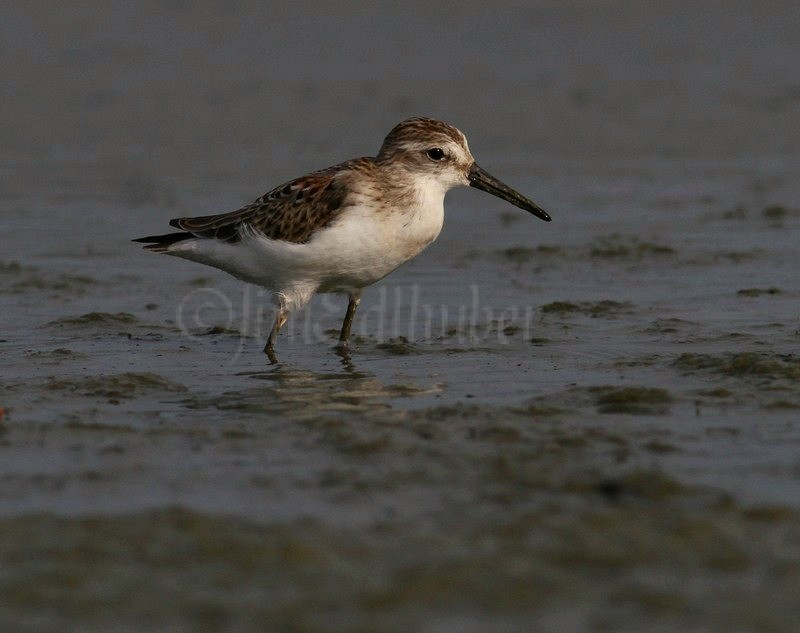
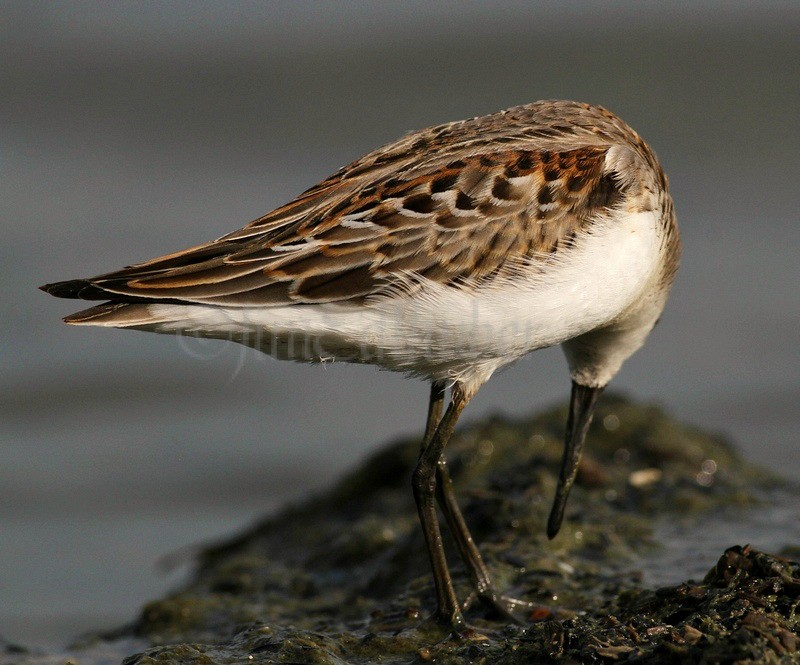
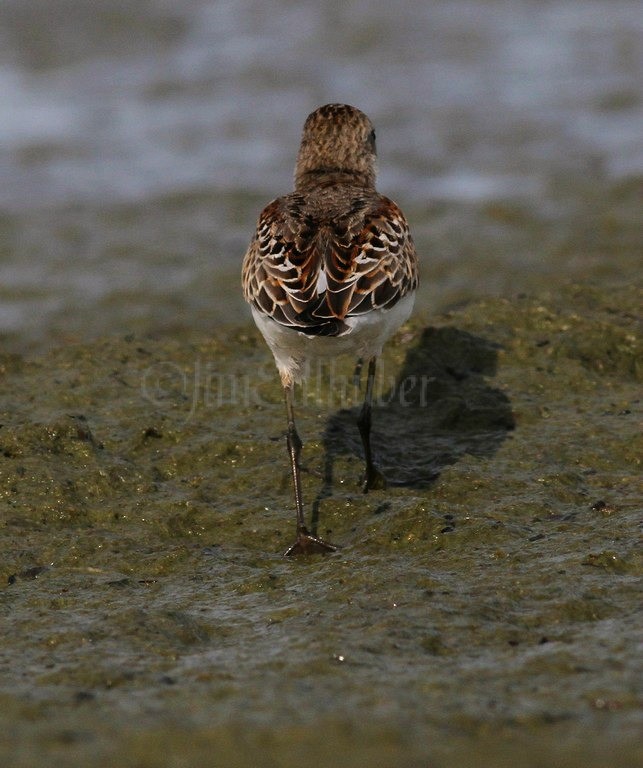
Western Sandpiper at Bradford Beach, Milwaukee, WI. Photographs taken September 11, 2013.
Binomial name: Calidris mauri
Category: Sandpipers, Phalaropes, and Allies
Description: Brown feathers on back with white underparts. Dark legs and bill.
Size: 5.5” – 6.7” long, 10.2” – 14.6” wingspan
Weight: 0.8 oz. – 1.2 oz.
Habitat: Coastal tundras, shorelines, and mudflats
Diet: Small insects such as flies and beetles as well as spiders, mollusks, and small crustaceans
Nesting: The male builds several nests out of grasses, leaves, and lichens pressed into a mud flat or shoreline. He will then sing to attract a mate, and she will choose the nest. Both parents will incubate the eggs. The typical clutch size is 3-5 eggs. The female may stay and help care for the chicks, or she may leave before the eggs hatch and the male will be the sole caretaker.
Notes: Western Sandpipers breed in Siberia and Alaska, although migration will take them down the West Coast to California. Very rarely are they seen as far east as the Midwest.
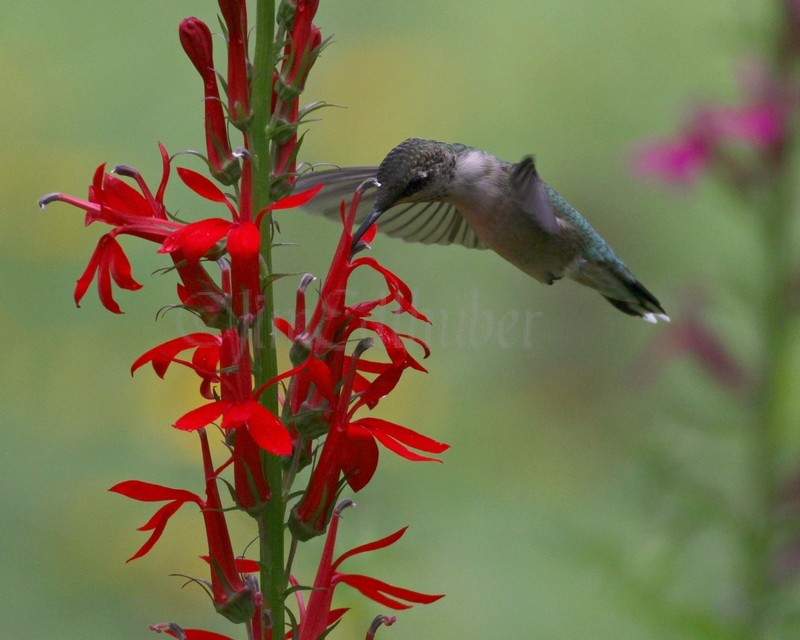
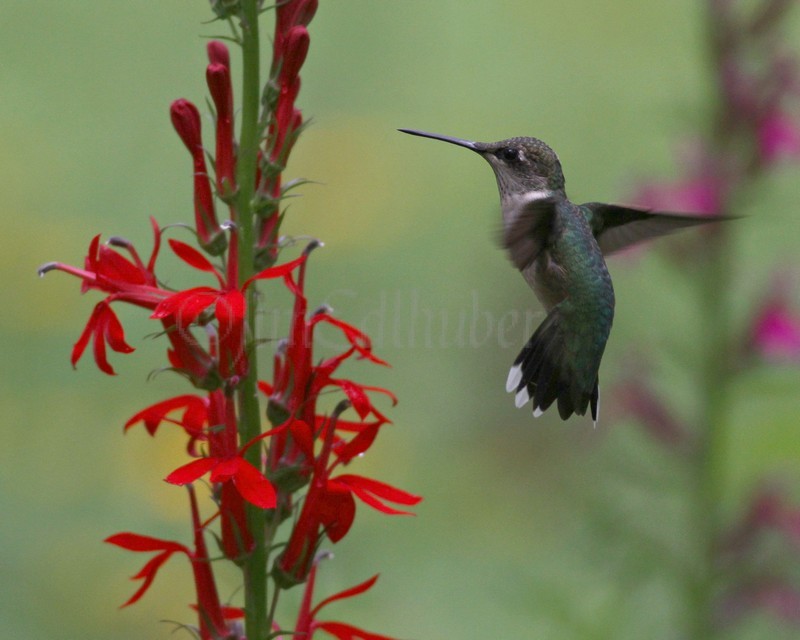
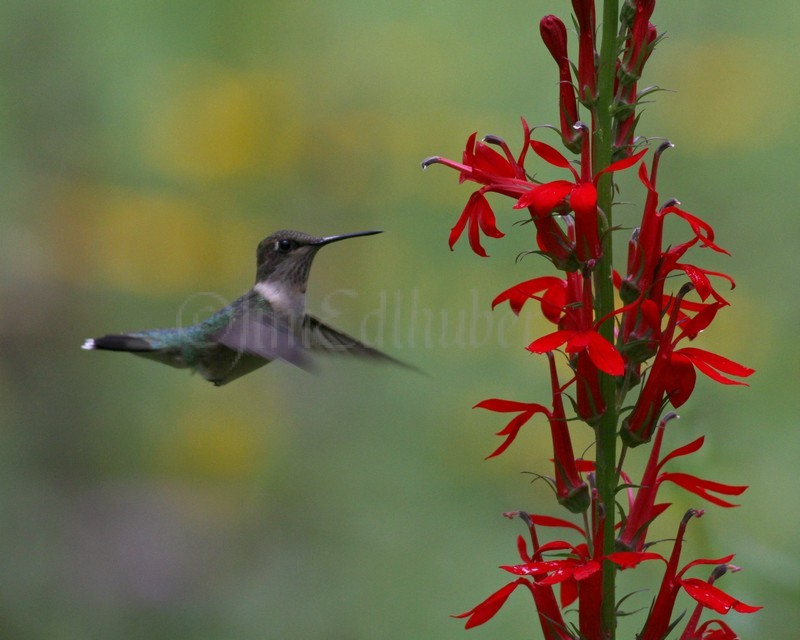
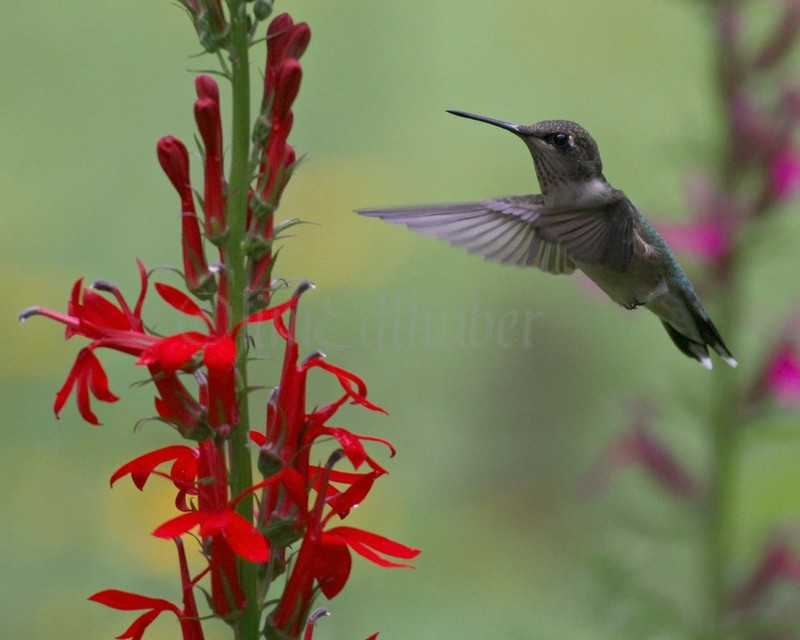
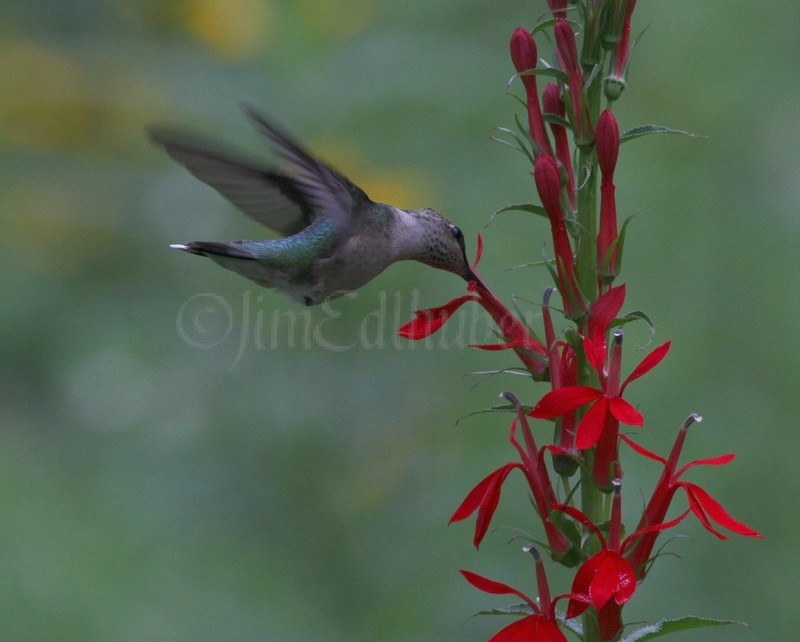
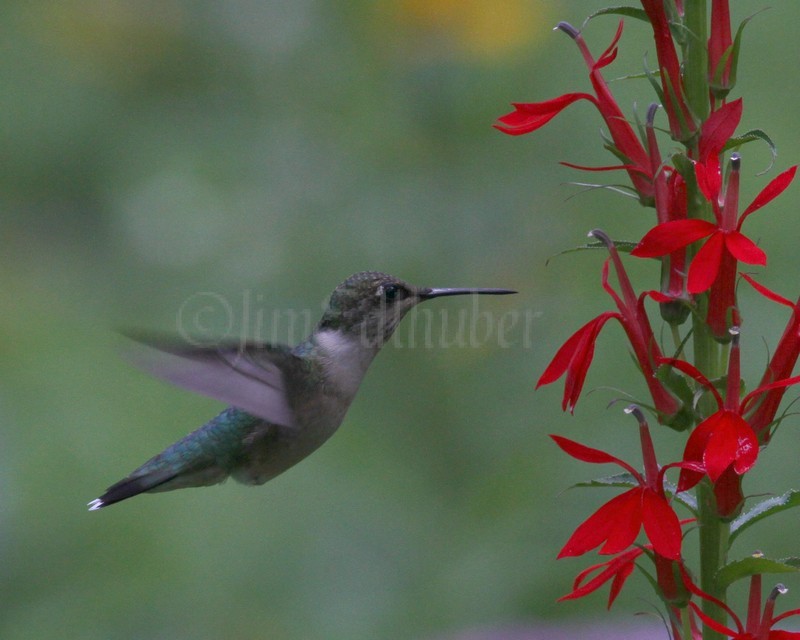
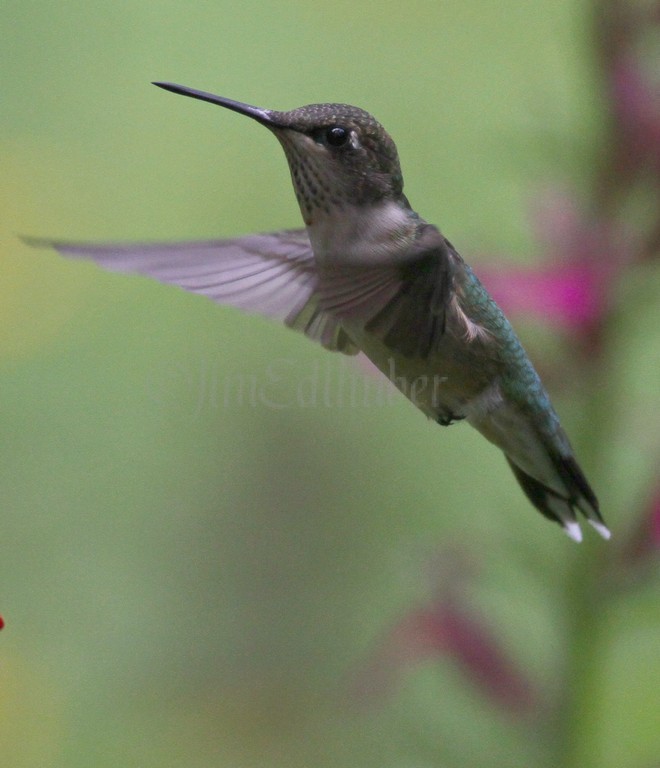
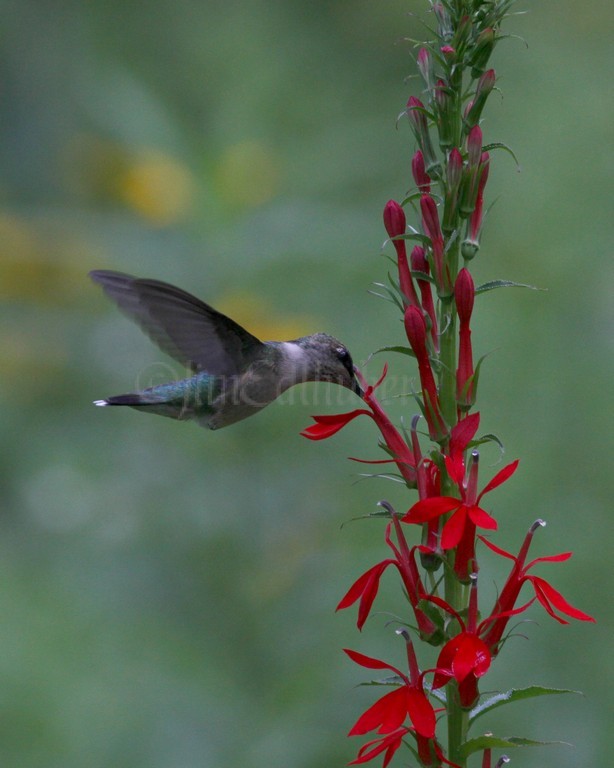
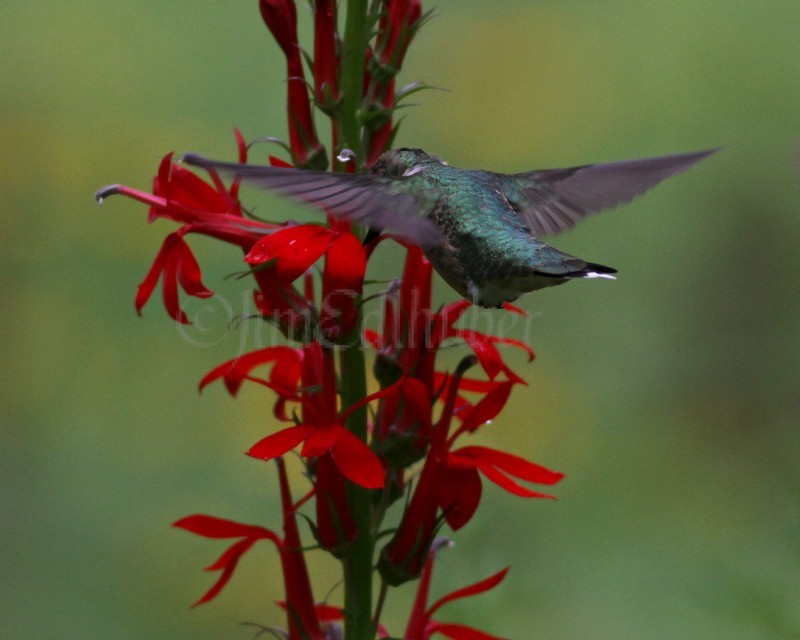
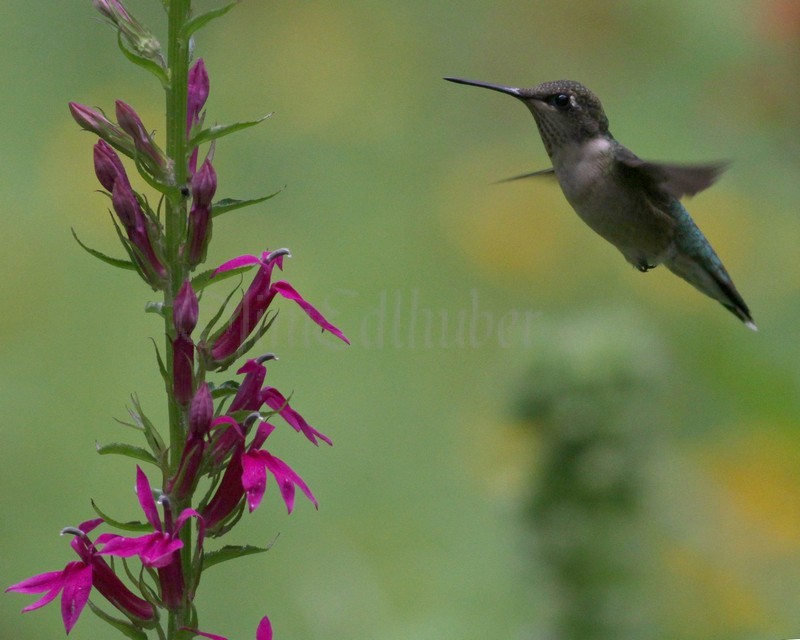
Ruby-throated Hummingbird on Cardinal Flower photos taken August 26th, 2013 in Waukesha County, WI.
Photographs taken at Horicon Marsh and Hustisford on August 20, 2013.
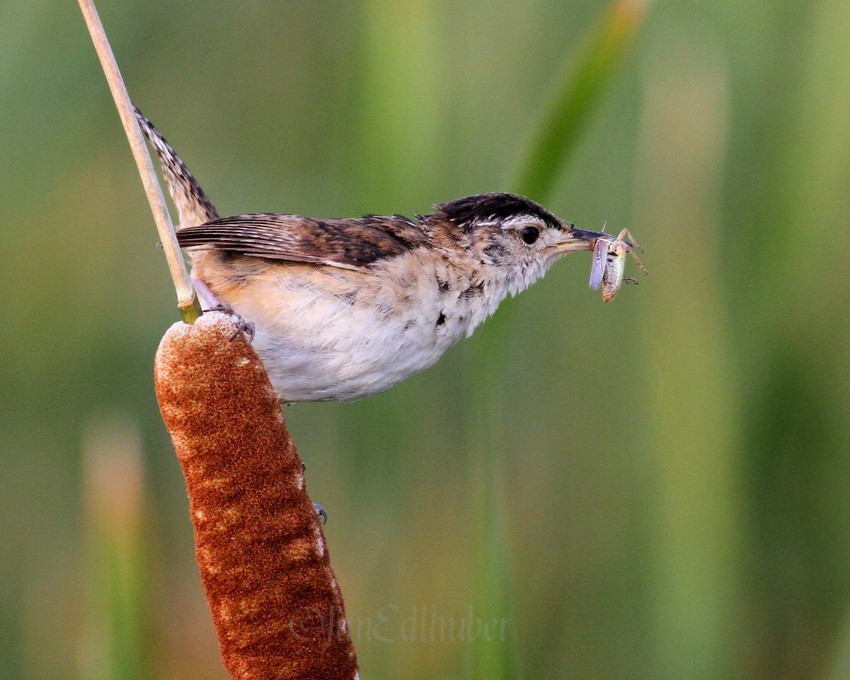
Marsh Wren
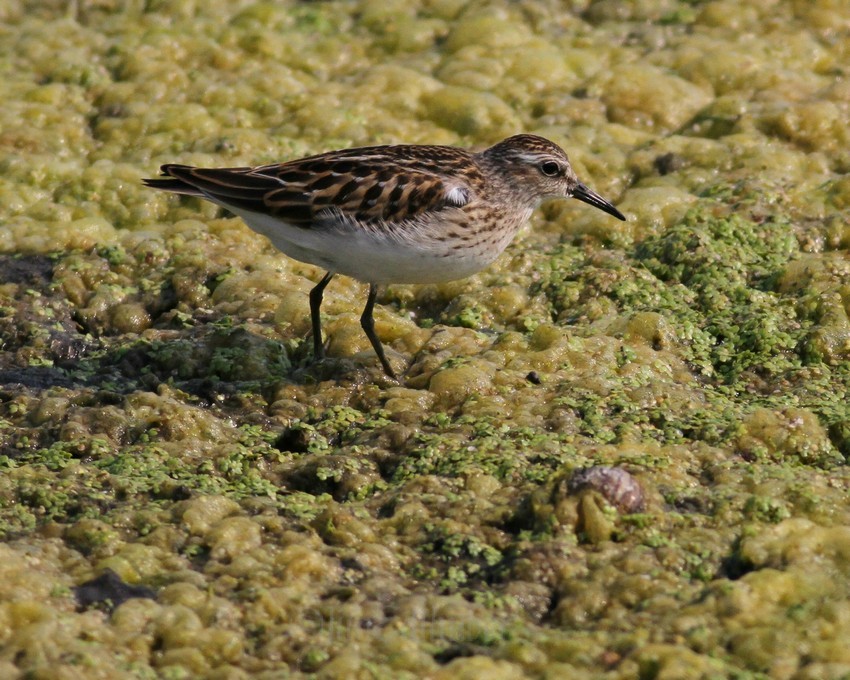
Least Sandpiper
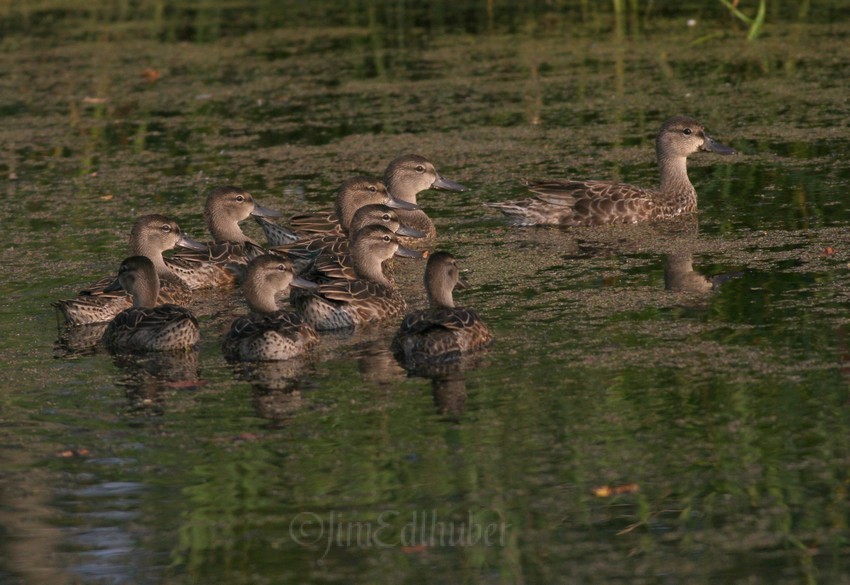
Blue-winged Teal Family
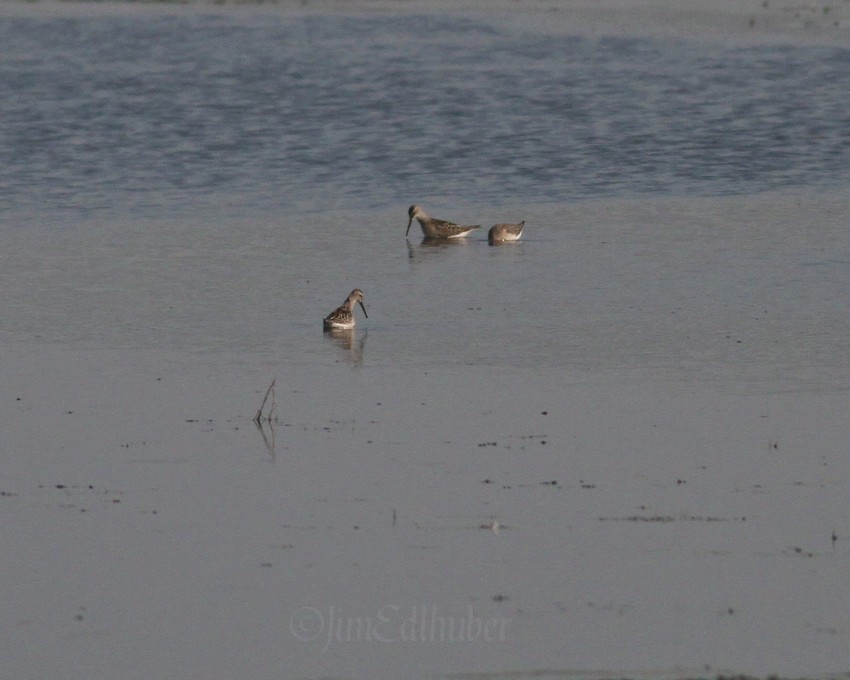
Stilt Sandpipers
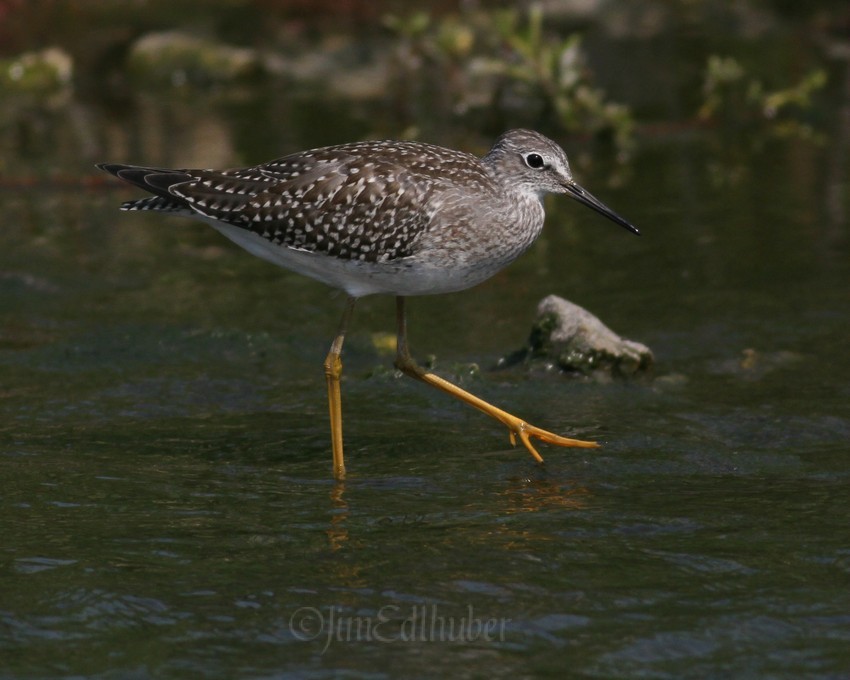
Lesser Yellowlegs, Hustisford
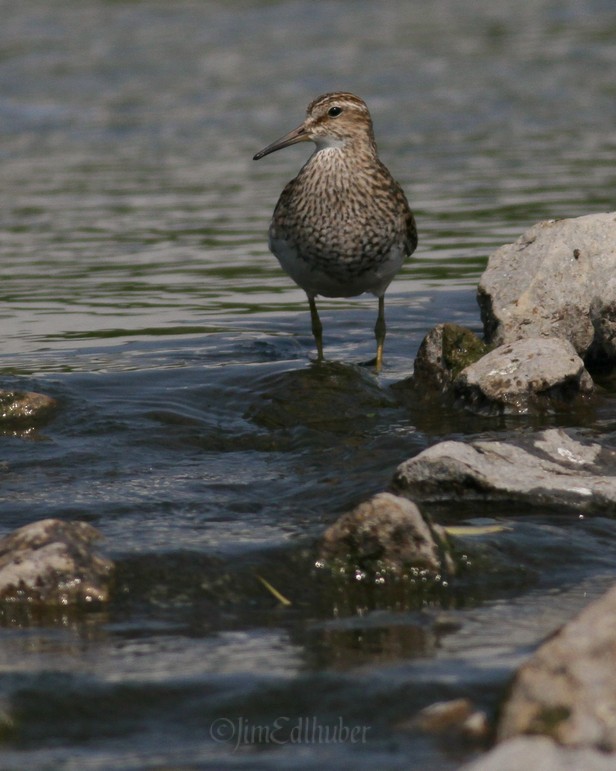
Pectoral Sandpiper, Hustisford
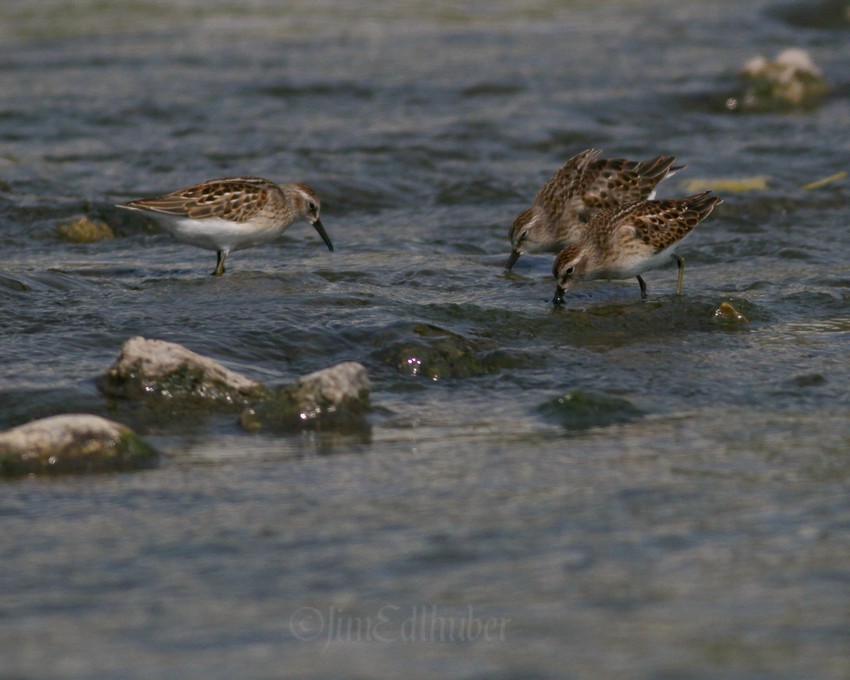
Least Sandpipers, Hustisford
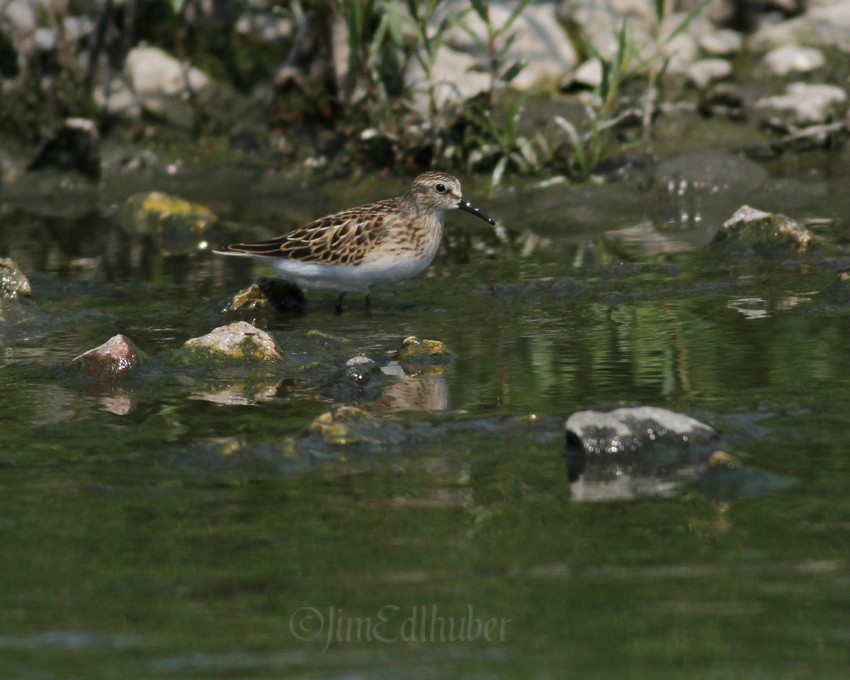
Least Sandpiper, Hustisford
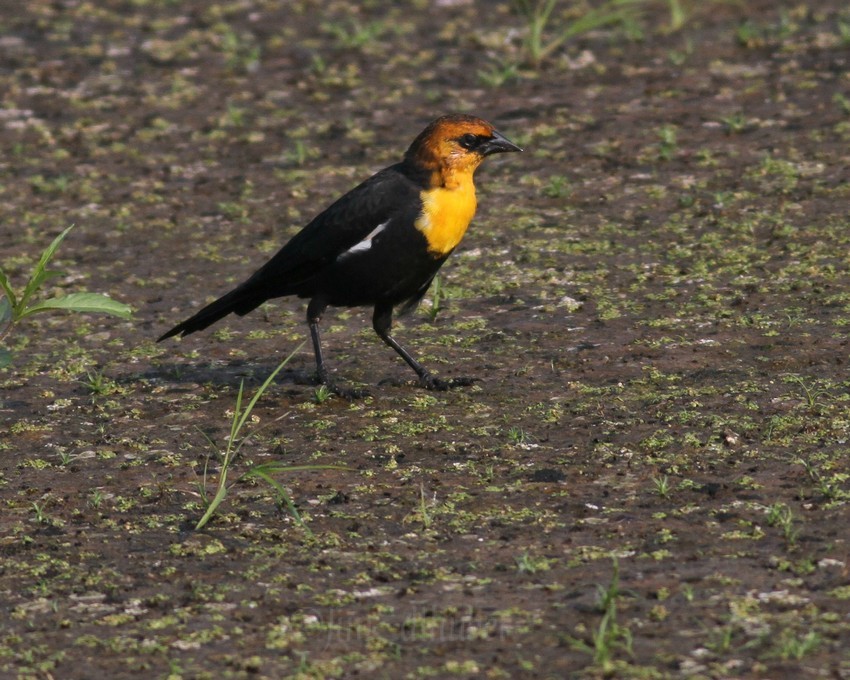
Yellow-headed Blackbird
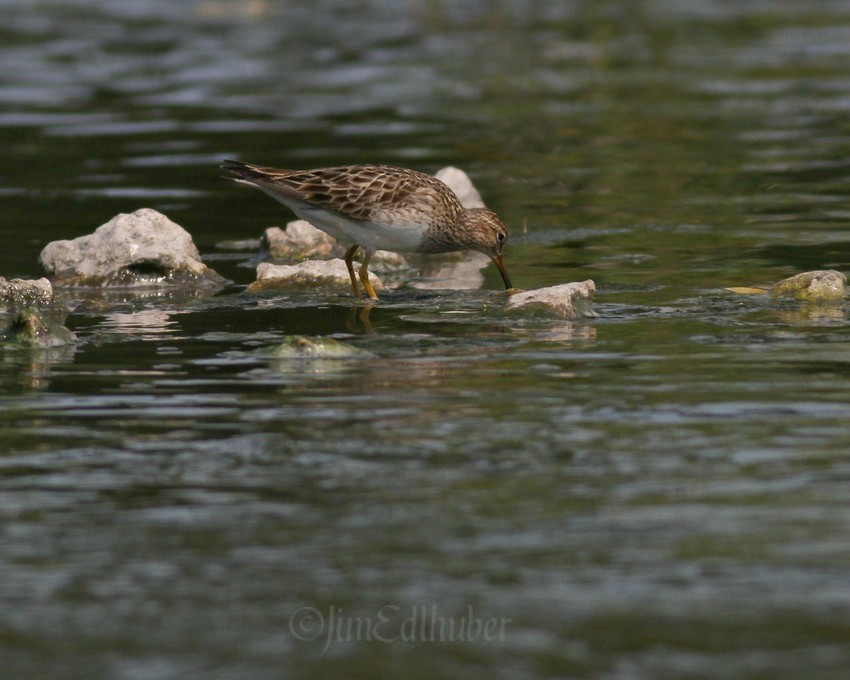
Pectoral Sandpipers, Hustisford
To view the full gallery of images, please click here.
Photographs from Horicon Marsh, Fond du lac/Dodge County, Wisconsin taken August 13, 2013.
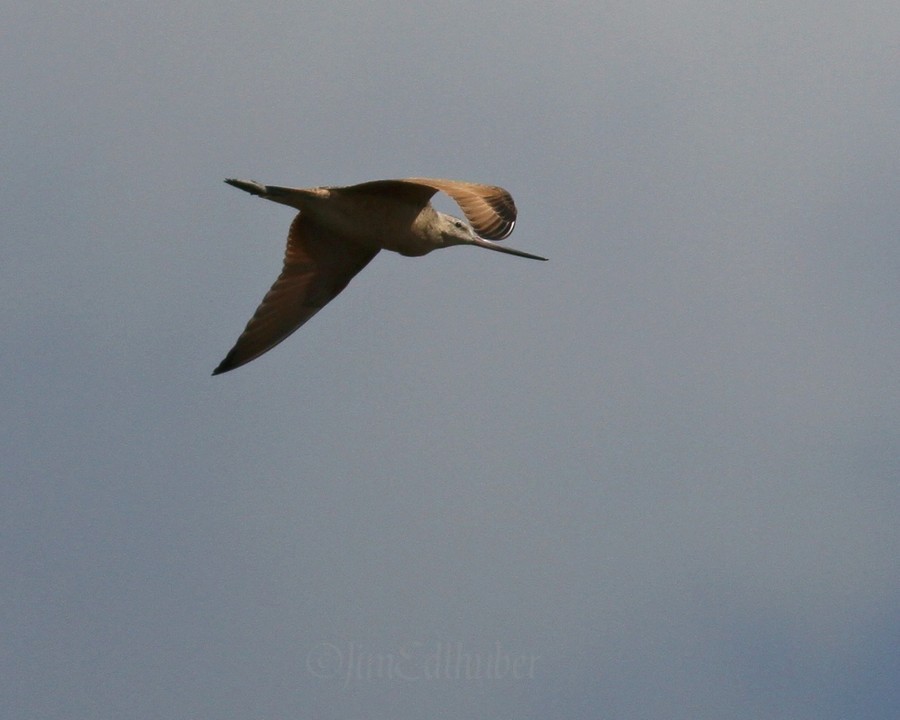
Marbled Godwit
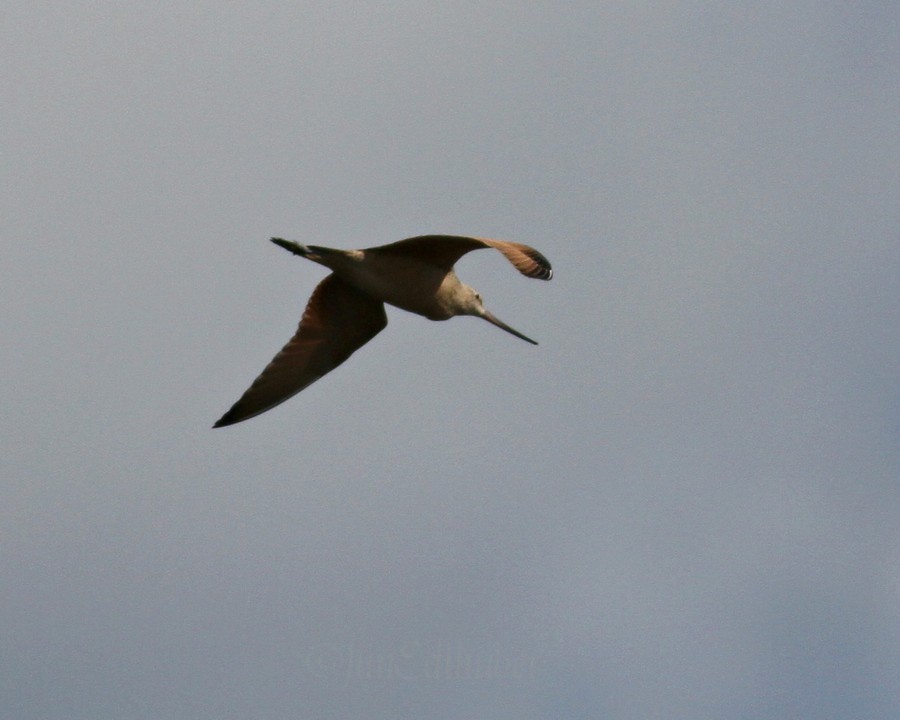
Marbled Godwit
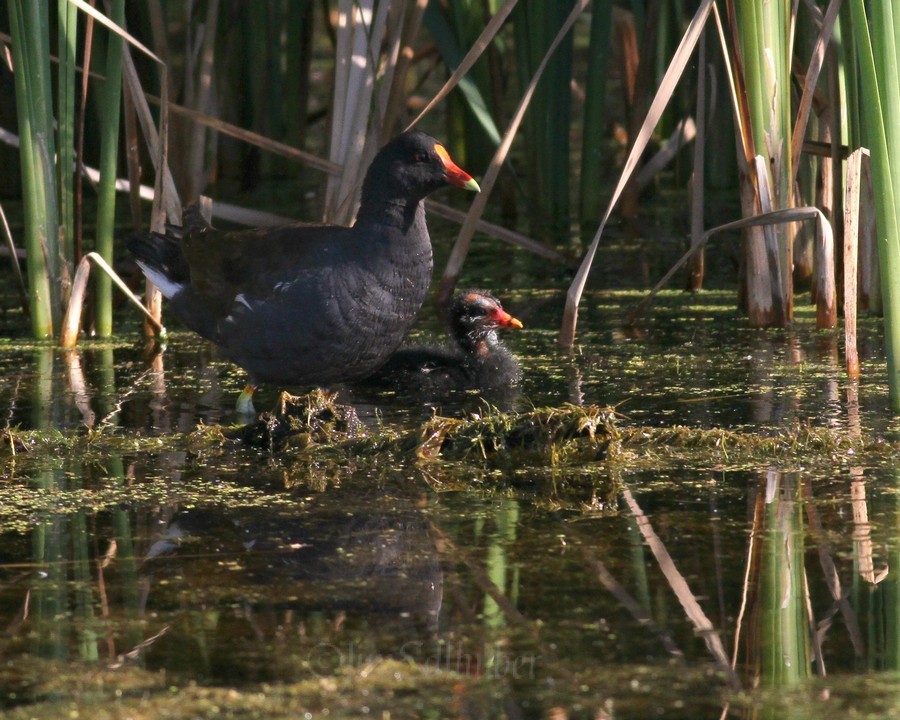
Common Moorhen with young
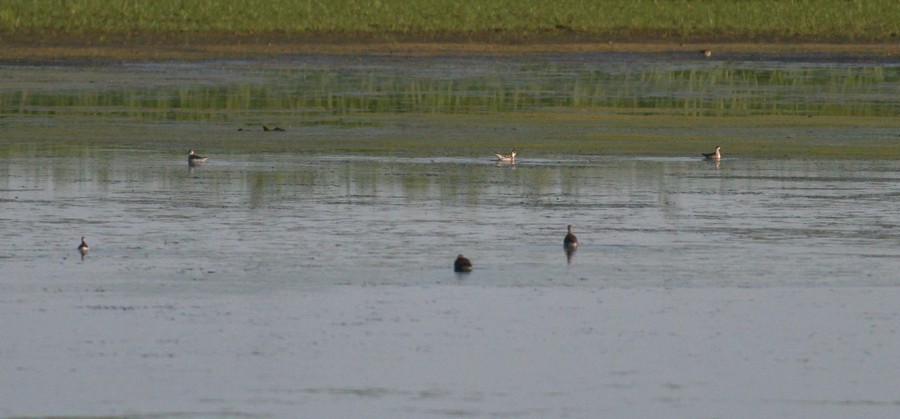
3 – Red-necked Phalaropes (background)
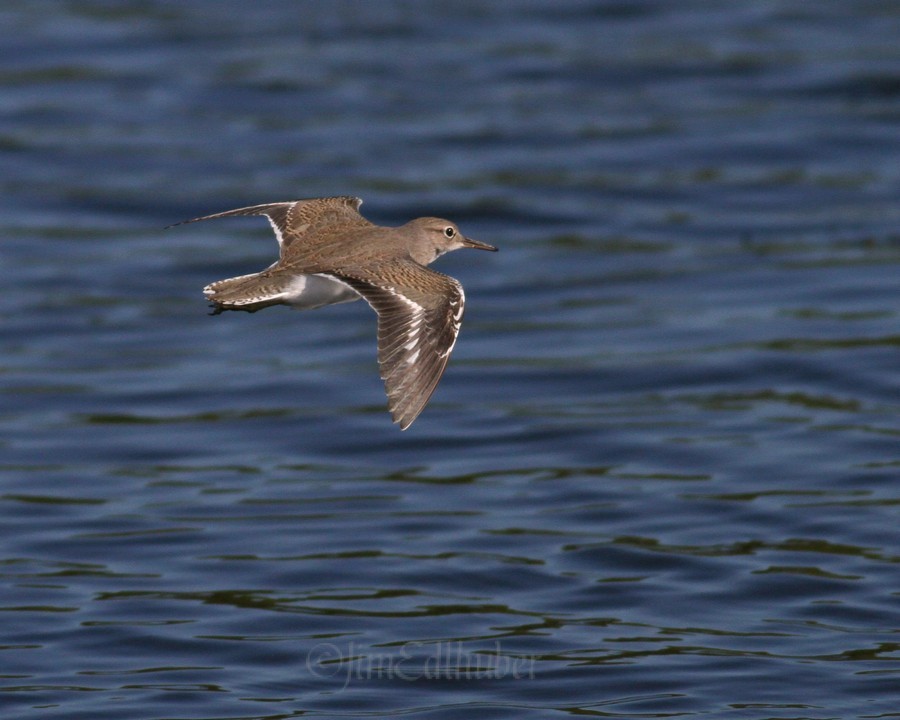
Spotted Sandpiper
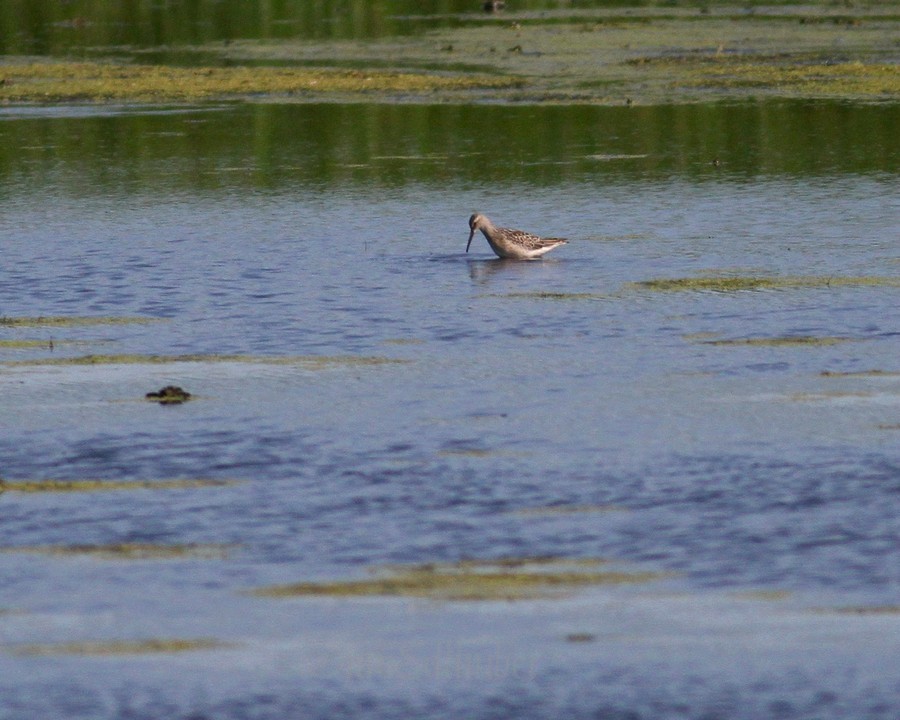
Juvenile Stilt Sandpiper
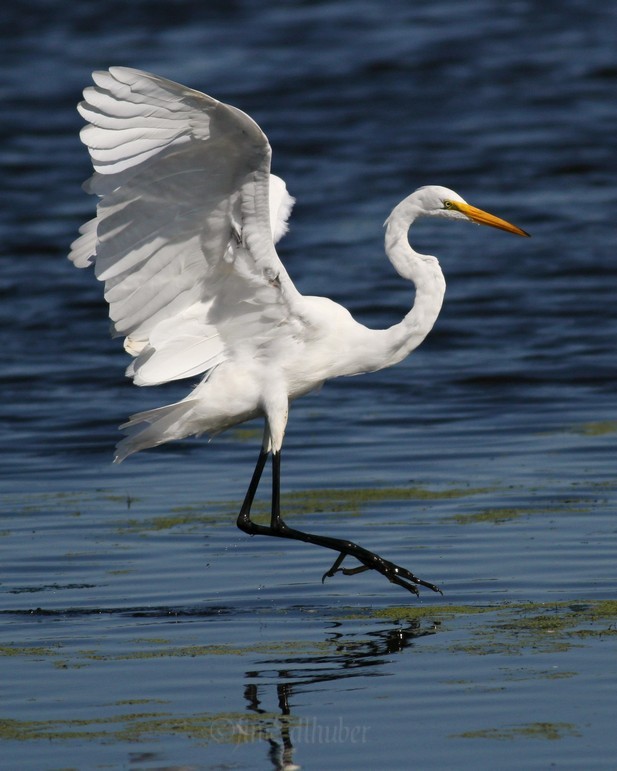
Great Egret
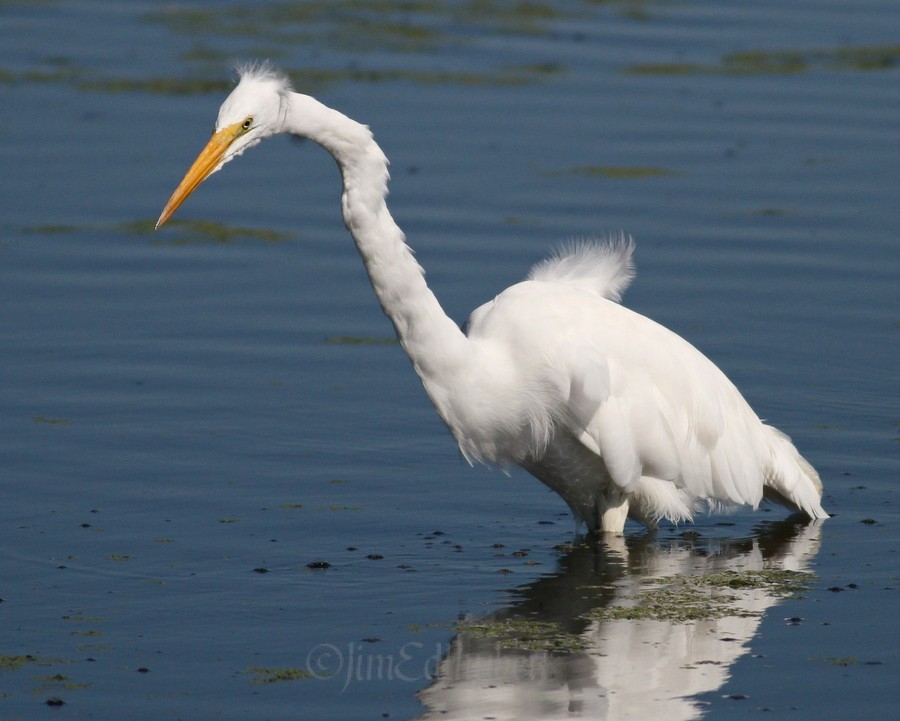
Great Egret
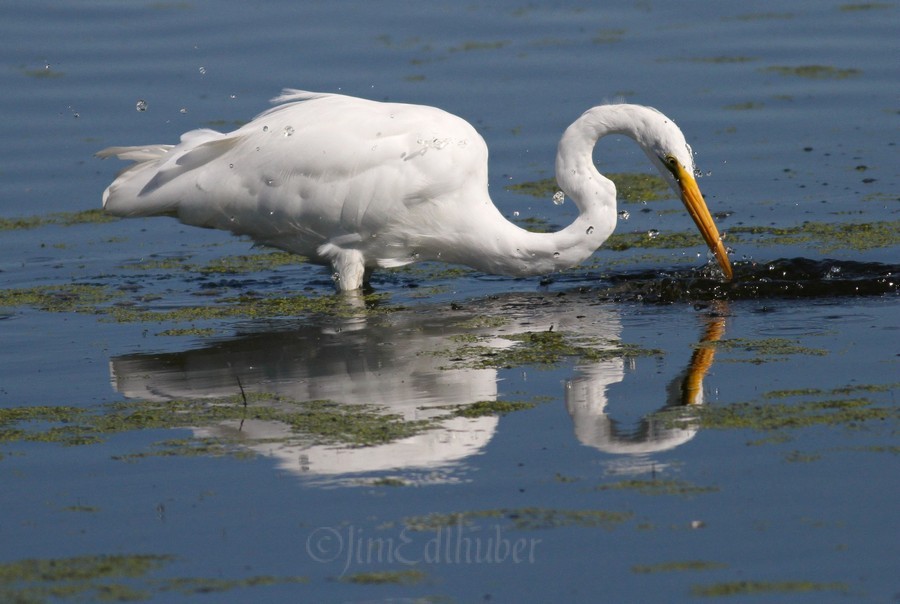
Great Egret
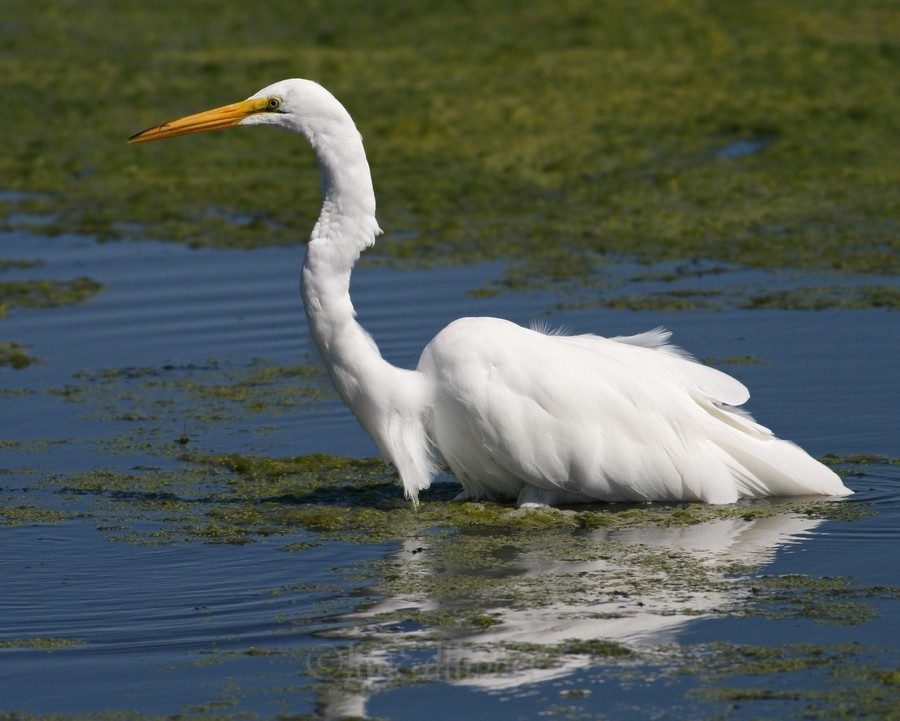
Great Egret
To view the full gallery of images, please click here.
Photographs from Horicon Marsh, Fond du lac/Dodge County, Wisconsin taken August 7, 2013.
Black-necked Stilts
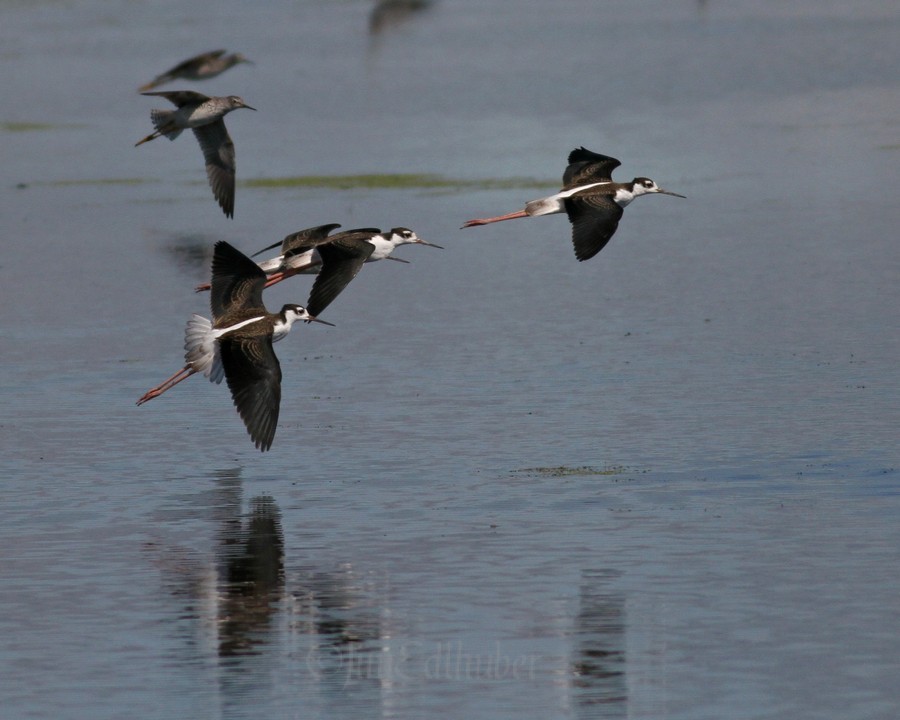
Black-necked Stilts
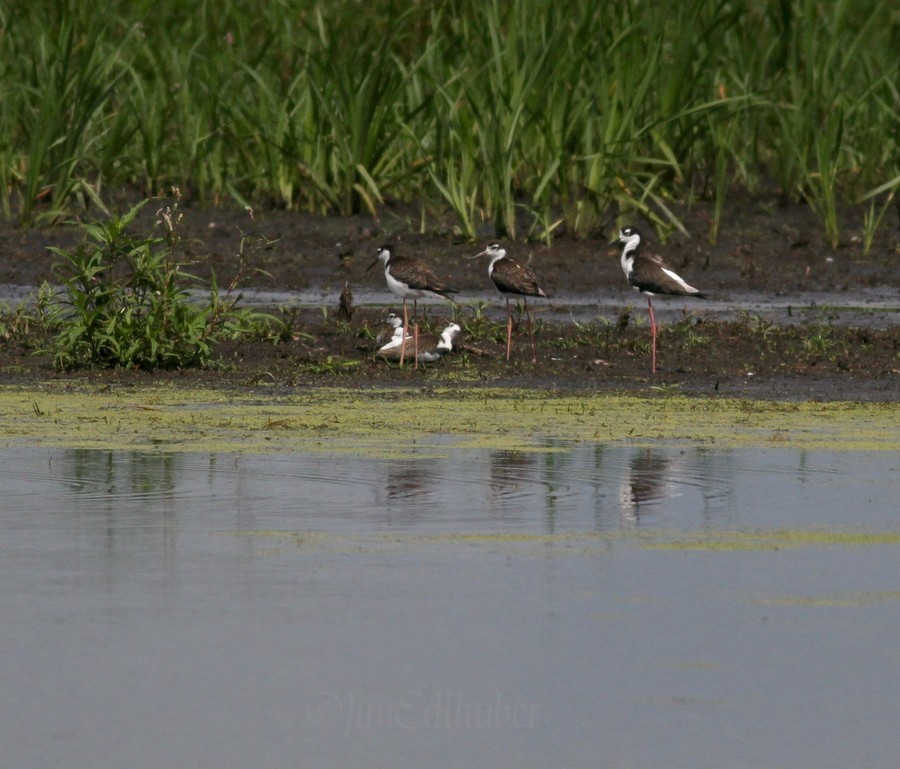
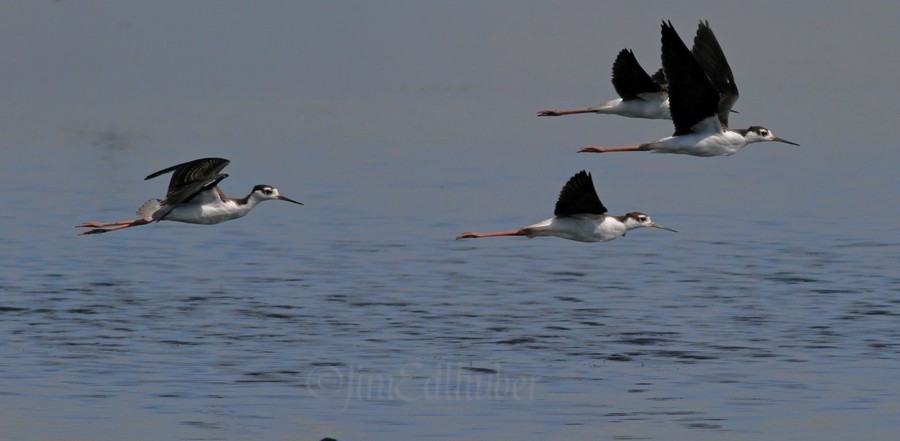
Black-necked Stilts
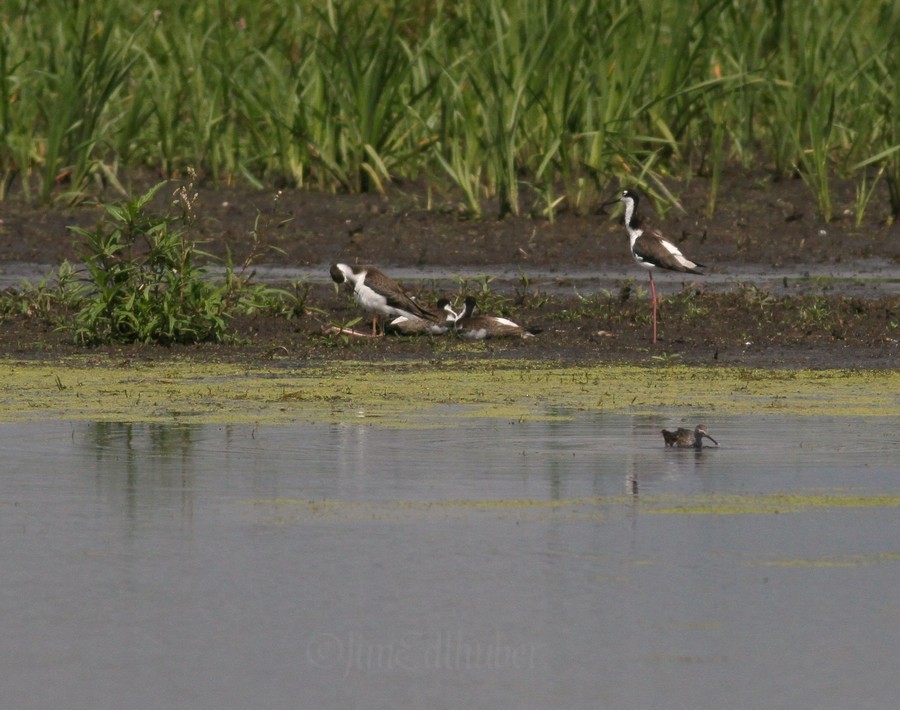
Black-necked Stilts
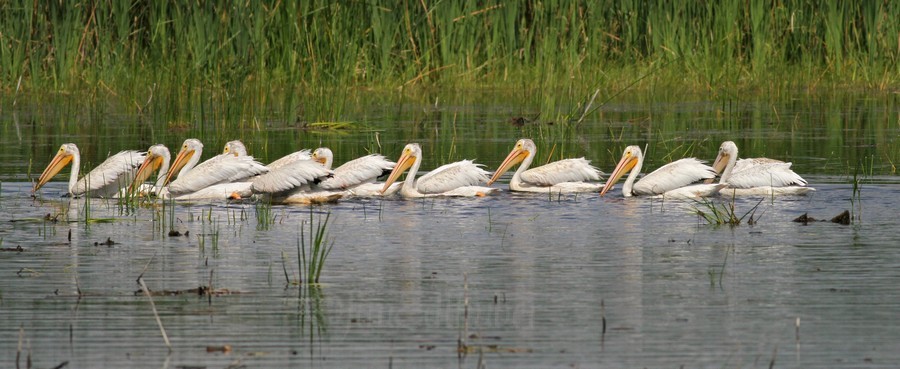
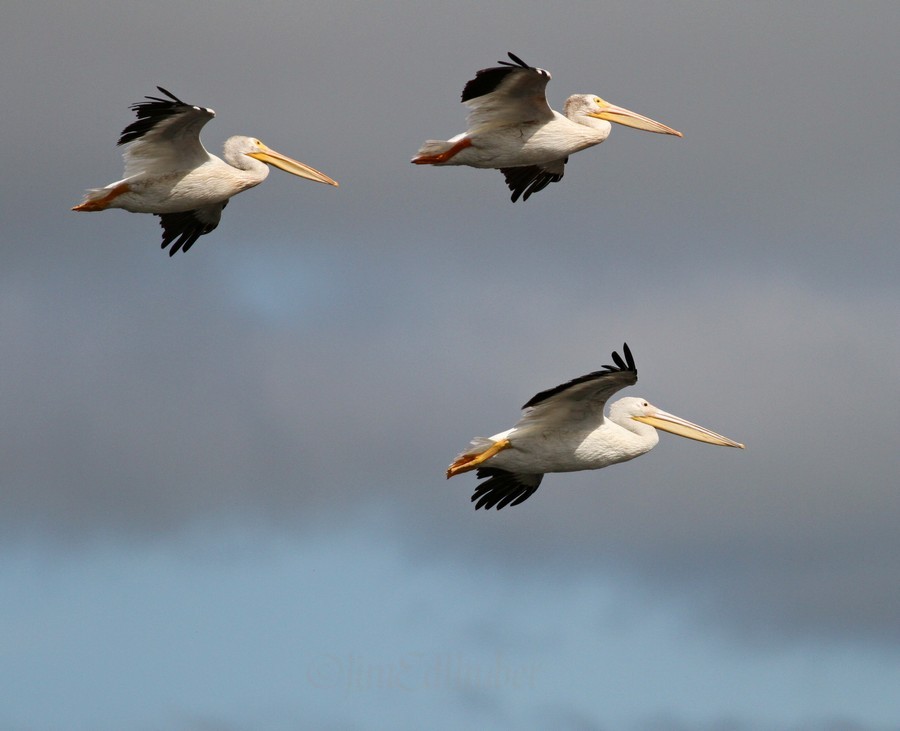
Juvenile American White Pelicans
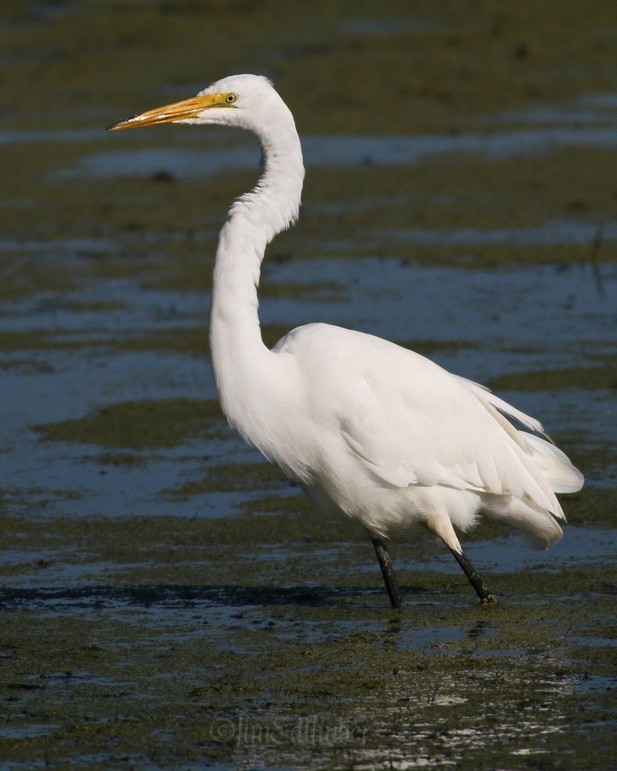
Great Egret
To view the full gallery of images, please click here.
Photographs from Horicon Marsh, Fond du lac/Dodge County, Wisconsin taken July 29, 2013.
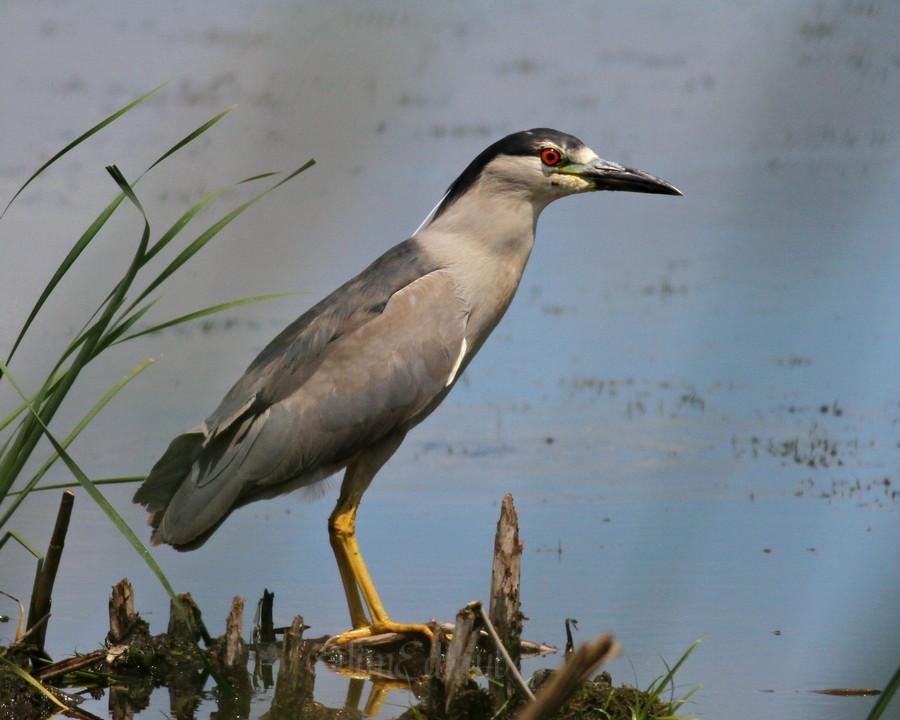
Black-crowned Night Heron
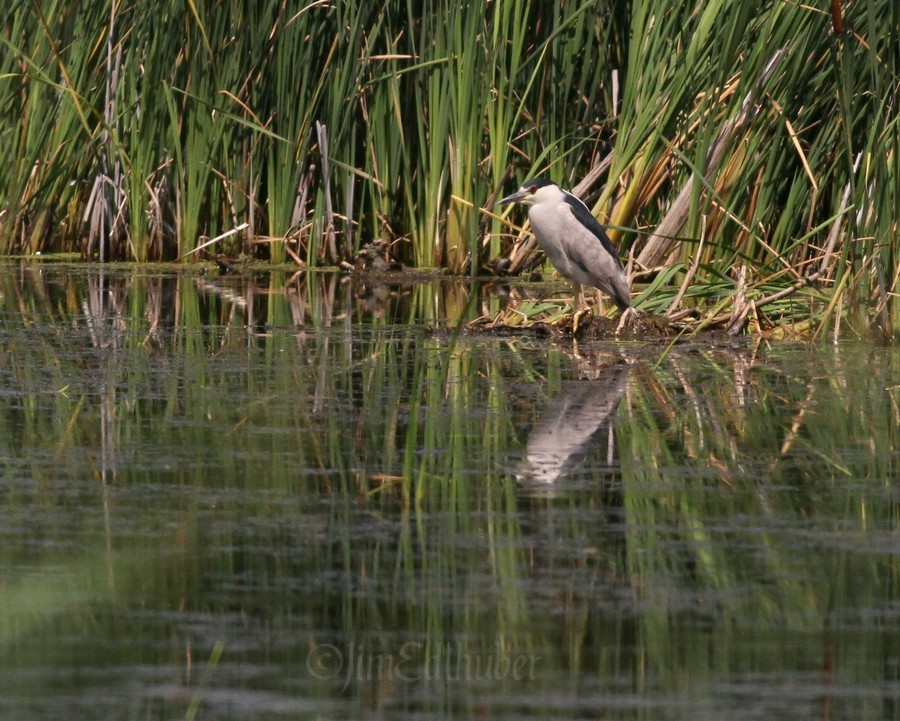
Black-crowned Night Heron
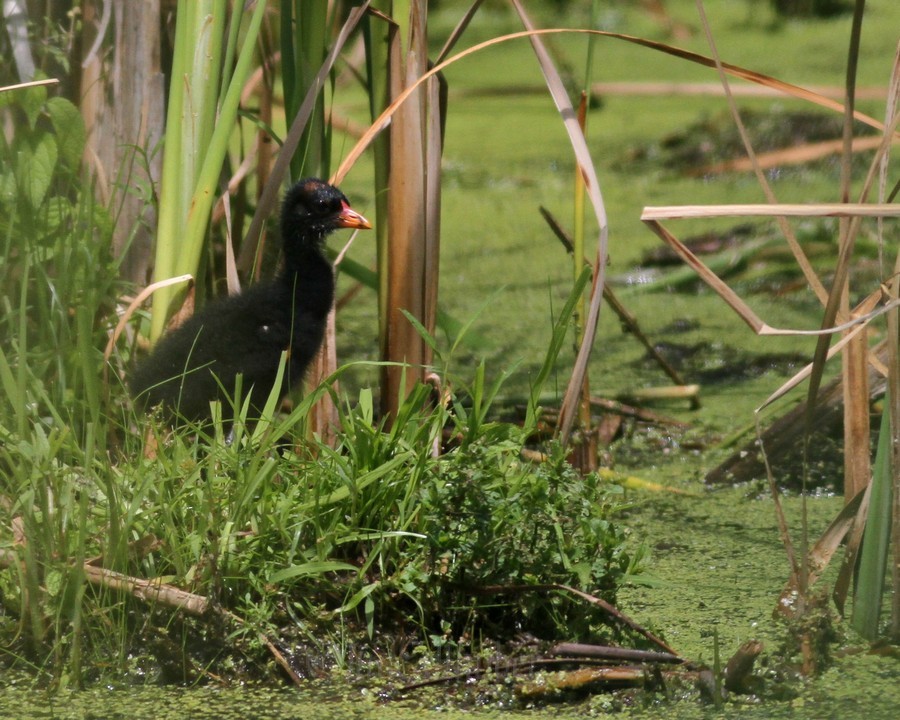
Baby Common Moorhen
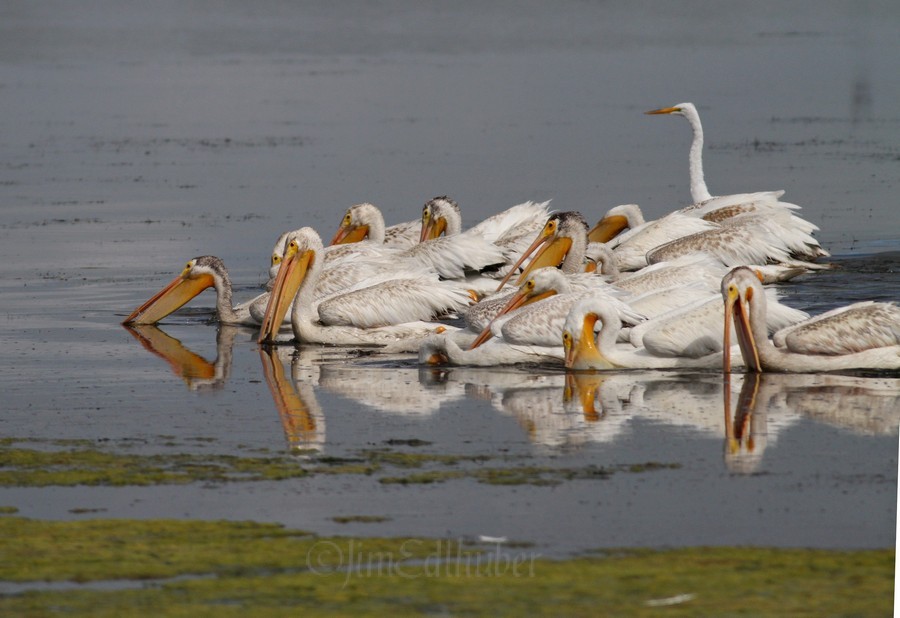
Juvenile American White Pelicans
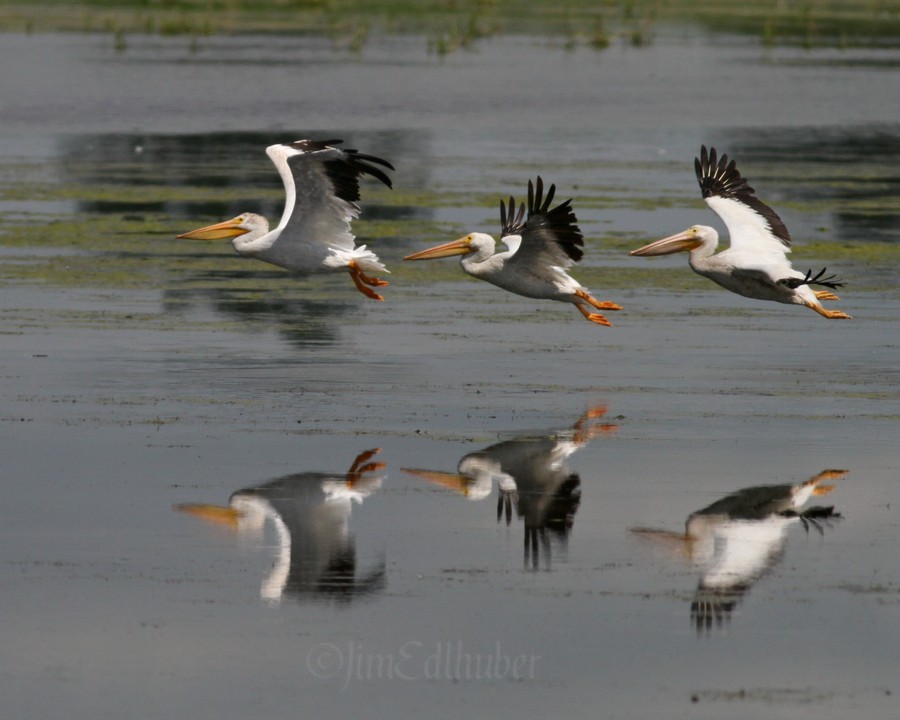
Juvenile American White Pelicans
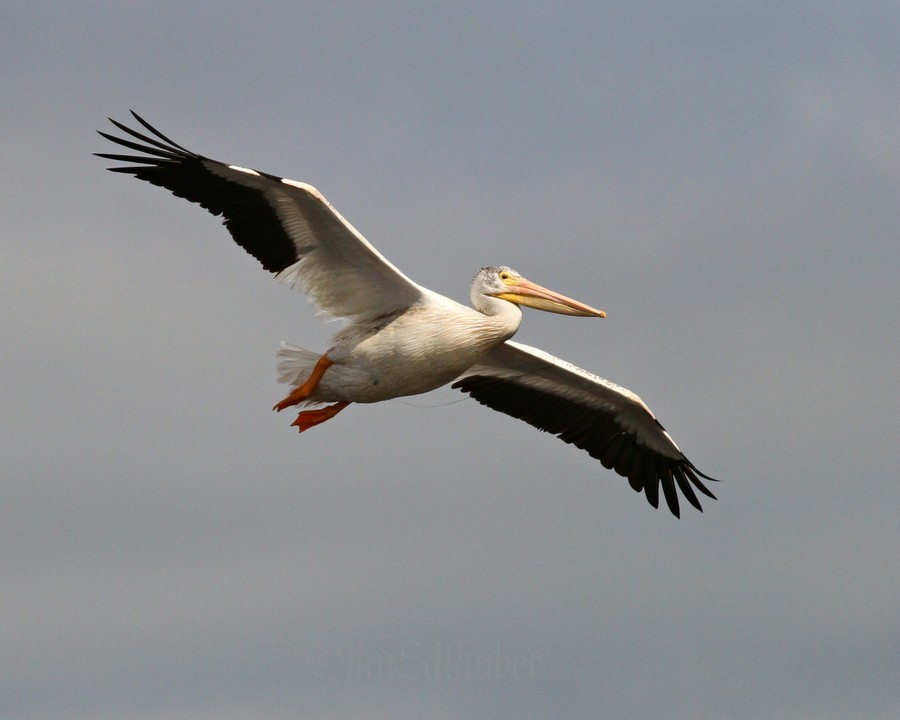
Juvenile American White Pelicans
Juvenile American White Pelican
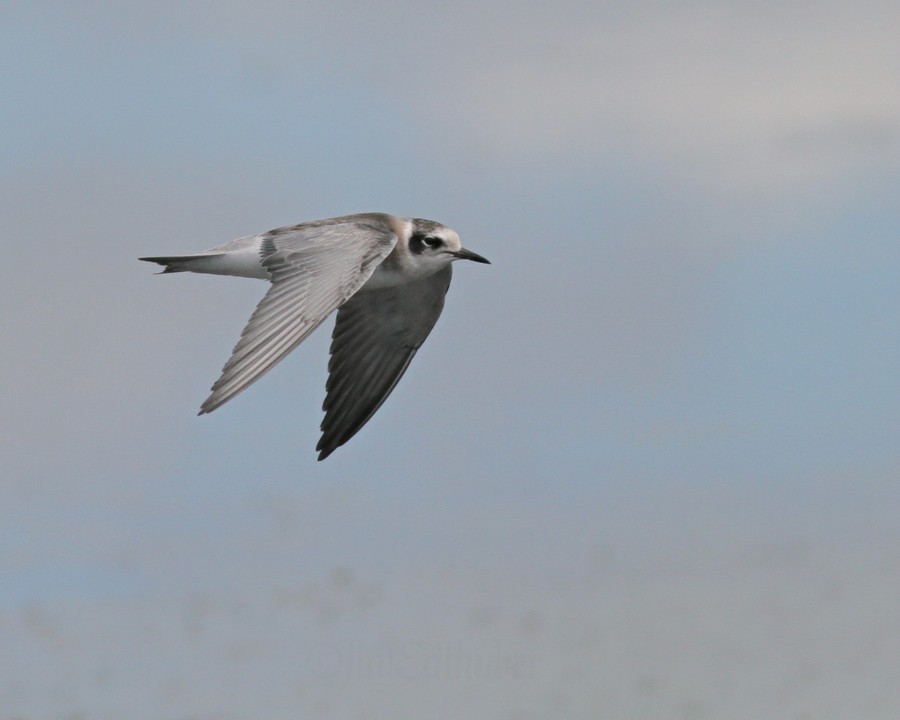
Juvenile Black Tern
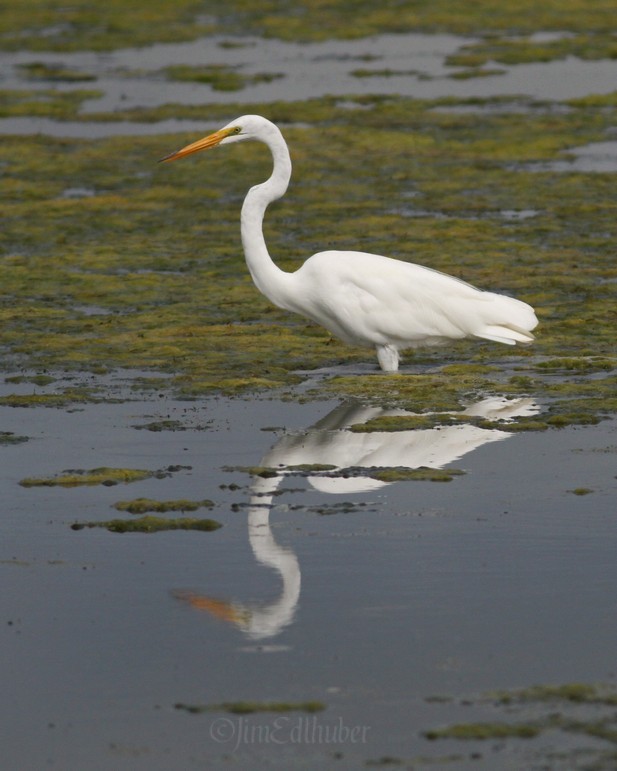
Great Egret
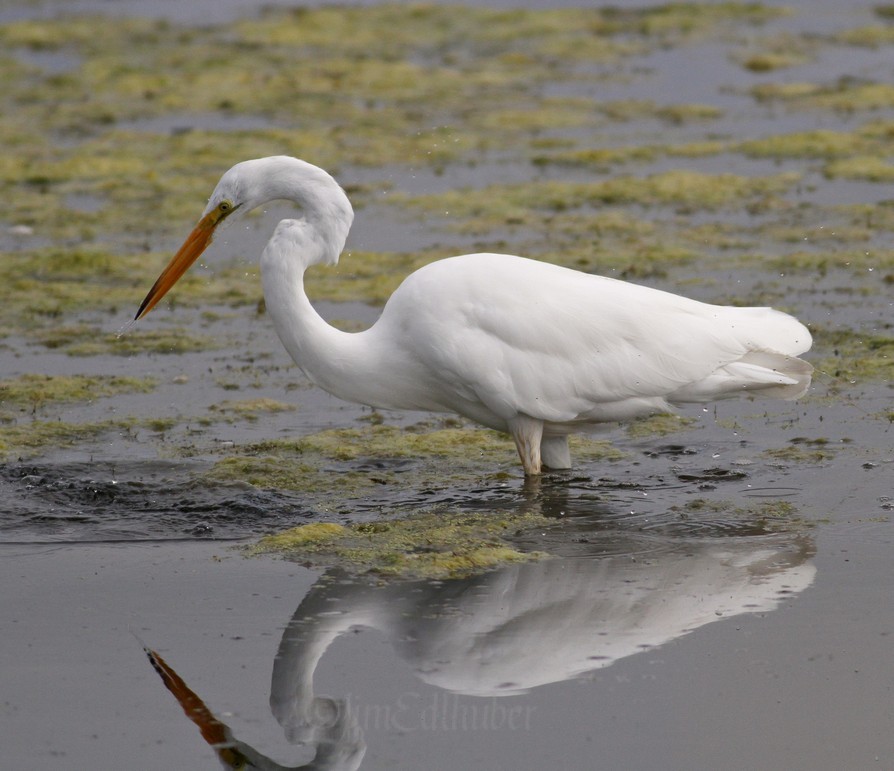
Great Egret
To view the full gallery of images, please click here.
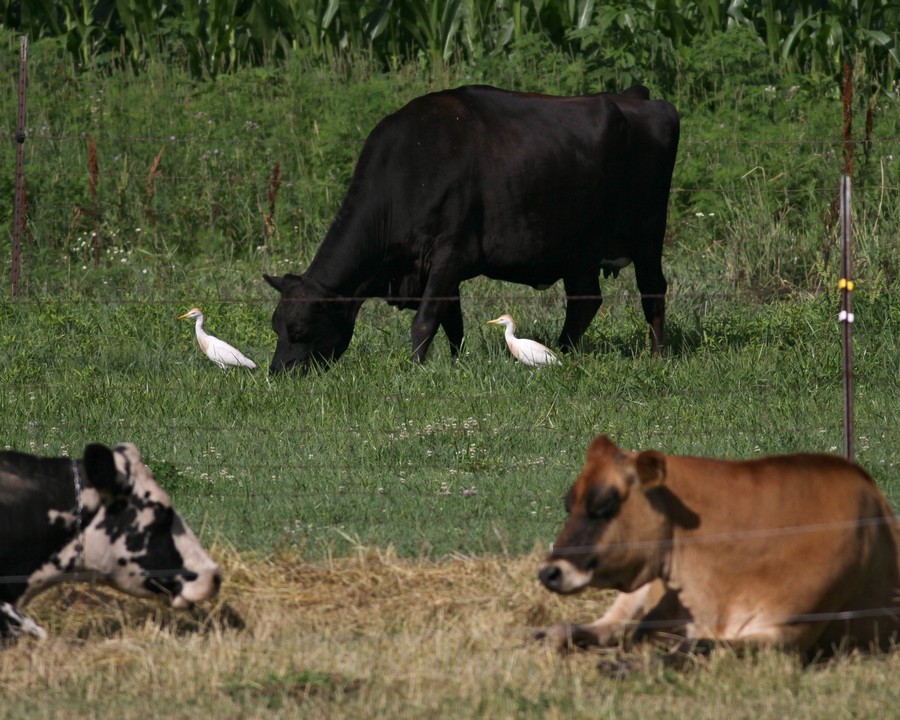
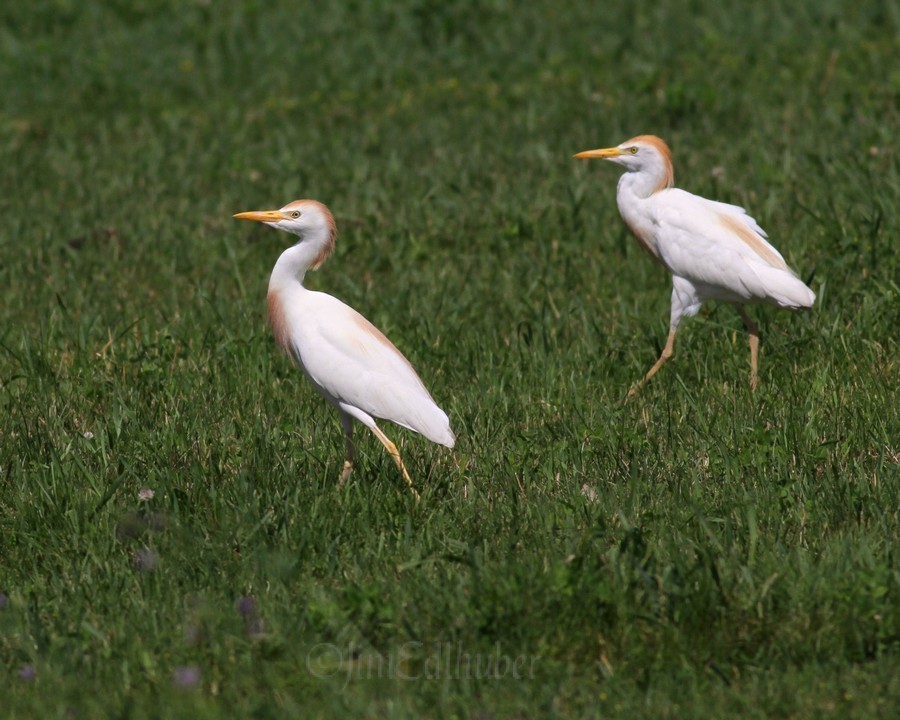
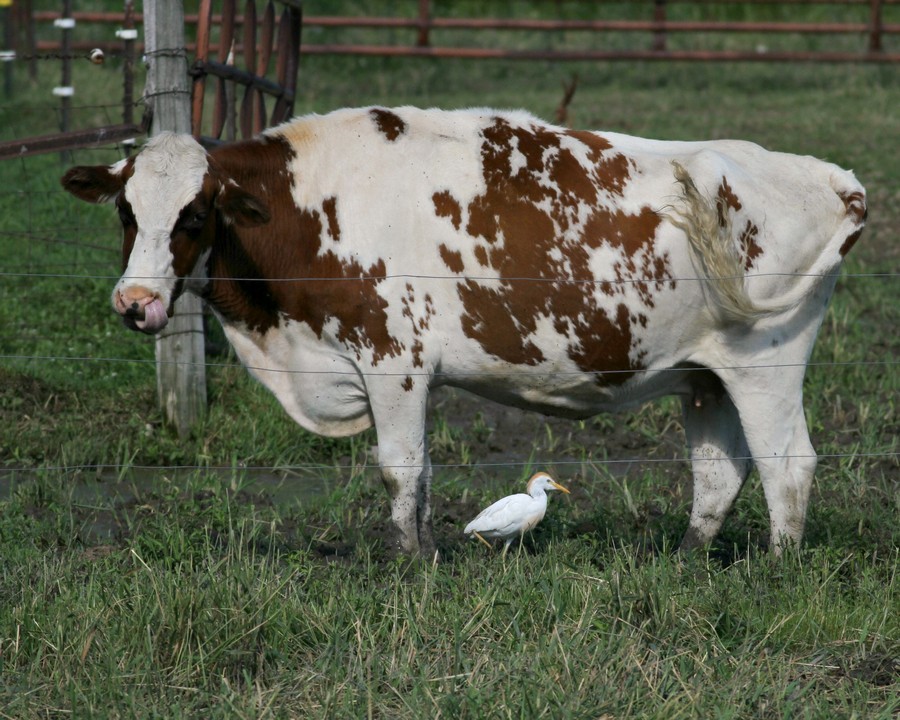
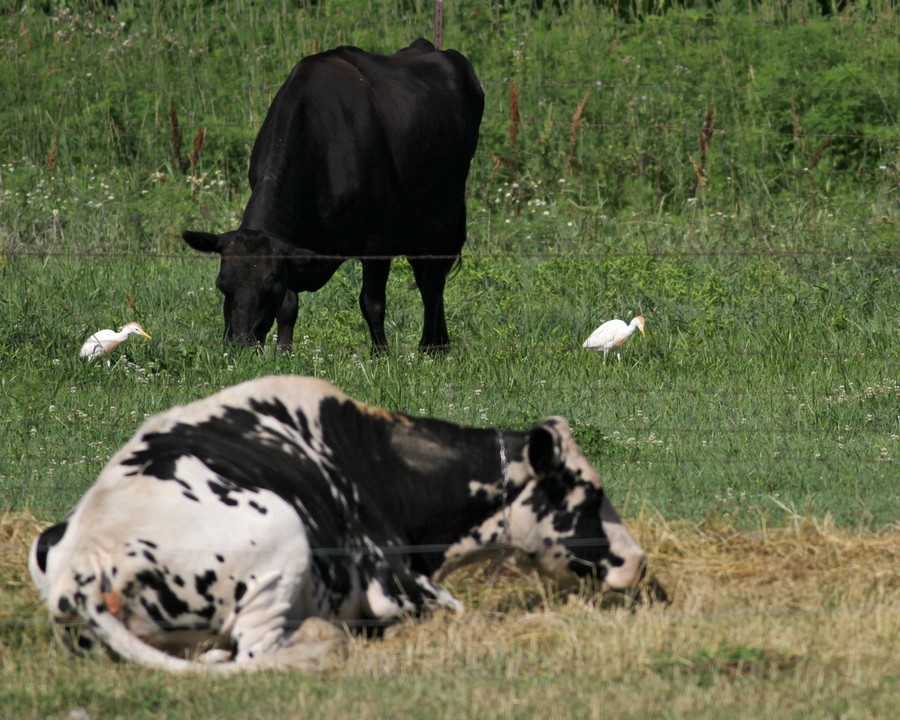
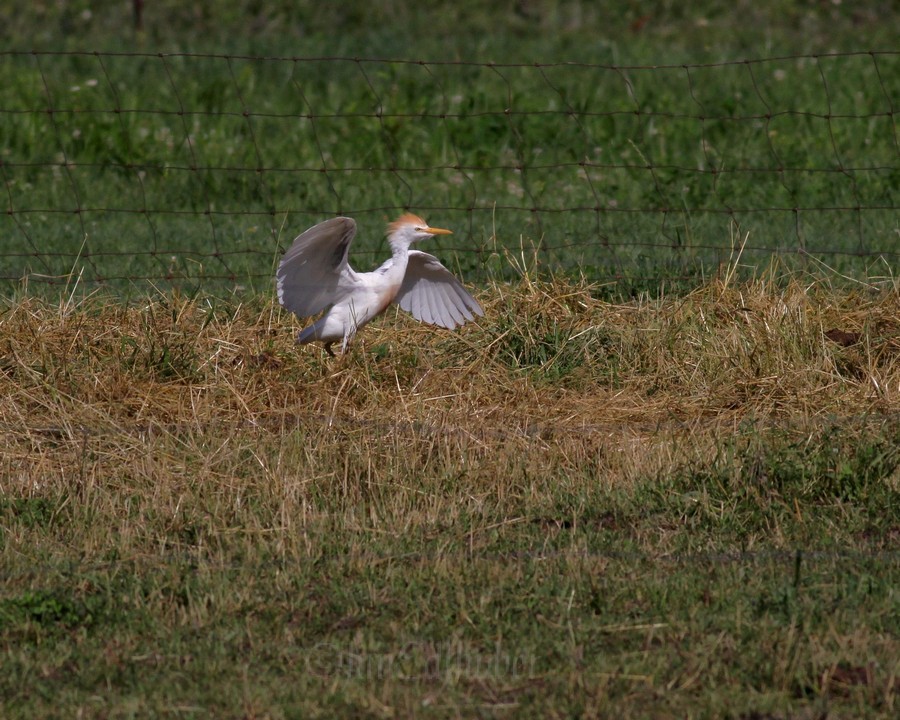
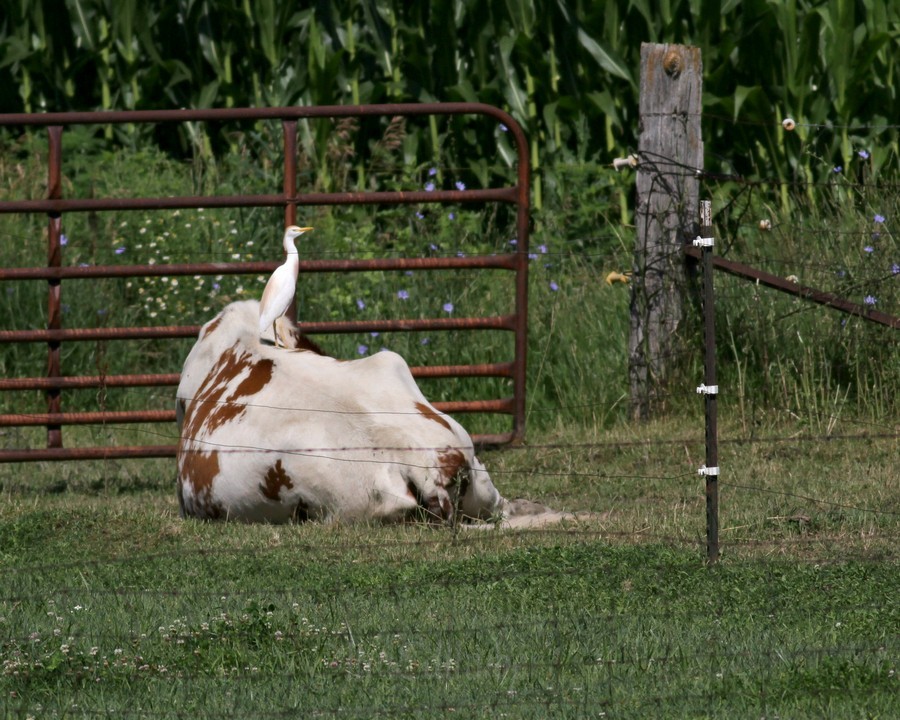
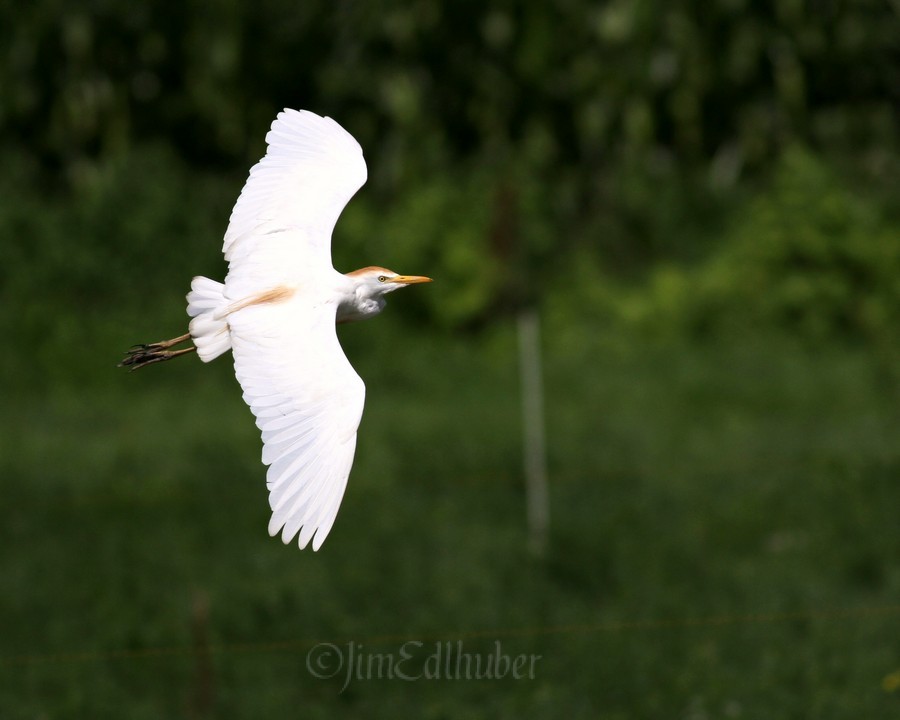
The Cattle Egret is one of my nemesis birds this year. After many miles of driving through areas where Cattle Egrets had been reported, this was my first real chance to photograph one. This time it did not disappoint me. I saw not one bird, but two. They were in a double pasture with cows just northeast of Horicon Marsh on Stumpf Road in Fond du lac County, Wisconsin.
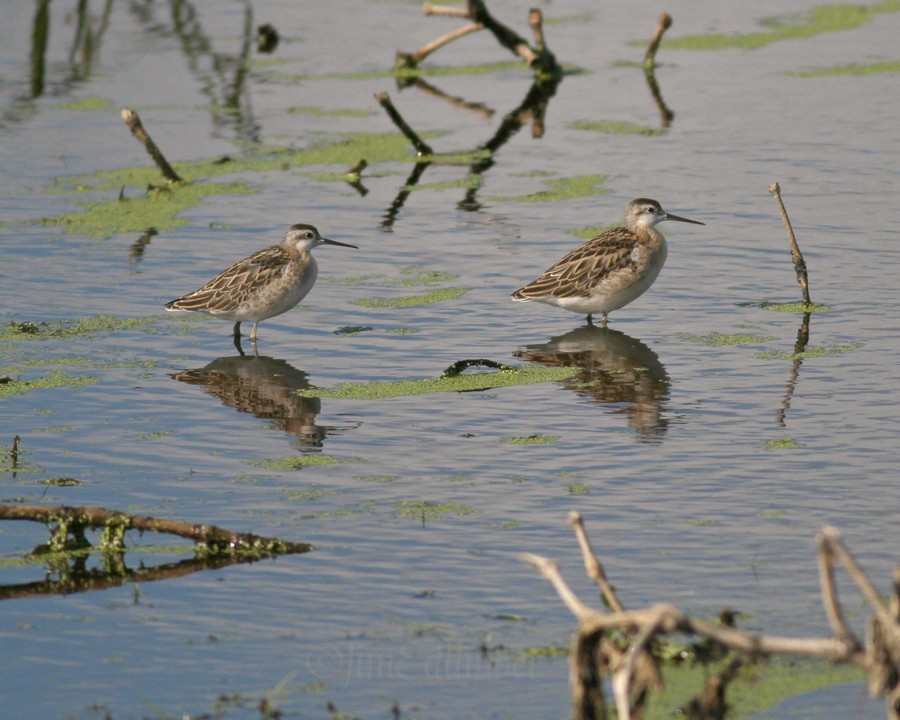
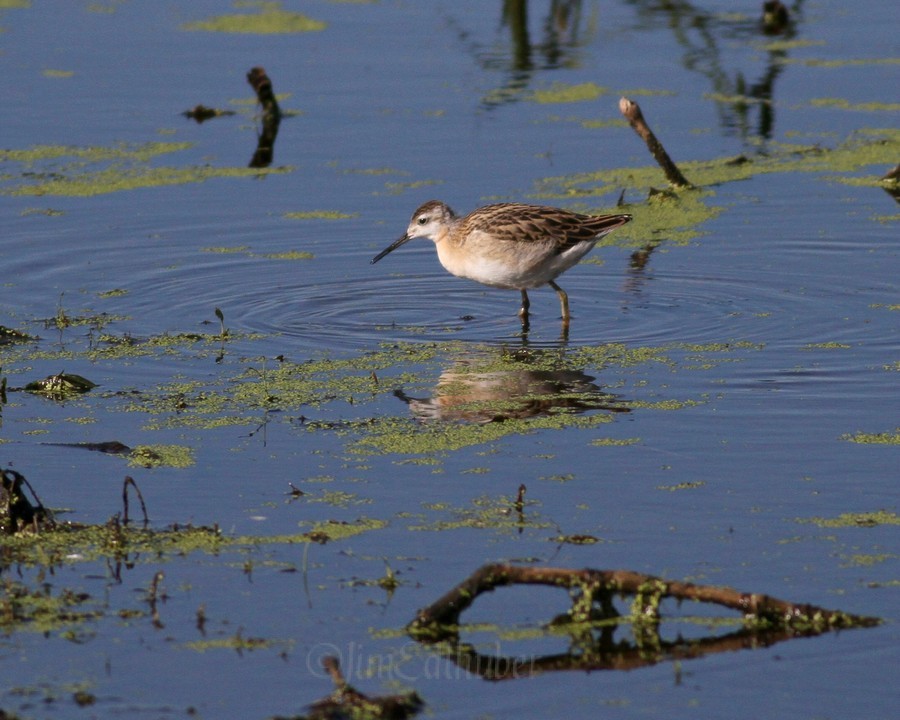
I’ve also included images of some Wilson’s Phalaropes (Phalaropus tricolor) from Horicon Marsh.
Photographs taken July 23, 2013.
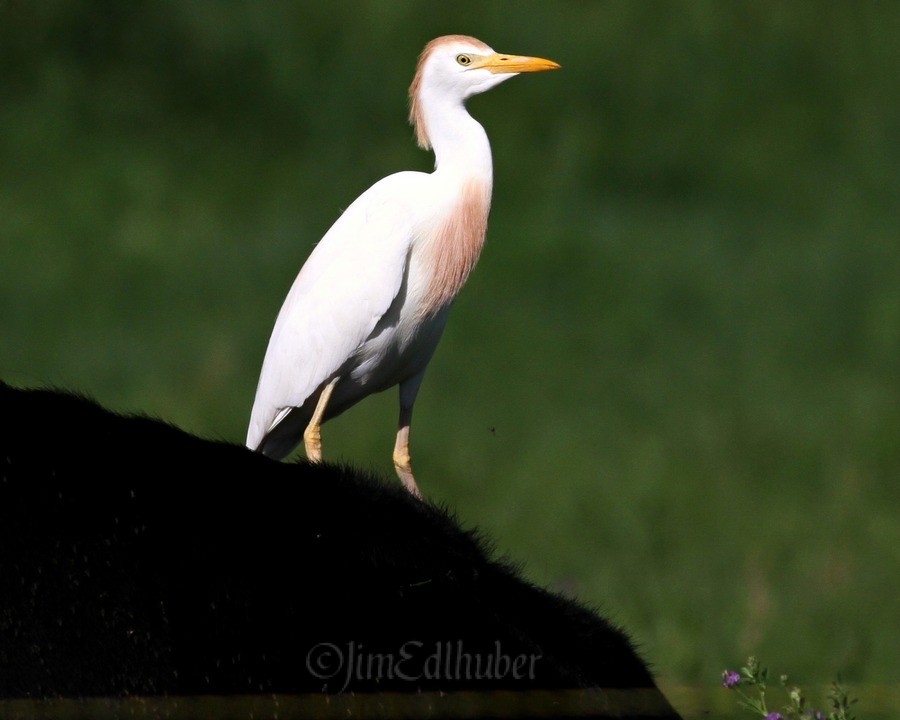
Binomial name: Bubulcus ibis
Category: Bitterns, Herons, and Allies
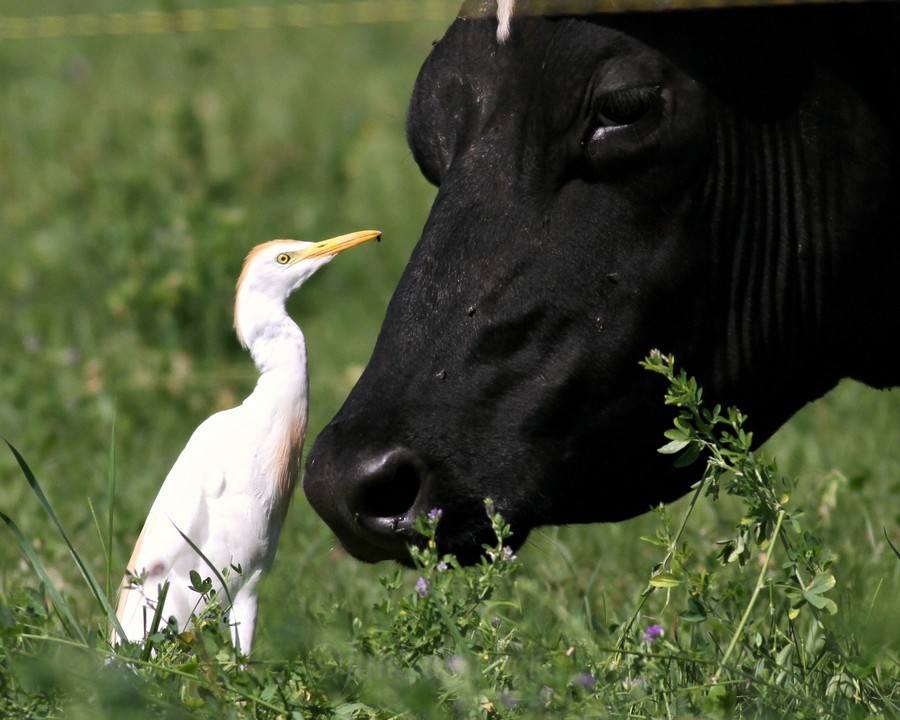
Description: White plumage with cream-colored feathers on its chest, head, and tail during breeding season. Yellow bill and gray legs.
Size: 18”-22” long, 35” – 38” wingspan
Weight: 9.5 oz. – 18 oz.
Habitat: Pastures, grasslands, meadows, and wetlands
Diet: Insects (grasshoppers and crickets), spiders, amphibians, and worms
Nesting: Cattle Egrets nest in colonies, typically near a body of water. Both males and females build the nest; males collect twigs and sticks while the female assembles them into jumbled pile in a tree or shrub. It is common for these birds to steal nest materials from others. The female will lay 1 to 5 eggs and raise 1 brood each season. Both parents incubate the eggs. Chicks are born with down feathers but are still helpless. The fledglings leave the nest after about 45 days.
Notes: Cattle Egrets are appropriately named as they tend to forage for food near cattle or other large, grazing animals. They eat insects and other vertebrates spread by these animals. The birds have also been known to forage behind farm machinery. Farmers may welcome these birds to their pastures as Cattle Egrets will help control fly and tick populations among cattle.
To view the full gallery of images, please click here.
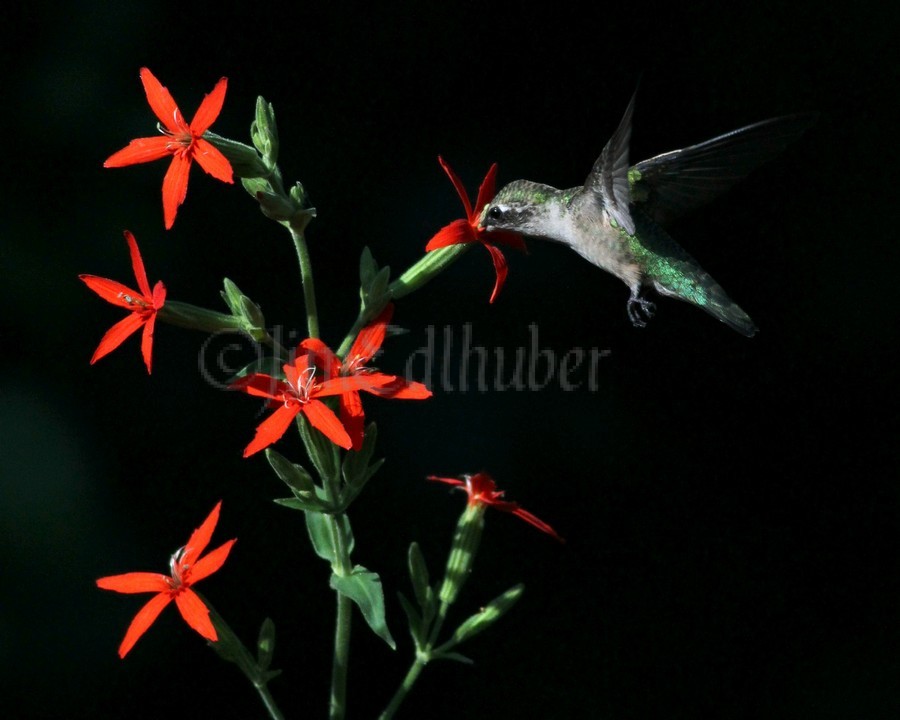
I had another opportunity to photograph the Ruby-throated Hummingbird in my backyard, this time enjoying Royal Catchfly (Silene regia). As I mentioned in my last post on this fascinating species (Ruby-throated Hummingbird on Bee Balm), these hummingbirds favor red tubular flowers most of all. Royal Catchfly, a native of Missouri, is an excellent candidate here.
Photographs taken July 21, 2013 in Waukesha County, WI.
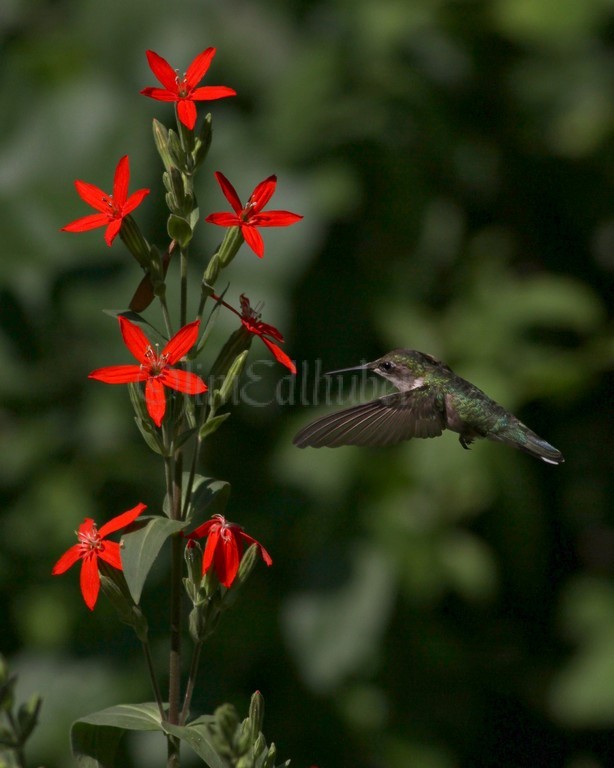
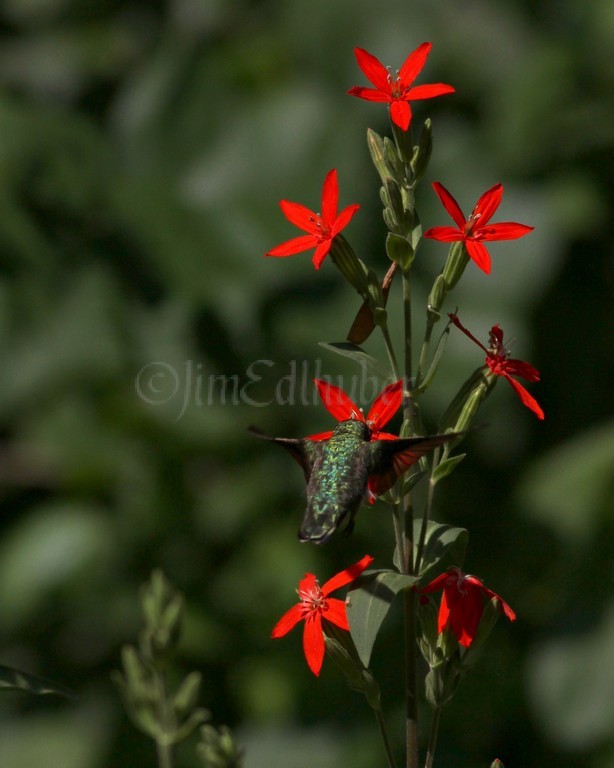
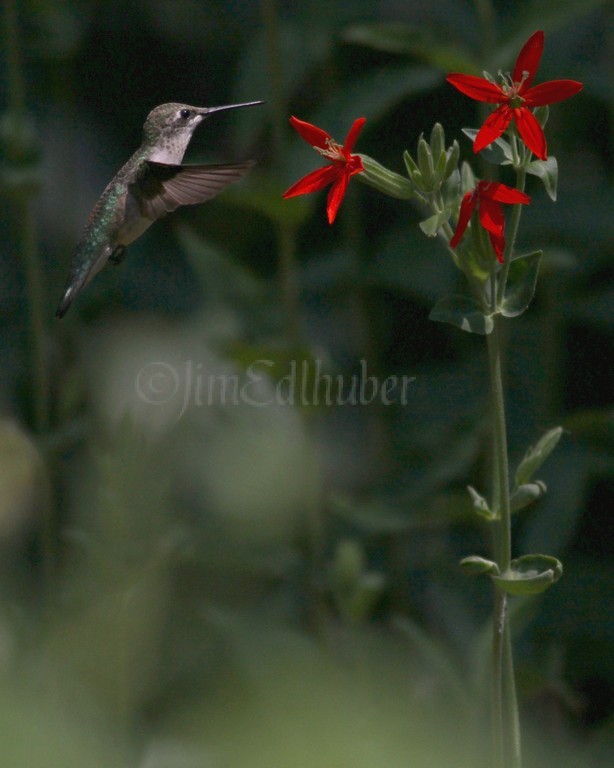
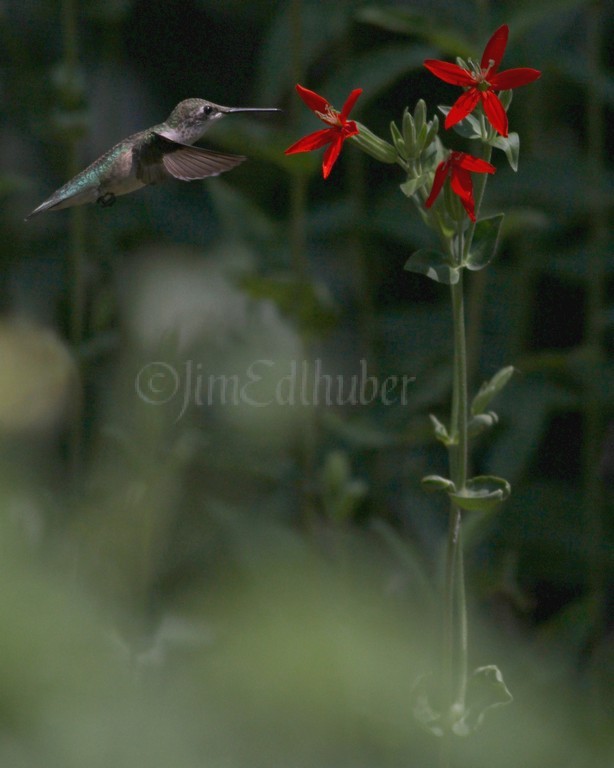
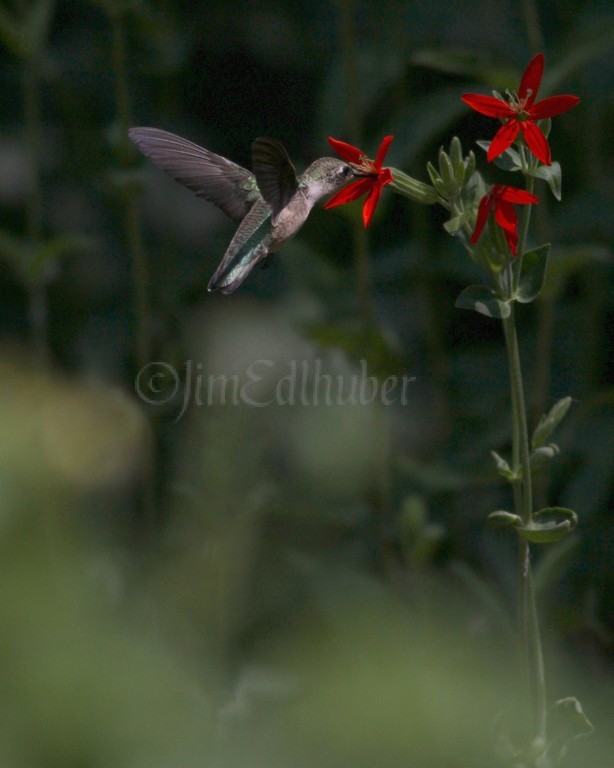
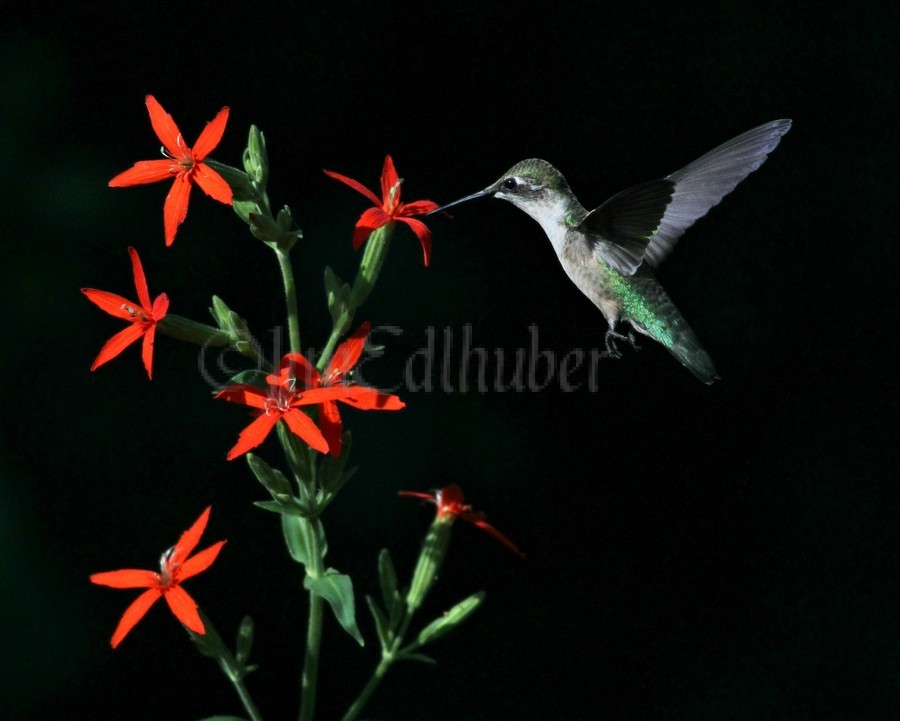
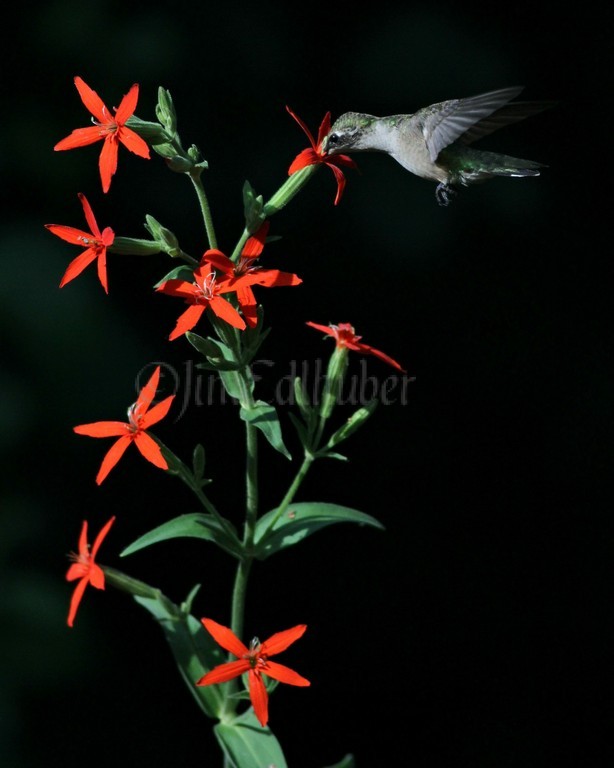
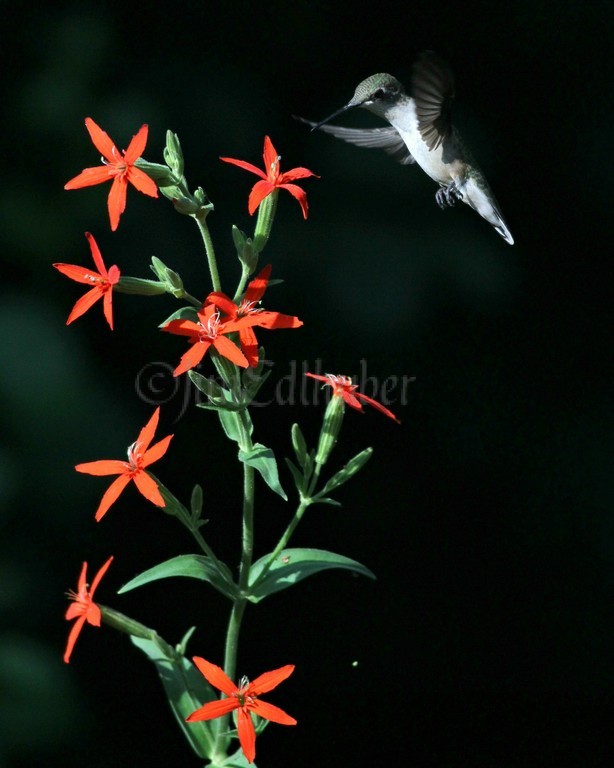
To see the full gallery of images, please click here.
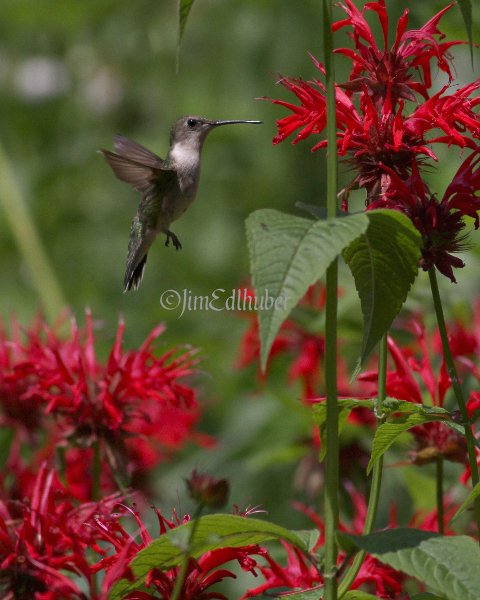
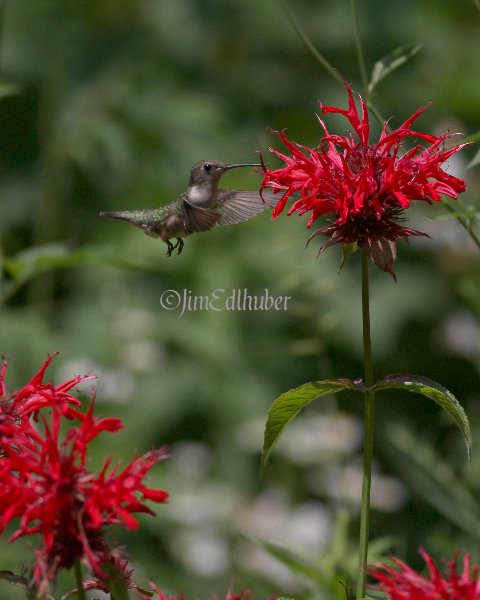
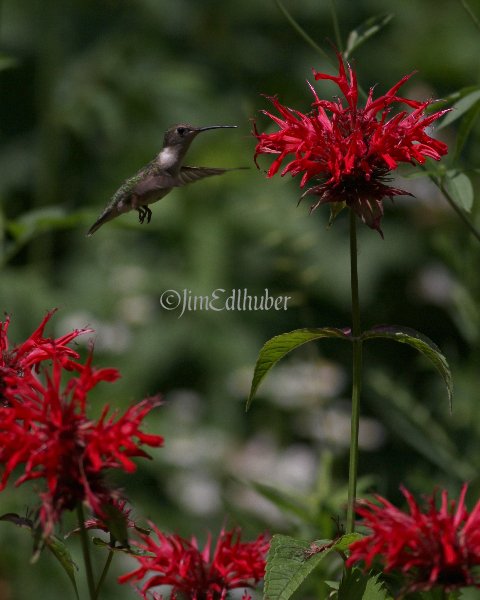
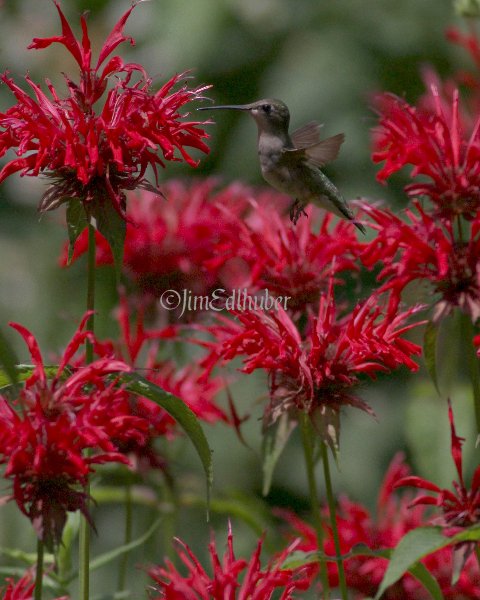
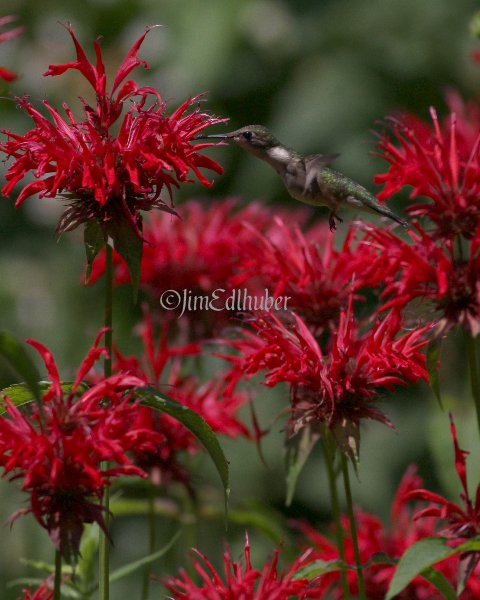
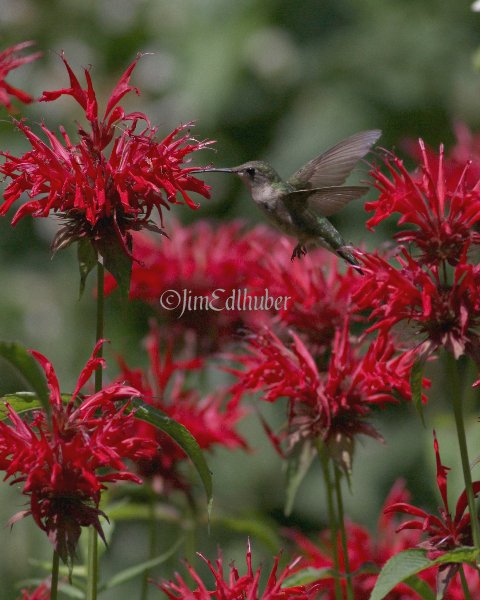
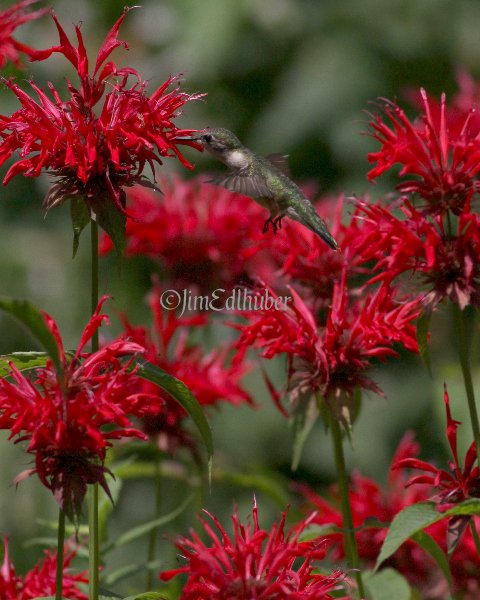
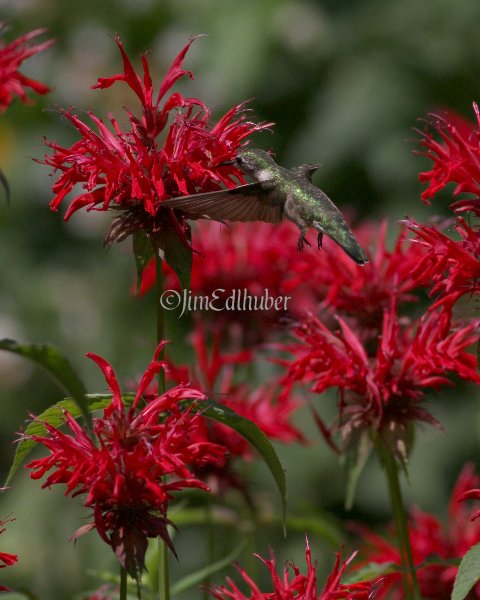
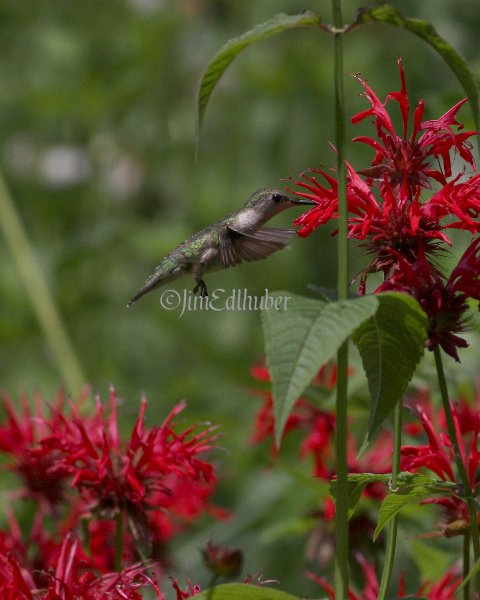
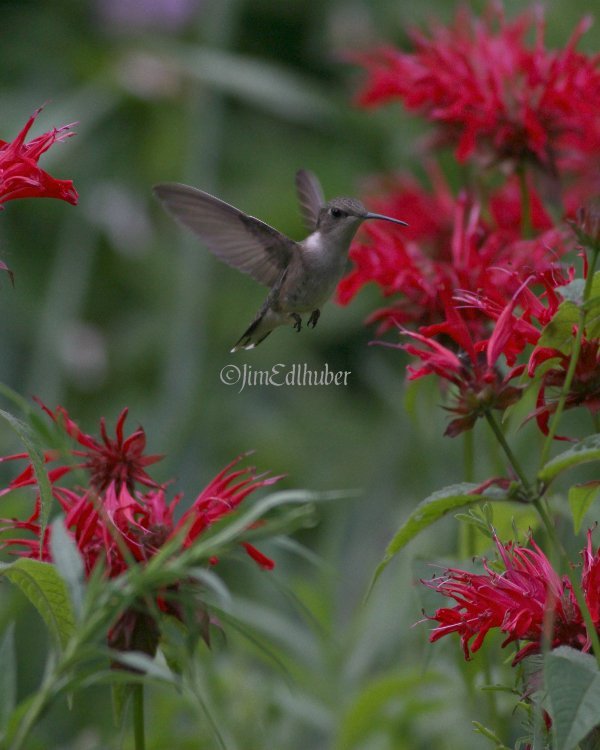
Just this week, I had the chance to photograph a Ruby-throated Hummingbird on Bee Balm at length in our yard in Waukesha, WI. The action I captured was of the Ruby-throated Hummingbird repeatedly visiting a bed of Red Bee Balm in our yard. This solitary species is enjoyable to watch as it darts, hovers, rotates, perches, and flies both forwards and backwards (Hummingbirds are the only bird species currently known to fly backwards). They favor red tubular flowers for nectar as is demonstrated by the vibrant Red Bee Balm pictured (Monarda didyma).
Pictures taken on July 15, 2013 in Waukesha County.
Binomial name: Archilochus colubris
Category: Hummingbirds
Description: Metallic green feathers on back, grayish-white on underparts. Males have a vibrant red throat which may appear dark in poor lighting. Wings are dark gray, almost black. Long, slender bill is black in color and mostly straight with a slight curve at the tip.
Size: 2.8″-3.5″ long, 3” – 4” wingspan
Weight: 0.071 oz. – 0.21 oz.
Habitat: Broadleaf and pine forests, orchards, meadows, parks, and gardens
Diet: Tree and flower nectar, small insects, and spiders
Nesting: The female provides all parental care, building a nest in a protected tree or shrub on a slightly downward-sloping limb. They favor deciduous trees such as oak, birch, or poplar. The nest is made out of bud scales, lichen, spider silk, and dandelion or thistle down. The same nest may be used year after year with the female making annual repairs. The female will lay 1-3 eggs at a time, laying eggs once or twice per summer. The young remain in the nest for 22-25 days.
Notes: A list of just some of the of native wildflowers we have planted in our yard to attract these exquisite tiny birds are: Red Bee Balm (Monarda didyma), Wild Bergamot (Monarda fistulosa), Cardinal Flower (Lobelia cardinalis), Wild Columbine (Aquilegia canadensis), Royal Catchfly (Silene regia), Butterfly Milkweed (Ascelpias tuberose), Hoary Vervain (Verbena stricta), Nodding Onion (Allium cernuum), Penstemon species, Echinacea species.
To see the full gallery of images, please click here.
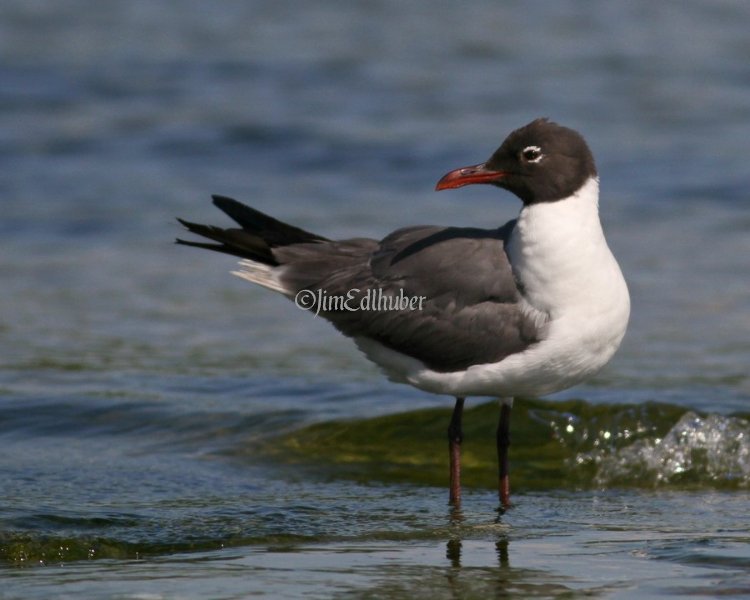
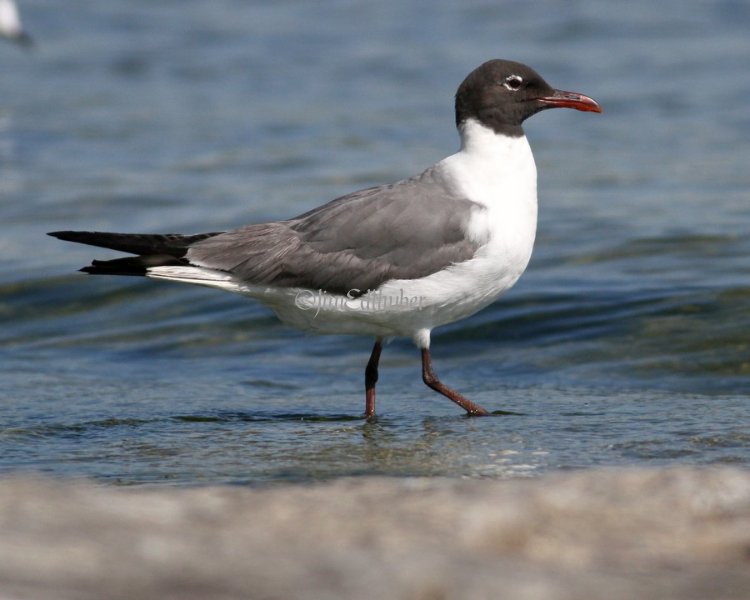
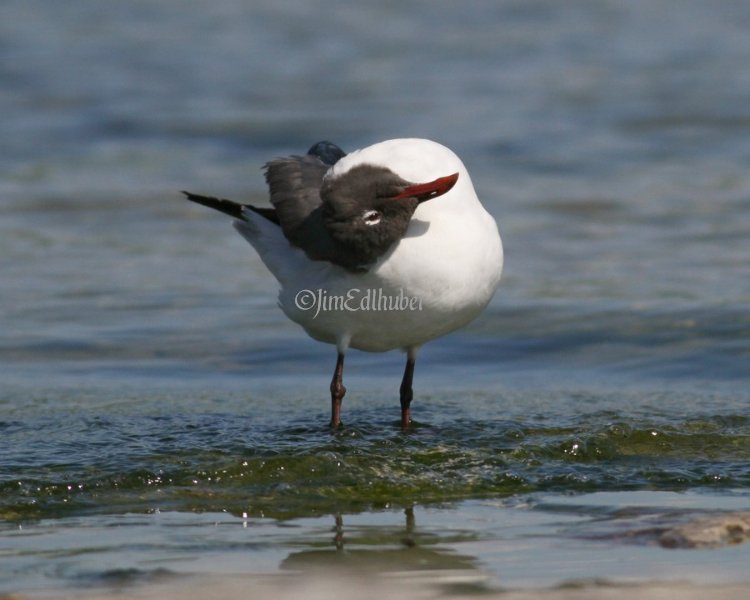
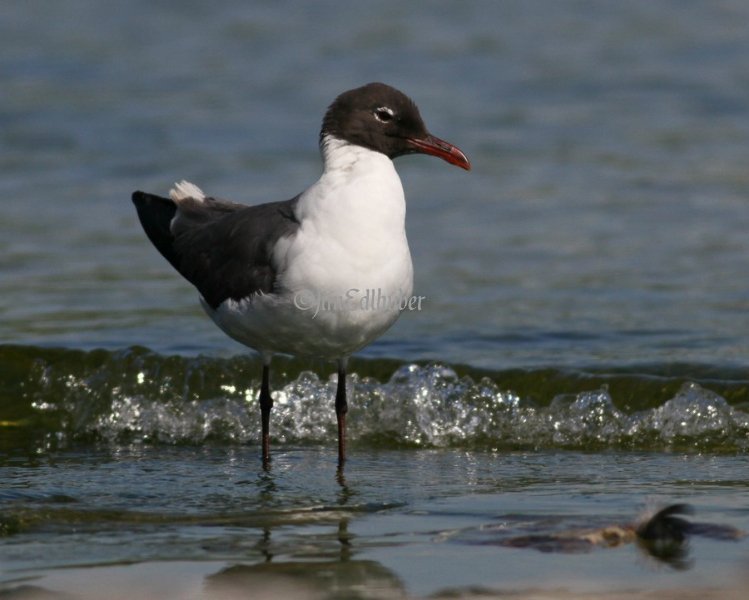
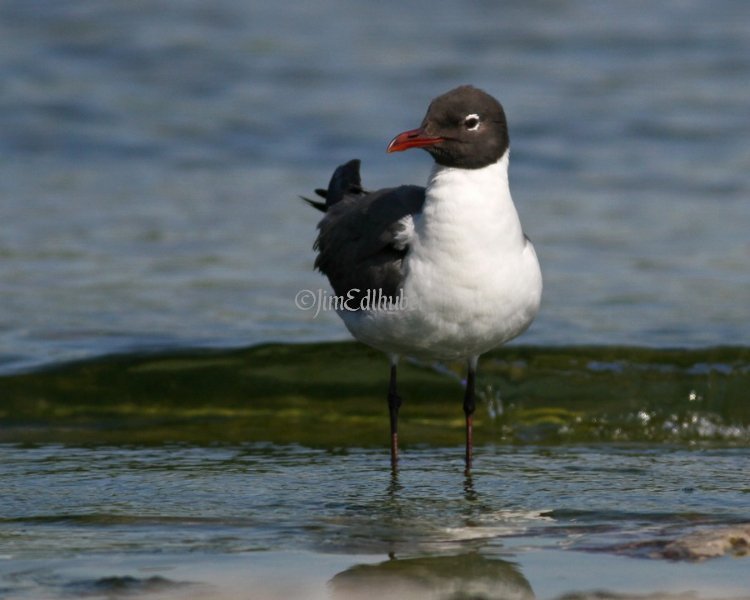
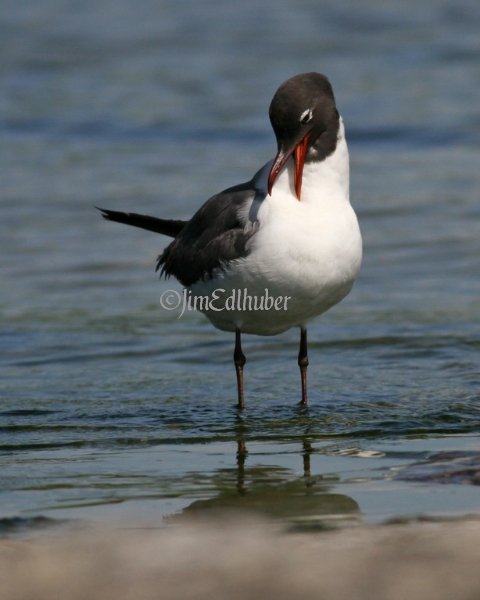
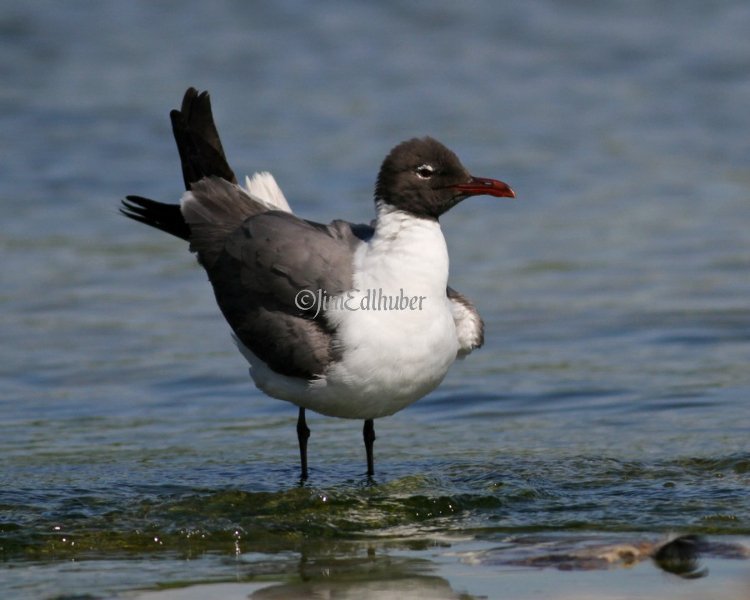
Binomial name: Leucophaeus atricilla
Category: Gulls, Terns, and Skimmers
Description: White body with dark gray back and wings with a black head. In the winter, the black head will fade to white. Dark red bill and legs.
Size: 14” – 16” long, 39” – 43” wingspan
Weight: 7 oz. – 13 oz.
Habitat: Coastal shorelines, beaches, ponds, and marshes
Diet: Insects, earthworms, snails, fish, squid, crabs, berries, garbage
Nesting: They nest in large colonies (up to 50,000 birds) on beaches or other shorelines. The nest is made of grasses and is usually built on the ground (or on rocks or dead plant materials) by both the male and female. Sometimes the male will build a nest in hopes of attracting a suitable breeding partner. The female will lay 1 brood per season with 3-4 eggs. She will incubate the eggs for 21 days.
Notes: The name “laughing gull” comes from its call which sounds like a high-pitched laugh.
To view the full gallery of images, please click here.