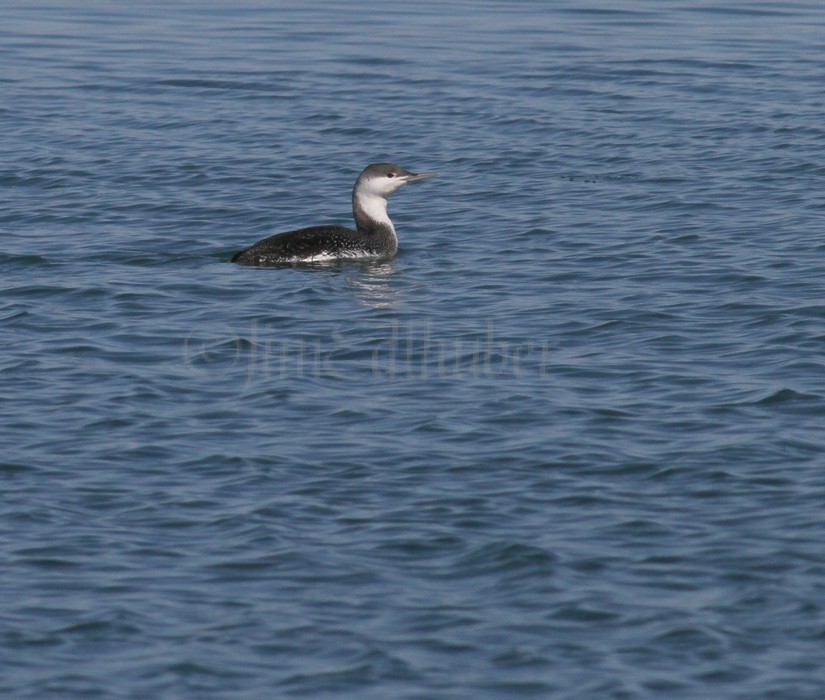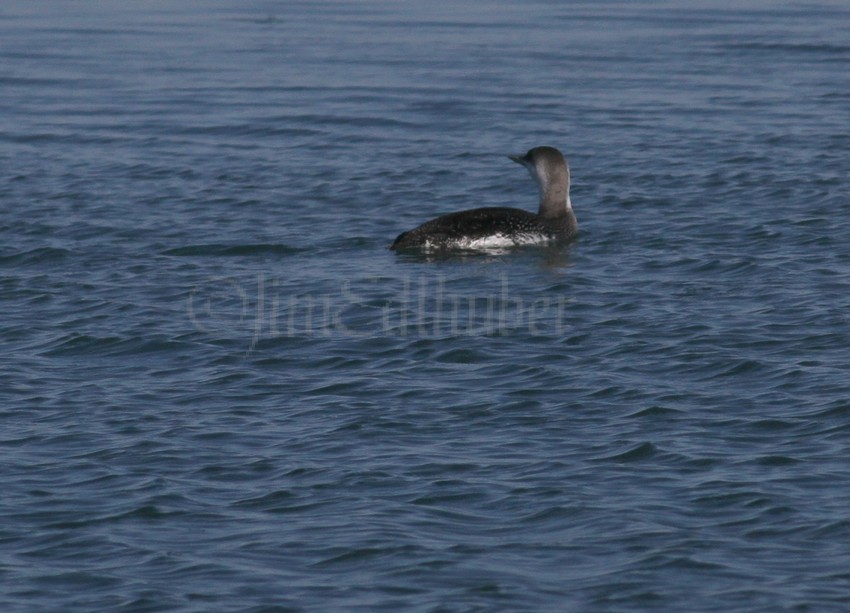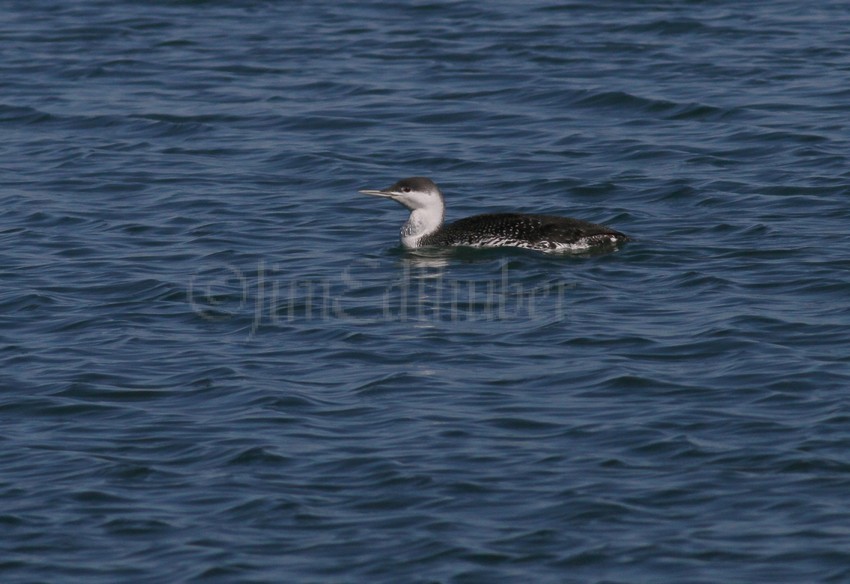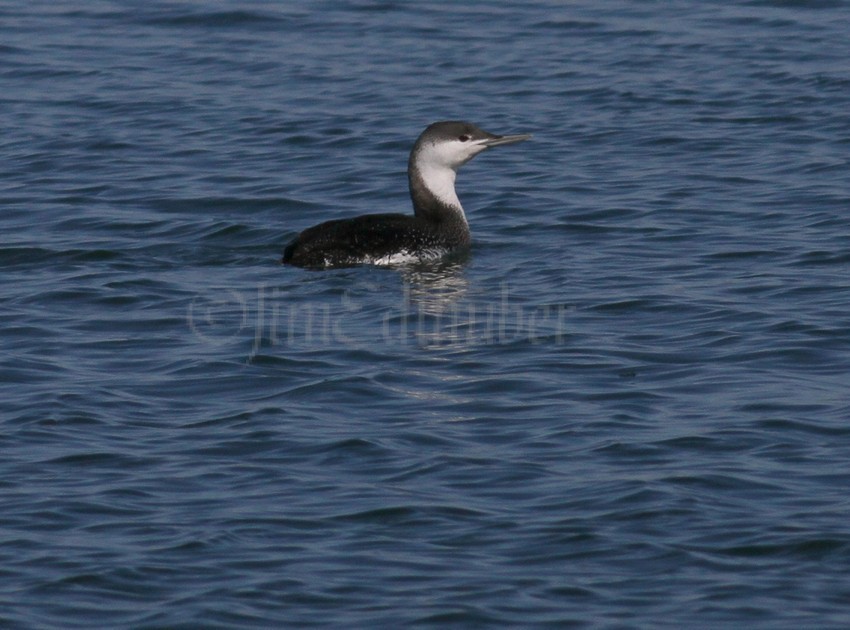
Red-throated Loons Milwaukee River Mouth, Milwaukee Lakefront, February 23, 2014

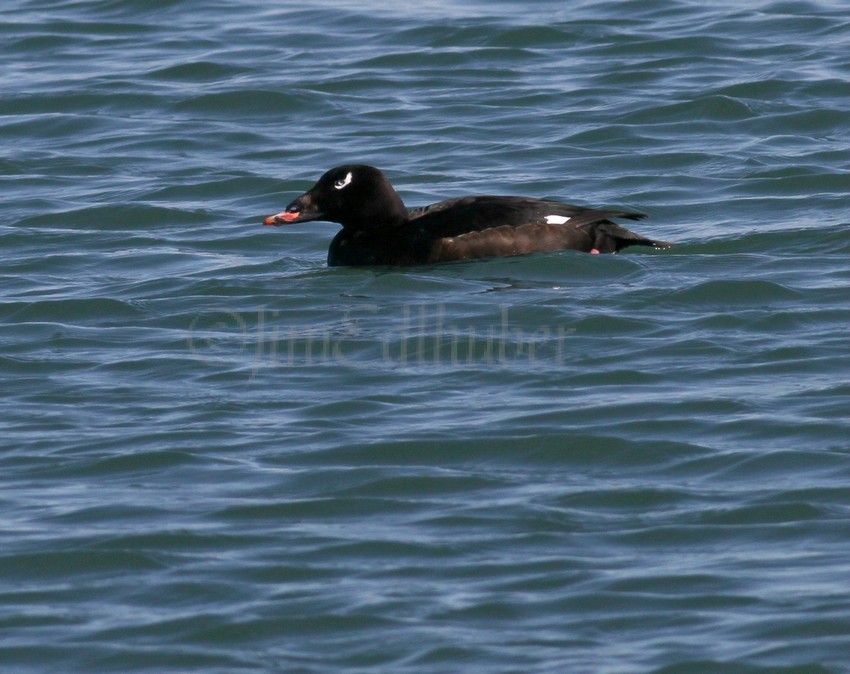
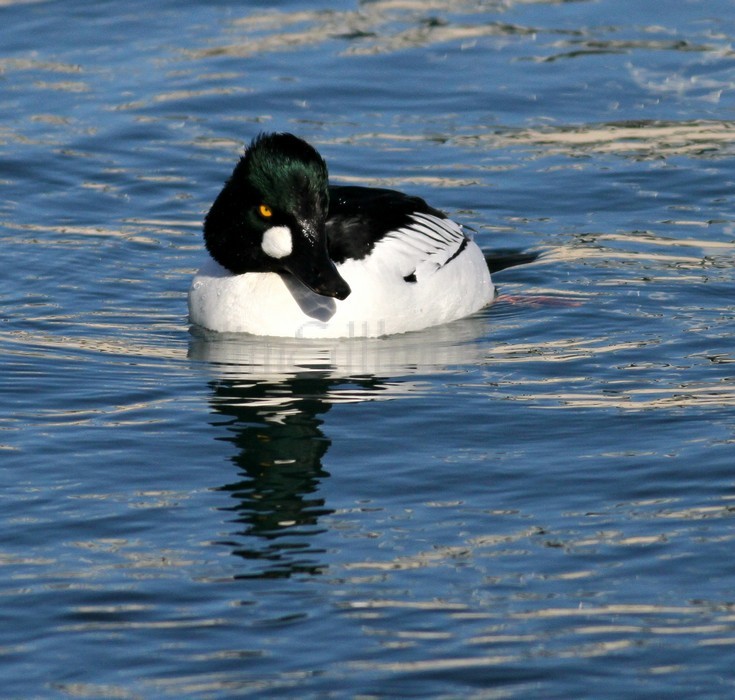
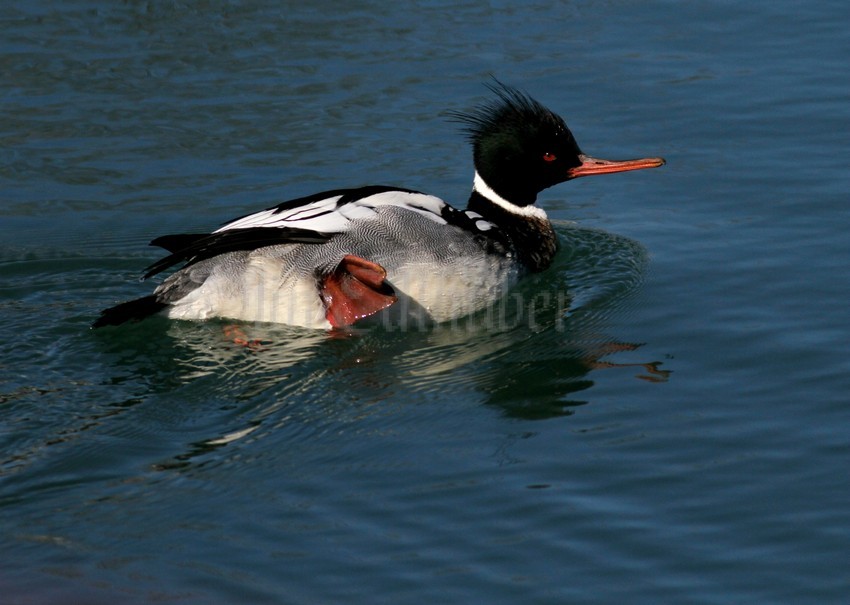
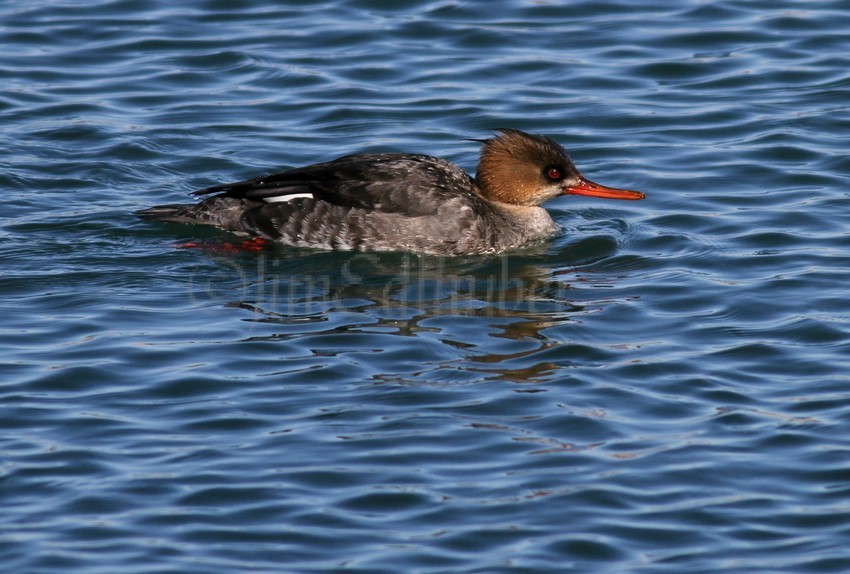
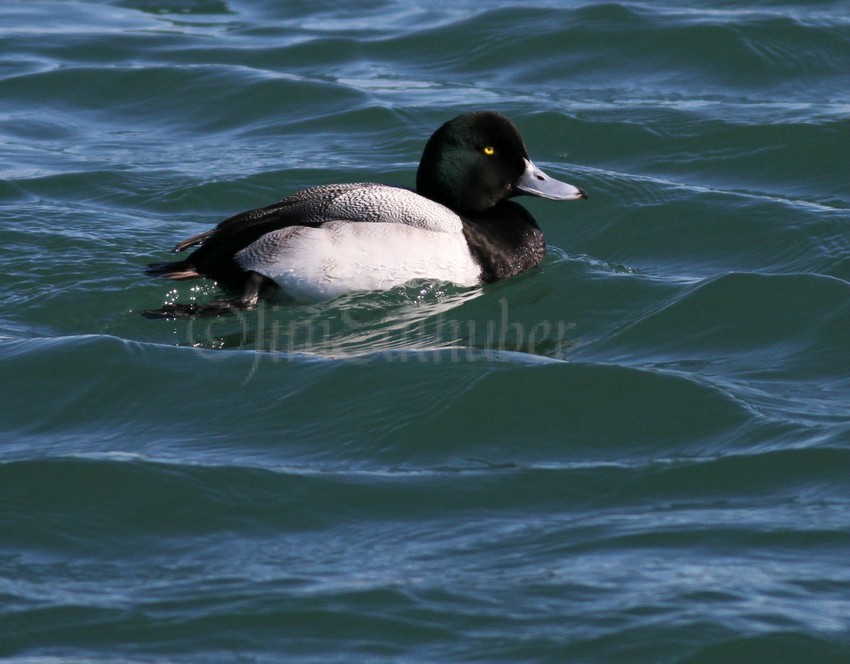
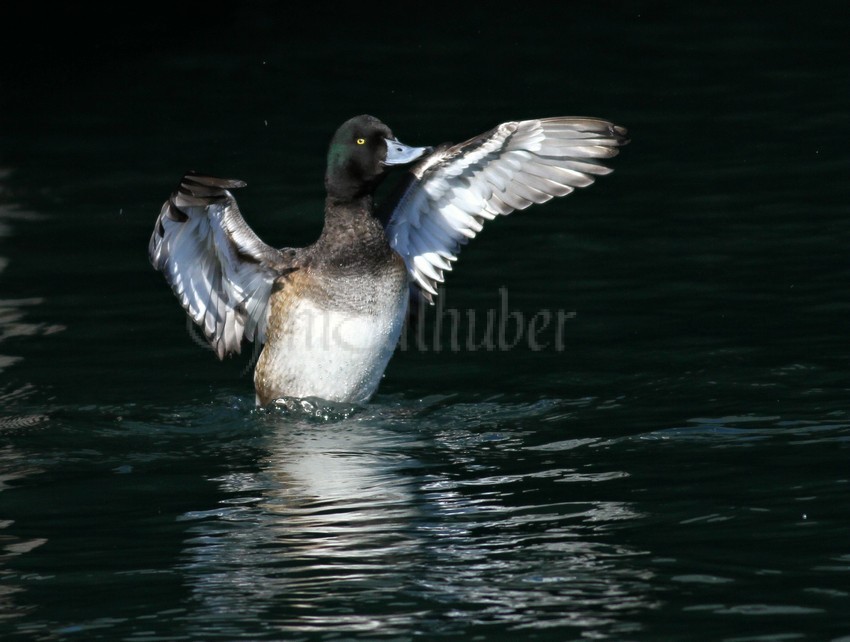
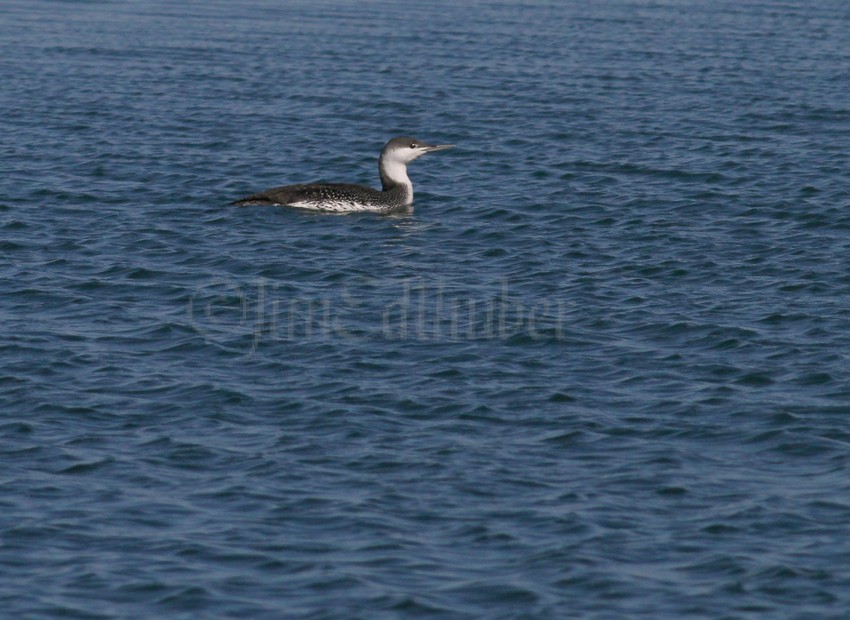
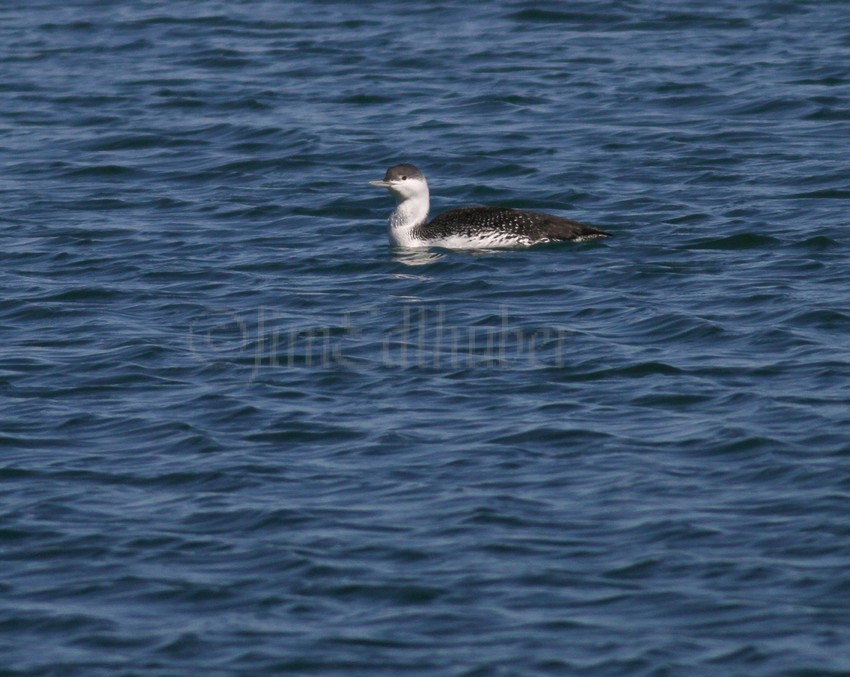
The area of the mouth of the Milwaukee River on the Milwaukee Lakefront produced 3 Red-throated Loons. Some of the other species present and photographed were White-winged Scoters, Common Goldeneyes, Red-breasted Mergansers, and Greater Scaups.
__rIMG_3076_cr

Red-throated Loon

Red-throated Loon

Binomial name: Gavia stellata

Category: Loons

Description: Dark gray feathers with a white throat and underparts, small black and white strips on the back of its neck.  In breeding season, the throat turns red, thus the name.  Small bill which fluctuates between black and dark gray.

Size: 21” – 27” long, 36” – 47” wingspan

Weight: 2.2 lbs. – 6.0 lbs.

Habitat: Large lakes, coastal shorelines, inland rivers, and reservoirs.

Diet: Primarily fish, occasionally crustaceans, frogs, and aquatic invertebrates, rarely plants

Nesting: Both parents build the nest out of a mudscrape lined with plant material and some feathers.  The male will stand guard while the female incubates the eggs (2 eggs per clutch).  Both parents feed and raise the young and participate in distraction displays to lure predators away from the nest.  Mating pairs will breed for life.

Notes: Unlike other loon species which must take flight by running on the surface of water, the Red-throated Loon can fly directly from land or water.  It also does not carry its young on its back.
__rIMG_3031_cr

Red-throated Loon

__rIMG_3066_cr

Red-throated Loon

___YYnewIMG_3071_cr

Red-throated Loon

___YYnewIMG_3037_cr

Red-throated Loon

___YYnewIMG_3056_cr

Red-throated Loon

White-winged Scoter
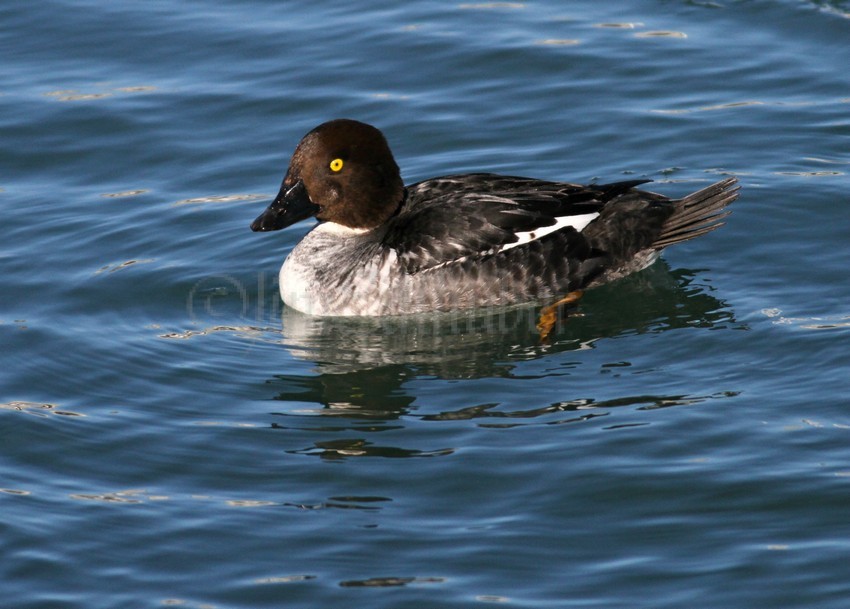
White-winged Scoter

_rIMG_2607_cr

Female Common Goldeneye

_rIMG_2620_cr

Male Common Goldeneye

_rIMG_3005_cr

Male Red-breasted Merganser

_rIMG_2688_cr

Female Red-breasted Merganser

_rIMG_2795_cr

Male Greater Scaup
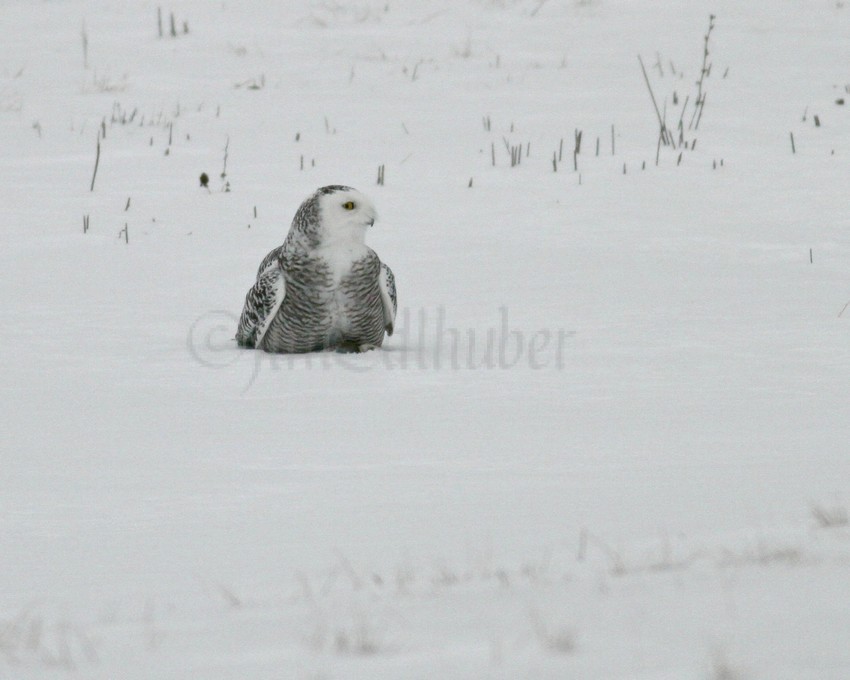
_rIMG_2640_cr

Male Greater Scaup
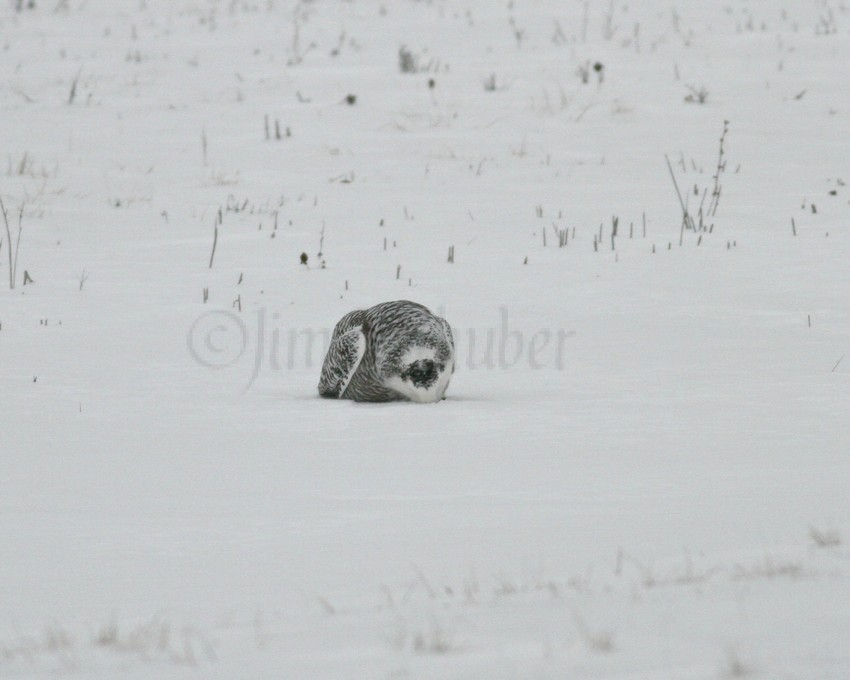
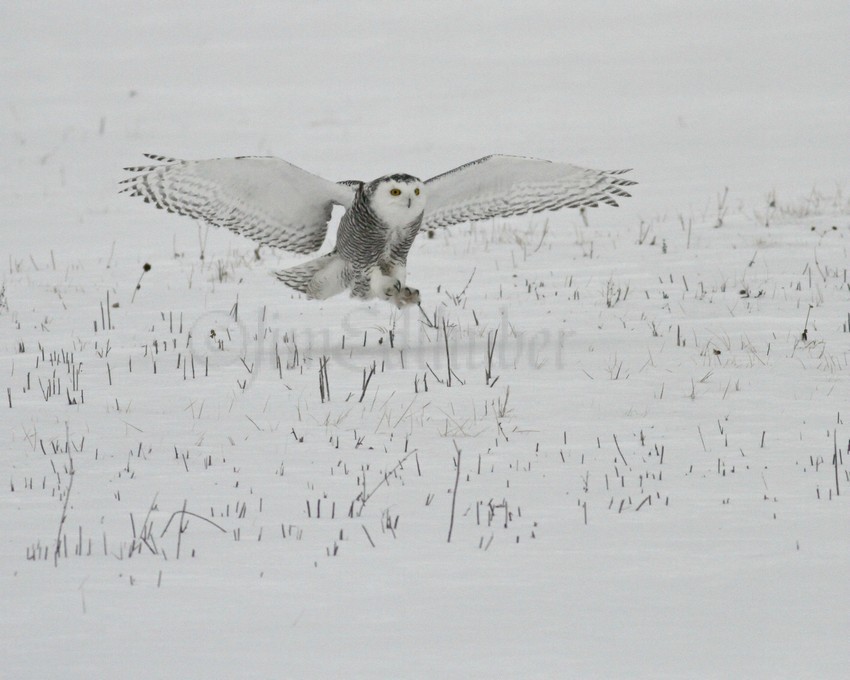
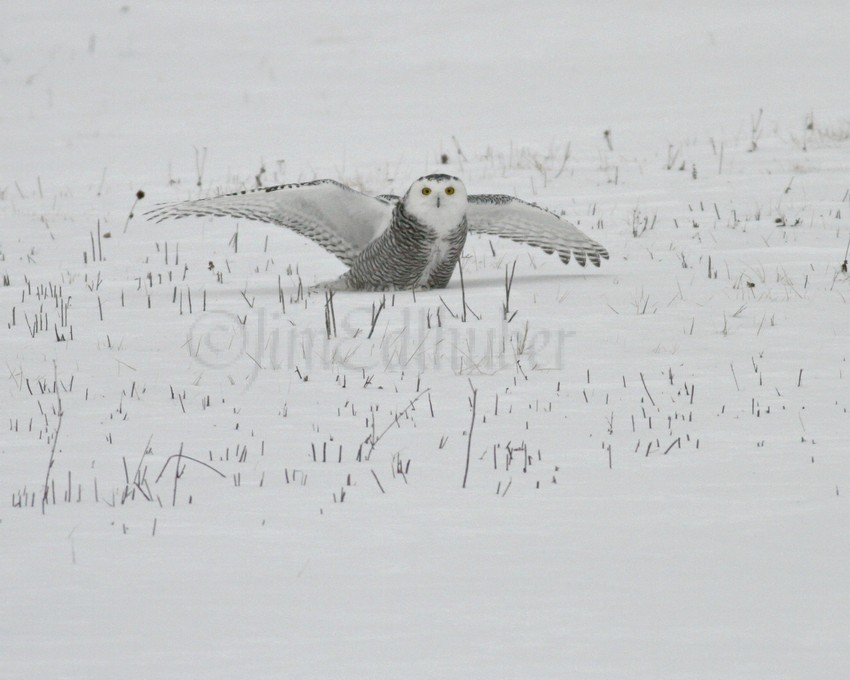
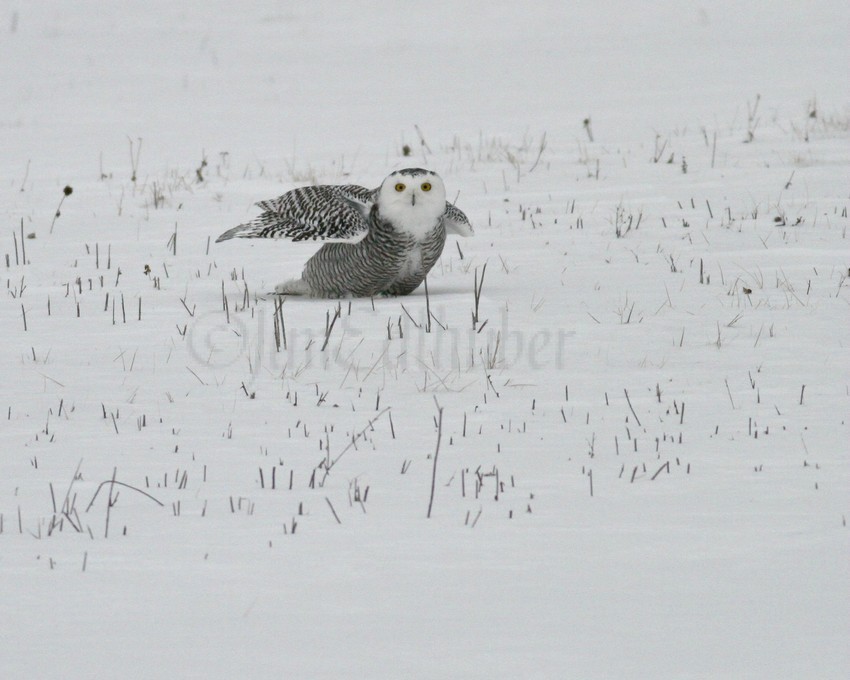
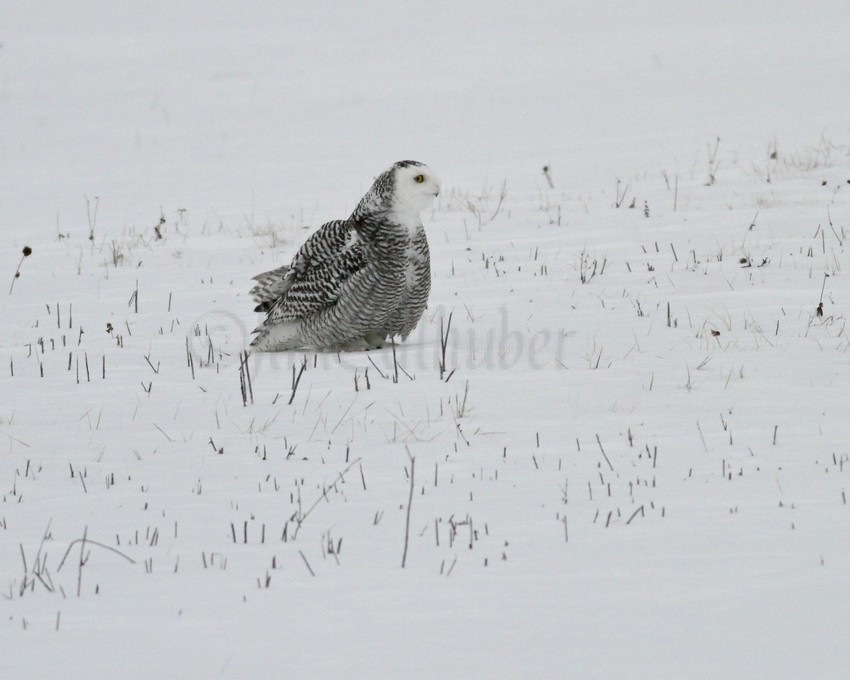
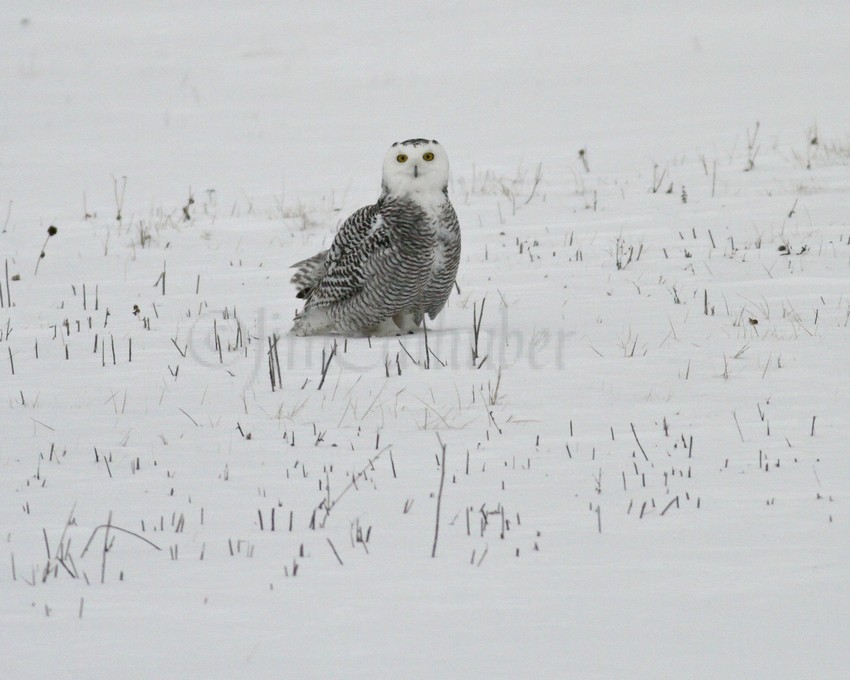
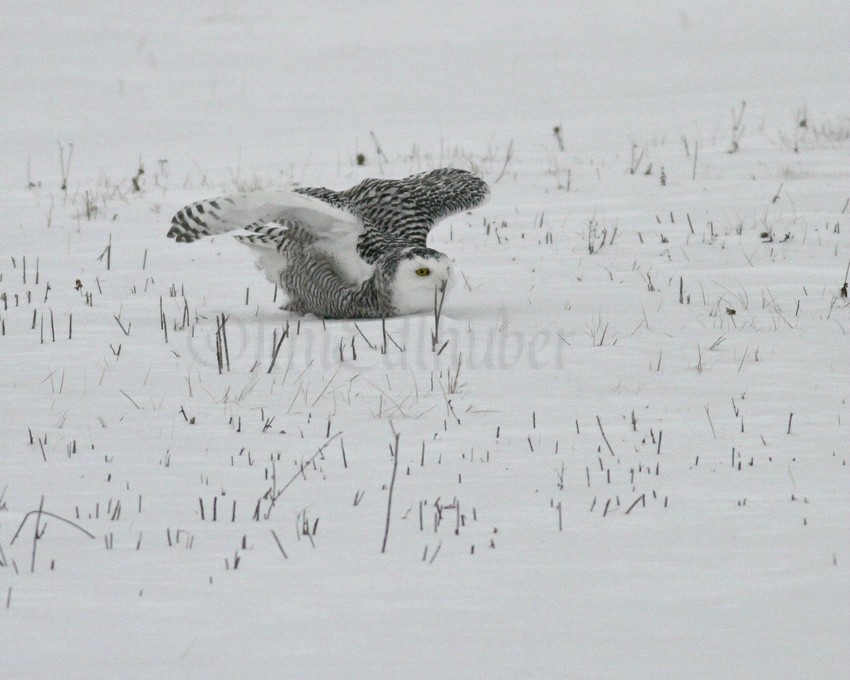
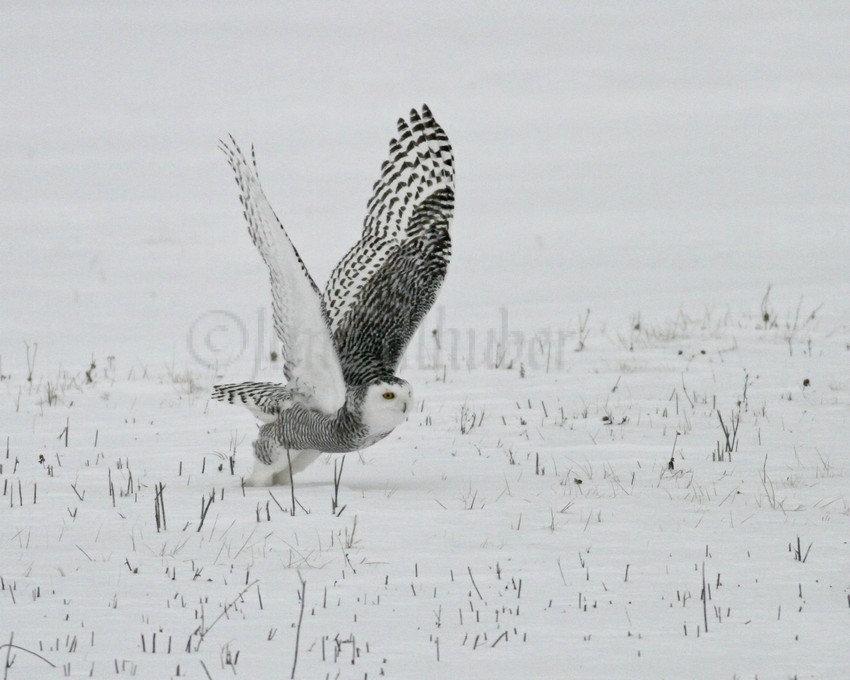
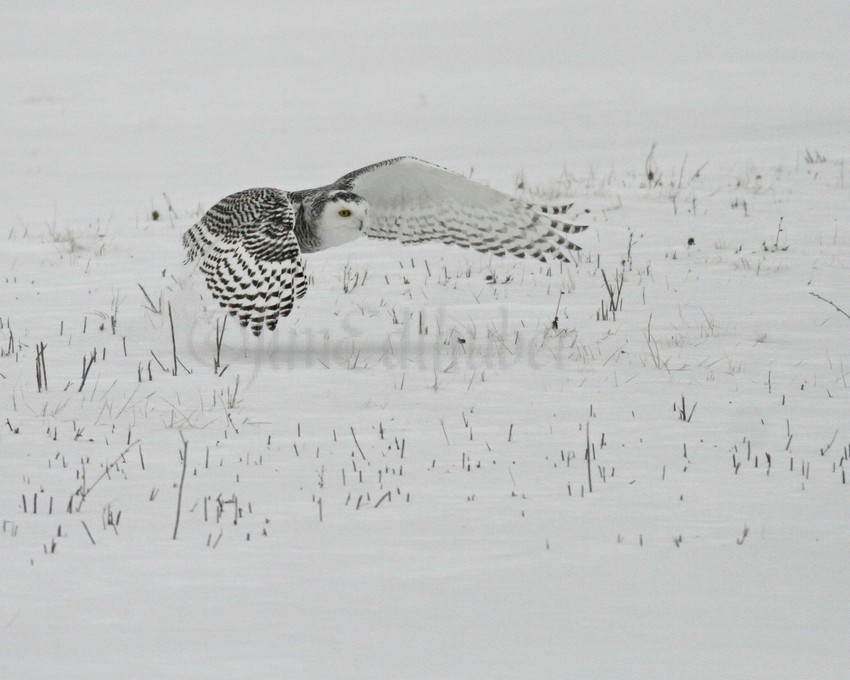
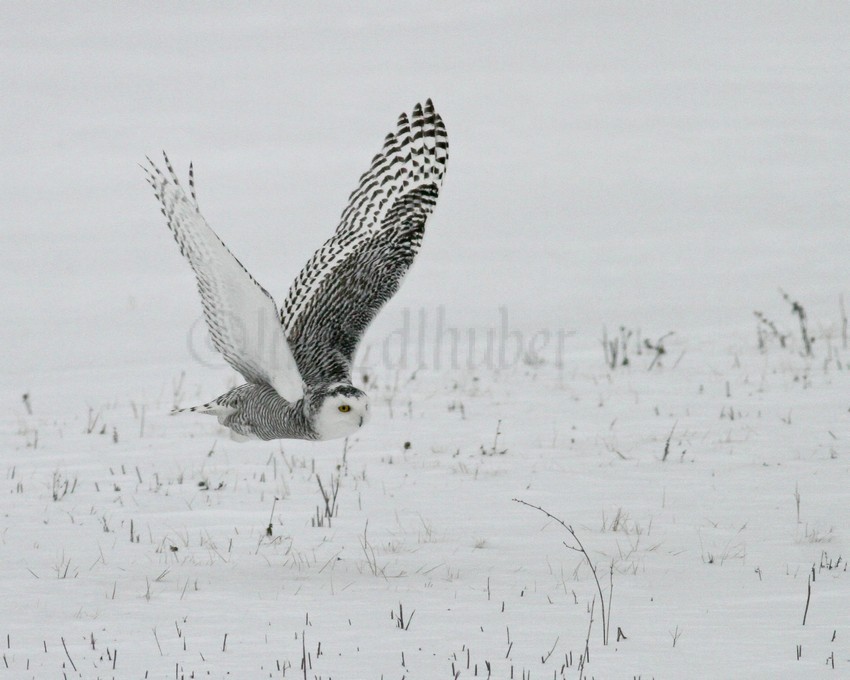
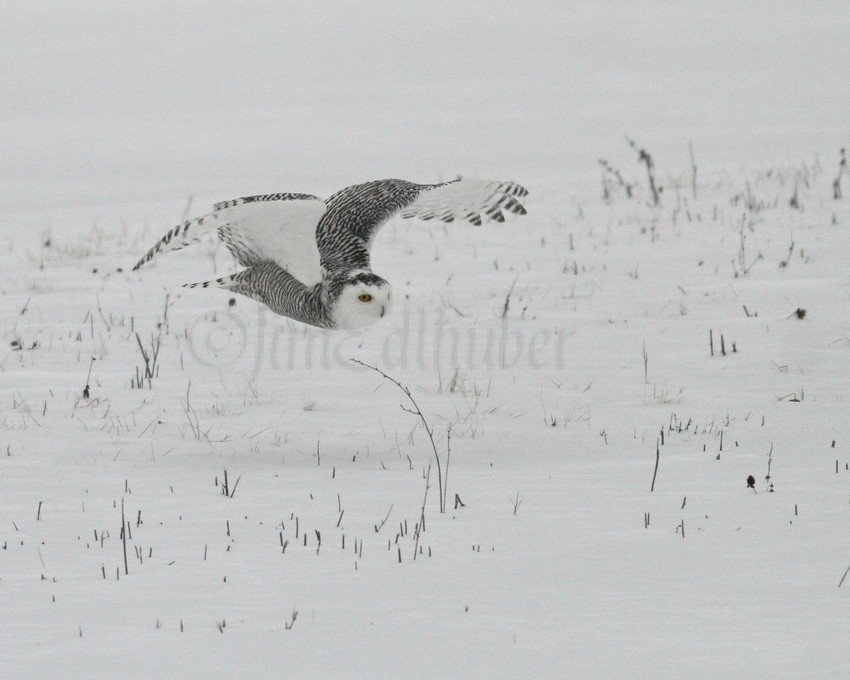
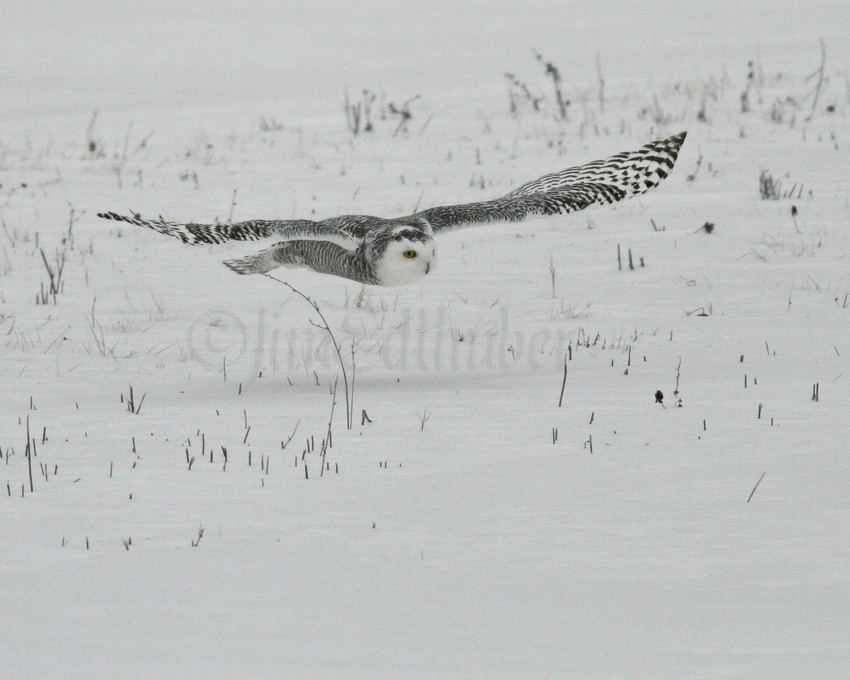
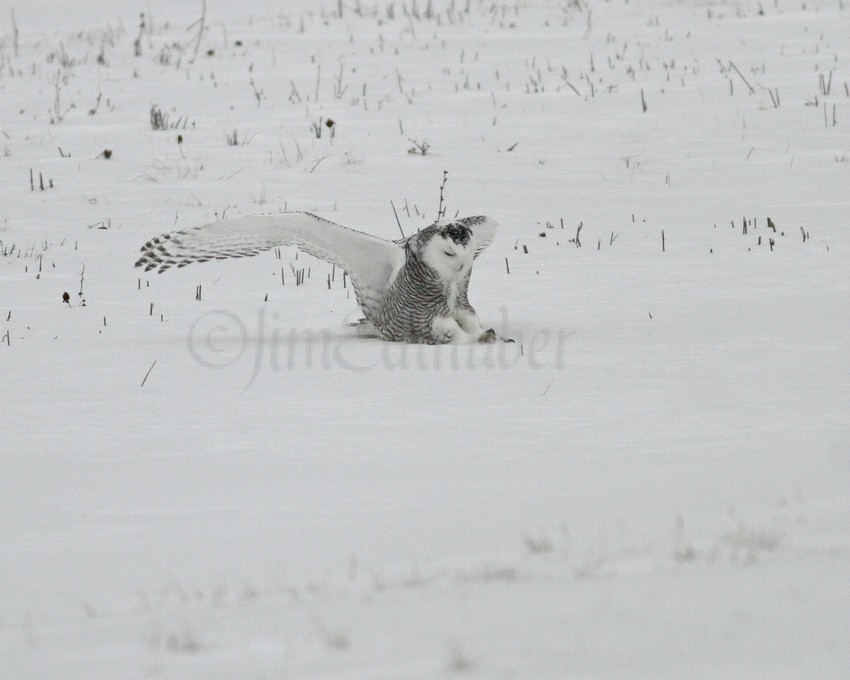
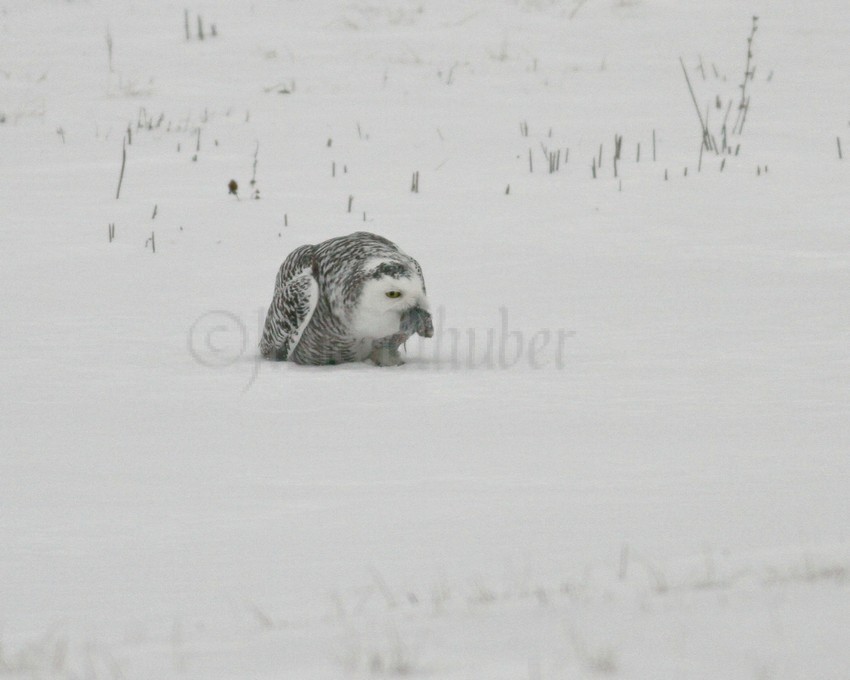
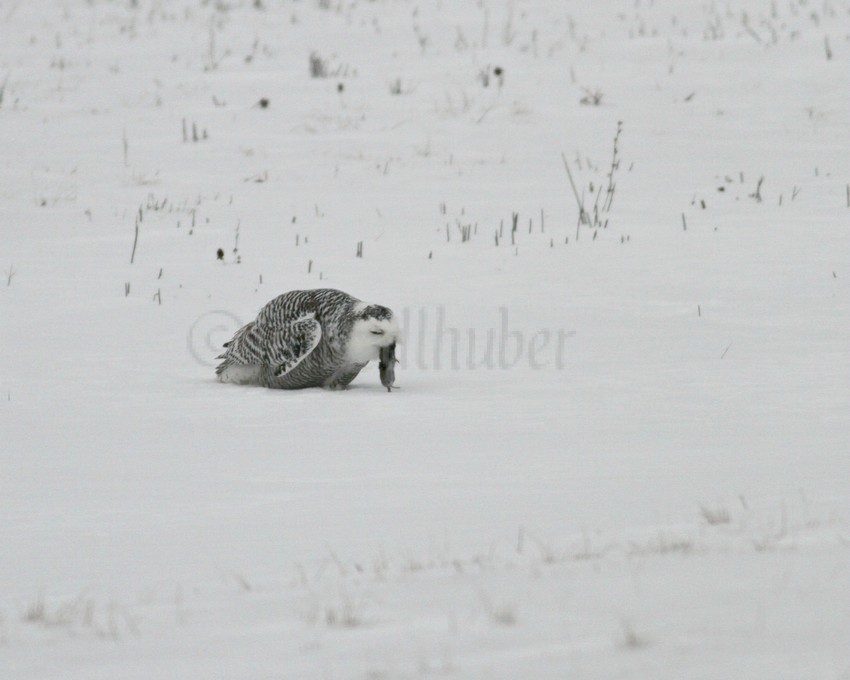
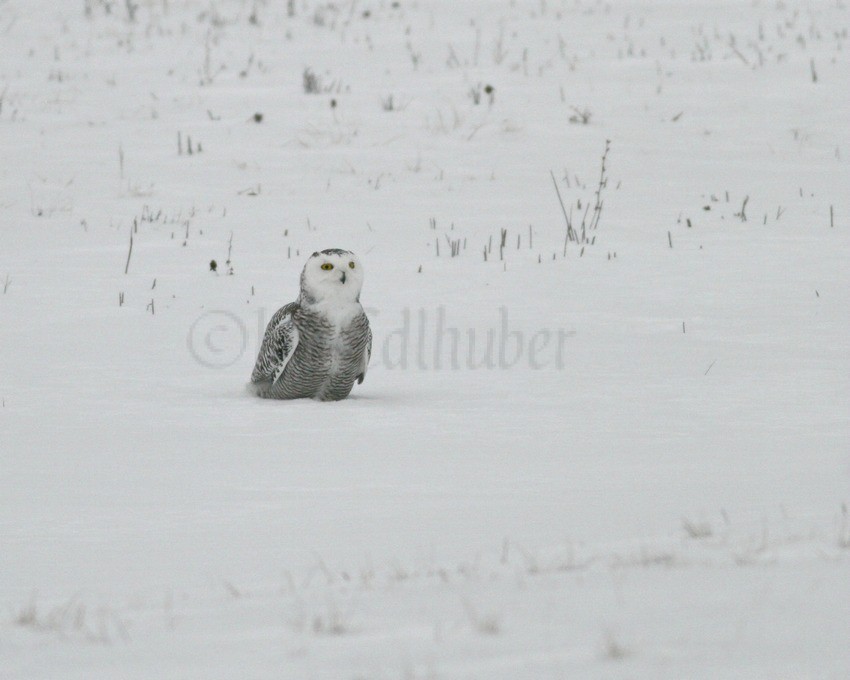
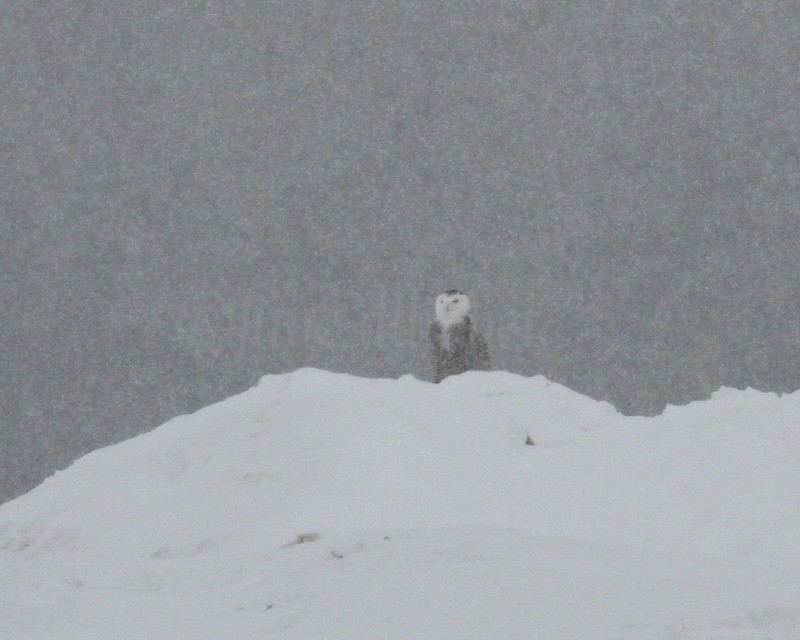
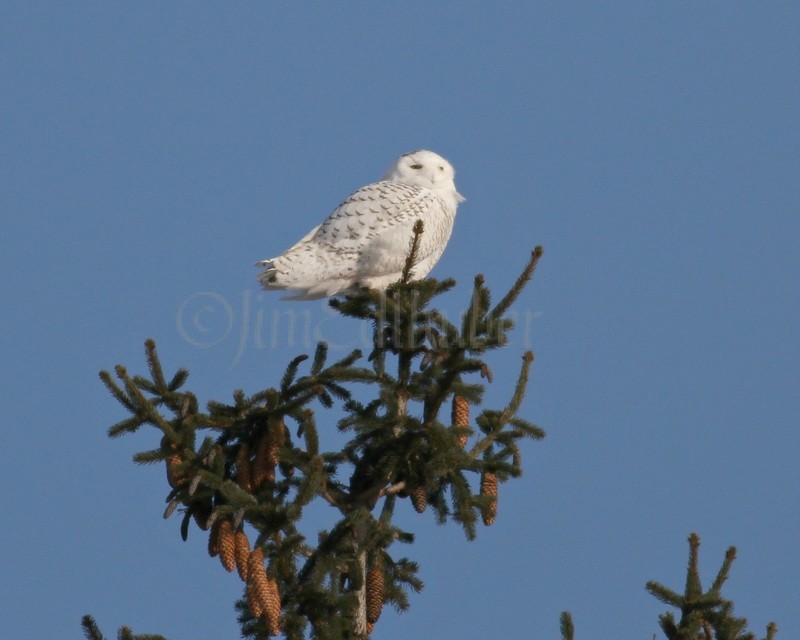
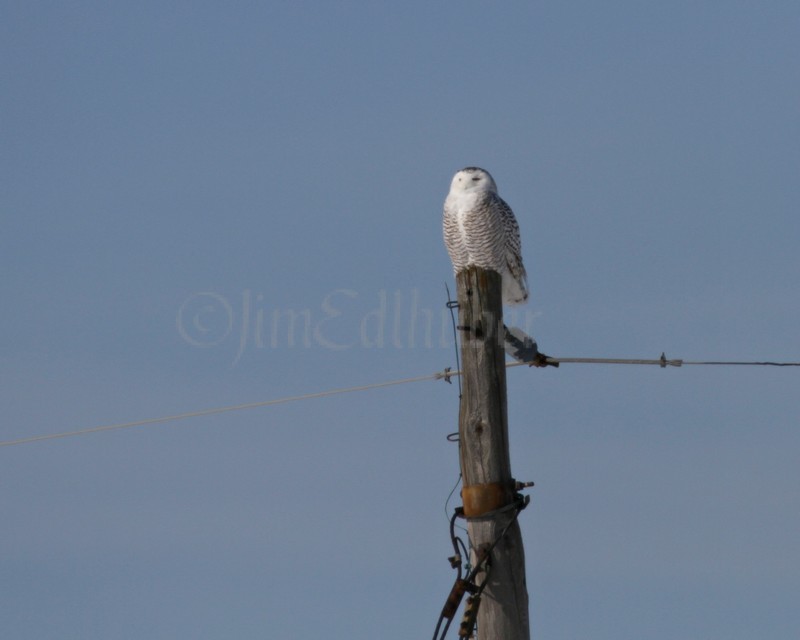
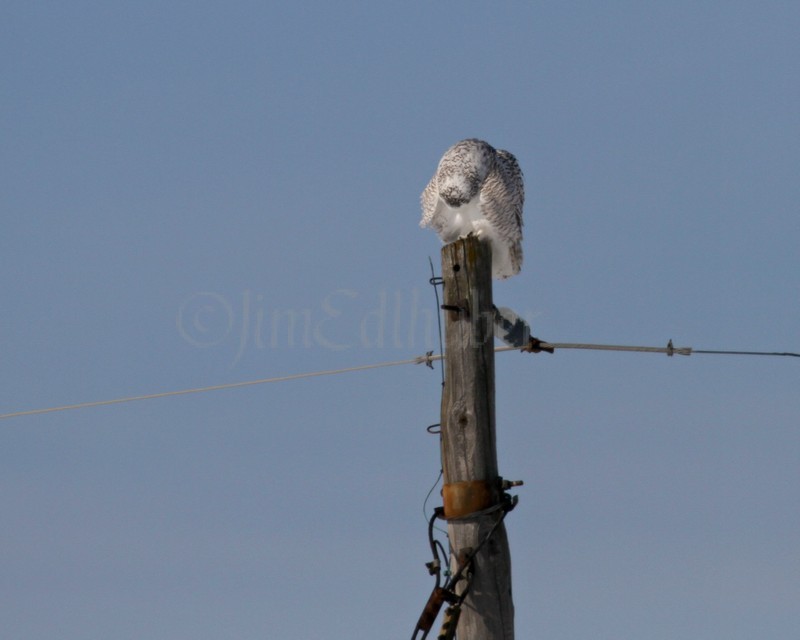
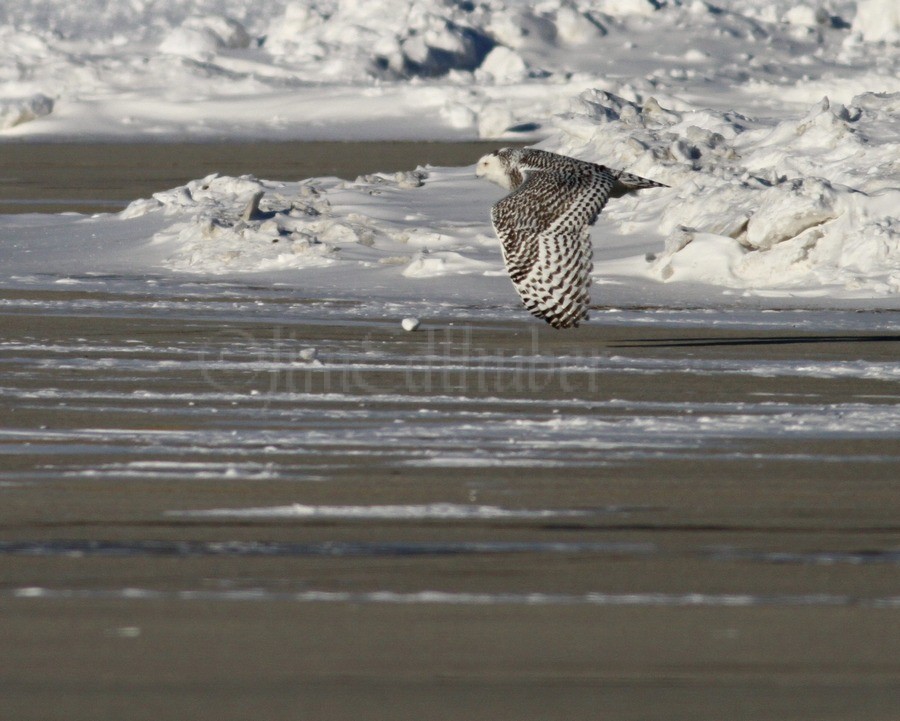
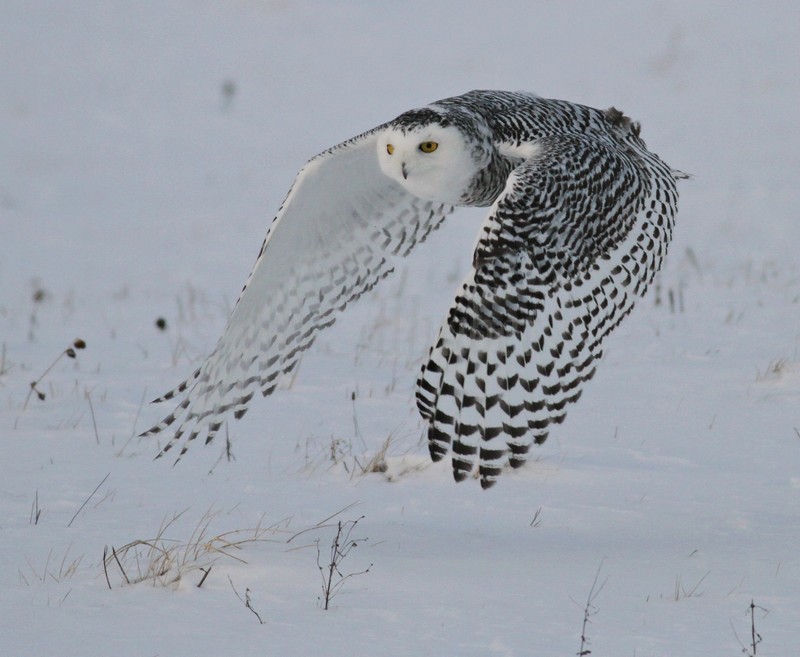
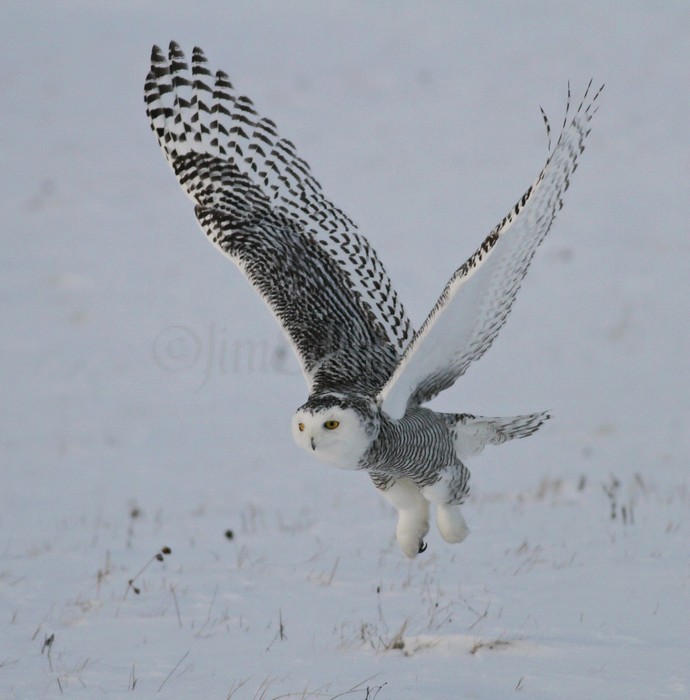
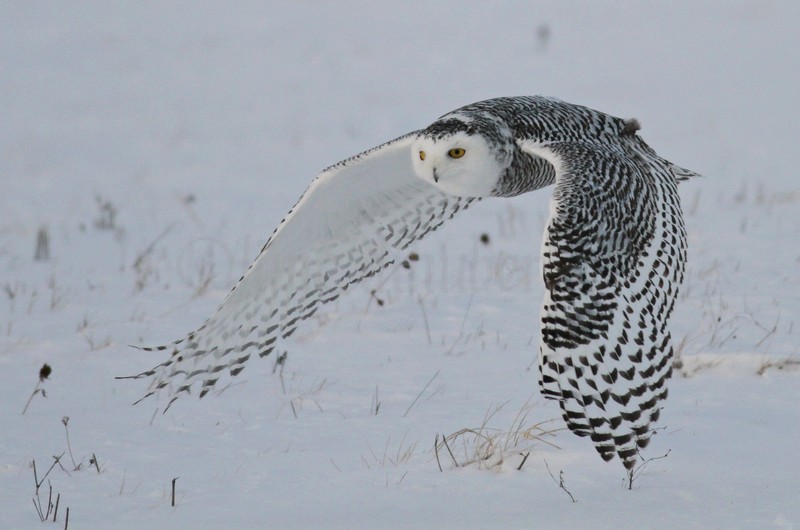
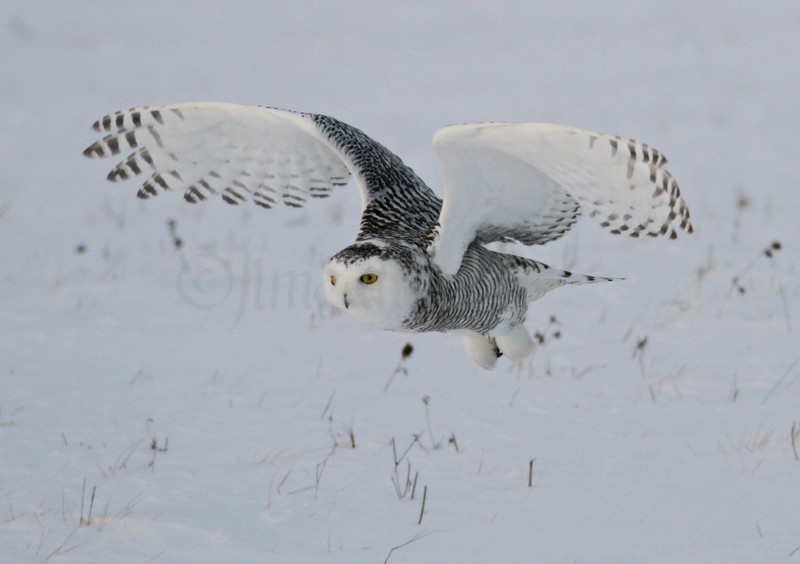
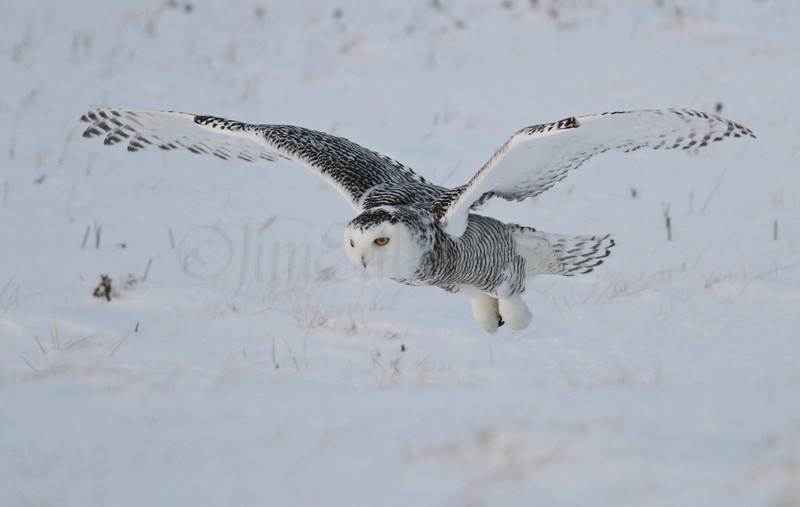
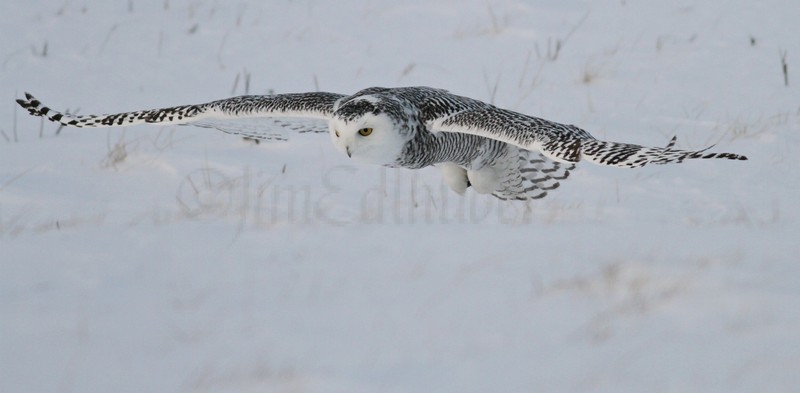
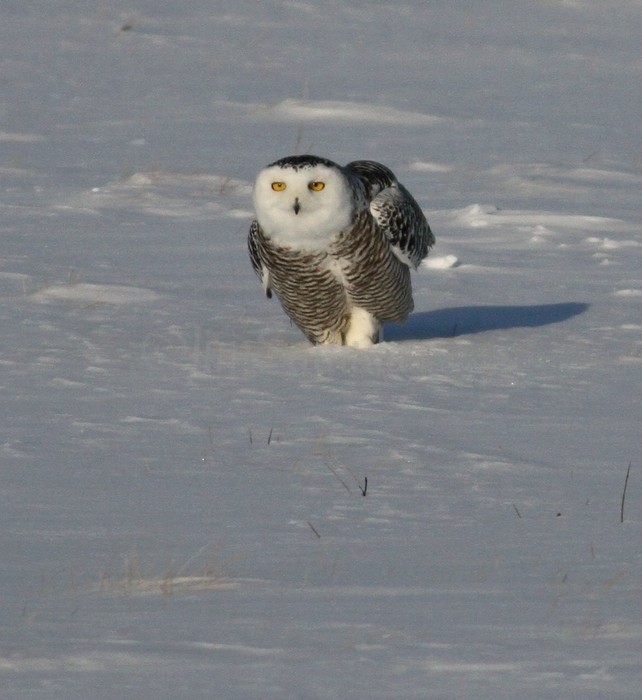
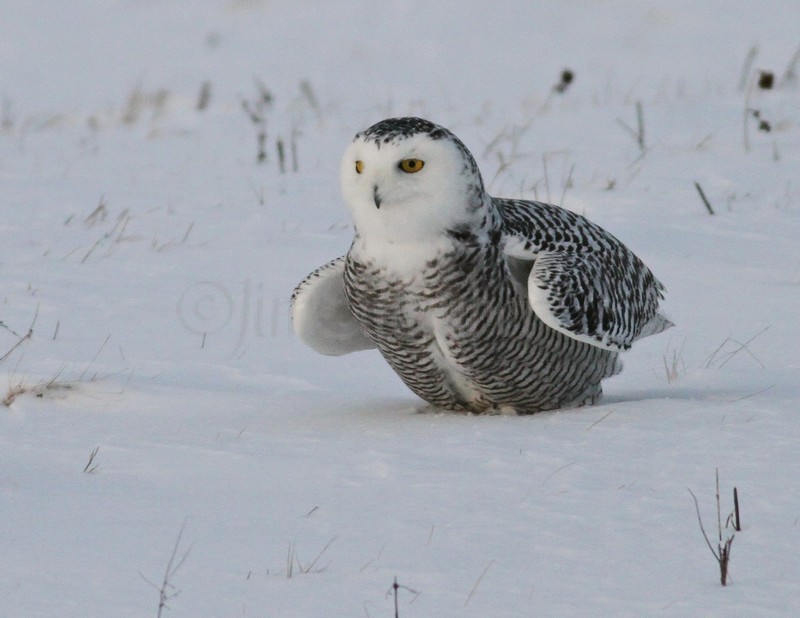
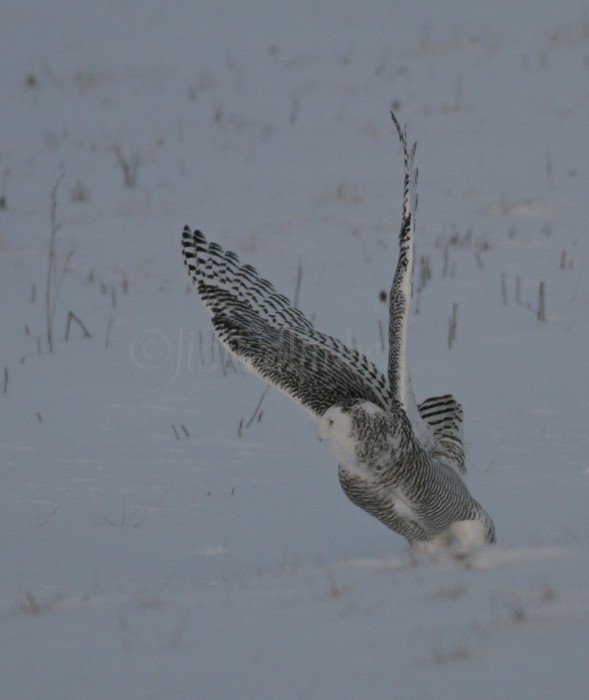
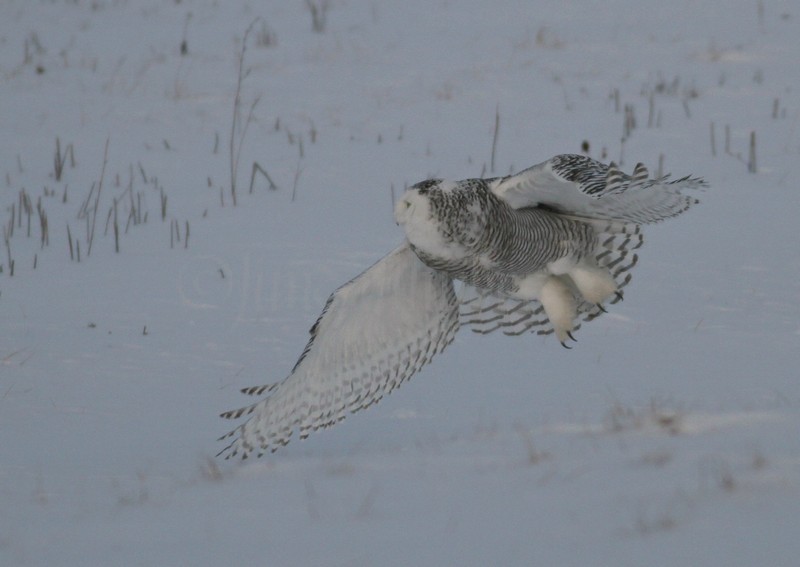
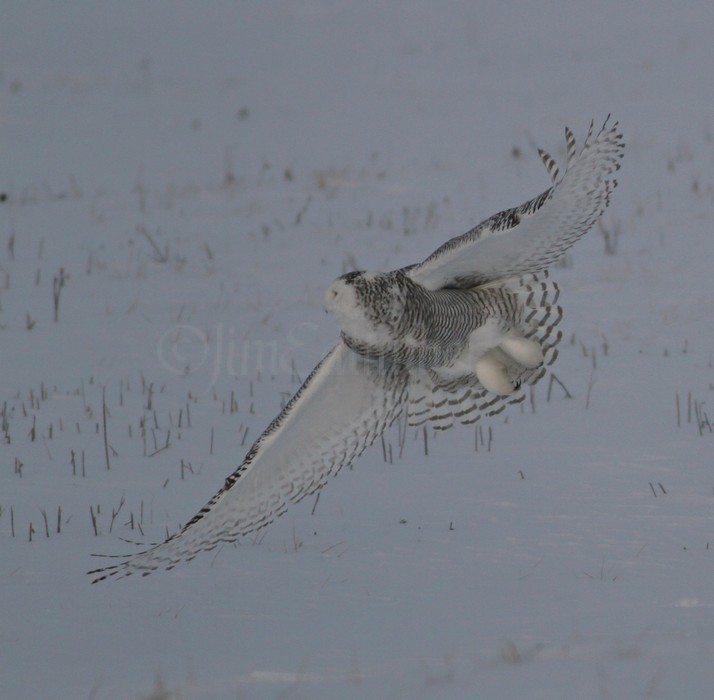
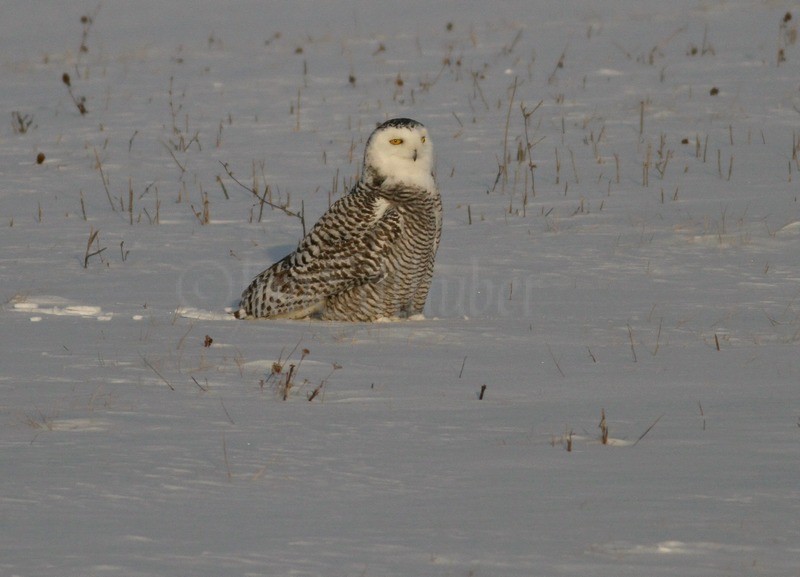
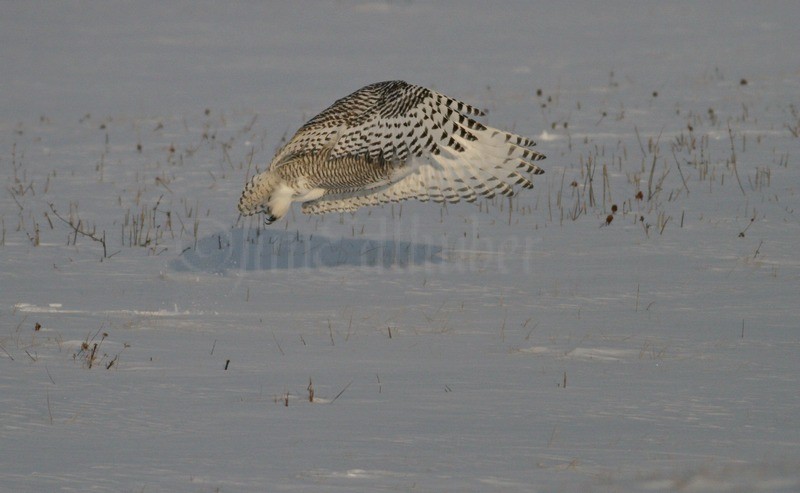
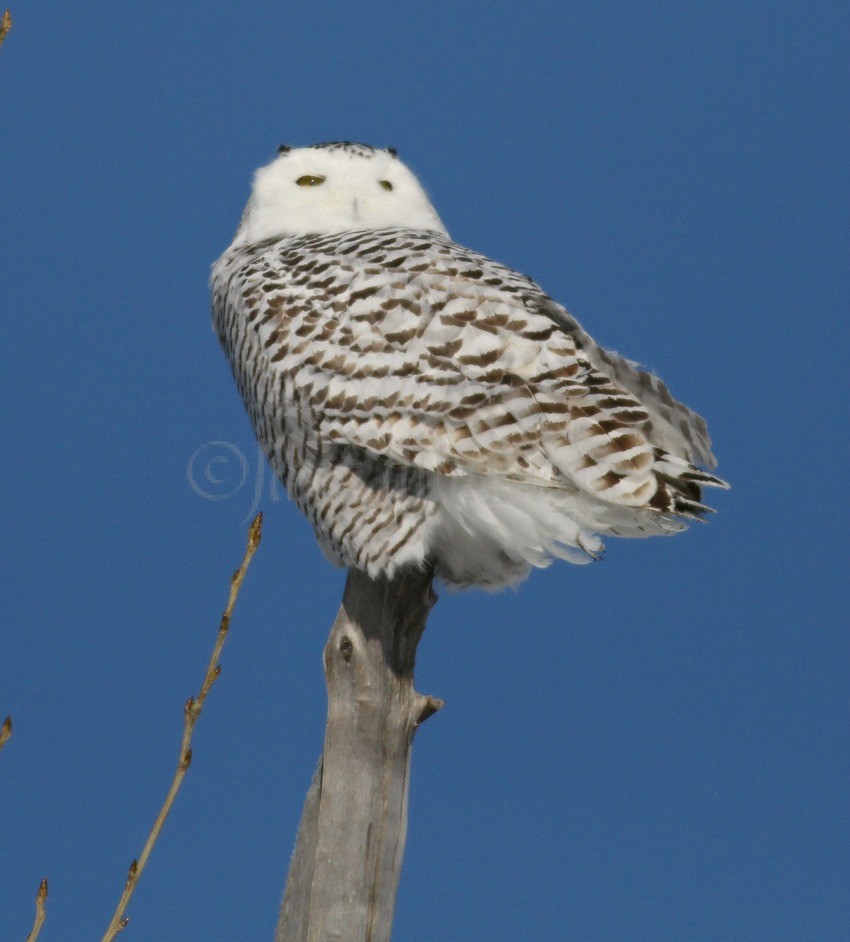
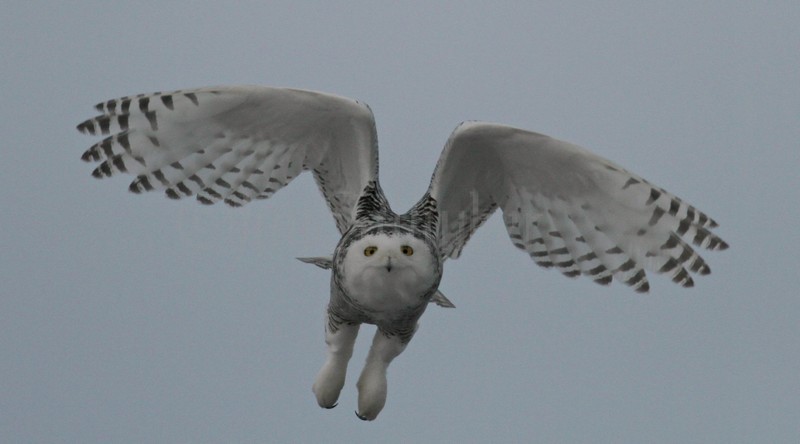
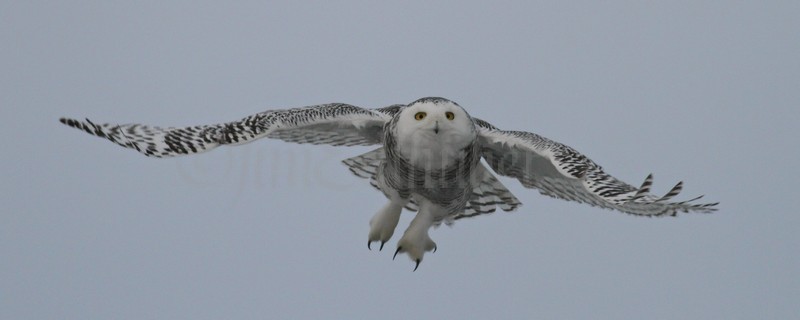
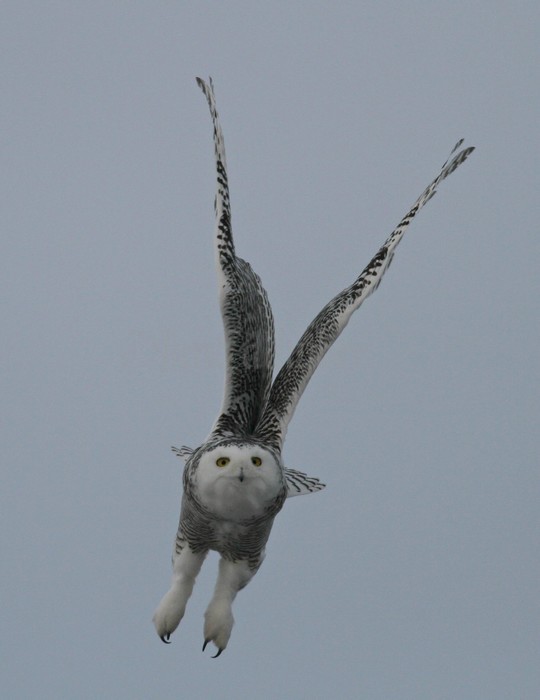
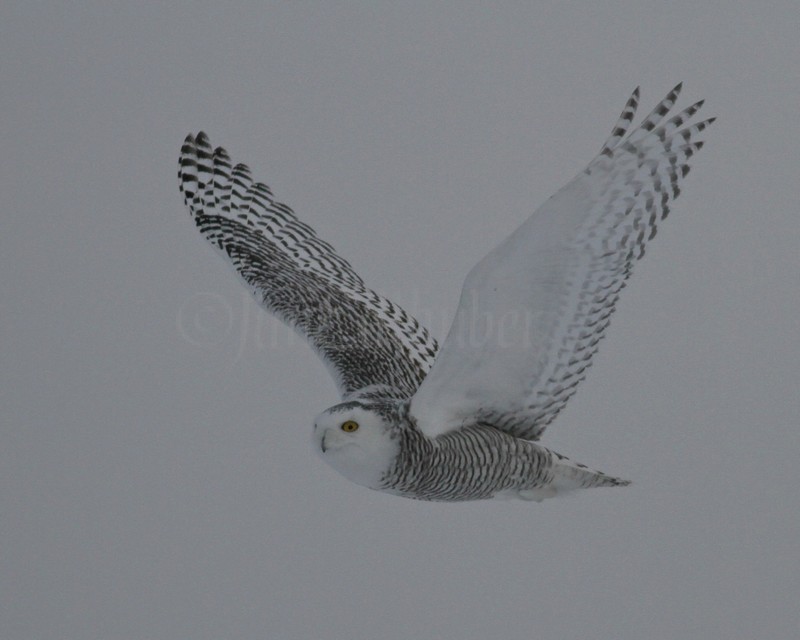
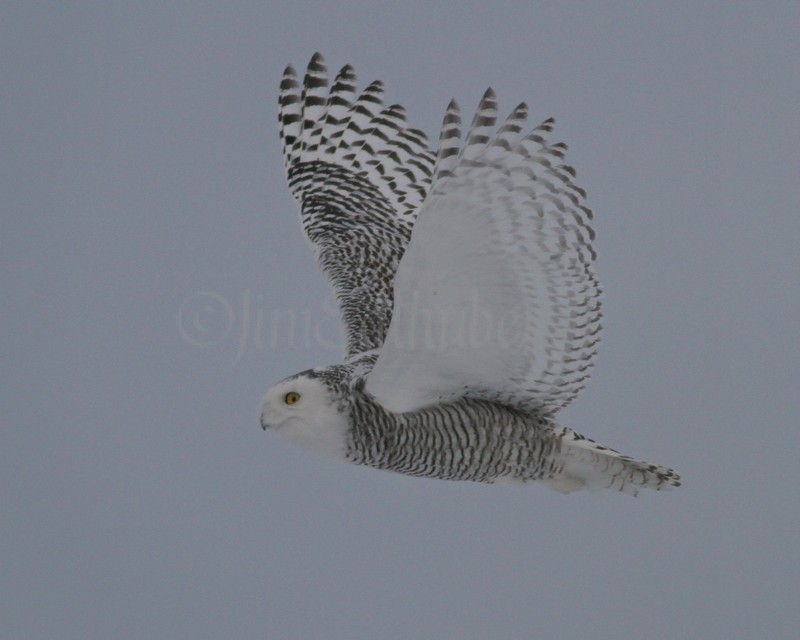
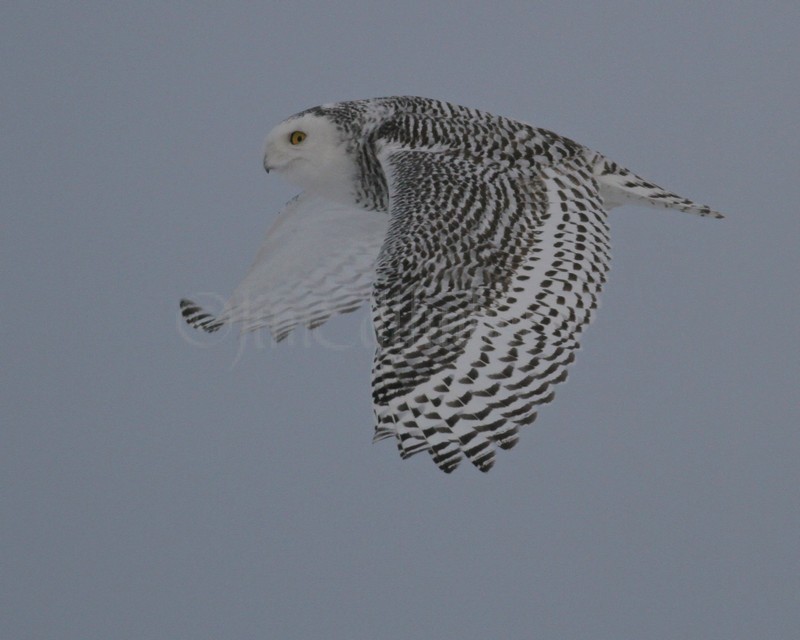
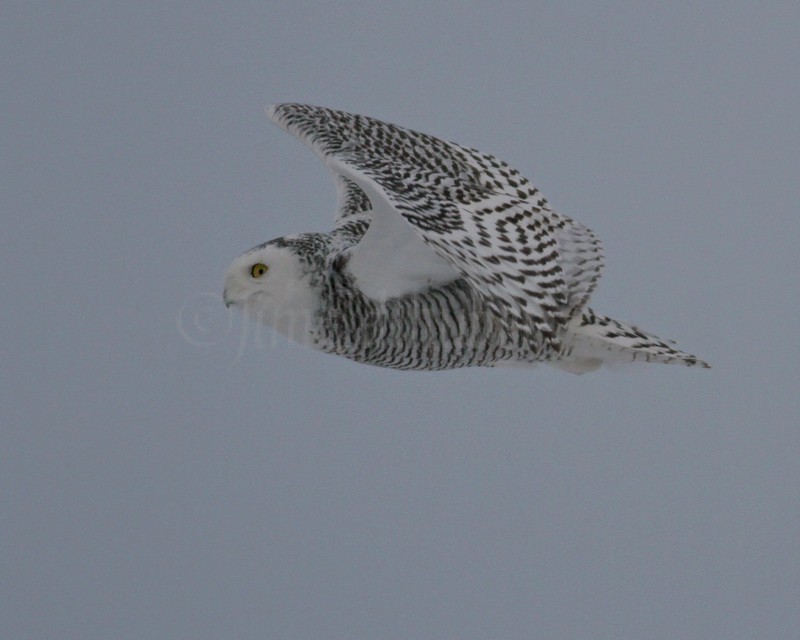
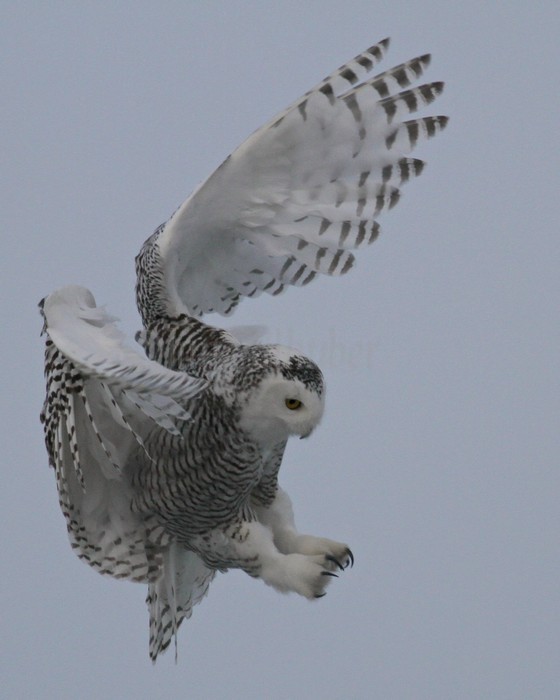
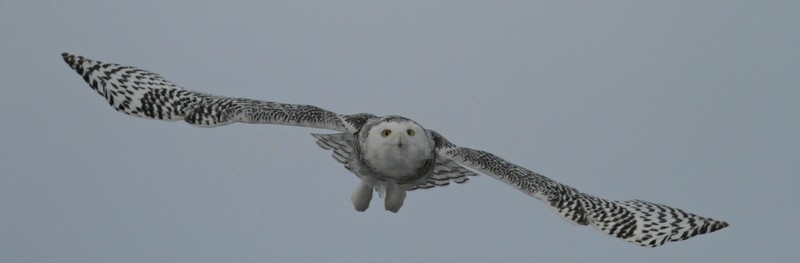
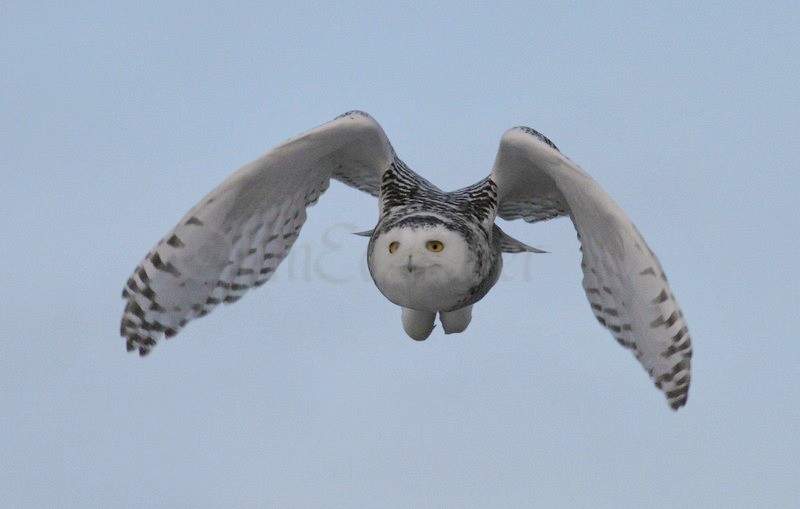
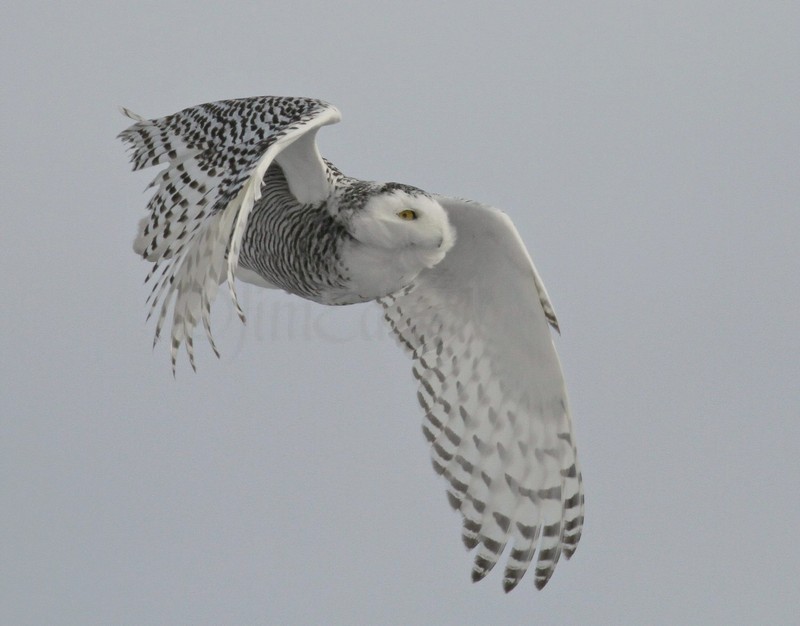
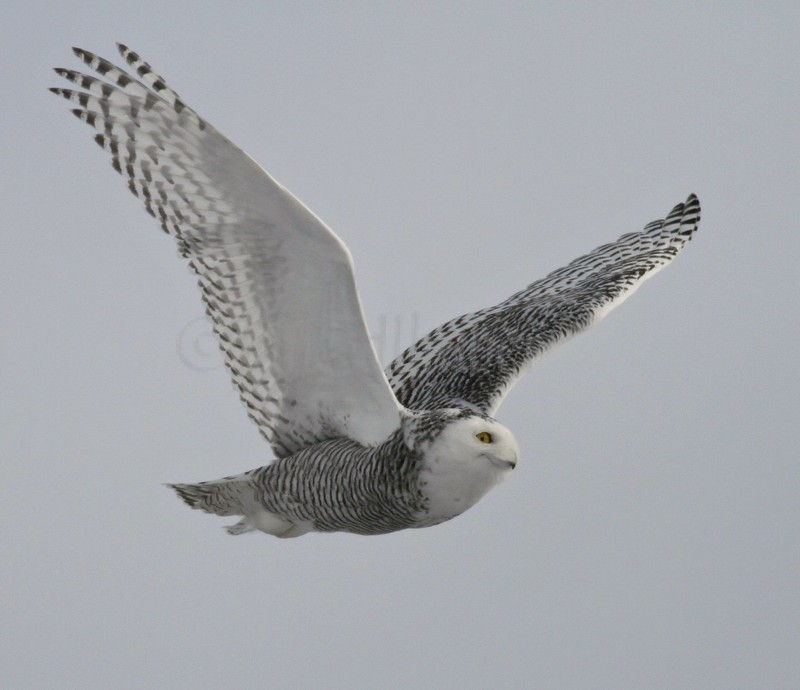
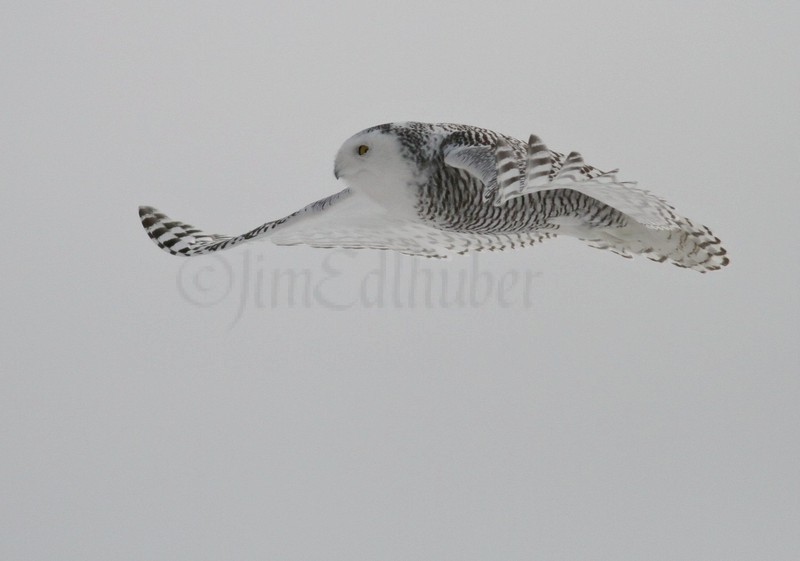
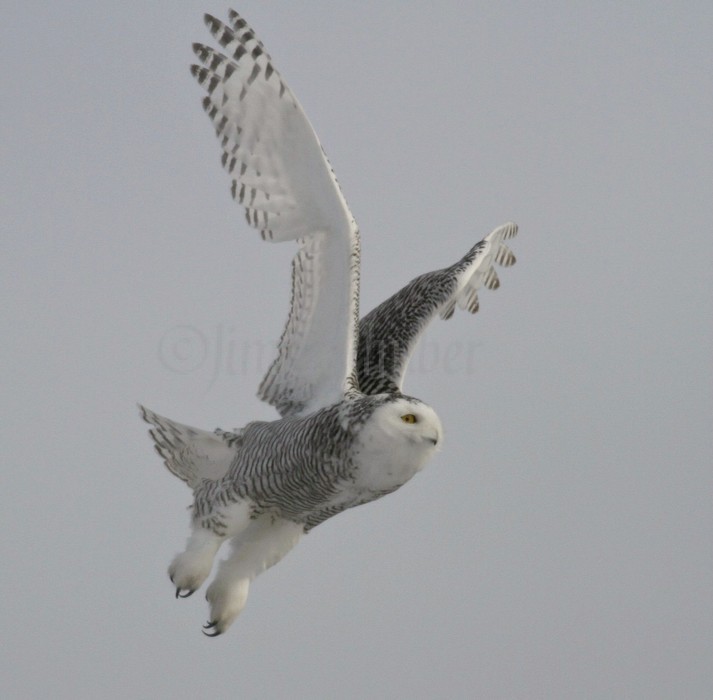
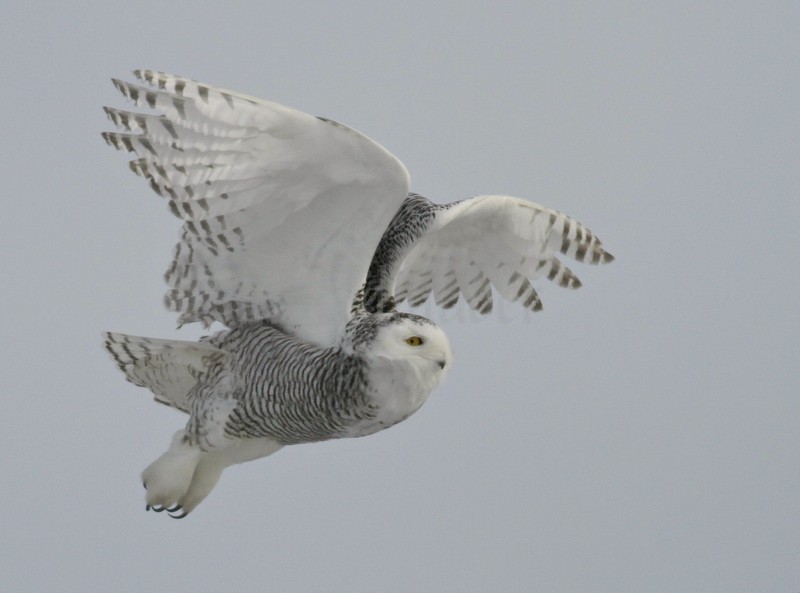
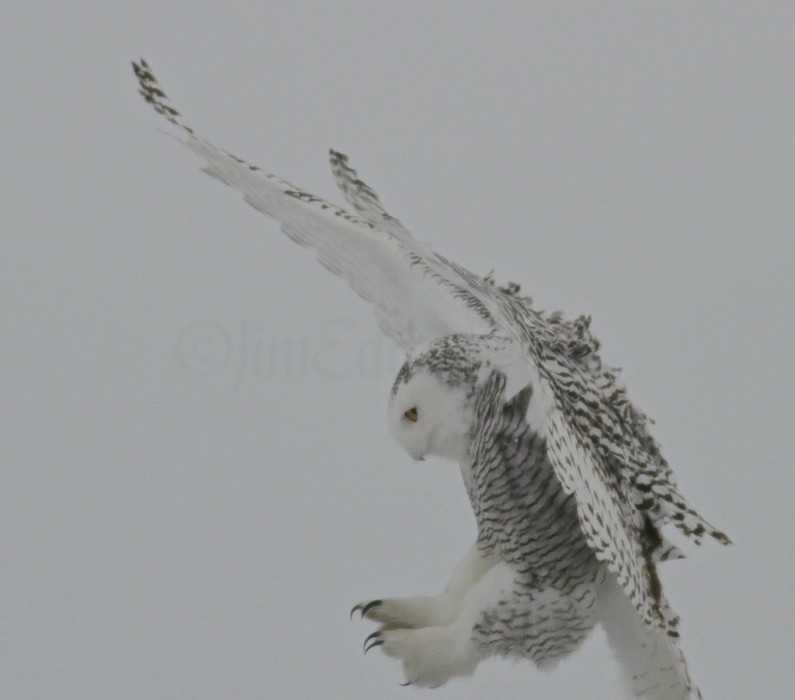
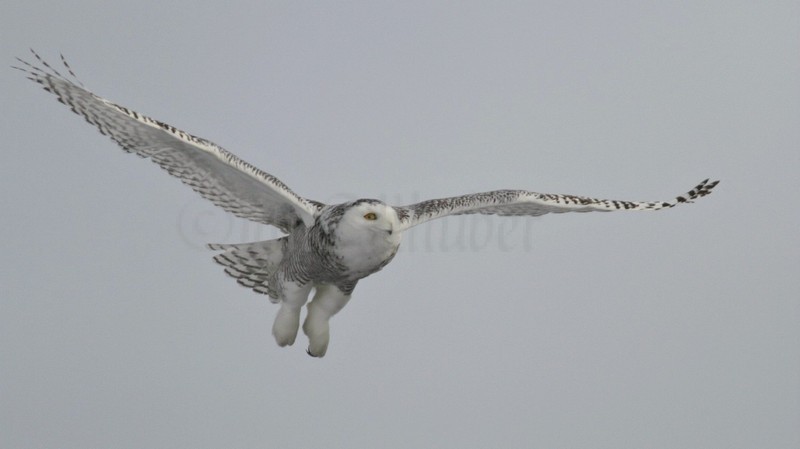
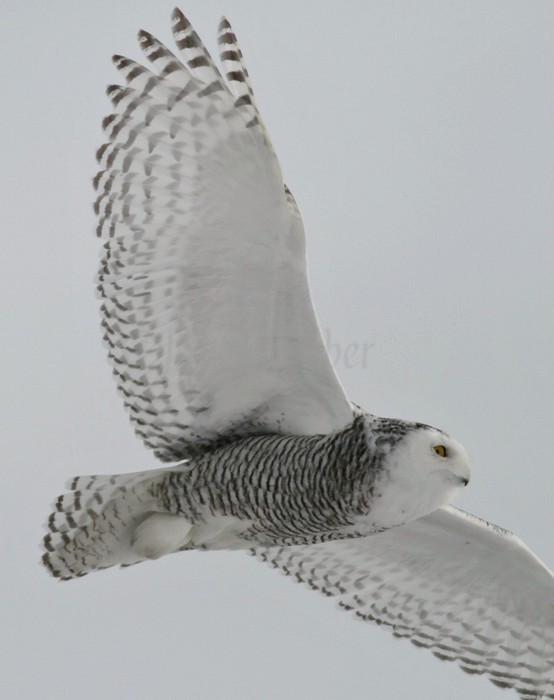
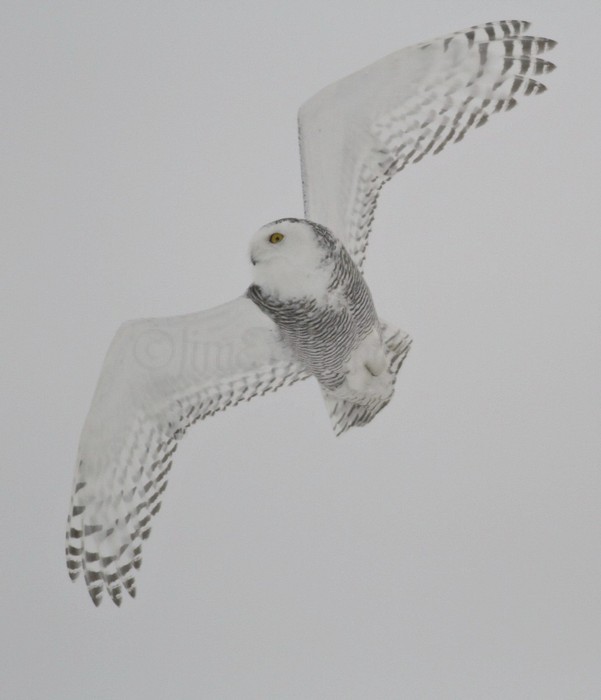
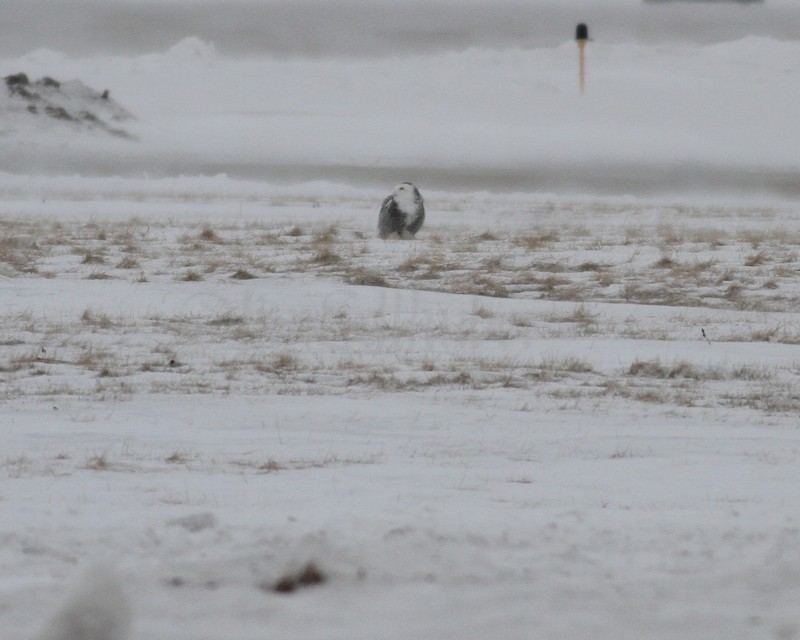
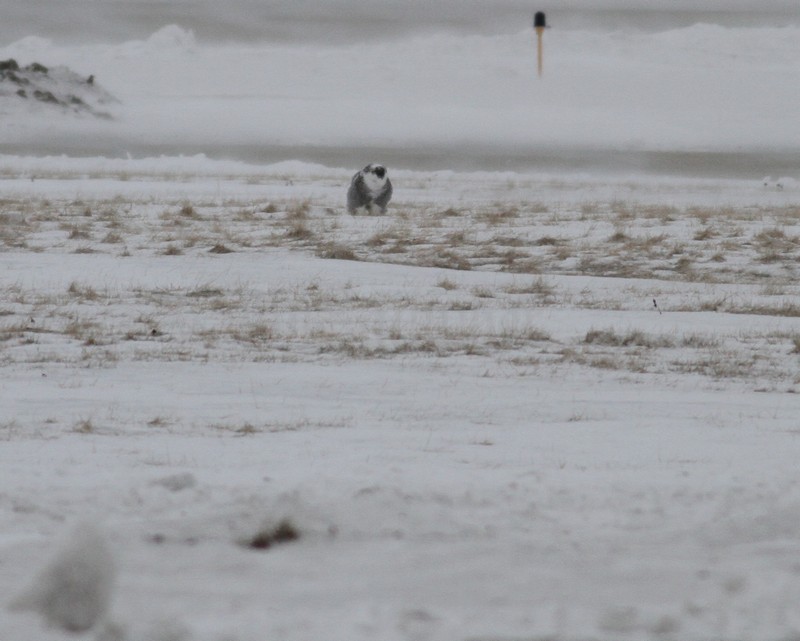
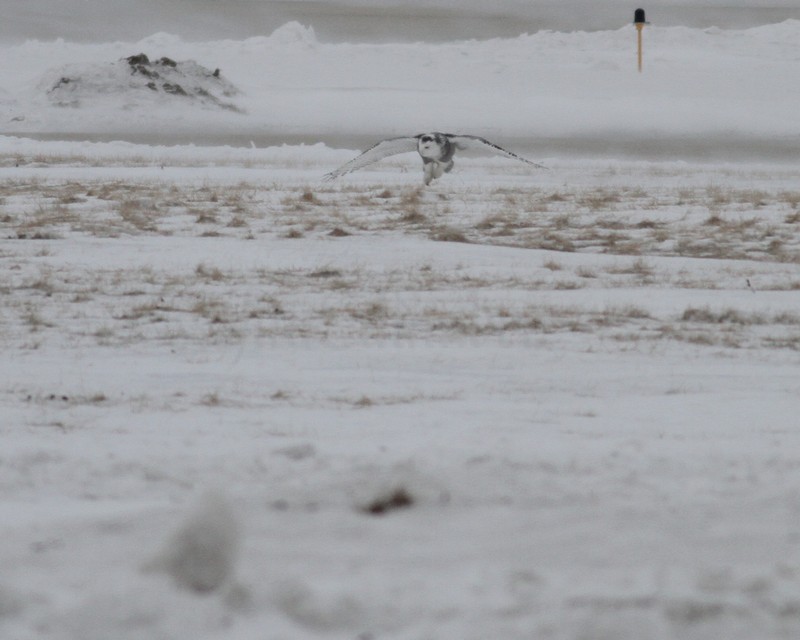
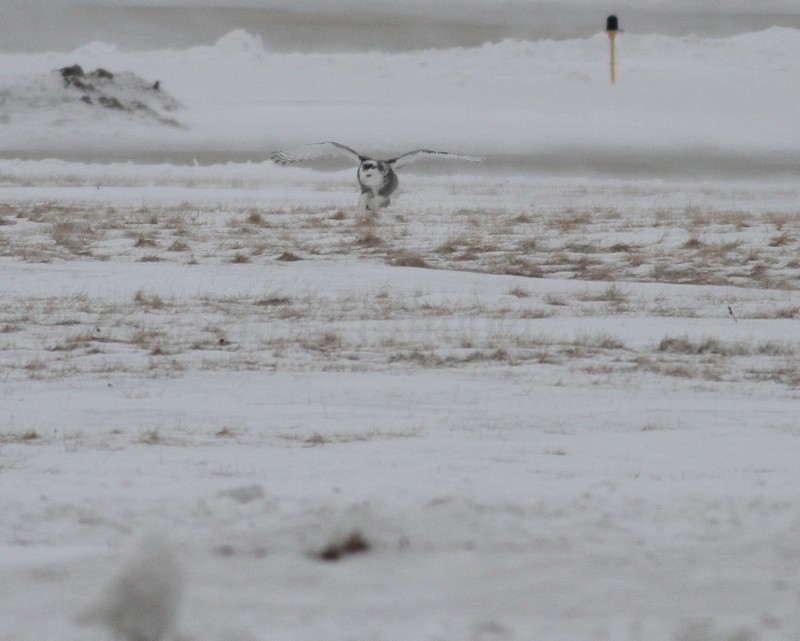
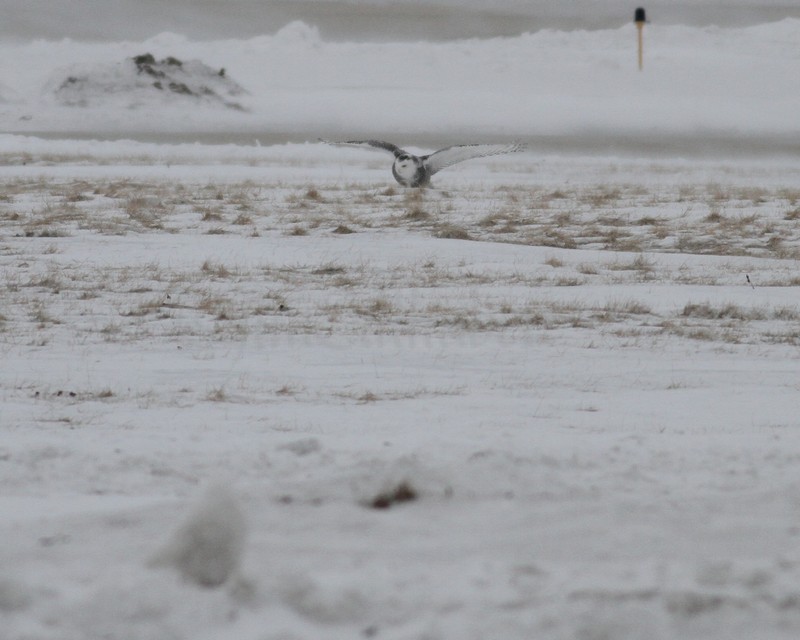
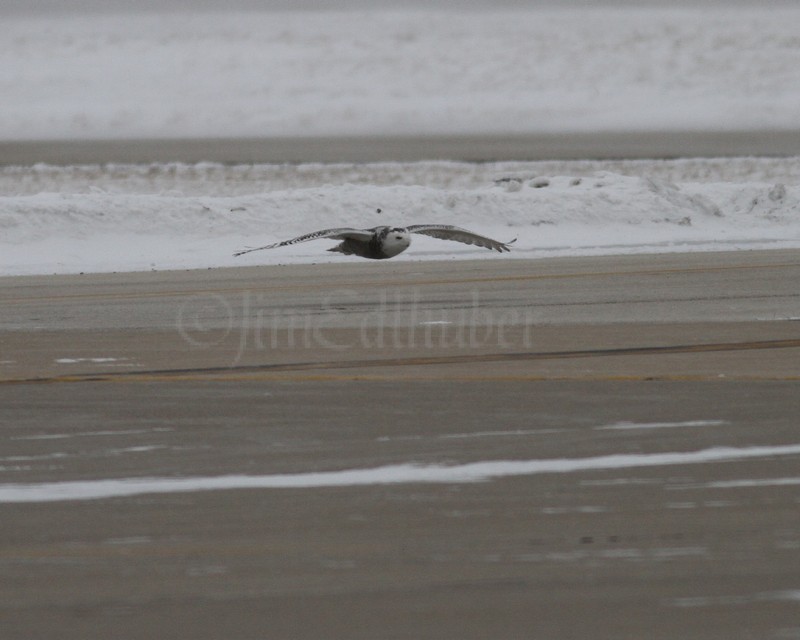
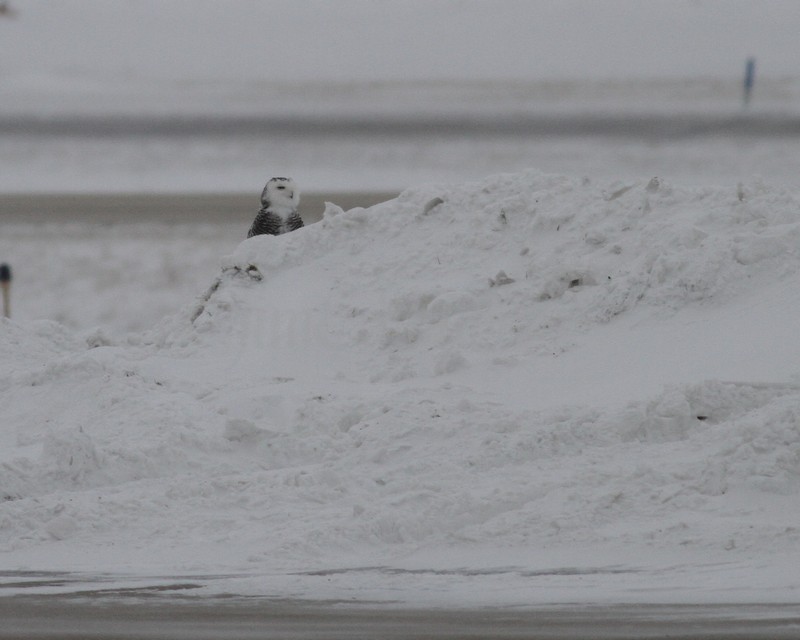
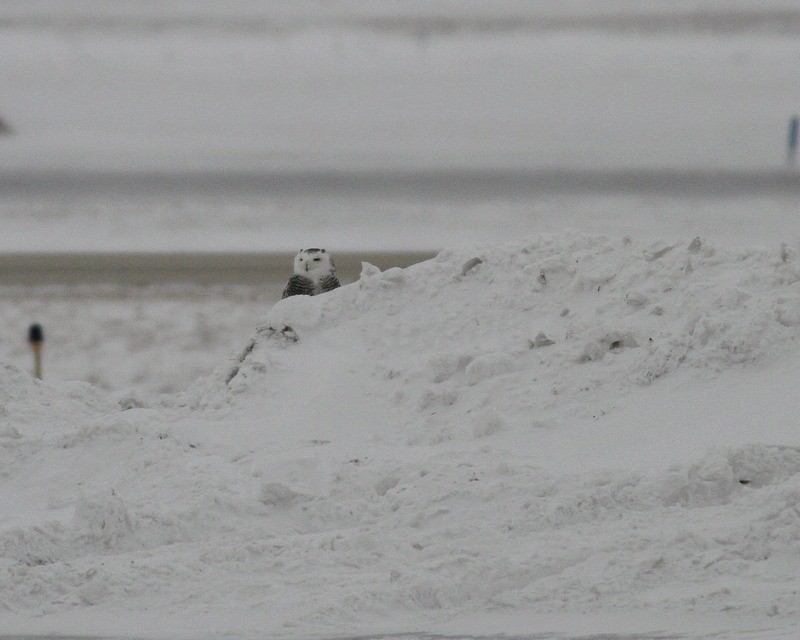
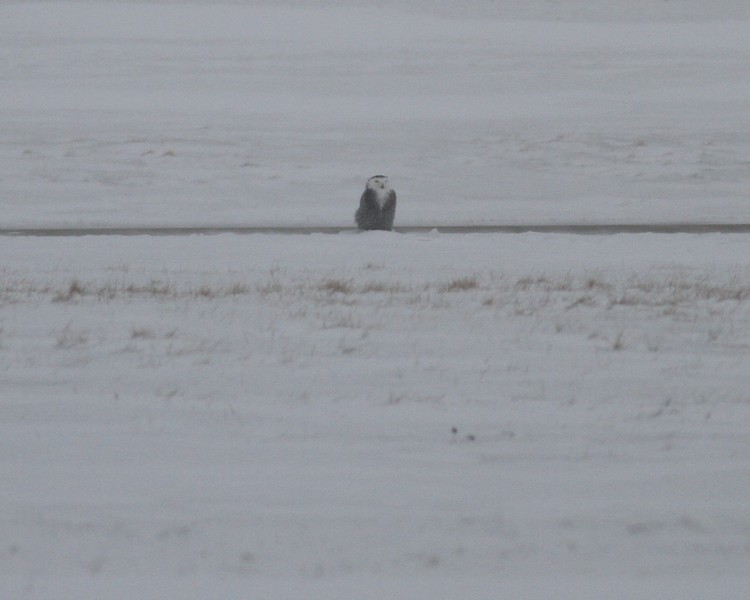
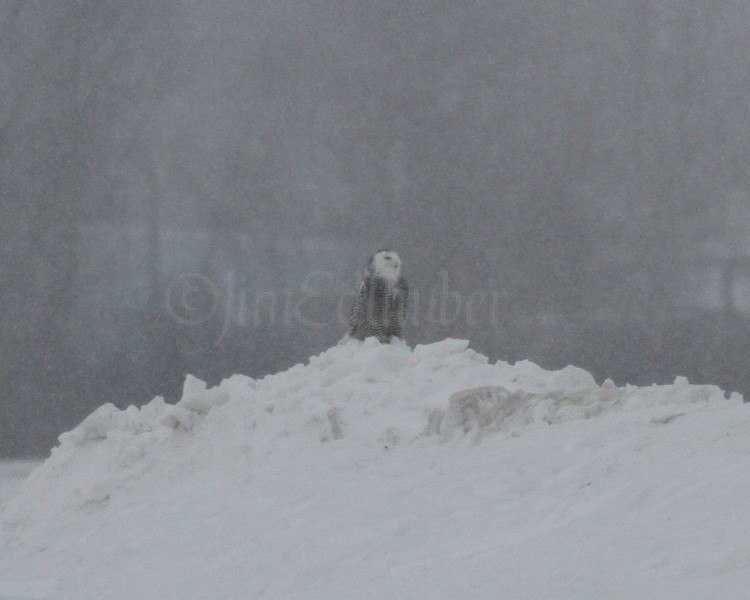
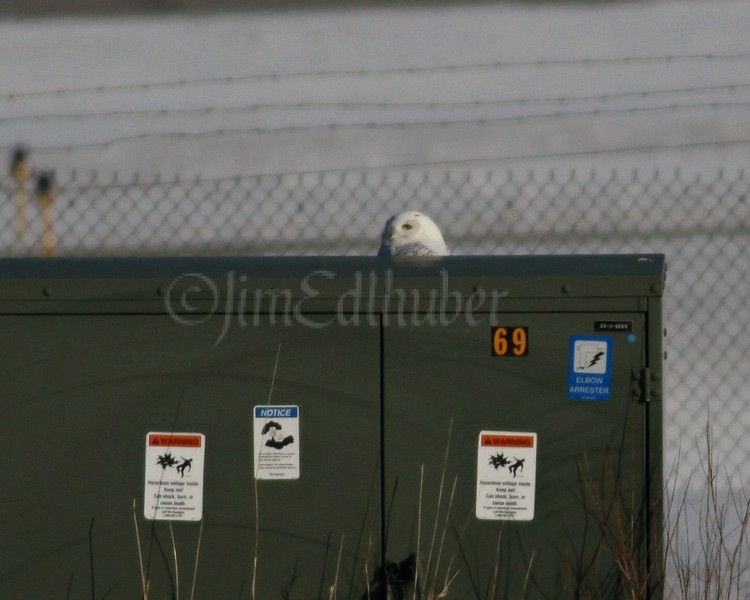
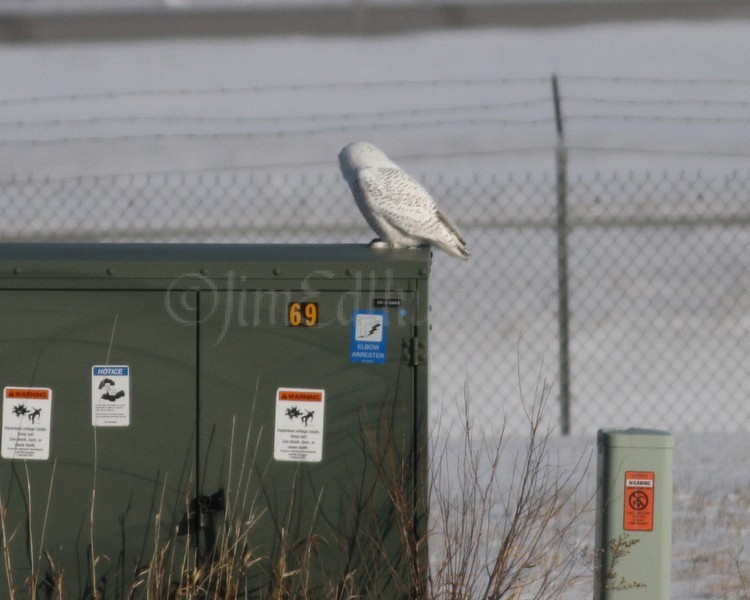
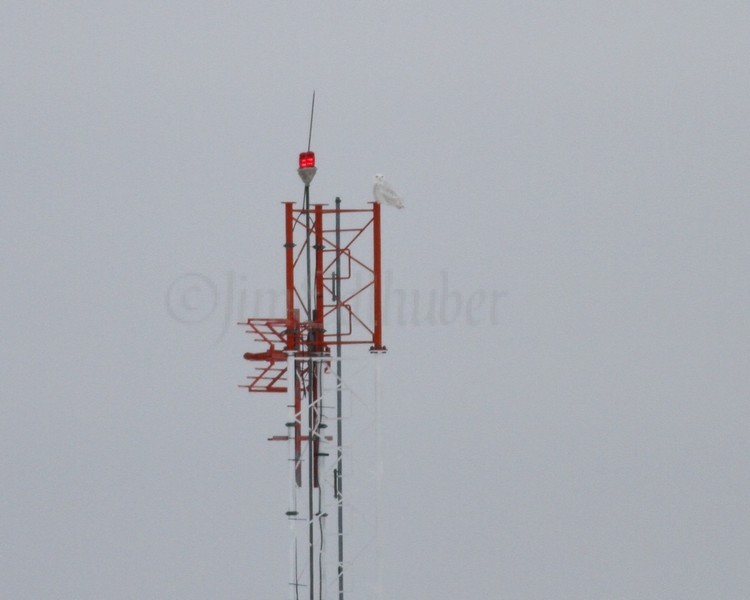
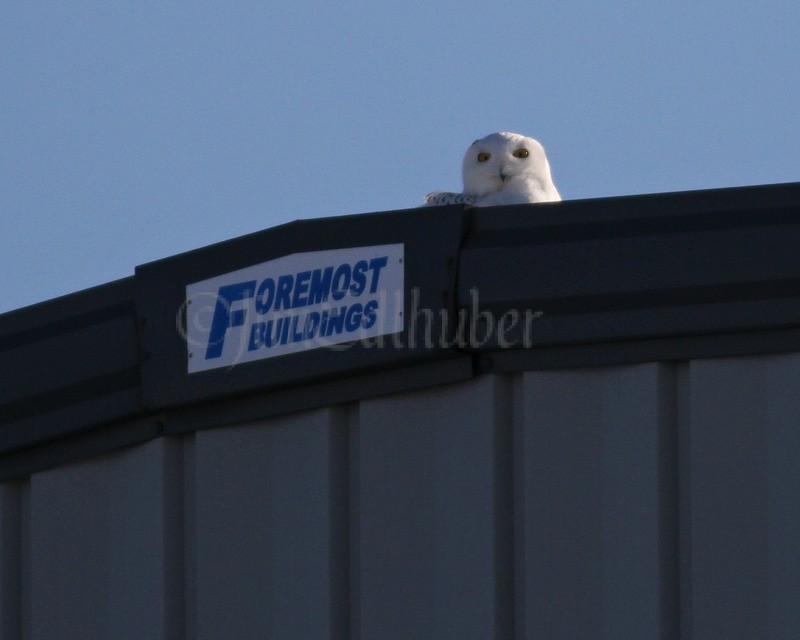
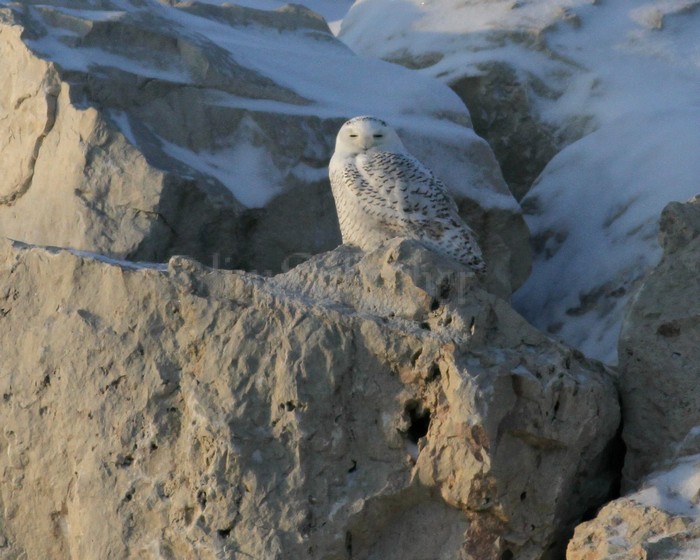
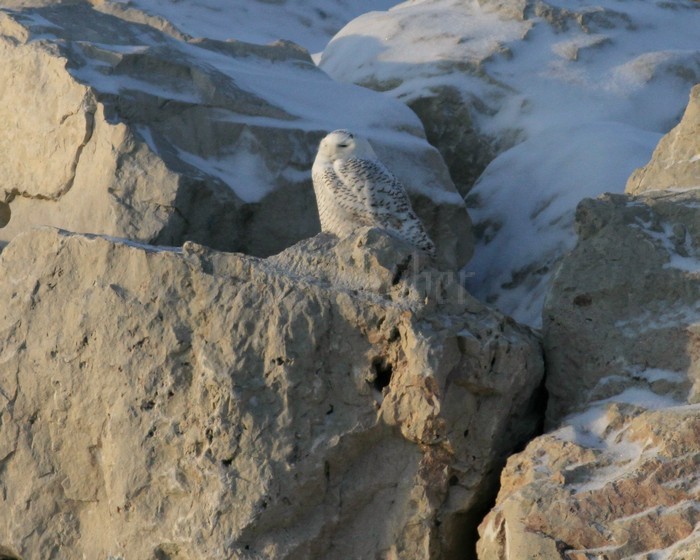
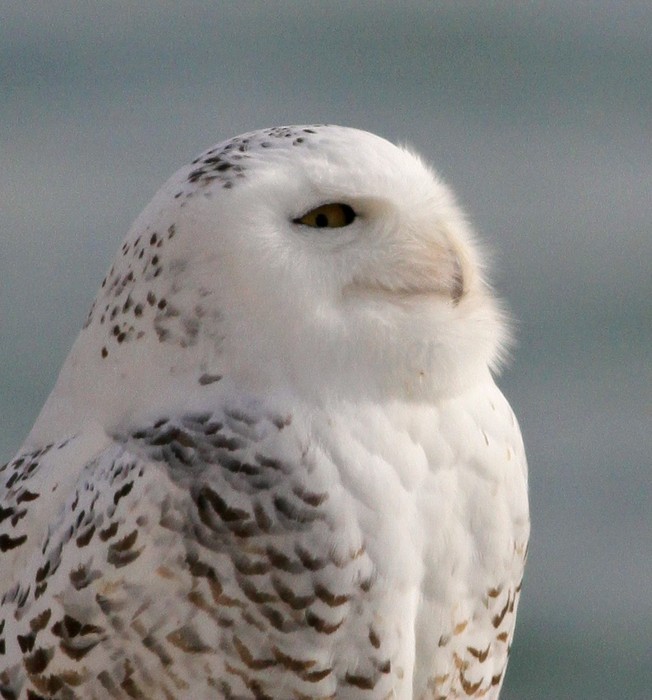
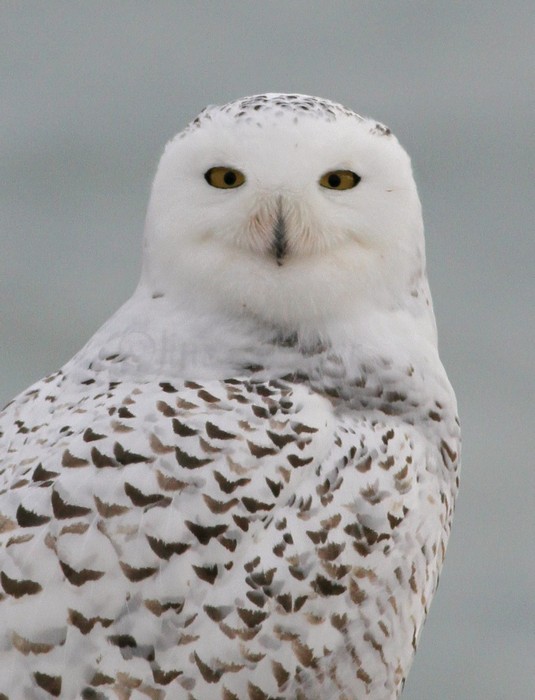
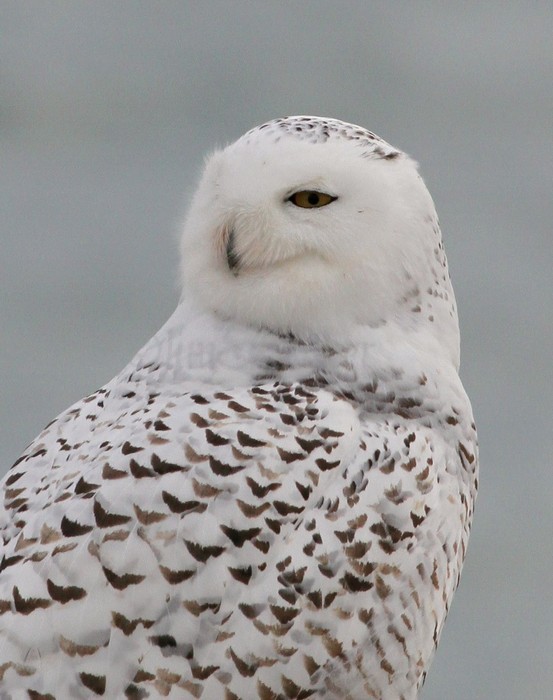
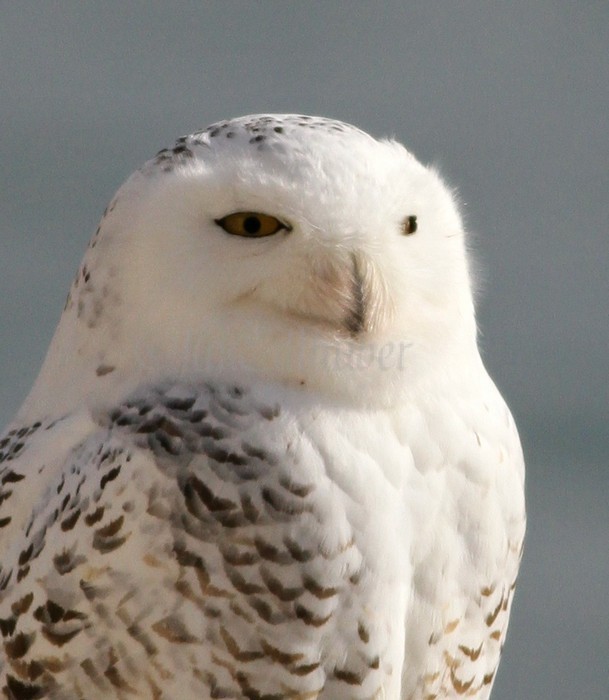
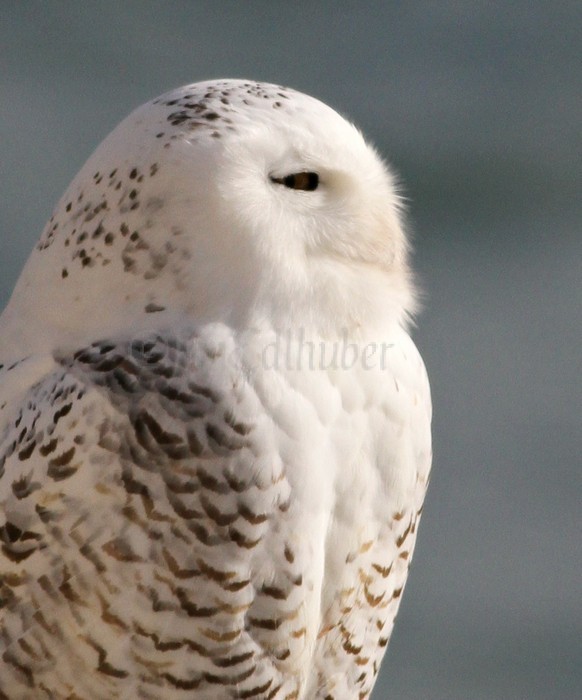
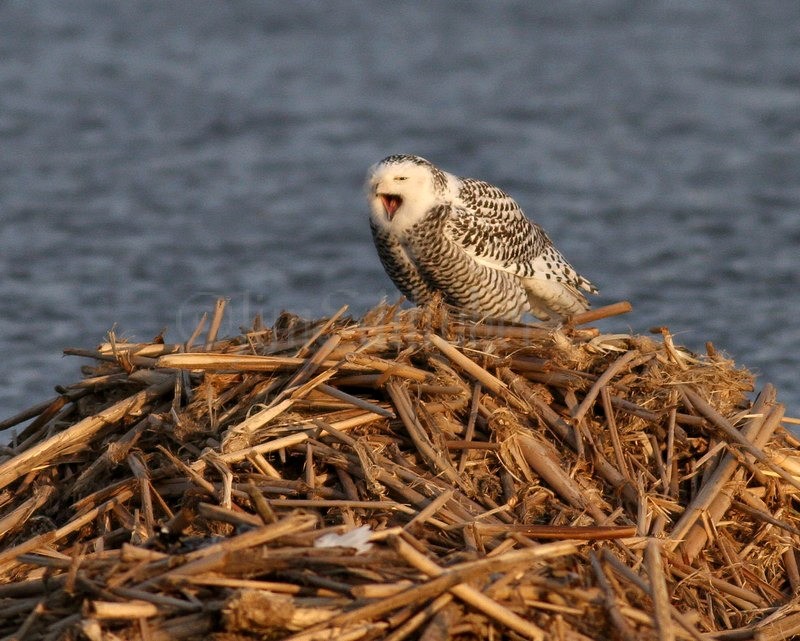
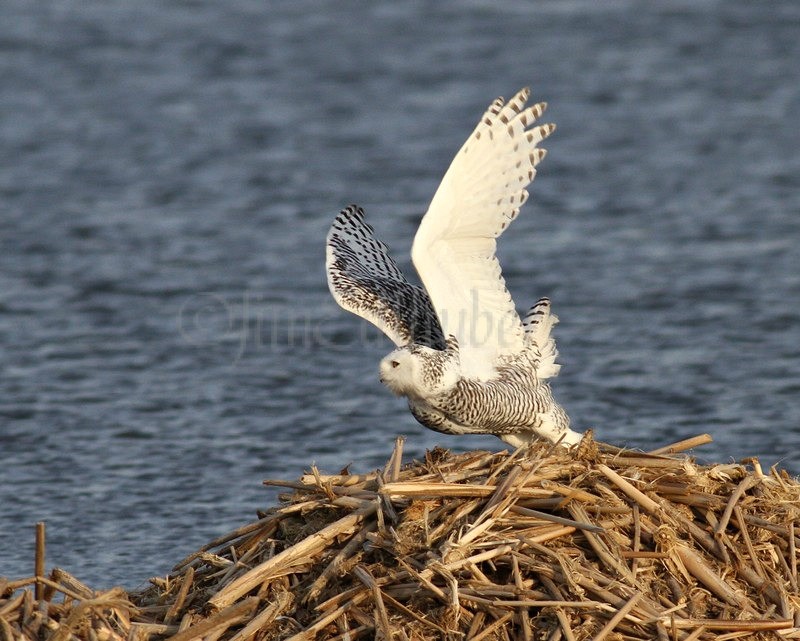
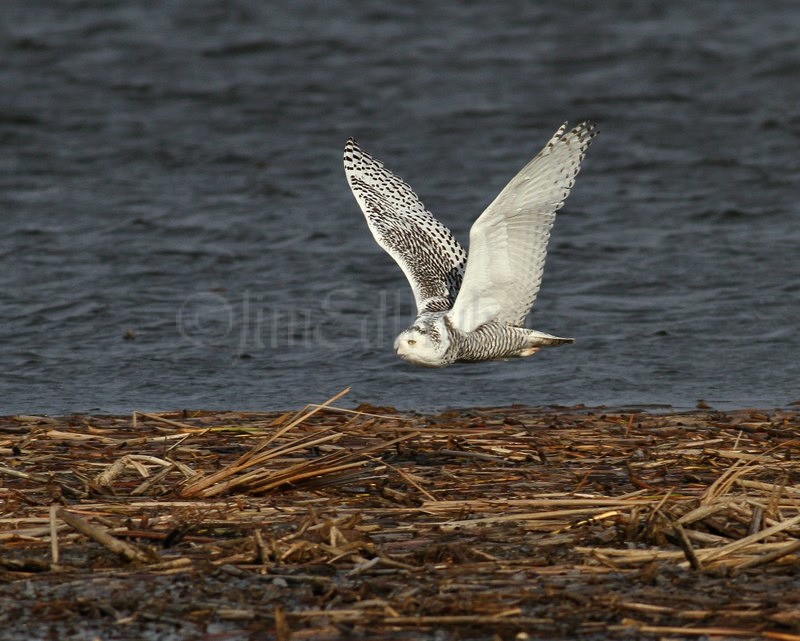
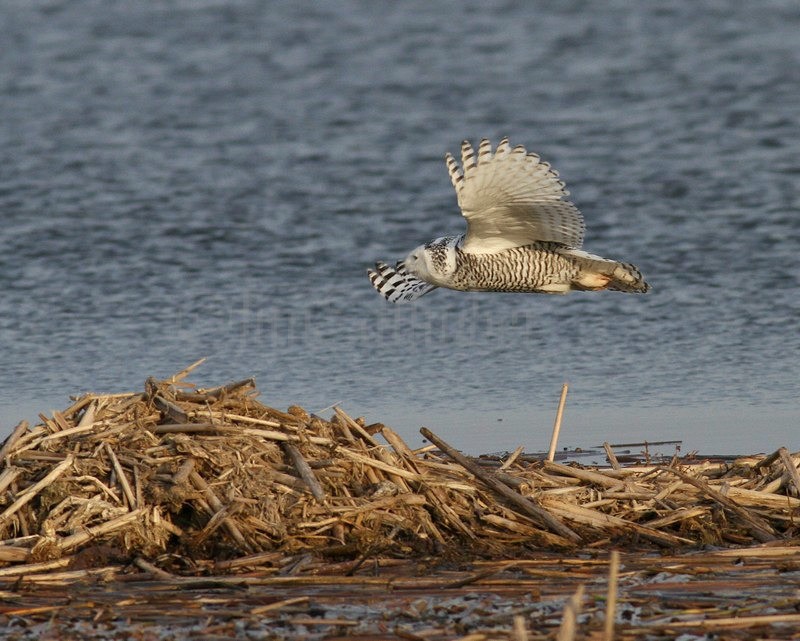
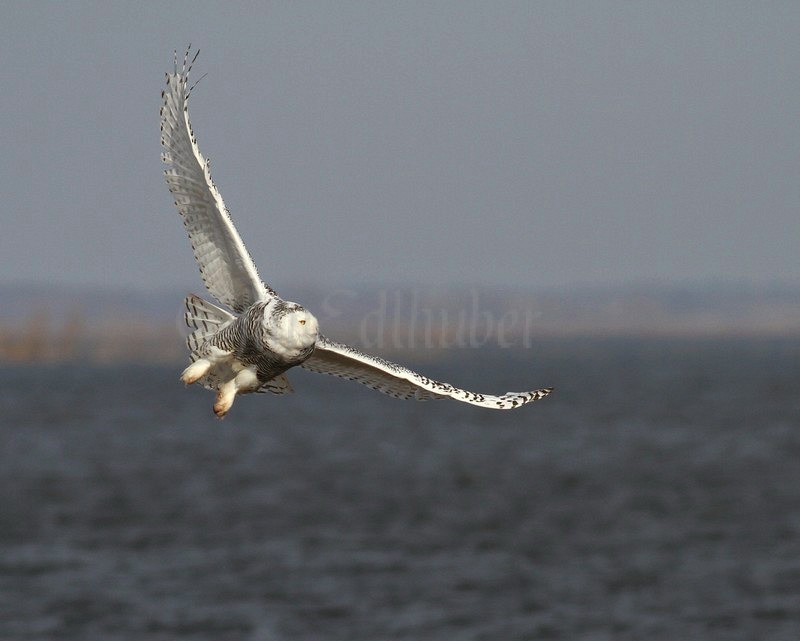
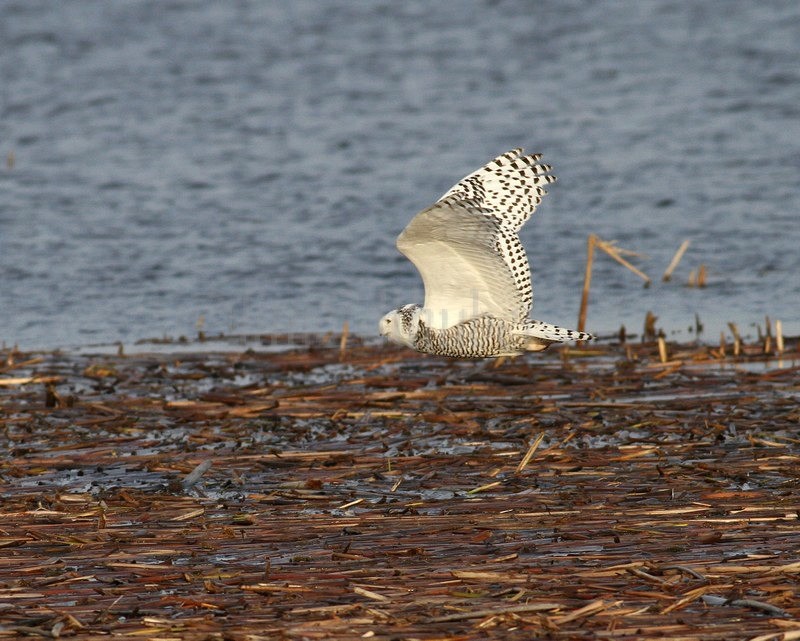
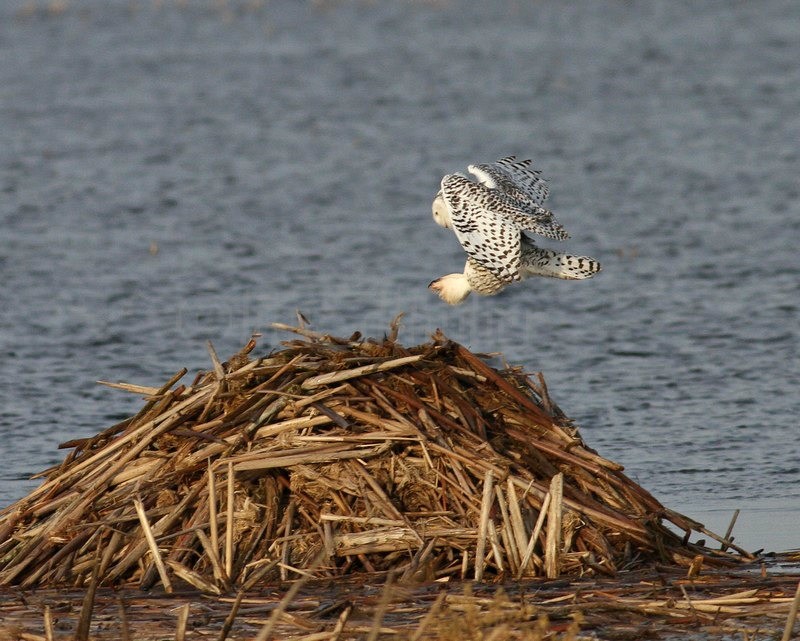
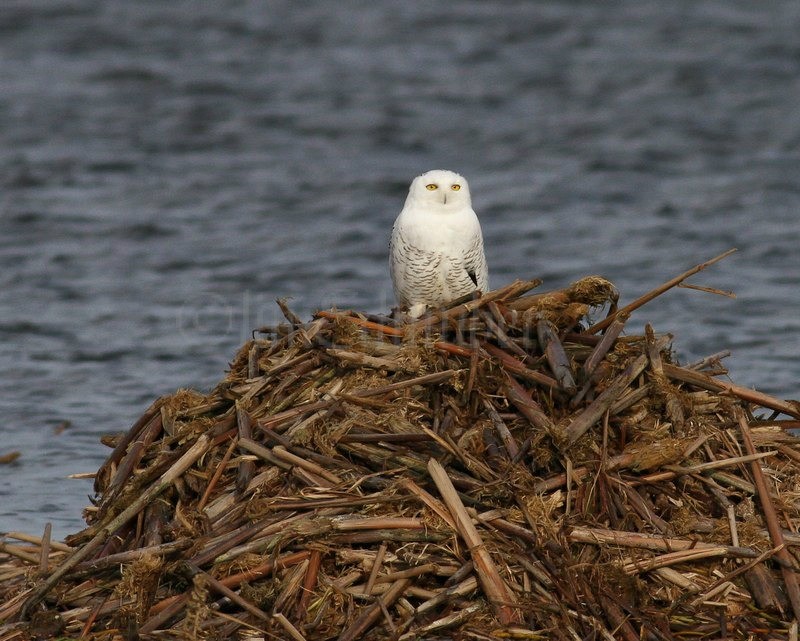
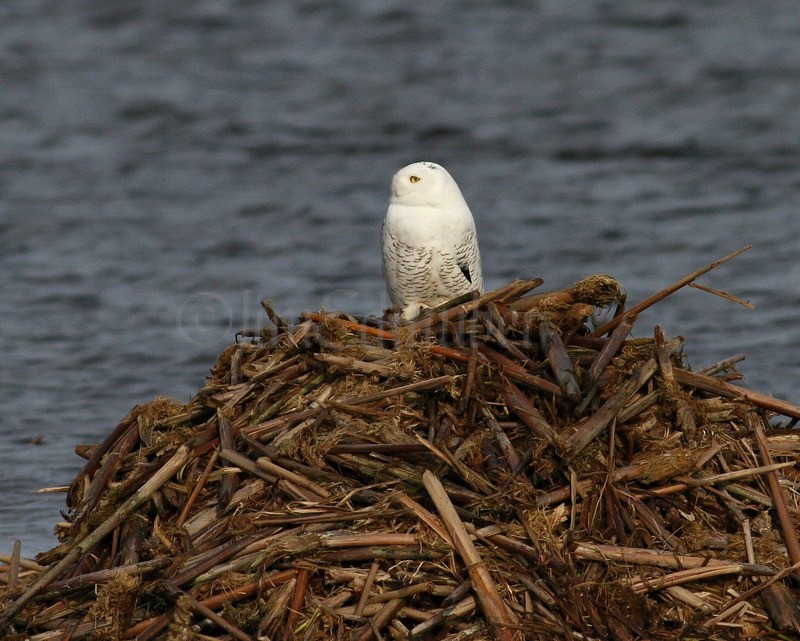
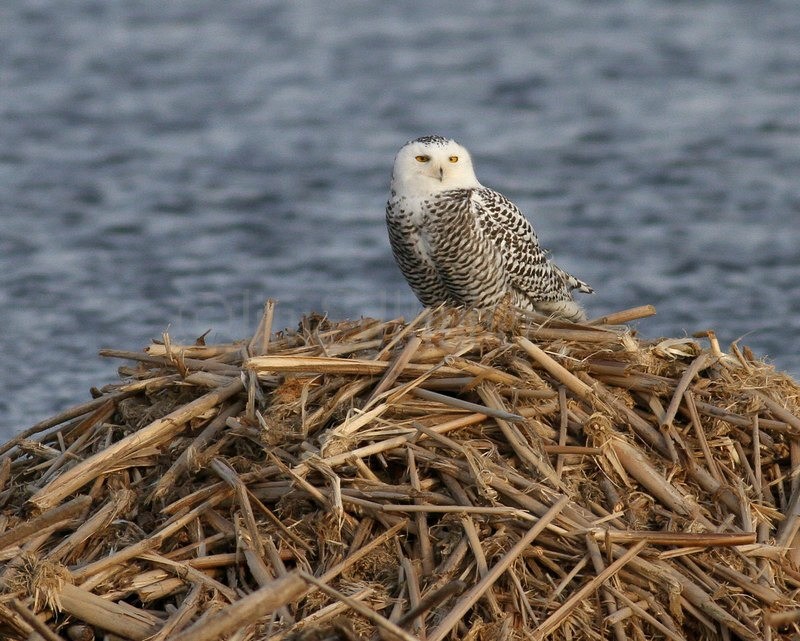
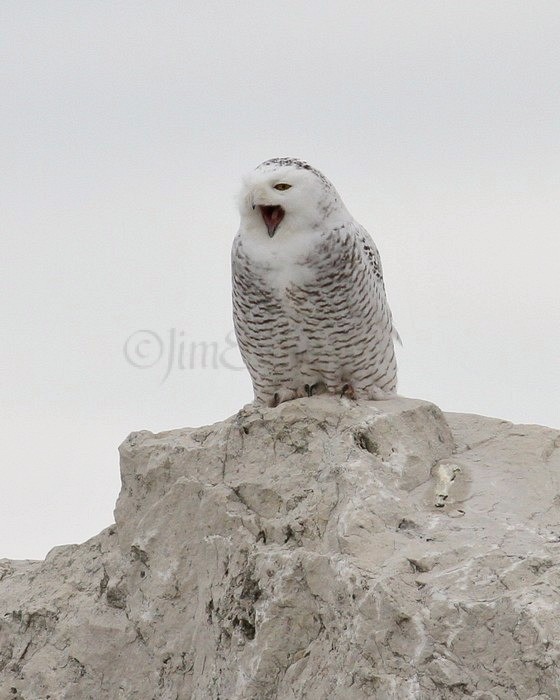
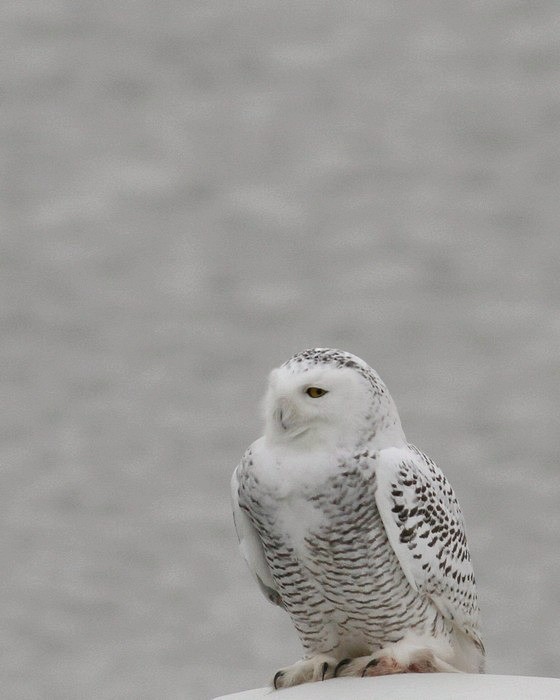
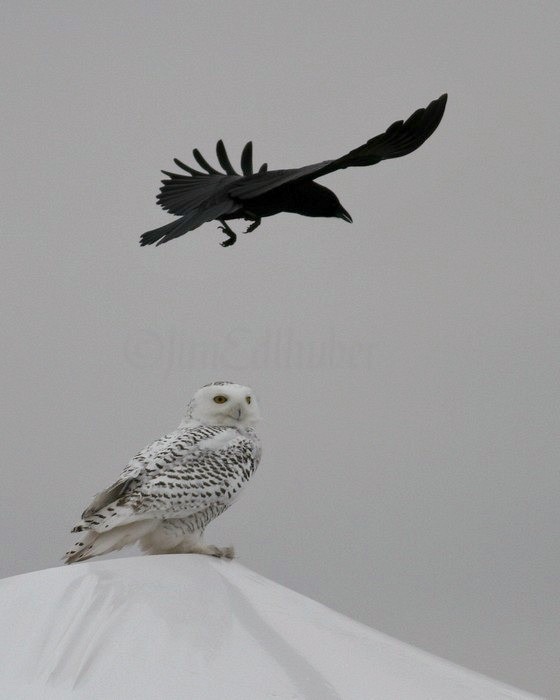
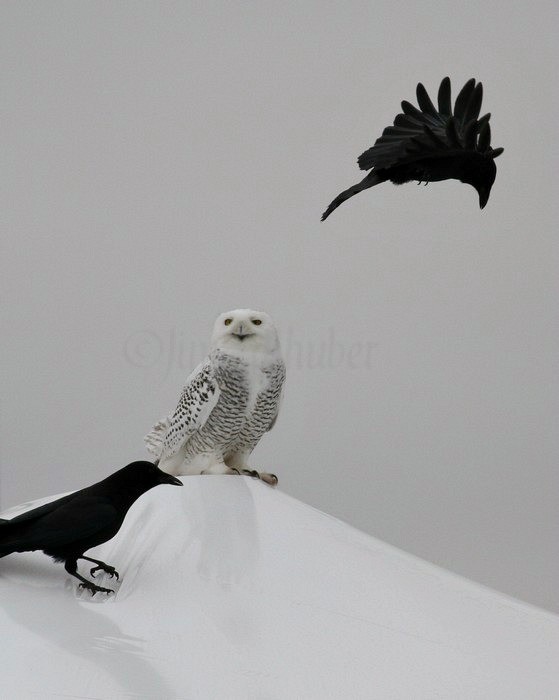
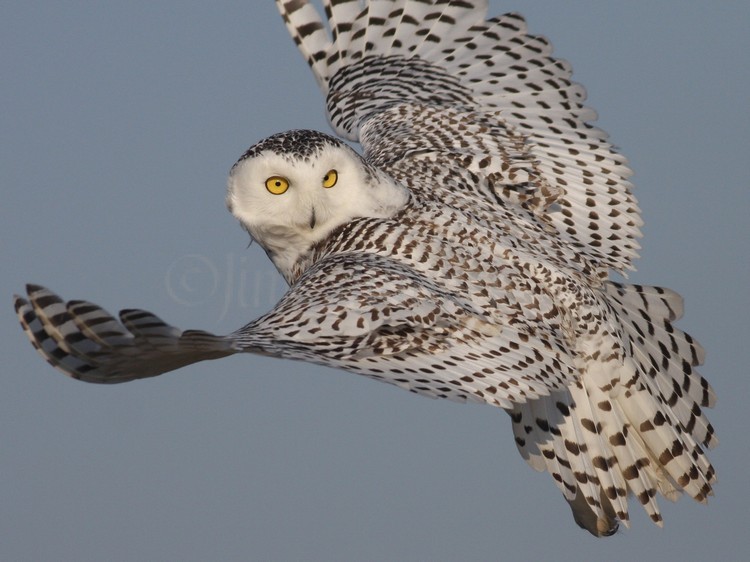
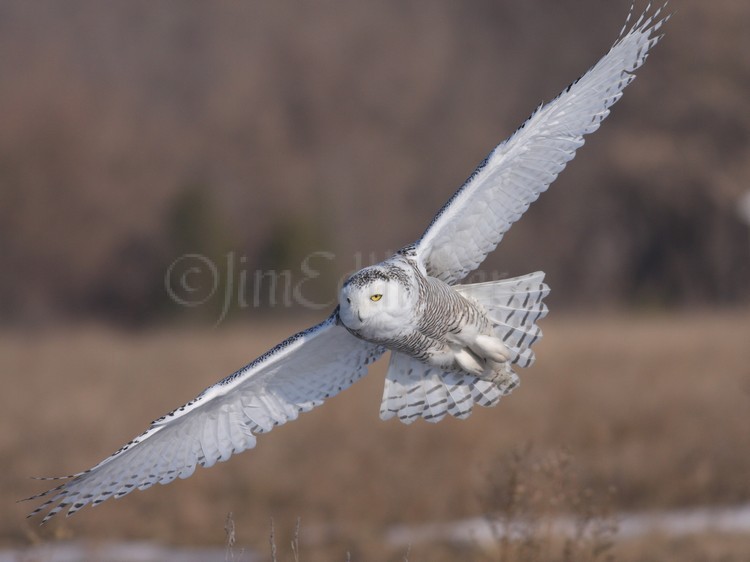
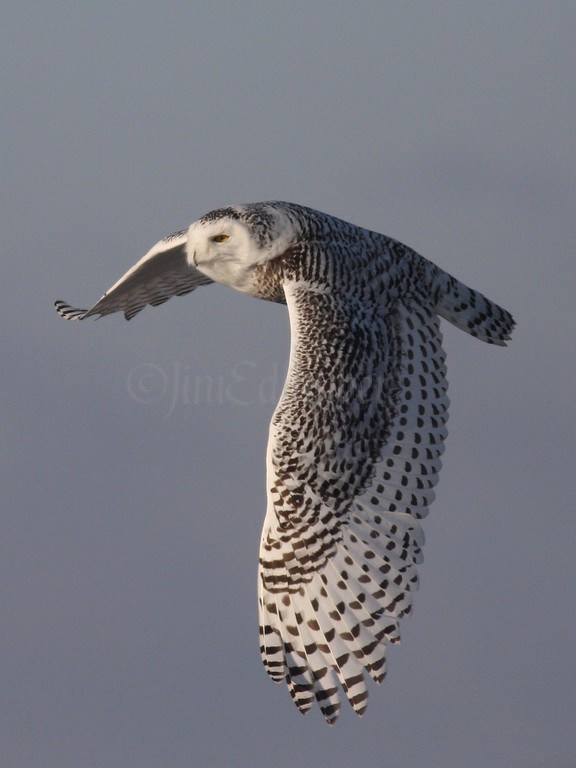
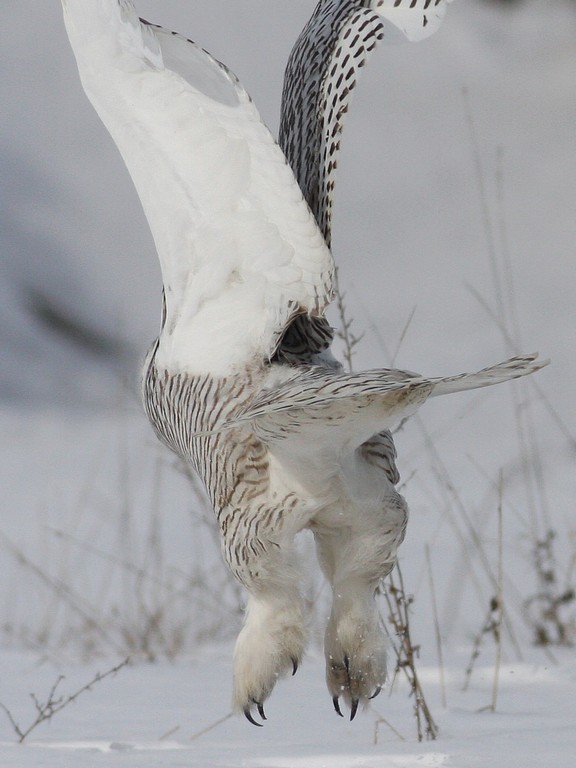
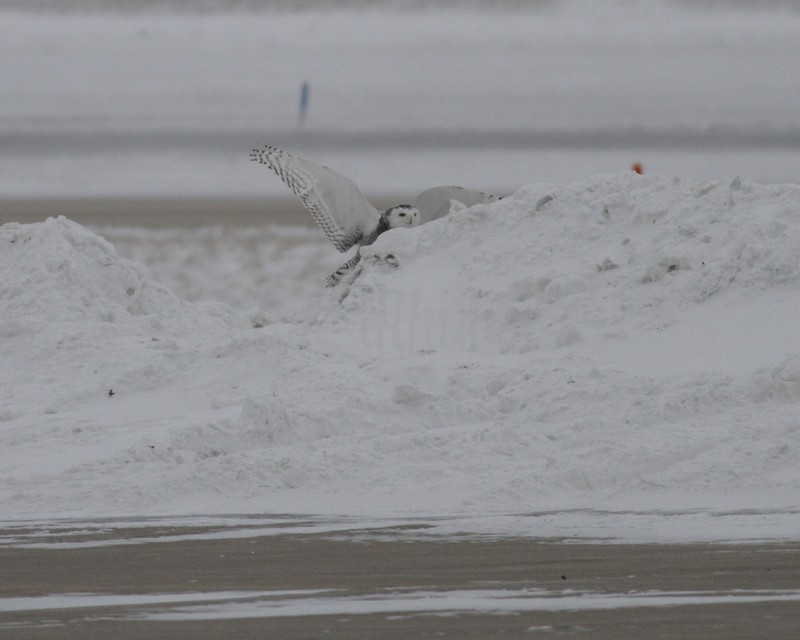
Snowy Owl

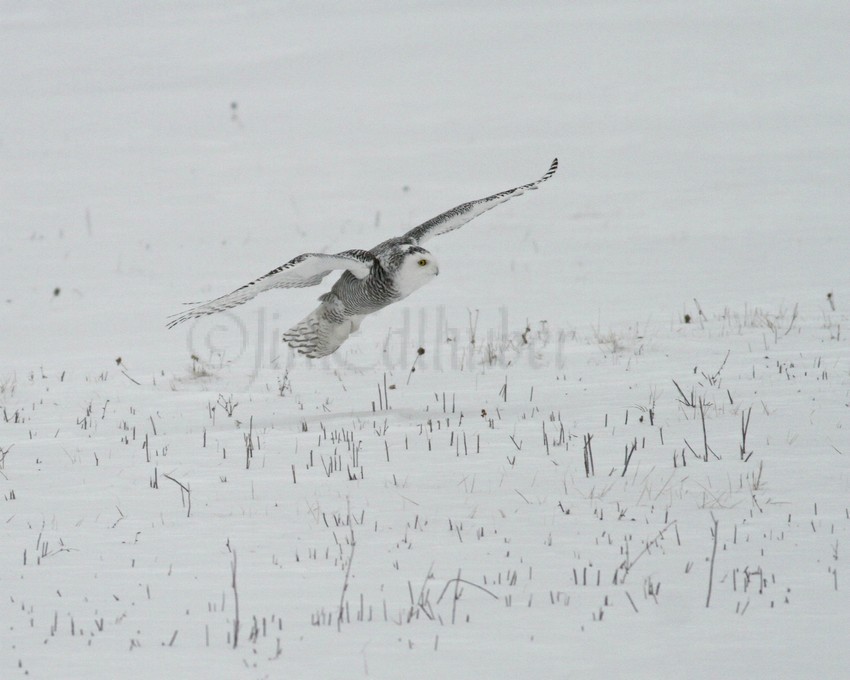
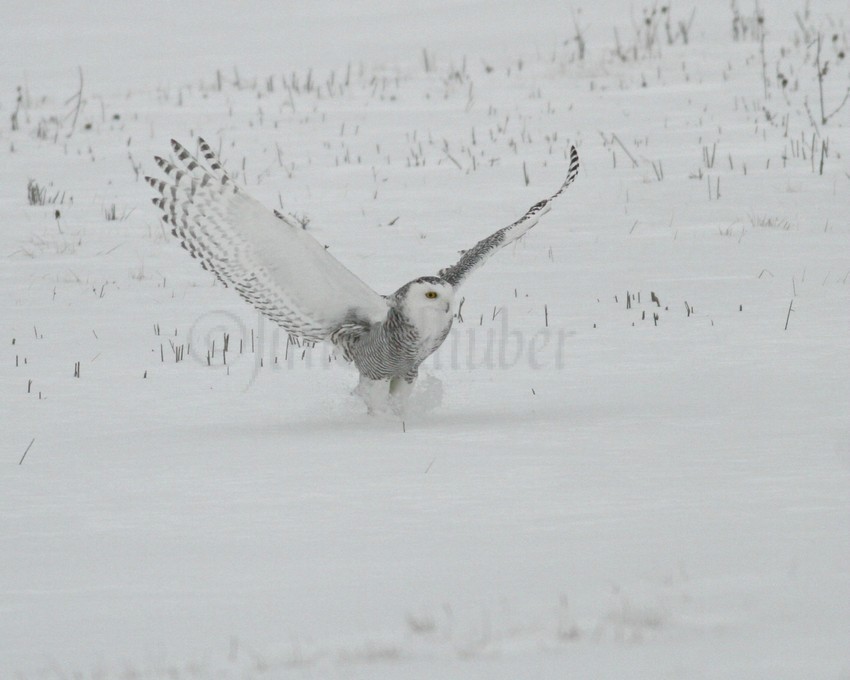
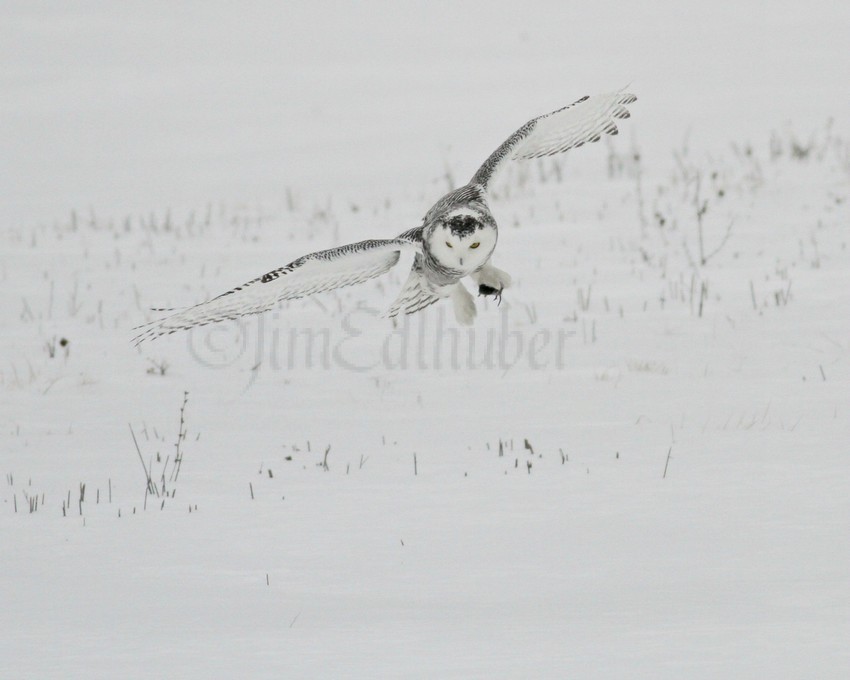
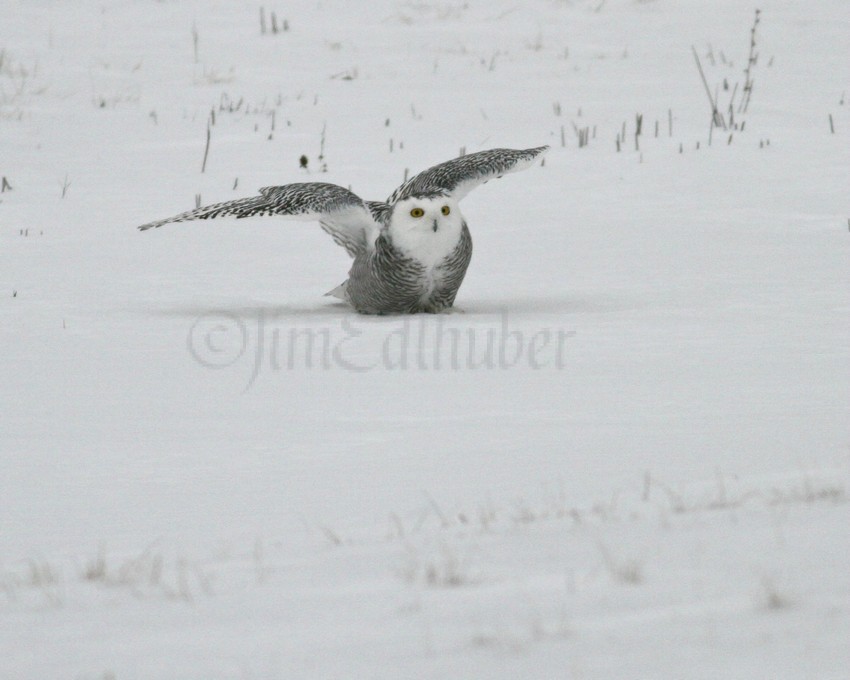
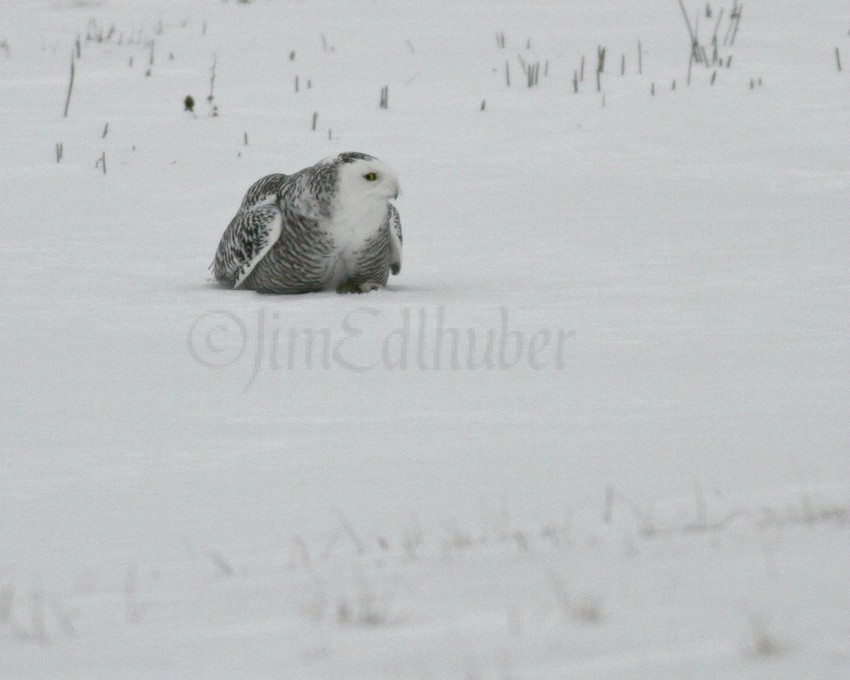
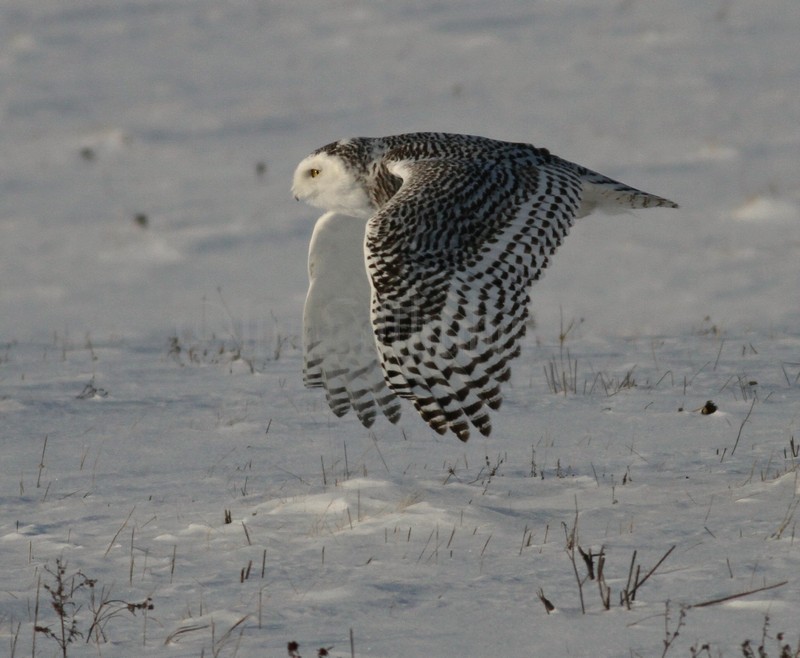
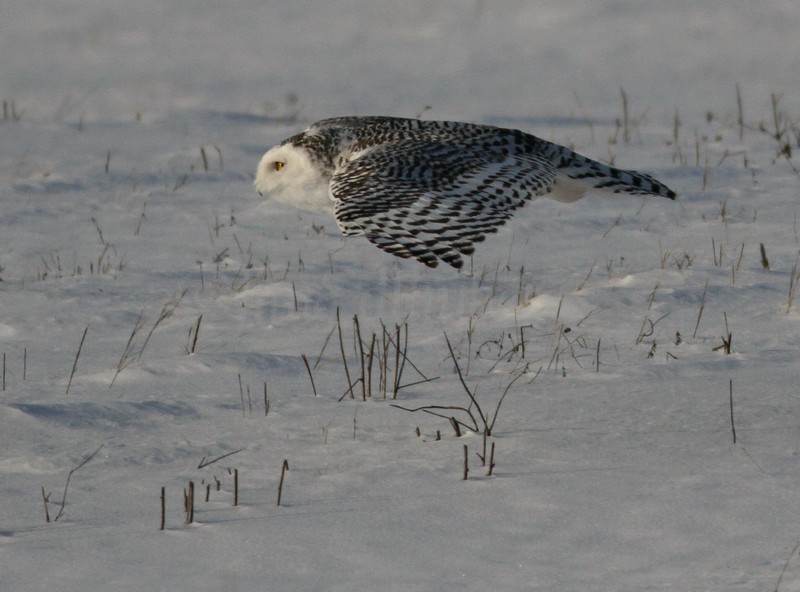
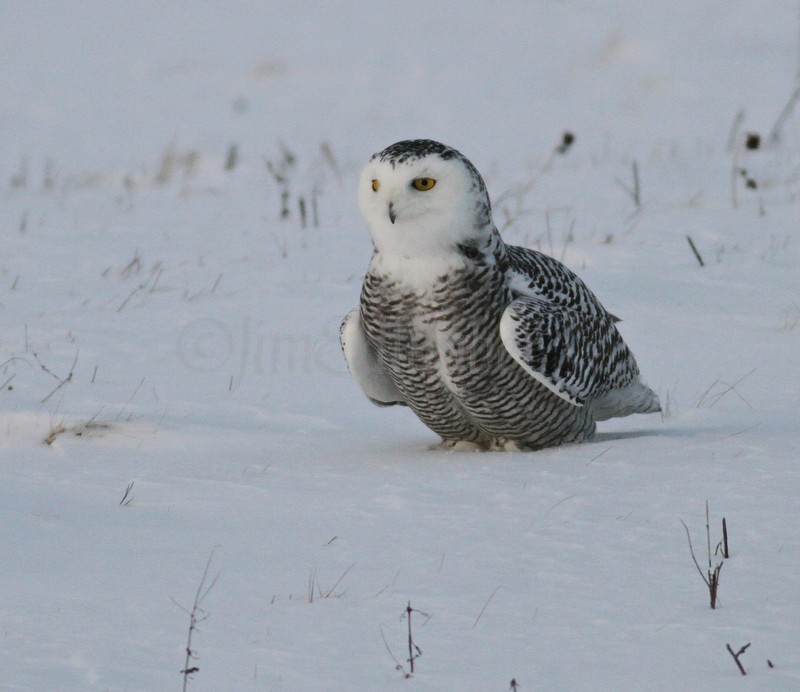
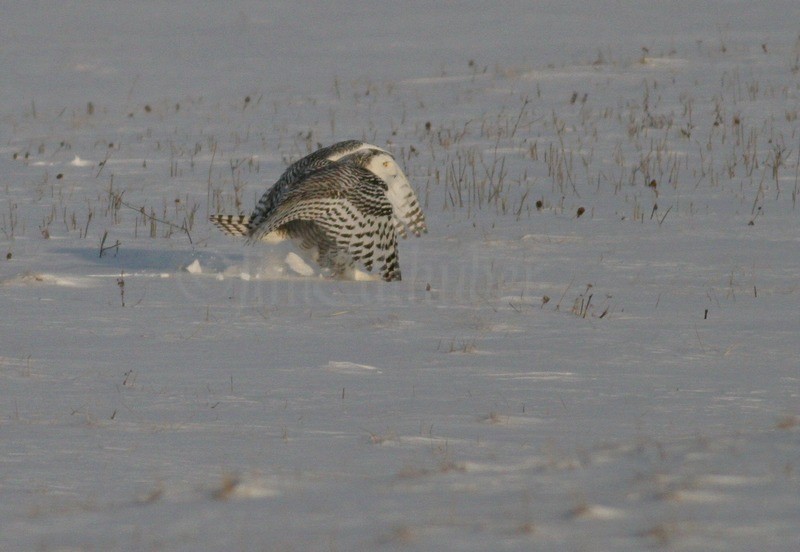
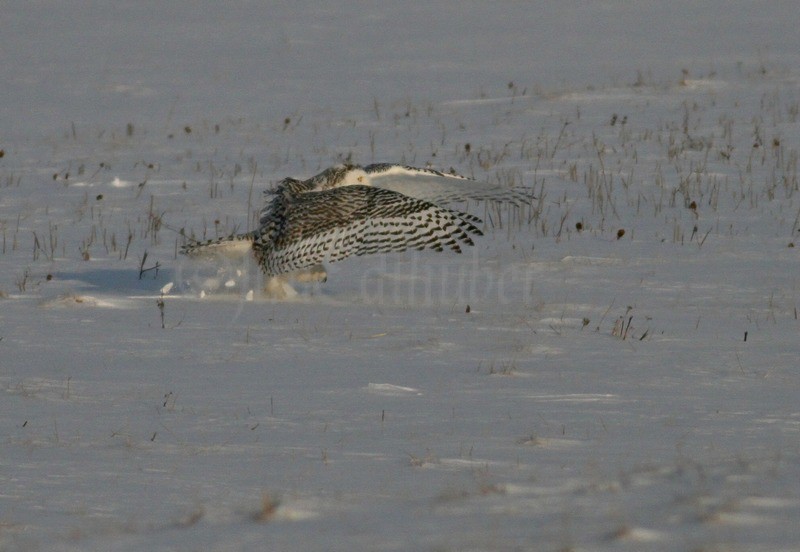
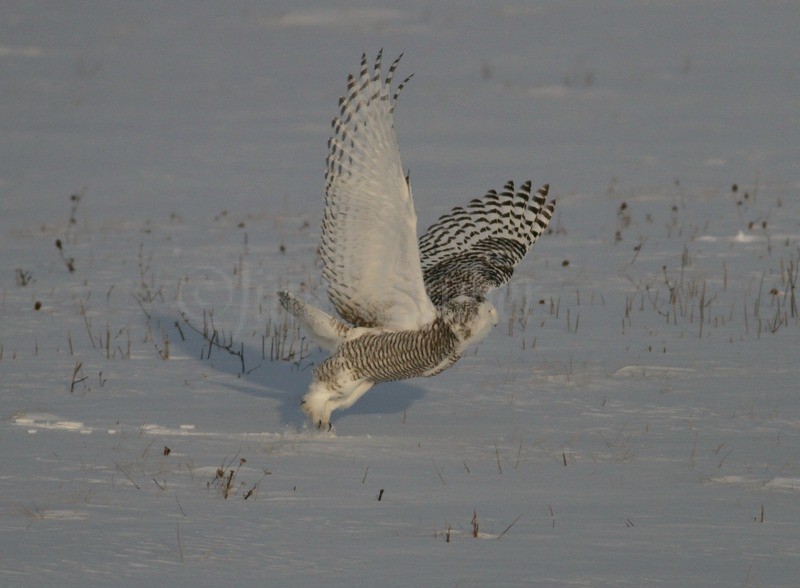
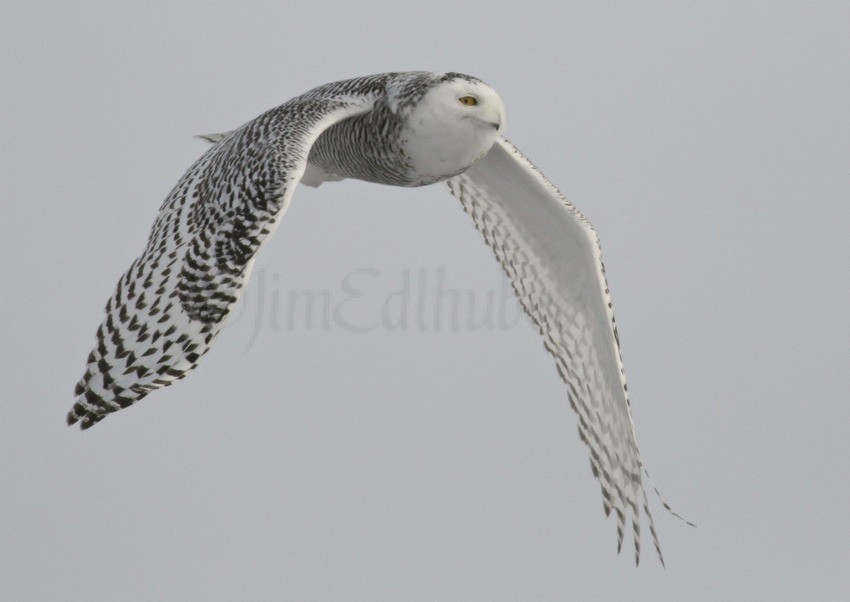
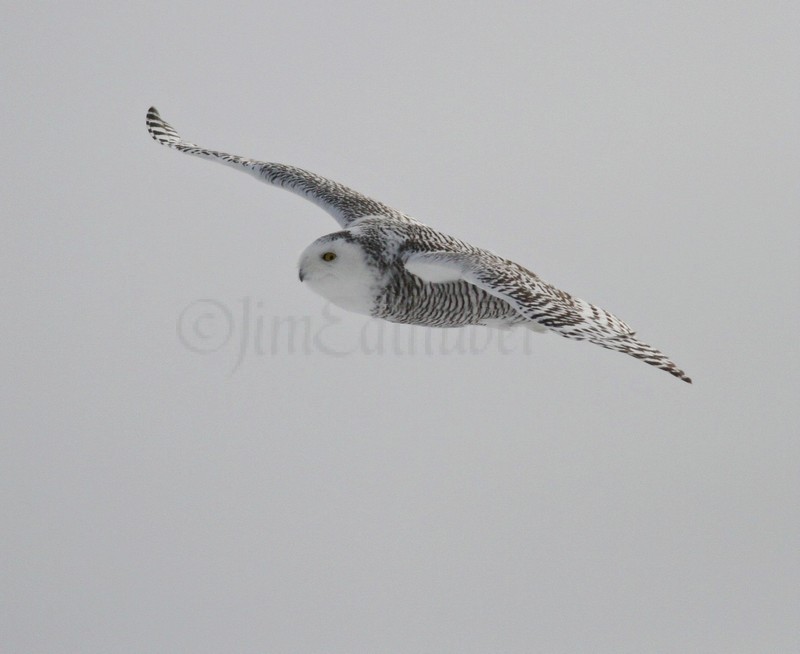
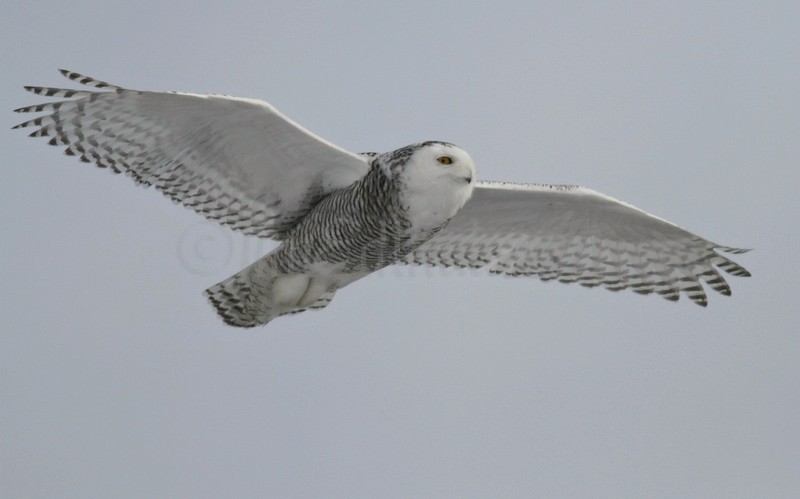
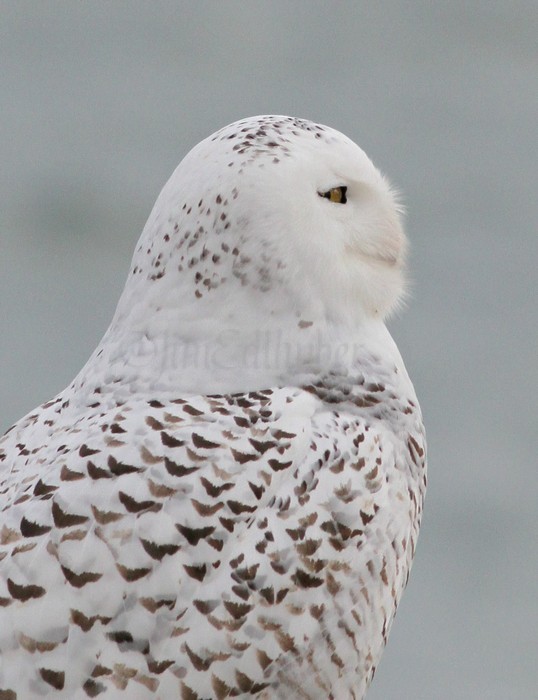
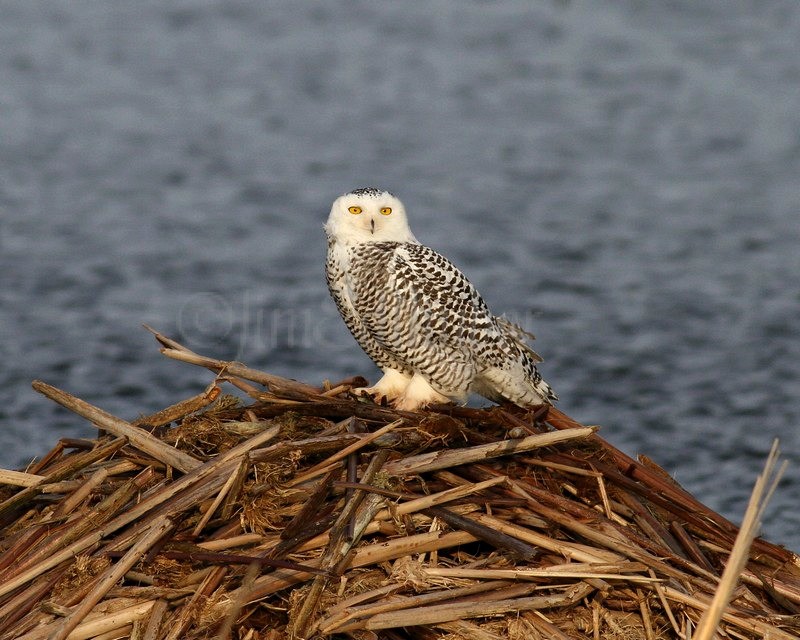
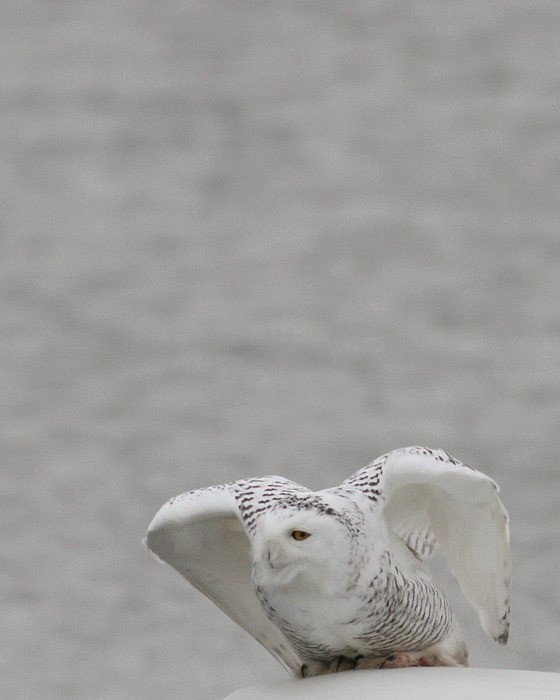
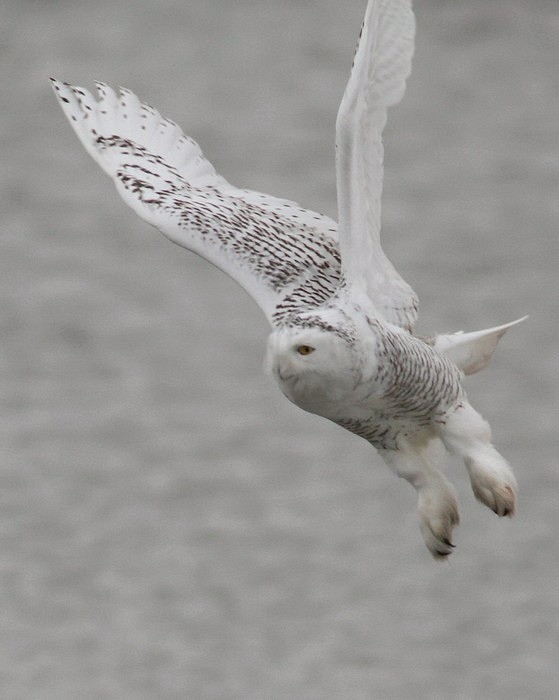
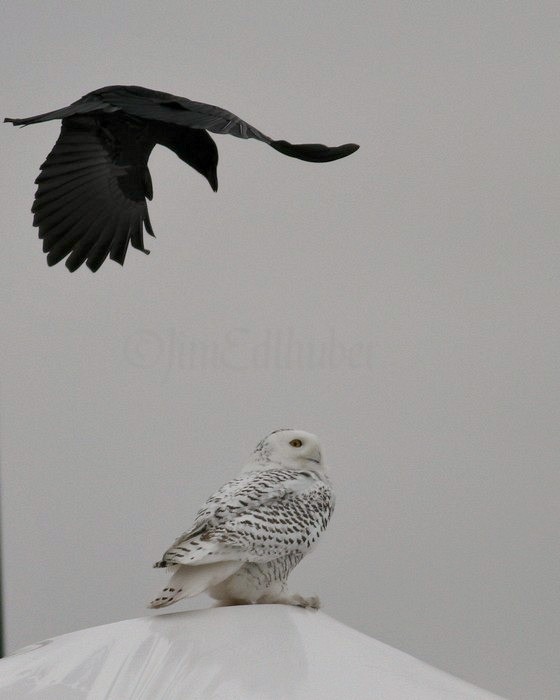
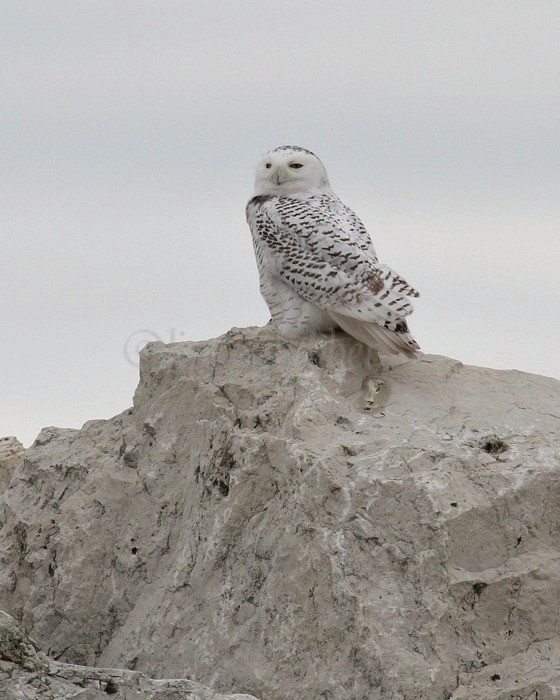
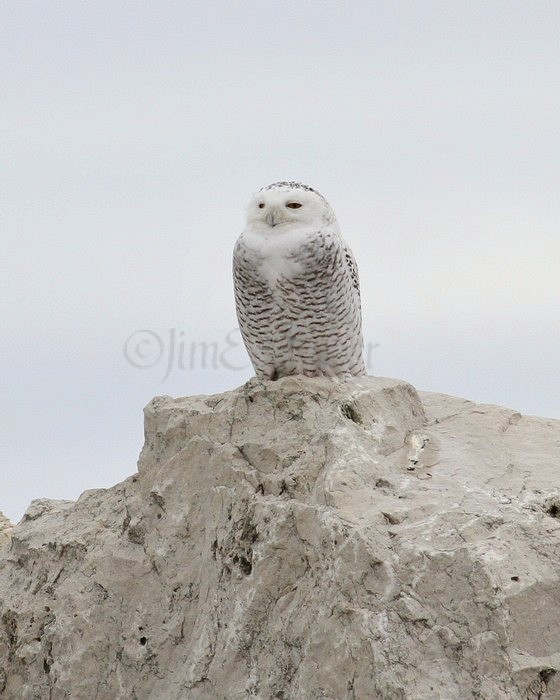
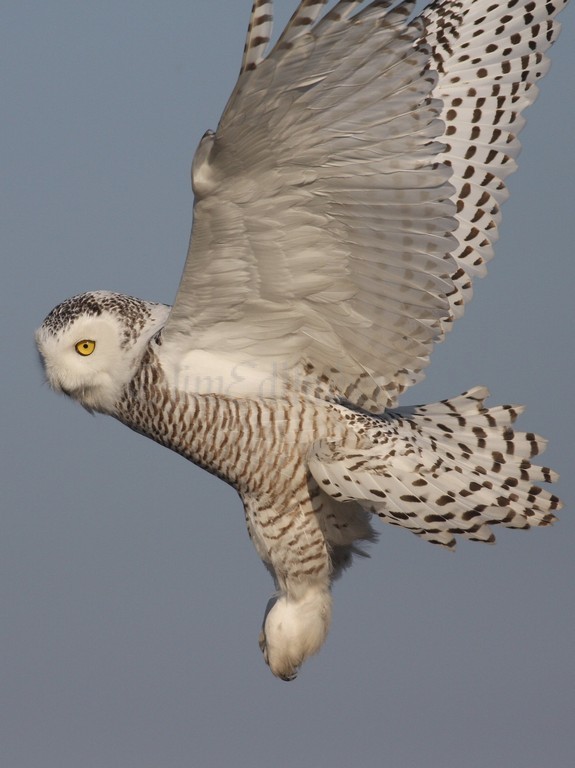
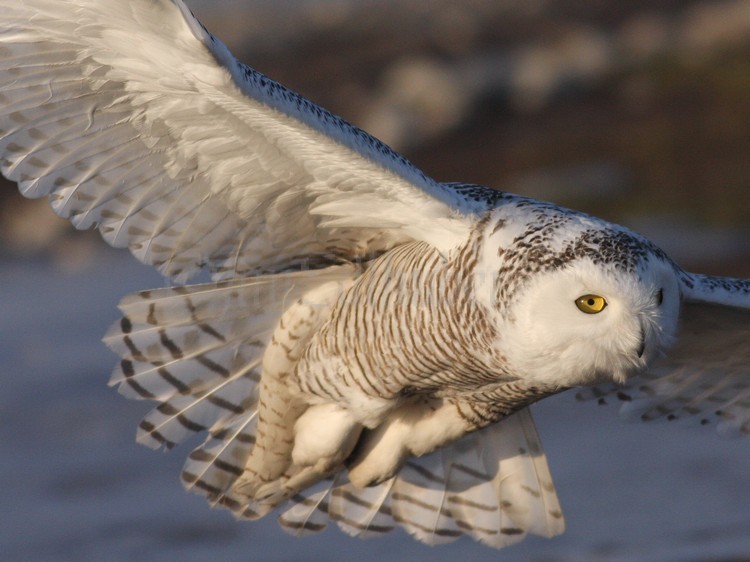
Snowy Owl photographs taken at Lakeshore State Park on Milwaukee’s Lakefront on December 9, 2013.

Snowy Owl

Snowy Owl

Binomial name: Bubo scandiacus

Category: Typical Owls

Description: Adult males are mostly white with a few dark feather tips.  Adult females and juveniles are white with dark scalloping on chest, back, wings, and tail.  Yellow eyes, black beak, and feathery feet.

Size: 20”- 28” long, 49” – 59” wingspan

Weight: 3.5 lb. – 6.6 lb.

Habitat: Wide open, treeless spaces such as shorelines, lakes, open fields, and agricultural sites.

Diet: Small mammals such as rodents, lemmings, voles, mice, rats, rabbits, squirrels, raccoons, and other birds such as shorebirds, songbirds, ducks, geese, and pheasants.

Nesting: The female builds a nest on a mound with good visibility.  She scrapes away the top layer of soil and, over several days, presses her body into the ground to make a depression.  She will lay a clutch of 3 to 11 eggs and incubate them for about 5 weeks.  Both parents will defend the nest and care for the hatchlings which are born pure white.  The same nest may be used year after year.
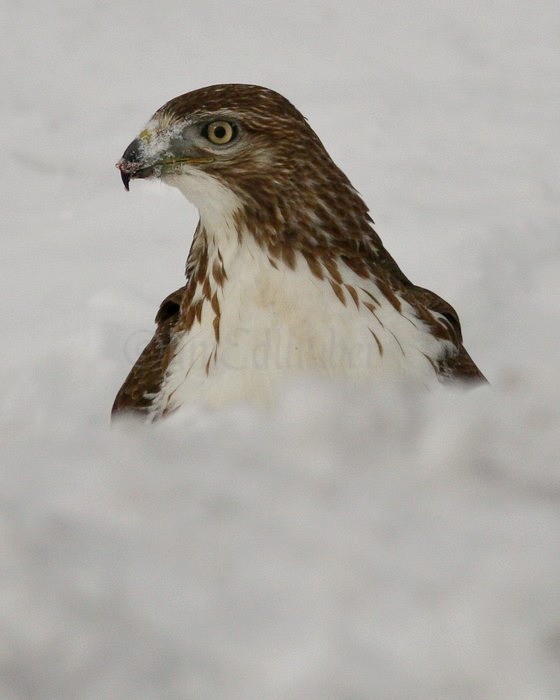
Notes: Snowy owls are considered the heaviest owl in North America, weighing about a pound more than its closest contender, the Great Horned Owl.  A snowy owl was featured in the Harry Potter series when Harry received his pet, Hedwig.  It is also the official bird of Quebec.

Snowy Owl

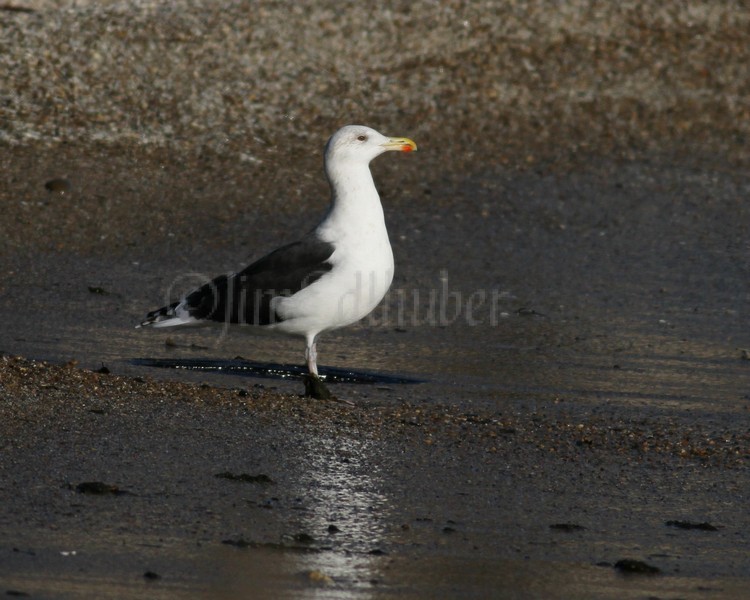
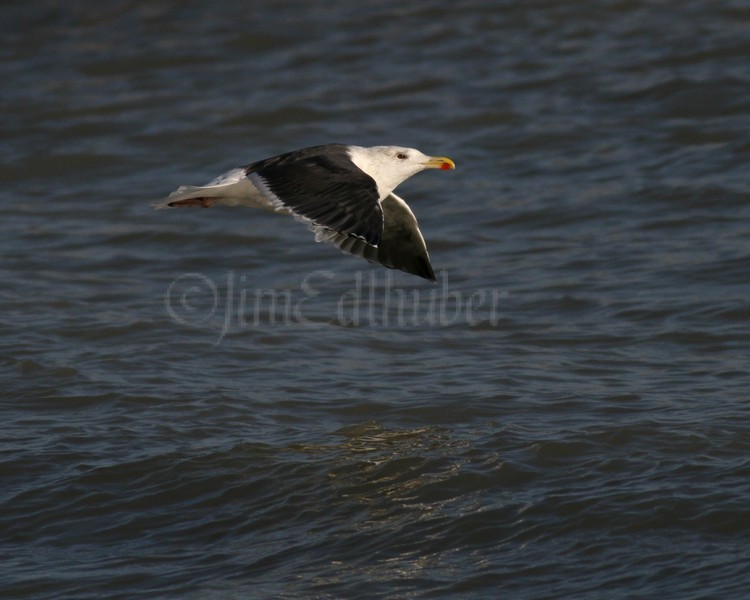
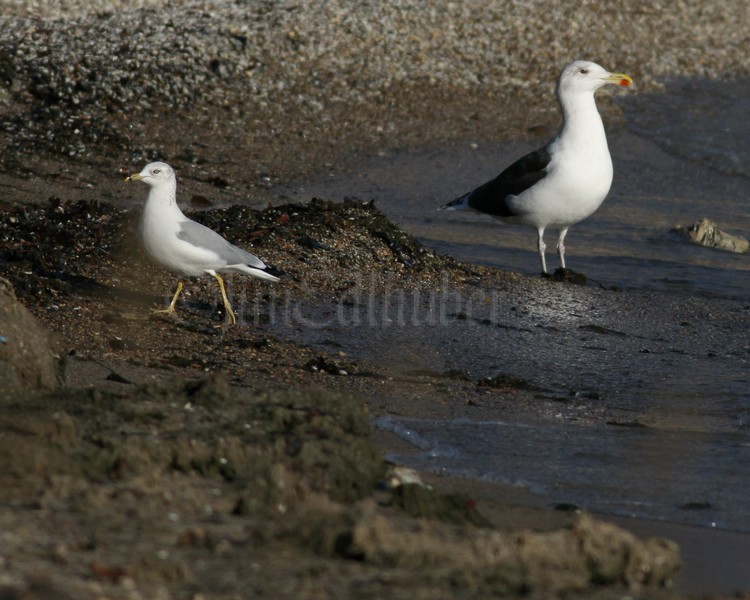
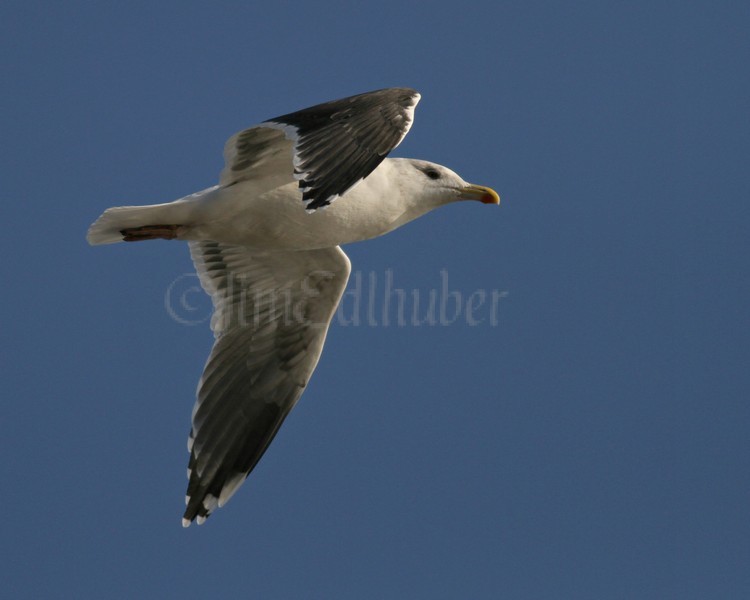
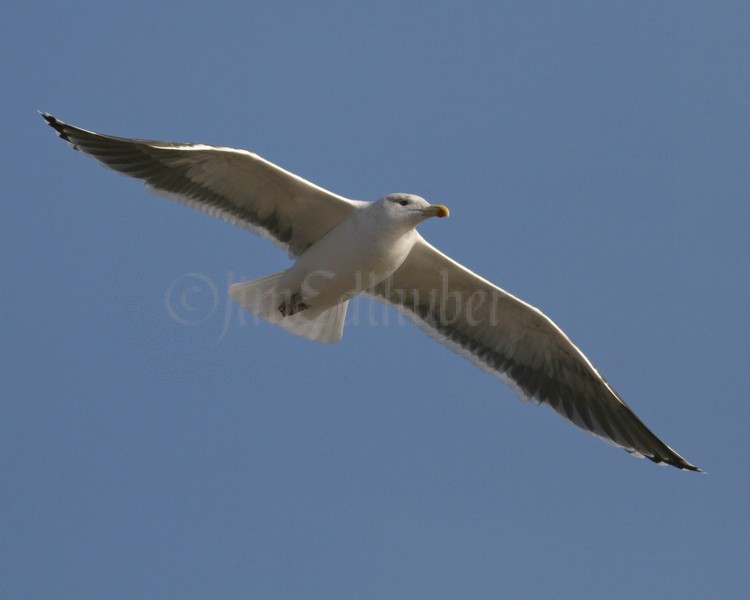
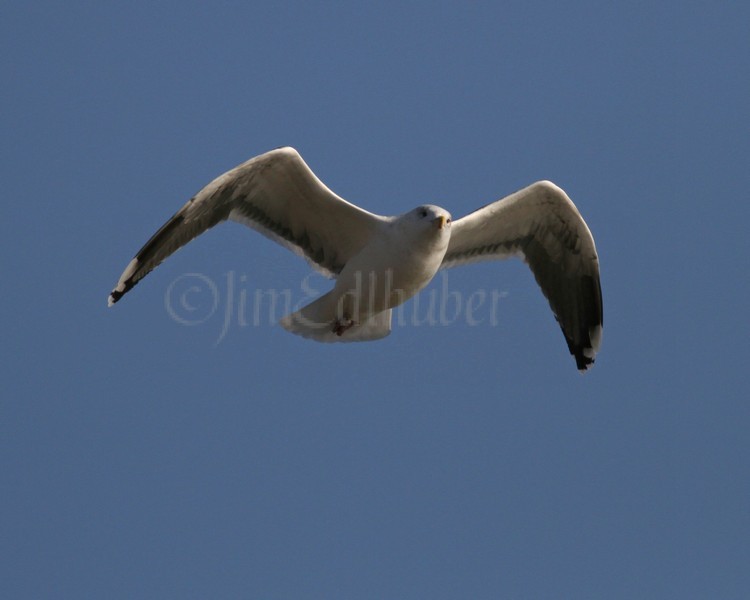
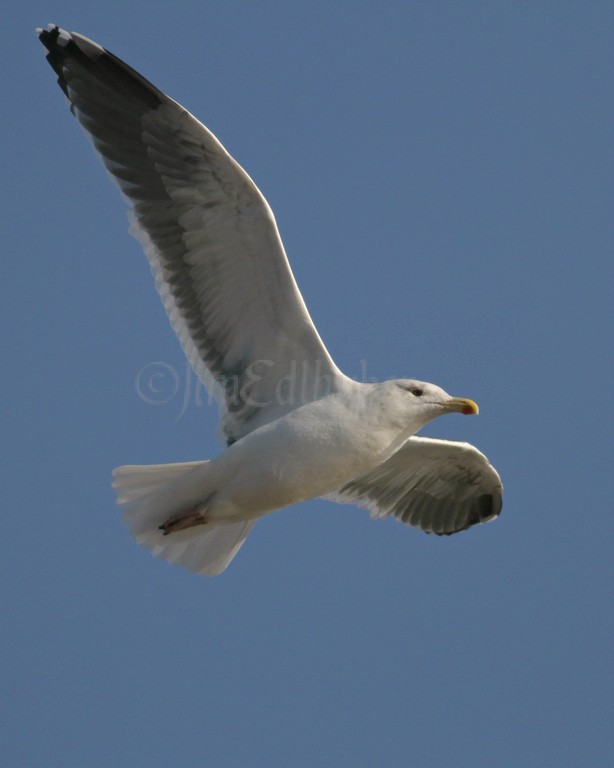
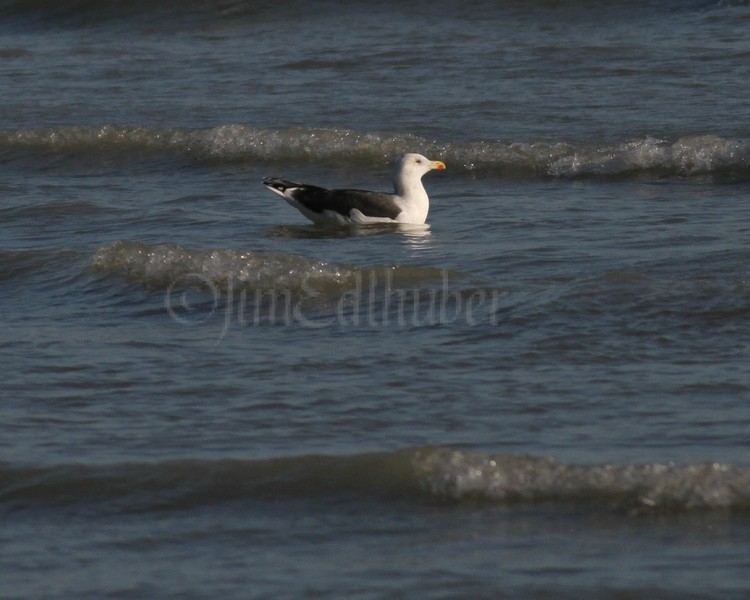
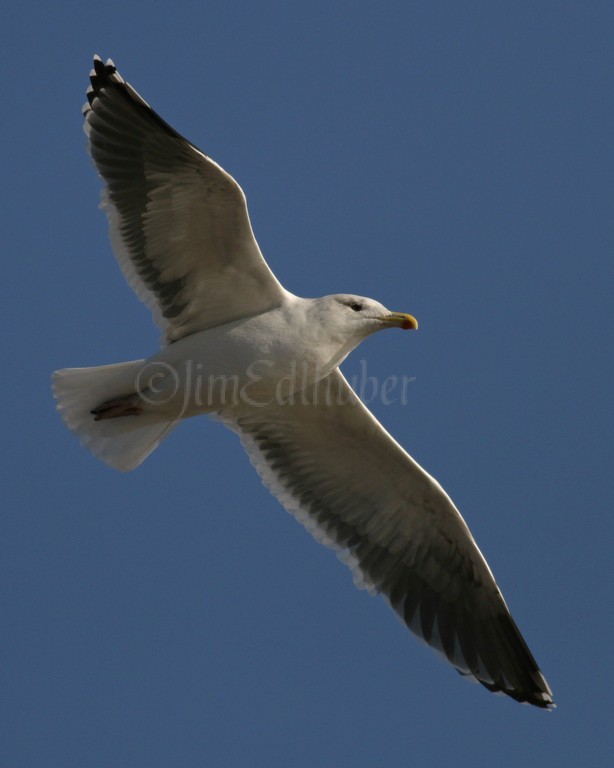
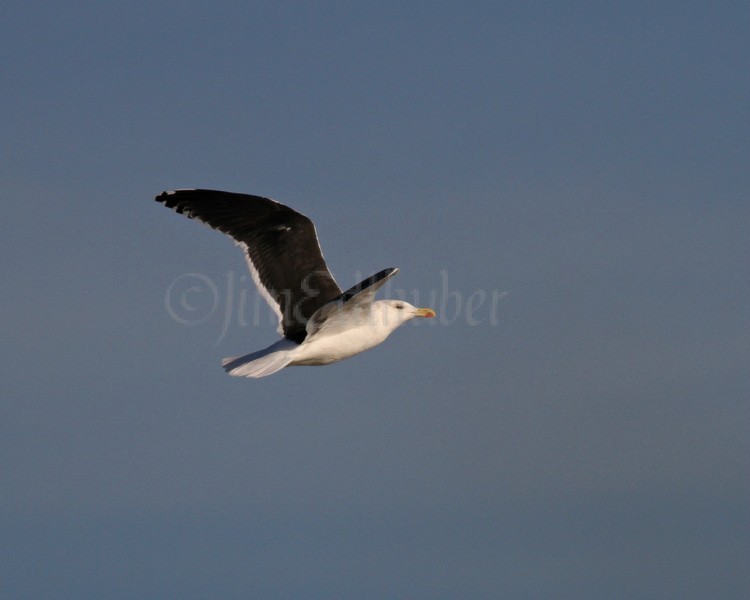
Great Black-backed Gull

Great Black-backed Gull.  Photographs taken at Wind Point and Shoop Park in Racine County, Wisconsin on November 30, 2013.
Great Black-backed Gull

Great Black-backed Gull

Binomial name: Larus marinus

Category: Gulls, Terns, and Skimmers

Description: The largest member of the gull family.  White feathers with grayish-black backs and wings.  The wings have white wingtips.  Pink legs, strong yellow or pinkish-yellow bill.

Size: 25” – 31” long, 4’ 10” – 5’ 7” wingspan

Weight: 1.7 lbs. – 5.1 lbs.

Habitat: Rocky and sandy coastal shorelines, ponds, lakes, and marshes

Diet: 50% or more of their diet is often garbage or human refuse.  They also eat fish, insects, crabs, smaller birds, chick eggs, and land animals such as rats.

Nesting: Both parents build several nests on or near stacks of rocks or fallen logs. The female chooses the best one, and it is lined with grass, seaweed, and other vegetation or garbage such as rope and pieces of plastic.  The female will lay a clutch of 3 eggs and both parents incubate them for about 28 days.  Both parents raise the hatchlings, take turns finding food.  The breeding pair will reuse the same nesting site year after year.

Notes: Great Black-backed Gull feathers were used in clothing while feathers were fashionable in the late 1800’s.  Once the trend ended, populations began to increase.  This trend continues with the increase in refuse sites across North America and Europe.

Great Black-backed Gull

Great Black-backed Gull

Great Black-backed Gull

Great Black-backed Gull

Great Black-backed Gull

Great Black-backed Gull

Great Black-backed Gull

Great Black-backed Gull

Great Black-backed Gull

To view the gallery of images, please click here.

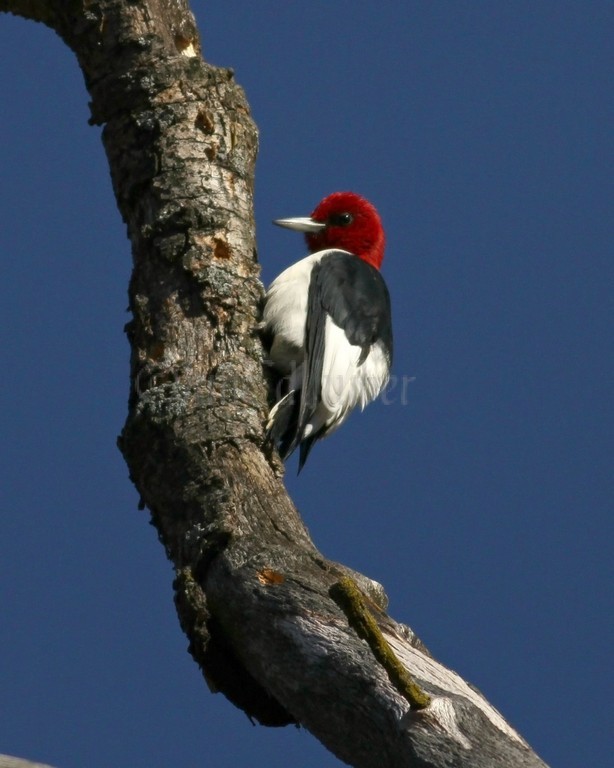
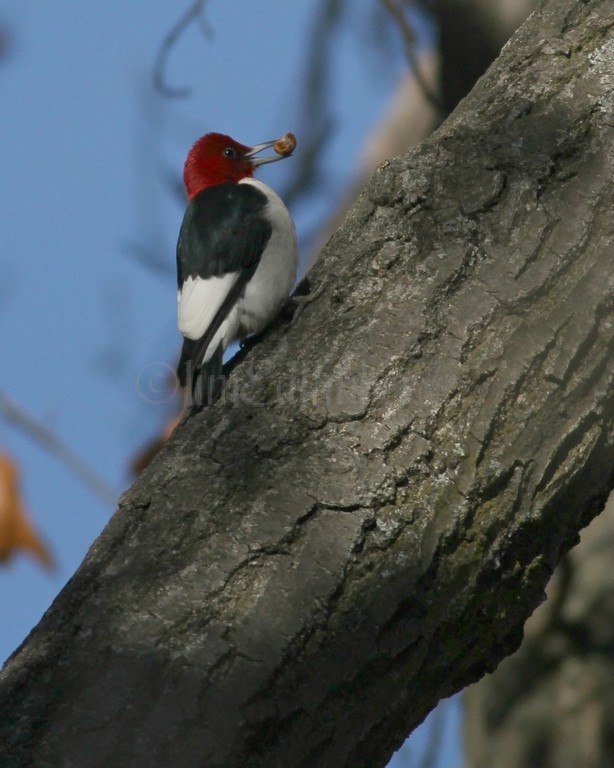
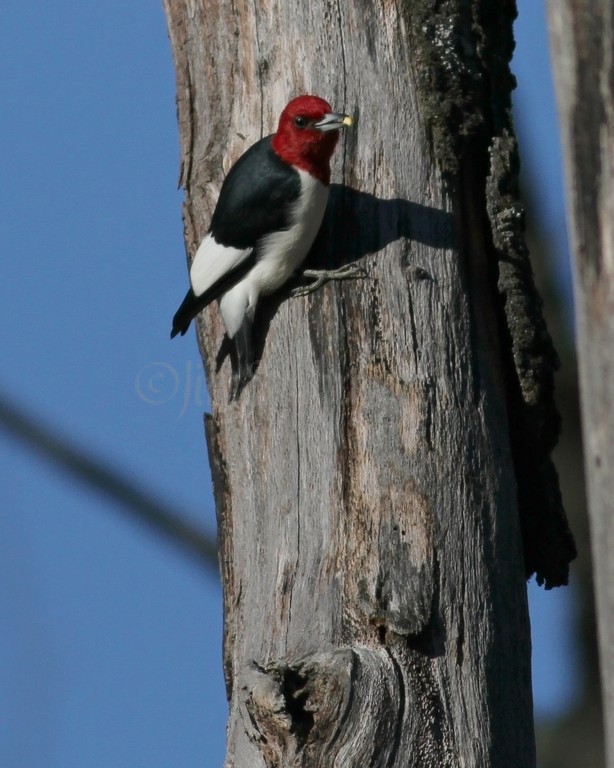
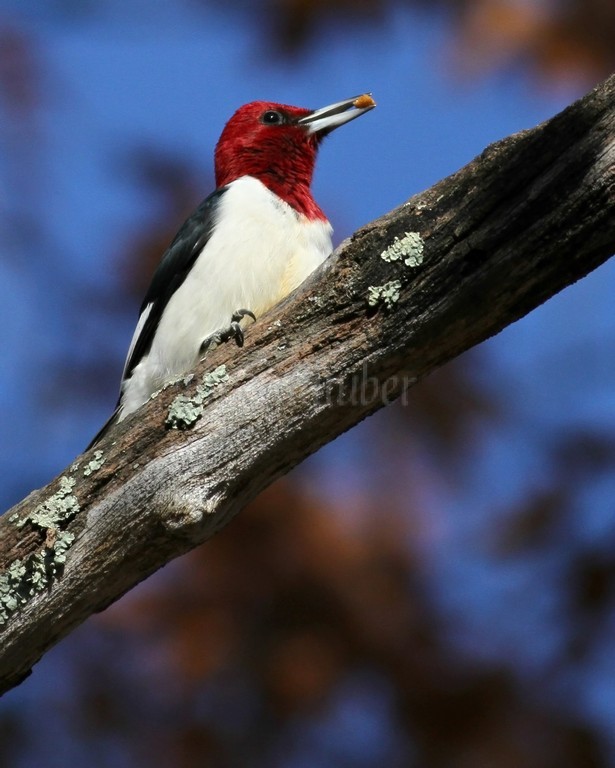
Red-headed Woodpecker Adult and Juveniles Storing Acorns

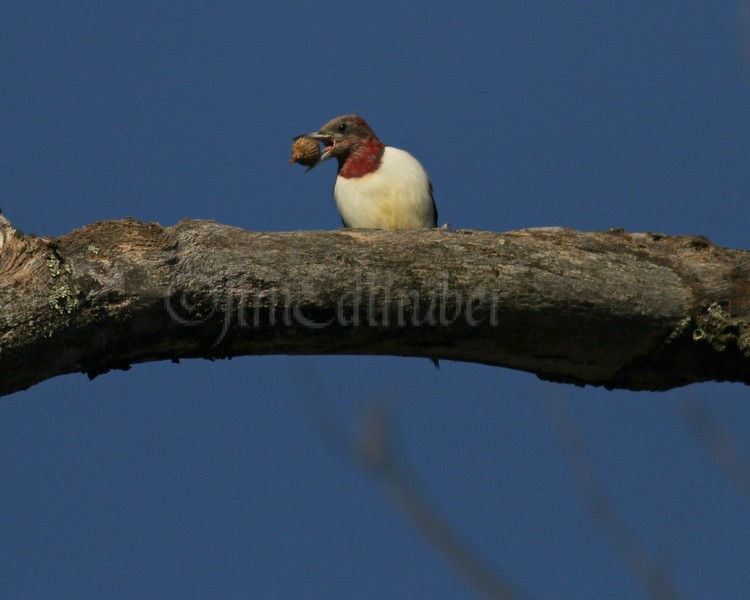
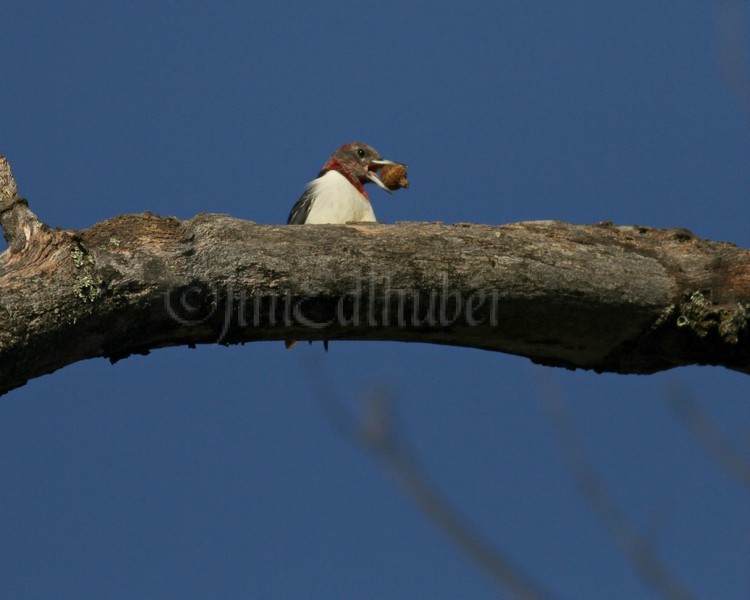
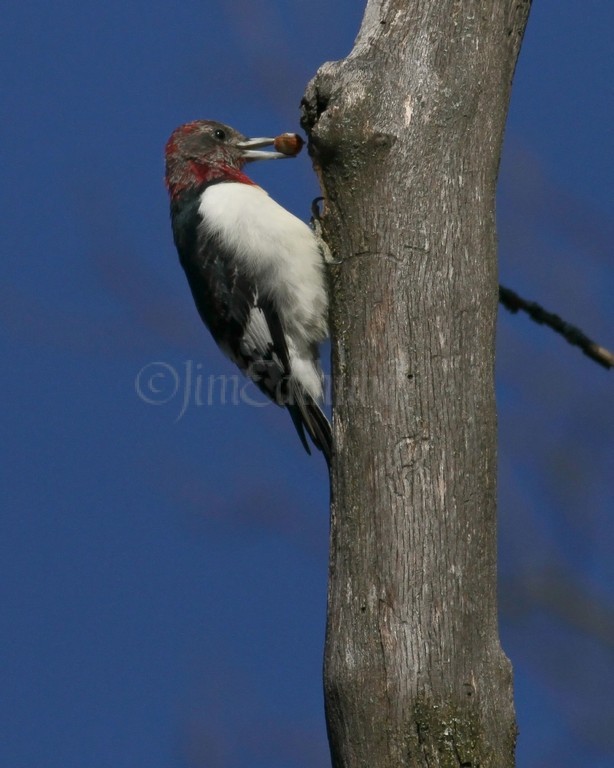
Juvenile Red-headed Woodpecker with acorn

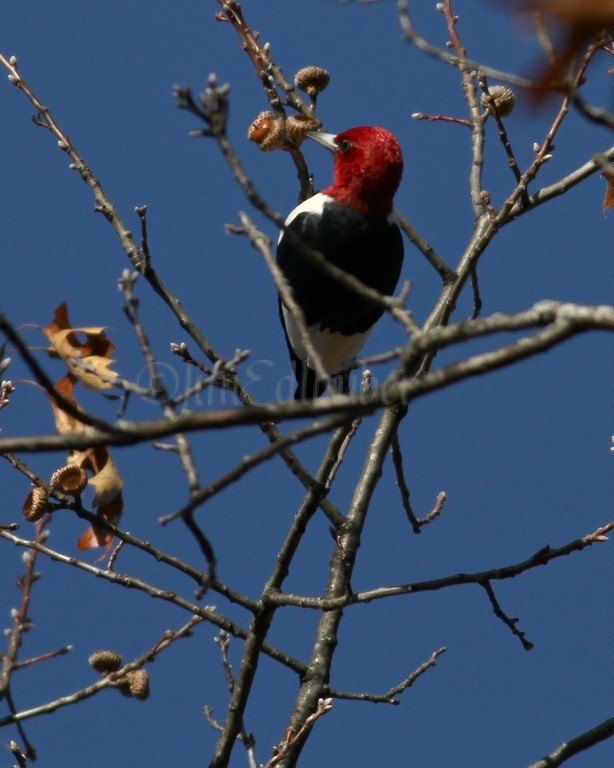
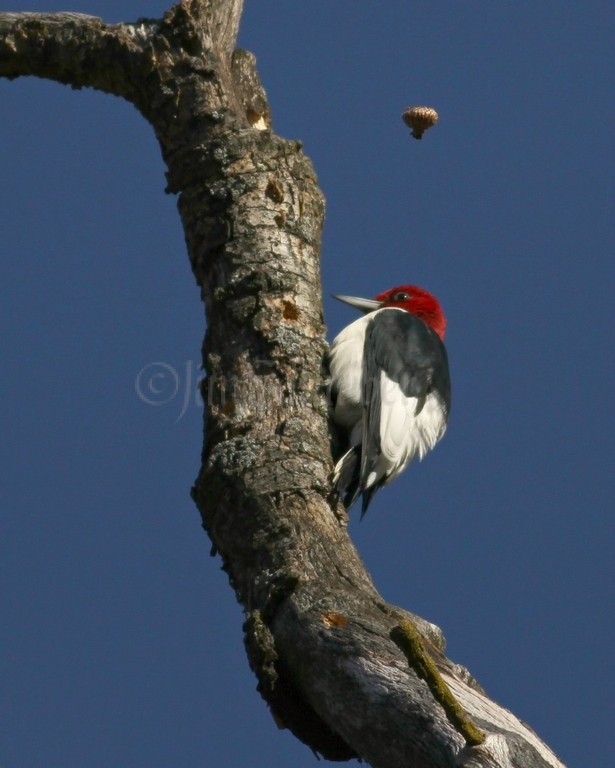
A Red-headed Woodpecker adult and juveniles storing acorns for the winter in Marquette County, WI.  Photographs taken November 19, 2013.

Juvenile Red-headed Woodpecker with acorn

Juvenile Red-headed Woodpecker with acorn

Juvenile Red-headed Woodpecker with acorn

Juvenile Red-headed Woodpecker with acorn

Juvenile Red-headed Woodpecker with acorn

Juvenile Red-headed Woodpecker with acorn

Adult Red-headed Woodpecker pulling acorn from tree top

Adult Red-headed Woodpecker pulling acorn from tree top

Adult Red-headed Woodpecker after removing acorn cap by striking it

Adult Red-headed Woodpecker after removing acorn cap by striking it

Adult Red-headed Woodpecker after dodging acorn cap

Adult Red-headed Woodpecker after dodging acorn cap

Adult Red-headed Woodpecker with acorn

Adult Red-headed Woodpecker with acorn

Adult Red-headed Woodpecker with acorn piece

Adult Red-headed Woodpecker with acorn piece

Adult Red-headed Woodpecker with acorn piece

Adult Red-headed Woodpecker with acorn piece

Juvenile Red-headed Woodpecker just after storing an acorn piece in tree cavity

Juvenile Red-headed Woodpecker just after storing an acorn piece in tree cavity

To see the gallery of images, please click here.