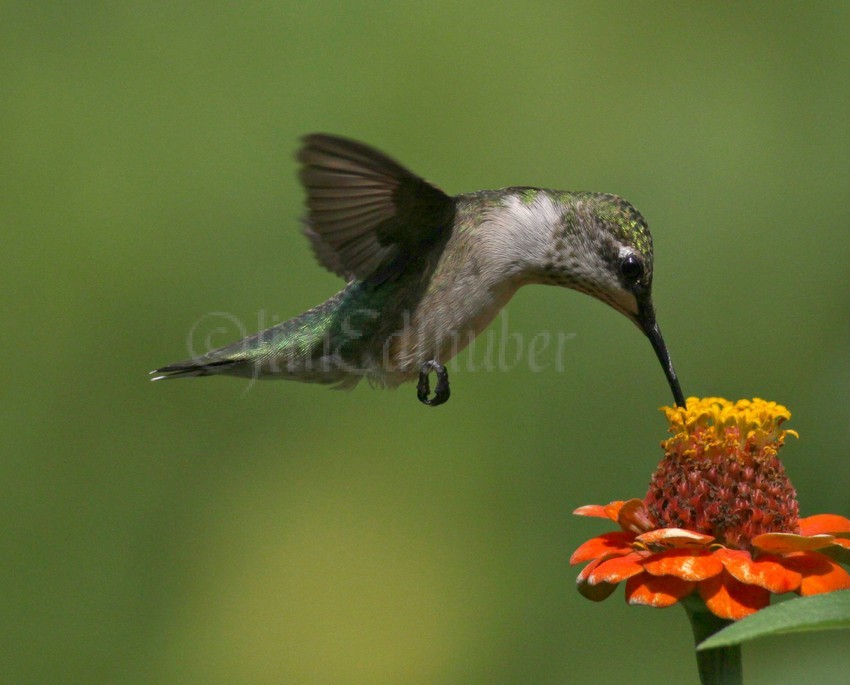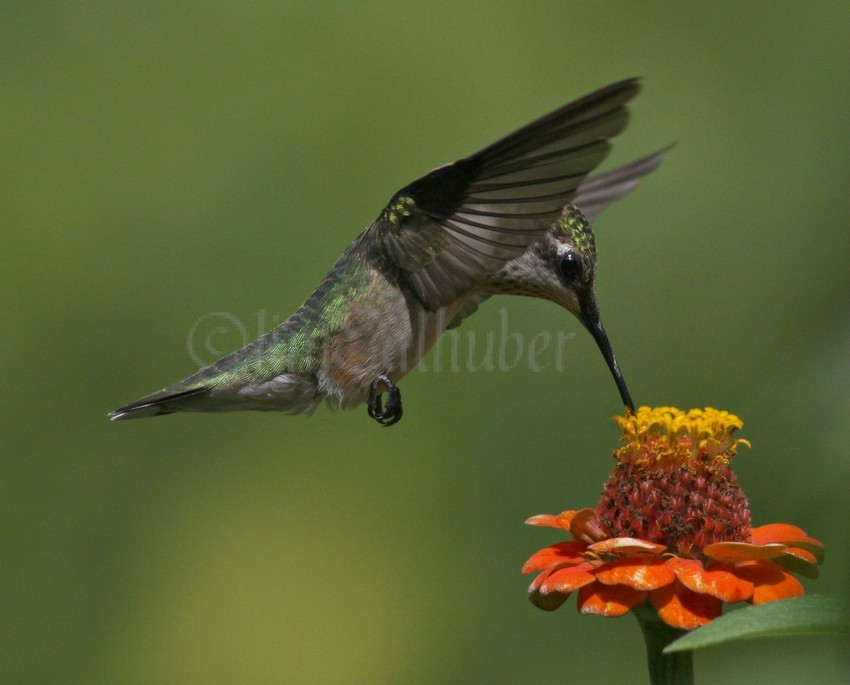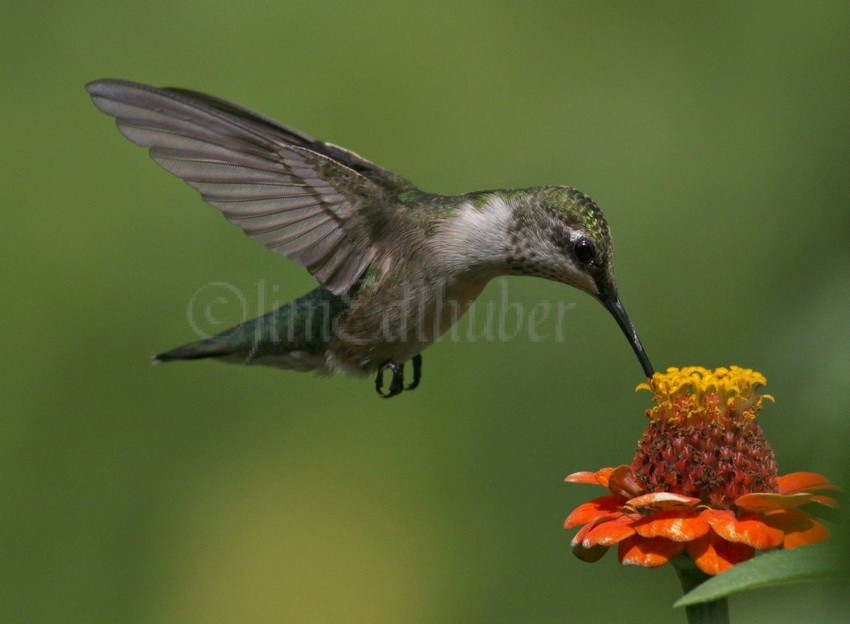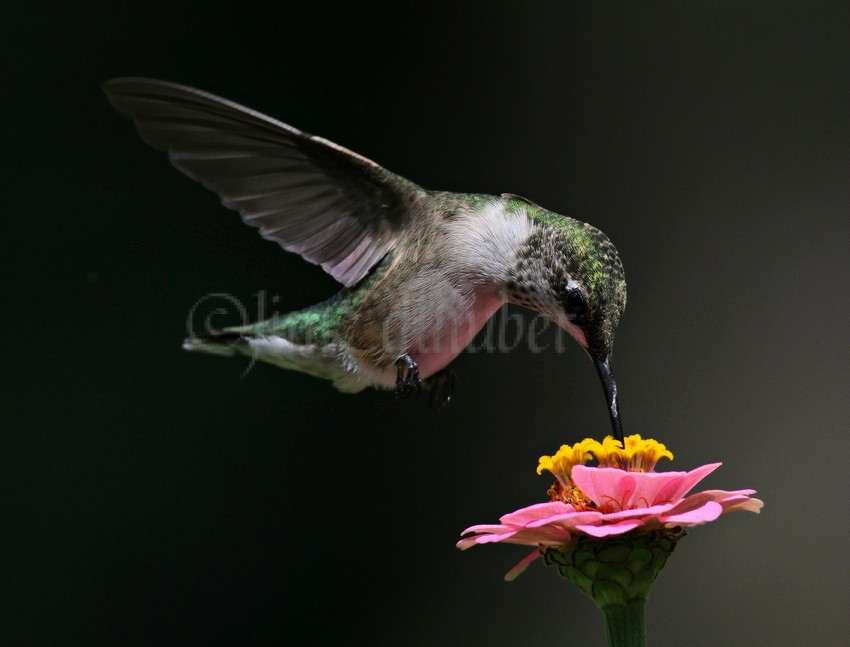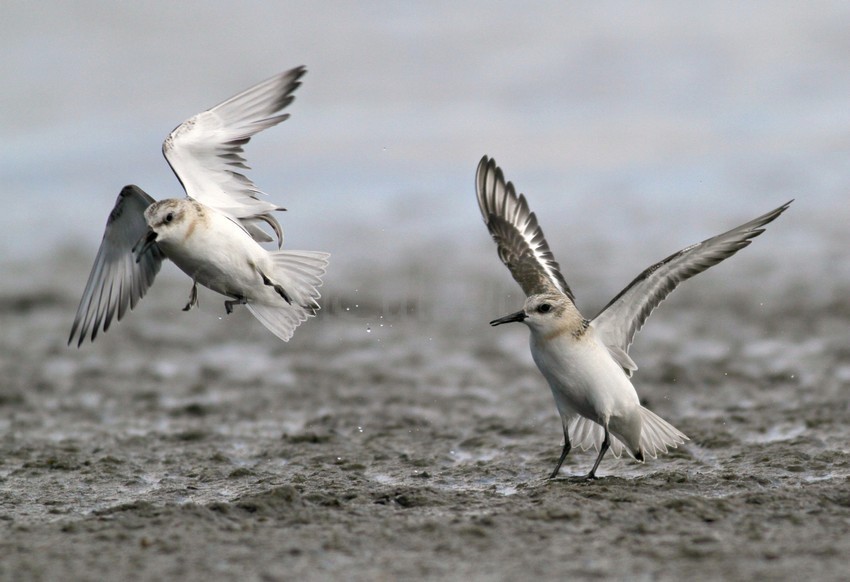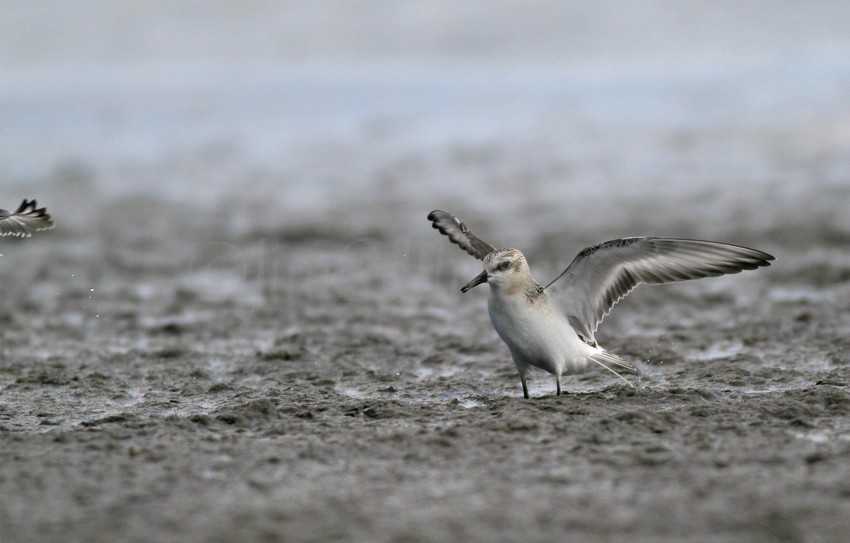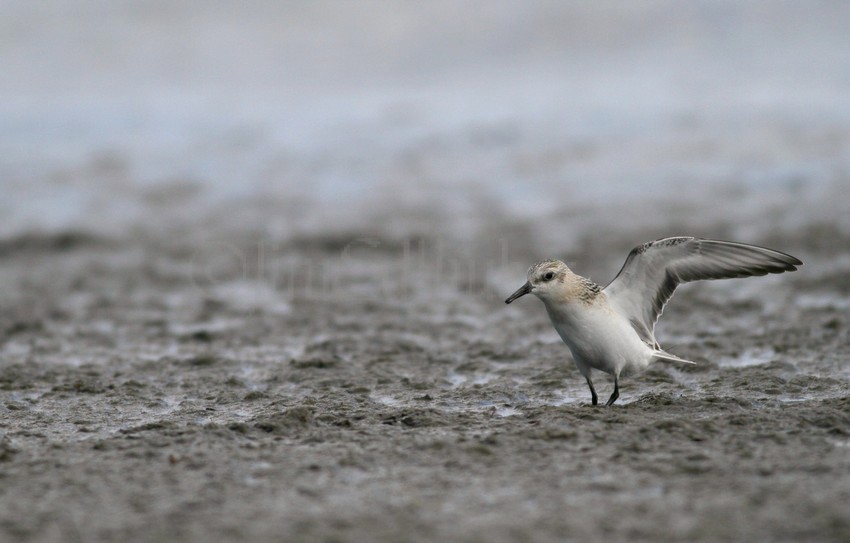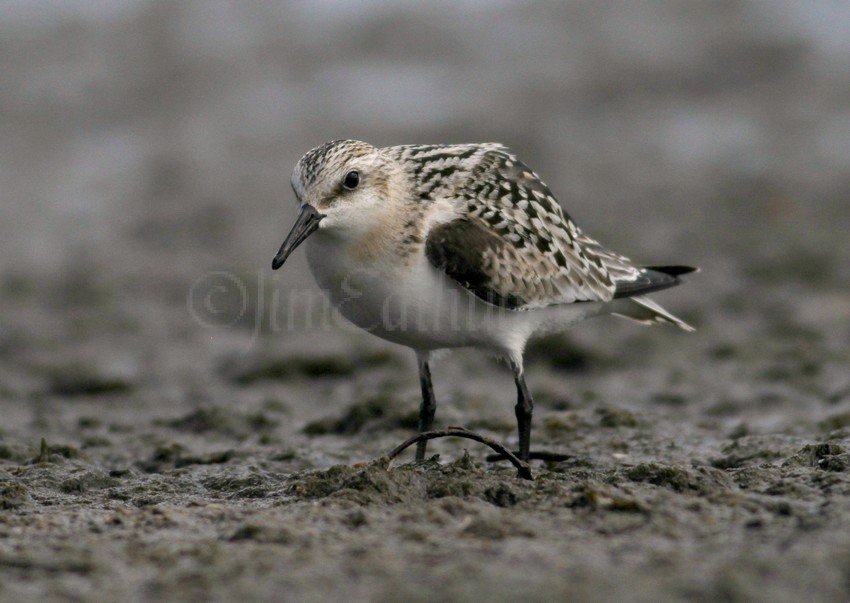
About admin

Window to Wildlife features the photography of Jim Edlhuber. A lifelong native of Wisconsin, Jim has been photographing wildlife for 20 years. He considers himself an avid photographer and is always trying to capture nature and wildlife through his lens. He is in several photography clubs and has won numerous awards for his work. In recent years, Jim has focused mostly on birding photography and finds it to be the most challenging.

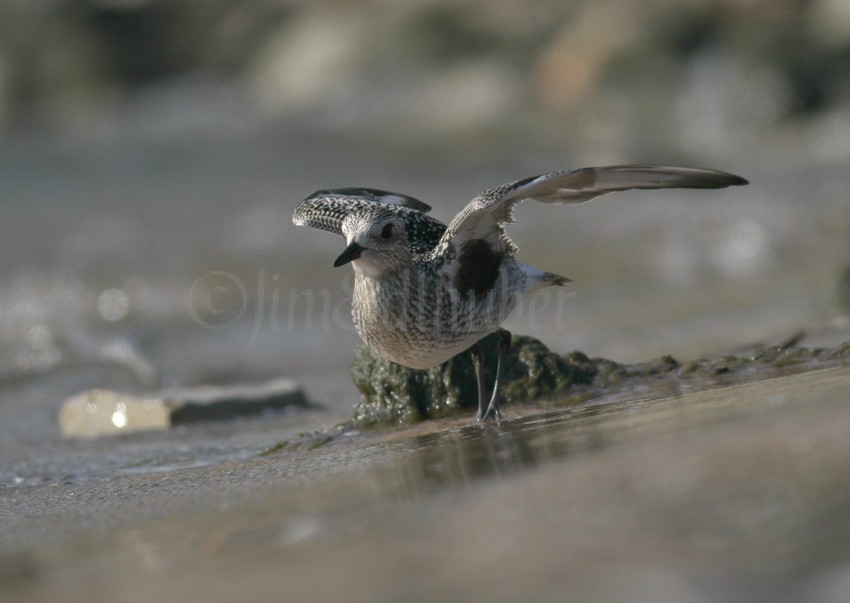
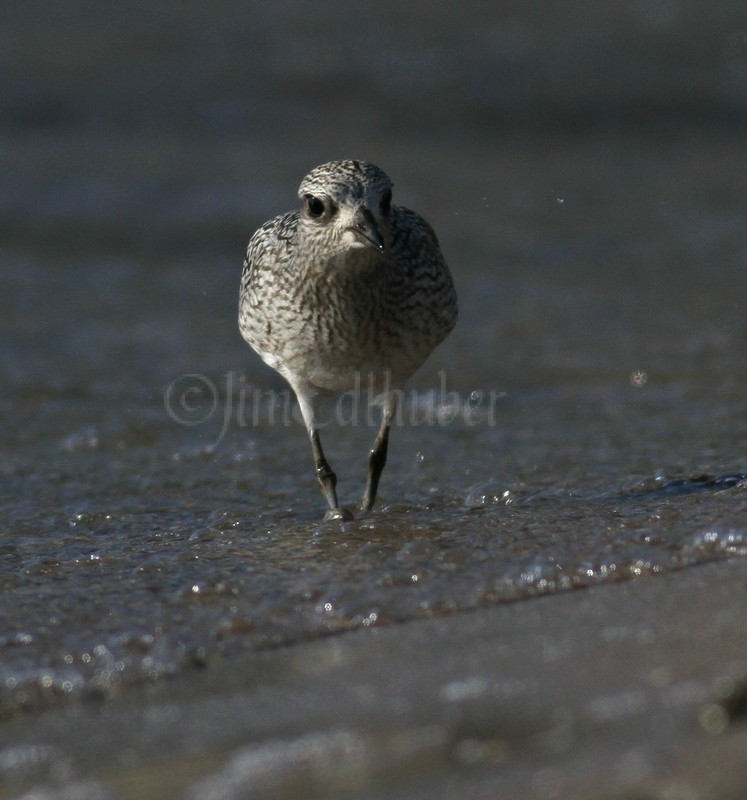
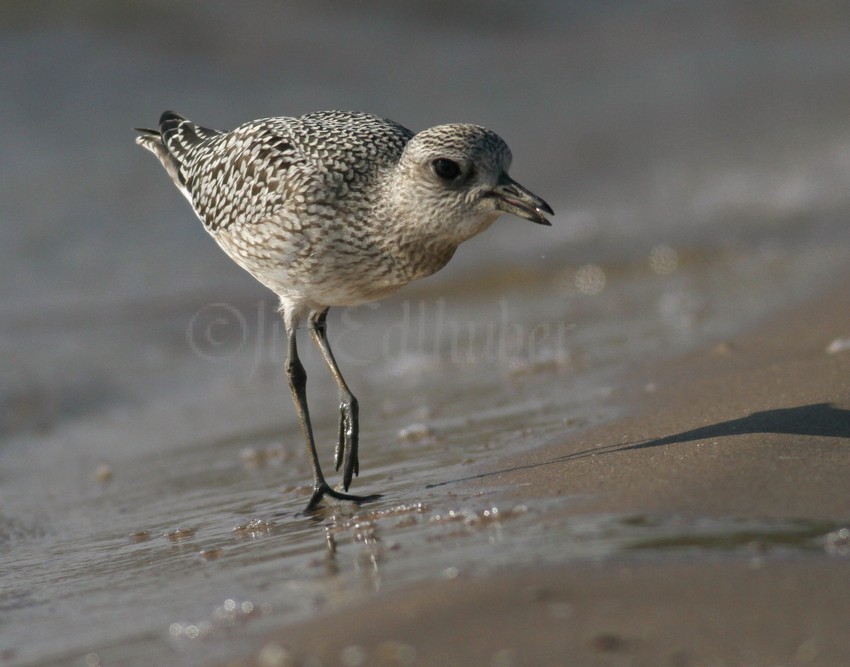
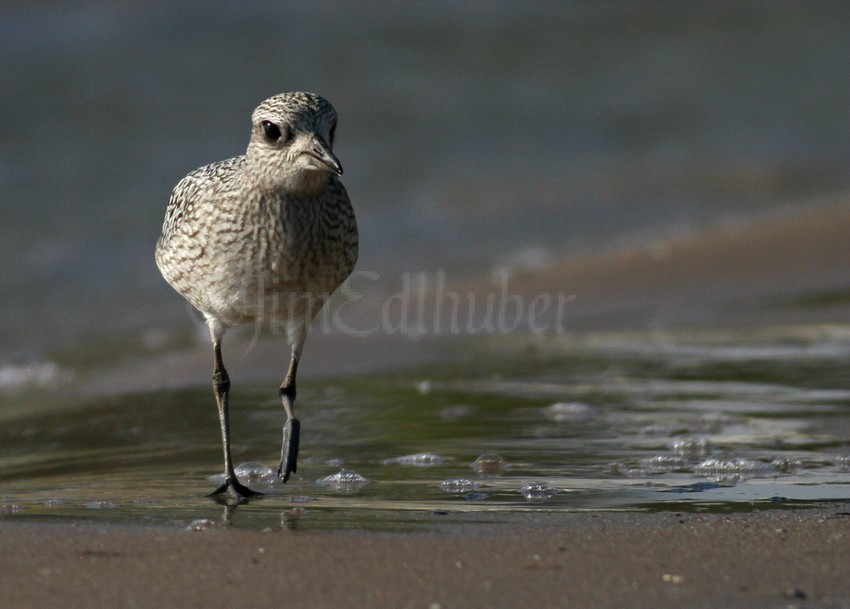
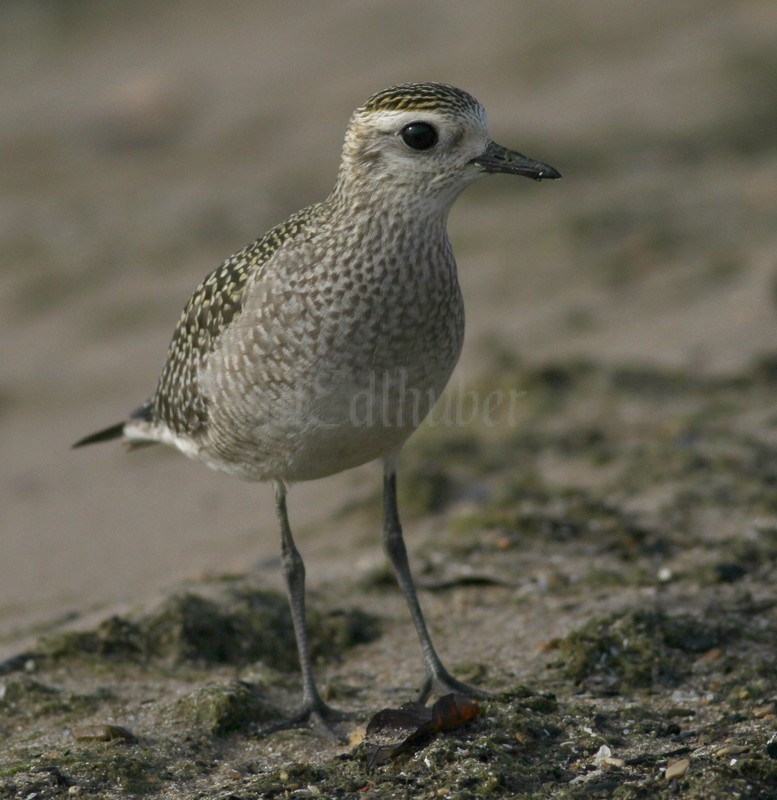
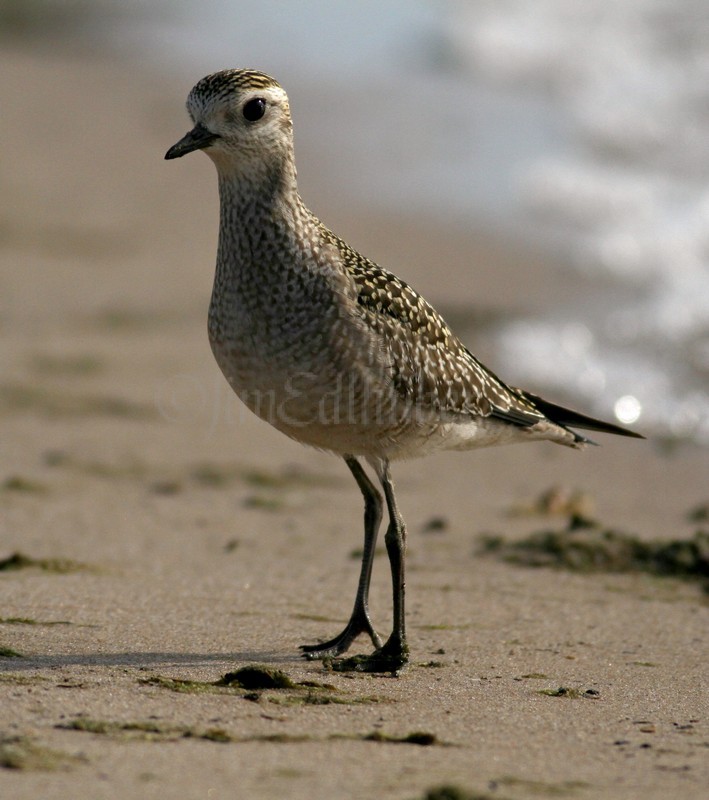
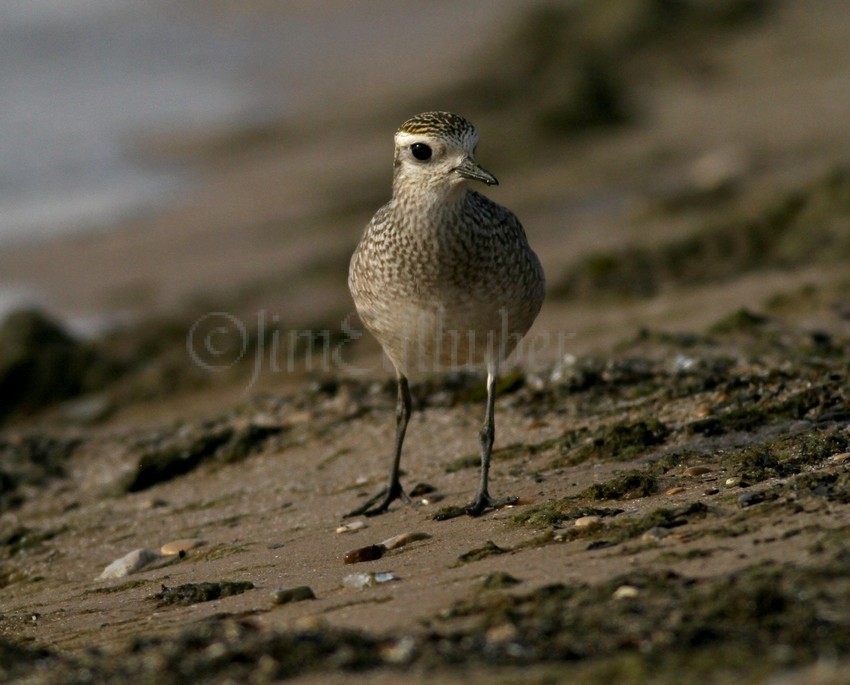
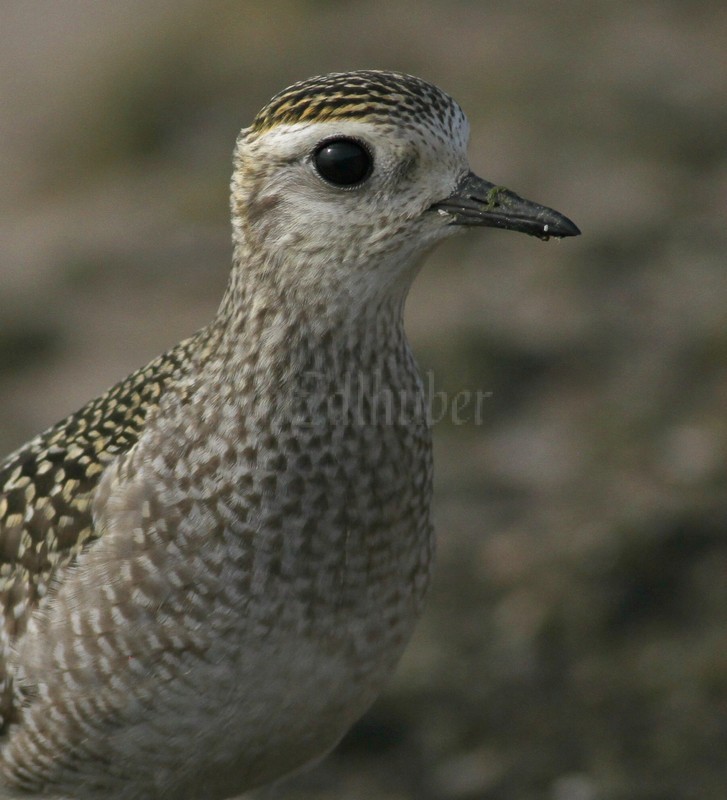
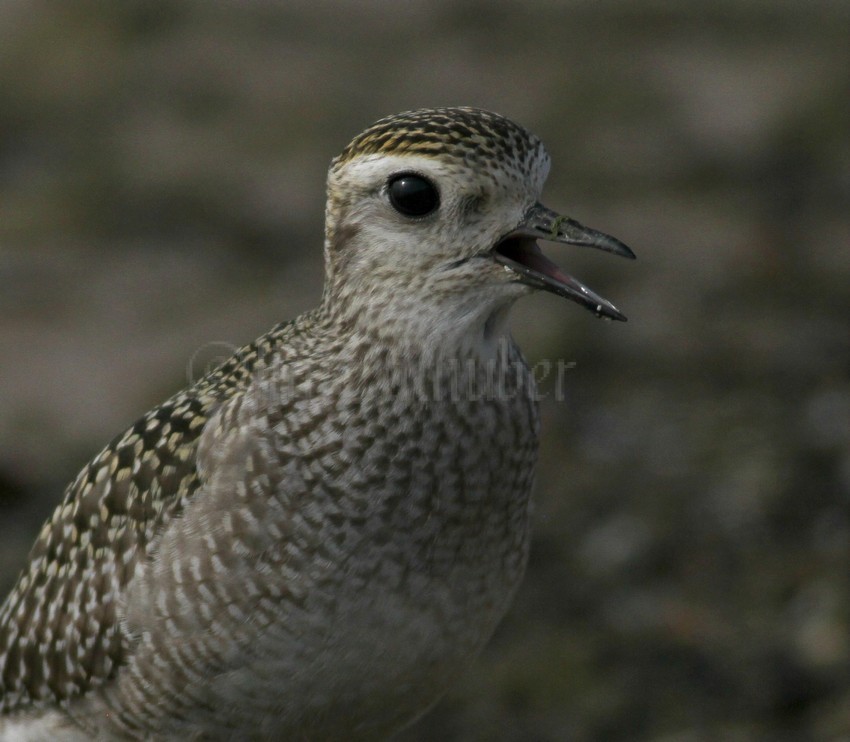
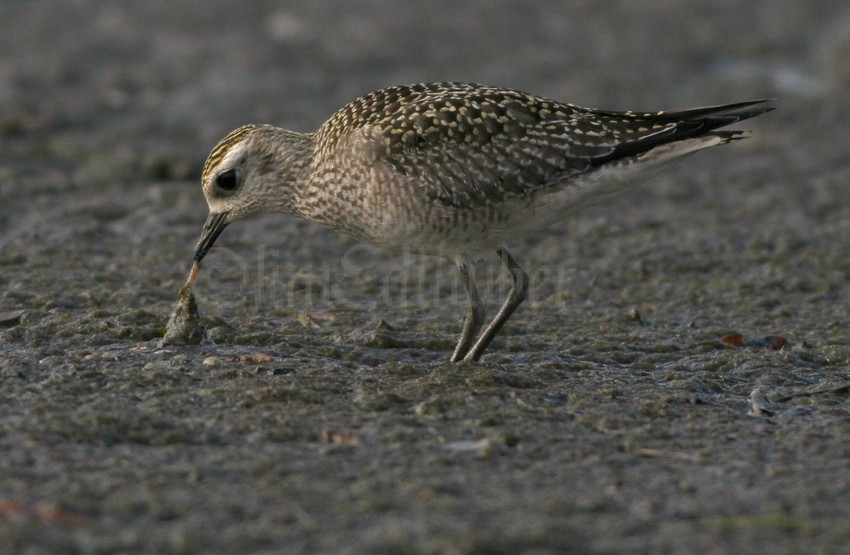
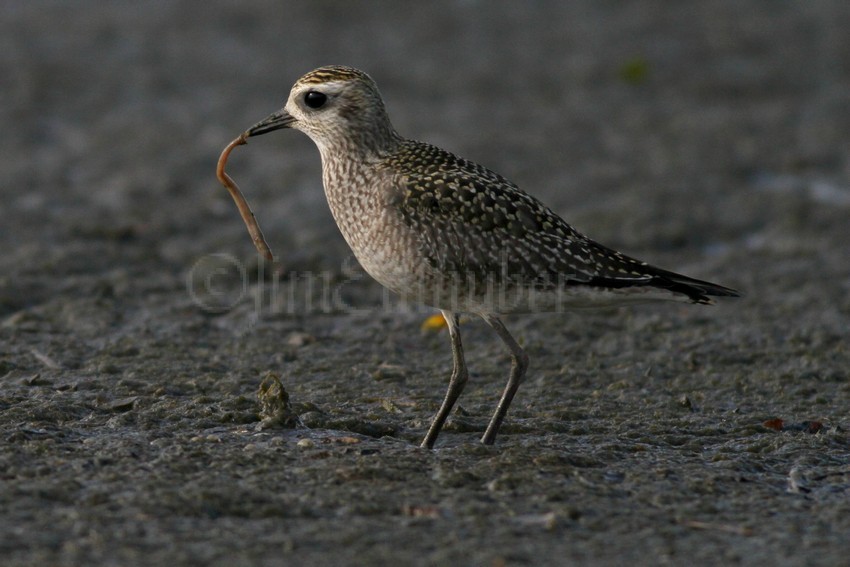
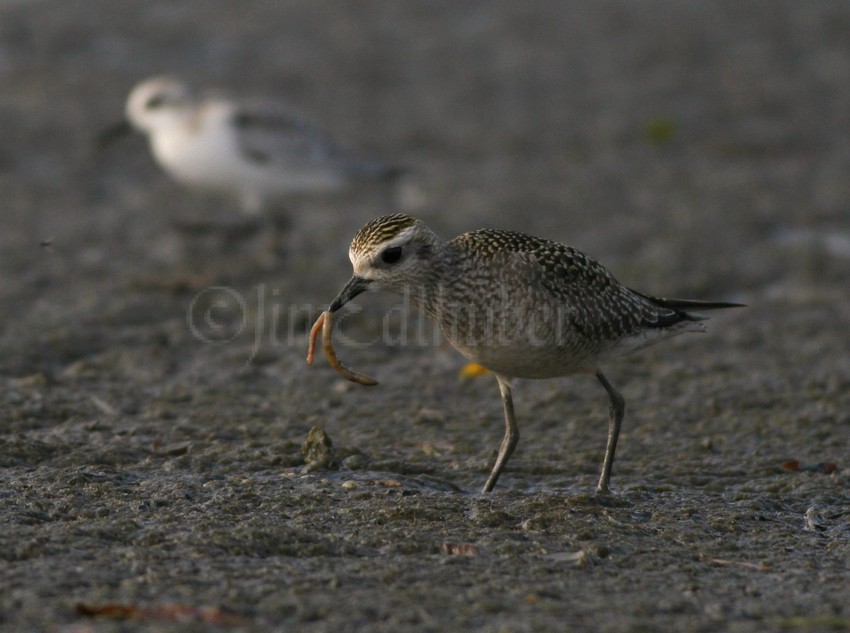
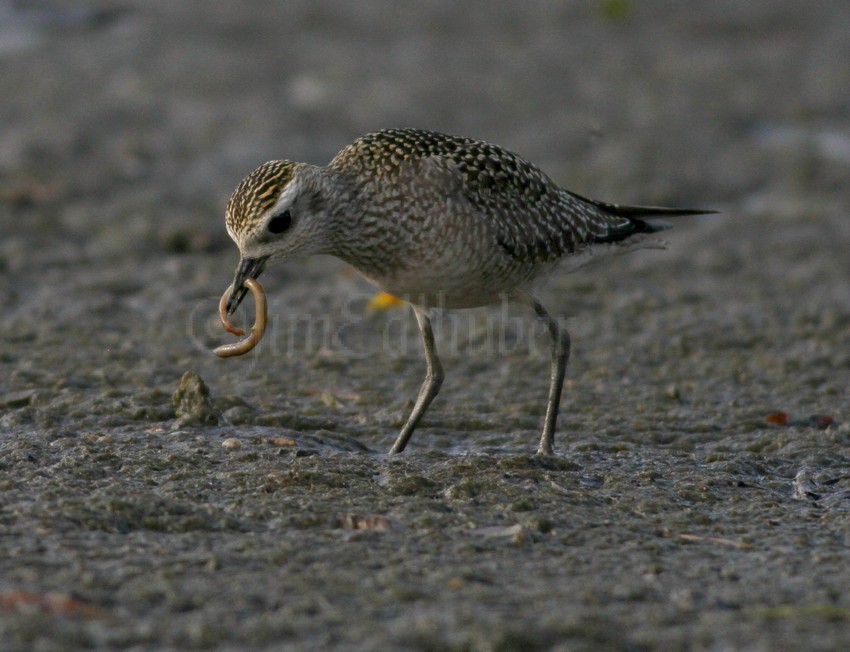
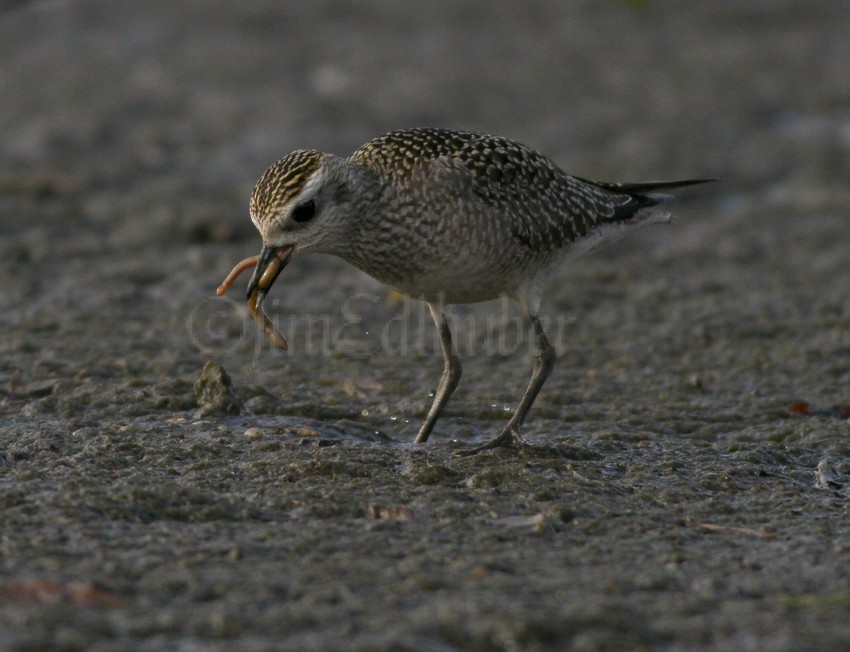
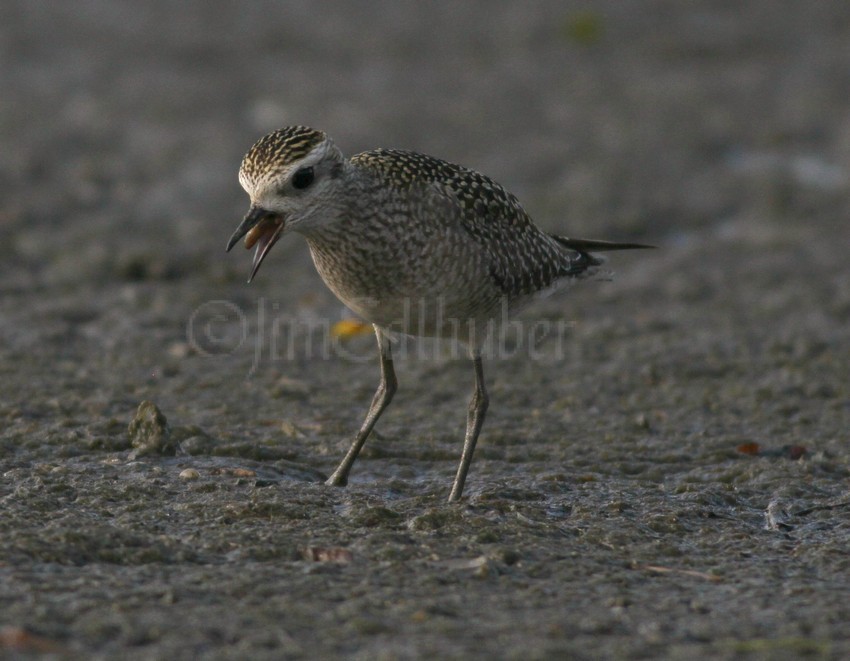
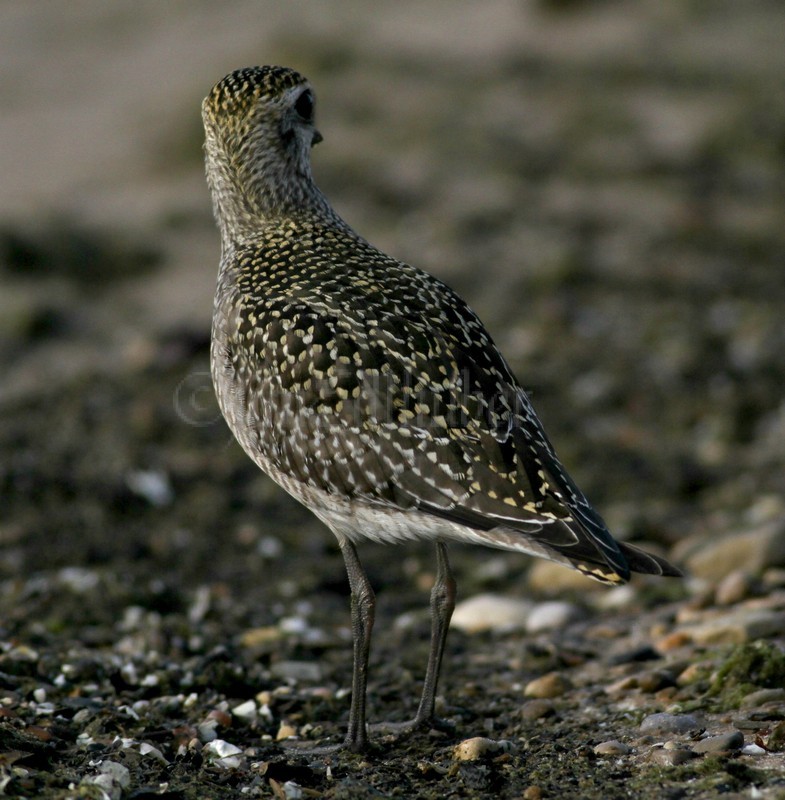
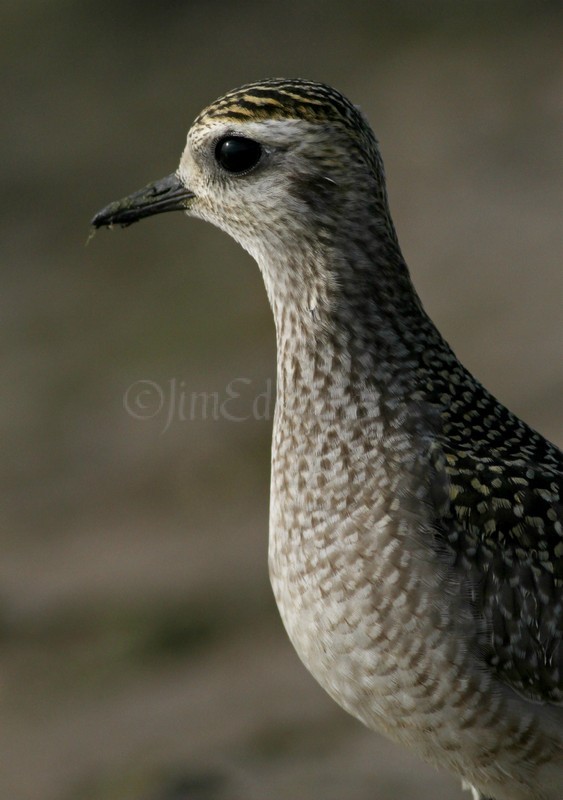
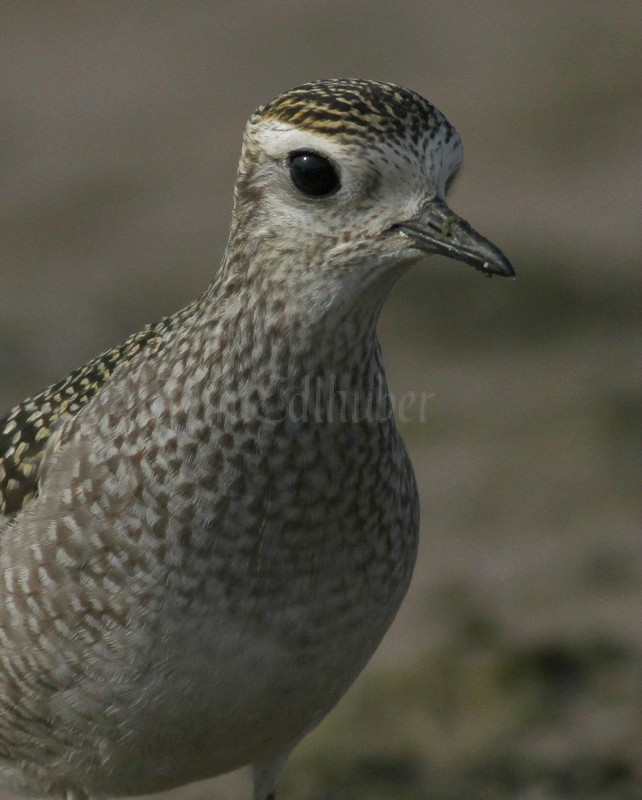
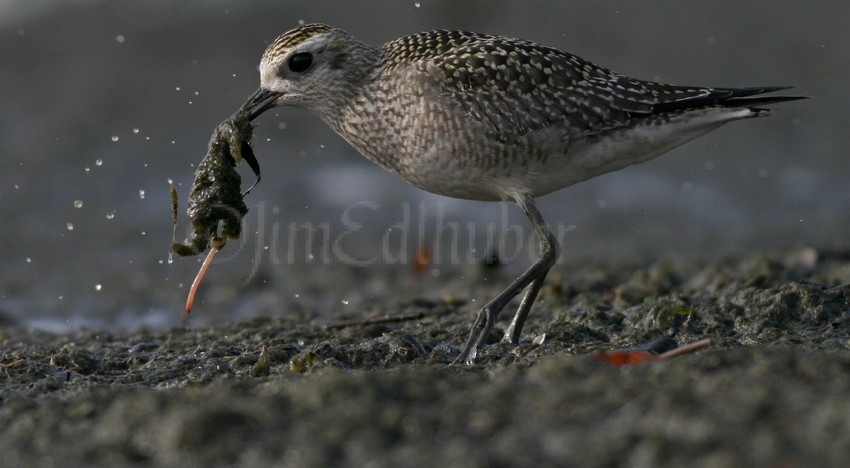
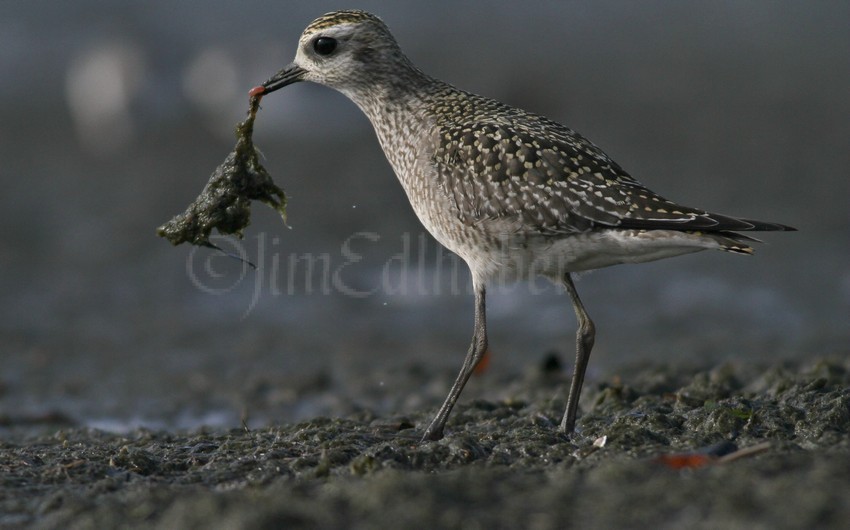
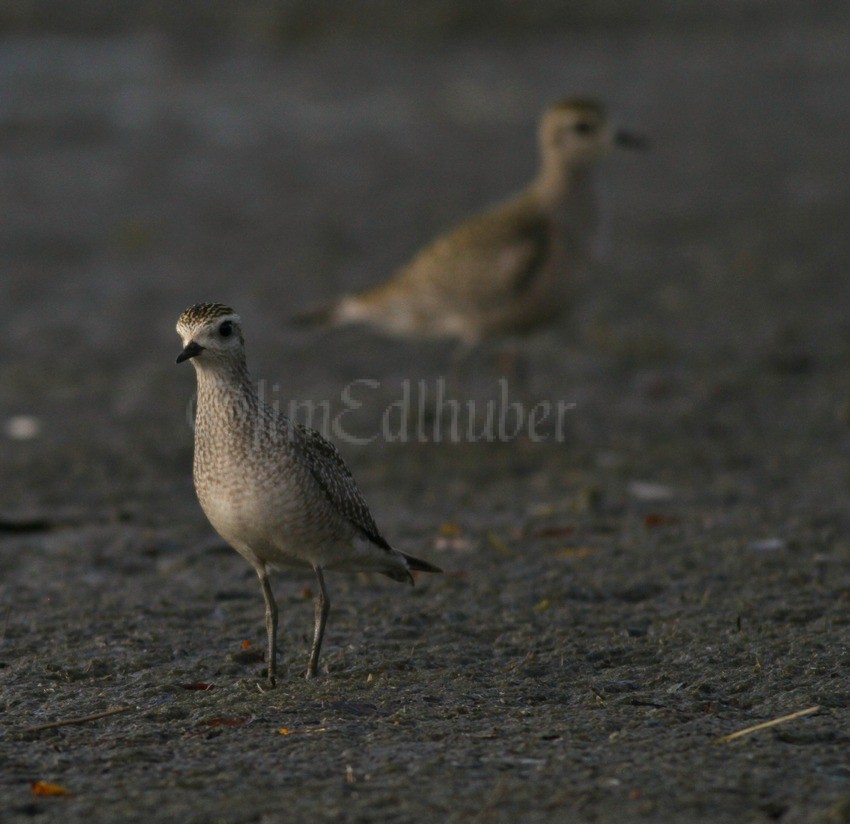
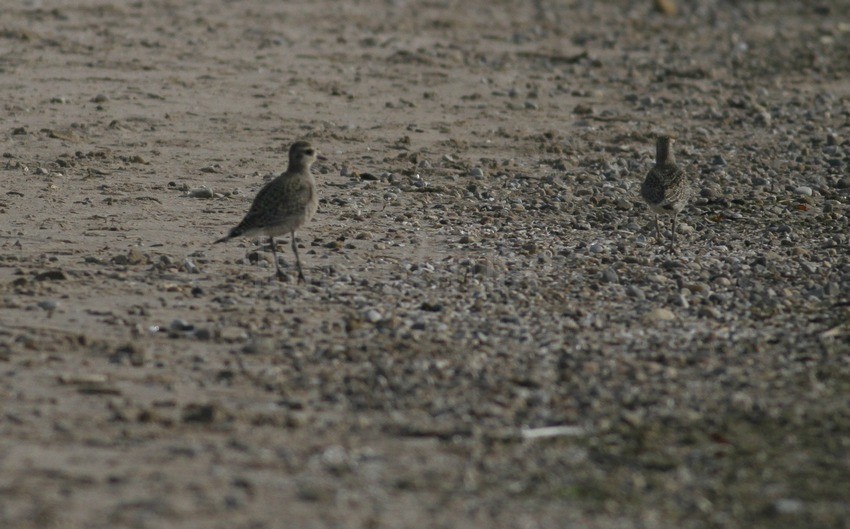
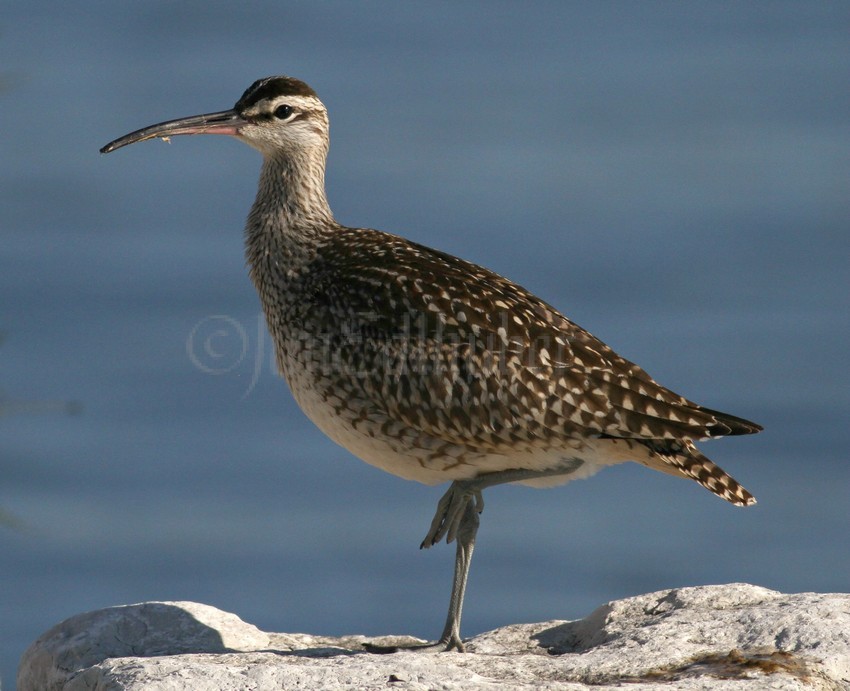
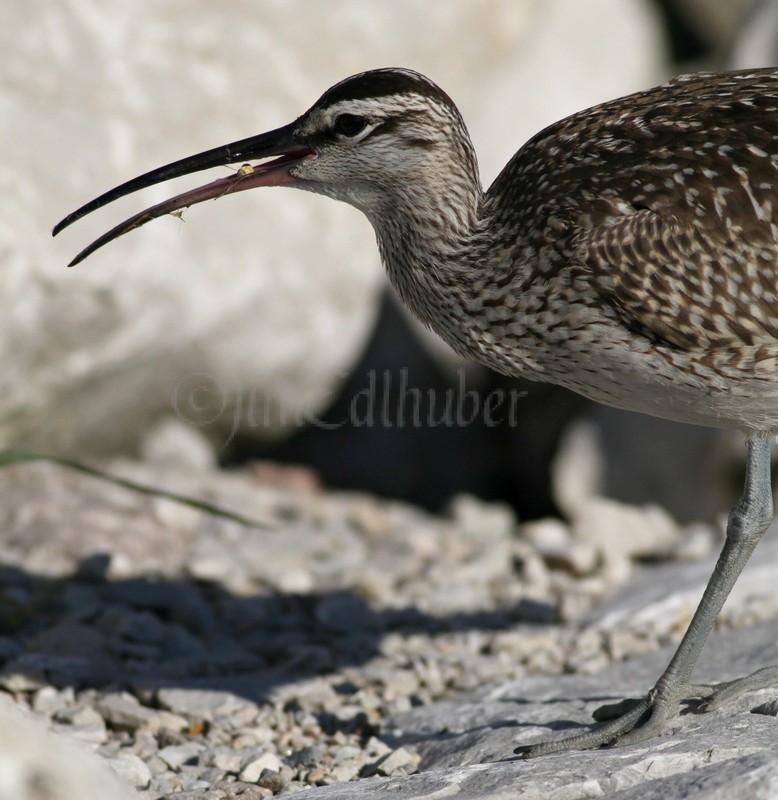
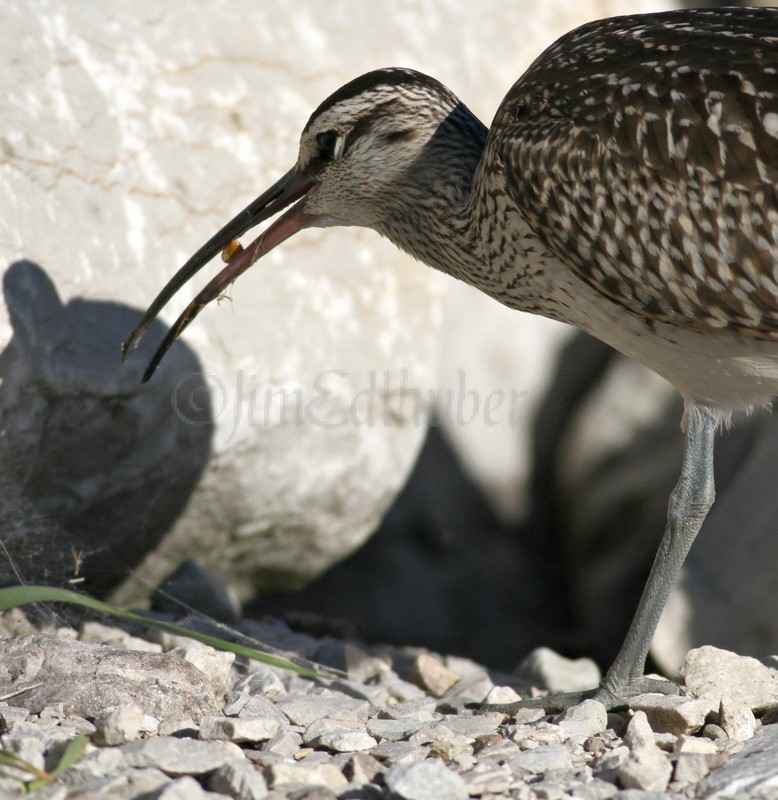
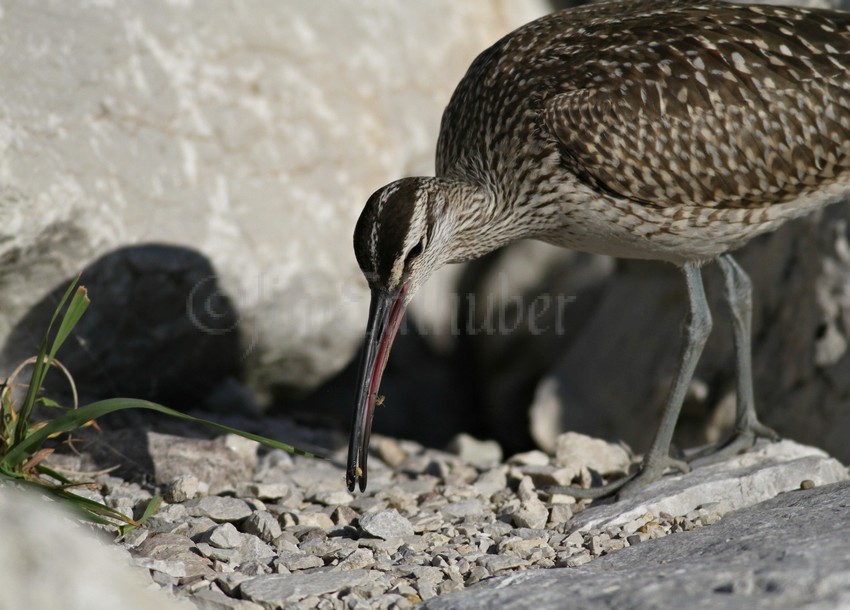
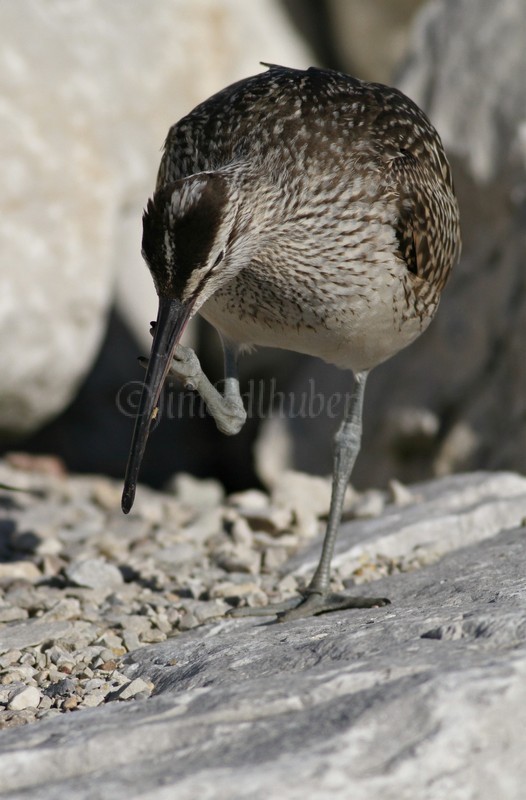
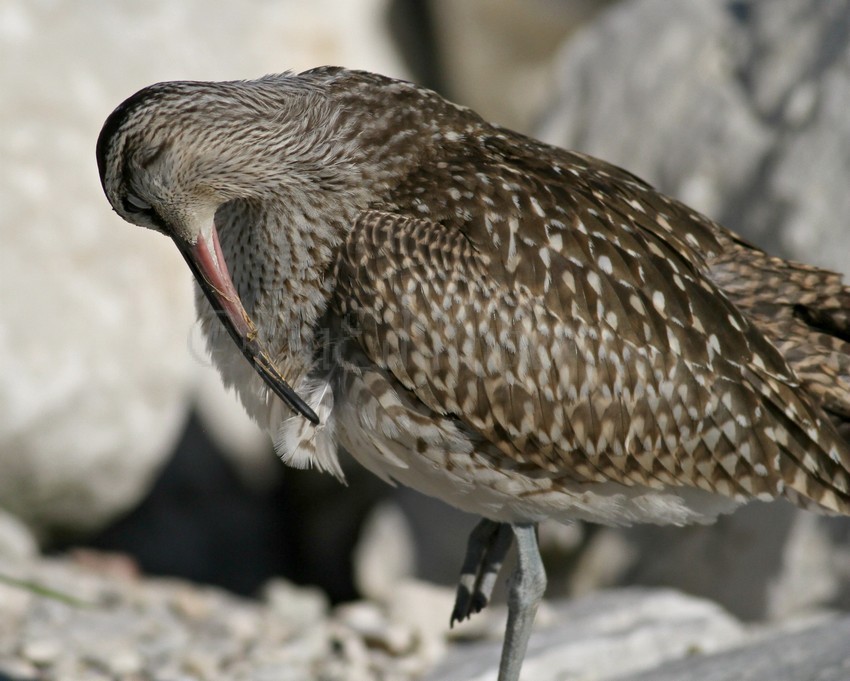
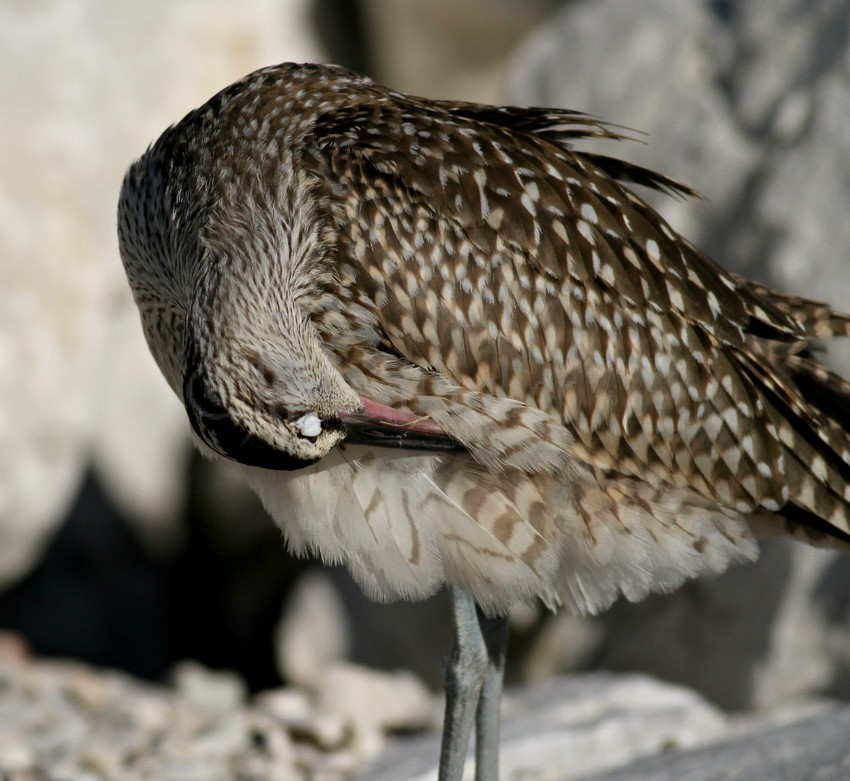
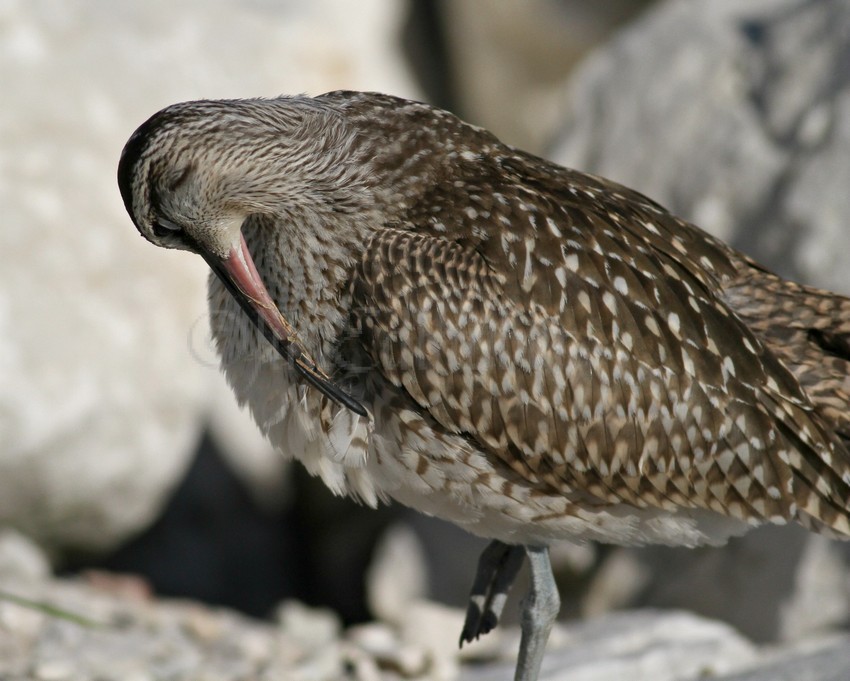
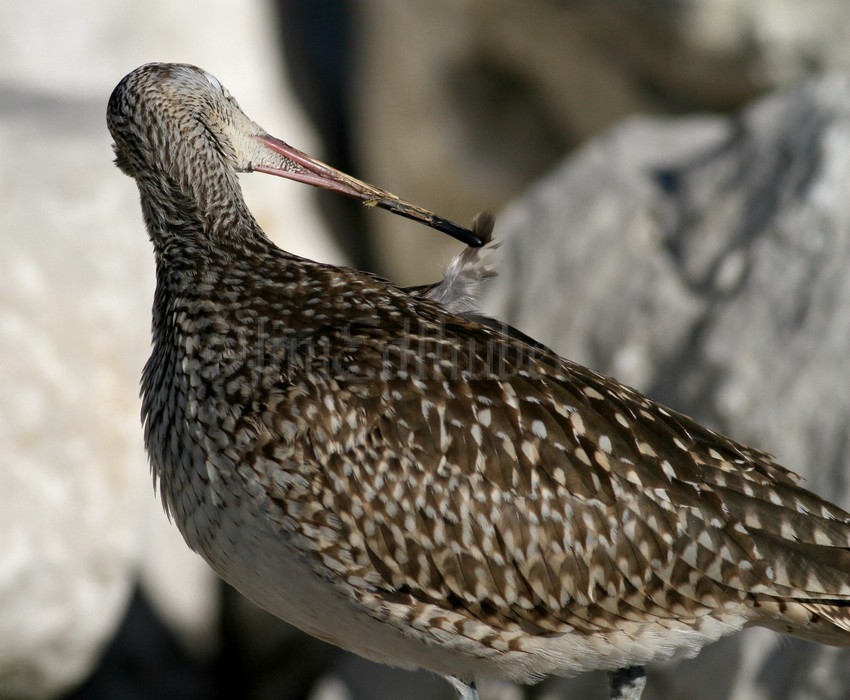
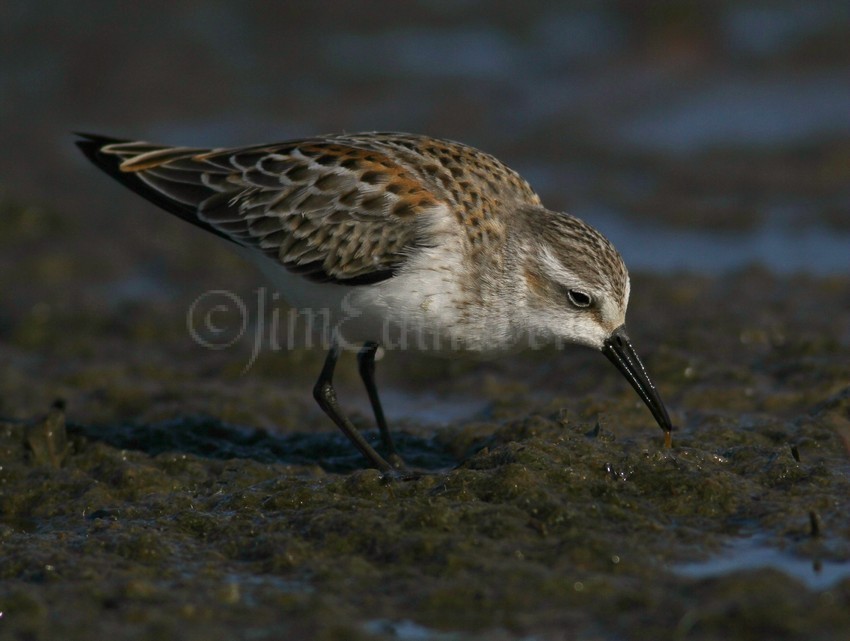
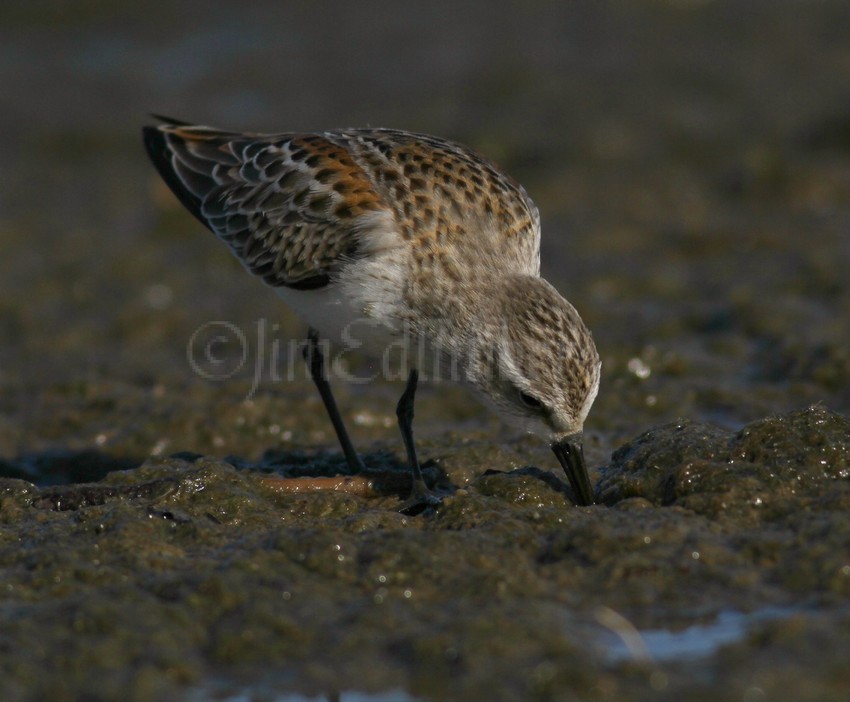
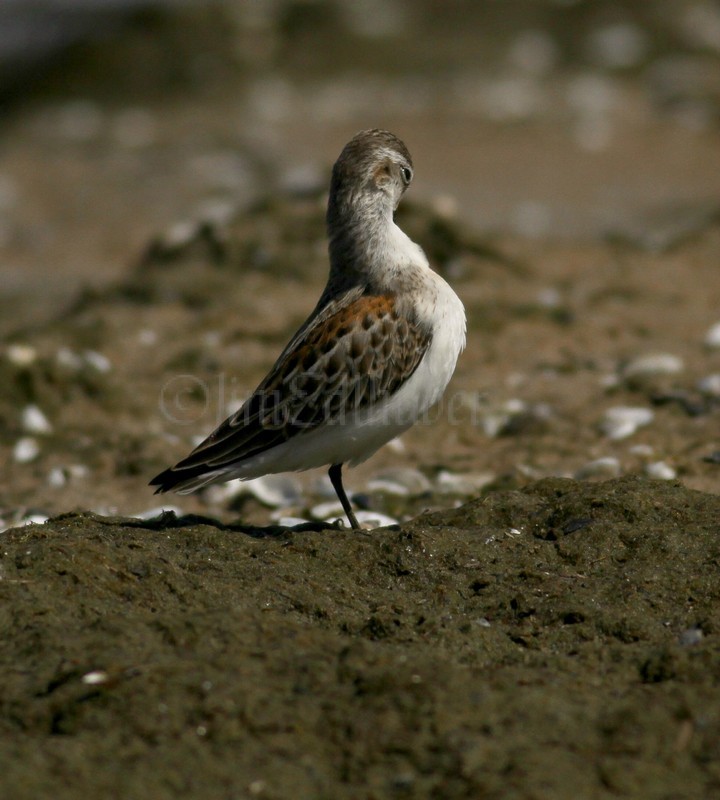
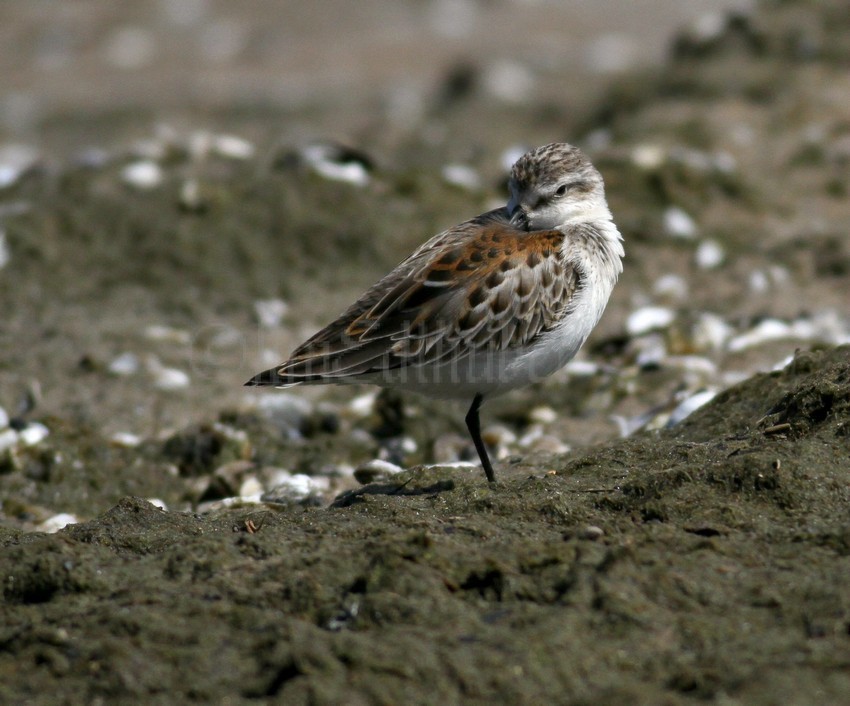
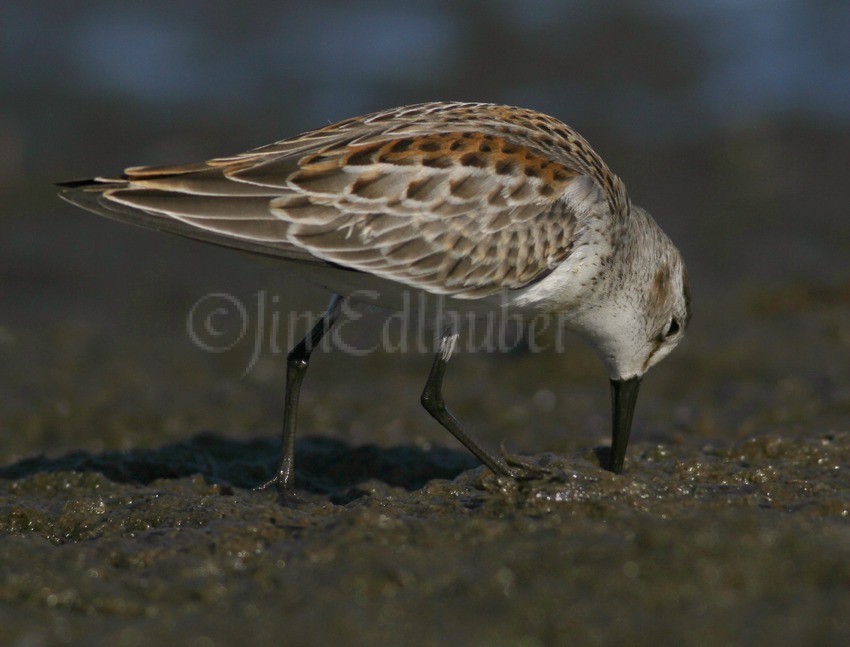
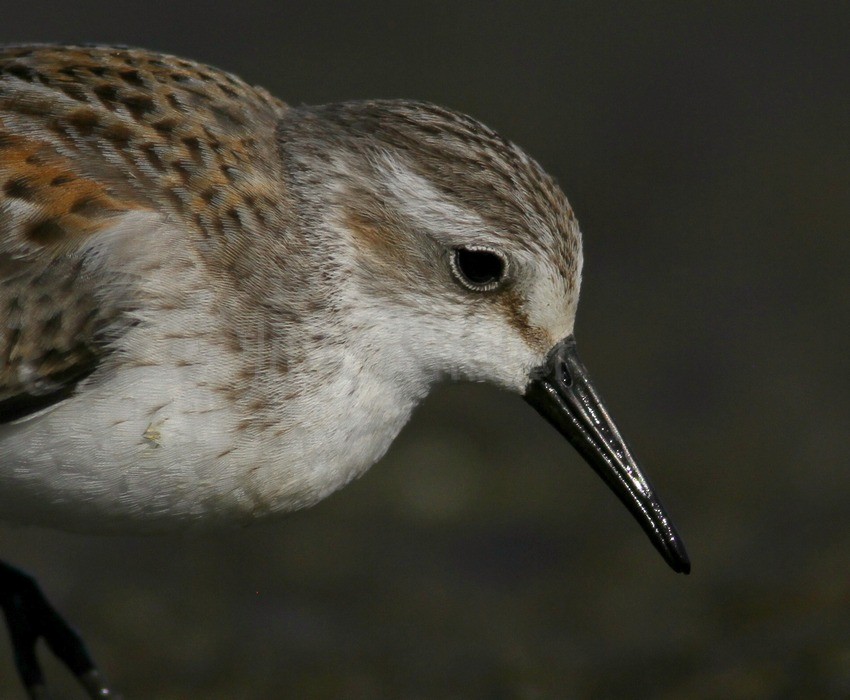
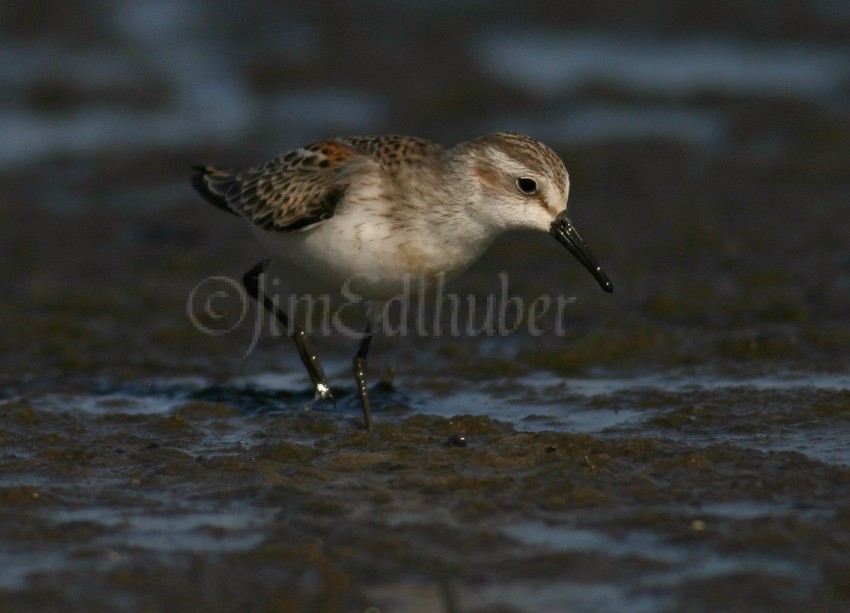
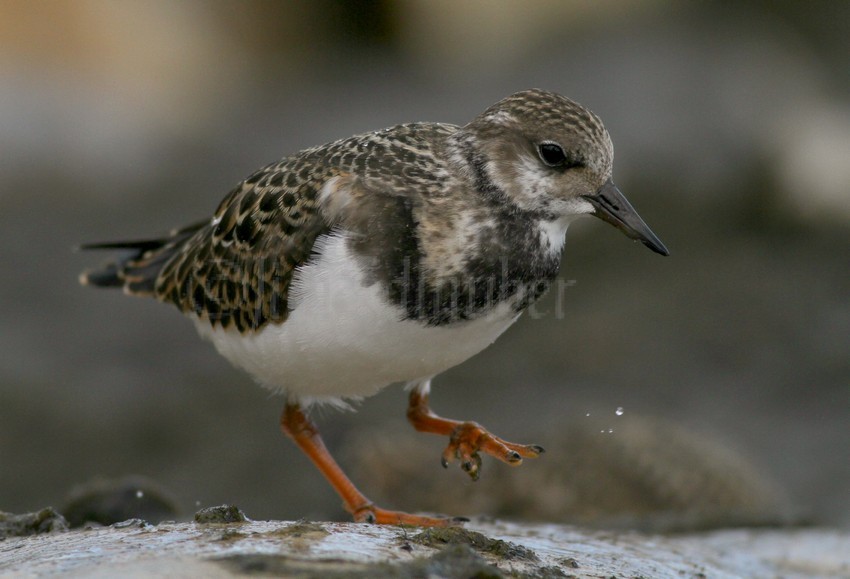
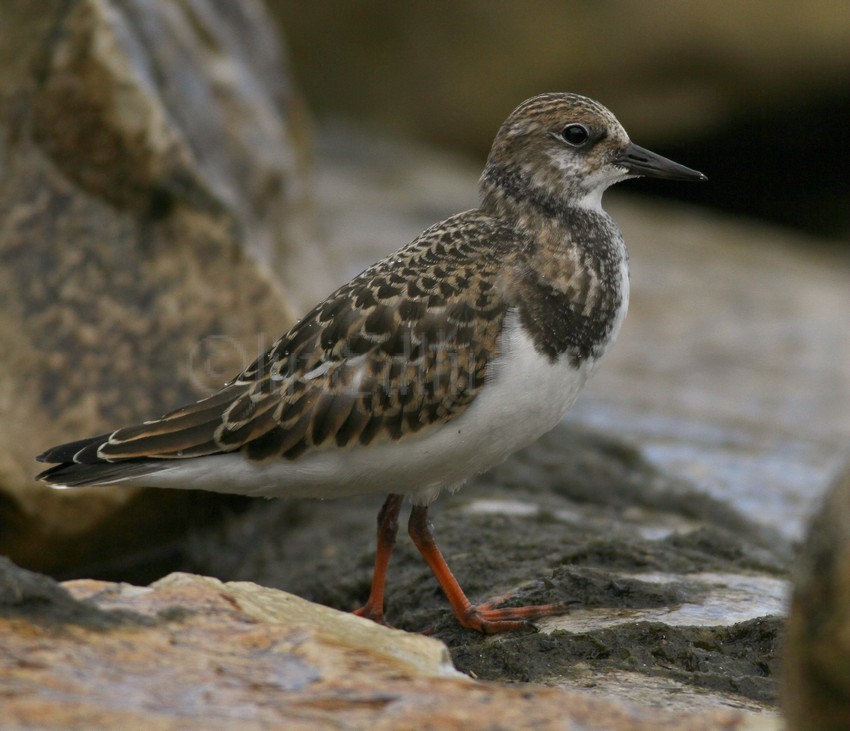
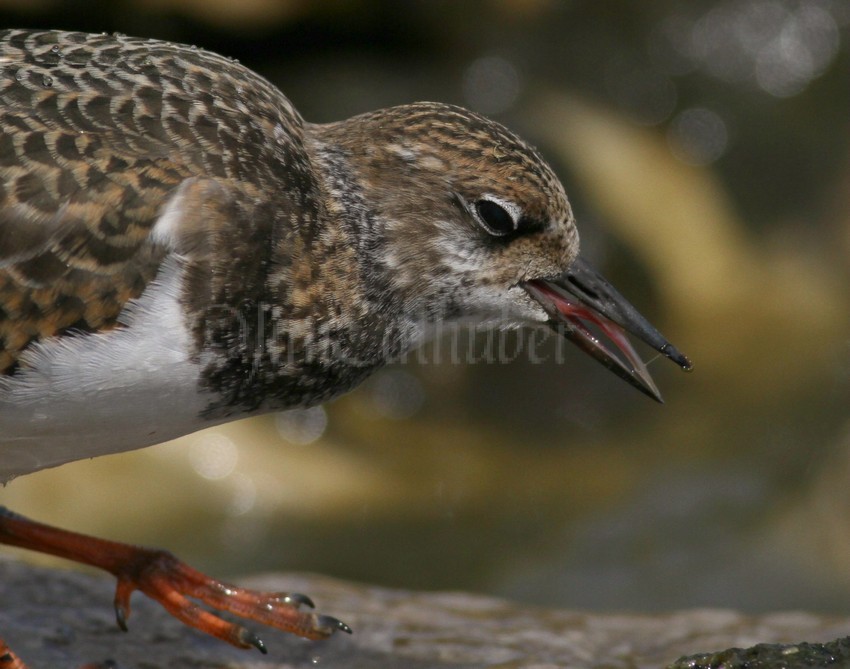
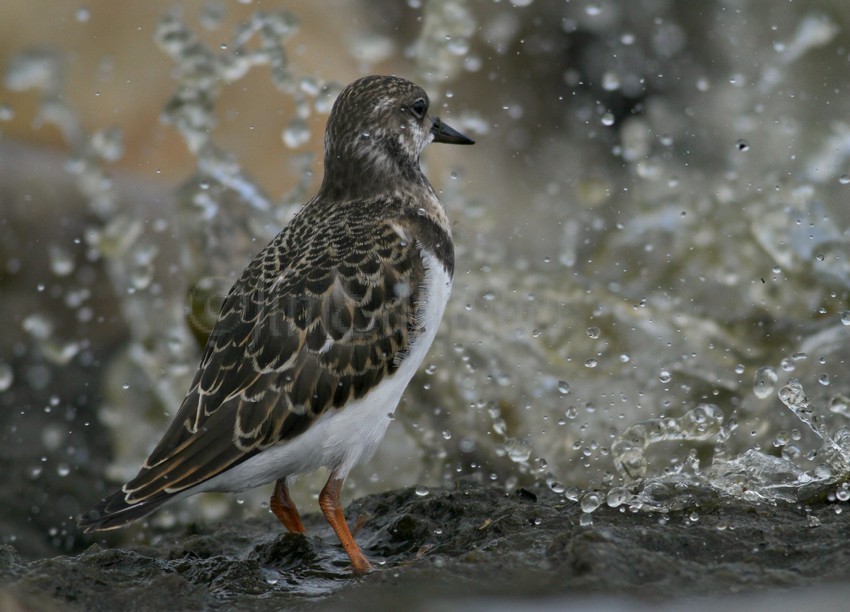
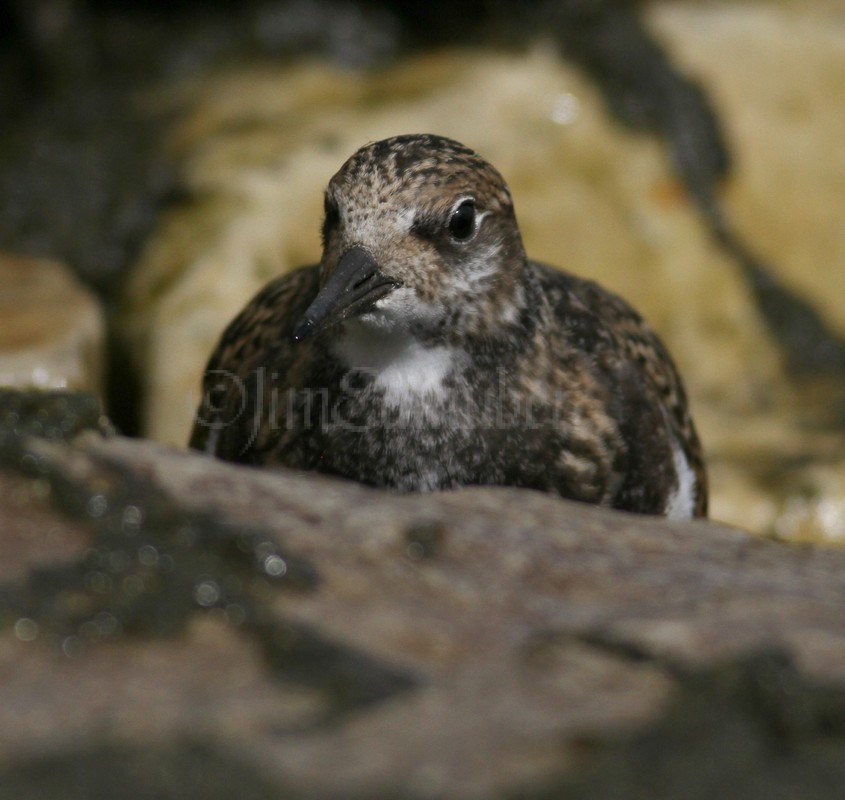
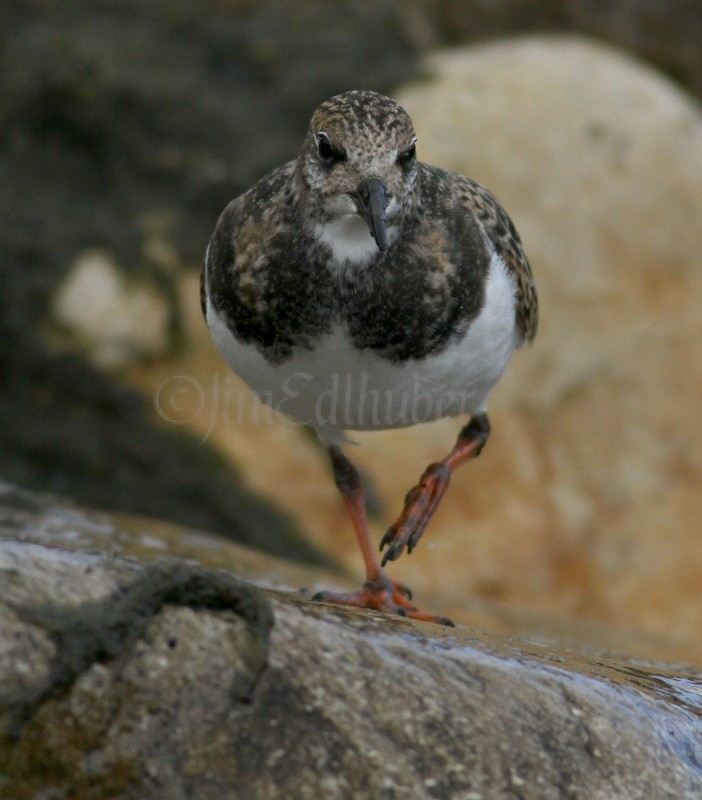
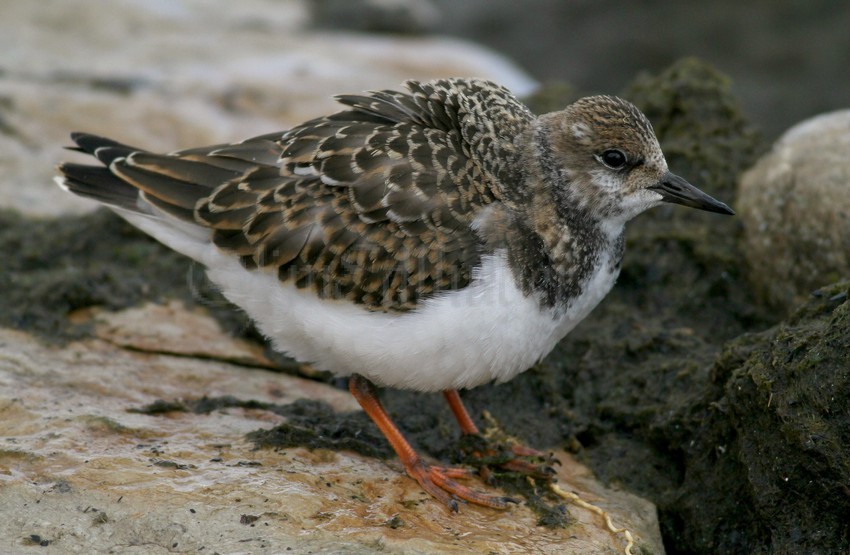
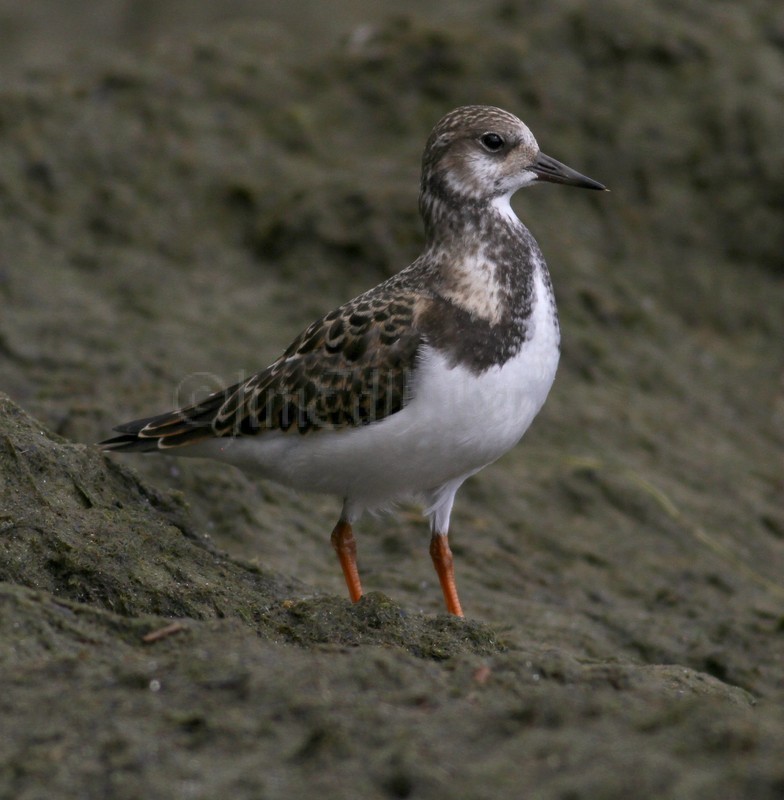
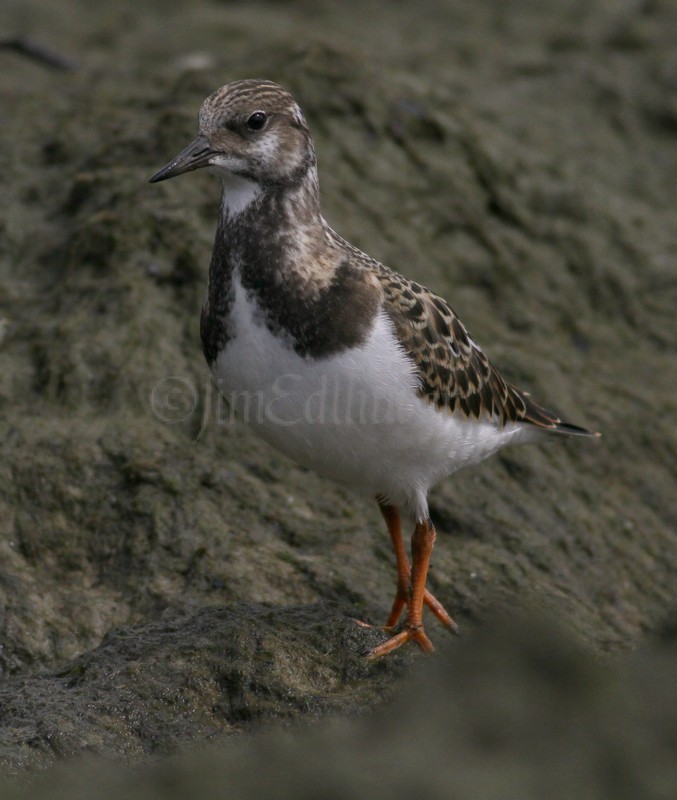
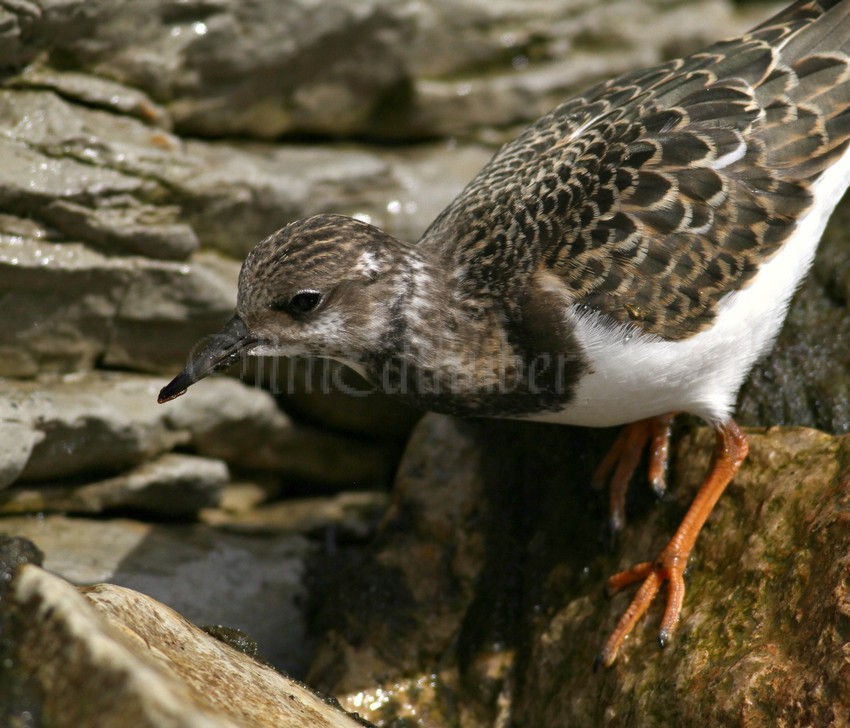
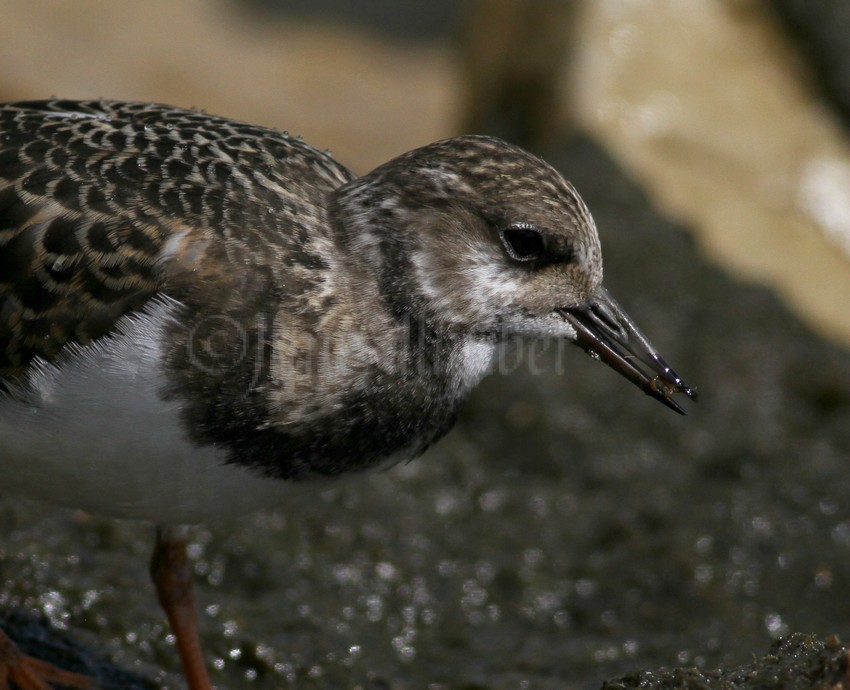
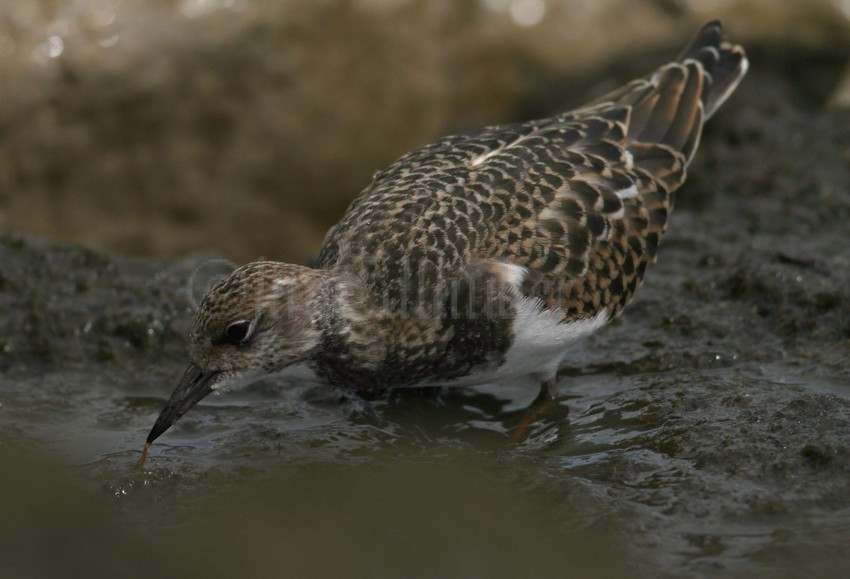
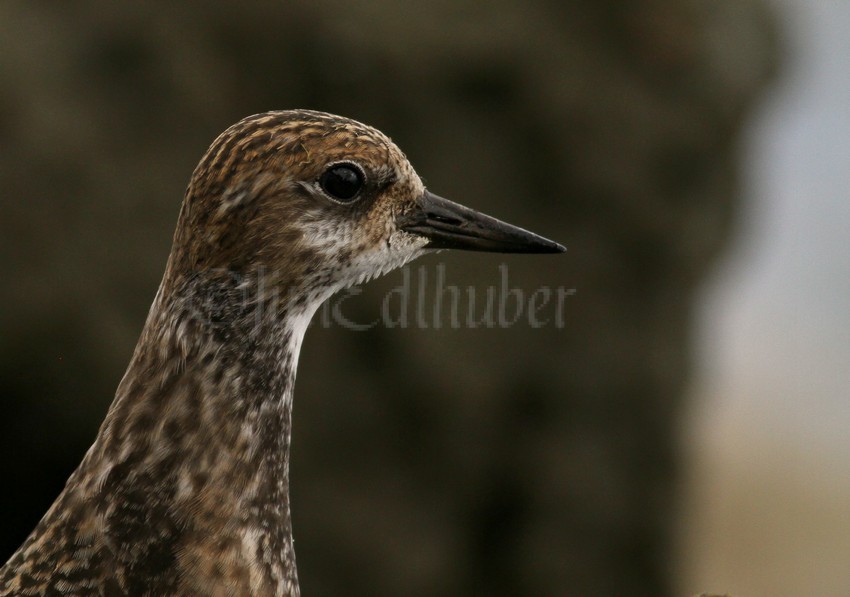
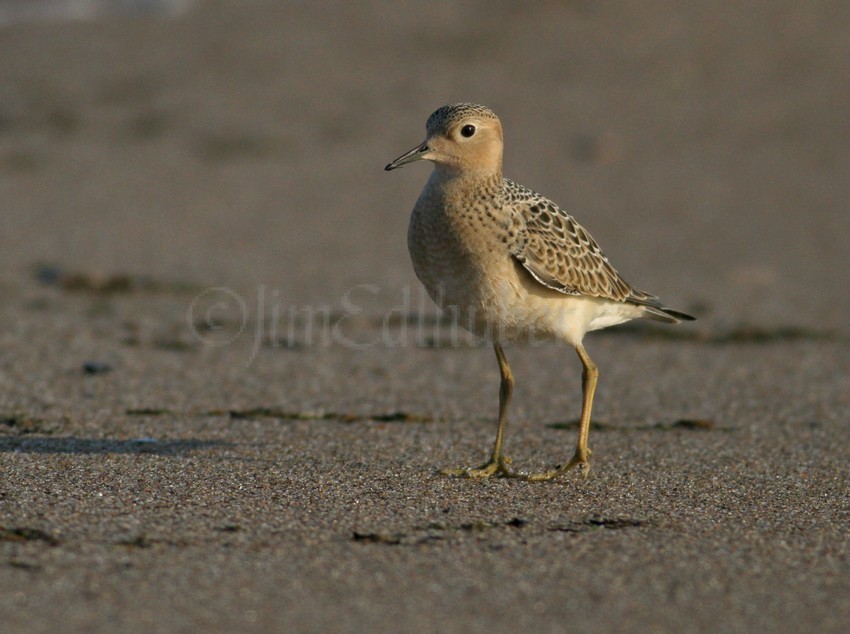
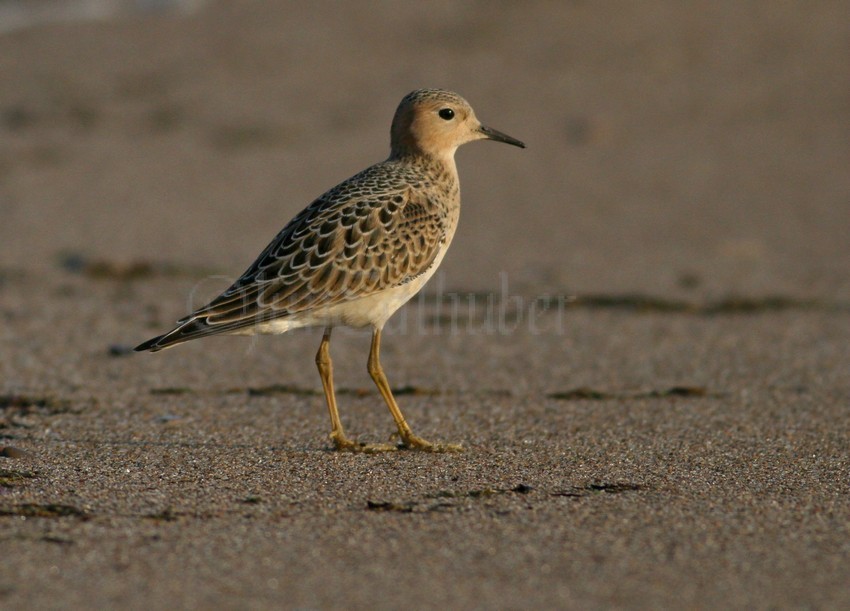
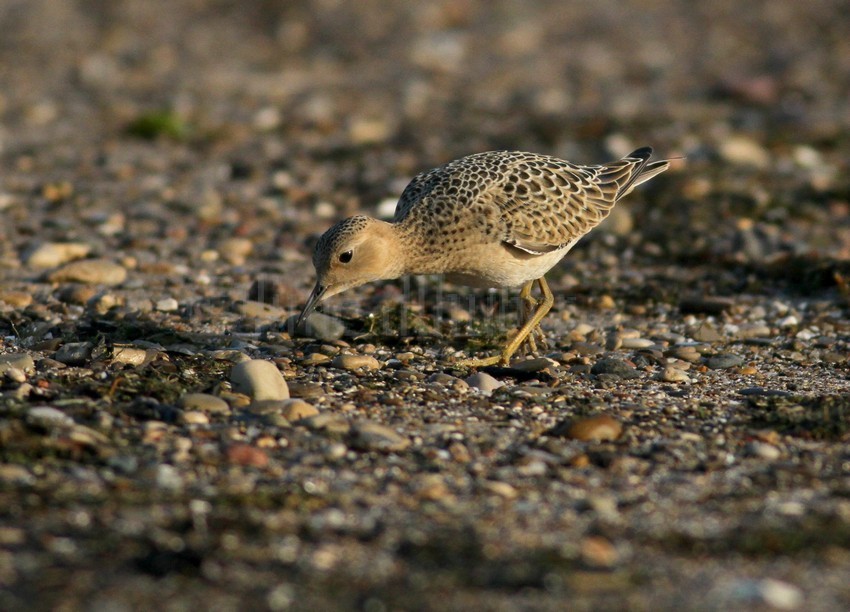
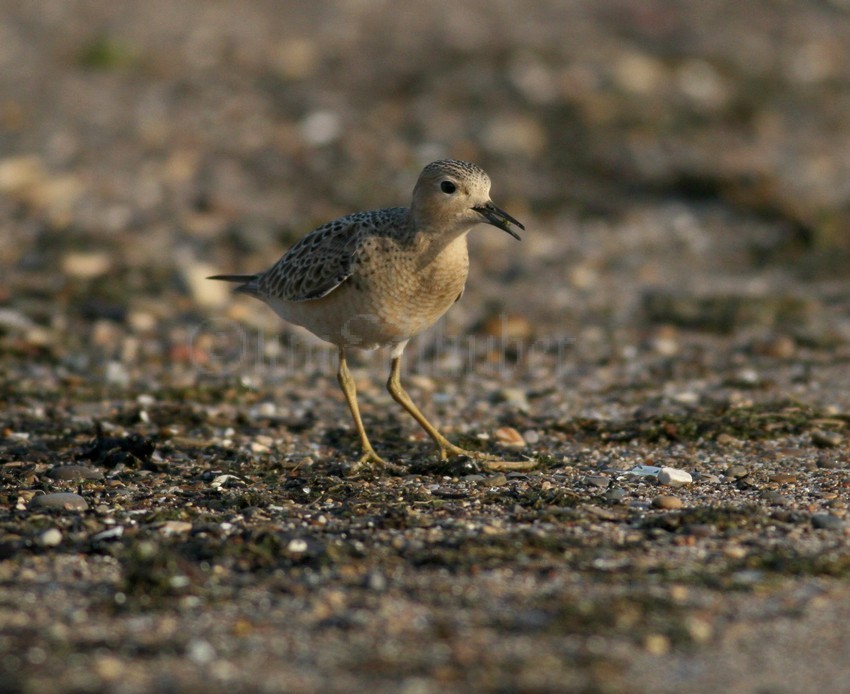
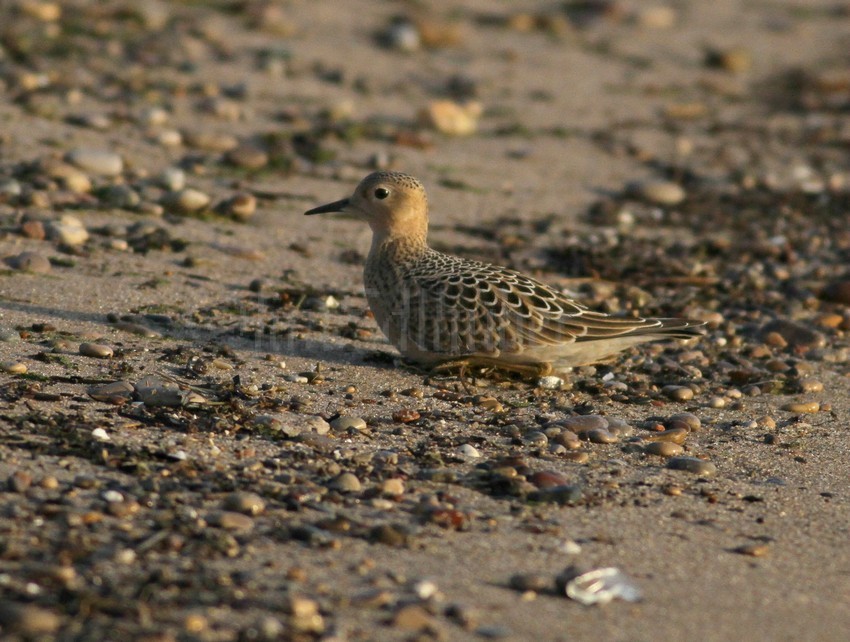
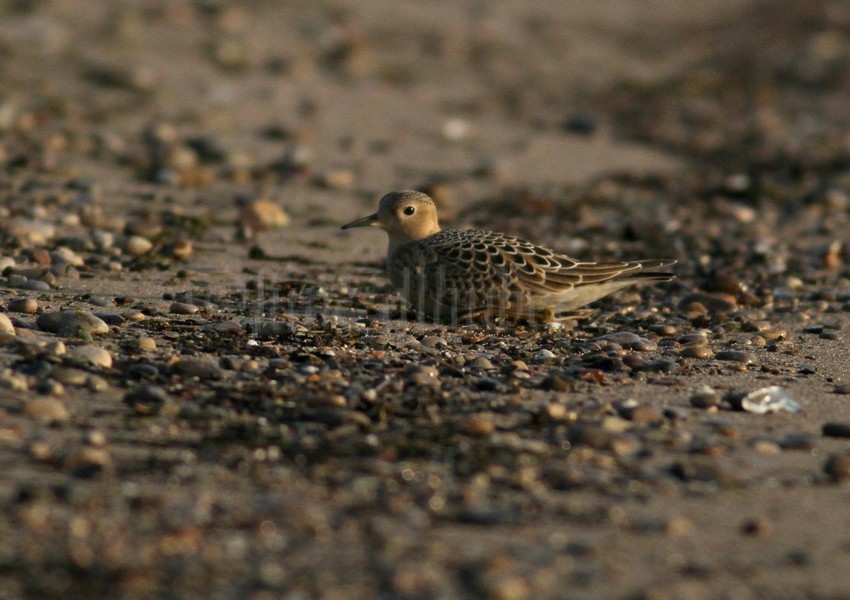
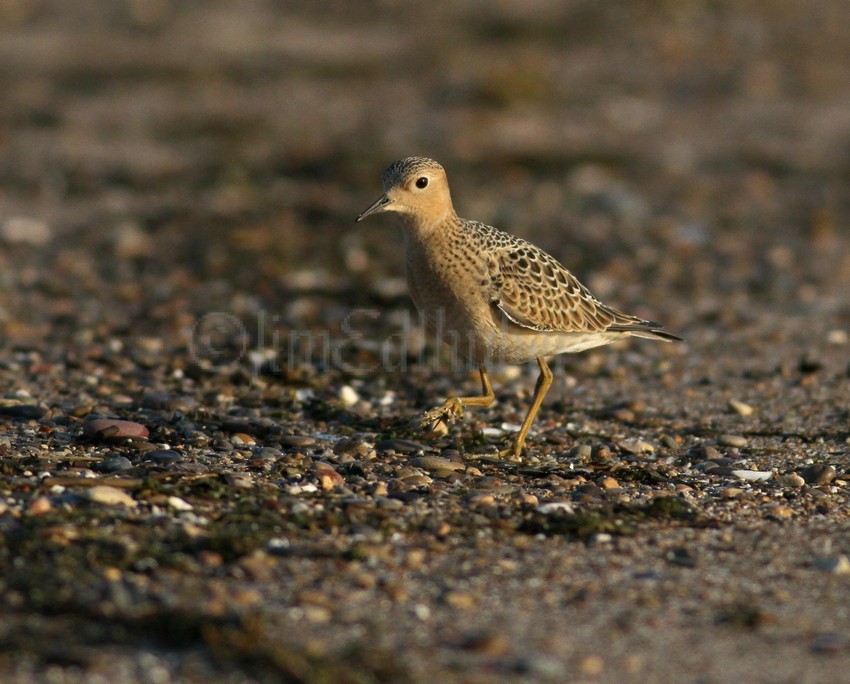
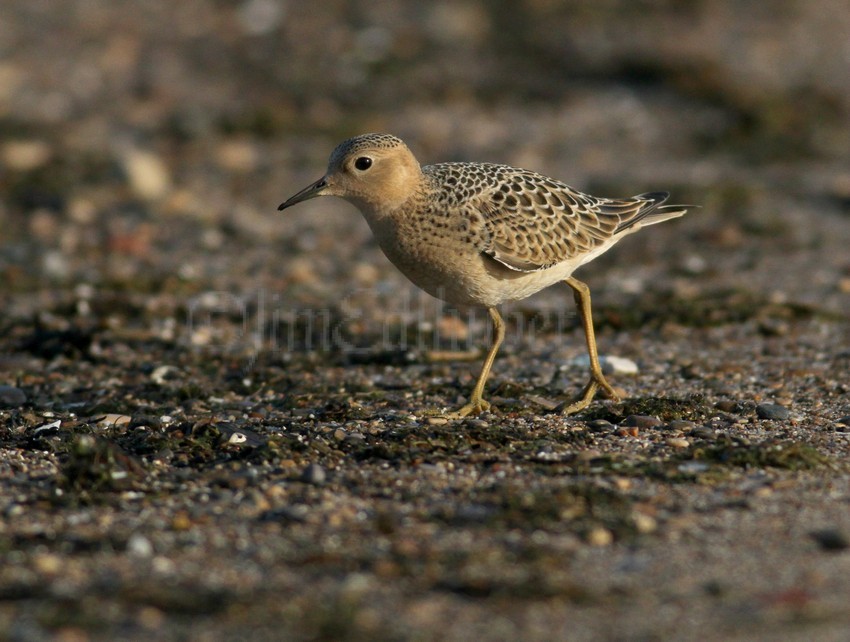
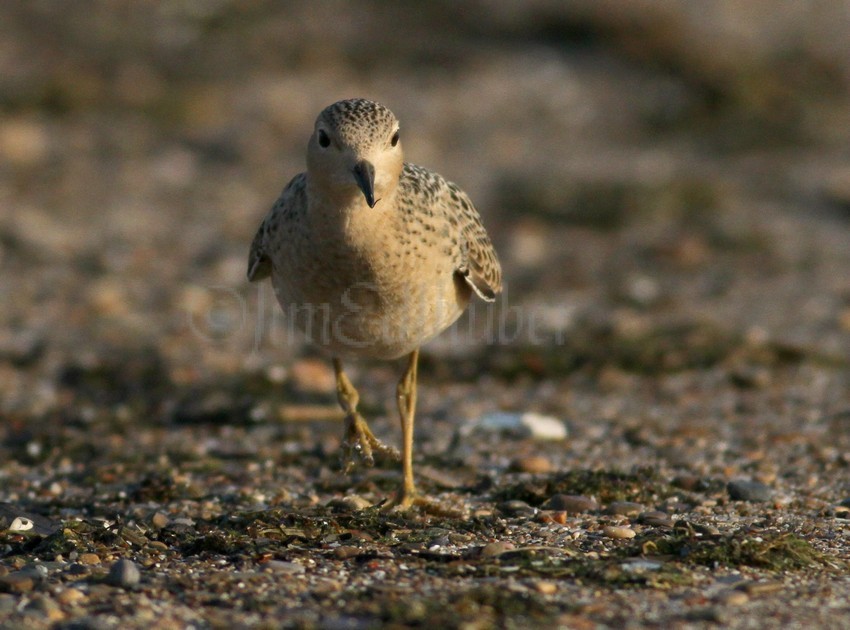
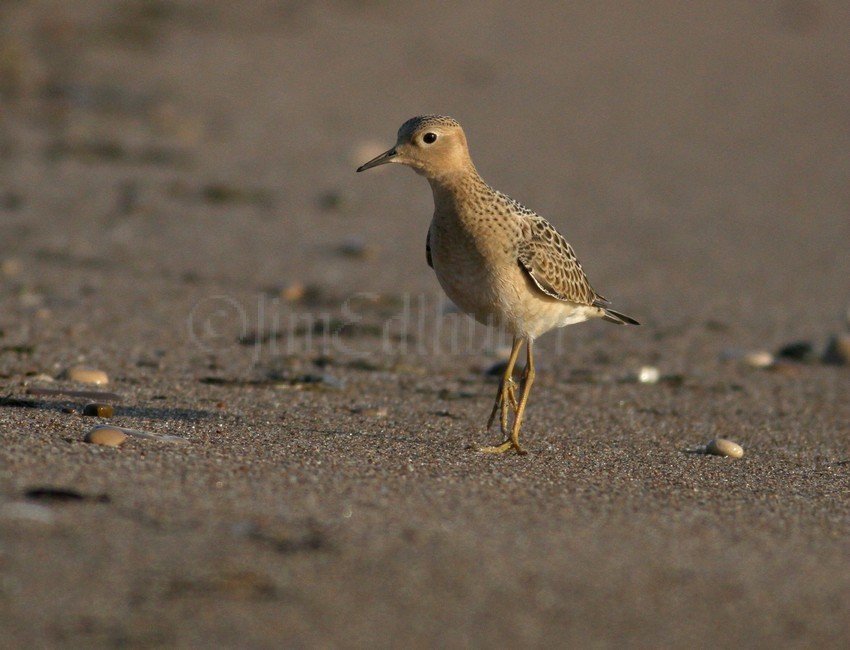
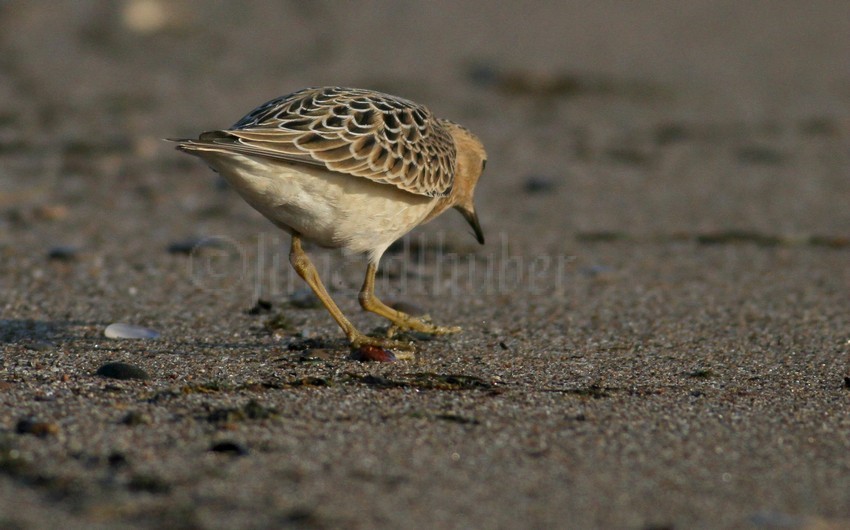
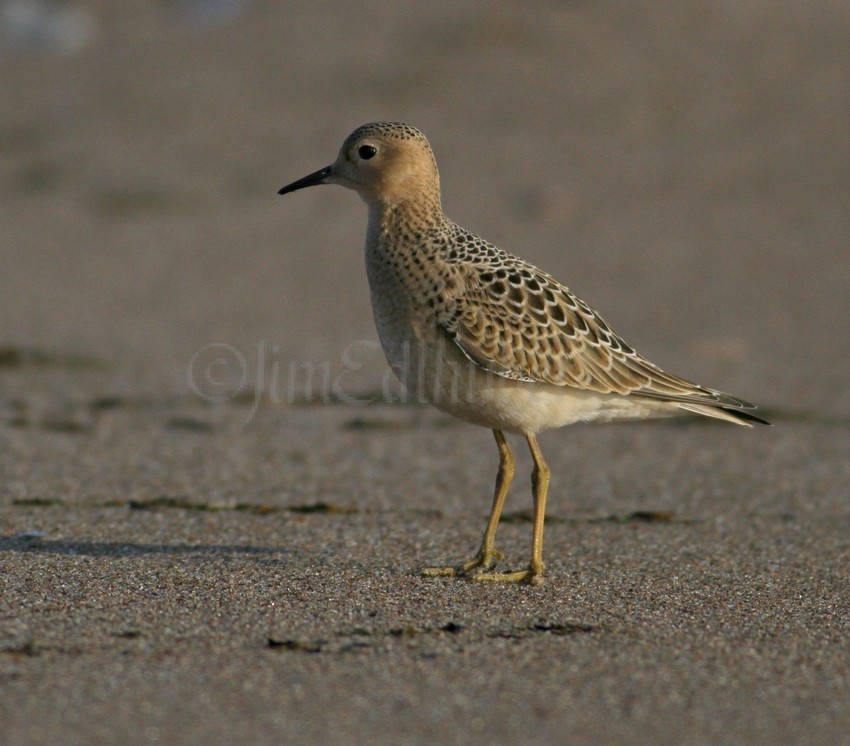
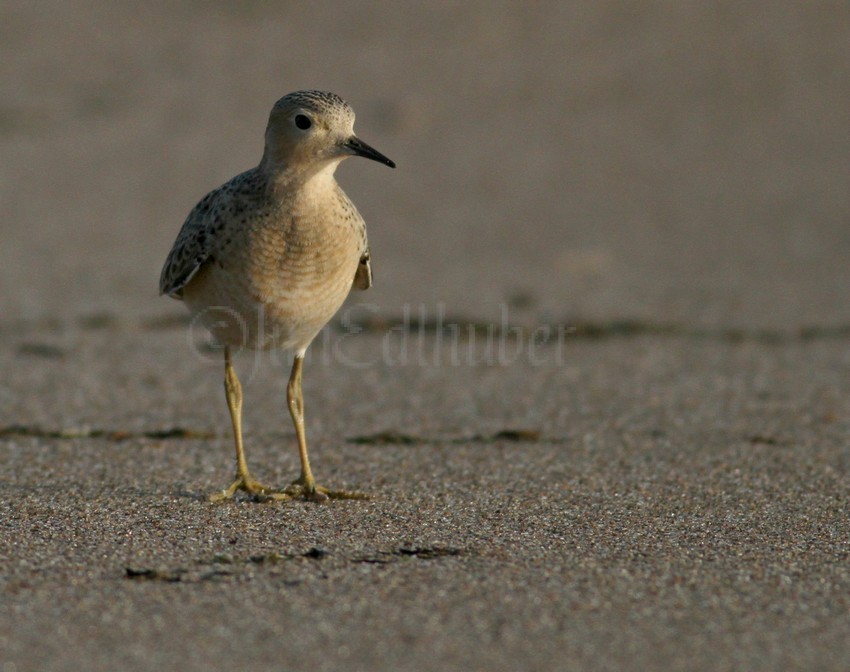
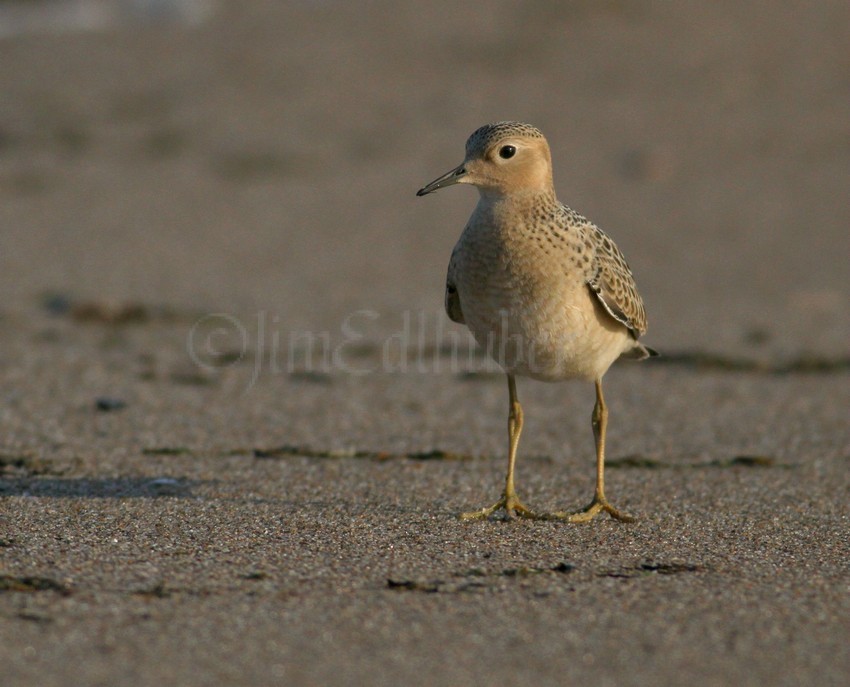
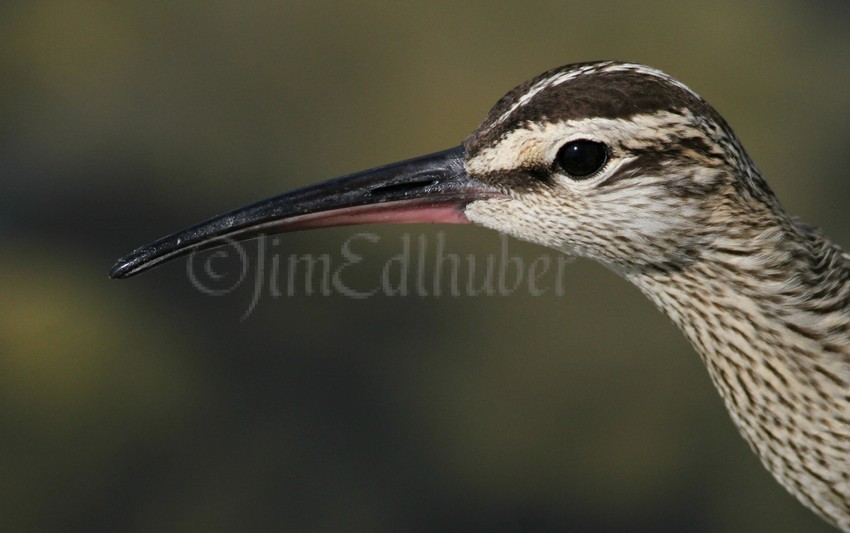
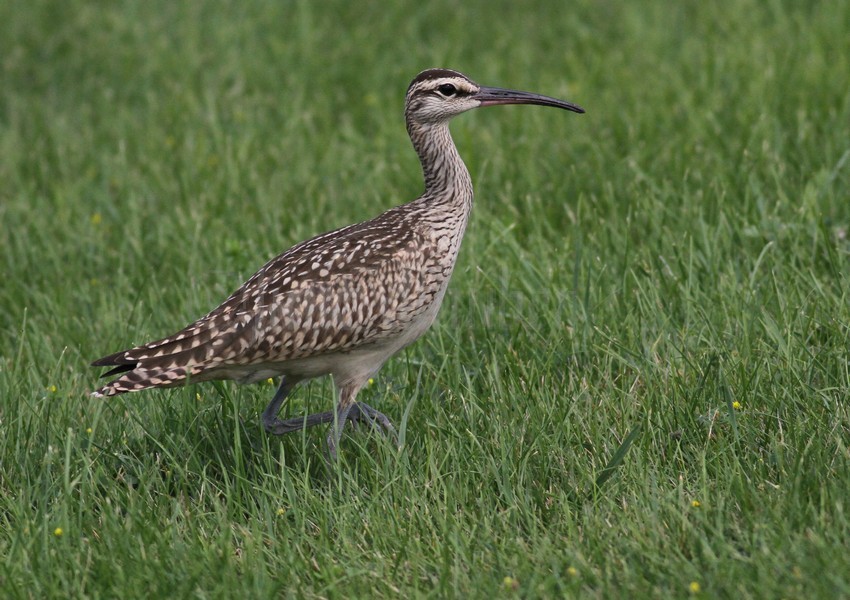
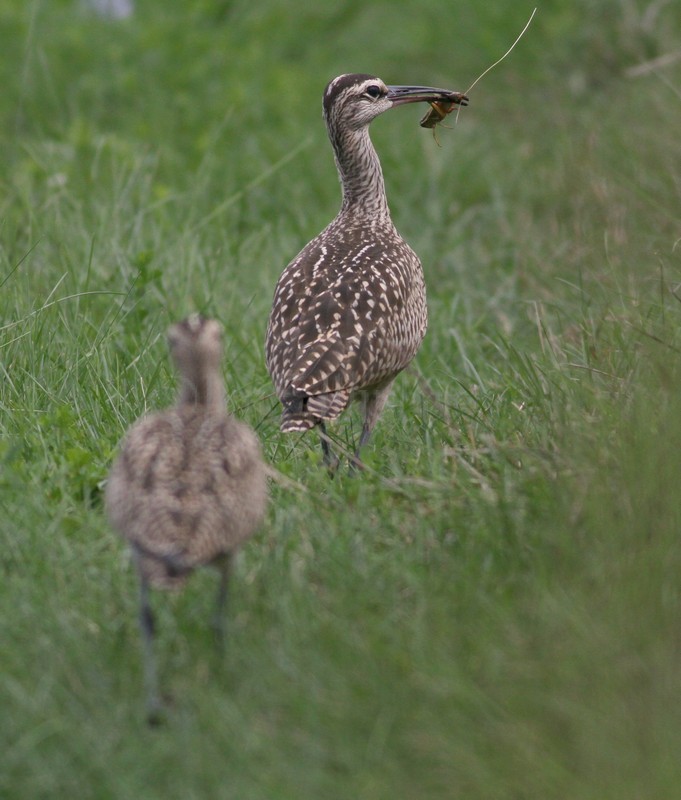
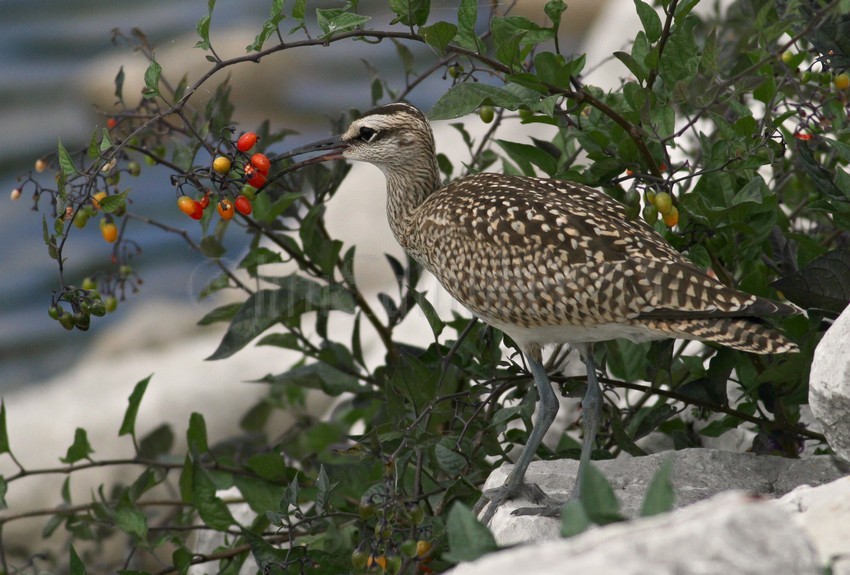
Red Knot Hustisford Wisconsin August 16, 2014

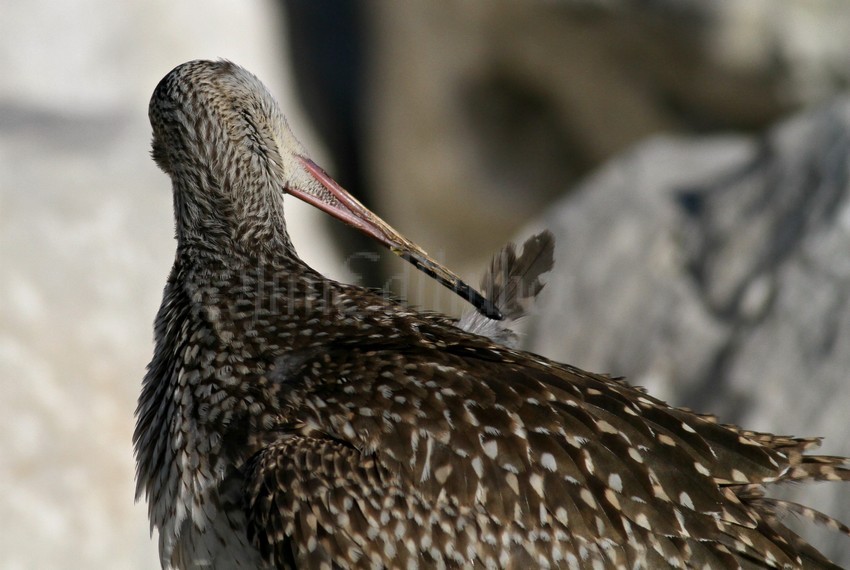
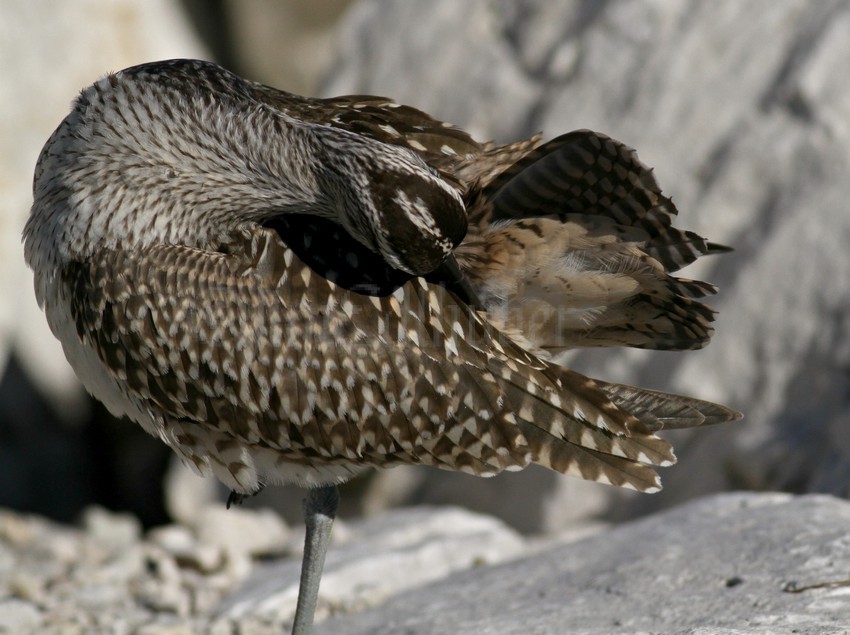
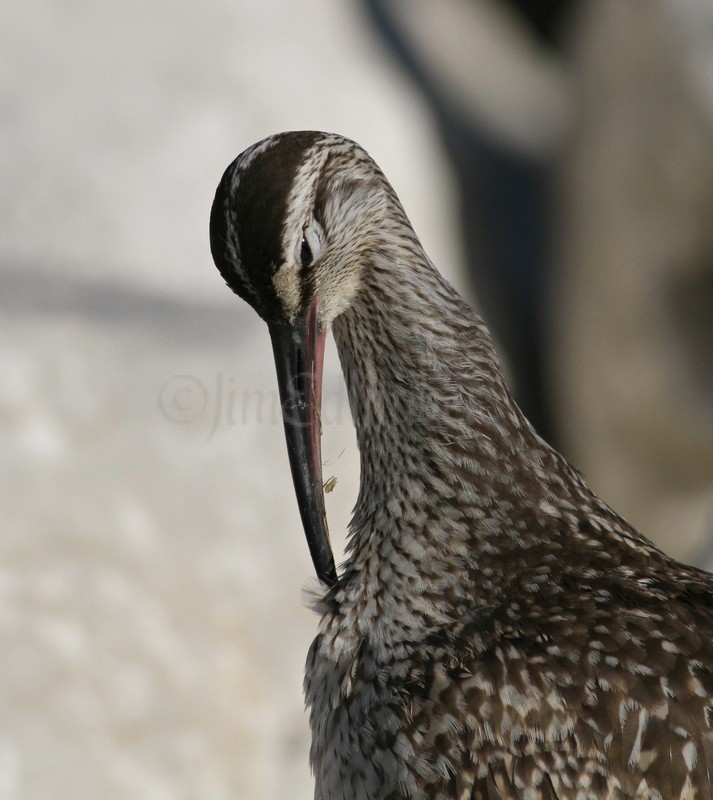
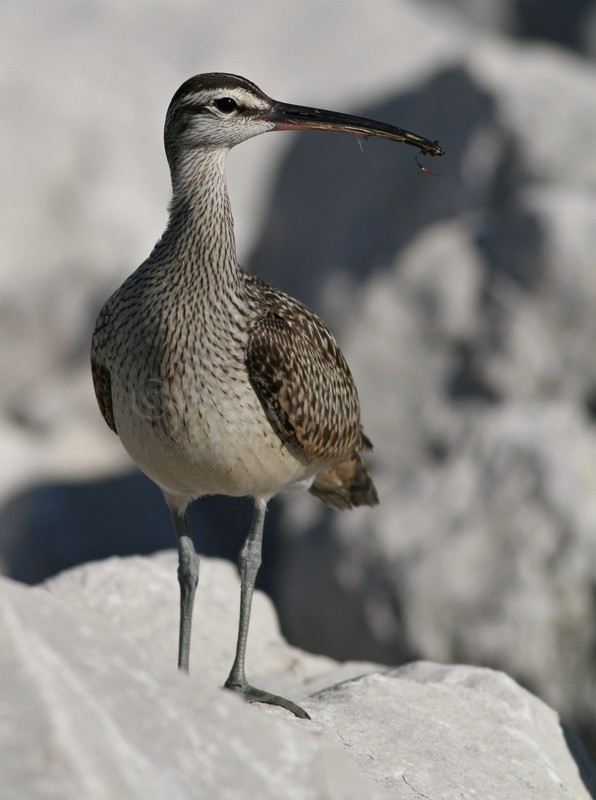
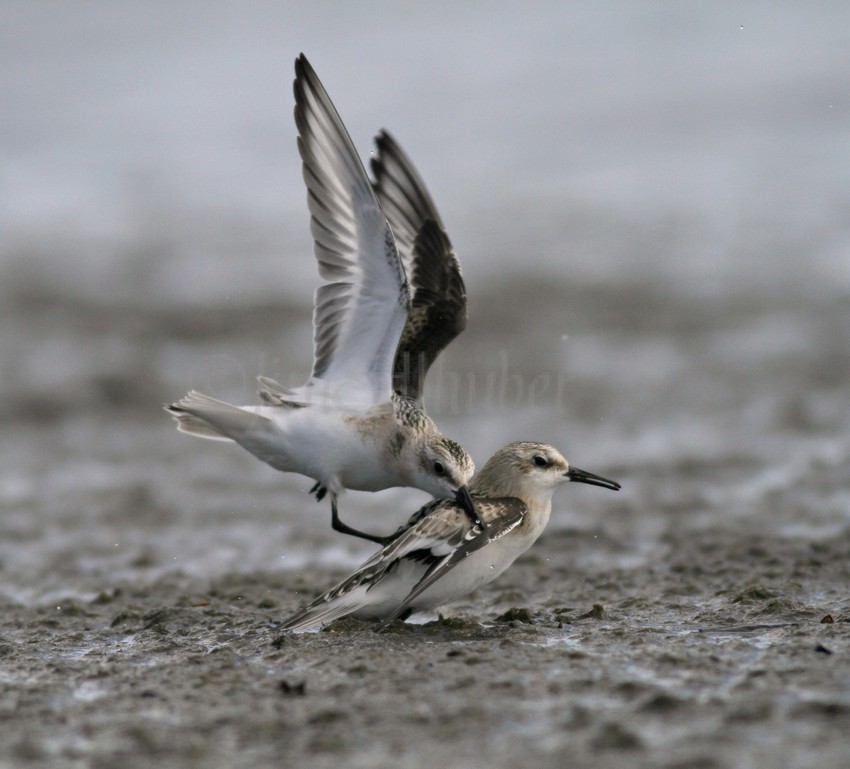
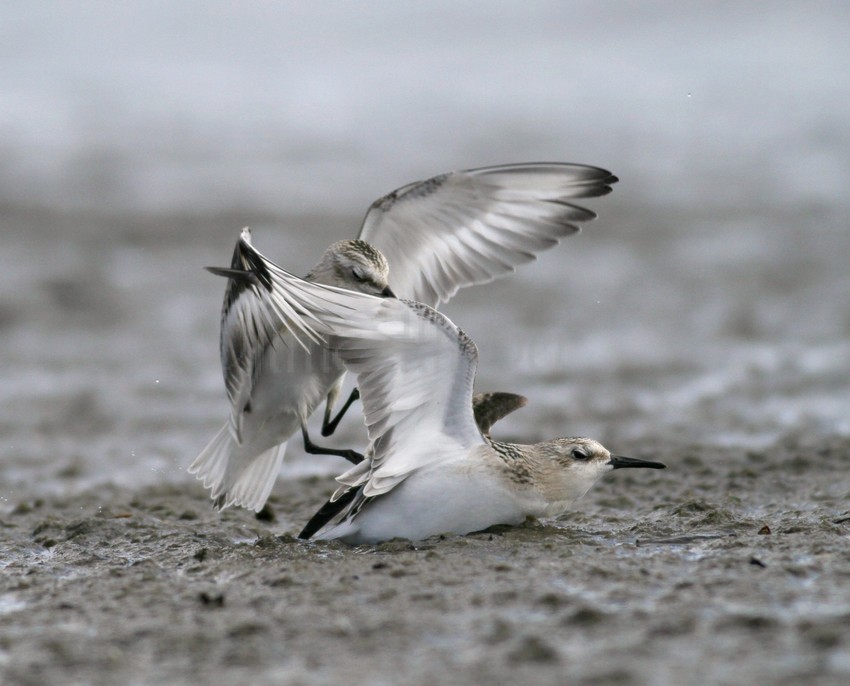
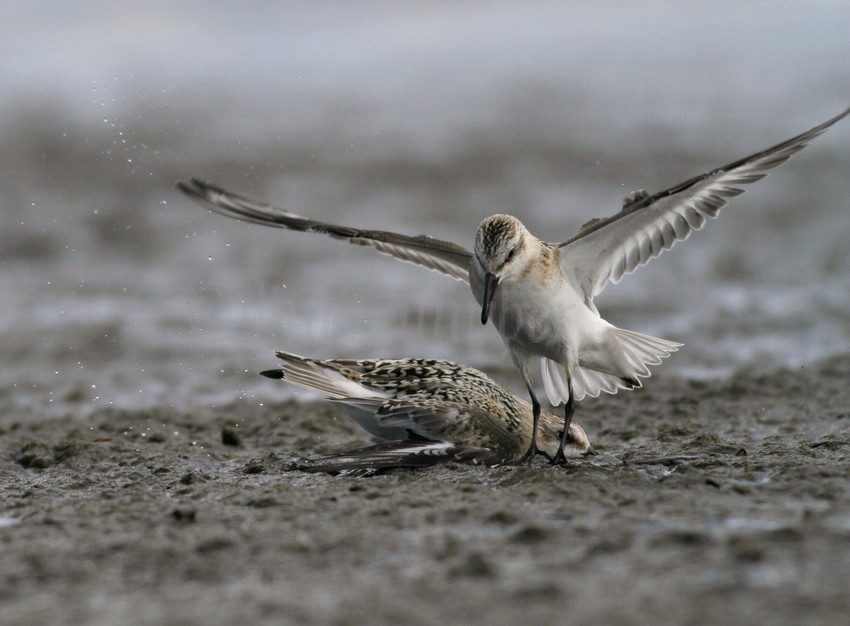
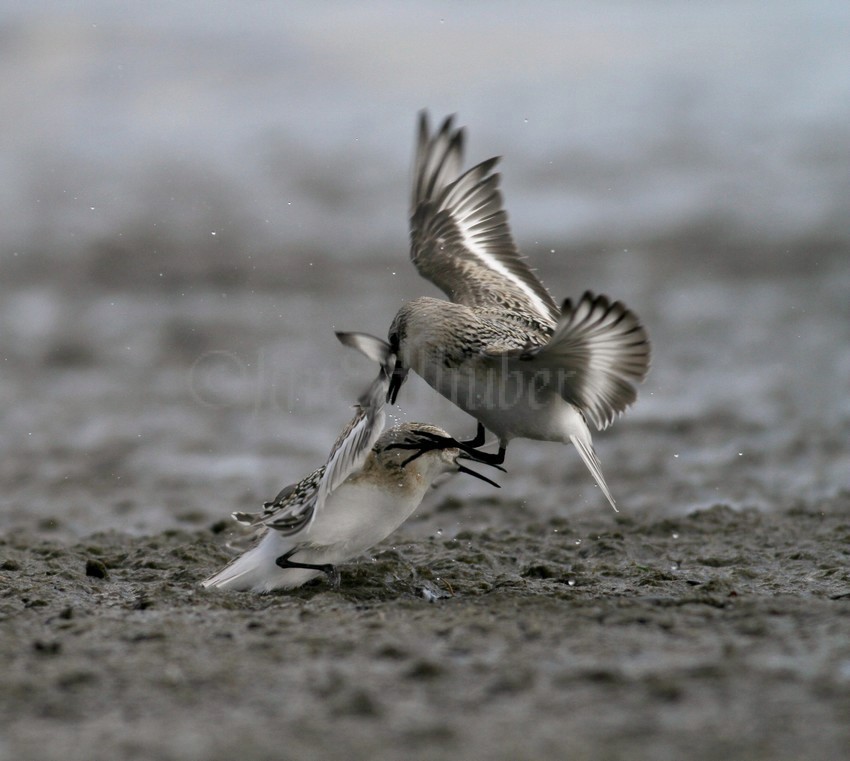
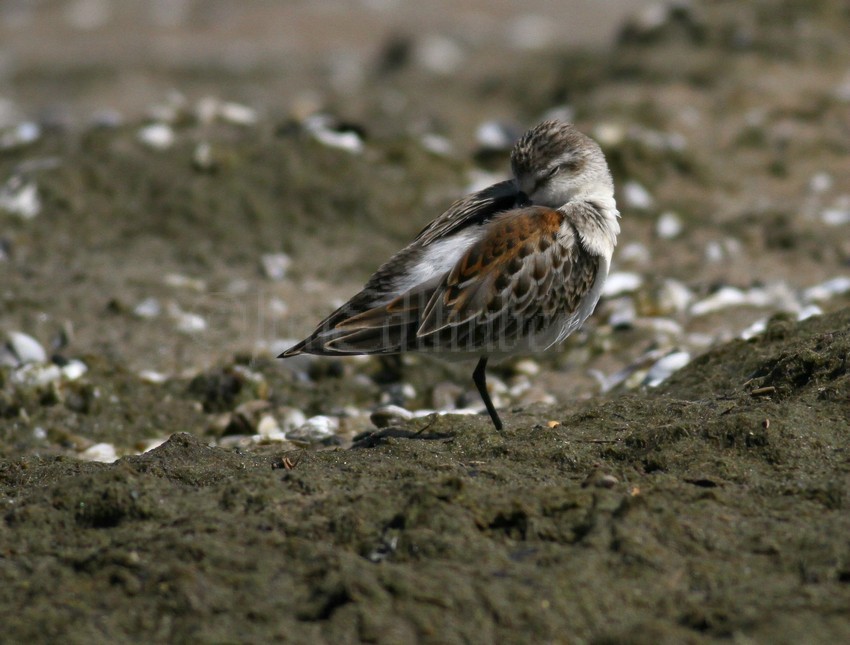
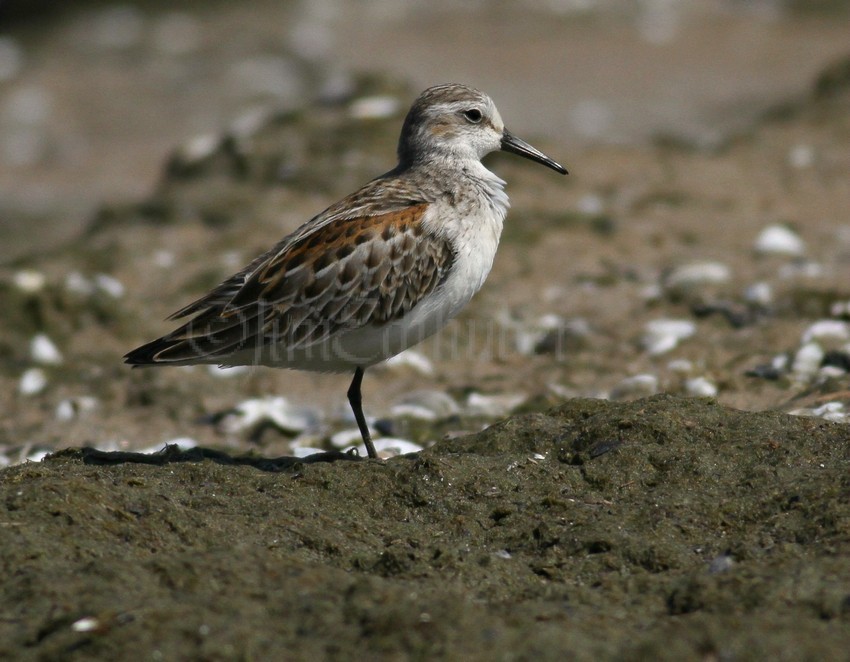
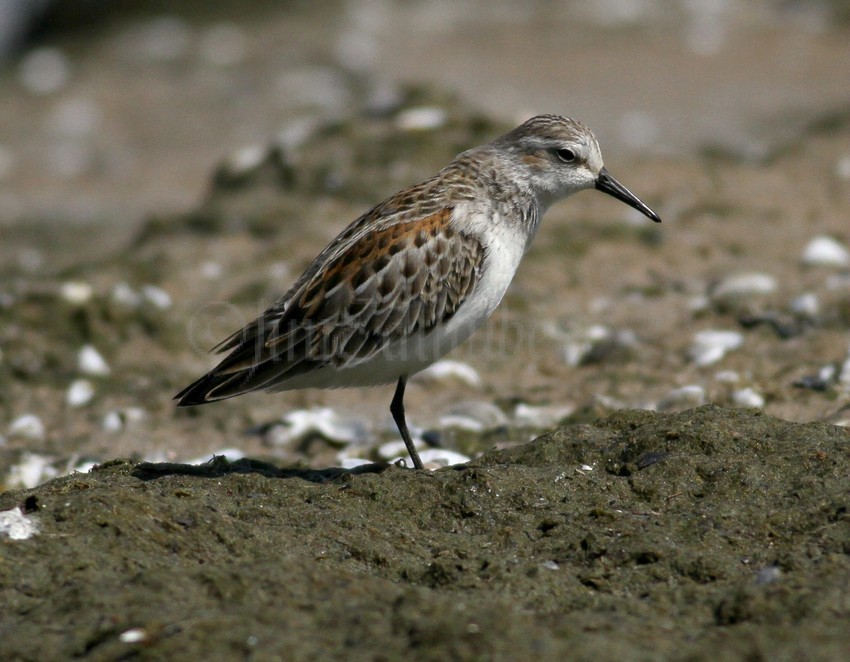
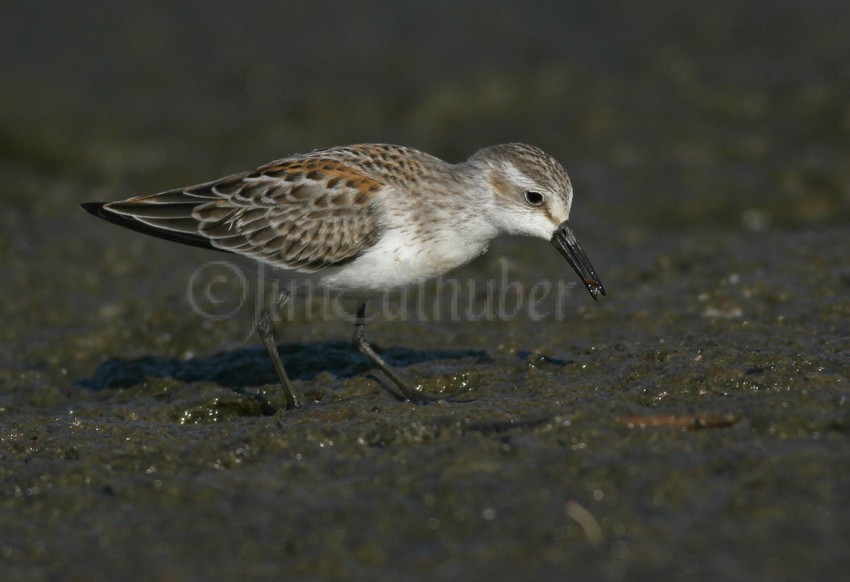
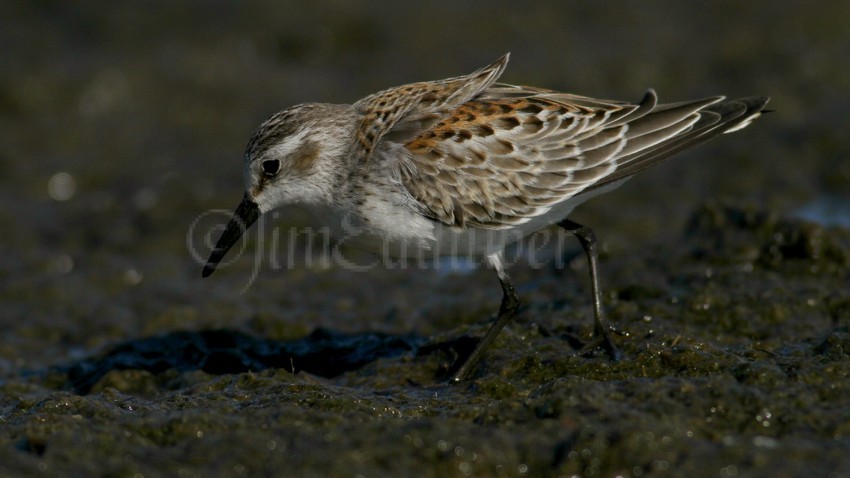
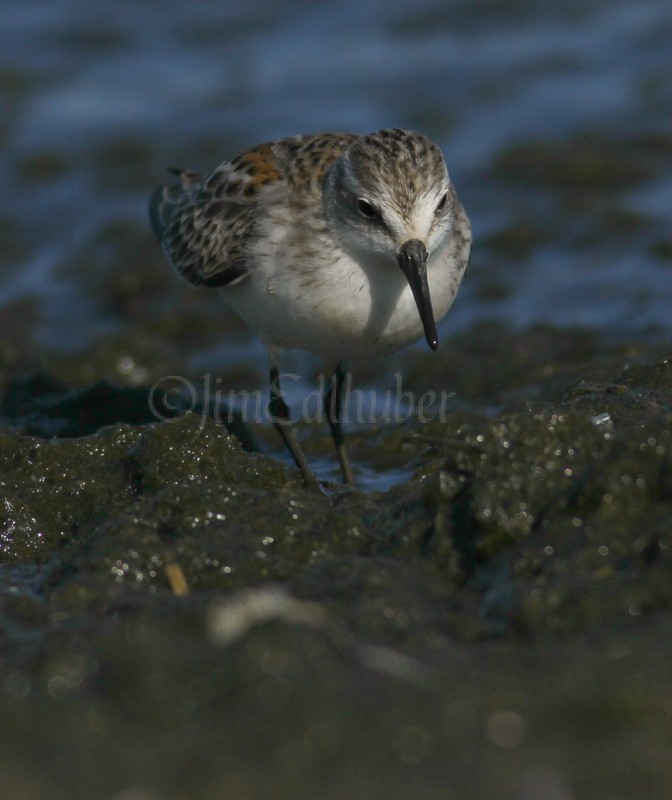
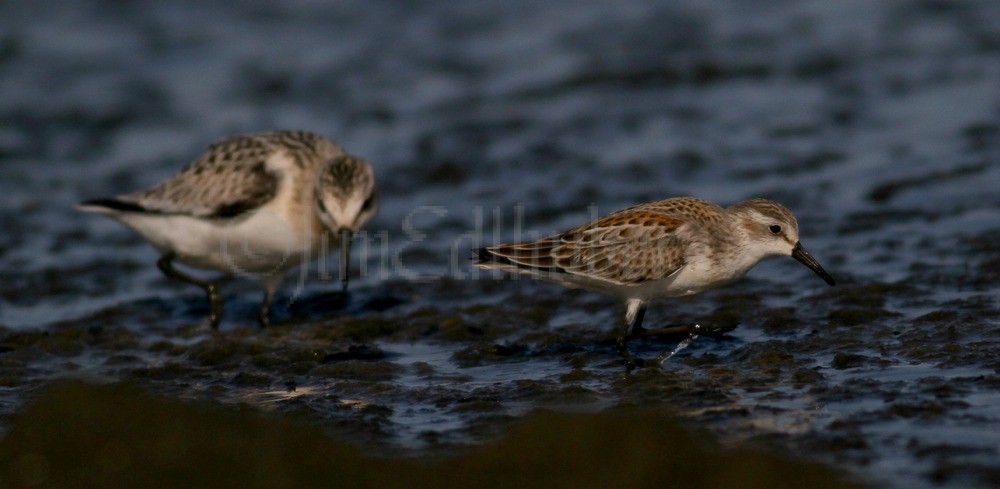
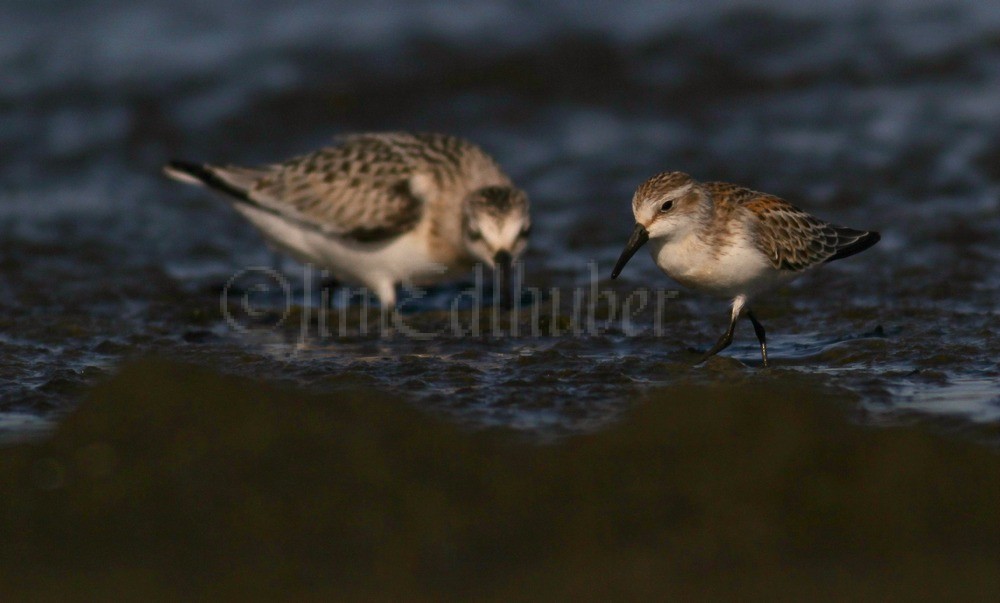
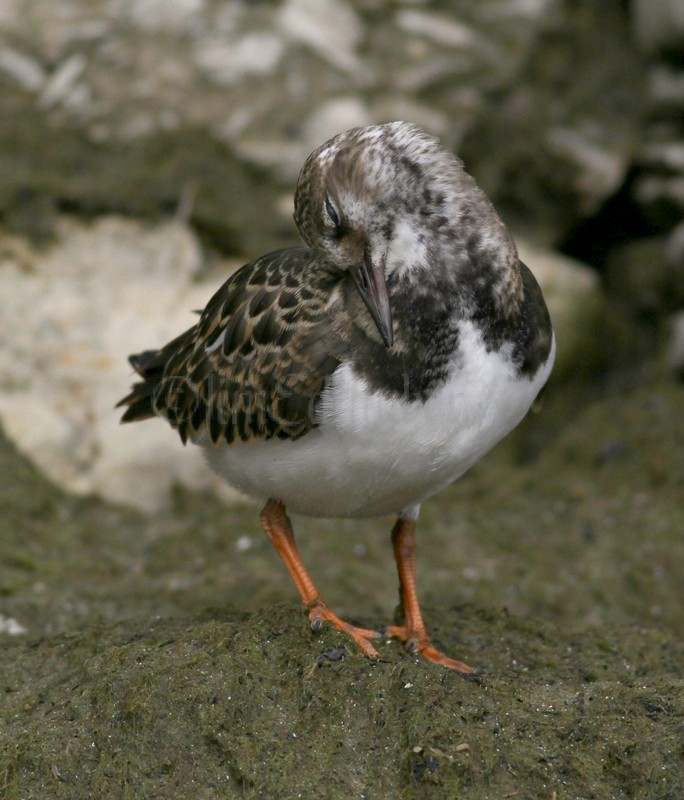
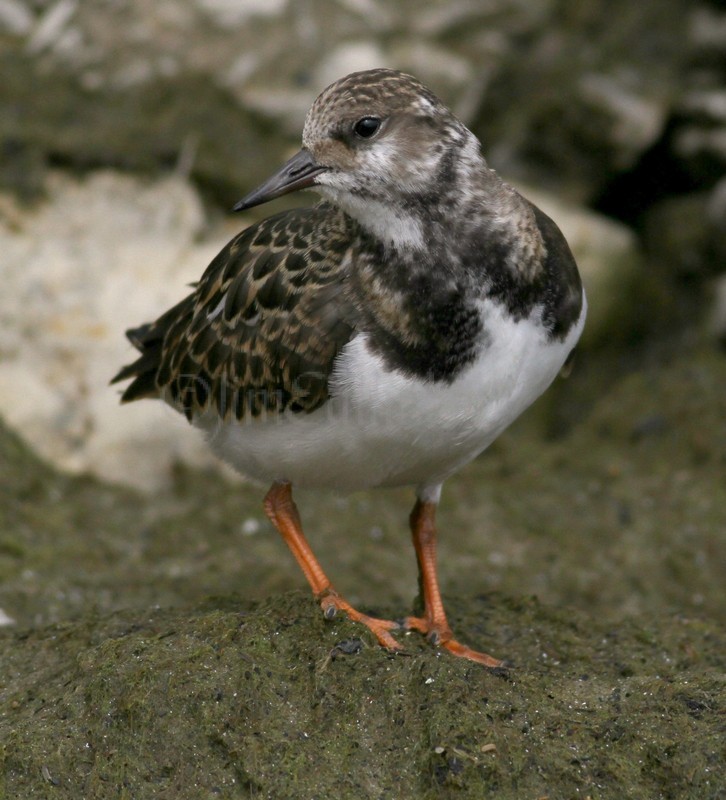
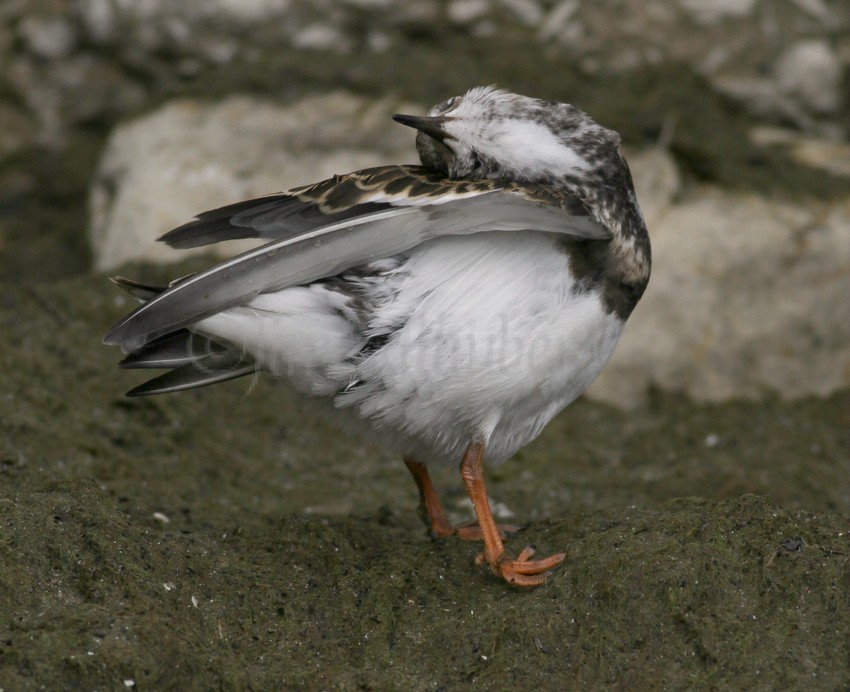
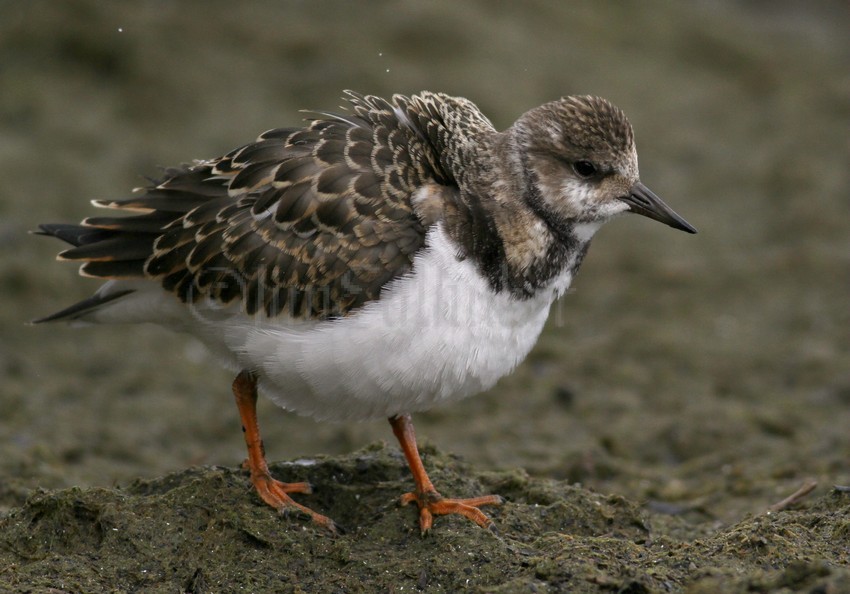
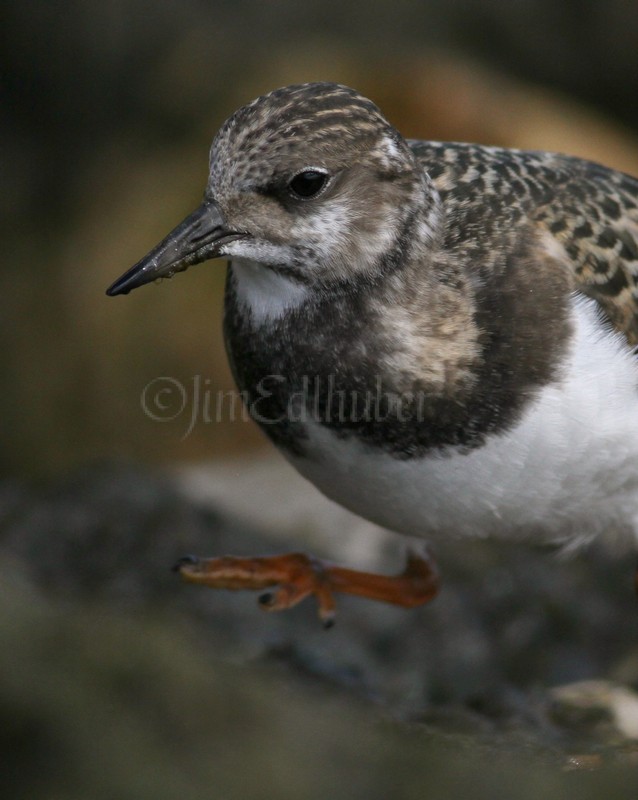
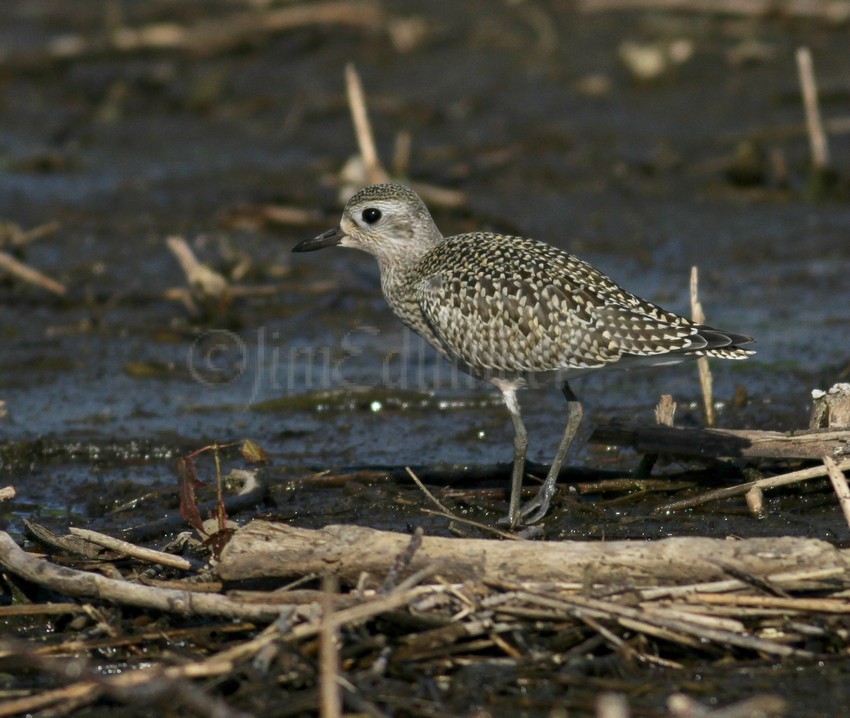
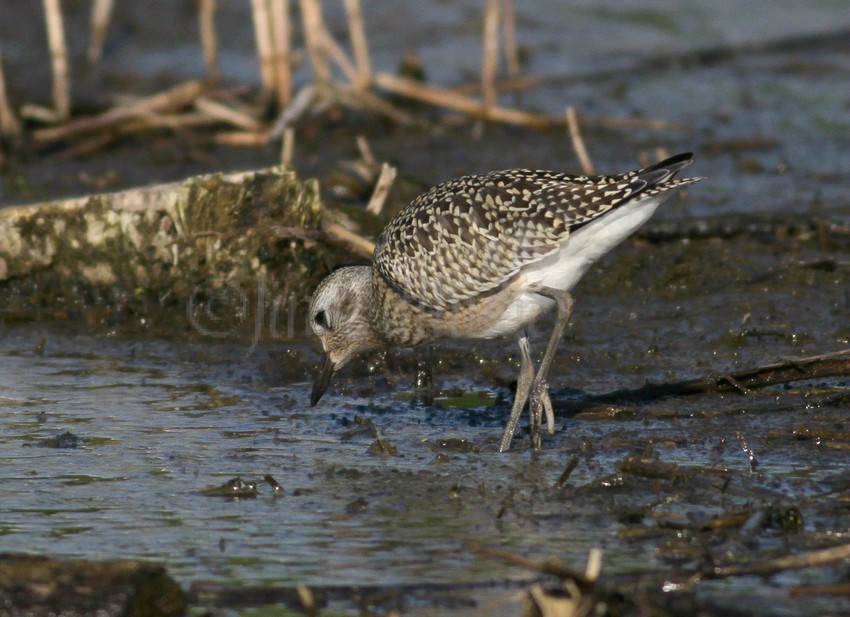
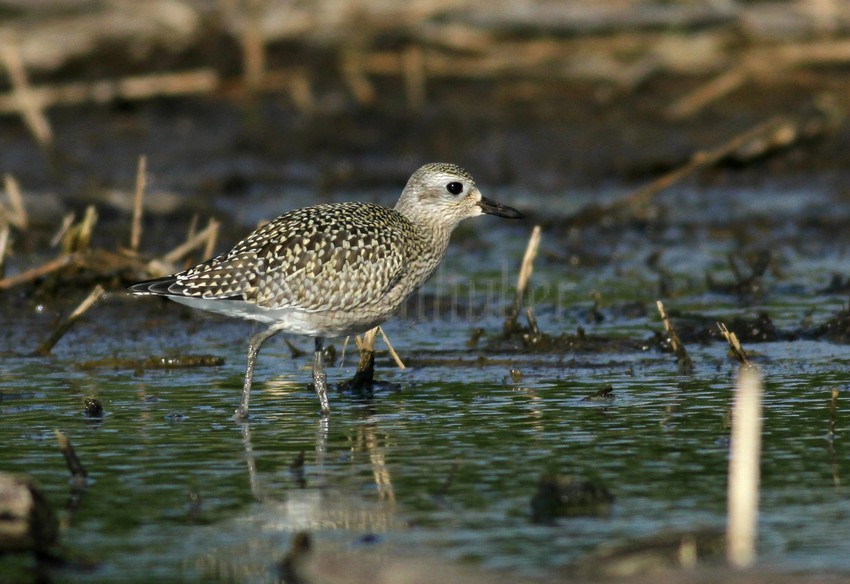
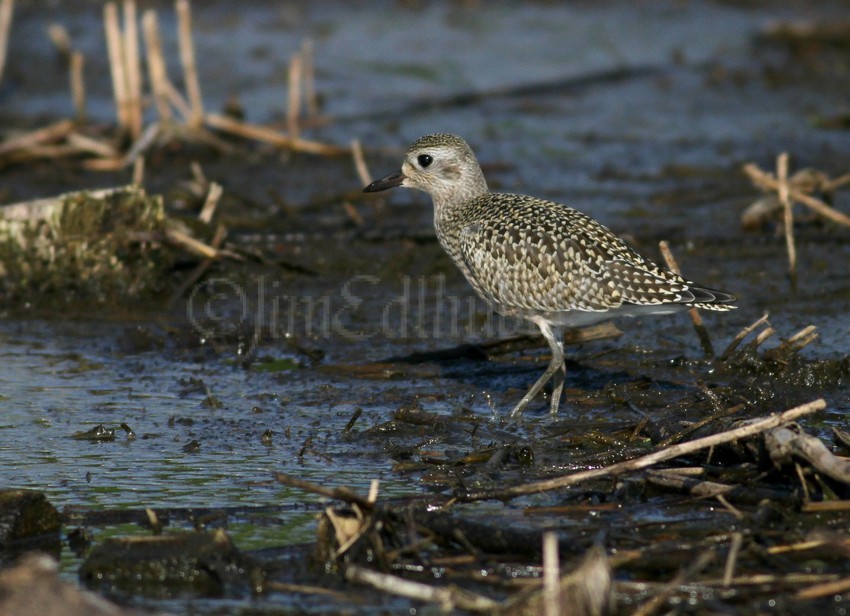
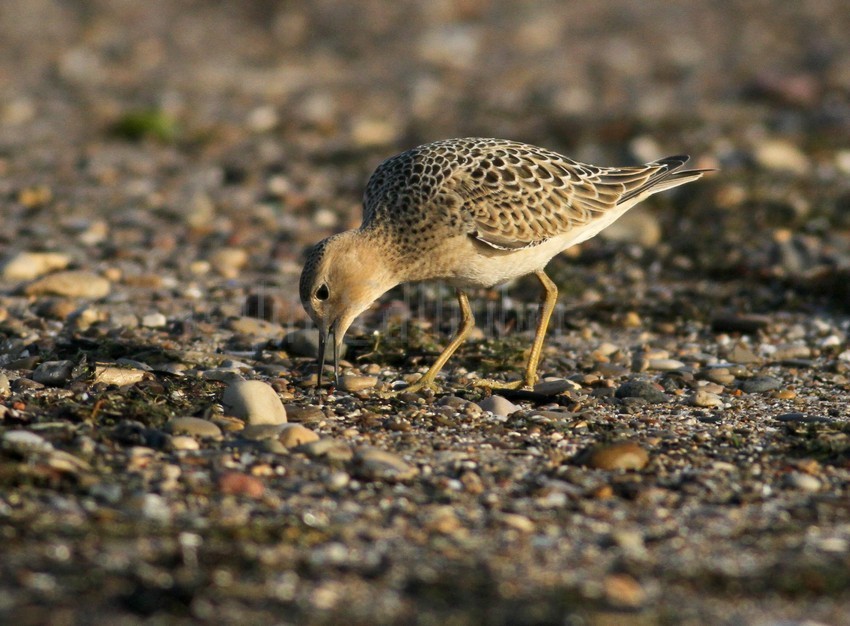
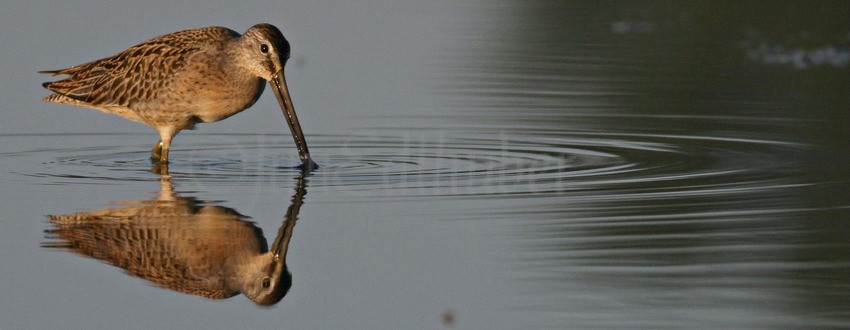
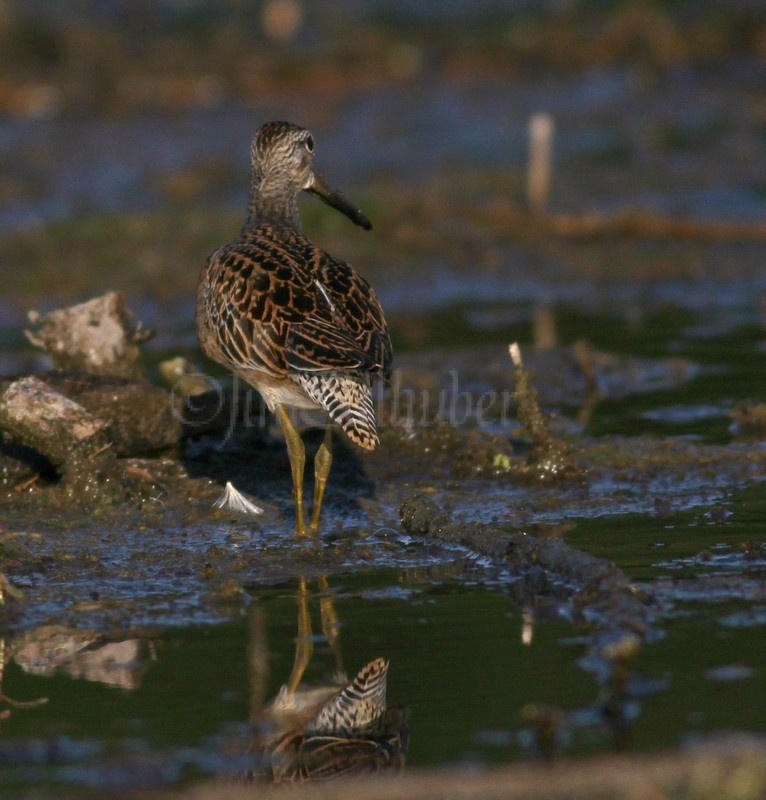
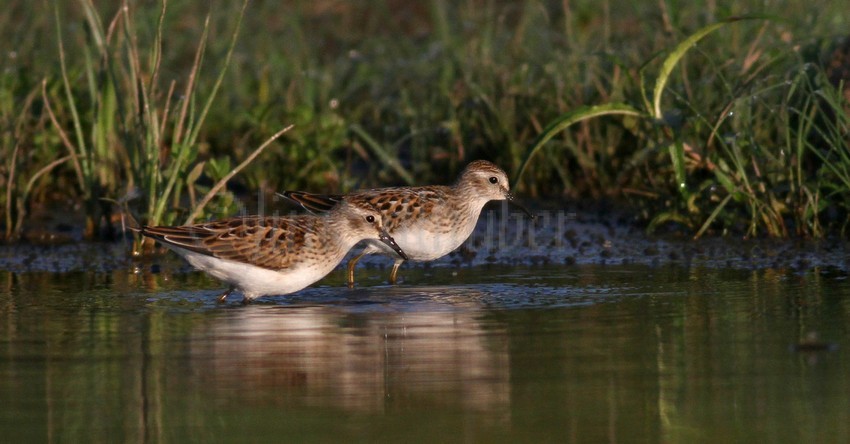
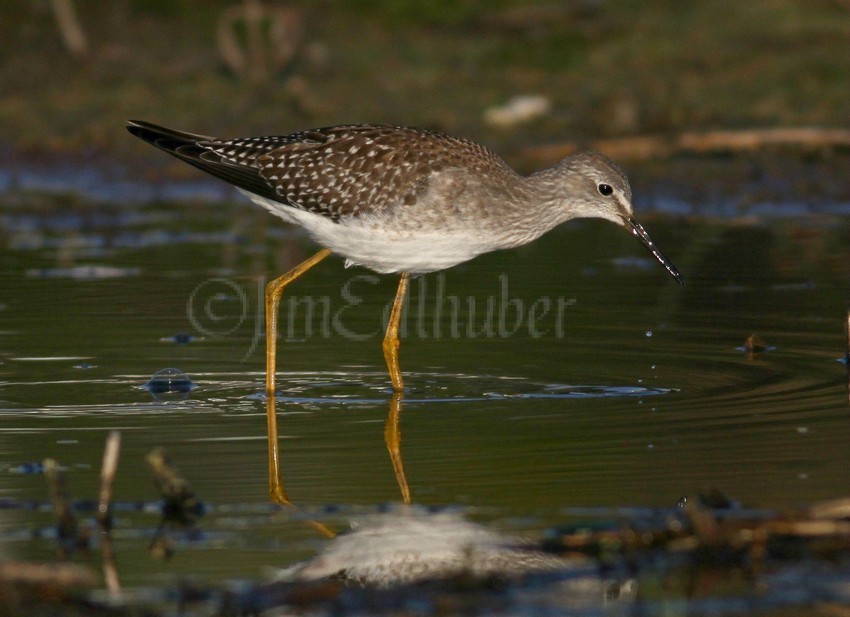
This rare visitor to the state, the Red Knot was eating well when I left the river last night just before dark. I decided to make another run up there to Hustisford early morning to get a couple more images in day light. I did not see it when I arrived but Dave S. found it as he arrived a few minutes after I and he had his scope. This bird blends in very well with the habitat there. In fact a few times during my visit along with a couple other birders we lost sight of it and it was right in front of us but behind some thin vegetation. Like yesterday, this bird actively feed the whole time I was there other than it preened once. Nice to see this rare bird once more. Images were taken in Hustisford Wisconsin on the Rock River in Dodge Co. August 16, 2014.

_rIMG_4369_cr

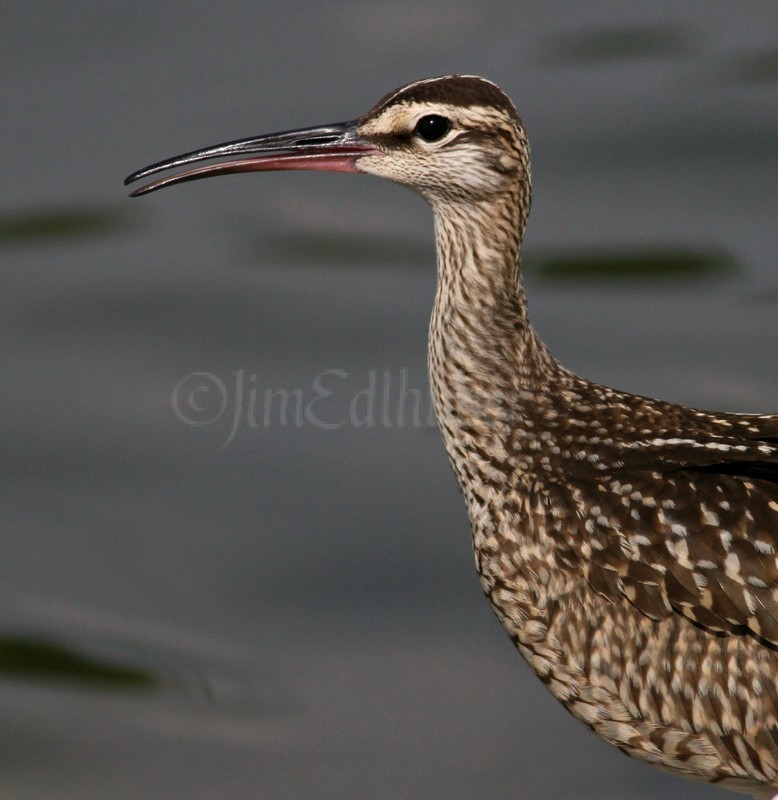
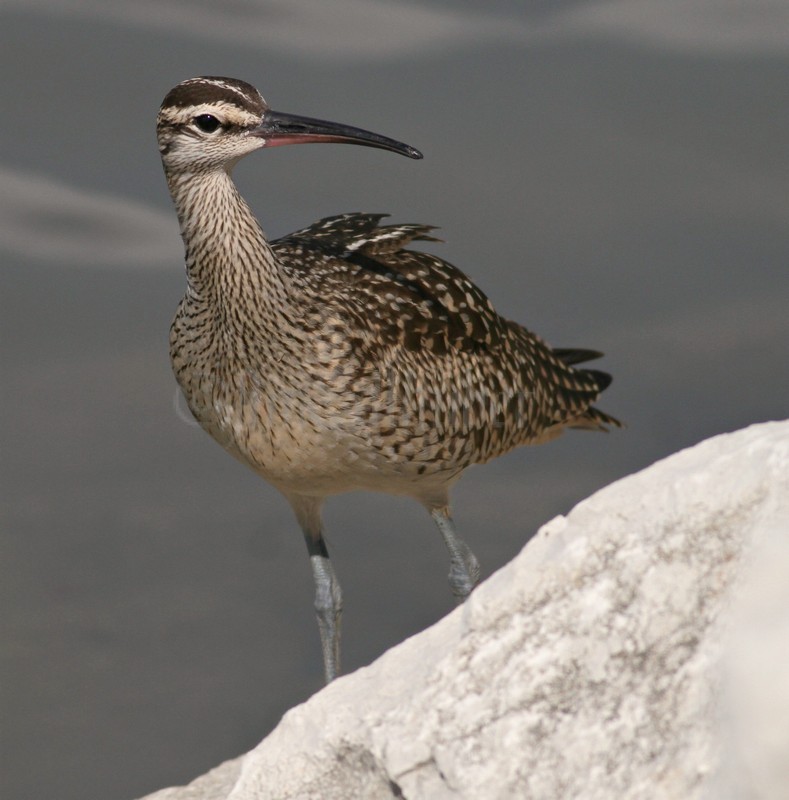
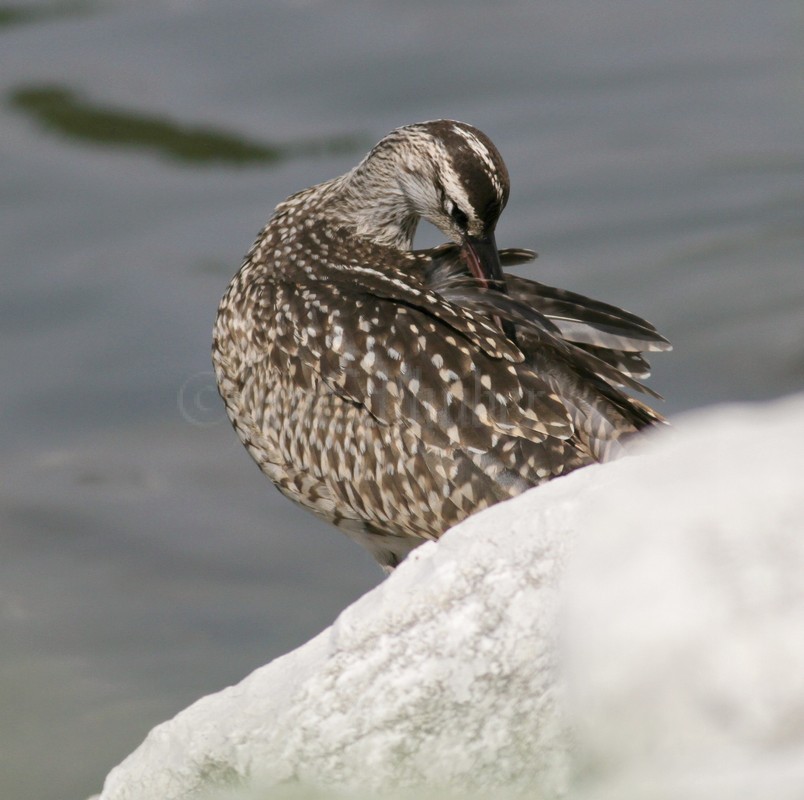
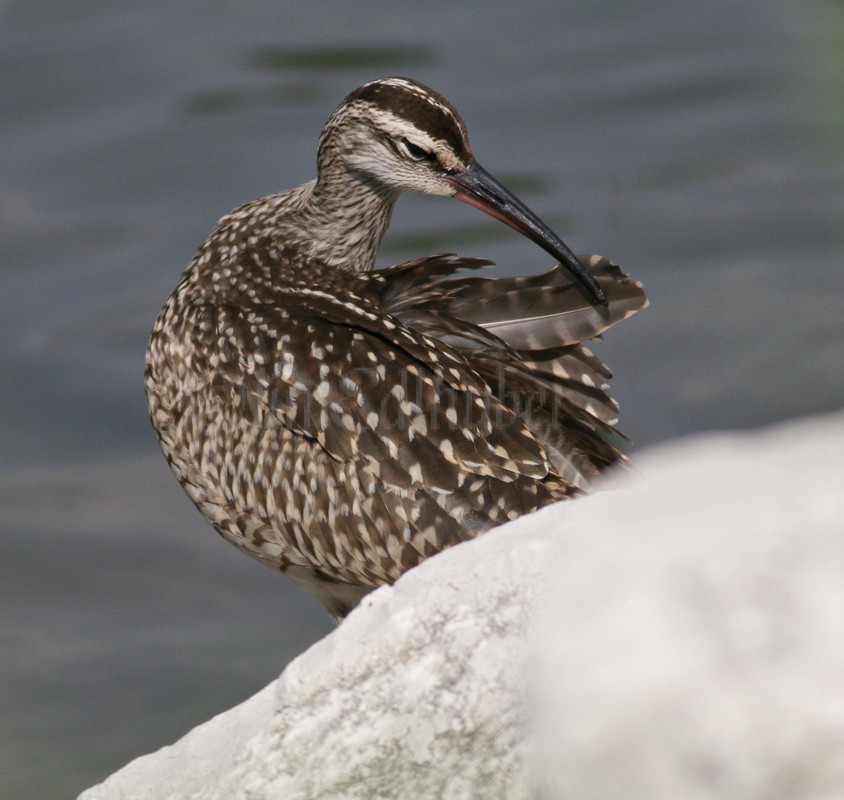
Red Knot

Binomial name: Calidris canutus

Category: Sandpipers, Phalaropes, and Allies

Size: 10.5” long, 23” wing span

Weight: 4.7 Oz.

Habitat: Breeding habitat in tundra areas that are drier and hillsides with sparse vegetation. Outside of breeding habitat they are found near coastal inlets, large tidal mudflats, rocky shores and beaches, bays and estuaries.

Diet: Breeding season it eats sedge seeds and shoots from horsetail and grasses. In snow free areas it will include some invertebrates in their diet. They eat marine worms, grasshoppers, horseshoe crab eggs and other invertebrates in their winter range.

Nesting: Their nest is a depression on the ground lined with lichens, grasses and leaves. It is cup shaped and constructed by the male. 3 to 5 of these are male prior to the arrival of the female, she lays 3-4 eggs and they are incubated around 22 days by both parents. Chicks are hatched in downy cryptic feathers. With a day or so the chicks leave the nest and area and they begin foraging with both adults.

Cool facts: One of the most colorful peeps and the largest in North America. There was a time when the Red Knot was the most numerous shorebird in North America. It migration can be one of the longest being up to 10,000 miles one way. The young chicks make their first long journey on their own.

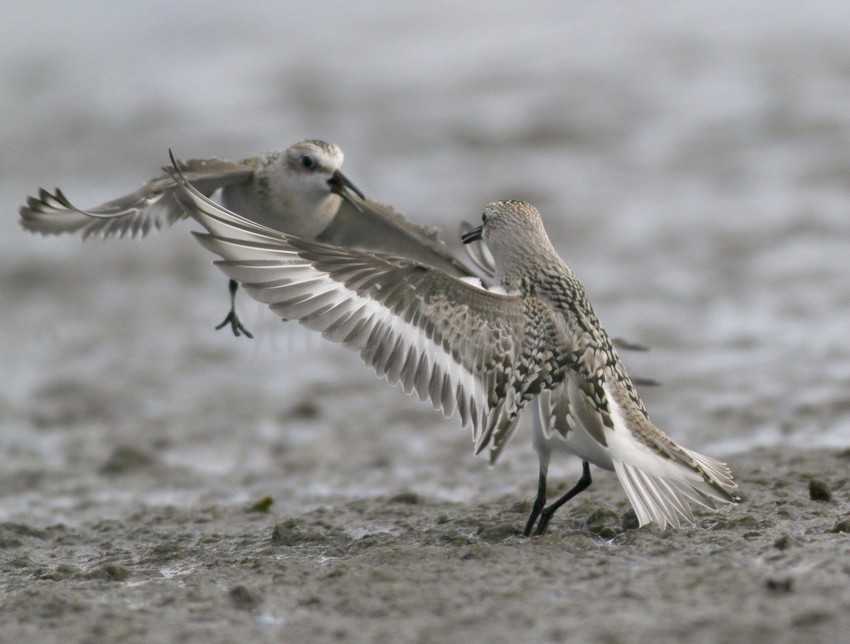
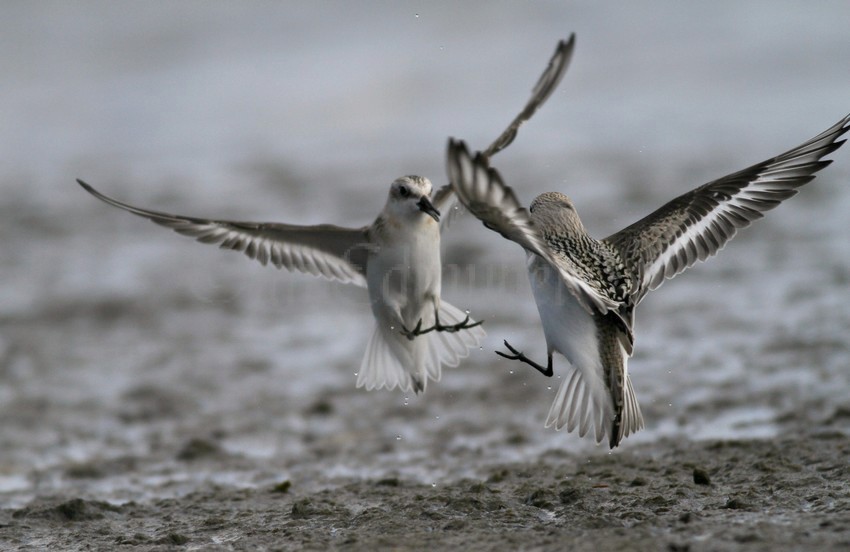
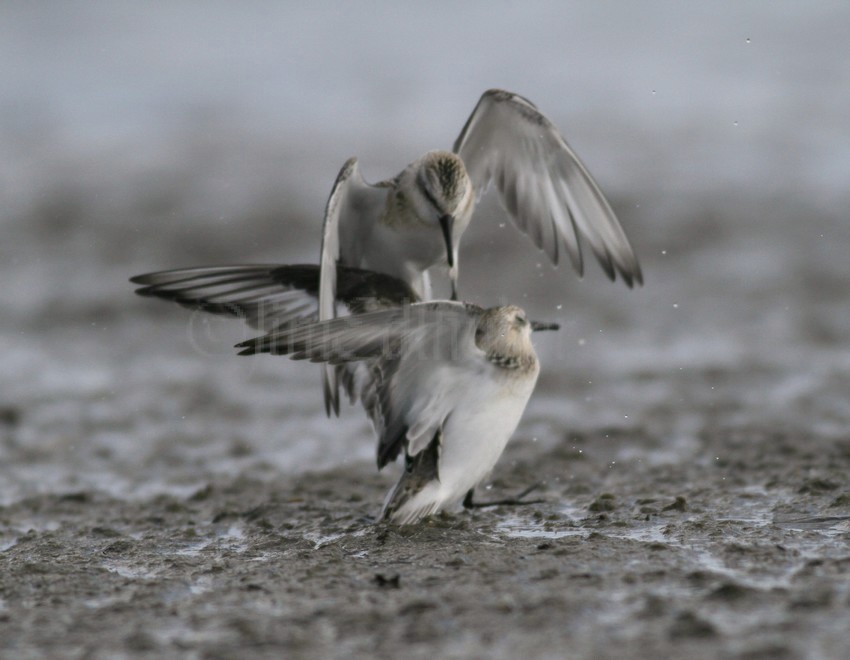
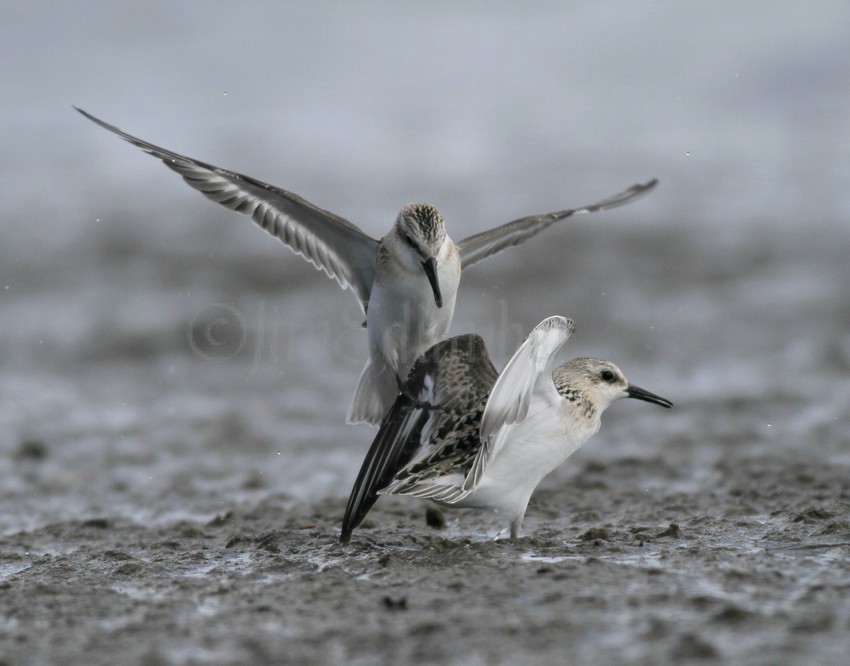
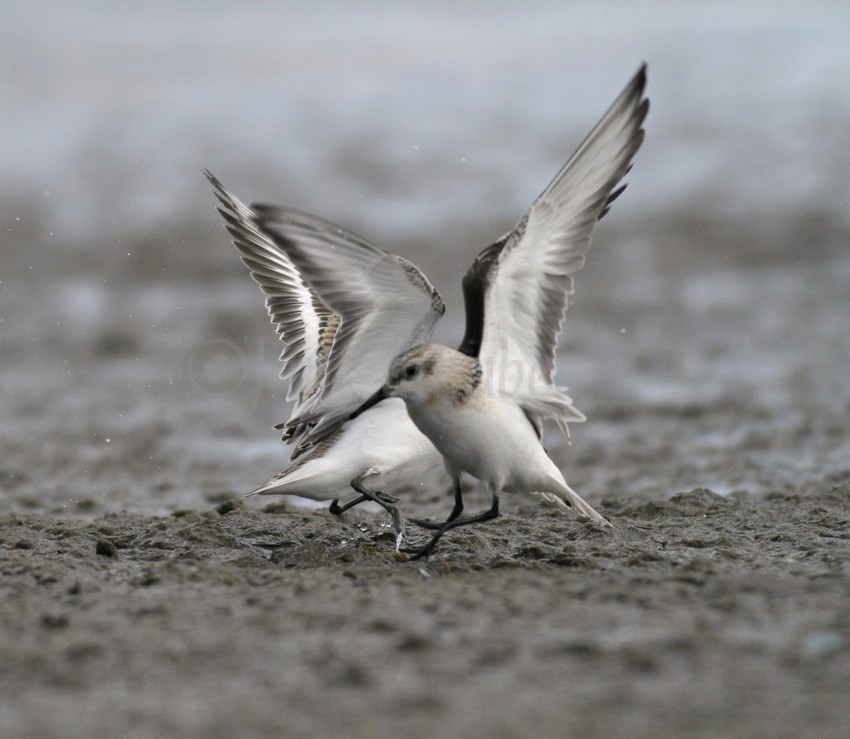
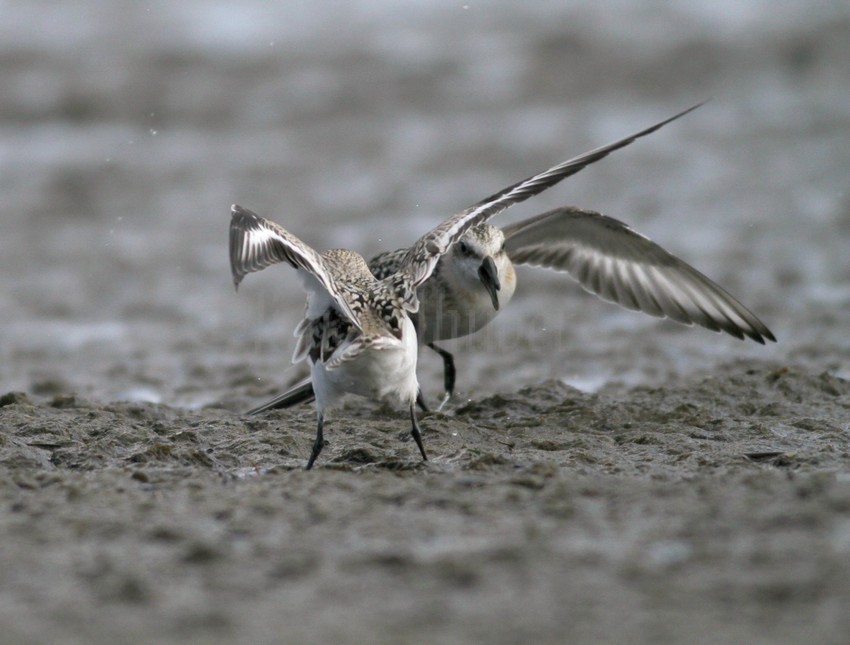
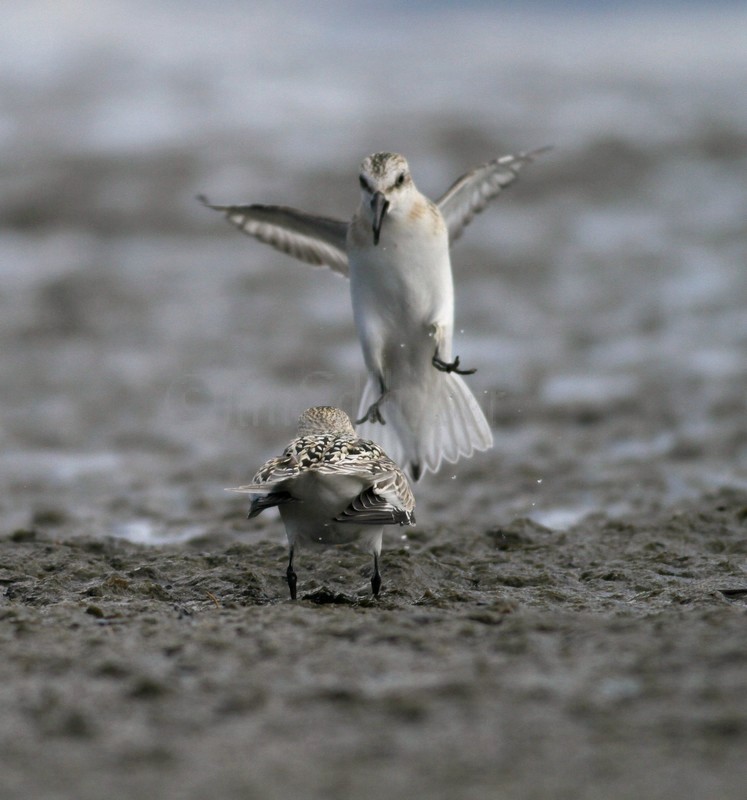
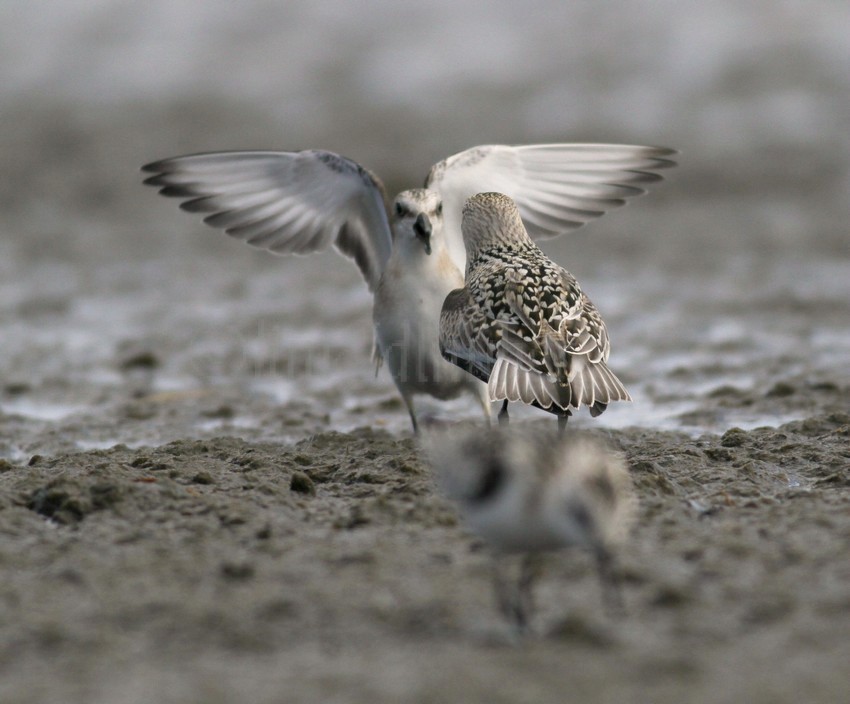
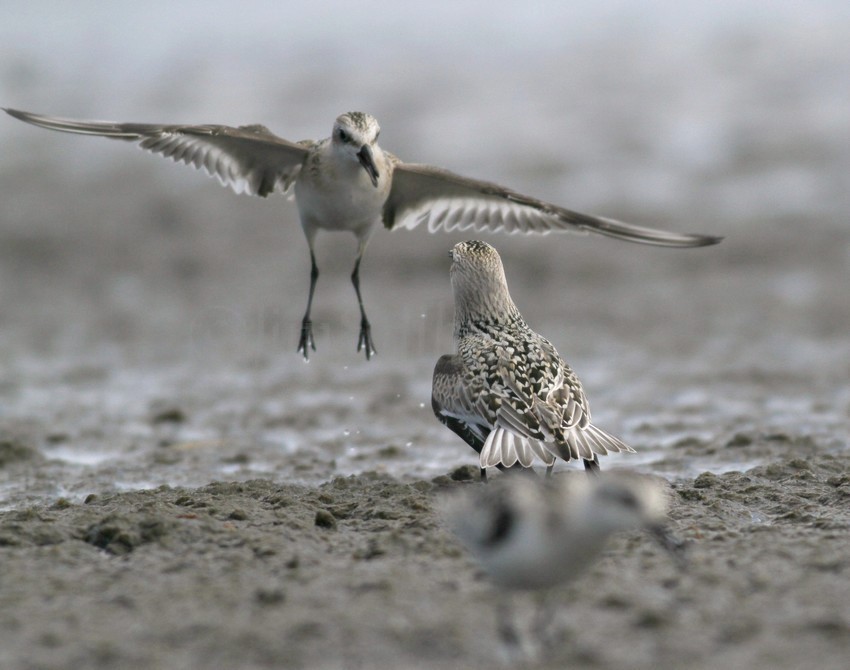
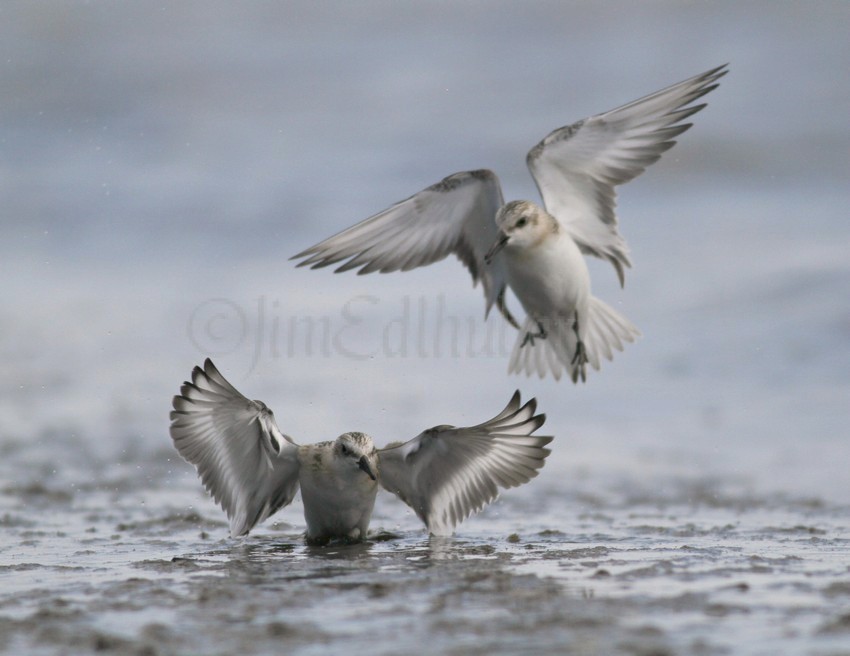
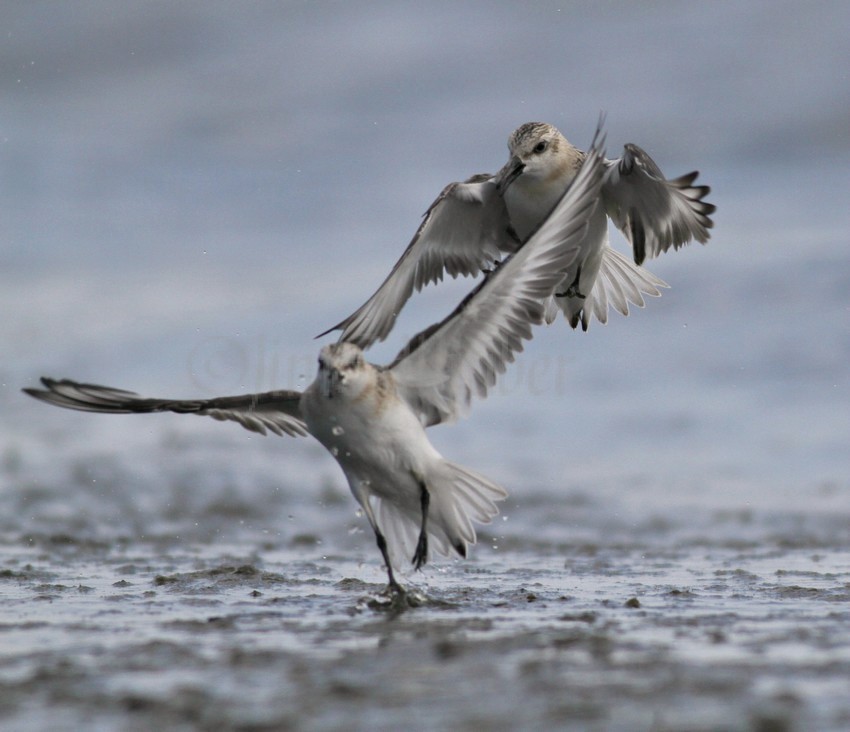
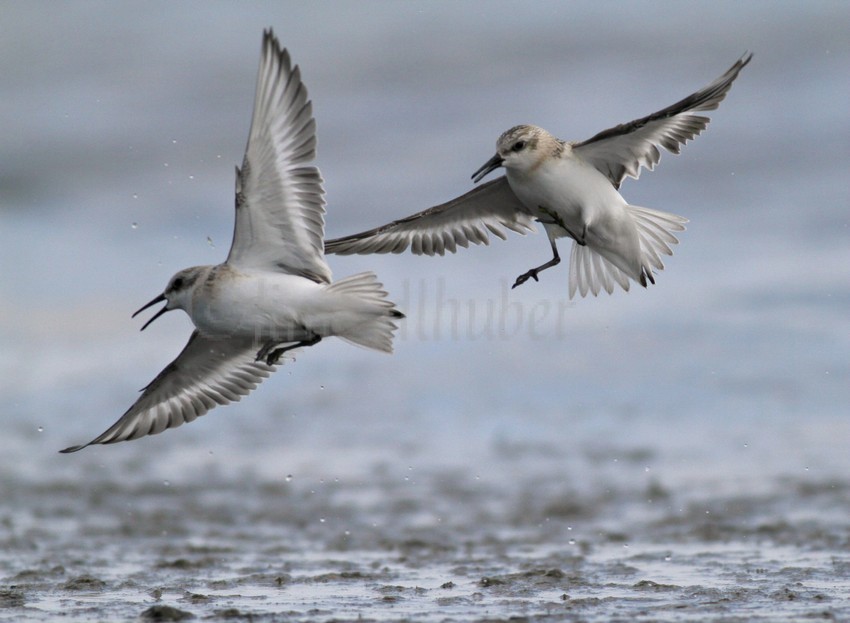
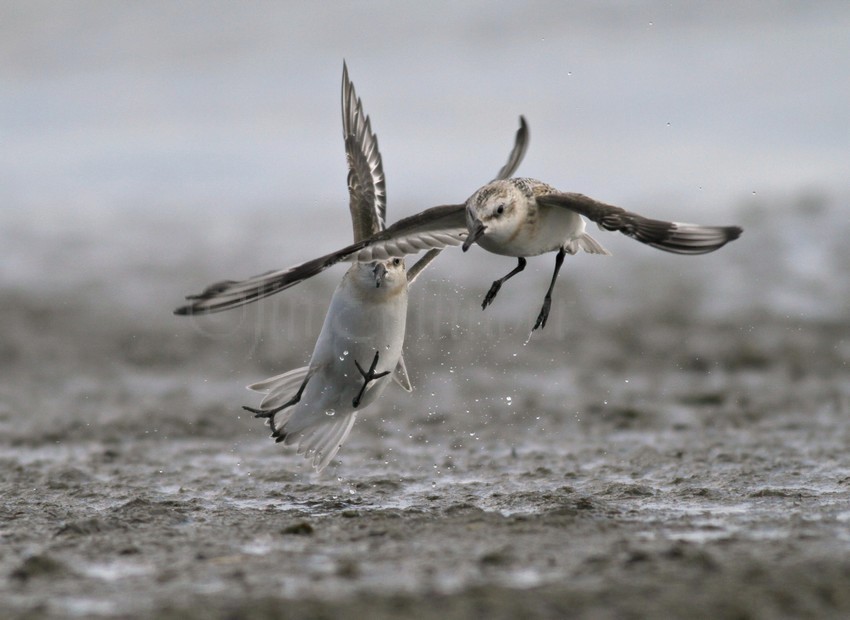
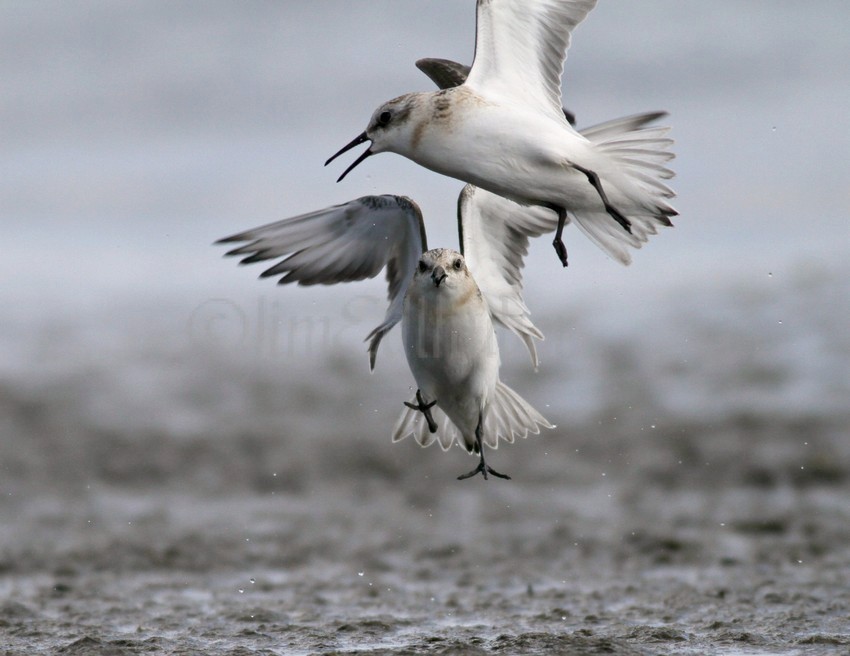
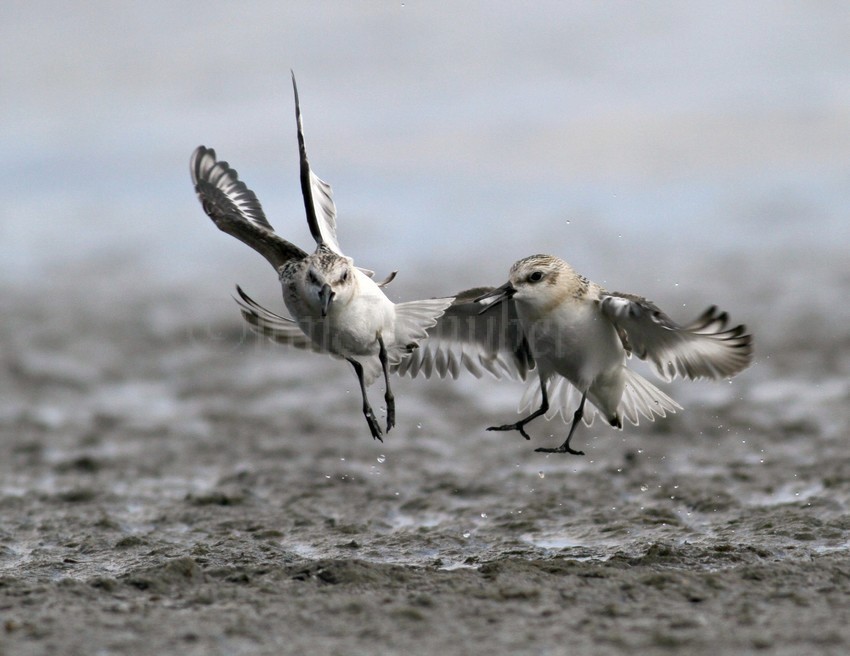
Red Knot with a Pectoral Sandpiper

Red Knot with a Semipalmated Sandpiper

_rIMG_4517_cr

Red Knot with a Pectoral Sandpiper

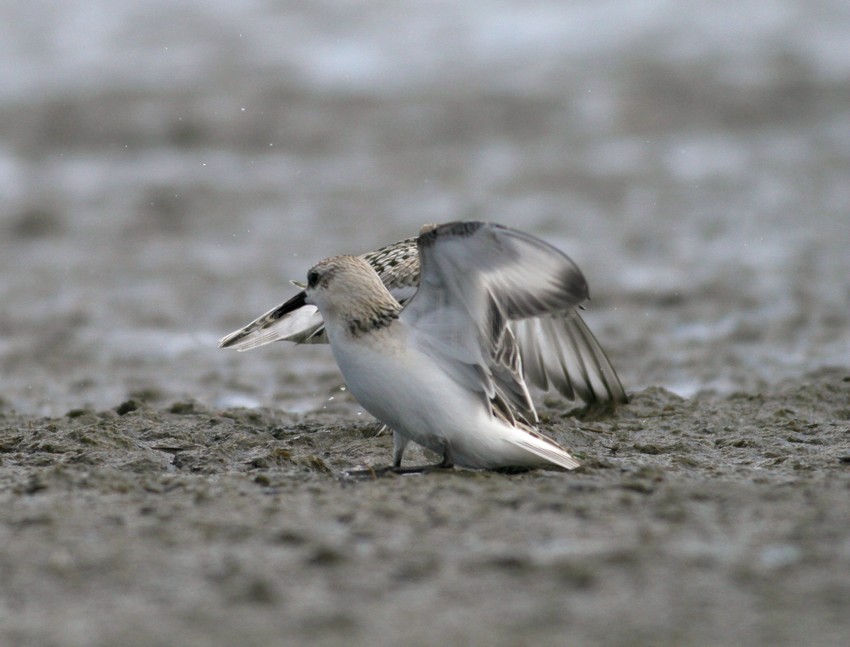
Red Knot

Red Knot

Red Knot

Red Knot

Red Knot with a Lesser Yellowlegs

Red Knot with a Lesser Yellowlegs

Red Knot with a Pectoral Sandpiper

Red Knot with a Least Sandpiper

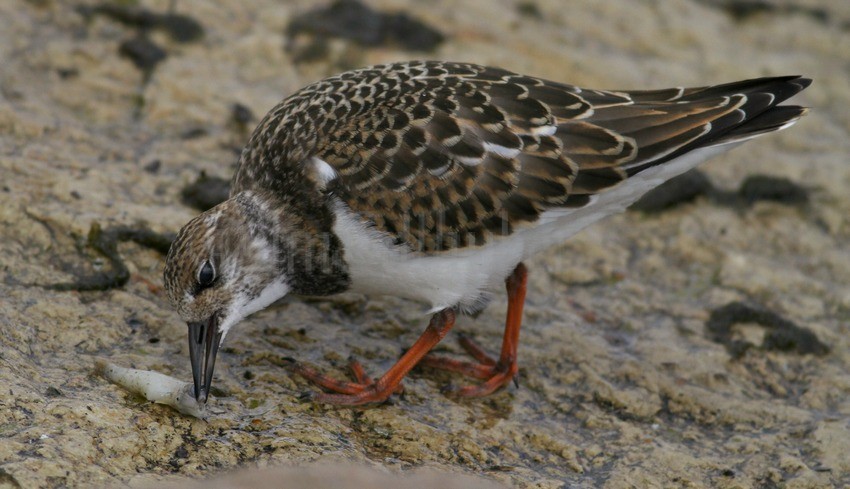
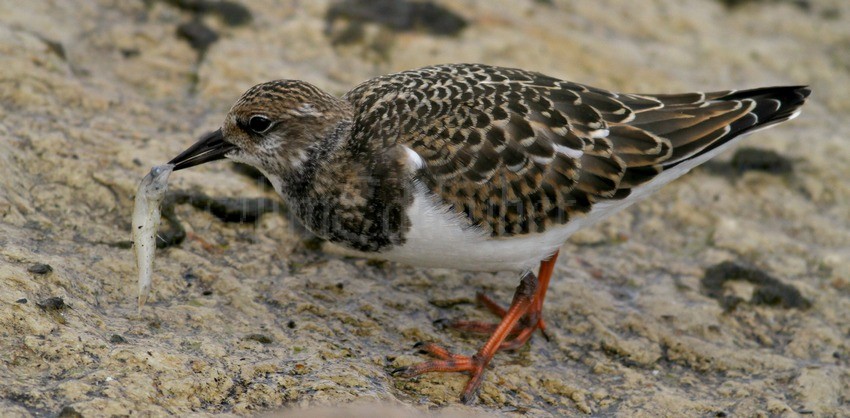
Red Knot feeding

Red Knot feeding

Red Knot feeding

Red Knot feeding

Red Knot feeding

Red Knot feeding

Red Knot

Red Knot

Red Knot

Red Knot

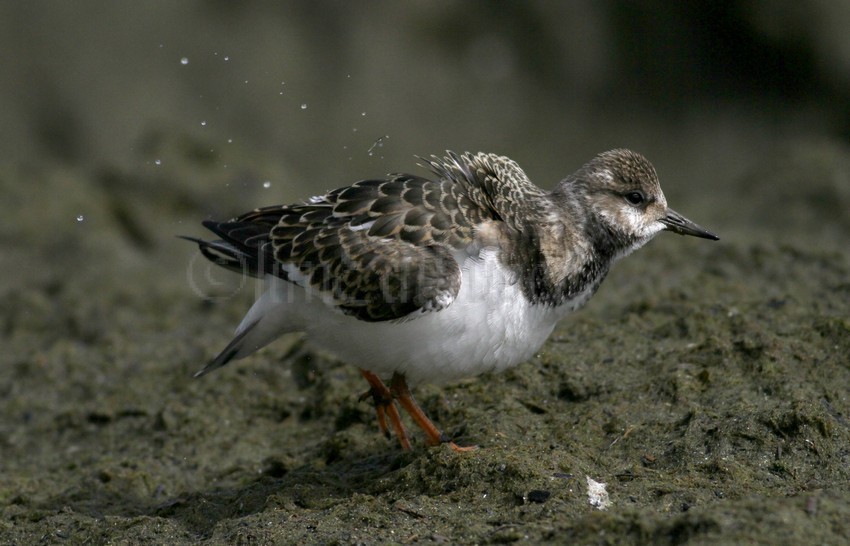
Fluffed up Red Knot

Fluffed up Red Knot

Red Knot feeding

Red Knot feeding

Red Knot Hustisford Wisconsin August 15, 2014

After seeing a post this evening of a rare visitor to Wisconsin a Red Knot in Hustisford I made the trip up there just before dark, about 7:00 PM. The bird was present as reported below the wires over the river below the dam. A new life bird for me. Thanks to Tom W. for finding this bird along with the presence of Dave S. Images were taken in Dodge County Wisconsin on August 15, 2014.

__rIMG_2452_cr

Red Knot

Binomial name: Calidris canutus

Category: Sandpipers, Phalaropes, and Allies

Size: 10.5” long, 23” wing span

Weight: 4.7 Oz.

Habitat: Breeding habitat in tundra areas that are drier and hillsides with sparse vegetation. Outside of breeding habitat they are found near coastal inlets, large tidal mudflats, rocky shores and beaches, bays and estuaries.

Diet: Breeding season it eats sedge seeds and shoots from horsetail and grasses. In snow free areas it will include some invertebrates in their diet. They eat marine worms, grasshoppers, horseshoe crab eggs and other invertebrates in their winter range.

Nesting: Their nest is a depression on the ground lined with lichens, grasses and leaves. It is cup shaped and constructed by the male. 3 to 5 of these are male prior to the arrival of the female, she lays 3-4 eggs and they are incubated around 22 days by both parents. Chicks are hatched in downy cryptic feathers. With a day or so the chicks leave the nest and area and they begin foraging with both adults.

Cool facts: One of the most colorful peeps and the largest in North America. There was a time when the Red Knot was the most numerous shorebird in North America. It migration can be one of the longest being up to 10,000 miles one way. The young chicks make their first long journey on their own.

__rIMG_2286_cr

__rIMG_2411_cr

__rIMG_2548_cr

__rIMG_2403_cr

__rIMG_2529_cr

__rIMG_2713_cr

__rIMG_2753_cr

Shorebirds at Bradford Beach Milwaukee Wisconsin August 15, 2014

I made an early morning run to Bradford Beach on Milwaukee’s Lakefront with hopes in seeing some shorebirds. There is a nice algae bed forming on the south end. Just some of the more common shorebirds were feeding there. Species present were Semipalmated Plovers, Lesser Yellowlegs, Least Sandpipers, Semipalmated Sandpipers and Killdeer. Images were taken on August 15, 2014.

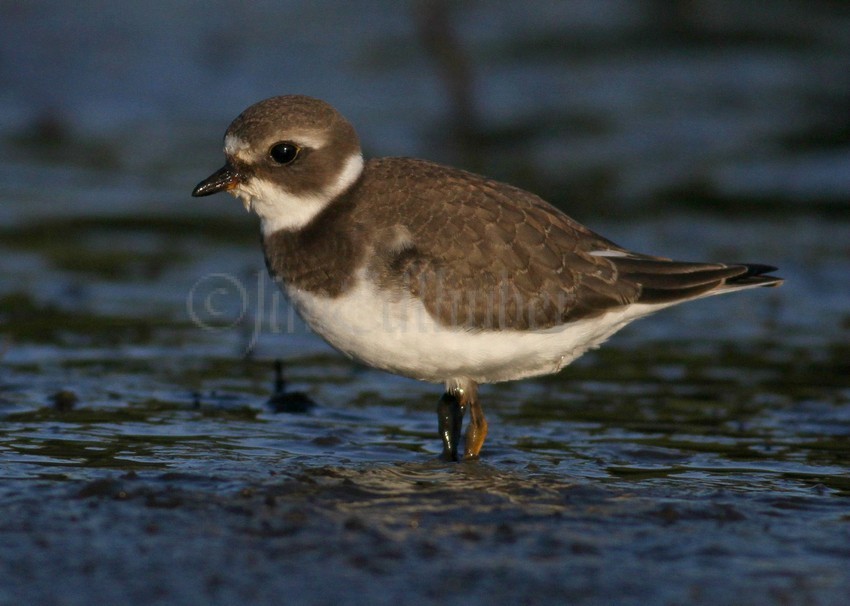
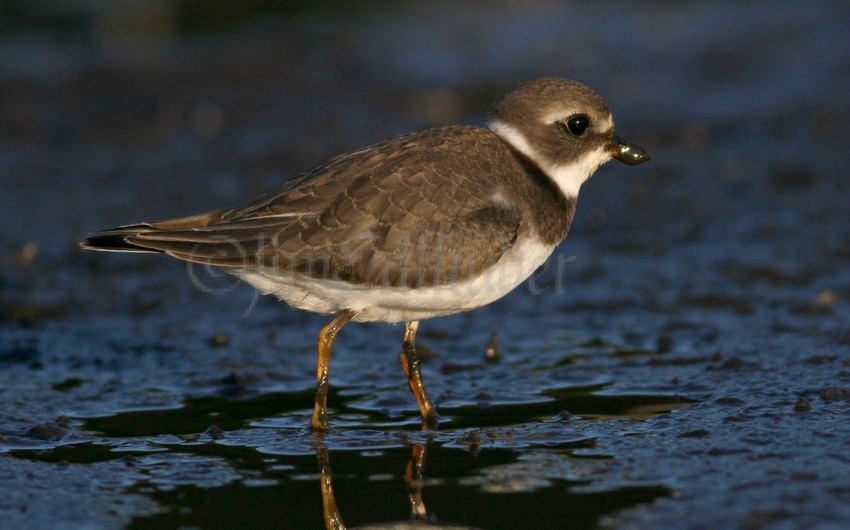
Semipalmated Plover, Juv.

Semipalmated Plover, Juv.

Semipalmated Plover, Juv.

Semipalmated Plover, Juv.

Semipalmated Plover, Juv.

Semipalmated Plover, Juv.

Least Sandpiper

Least Sandpiper

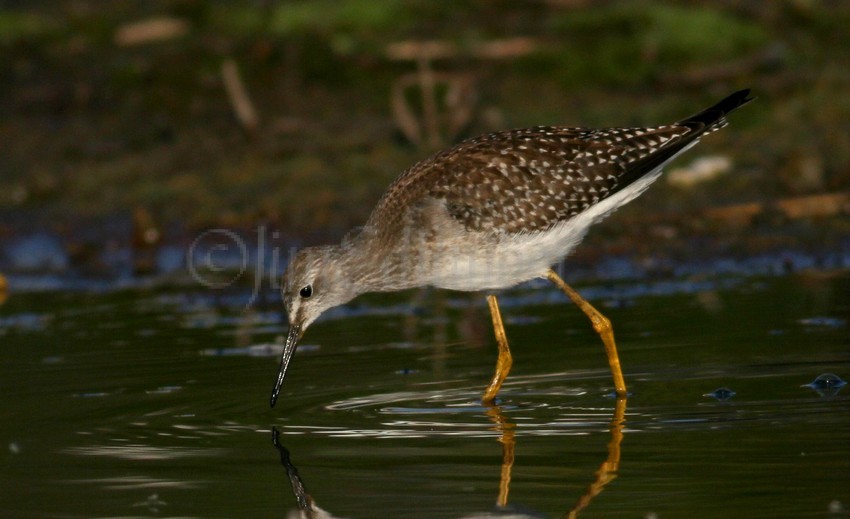
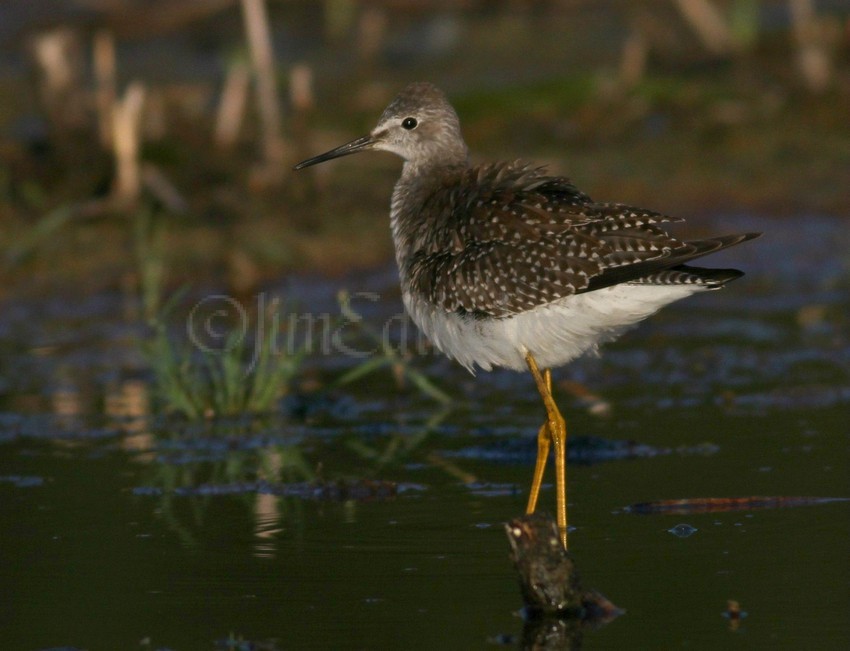
Lesser Yellowlegs

Lesser Yellowlegs

Lesser Yellowlegs

Lesser Yellowlegs

Sandpiper

Semipalmated Sandpiper

Sandpiper

Semipalmated Sandpiper scratching

Sandpiper

Semipalmated Sandpiper scratching

Sandpiper

Semipalmated Sandpiper

Sandpiper

Least Sandpiper feeding

Sandpiper

Least Sandpiper

Sandpiper

Semipalmated Sandpiper

Sandpiper

Semipalmated Sandpiper

Sandpiper

Semipalmated Sandpiper

Sandpiper

Semipalmated Sandpiper with corophium volutator, what they eat.

Sandpiper

Semipalmated Sandpiper

Sandpiper

Least Sandpiper feeding

Sandpiper

Semipalmated Sandpiper

Sandpiper

Semipalmated Sandpiper

Sandpiper

Semipalmated Sandpiper

Semipalmated Sandpiper, Juv.

Semipalmated Sandpiper, Juv.

House Wrens gathering food for the young August 12, 2014

I noticed House Wrens flying back and forth through the yard a couple of days ago and thought I would see what was going on. They were nesting in an older Bluebird house in the yard. Both adults were bringing food to the young in the house. It appeared that a large portion of the food brought in were Daddy Longlegs and amazingly the legs were all moving on them going to or into the house. Earwigs, caterpillars and other insects which are also known to be foods for the House Wrens were also gathered. Unfortunately I was not there at the time when the young left the nest, it would have been exciting to see that!

House Wren with a Grasshopper

House Wren with a Grasshopper on its way to the nest.

House Wren

Binomial name: Troglodytes aedon

Category: Wrens

Size: 4.75” long, 6” wing span

Weight: 0.39 Oz.

Habitat: Open forests, woodland edges, farms, city parks, backyards and residential areas. In winter months they are a more secretive bird spending time in thickets, brushy areas, hedgerows and underbrush. Breeding area is most of the US except the south and southern parts of Canada too.

Diet: Typically they prefer insects, daddy longlegs, earwigs, caterpillars and some flying insects as well. They are known to also eat snail shells to help with digestion.

Nesting: House Wrens will use tree cavities, nest boxes, and sometimes odd places such as mailboxes or fence posts for nesting sites. They are known to use old nest cavities form other birds and despite their size chase out other nesting birds for a nest site. They bring small twigs into a nest hole or cavity. The nest cup is lightly lined with grasses, string, hair, plant material and feathers. The female incubates 3-10 eggs for 12-19 days, sometimes 2 broods. The male brings food to the female, they both feed the young. Partners split up after raising the young and find new partners the next year.

Cool fact: Twigs are used for either foundation for the nest cup or used to pile in front of the nest hole opening for predators, cowbirds or weather protection.

House Wren

House Wren

House Wren with a live Daddy Longlegs

House Wren with a live Daddy Longlegs on its way to the nest. Interesting how when they have the Daddy Longlegs in their bills and alive that their heads  are turning and moving as the Daddy Longlegs are fighting to get away!

House Wren with a live Daddy Longlegs

House Wren with a live Daddy Longlegs on its way to the nest.

House Wren with a live Daddy Longlegs

House Wren with a live Daddy Longlegs on its way to the nest.

House Wren with an insect

House Wren with an insect on its way to the nest.

House Wren with a live catapiller

House Wren with a live caterpillar on its way to the nest.

House Wren on its way to the nest

House Wren on its way to the nest with a moth.

House Wren with a live Daddy Longlegs

House Wren with a live Daddy Longlegs.

House Wren passing food on

House Wren passing on a live Daddy Longlegs.

House Wren

House Wren

House Wren at the house

House Wren at the nest.

House Wren exiting the house after feeding

House Wren exiting the house after feeding young.

House Wren

House Wren

House Wren with a caterpillar

House Wren with a caterpillar on its way to the nest.

House Wren

House Wren

House Wren

House Wren

House Wren with a Earwig

House Wren with a Earwig on its way to the nest.

House Wren with a live Daddy Longlegs

House Wren with a live Daddy Longlegs on its way to the nest. Interesting how when they have the Daddy Longlegs in their bills and alive that their heads are turning and moving as the Daddy Longlegs are fighting to get away!

House Wren with a live Daddy Longlegs

House Wren with a live Daddy Longlegs on its way to the nest.

House Wren with a live Daddy Longlegs

House Wren with a live Daddy Longlegs on its way to the nest.

Blue Grosbeak at the Spring Green Preserve August 9, 2014

I made the run up to the Spring Green Preserve-west SNA in Sauk County Wisconsin with hopes to see the beautiful Blue Grosbeak and get a life bird too. This uncommon bird for the state has been reported on and off all summer long at this location. I was not let down as it only took a few minutes to locate this bird by its distinct call. I viewed it multiple times on top of the tall white pines running east. I also viewed the bird from a distance on the short oaks northeast of the Pearl Road dead end. A few other birds to note were Eastern Towhee’s, Indigo Buntings, 1st summer male and female Baltimore Orioles which I thought they were Chats with the early morning sun hitting them had gold color like I never saw before. Images were taken on August 9, 2014.

Blue Grosbeak, male

Blue Grosbeak, male

Blue Grosbeak

Binomial name: Passerina caerulea

Category: Cardinals, Piranga Tanagers and Allies

Size: 6.75” long, 11” wing span

Weight: 0.98 Oz.

Habitat: Open forests and shrub habitats of south North America. These areas can be corridors, hedgerows, old fields, logged areas, power line right-of-ways, some savanna areas, forest edges, pine forests in the south. Blue Grosbeaks typically migrate south into Mexico and Central America and as far south as central Panama. Normal range for this bird is south of Wisconsin.

Diet: Insects, sometimes seeds from grains.

Nesting: Females typically build the nest, the males help on occasion. The nest is cup shaped 2-3” across built with materials such as twigs, bark material, cotton, leaves, rags, snake skin, plant material and newspapers. Nests are usually located in open areas, along roads and woodland edges. 3-5 eggs are laid with incubation of 12-13 days.

Blue Grosbeak, male

Blue Grosbeak, male

Eastern Towhee, female

Eastern Towhee, female

Baltimore Oriole,  1st fall male

Baltimore Oriole, 1st fall male

Baltimore Oriole,  1st fall male

Baltimore Oriole, 1st fall male

Baltimore Oriole,  1st fall female

Baltimore Oriole, 1st fall female

Baltimore Oriole,  1st fall female

Baltimore Oriole, 1st fall female

Downy Woodpecker, male

Downy Woodpecker, male

Downy Woodpecker, male

Downy Woodpecker, male

Downy Woodpecker, male

Downy Woodpecker, male

Green Herons at Lakeshore State Park in Milwaukee Wisconsin August 6, 2014

A pair of juvenile Green Herons were present at Lakeshore State Park in Milwaukee Wisconsin this morning. They worked the shoreline there hunting for food, stretching and resting too. Some of the items they caught were small fish and the Common Blue Damselfly. Also present at the beach area there were 4 Juvenile Caspian Terns. Images were taken on August 6, 2014.

Juvenile Green Heron with a Common Blue Damselfly

Juvenile Green Heron with a Common Blue Damselfly.

Green Heron

Binomial name: Buborides virescens

Category: Bitterns, Herons, and Allies

Size: 18” long, 26” wing span

Weight: 7 Oz.

Habitat: Breed in areas of woods or areas with thick vegetation near ponds, marshes, rivers, streams, reservoirs and estuaries. They stay at coastal areas and mangrove swamps in the winter months.

Diet: Green Herons consume fish as their main diet, but also eat amphibians, insects, crustaceans, snails, reptiles and rodents. They catch their food standing still at pond, lake, swamp, creek, marsh, or river edges then darting out with their head snapping up its prey. They also spear their prey with their sharp bill. They usually hunt in waters of less than 4” deep. Deeper waters are usually visited by larger heron species with longer legs.

Nesting: Start of the construction of the nest is done by the male. After a pair is formed the female helps in the nest building. The nest is usually 8-12” across with a bowl of about 2” deep with no lining. The nest is usually located over water at ground level to 30’ or more above the water, but can also be located up to distances of a half mile away from water. They also are known to fix up old nests and during the breeding season they continue to add sticks to their nests as necessary.

Cool fact: Green Herons are known to use bait like insects to bait their prey.

Juvenile Green Heron with a Common Blue Damselfly

Juvenile Green Heron with a Common Blue Damselfly.

Juvenile Green Heron with a Common Blue Damselfly

Juvenile Green Heron with a Common Blue Damselfly.

Juvenile Green Heron with a Common Blue Damselfly

Juvenile Green Heron with a Common Blue Damselfly.

Juvenile Green Heron hunting

Juvenile Green Heron hunting.

Juvenile Green Heron with a fish.

Juvenile Green Heron with a fish.

Juvenile Green Heron with a fish.

Juvenile Green Heron with a fish.

Juvenile Green Heron with gull overhead!

Juvenile Green Heron with gull overhead!

Juvenile Green Heron patiently waiting  for food.

Juvenile Green Heron has it’s eye on something.

Juvenile Green Heron with the catch!

Juvenile Green Heron with the catch!

Juvenile Green Heron, the reflection.

Juvenile Green Heron, the reflection.

Juvenile Green Heron hunting.

Juvenile Green Heron hunting.

Juvenile Green Heron with a Common Blue Damselfly.

Juvenile Green Heron with a Common Blue Damselfly in sight.

Juvenile Green Heron with a Common Blue Damselfly, got it!

Juvenile Green Heron with a Common Blue Damselfly, got it!

Juvenile Green Heron just taking a break.

Juvenile Green Heron just taking a break.

Juvenile Green Heron just taking a break.

Juvenile Green Heron just taking a break.

Juvenile Green Heron, gull overhead!

Juvenile Green Heron just taking a break.

Juvenile Green Heron, getting back to hunting.

Juvenile Green Heron, getting back to hunting.

Juvenile Green Heron stretching.

Juvenile Green Heron stretching.

Juvenile Green Heron

Juvenile Green Heron

Juvenile Green Heron

Juvenile Green Heron

Juvenile Green Heron

Juvenile Green Heron

Juvenile Green Heron

Juvenile Green Heron

Juvenile Caspian Tern in front.

Juvenile Caspian Tern

Juvenile Caspian Tern coming in for a landing.

Juvenile Caspian Tern coming in for a landing.

Shorebirds North Beach, Racine Wisconsin, August 1, 2014

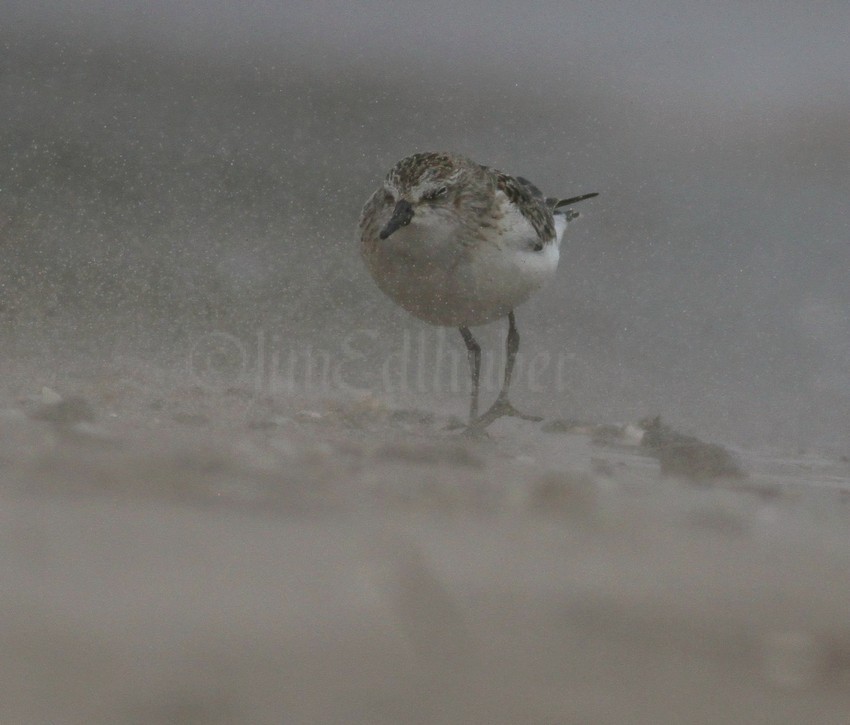
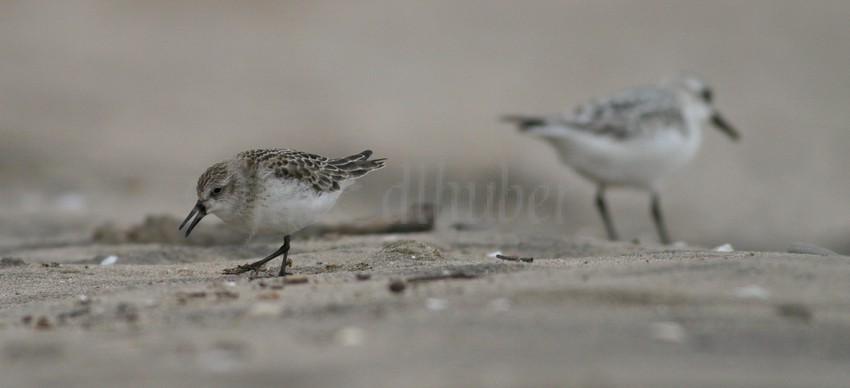
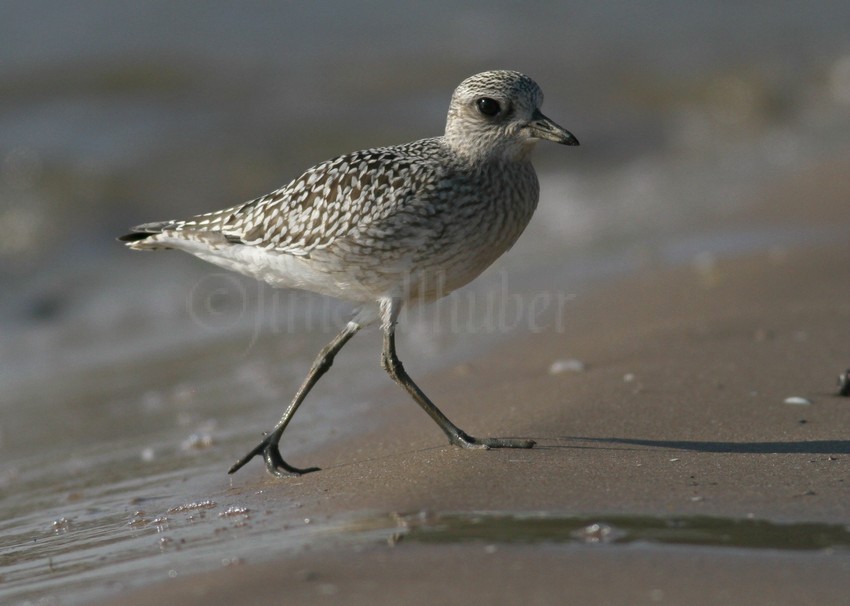
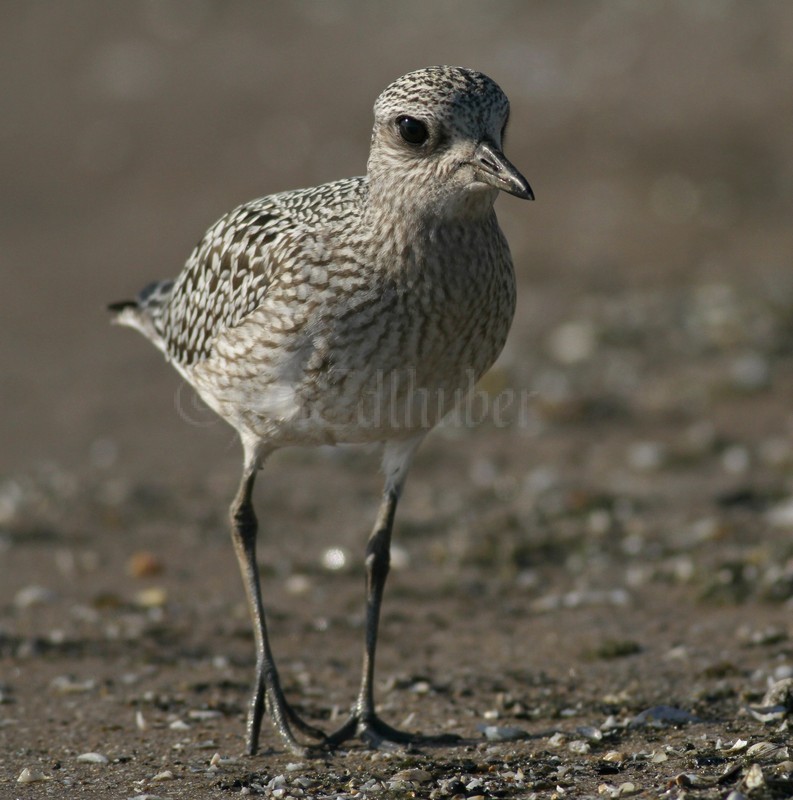
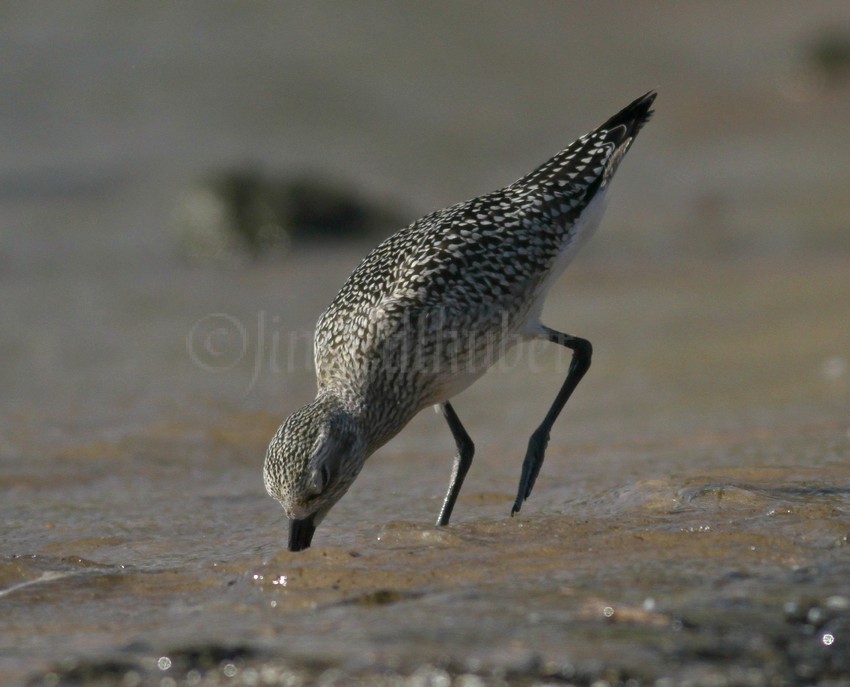
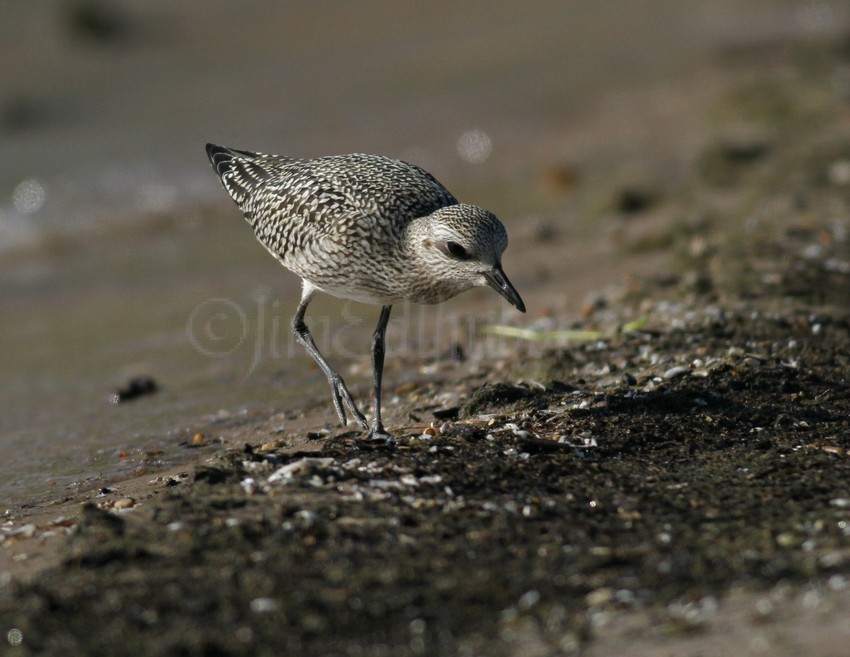
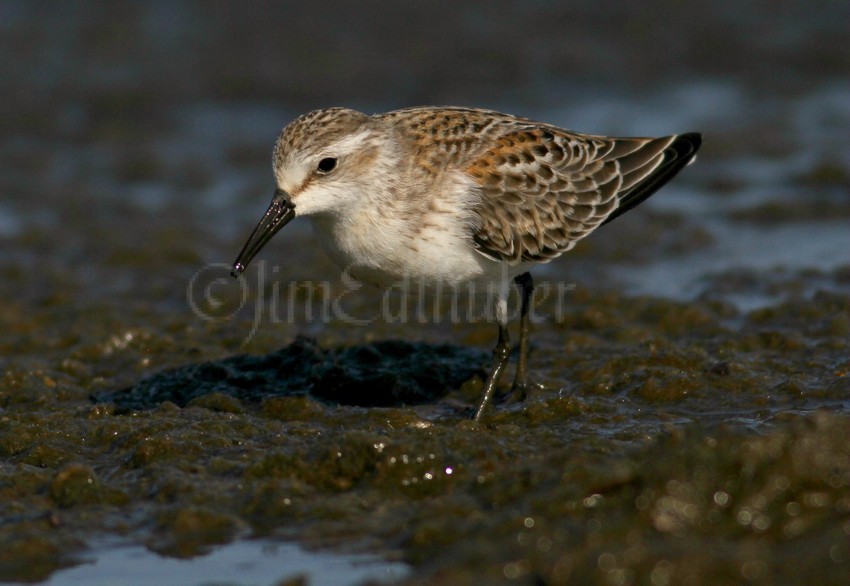
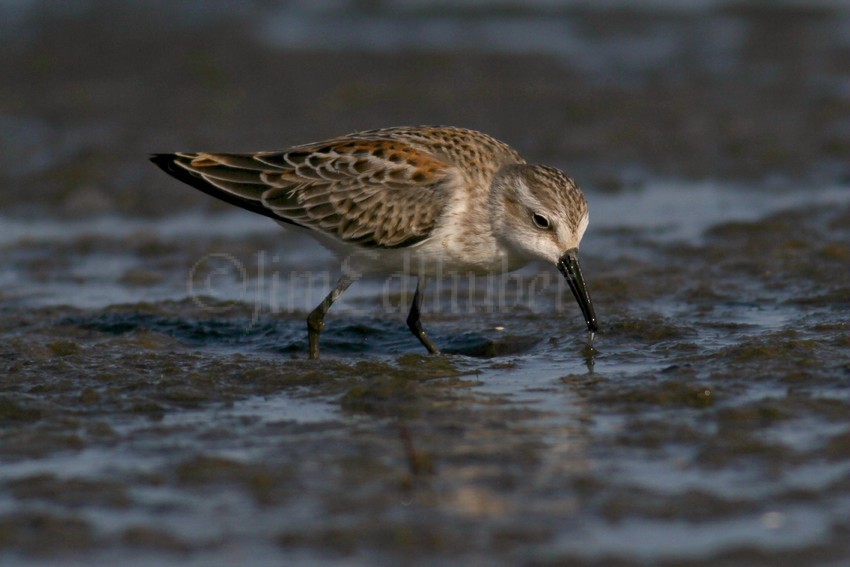
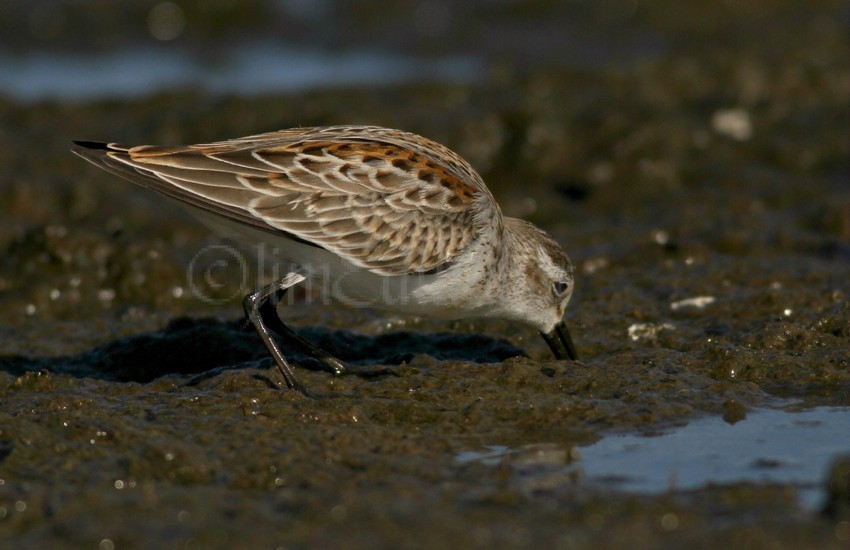
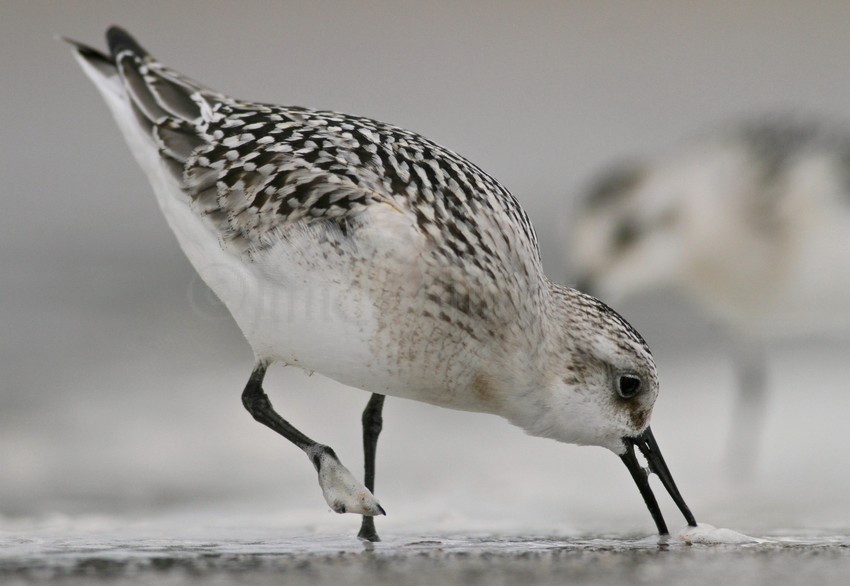
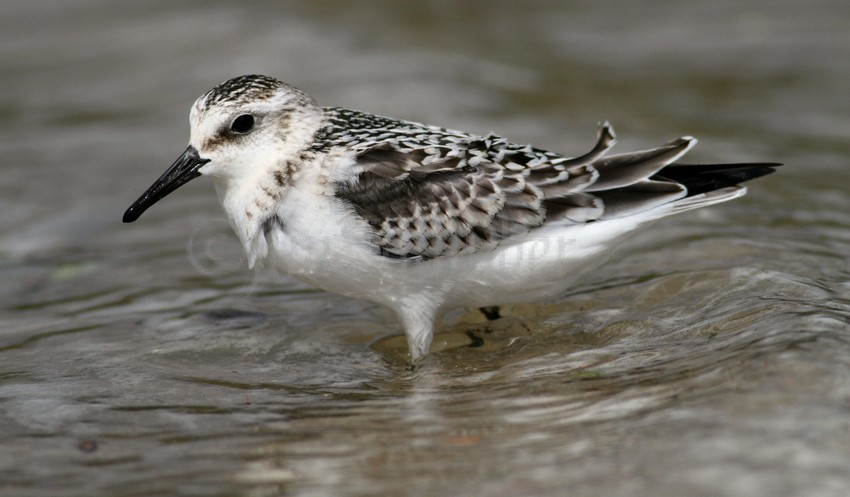
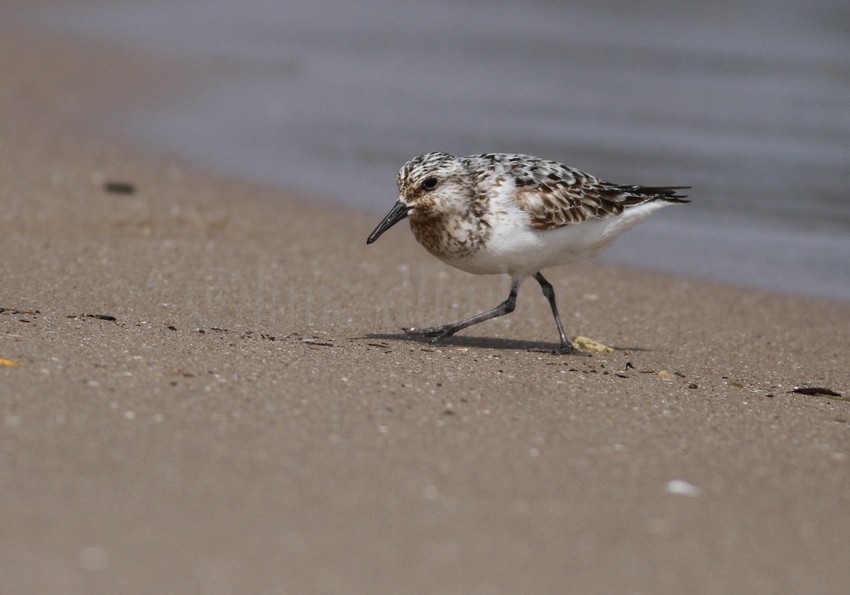
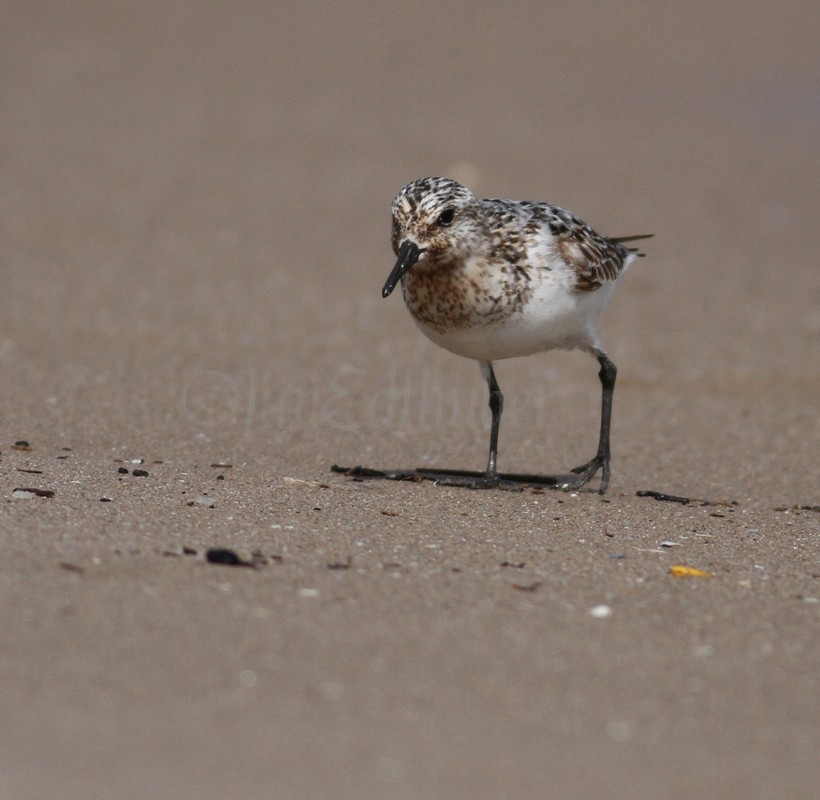
I had made the run to North Beach in Racine Wisconsin with hopes to see the reported Red Knot. I missed the bird by an hour! Some shorebirds that were present, Least Sandpipers and Semipalmated Sandpipers, also 1st year Caspian Terns which are always an eye catcher. If I have something labeled wrong,  please let me know, thanks! Images were taken on August 1, 2014.

_rIMG_0213_cr

Least Sandpiper at takeoff!

Least Sandpiper

Least Sandpiper

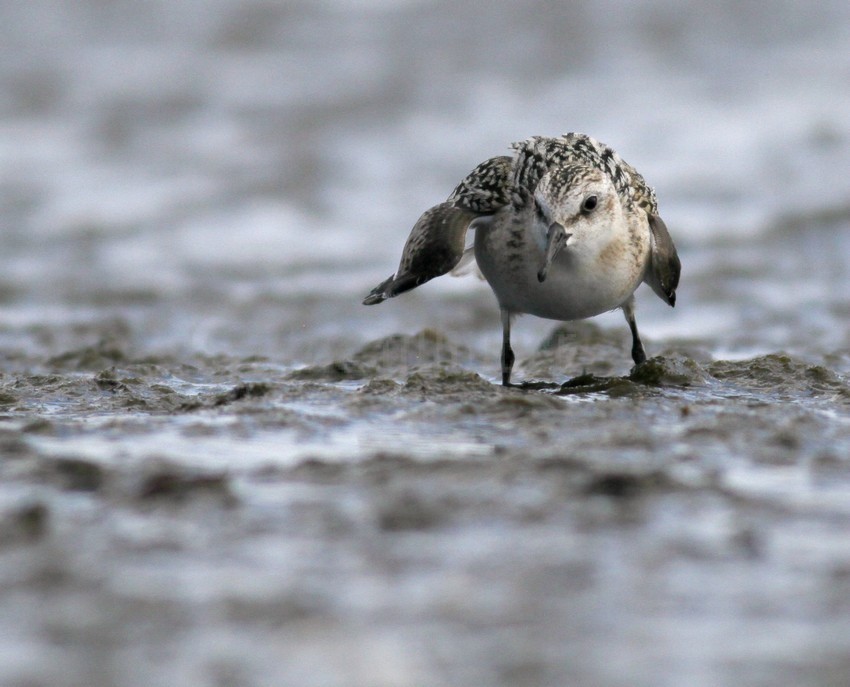
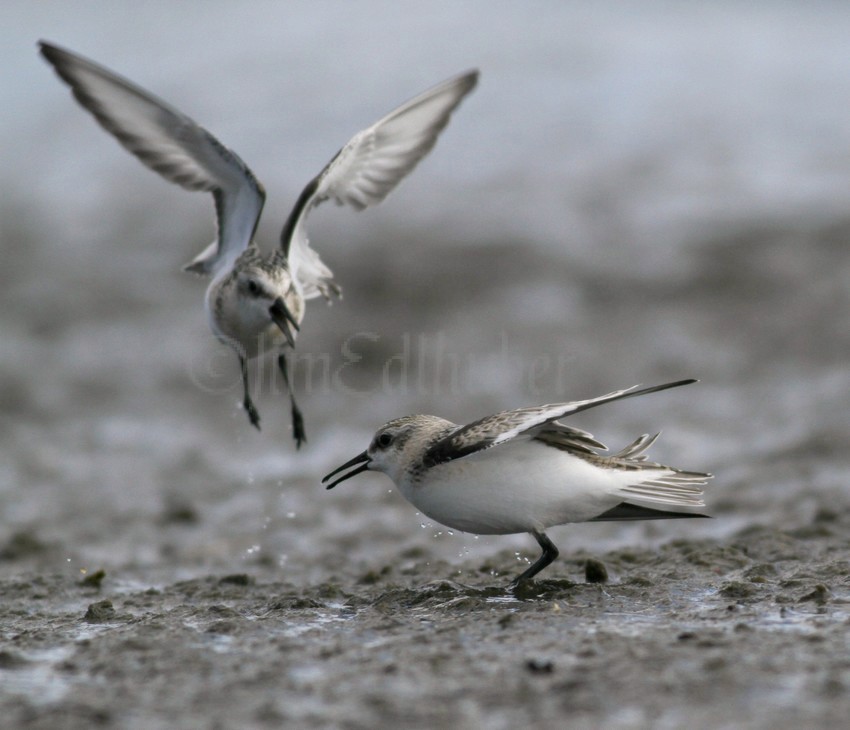
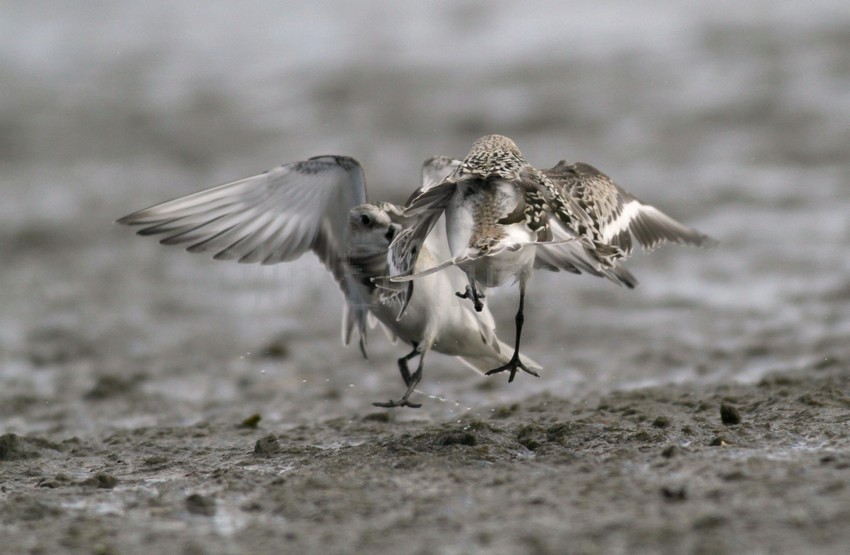
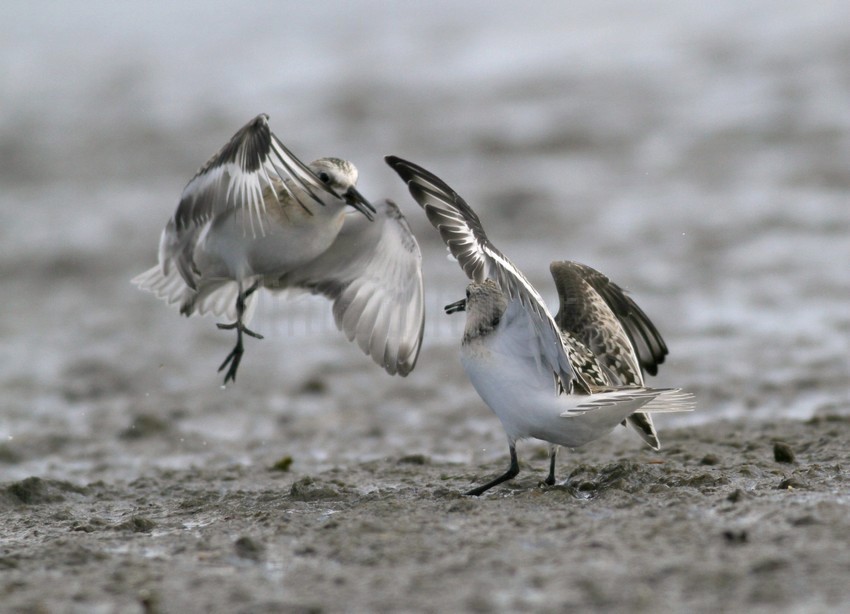
Sanderling

Semipalmated Sandpiper

Sanderling

Semipalmated Sandpiper

Least Sandpiper

Least Sandpiper

Least Sandpiper at takeoff!

Least Sandpiper at takeoff!

Least Sandpiper

Least Sandpiper

Least Sandpiper

Least Sandpiper

Least Sandpiper

Least Sandpiper

Sanderling

Semipalmated Sandpiper

Least Sandpiper

Least Sandpiper

Least Sandpiper scratching.

Least Sandpiper scratching.

Least Sandpiper

Least Sandpiper

Sanderling

Semipalmated Sandpiper

Caspian Tern, 1st year.

Caspian Tern, 1st year.

Caspian Tern, 1st year.

Caspian Tern, 1st year.

Caspian Terns, 1st year.

Caspian Terns, 1st year.

Least Sandpiper at takeoff!

Least Sandpiper at takeoff!

Least Sandpiper

Least Sandpiper

Least Sandpiper preening.

Least Sandpiper preening.

Semipalmated Sandpiper, August 2, 2014

Semipalmated Sandpiper, August 2, 2014

Semipalmated Sandpiper, August 2, 2014

Semipalmated Sandpiper, August 2, 2014

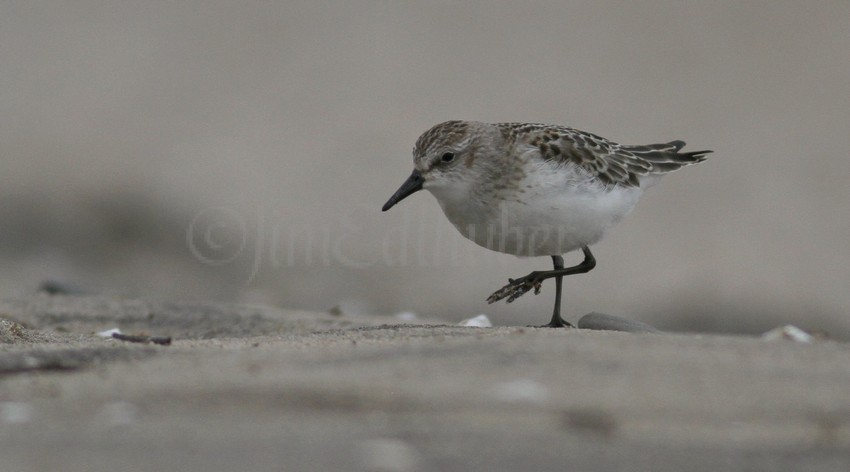
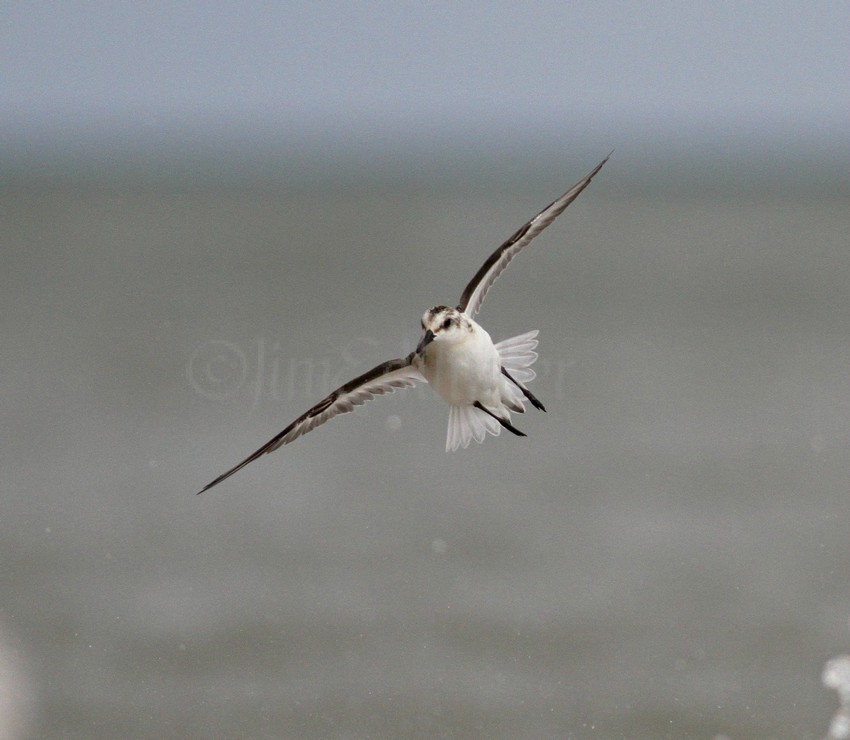
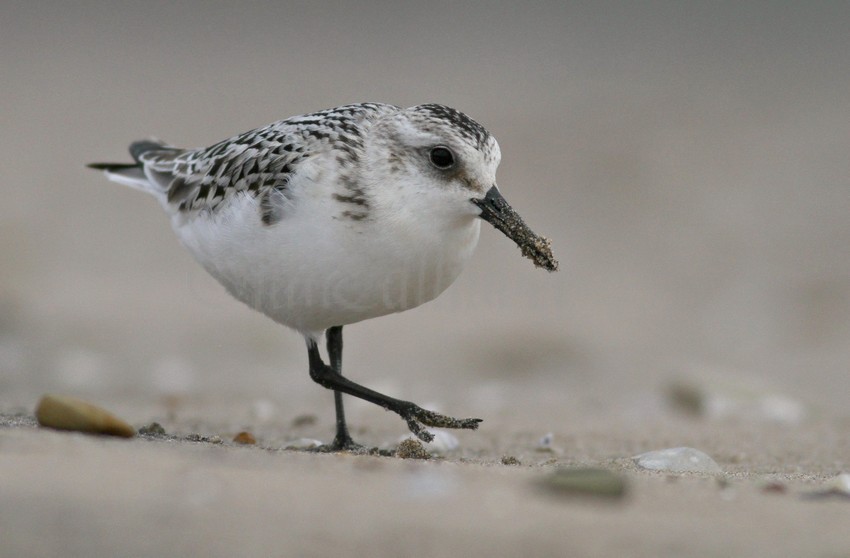
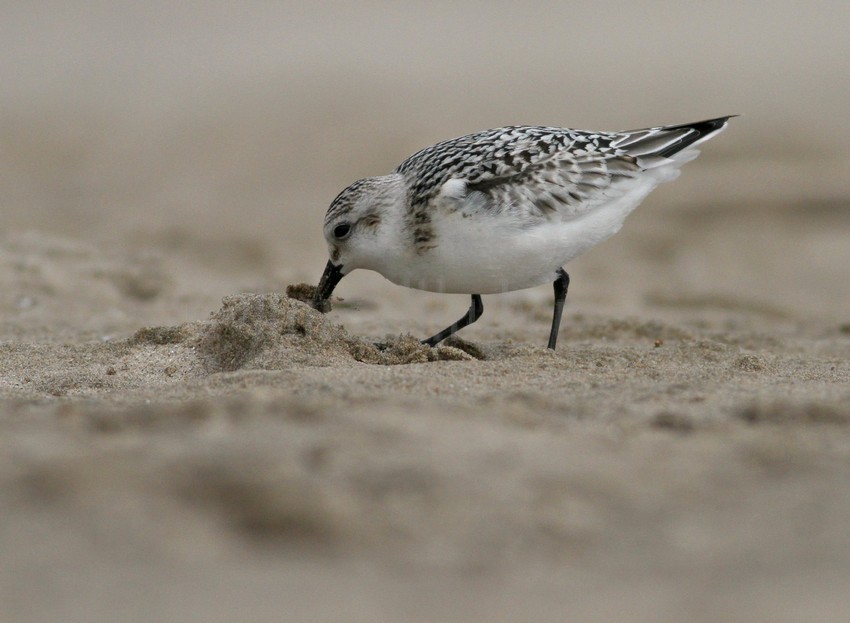
Image for comparison. Semipalmated Sandpiper left side, Least Sandpiper right side. August 2, 2014

Image for comparison. Semipalmated Sandpiper left side. Notes: Darker legs or black. Shorter bill than Least SP and it is straighter than Least SP……..Least Sandpiper right side. Notes: Greenish to yellowish legs, longer bill than Semipalmated SP and slightly drooped bill where Least is more straight. August 2, 2014

Semipalmated Sandpiper, August 2, 2014

Semipalmated Sandpiper, August 2, 2014

Semipalmated Sandpiper, August 2, 2014

Semipalmated Sandpiper, August 2, 2014

Semipalmated Sandpiper, August 2, 2014

Semipalmated Sandpiper, August 2, 2014

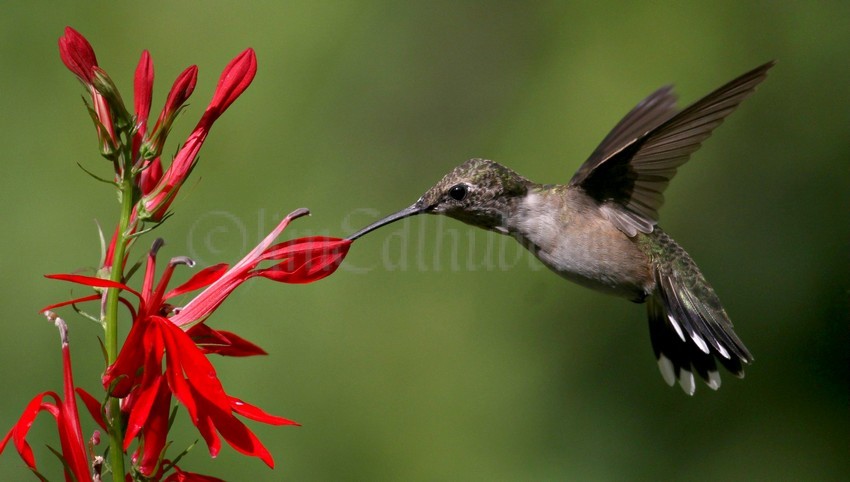
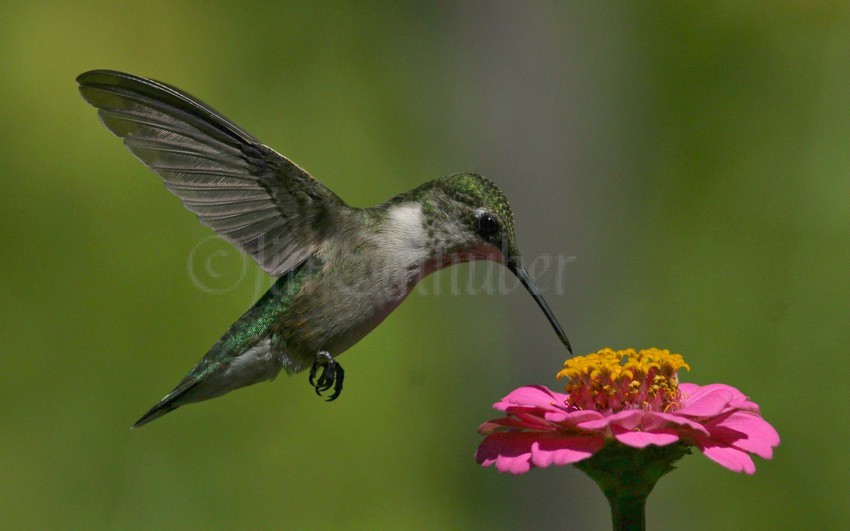
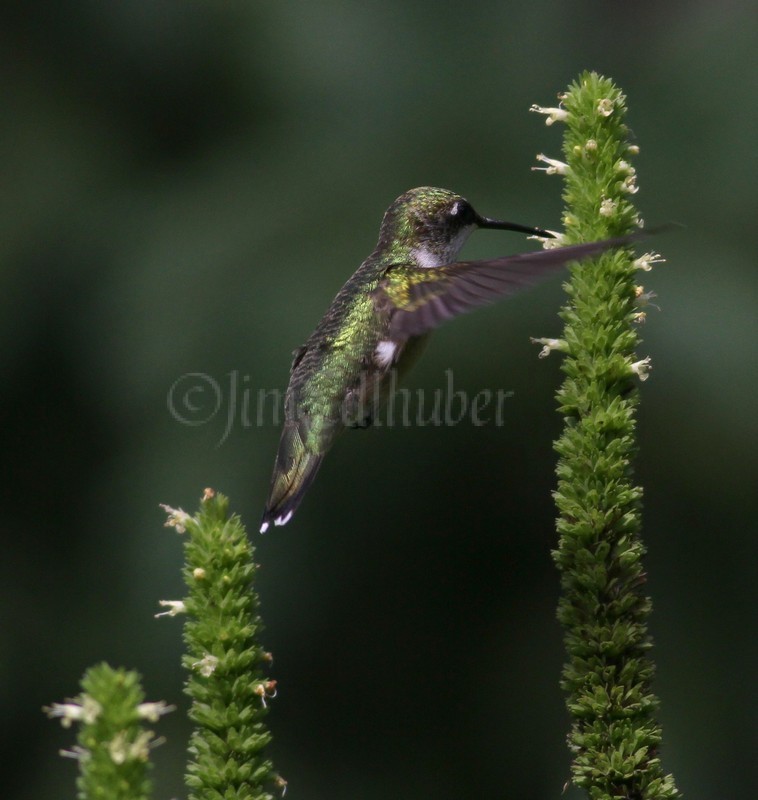
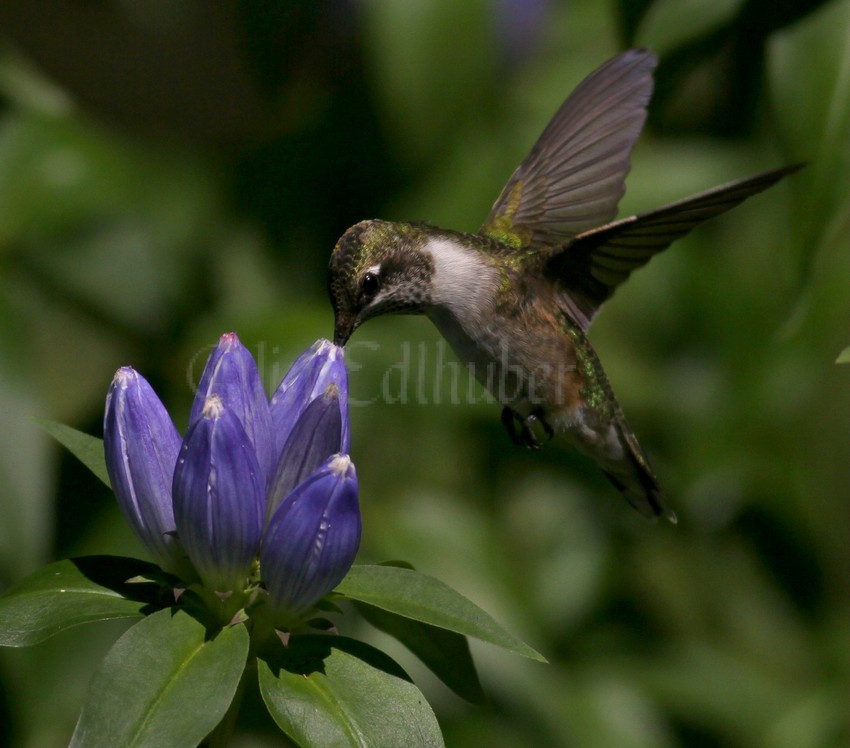
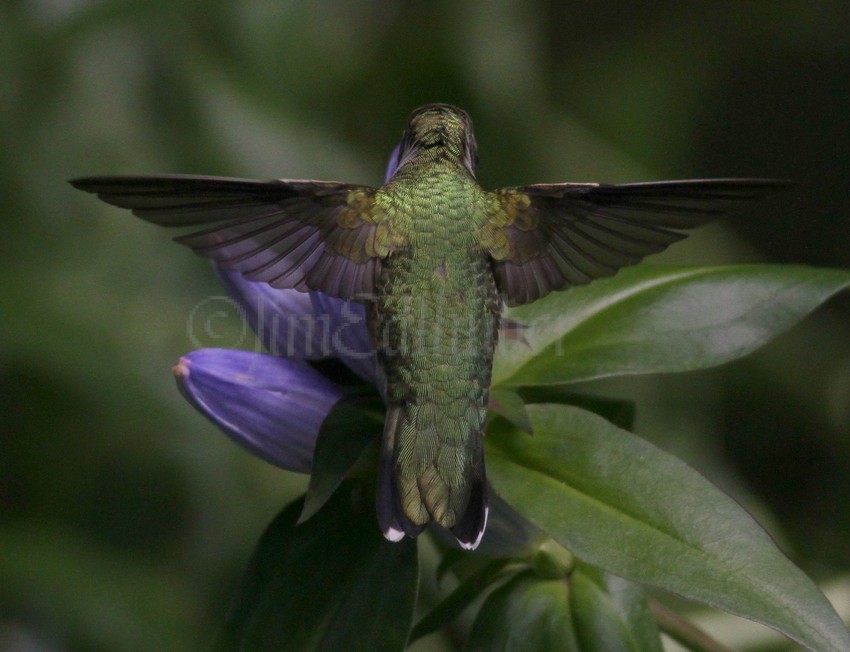
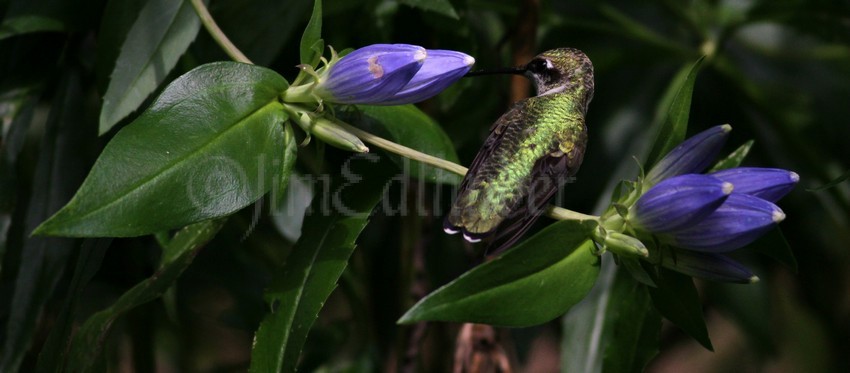
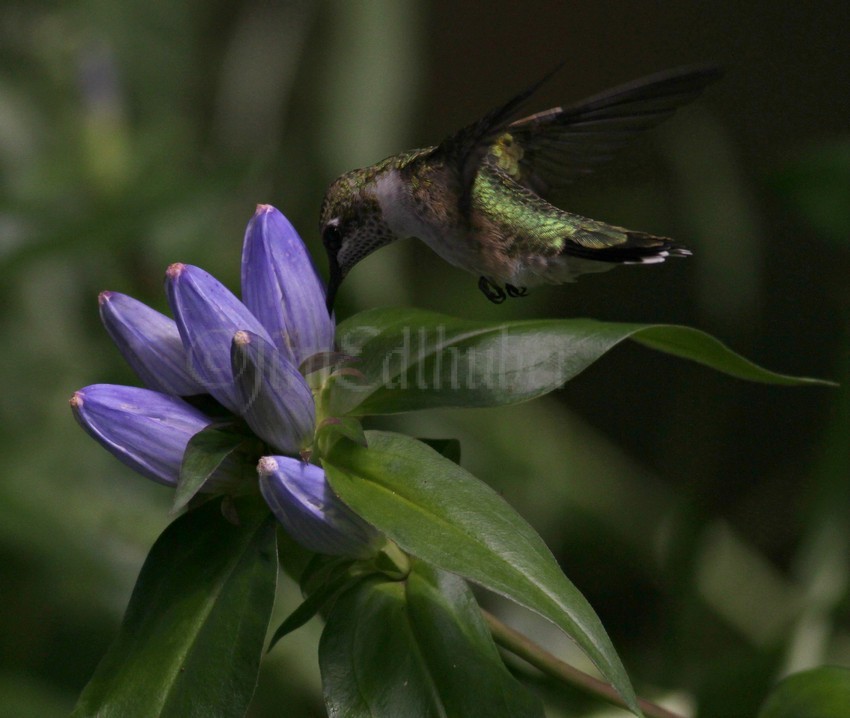
Ruby-throated Hummingbird on Smooth Phlox July 25, 2014

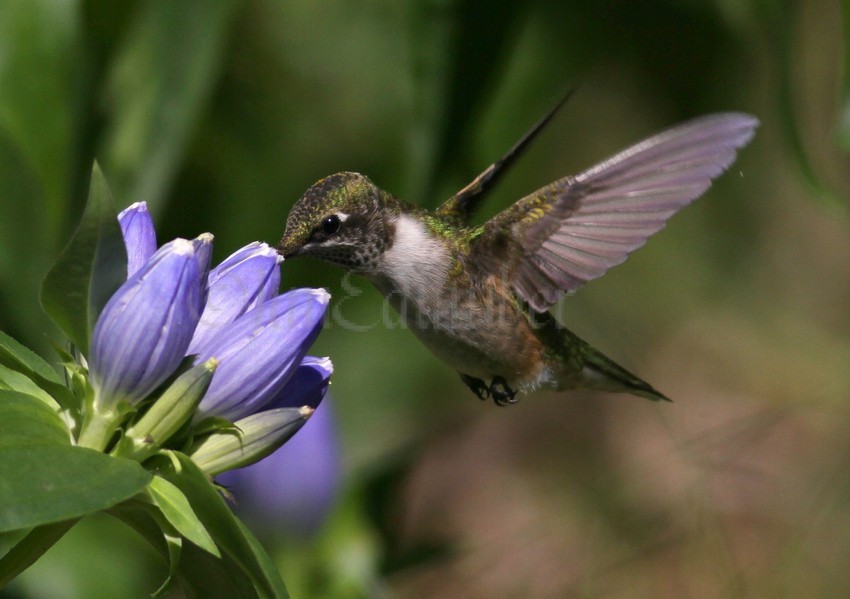
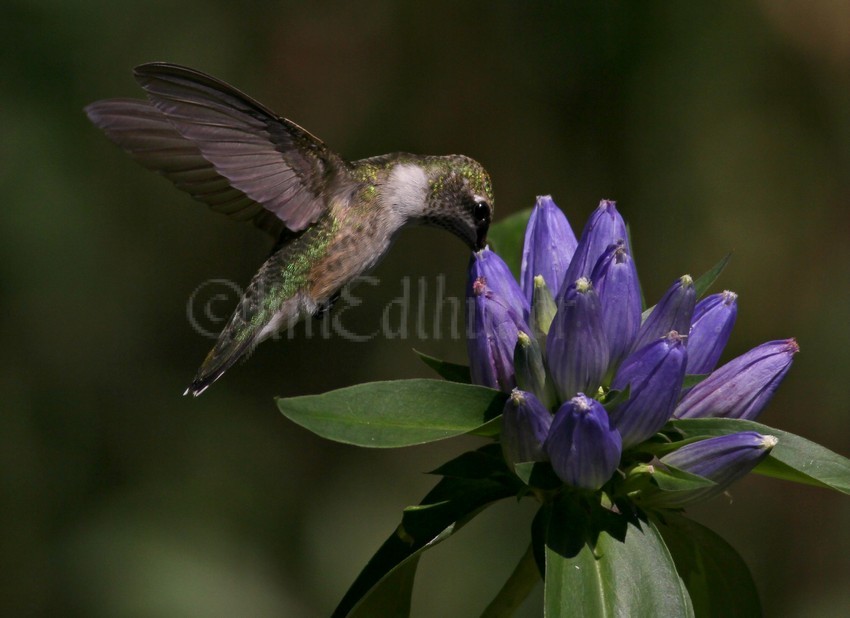
Something I have never witnessed before was the Ruby-throated Hummingbird stopping for some nectar at this rare wildflower, Smooth Phlox, Phlox glaberrima interior. It was only a few seconds, but a beautiful moment at that. I assume this bird is a female adult. Photographs were taken on July 25, 2014.

___rIMG_5372_cr

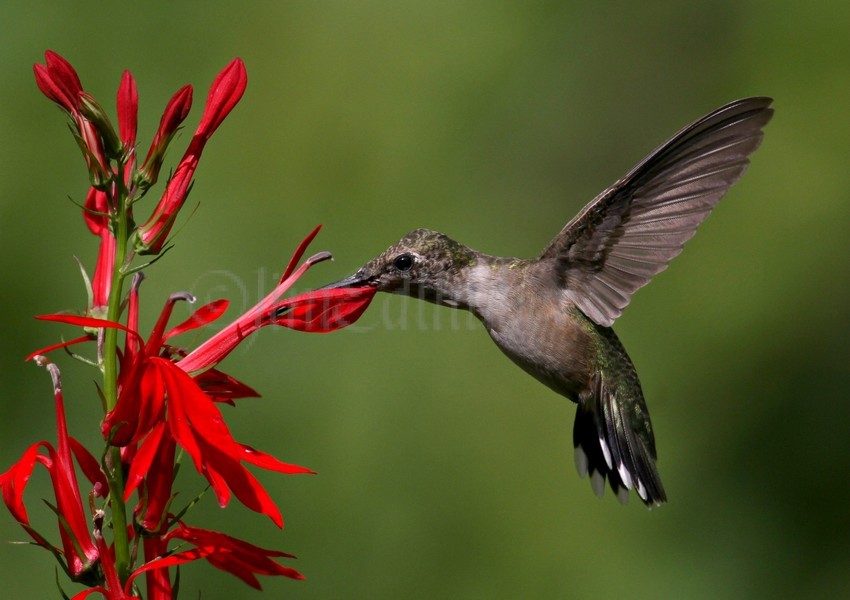
Ruby-throated Hummingbird

Binomial name: Archilochus colubris

Category: Hummingbirds

Description: Metallic green feathers on back, grayish-white on underparts.  Males have a vibrant red throat which may appear dark in poor lighting. Wings are dark gray, almost black.  Long, slender bill is black in color and mostly straight with a slight curve at the tip.

Size: 2.8″-3.5″ long, 3” – 4” wingspan

Weight: 0.071 oz. – 0.21 oz.

Habitat: Broadleaf and pine forests, orchards, meadows, parks, and gardens

Diet: Tree and flower nectar, small insects, and spiders

Nesting: The female provides all parental care, building a nest in a protected tree or shrub on a slightly downward-sloping limb.  They favor deciduous trees such as oak, birch, or poplar.  The nest is made out of bud scales, lichen, spider silk, and dandelion or thistle down.  The same nest may be used year after year with the female making annual repairs.  The female will lay 1-3 eggs at a time, laying eggs once or twice per summer.  The young remain in the nest for 22-25 days.

Notes: A list of just some of the of native wildflowers we have planted in our yard to attract these exquisite tiny birds are: Red Bee Balm (Monarda didyma), Wild Bergamot (Monarda fistulosa), Cardinal Flower (Lobelia cardinalis), Wild Columbine (Aquilegia canadensis),  Royal Catchfly (Silene regia), Butterfly Milkweed (Ascelpias tuberose), Hoary Vervain (Verbena stricta), Nodding Onion (Allium cernuum), Penstemon species, Echinacea species.
___rIMG_5373_cr

___rIMG_5374_cr

Hummingbird Clearwing Moth on Smooth Phlox, July 25, 2014

Hummingbird Clearwing Moth photographed on Smooth Phlox, Phlox glaberrima interior in Waukesha Wisconsin. Photographs were taken on July 25, 2014.

_rcIMG_6200_cr

Name: Hummingbird Clearwing Moth, Hemaris thysbe

_rcIMG_6362_cr

_rcIMG_6376_cr

_rcIMG_5436_cr

The yellow coated proboscis (needle-like mouth part), remains coiled up until it is needed. It is yellow in color from all the nectar from inside the blooms.

_rcIMG_5495_cr

_rcIMG_5538_cr

_rcIMG_5601_cr

Falling nectar!

_rcIMG_5634_cr

_rcIMG_5650_cr

_rcIMG_6108_cr

_rcIMG_6134_cr

_rcIMG_6174_cr

_rcIMG_6301_cr

_rcIMG_6312_cr

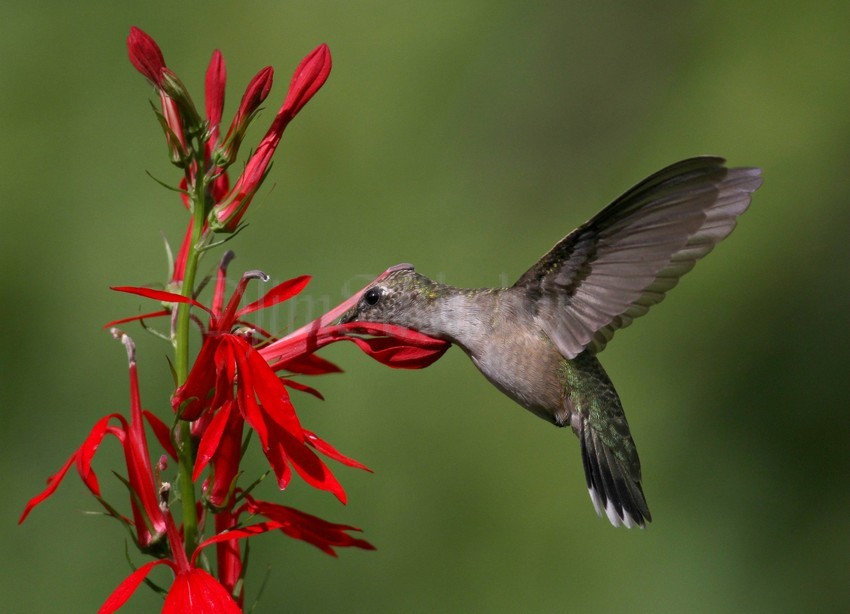
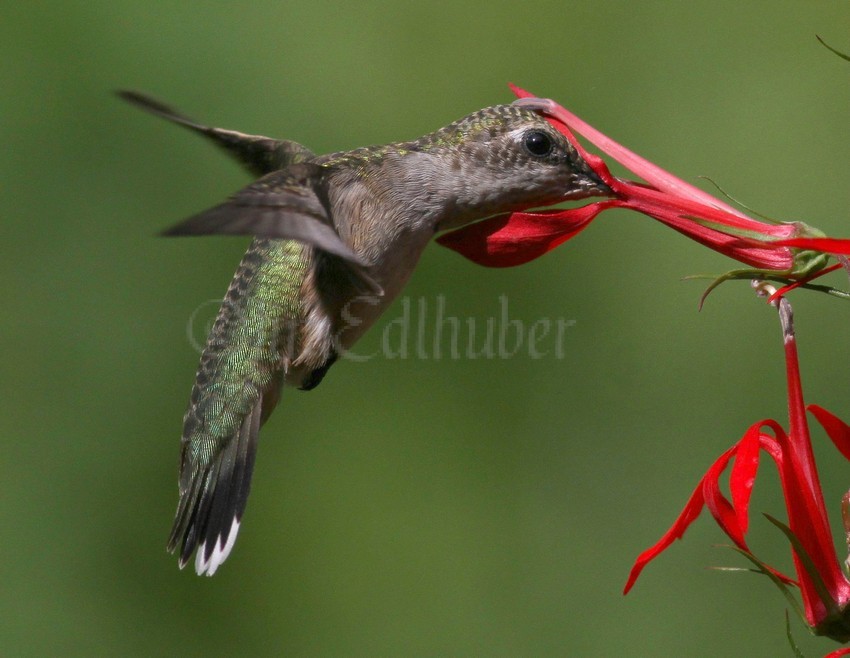
Ruby-throated Hummingbird on Royal Catchfly July 23, 2014

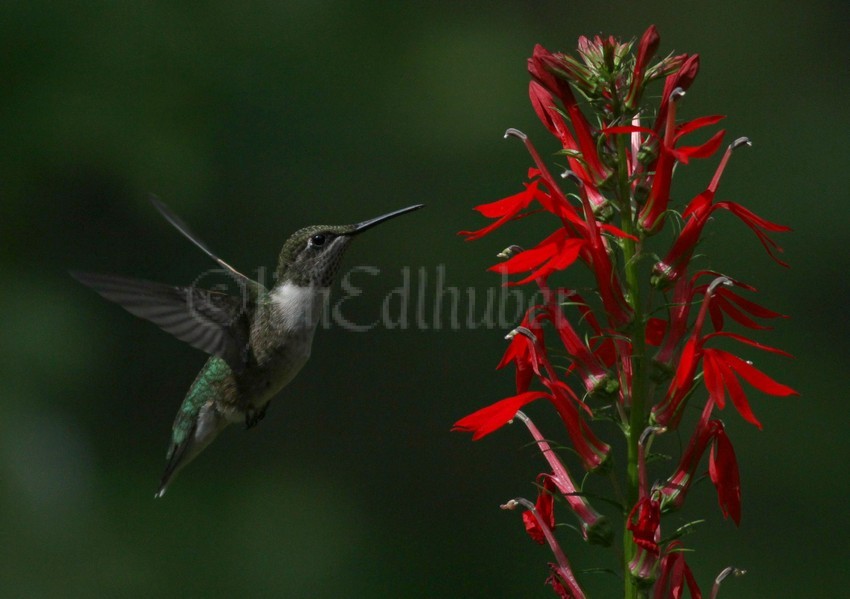
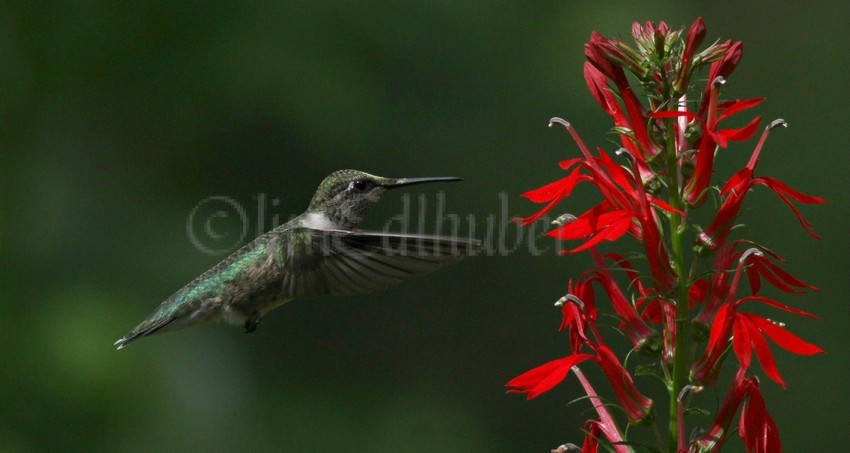
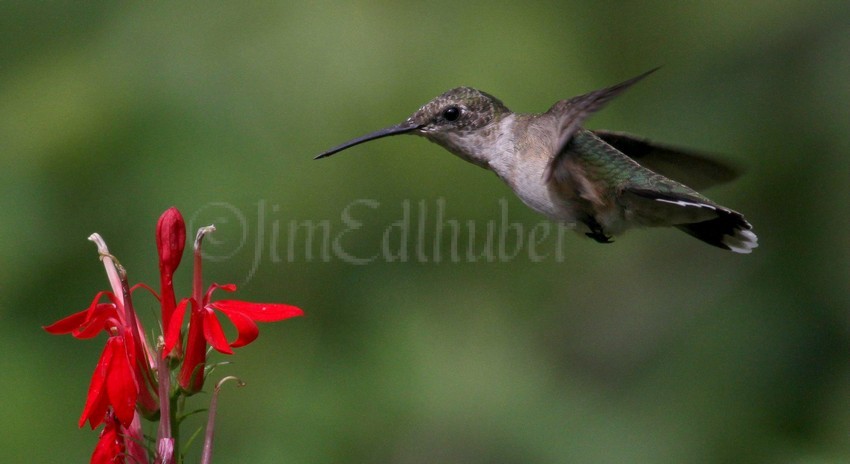
I had the opportunity again to photograph the Ruby-throated Hummingbird enjoying Royal Catchfly (Silene regia).  Present today was a female, male and young male, they only showed up one at a time. This fascinating species favor red tubular flowers most of all.  Royal Catchfly, a native of Missouri, is an excellent candidate here. Photographs taken on July 23, 2014 in Waukesha County, Wisconsin.

_rIMG_4052_cr

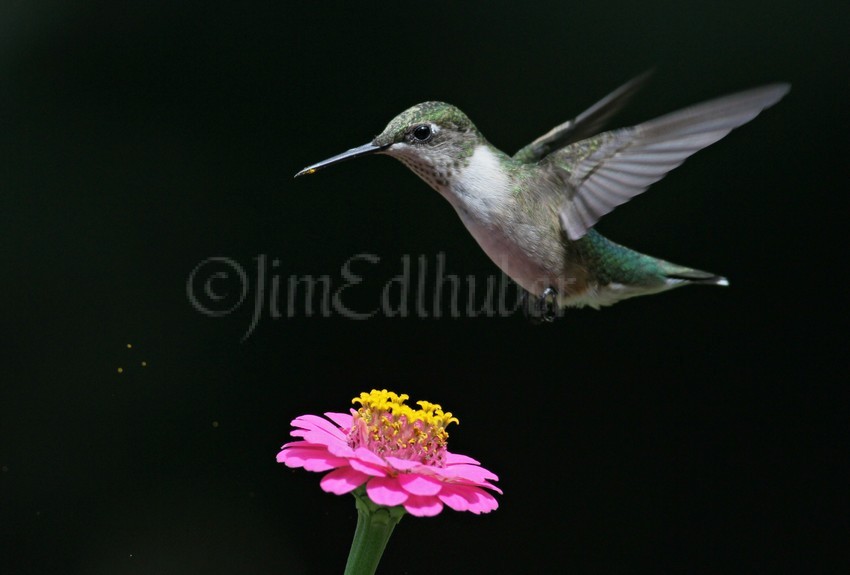
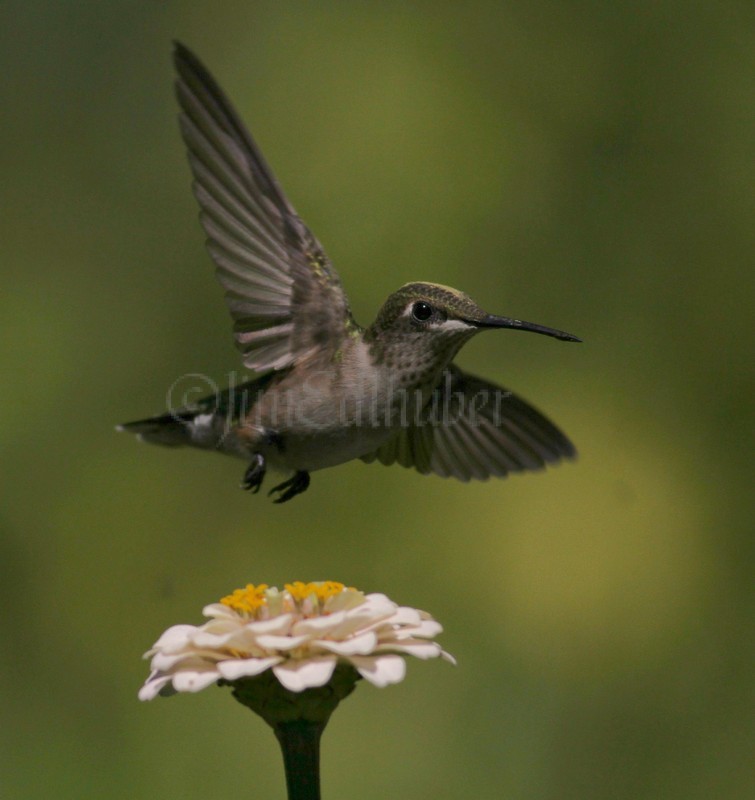
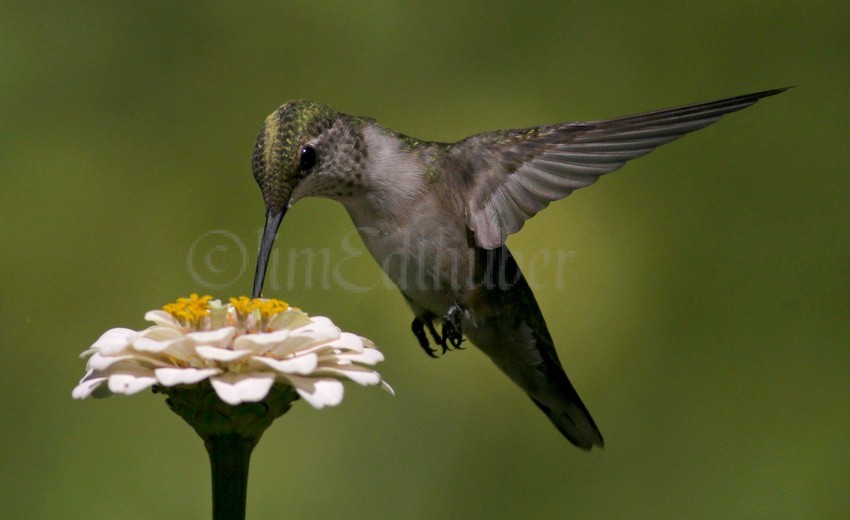
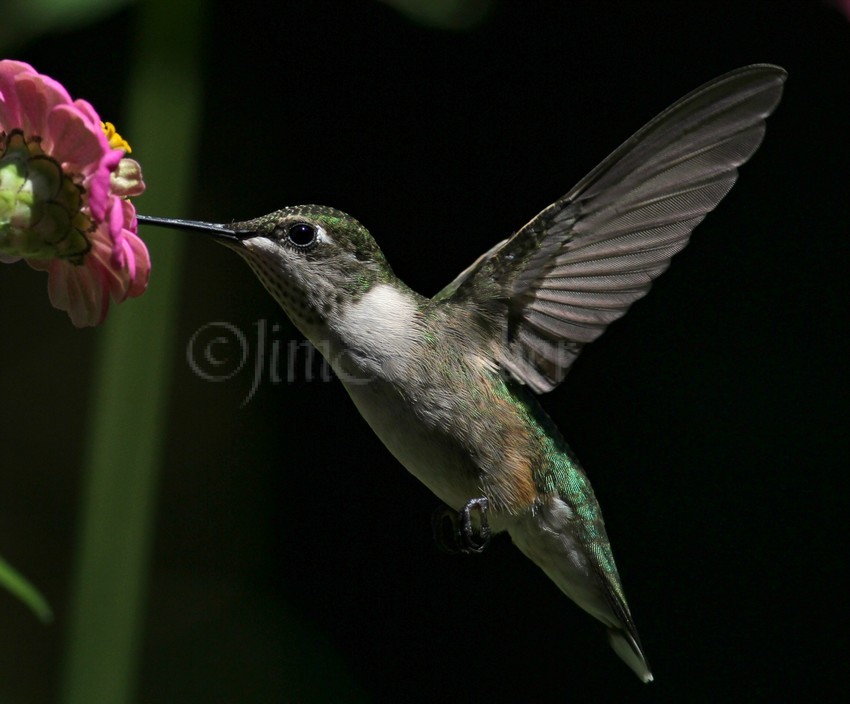
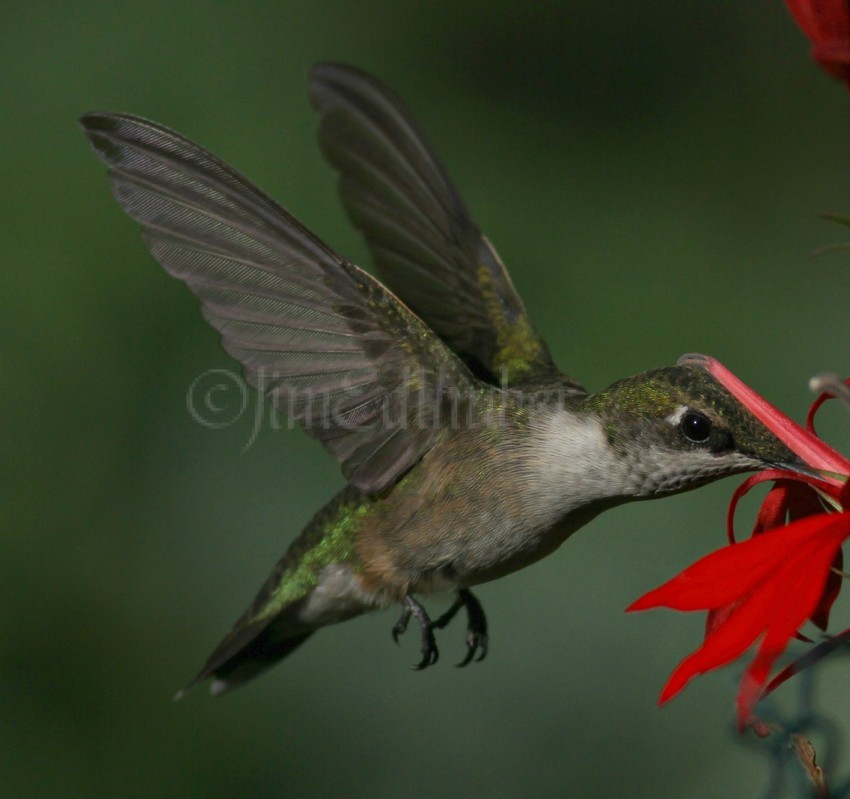
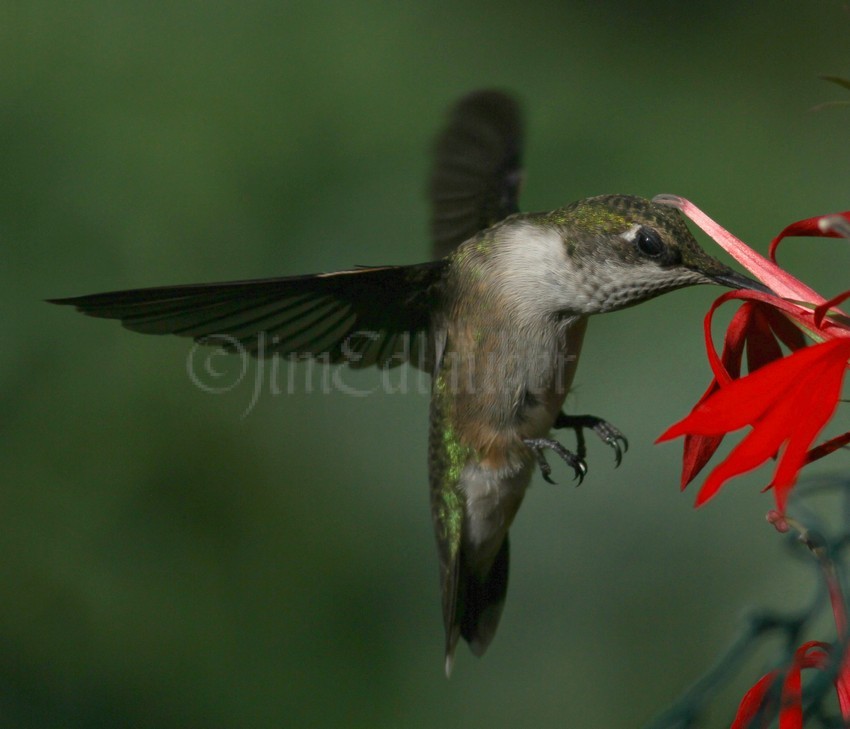
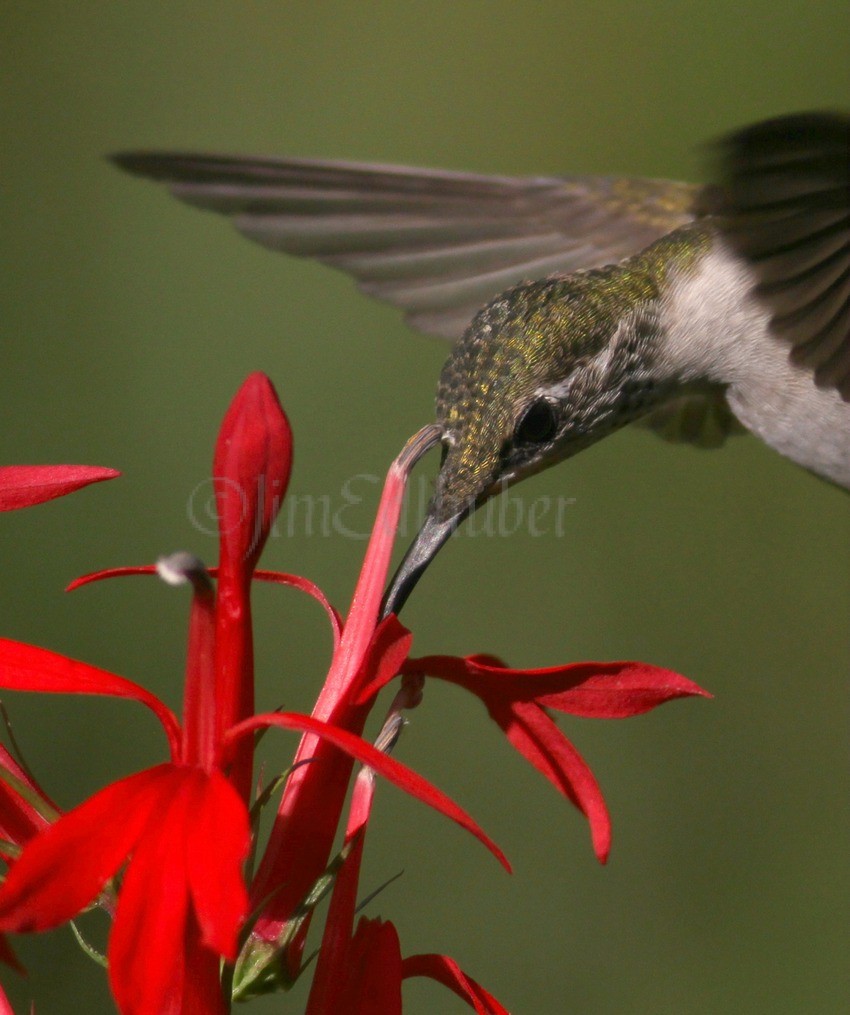
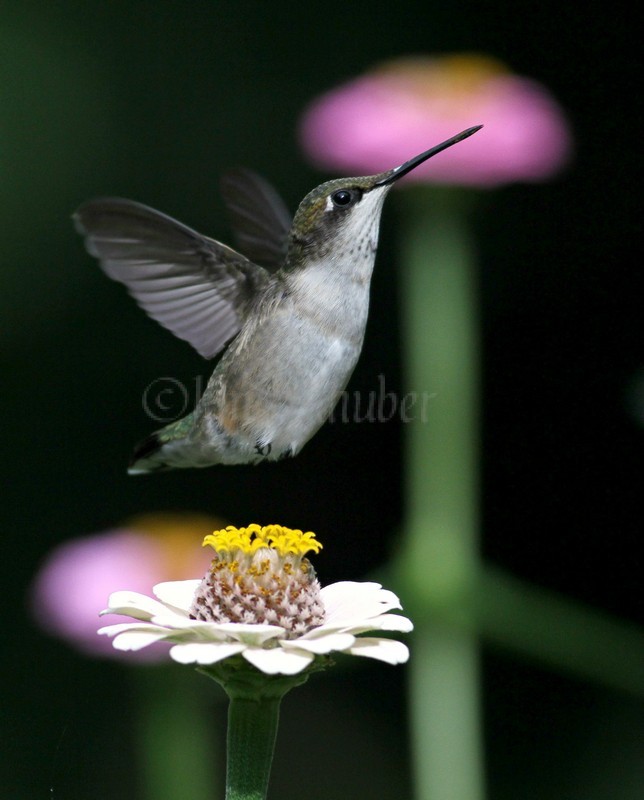
Ruby-throated Hummingbird, female
Ruby-throated Hummingbird

Binomial name: Archilochus colubris

Category: Hummingbirds

Description: Metallic green feathers on back, grayish-white on underparts.  Males have a vibrant red throat which may appear dark in poor lighting. Wings are dark gray, almost black.  Long, slender bill is black in color and mostly straight with a slight curve at the tip.

Size: 2.8″-3.5″ long, 3” – 4” wingspan

Weight: 0.071 oz. – 0.21 oz.

Habitat: Broadleaf and pine forests, orchards, meadows, parks, and gardens

Diet: Tree and flower nectar, small insects, and spiders

Nesting: The female provides all parental care, building a nest in a protected tree or shrub on a slightly downward-sloping limb.  They favor deciduous trees such as oak, birch, or poplar.  The nest is made out of bud scales, lichen, spider silk, and dandelion or thistle down.  The same nest may be used year after year with the female making annual repairs.  The female will lay 1-3 eggs at a time, laying eggs once or twice per summer.  The young remain in the nest for 22-25 days.

Notes: A list of just some of the of native wildflowers we have planted in our yard to attract these exquisite tiny birds are: Red Bee Balm (Monarda didyma), Wild Bergamot (Monarda fistulosa), Cardinal Flower (Lobelia cardinalis), Wild Columbine (Aquilegia canadensis),  Royal Catchfly (Silene regia), Butterfly Milkweed (Ascelpias tuberose), Hoary Vervain (Verbena stricta), Nodding Onion (Allium cernuum), Penstemon species, Echinacea species.

_rIMG_3962_cr

Ruby-throated Hummingbird, female

_rIMG_3964_cr

Ruby-throated Hummingbird, female
__rIMG_2571_cr

Ruby-throated Hummingbird, female
__rIMG_2584_cr

Ruby-throated Hummingbird, female
_rIMG_3265_cr

Ruby-throated Hummingbird, female
_rIMG_3329_cr

Ruby-throated Hummingbird, female
_rIMG_3416_cr

Ruby-throated Hummingbird, female
_rIMG_3626_cr

Ruby-throated Hummingbird, female
Ruby-throated Hummingbird, male

Ruby-throated Hummingbird, male

Ruby-throated Hummingbird, young male

Ruby-throated Hummingbird, young male

Ruby-throated Hummingbird, young male

Ruby-throated Hummingbird, young male

Ruby-throated Hummingbird, female
Ruby-throated Hummingbird, female
Ruby-throated Hummingbird, female
Ruby-throated Hummingbird, female
Ruby-throated Hummingbird

Ruby-throated Hummingbird

Ruby-throated Hummingbird

Ruby-throated Hummingbird

Ruby-throated Hummingbird female

Ruby-throated Hummingbird, female
Ruby-throated Hummingbird, female
Ruby-throated Hummingbird, female
Ruby-throated Hummingbird, female
Ruby-throated Hummingbird, female
Ruby-throated Hummingbird, female
Ruby-throated Hummingbird, female
Ruby-throated Hummingbird on Royal Catchfly

I had the opportunity to photograph the Ruby-throated Hummingbird enjoying Royal Catchfly (Silene regia).  I am assuming this is a female. This fascinating species favor red tubular flowers most of all.  Royal Catchfly, a native of Missouri, is an excellent candidate here. Photographs taken on July 20, 2014 in Waukesha County, Wisconsin.

_rIMG_1647_cr

Ruby-throated Hummingbird

Binomial name: Archilochus colubris

Category: Hummingbirds

Description: Metallic green feathers on back, grayish-white on underparts.  Males have a vibrant red throat which may appear dark in poor lighting. Wings are dark gray, almost black.  Long, slender bill is black in color and mostly straight with a slight curve at the tip.

Size: 2.8″-3.5″ long, 3” – 4” wingspan

Weight: 0.071 oz. – 0.21 oz.

Habitat: Broadleaf and pine forests, orchards, meadows, parks, and gardens

Diet: Tree and flower nectar, small insects, and spiders

Nesting: The female provides all parental care, building a nest in a protected tree or shrub on a slightly downward-sloping limb.  They favor deciduous trees such as oak, birch, or poplar.  The nest is made out of bud scales, lichen, spider silk, and dandelion or thistle down.  The same nest may be used year after year with the female making annual repairs.  The female will lay 1-3 eggs at a time, laying eggs once or twice per summer.  The young remain in the nest for 22-25 days.
Notes: A list of just some of the of native wildflowers we have planted in our yard to attract these exquisite tiny birds are: Red Bee Balm (Monarda didyma), Wild Bergamot (Monarda fistulosa), Cardinal Flower (Lobelia cardinalis), Wild Columbine (Aquilegia canadensis),  Royal Catchfly (Silene regia), Butterfly Milkweed (Ascelpias tuberose), Hoary Vervain (Verbena stricta), Nodding Onion (Allium cernuum), Penstemon species, Echinacea species.

_rIMG_1656_cr

_rIMG_1664_cr

_rIMG_1791_cr

_rIMG_1882_cr

_rIMG_1900_cr

_rIMG_1909_cr

_rIMG_1917_cr

_rIMG_2019_cr

_rIMG_2051_cr

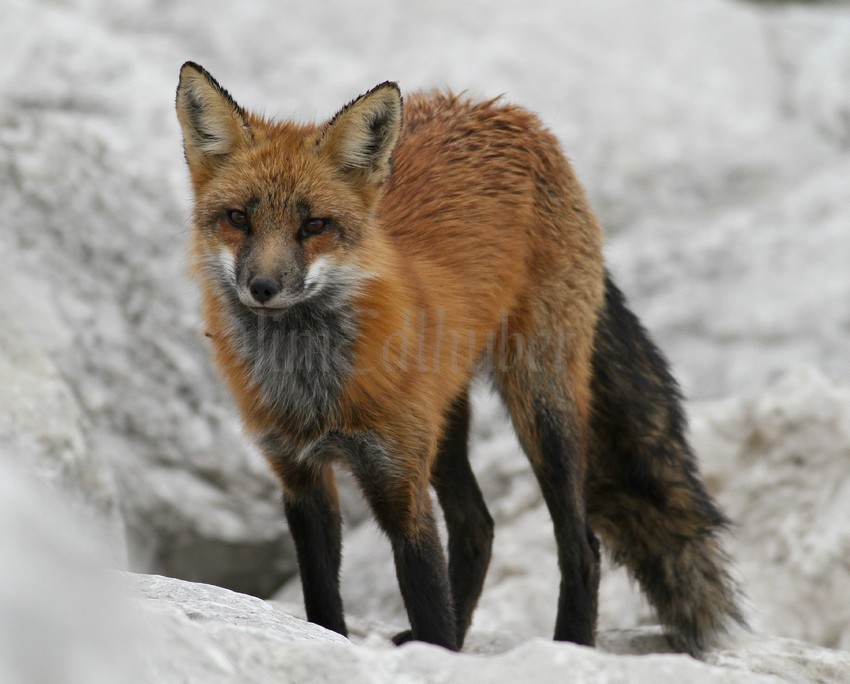
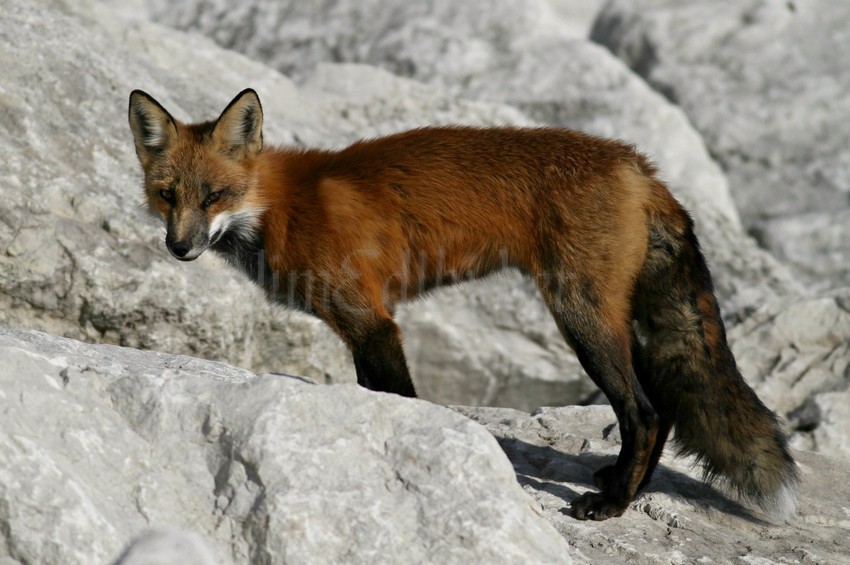
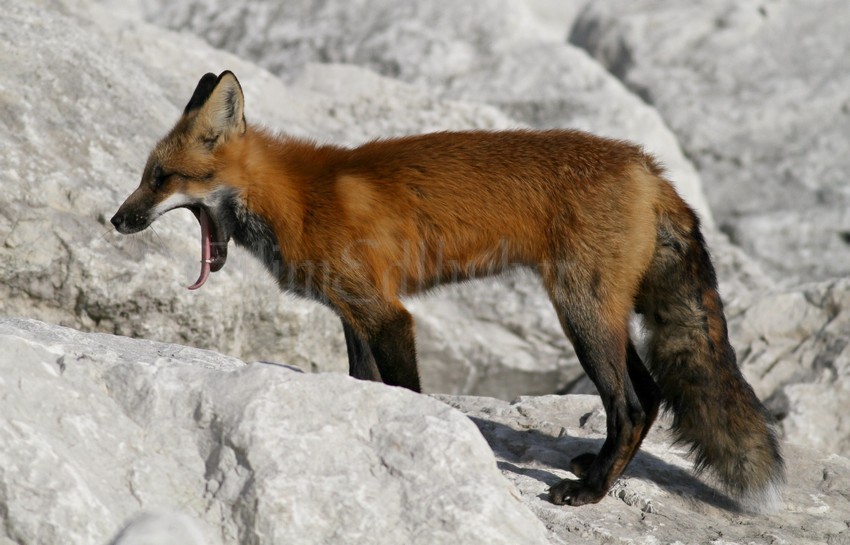
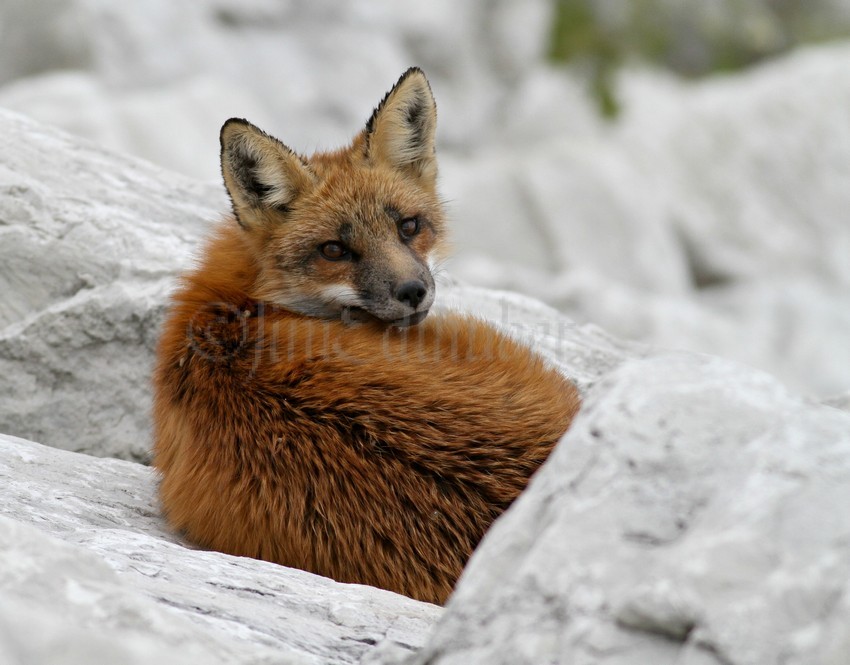
Red Fox at the Milwaukee Lakefront July 17, 2014

While birding on the lakefront in Milwaukee Wisconsin I came across a couple of Red Foxes. They were out for a few minutes and gave some nice views. In a short time they had disappeared. Photographs were taken on July 17, 2014.

_rIMG_9234_cr

Red Fox adult

Red Fox

Scientific name: Vulpes vulpes

Type: Mammal

Habitat: Forests, grasslands, mountains, savanna, agricultural lands and deserts. Red Foxes can also adapt to farms, suburban areas and sometimes cities.

Average life span in the wild: 2 to 4 years

Size: Head and body, 18-33.75 inches

Weight: 6.5 to 24 lbs

Diet: Fruit, vegetables, fish, frogs, rabbits, birds and rodents in the wild. If living in a human environment they may include in the diet garbage and pet food.

Range: Northern hemisphere from the arctic circle to Central American. They can also be found in Northern Africa and central Asia.

_rIMG_9305_cr

Red Fox adult

_rIMG_9223_cr

Red Fox adult

_rIMG_9080_cr

Red Fox adult

_rIMG_8419_cr

Red Fox adult

_rIMG_8616_cr

Red Fox adult

_rIMG_8640_cr

Red Fox adult

_rIMG_8631_cr

Red Fox adult

_rIMG_9522_cr

Red Fox adult

_rIMG_9542_cr

Red Fox adult

_rIMG_9580_cr

Red Fox adult

_rIMG_9585_cr

Red Fox adult

_rIMG_8756_cr

Red Fox adult

_rIMG_9235_cr

Red Fox adult

_rIMG_8766_cr

Red Fox adult

Red Fox pup

Red Fox pup

Red Fox pup

Red Fox pup

Red Fox pup

Red Fox pup

Red Fox pup

Red Fox pup

Red Fox pup

Red Fox pup

Red Fox pup

Red Fox pup

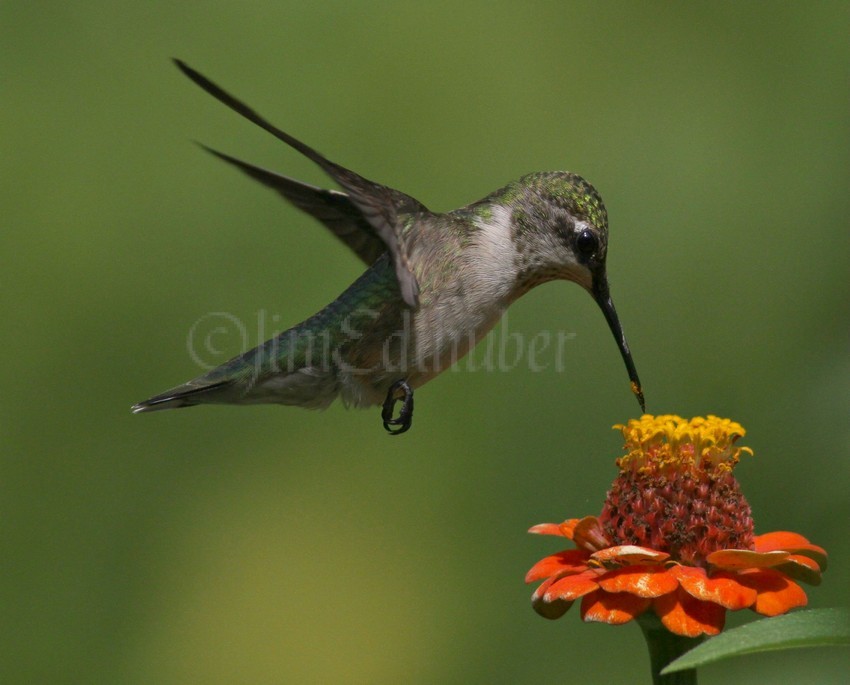
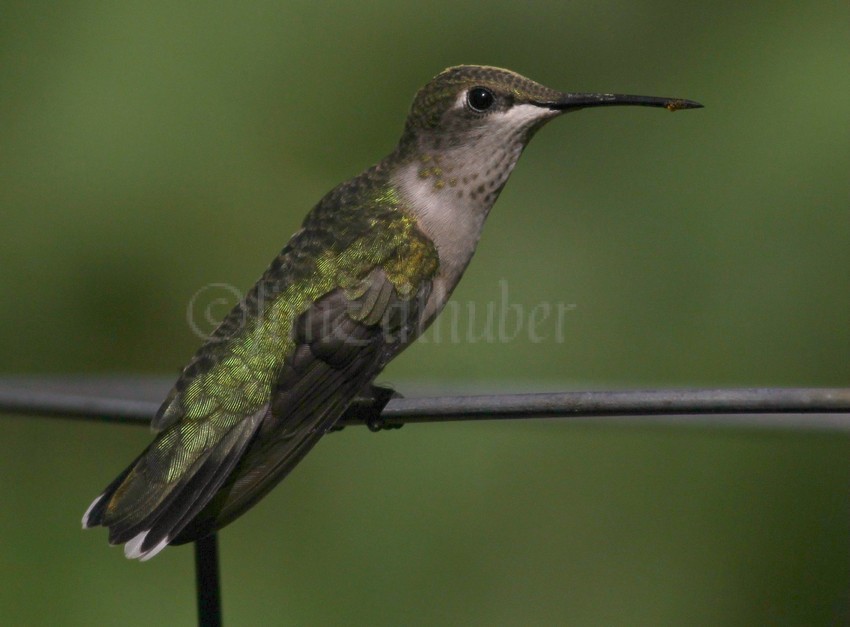
Ruby-throated Hummingbird Lakeshore State Park Milwaukee Wisconsin July 17, 2014

I did some birding at Lakeshore State Park in Milwaukee this morning. The highlight was a young male Ruby-throated Hummingbird working some native plants there. The Green Heron was also present along with the common Ring-billed and Herring Gulls. Beautiful day to be out birding with mild temps, sunshine and lows winds.
Ruby-throated Hummingbird om Hoary Vervain

Ruby-throated Hummingbird on Hoary Vervain

Ruby-throated Hummingbird

Binomial name: Archilochus colubris

Category: Hummingbirds

Description: Metallic green feathers on back, grayish-white on underparts.  Males have a vibrant red throat which may appear dark in poor lighting. Wings are dark gray, almost black.  Long, slender bill is black in color and mostly straight with a slight curve at the tip.

Size: 2.8″-3.5″ long, 3” – 4” wingspan

Weight: 0.071 oz. – 0.21 oz.

Habitat: Broadleaf and pine forests, orchards, meadows, parks, and gardens

Diet: Tree and flower nectar, small insects, and spiders

Nesting: The female provides all parental care, building a nest in a protected tree or shrub on a slightly downward-sloping limb.  They favor deciduous trees such as oak, birch, or poplar.  The nest is made out of bud scales, lichen, spider silk, and dandelion or thistle down.  The same nest may be used year after year with the female making annual repairs.  The female will lay 1-3 eggs at a time, laying eggs once or twice per summer.  The young remain in the nest for 22-25 days.
Ruby-throated Hummingbird on Hoary Vervain

Ruby-throated Hummingbird on Hoary Vervain

Ruby-throated Hummingbird on Hoary Vervain

Ruby-throated Hummingbird

_rIMG_0660_cr

Ruby-throated Hummingbird on Hoary Vervain

Ruby-throated Hummingbird on Hoary Vervain

Ruby-throated Hummingbird on Hoary Vervain

Ruby-throated Hummingbird

Ruby-throated Hummingbird

Ruby-throated Hummingbird on Hoary Vervain

Ruby-throated Hummingbird on Hoary Vervain

Ruby-throated Hummingbird on Hoary Vervain

Ruby-throated Hummingbird on Hoary Vervain

Ruby-throated Hummingbird on Wild White Indigo

Ruby-throated Hummingbird on Wild White Indigo

Ruby-throated Hummingbird on Penstemon spp.

Ruby-throated Hummingbird on Penstemon spp.

Ruby-throated Hummingbird on Penstemon spp.

Ruby-throated Hummingbird on Penstemon spp.

Yellow-crowned Night-Heron at Lakeshore State Park in Milwaukee Wisconsin July 10, 2014

Yellow-crowned Night-Heron fishing, feeding and resting at Lakeshore State Park in Milwaukee Wisconsin. Photographs were taken on July 10, 2014. It has been a real treat to view and photograph this rare visitor whose normal range is the southeastern US.

Resting

Resting

Yellow-crowned Night-Heron

Binomial name: Nyctanassa violacea

Category: Bitterns, Herons, and Allies

Size: 24” long, 42” wing span

Weight: 1.5 Lb.

Hunting

Fishing

Fishing and hears  something its right side.

Fishing and hears something its left side.

Catching the crayfish!

Catching the crayfish!

Killing the crayfish

Killing the crayfish

Killing the crayfish

Killing the crayfish

Killing the crayfish

Killing the crayfish

Killing the crayfish

Killing the crayfish

Killing the crayfish

Killing the crayfish

Killing the crayfish

And down it goes!

Fishing with the reflection of a Ring-billed Gull in the water.

Fishing with the reflection of a Ring-billed Gull in the water.

Resting

Resting

Fishing

Fishing

Fishing

Fishing

Killing the crayfish after another catch!

Killing the crayfish after another catch!

Killing the crayfish

Killing the crayfish

Killing the crayfish

Killing the crayfish

Killing the crayfish

Killing the crayfish

Hunting

Fishing

Hunting

Fishing

Back view

Back view

Fishing

Fishing

Fishing

Fishing

Fishing

Fishing

Hunting

Hunting

Green Heron at Lakeshore State Park in Milwaukee Wisconsin July 9, 2014

Green Heron fishing, feeding and resting at Lakeshore State Park in Milwaukee Wisconsin. Photographs were taken on July 9, 2014.

Capture of the crayfish!

Capture of the crayfish.

Green Heron

Binomial name: Buborides virescens

Category: Bitterns, Herons, and Allies

Size: 18” long, 26” wing span

Weight: 7 Oz.

Habitat: Breed in areas of woods or areas with thick vegetation near ponds, marshes, rivers, streams, reservoirs and estuaries. They stay at coastal areas and mangrove swamps in the winter months.

Diet: Green Herons consume fish as their main diet, but also eat amphibians, insects, crustaceans, snails, reptiles and rodents. They catch their food standing still at pond, lake, swamp, creek, marsh, or river edges then darting out with their head snapping up its prey. They also spear their prey with their sharp bill. They usually hunt in waters of less than 4” deep. Deeper waters are usually visited by larger heron species with longer legs.

Nesting: Start of the construction of the nest is done by the male. After a pair is formed the female helps in the nest building. The nest is usually 8-12” across with a bowl of about 2” deep with no lining. The nest is usually located over water at ground level to 30’ or more above the water, but can also be located up to distances of a half mile away from water. They also are known to fix up old nests and during the breeding season they continue to add sticks to their nests as necessary.
Cool fact: Green Herons are known to use bait like insects to bait their prey. In some images below a Green Heron used a fly to try to attract a small fish to eat. It repeated this a couple of times as I stood there but was unsuccessful that time in getting it’s fishing trick to work that attracts fish or other prey, to then snatch up.

Killing the crayfish.

Killing the crayfish.

_rIMG_3575_cr

Killing the crayfish.

_rIMG_3591_cr

Killing the crayfish.

Just before the swallow!

Just before the swallow!

Hunting and waiting.

Fishing and waiting.

The catch!

The catch!

The catch!

The catch!

Hunting

Fishing

Hunting

Fishing

Going for a fly to be used to bait a minnow.

Going for a fly to be used to bait a minnow.

Catching the fly!

Catching the fly!

Setting the fly in the water to attract a minnow.

Setting the fly in the water to attract a minnow.

Changes plan and takes the fly to a new location to be used to bait a minnow.

Changes plan and takes the fly to a new location to be used to bait a minnow.

Takes off to a new location.

Takes off to a new location.

Catches a crayfish after hunting for a while.

Catches a crayfish after fishing.

Killing the crayfish.

Killing the crayfish.

Killing the crayfish.

Killing the crayfish.

Killing the crayfish.

Killing the crayfish.

Killing the crayfish.

Killing the crayfish.

Swallows the crayfish without notice!

Swallows the crayfish without notice!

Going down!

Going down!

In the process!

In the process!

Hunting

Fishing

Resting

Resting

Resting

Resting

Resting

Resting

Hunting

Fishing

Hunting

Fishing

Beautiful back view of feathers and colors!

Beautiful back view of feathers and colors!

Fishing

Fishing

Resting

Resting

Fishing

Fishing

The catch!

The catch!

Killing the crayfish

Killing the crayfish

Resting after swallowing the crayfish!

Resting after swallowing the crayfish!

Wisconsin Native Wildflowers and Shrubs July 5, 2014

22 different Wisconsin native wildflowers and shrubs blooming on July 5, 2014. Most images were taken at the Retzer Nature Center Waukesha County Wisconsin. A couple others were taken on private property in Waukesha County Wisconsin.

Butterfly Plant, Milkweed, Asclepias tuberosa

Butterfly Plant, Milkweed, Asclepias tuberosa

Compass Plant, Silphium lacinatum

Compass Plant, Silphium lacinatum

Wild Bergamot, Monarda fistulosa

Wild Bergamot, Monarda fistulosa

Black-eyed Susan, Rudbeckia hirta

Black-eyed Susan, Rudbeckia hirta

Spiderwort, Tradescantia ohiensis

Ohio Spiderwort, Tradescantia ohiensis

Common Milkweed, Asclepias syriaca

Common Milkweed, Asclepias syriaca

Swamp Milkweed, Asclepias incarnata

Swamp Milkweed, Asclepias incarnata

Meadow Anemone, Anemone canadensis

Meadow Anemone, Anemone canadensis

Leadplant, Amorpha canescens

Leadplant, Amorpha canescens

New Jersey Tea, Ceanothus americanus

New Jersey Tea, Ceanothus americanus

Prairie Cinquefoil, Potentilla arguta

Prairie Cinquefoil, Potentilla arguta

Angelica, Angelica artopupurea

Angelica, Angelica artopupurea

Showy Tick Trefoil, Desmodium canadense

Showy Tick Trefoil, Desmodium canadense

White Wild Indigo, Baptisia leucantha

White Wild Indigo, Baptisia leucantha

Purple Prairie Clover, Petalostemum purpureum

Purple Prairie Clover, Petalostemum purpureum

Pale Purple Coneflower, Echinacea pallida
Pale Purple Coneflower, Echinacea pallida
Glade Mallow, Napaea dioica

Glade Mallow, Napaea dioica

Hoary Vervain, Verbena stricta

Hoary Vervain, Verbena stricta

Yellow Coneflower, Ratibida pinnata

Yellow Coneflower, Ratibida pinnata

Lance Leaved Coreopsis, Coreopsis lanceolata

Lance Leaved Coreopsis, Coreopsis lanceolata

Prairie Coreopsis, Coreopsis palmata

Prairie Coreopsis, Coreopsis palmata

The start of blooming Culver's Root, Veronicastrum virginicum

The start of blooming Culver’s Root, Veronicastrum virginicum

White Yarrow, Achillea millefolium

White Yarrow, Achillea millefolium

Butterfly Plant, Milkweed, Asclepias tuberosa

Butterfly Plant, Milkweed, Asclepias tuberosa

Black-eyed Susan, Rudbeckia hirta

Black-eyed Susan, Rudbeckia hirta

Spiderwort, Tradescantia ohiensis

Ohio Spiderwort, Tradescantia ohiensis

Swamp Milkweed, Asclepias incarnata

Swamp Milkweed, Asclepias incarnata

Meadow Anemone, Anemone canadensis

Meadow Anemone, Anemone canadensis

Butterfly Plant, Milkweed, Asclepias tuberosa

Butterfly Plant, Milkweed, Asclepias tuberosa

Showy Tick Trefoil, Desmodium canadense

Showy Tick Trefoil, Desmodium canadense

Common Loons, Great Blue Herons and more Sawyer County Wisconsin June 22-26, 2014

On a recent trip to Sawyer County in Northern Wisconsin, I had the opportunity to watch and enjoy Common Loons with a chick, Great Blue Herons, American Bald Eagles and more. Images were taken June 22-26, 2014.

Common Loon stretching with young watching.

Common Loon adult stretching with chick watching.

Common Loon

Binomial name: Gavia immer

Category: Loons

Description: Black head with black and white checkered body in summer for breeding season; brown and white body in the winter.  Blackish-blue bill that is held horizontally and black feet.

Size: 24″-40″ long, 4′ – 5′ wingspan

Weight: 4 lbs. – 8 lbs.

Habitat: Large lakes and shorelines

Diet: Fish (perch, trout, sunfish, bass)

Nesting: Usually nests on small islands or other locations safe from land-based predators.  The nest may be made out of thin sticks, dried grasses, or a depression in mud or sand.  Typically 1 to 3 eggs will be laid at one time and will be incubated by both parents.  The parents aggressively protect their nests and share the responsibility of feeding the young.  Baby loons may be seen riding on the back of either parent in the water.

Notes: The Common Loon has legs positioned in the rear of its body.  This makes for excellent diving and graceful swimming; however, it also makes for awkward landings and clumsy walking.  In fact, Loons require a “runway” spanning 30 yards or 1/4 mile for take-off and landing AND it can only be done in water.  Loons have actually been stranded in small ponds, icy lakes, or even a parking lot without a suitable runway and must be rescued.

Common Loon with young

Common Loon with chick.

Common Loon stretching

Common Loon stretching.

Common Loon stretching

Common Loon stretching.

Common Loon stretching

Common Loon stretching.

Common Loon stretching

Common Loon stretching.

Common Loon stretching.

Common Loon stretching.

Common Loon stretching.

Common Loon stretching.

Common Loon stretching.

Common Loon stretching.

Common Loon stretching.

Common Loon stretching.

Common Loon young.

Common Loon chick.

Common Loon young calling for food.

Common Loon chick calling.

Common Loon with chick.

Common Loon with chick.

Common Loon

Common Loon at takeoff.

Common Loon

Common Loon

Common Loon feeding chick.

Common Loon feeding chick.

Common Loon chick.

Common Loon chick with food.

Common Loon chick.

Common Loon chick.

Great Blue Heron fishing.

Great Blue Heron fishing.

Great Blue Heron fishing.

Great Blue Heron fishing.

Great Blue Heron fishing.

Great Blue Heron fishing.

Great Blue Heron fishing.

Great Blue Heron fishing.

Great Blue Heron fishing.

Great Blue Heron fishing.

Great Blue Heron coming in for a landing.

Great Blue Heron coming in for a landing.

Great Blue Heron fishing on shore.

Great Blue Heron fishing on shore.

Great Blue Heron fishing on shore.

Great Blue Heron fishing on shore.

Great Blue Heron fishing.

Great Blue Heron fishing on shore.

American Woodcock, it was struting at this time shifting it's weight from foot to foot.

American Woodcock, was doing a strut at this time shifting it’s weight from foot to foot.

American Bald Eagle adult perched in a tree.

American Bald Eagle adult perched in a tree.

A Chestnut-sided Warbler bringing a variety of food items to a nest for the chicks.

A Chestnut-sided Warbler bringing a variety of food items to a nest for the chicks.

Bonaparte’s Gull North Point and Laughing Gull Port Washington June 10, 2014

The Bonaparte’s Gull were plentiful at North Point in Sheboygan Wisconsin along with my previous post of the presence of the Little Gulls there. I also made a stop at the Port Washington Harbor and got distant views of the reported Laughing Gull. I view the gull from the Coal Dock Park there and almost missed it as it was way out on the side of a stone wall near the water. Some of the other species present at North Point in Sheboygan were 5 American White Pelicans and 10 Caspian Terns. To my understanding the Bonaparte’s are adults with the dark solid black hood and anything less of solid black is a 1st summer. Correct me if I am wrong, thank you! Images were taken on June 10, 2014.

_rbIMG_4180_cr

Bonaparte’s Gull – adult

Bonaparte’s Gull

Binomial name: Larus philadelphia

Category: Gulls, Terns, and Skimmers

Size: 13.5” long, 33” wing span

Weight: 7 oz.

Habitat: Typically breeds near bogs or on lakes in coniferous forests in western Canada and Alaska. The Bonaparte’s spend winters on lakes, marshes bays and beach areas on coasts.

Diet: Small fish, aquatic insects and large invertebrates

Nesting: The open cup nest usually found in a tree but sometimes on the ground. The nest is constructed of sticks, small branches, tree bark and lined with lichens and moss material. Clutch size is 1-4 eggs that are greenish with dark spots on blotches.

Cool facts: The Bonaparte’s Gull is the only gull that commonly nests in a tree. The only gull smaller than the Bonaparte’s is the Little Gull. Often catches flying insects on their wings during the breeding season.

Bonapart'e Gull - adult

Bonaparte’s Gull – adult

Bonapart'e Gull - adult

Bonaparte’s Gull – adult

Bonapart'e Gull - adult

Bonaparte’s Gull – adult

Laughing Gull - adult

Laughing Gull – adult

Laughing Gull - adult

Laughing Gull – adult

Bonapart'e Gull - 1st summer

Bonaparte’s Gull – 1st summer

Bonapart'e Gull - 1st summer

Bonaparte’s Gull – 1st summer

Bonapart'e Gull - 1st summer

Bonaparte’s Gull – 1st summer

Bonapart'e Gull - 1st summer

Bonaparte’s Gull – 1st summer

Bonapart'e Gull - 1st summer

Bonaparte’s Gull – 1st summer

Bonapart'e Gull - 1st summer

Bonaparte’s Gull – 1st summer

Bonapart'e Gull - 1st summer

Bonaparte’s Gull – 1st summer

Bonapart'e Gull - 1st summer

Bonaparte’s Gull – 1st summer

Bonapart'e Gull - 1st summer

Bonaparte’s Gull – 1st summer

Bonaparte's Gull - 1st summer

Bonaparte’s Gull – 1st summer

Bonaparte's Gull - 1st summer

Bonaparte’s Gull – 1st summer

Bonaparte's Gull - 1st summer

Bonaparte’s Gull – 1st summer

Bonaparte's Gull - 1st summer

Bonaparte’s Gull – 1st summer

Bonaparte's Gull - 1st summer

Bonaparte’s Gull – 1st summer

Bonaparte's Gull - adult

Bonaparte’s Gull – adult

Bonaparte's Gull - adult

Bonaparte’s Gull – adult

Bonaparte's Gull - adult

Bonaparte’s Gull – adult

Bonaparte's Gull - adult front right, Bonaparte's Gull 1st summer back left

Bonaparte’s Gull – adult front right, Bonaparte’s Gull 1st summer back left

Bonaparte's Gull - adult

Bonaparte’s Gull – adult

Bonaparte's Gull - adult

Bonaparte’s Gull – adult

Bonaparte's Gull - in flight!

Bonaparte’s Gull – in flight!

Bonaparte's Gull - in flight!

Bonaparte’s Gull – in flight!

Bonaparte's Gull - 1st summer

Bonaparte’s Gull – 1st summer

Bonaparte's Gull - 1st summer

Bonaparte’s Gull – 1st summer

Bonaparte's Gull - 1st summer

Bonaparte’s Gull – 1st summer

Bonaparte's Gull - 1st summer

Bonaparte’s Gull – 1st summer

Bonaparte's Gull - 1st summer

Bonaparte’s Gull – 1st summer

Bonaparte's Gull - 1st summer

Bonaparte’s Gull – 1st summer

Bonaparte's Gull - 1st summer

Bonaparte’s Gull – 1st summer

Bonaparte's Gull - 1st summer

Bonaparte’s Gull – 1st summer

Bonaparte's Gull - 1st summer

Bonaparte’s Gull – 1st summer

Bonaparte's Gull - 1st summer

Bonaparte’s Gull – 1st summer

Bonaparte's Gull - 1st summer

Bonaparte’s Gull – 1st summer

Bonaparte's Gull - 1st summer

Bonaparte’s Gull – 1st summer

Bonaparte's Gull - 1st summer

Bonaparte’s Gull – 1st summer

Bonaparte's Gull - 1st summer

Bonaparte’s Gull – 1st summer

Bonaparte's Gull - 1st summer

Bonaparte’s Gull – 1st summer

American White Pelicans - North Point Sheboygan

American White Pelicans – North Point Sheboygan

American White Pelicans - North Point Sheboygan

American White Pelicans – North Point Sheboygan

Caspian Tern

Caspian Tern

Little Gulls at North Point Sheboygan Wisconsin June 10, 2014

I decided to make a run up to North Point in Sheboygan Wisconsin to see what gulls were hanging out. There have been some nice gull species reported and I was not let down. Literally 1,000’s of them with 2 Little Gulls – 1st summer, being the highlight for the day as we know they are not very common. Other gull species, 100’s of Bonaparte’s, along with the common Herring and Ring-billed gulls. I witnessed a confrontation with the 2 Little Gulls which was very exciting. The early morning sunlight  gave some beautiful color to these birds. Images were taken on June 10, 2014.

_rIMG_3458_cr

Little Gull

Binomial name: Larus minutus

Category: Gulls, Terns, and Skimmers

Size: 11” long, 24” wing span

Weight: 4.2 oz.

Habitat: Typically breeds in shallow freshwater marshes and wetlands. Natural range is Central Europe east to southern Siberia. It is common to winter in small numbers along the east coast of North America and on the Great Lakes.

Diet: Small fish, aquatic insects and invertebrates

Nesting: A nest is built among marsh vegetation lined with grass and leaves. 2-6 eggs are laid olive-brown in color with dark spots.

Cool facts: Smallest gull in the world that is often found hanging out with the Bonaparte’s Gull.

Little Gull - 1st summer

Little Gull - 1st summer

Little Gull in front, Bonaparte's Gull behind.

Little Gull in front, Bonaparte’s Gull behind.

Little Gull - 1st summer

Little Gull - 1st summer

Stretching

Little Gull - 1st summer, stretching

Stretching

Little Gull - 1st summer, at takeoff!

Takeoff!


Little Gull - 1st summer

Little Gull in front, Bonaparte's Gull behind.

Little Gull in front, Bonaparte’s Gull behind.

Little Gull left, Ring-billed Gull middle, Bonaparte's Gull right.

Little Gull left, Ring-billed Gull middle, Bonaparte’s Gull right.

Little Gull right, Bonaparte's Gull left.

Little Gull right, Bonaparte’s Gull left.

2 Little Gulls in confrontation!

2 Little Gulls in confrontation.

2 Little Gulls in confrontation!

2 Little Gulls in confrontation.

2 Little Gulls in confrontation.

2 Little Gulls in confrontation.

2 Little Gulls in confrontation.

2 Little Gulls in confrontation.

2 Little Gulls in confrontation.

2 Little Gulls in confrontation.

Resolved!

Resolved!

Landing!

Landing!

_rIMG_3857_cr

_rIMG_3806_cr

_rIMG_3790_cr

_rIMG_4505_cr

Stretching!

Stretching!

_rIMG_4613_cr

_rIMG_4628_cr

_rIMG_4552_cr

_rIMG_4568_cr

Going down!

Going down!

_rIMG_4627_cr

_rIMG_4657_cr

Little Gull right-front, Bonaparte's Gull left and in back

Little Gull right-front, Bonaparte’s Gull left and in back.

Little Gull right-front, Bonaparte's Gull left and in back.

Little Gull right-front, Bonaparte’s Gull left and in back.

Landing!

Landing!

Takeoff!

Takeoff!

Wisconsin Native Wildflowers June 8, 2014

On a wildflower walk this morning I enjoyed some of Wisconsin’s beautiful native wildflowers. Images were taken on June 8, 2014.

Prairie Phlox, Phlox pilosa

Prairie Phlox, Phlox pilosa

Prairie Phlox, Phlox pilosa

Prairie Phlox, Phlox pilosa

Wild Lupine, Lupinus perennis

Wild Lupine, Lupinus perennis

Wild Lupine, Lupinus perennis

Wild Lupine, Lupinus perennis

_rfIMG_2177_cr

Wild Lupine, Lupinus perennis

Canada Anemone, Anemone canadensis

Canada Anemone, Anemone canadensis

Canada Anemone, Anemone canadensis

Canada Anemone, Anemone canadensis

Wild Geranium, Geranium maculatum

Wild Geranium, Geranium maculatum

Wild Blue Flag, Iris virginica shrevei

Wild Blue Flag, Iris virginica shrevei

Wild Blue Flag, Iris virginica shrevei

Wild Blue Flag, Iris virginica shrevei

Prairie Smoke, Geum triforum

Prairie Smoke, Geum triforum

Prairie Smoke, Geum triforum

Prairie Smoke, Geum triforum

Wild Blue Flag, Iris versicolor

Wild Blue Flag, Iris versicolor

Wild Blue Phlox, Phlox divaricata

Wild Blue Phlox, Phlox divaricata

Heart-leaf Golden Alexanders, Zizia aptera

Heart-leaf Golden Alexanders, Zizia aptera

Ohio Spiderwort, Tradescantia ohiensis

Ohio Spiderwort, Tradescantia ohiensis

Ohio Spiderwort, Tradescantia ohiensis

Ohio Spiderwort, Tradescantia ohiensis

Prairie Spiderwort, Tradescantia bracteata

Prairie Spiderwort, Tradescantia bracteata

Prairie Spiderwort, Tradescantia bracteata

Prairie Spiderwort, Tradescantia bracteata with Hoverfly gathering pollen.

Prairie Spiderwort, Tradescantia bracteata

Prairie Spiderwort, Tradescantia bracteata with Halictid Bee, gathering pollen.