About admin

Window to Wildlife features the photography of Jim Edlhuber. A lifelong native of Wisconsin, Jim has been photographing wildlife for 20 years. He considers himself an avid photographer and is always trying to capture nature and wildlife through his lens. He is in several photography clubs and has won numerous awards for his work. In recent years, Jim has focused mostly on birding photography and finds it to be the most challenging.

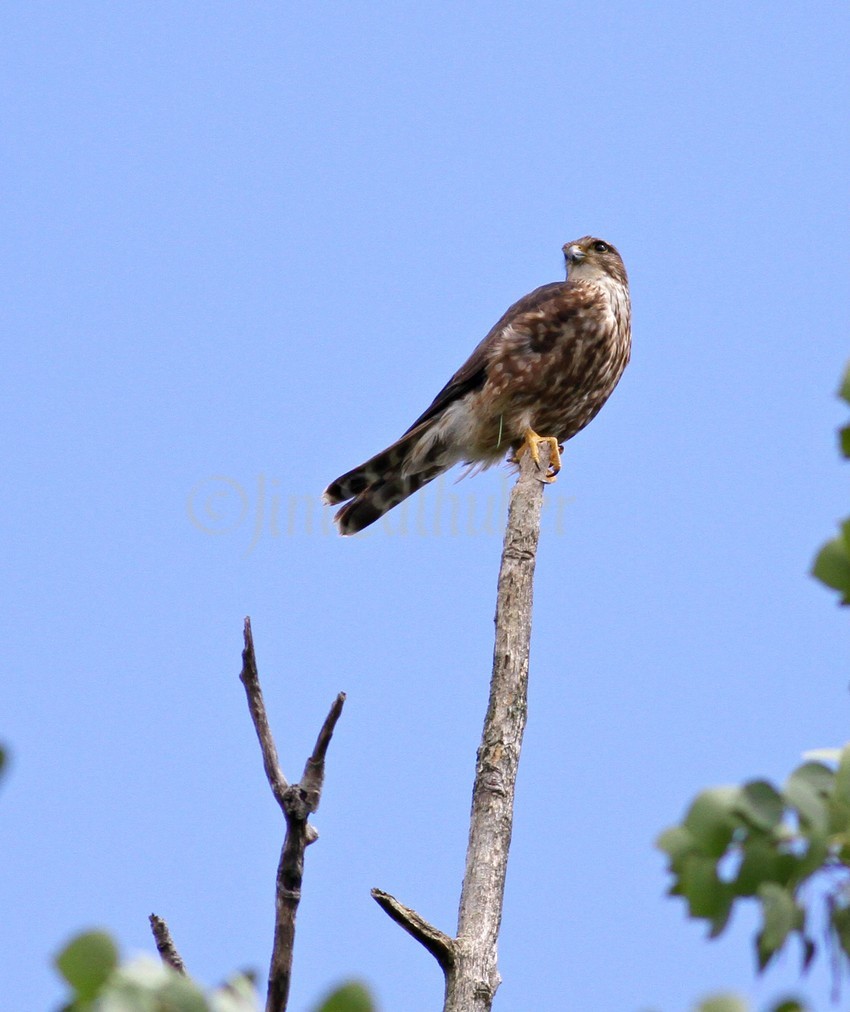
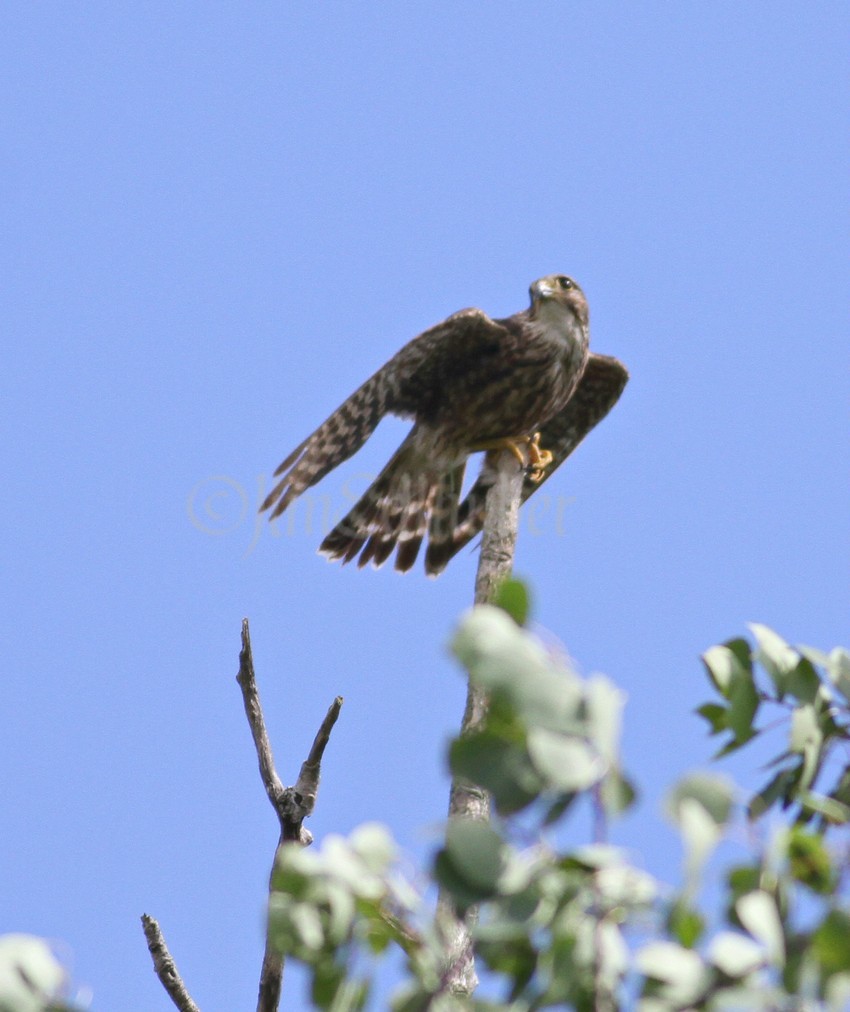
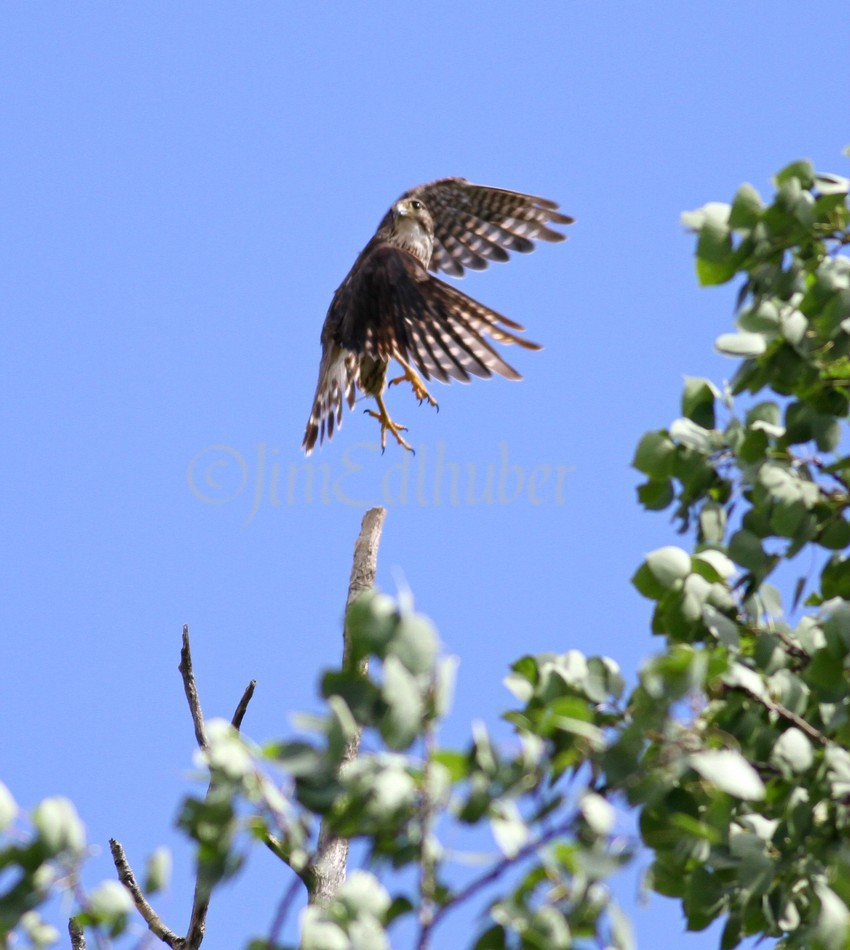
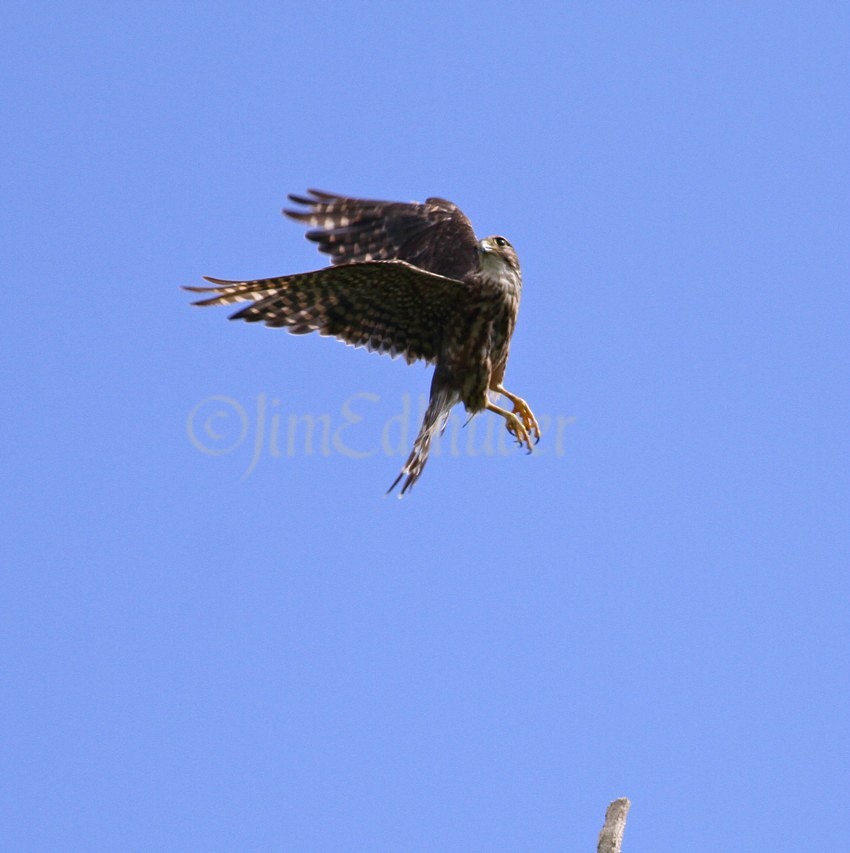
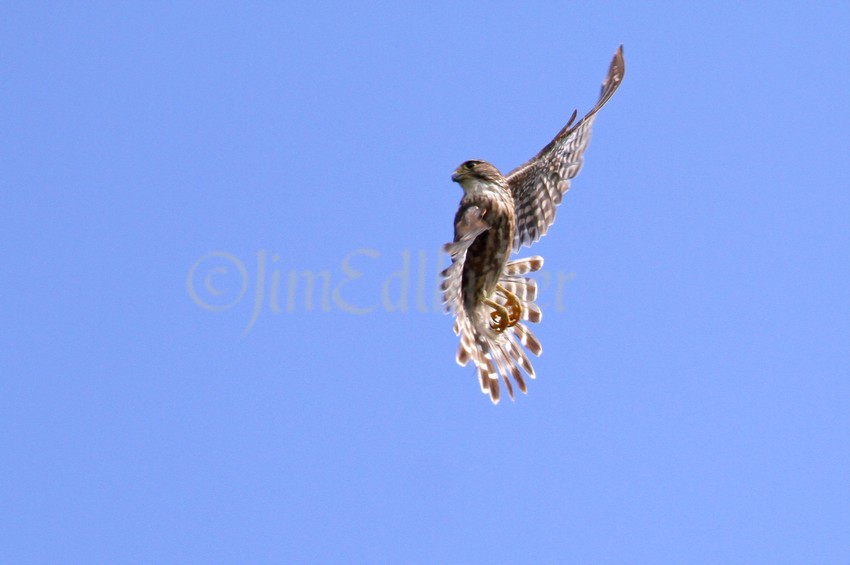
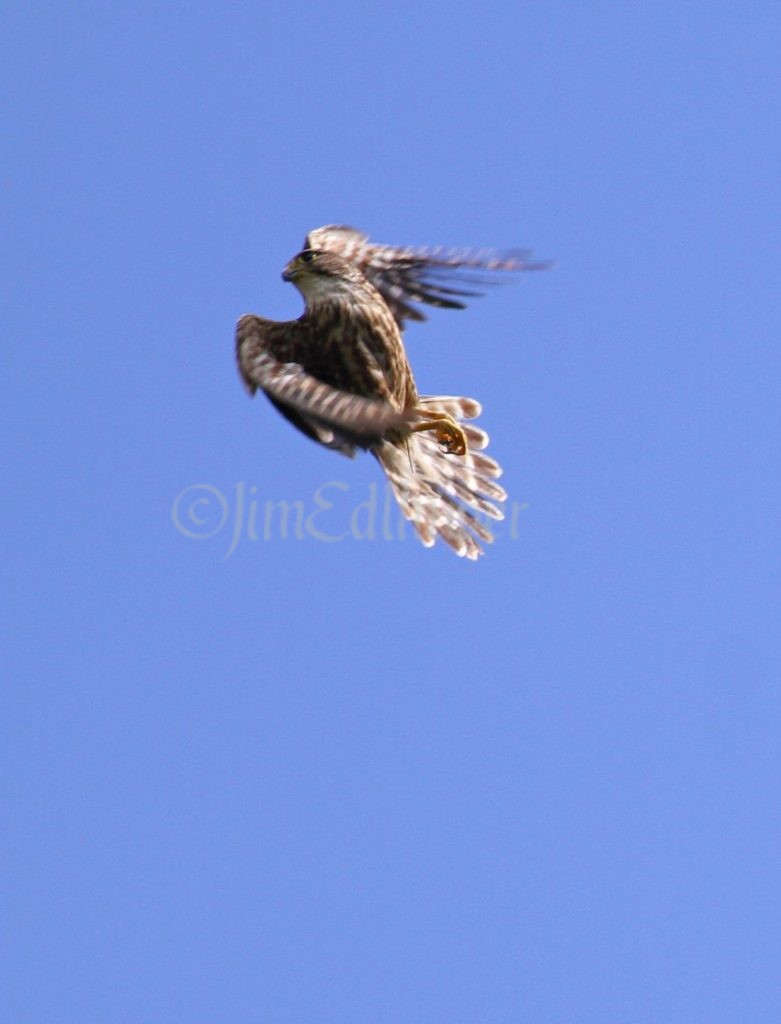
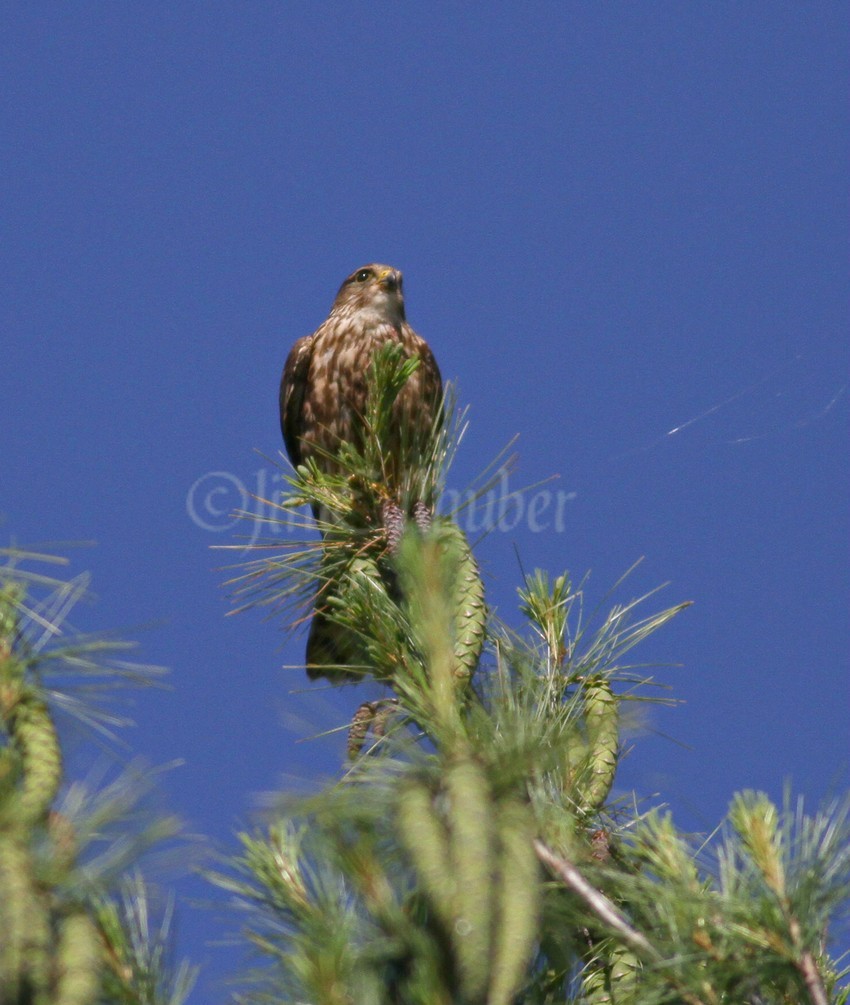
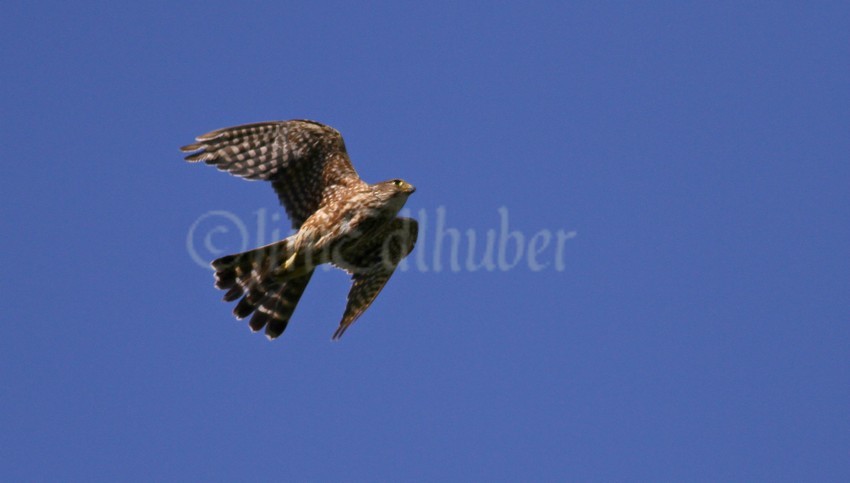
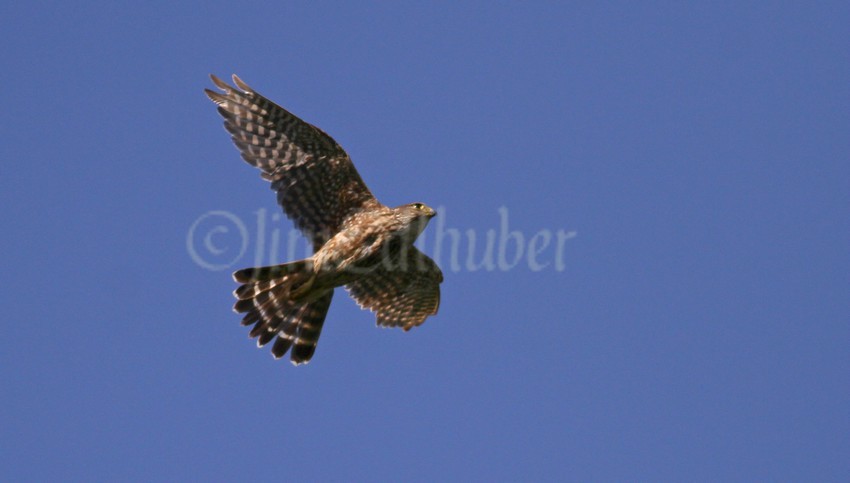
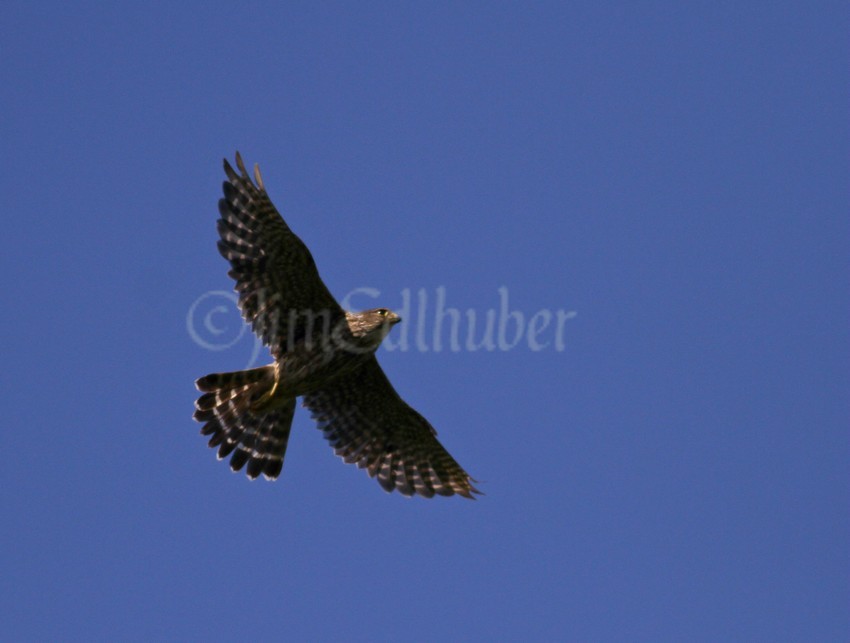
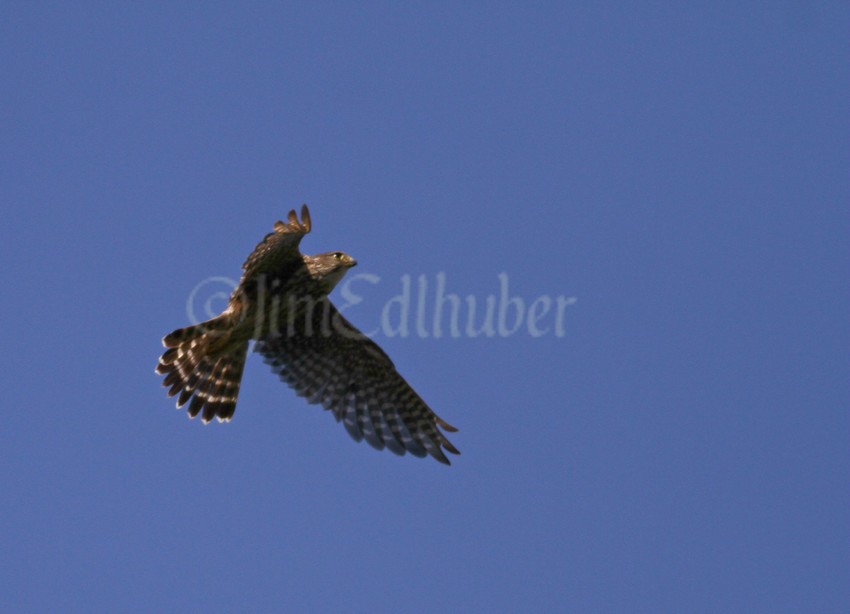
Merlins in Sawyer County Wisconsin on July 2, 2016

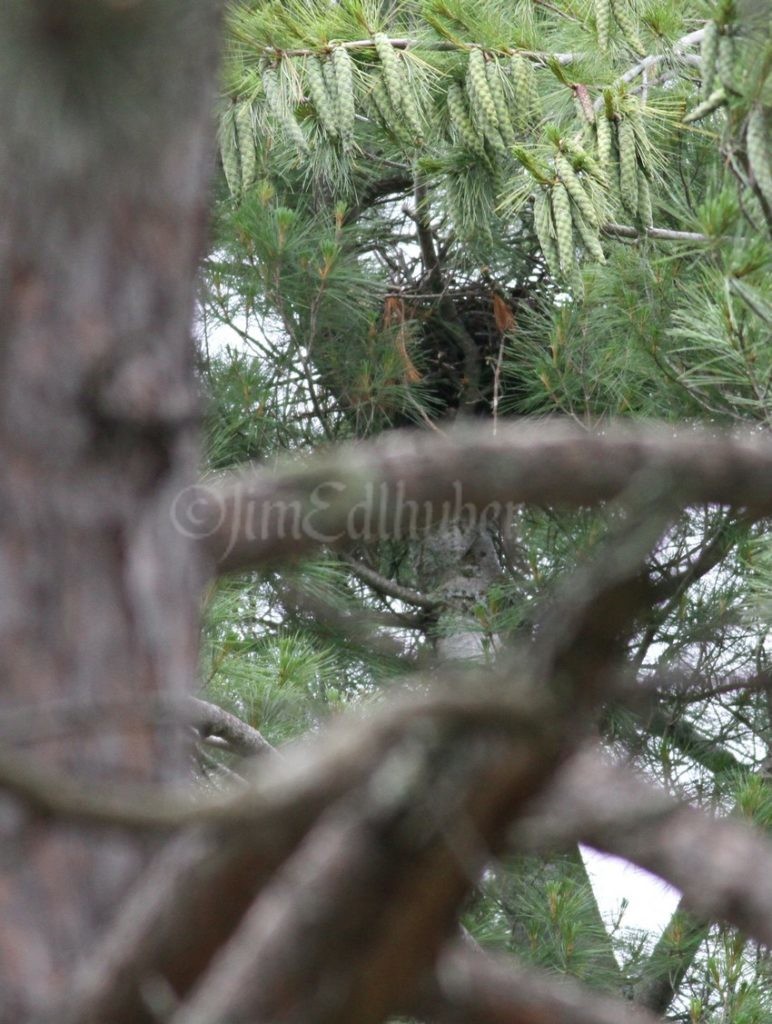
I found a nesting pair of Merlins last week while up in Sawyer County. These birds remained at tree tops when I saw them waiting for prey. I can see why they call this bird a small powerful falcon as it must hear or see prey off in a distant and then they take off like a bullet from the tree tops, they are out of sight in a couple of seconds. Amazing to see this bird in action, but it was very difficult to photograph it with tall pine trees in the area. I saw it fly to the nest on numerous occasions with prey and in the nest too, likely feeding young. Amazing birds! Images were taken the last week in June 2016.
These images are not very sharp but I wanted to share this amazing bird.

__rmerIMG_3587_cr

Merlin

Binomial name: Falco columbarius

Category: Caracaras and Falcons

Size: 10” long, 24” wing span

Weight: 6.5 oz

_rmerIMG_3588_cr

Just before takeoff

_rmerIMG_3589_cr

_rmerIMG_3590_cr

_rmerIMG_3591_cr

_rmerIMG_3592_cr

_rIMG_8466_cr

Typically perched on a tall pine tree close to the nest tree
The nest up very high
The nest up very high
_rIMG_8452_cr

_rIMG_8453_cr

_rIMG_8454_cr

_rIMG_8455_cr

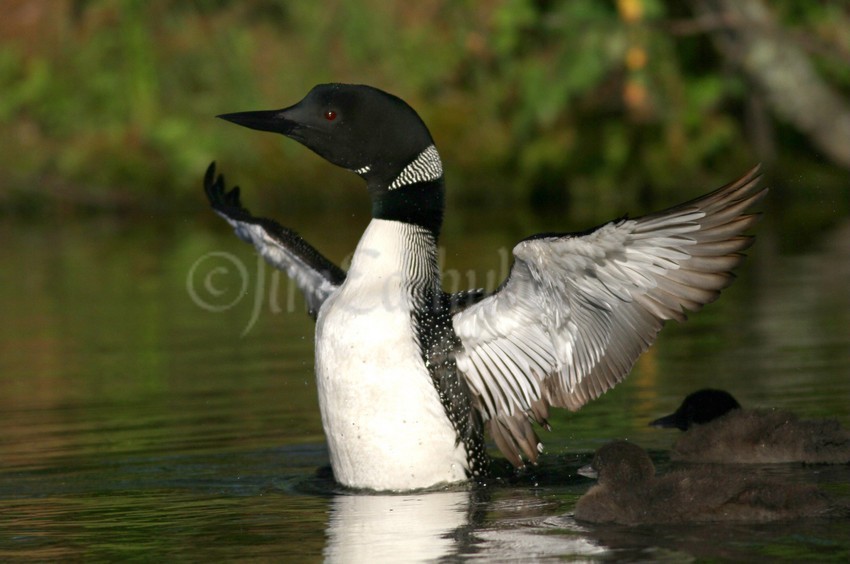
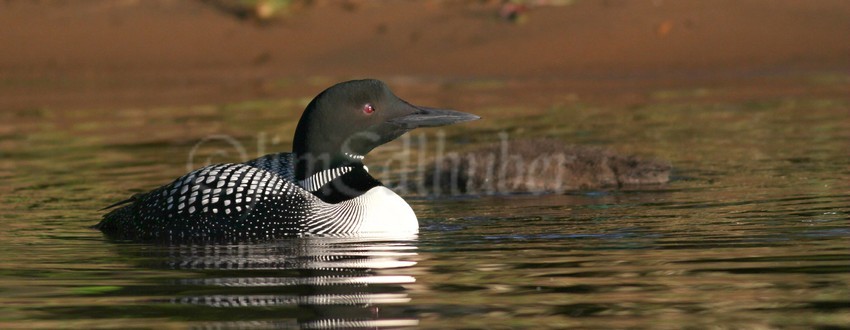
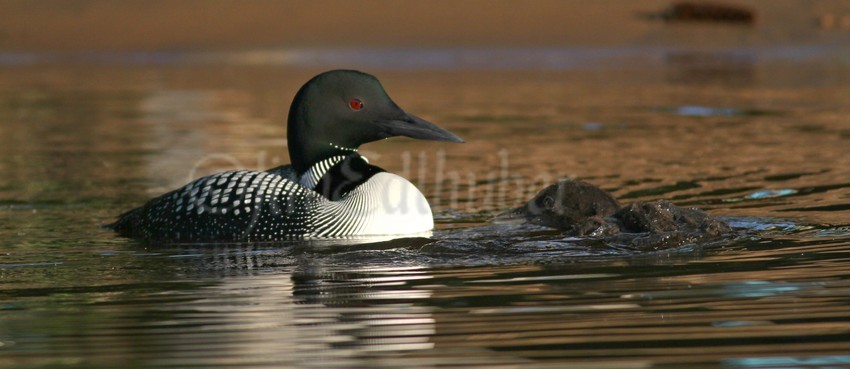
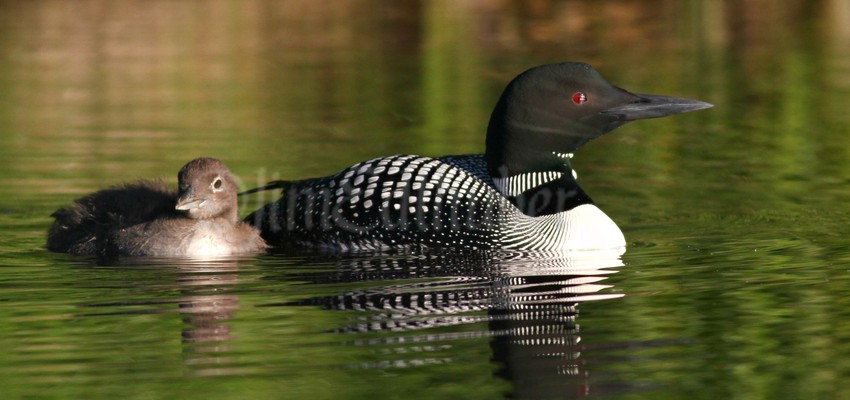
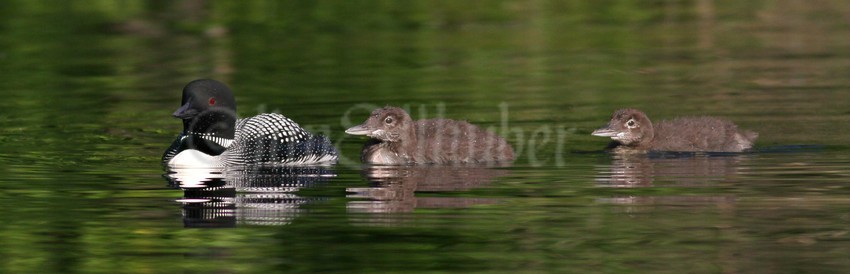
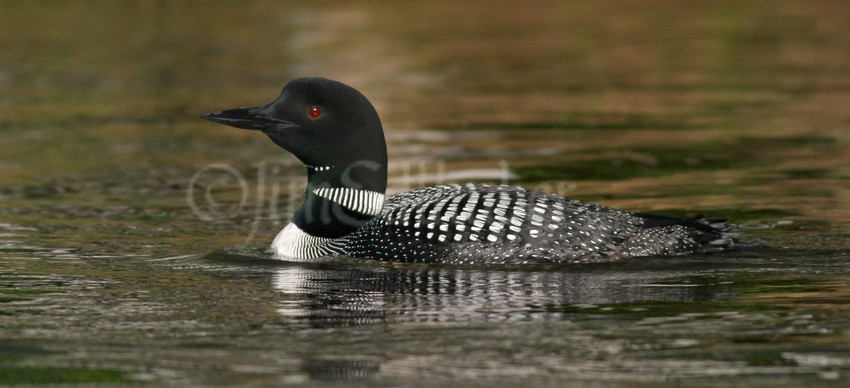
Common Loons with Chicks in Sawyer County Wisconsin on July 2, 2016

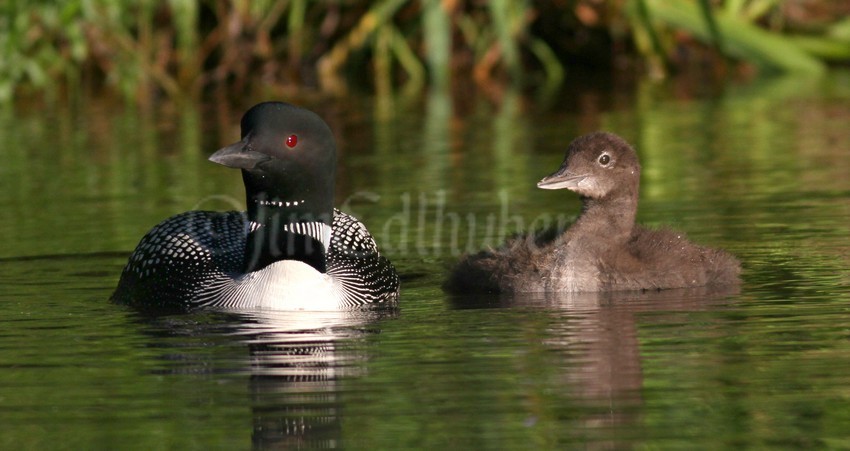
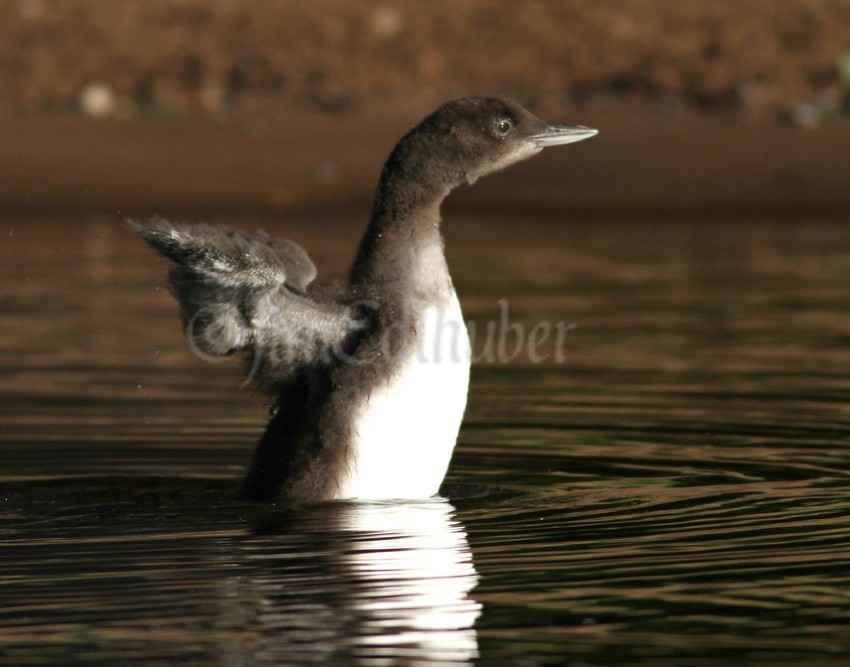
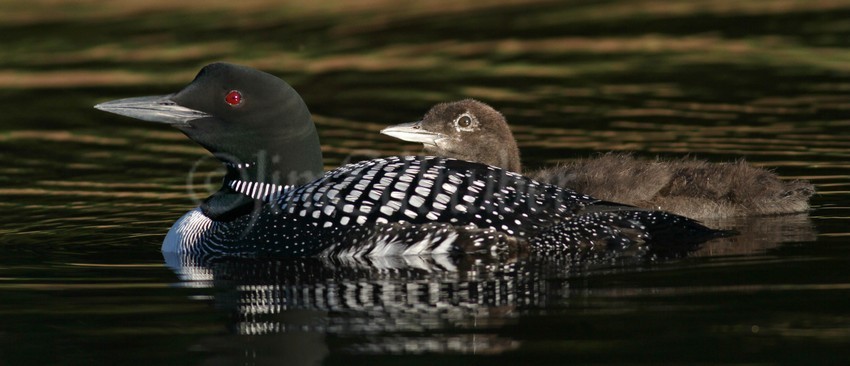
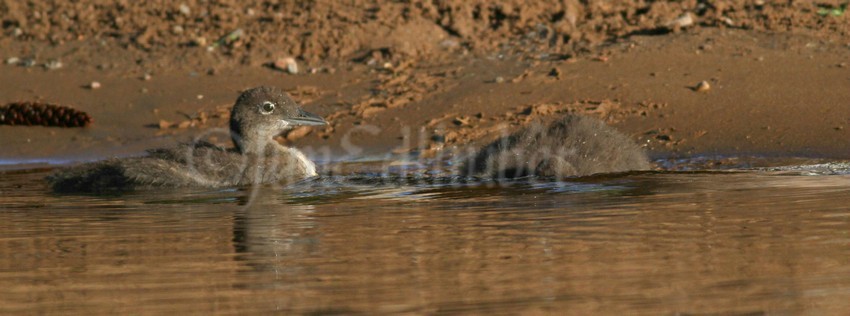
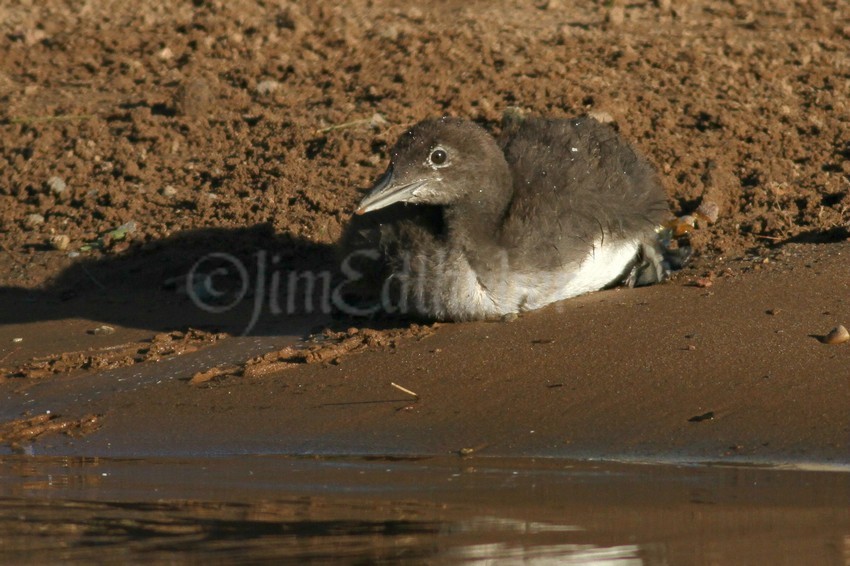
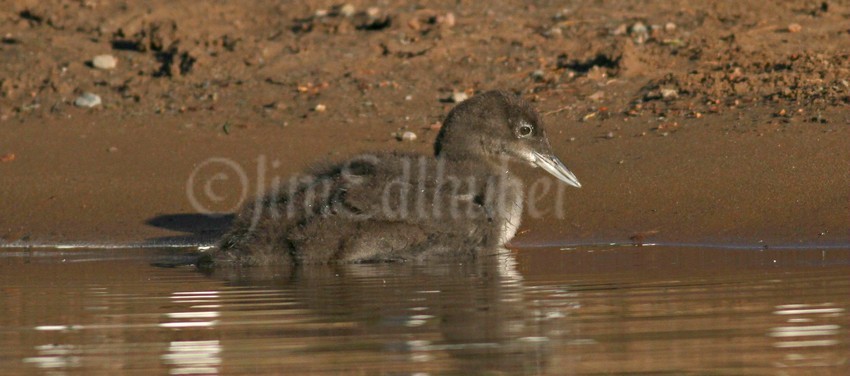
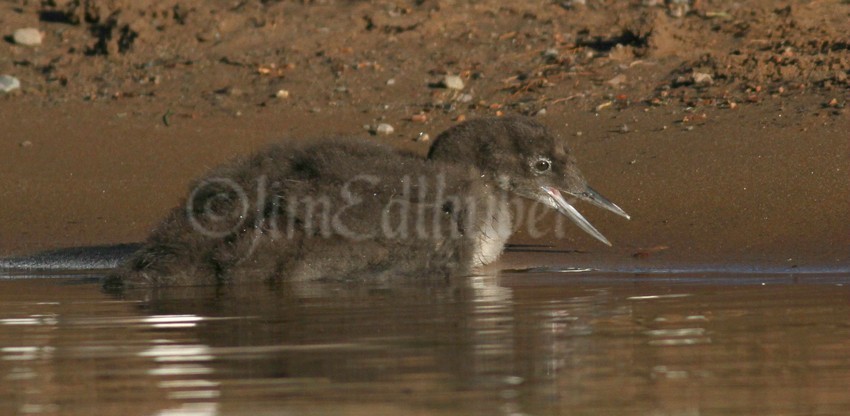
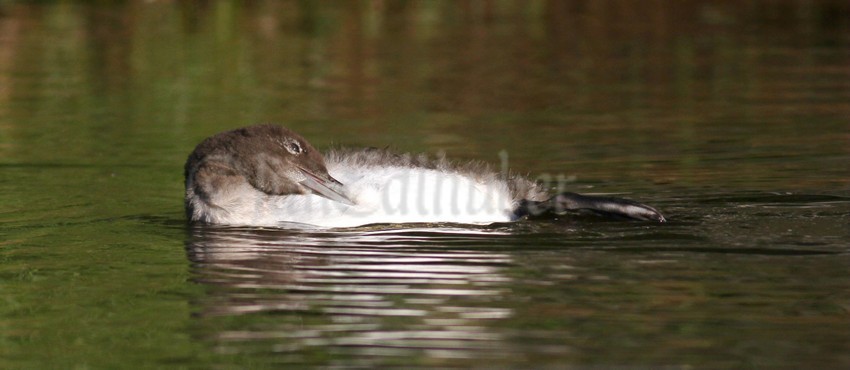
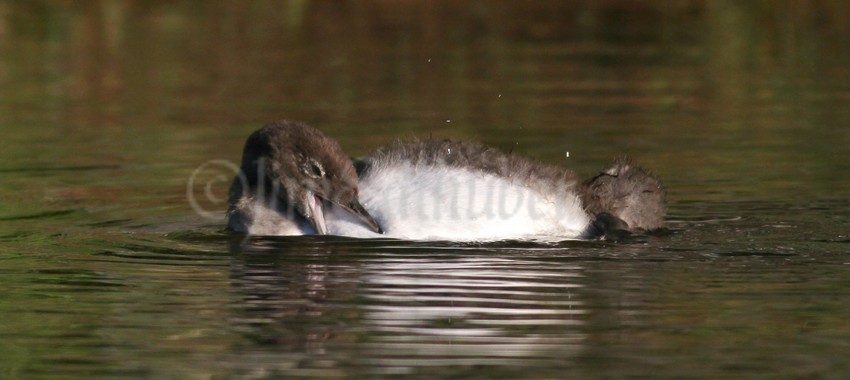
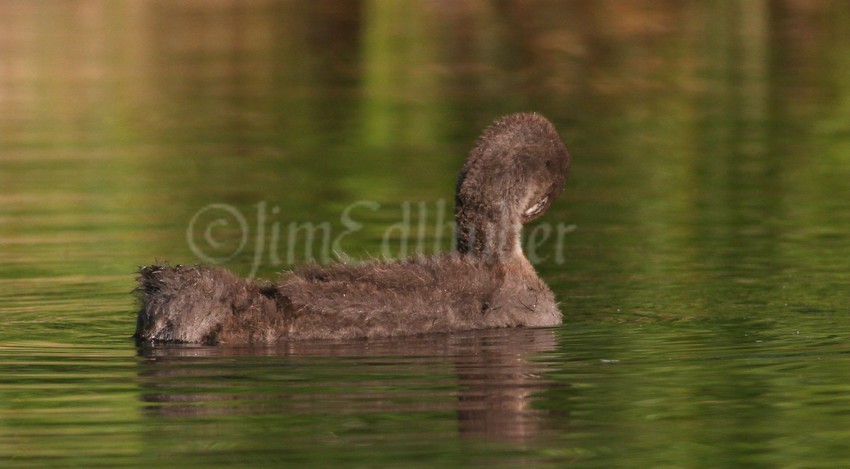
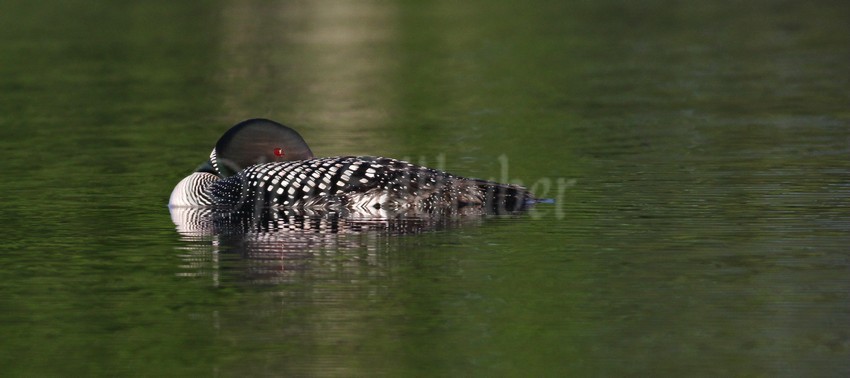
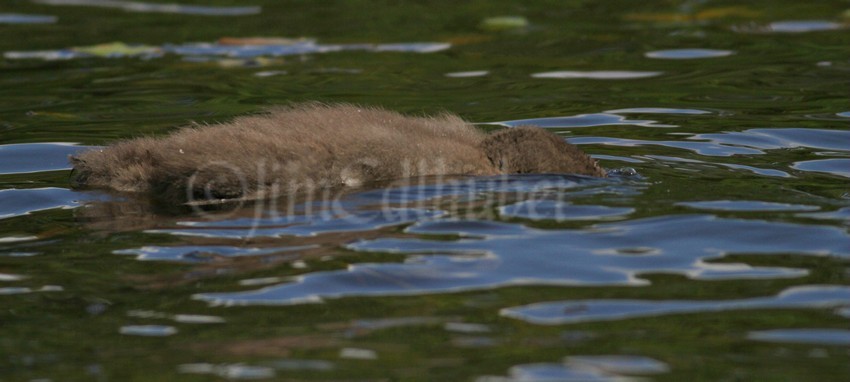
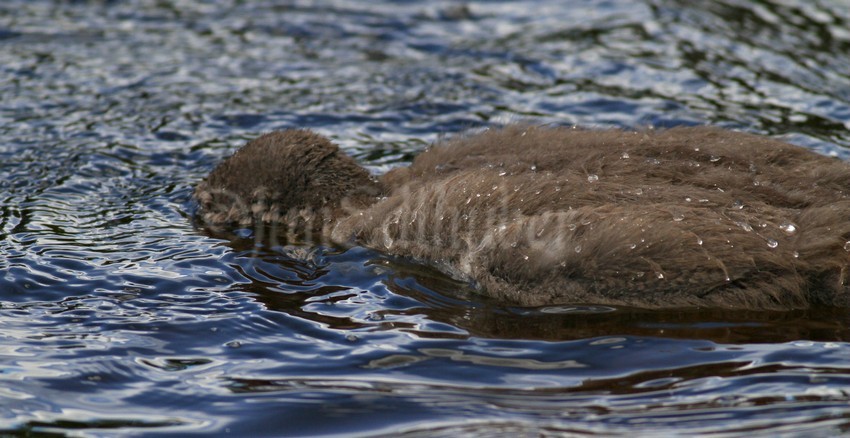
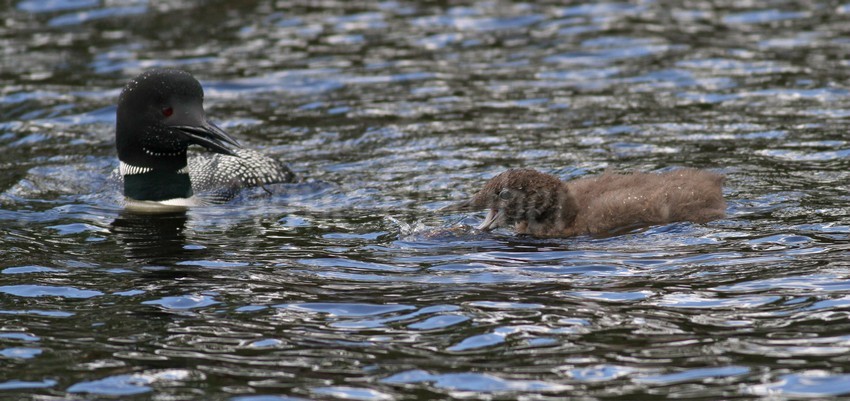
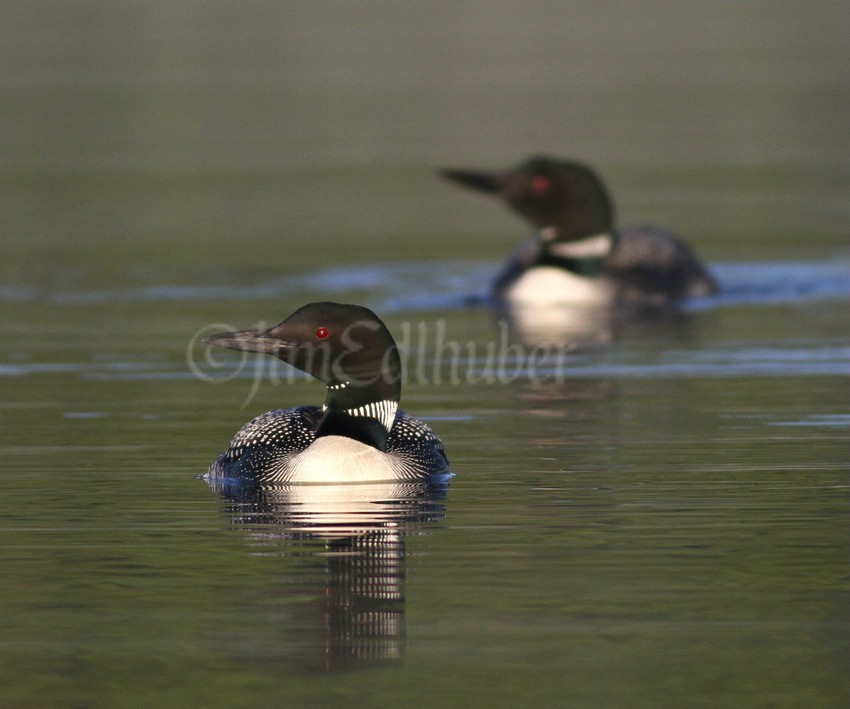
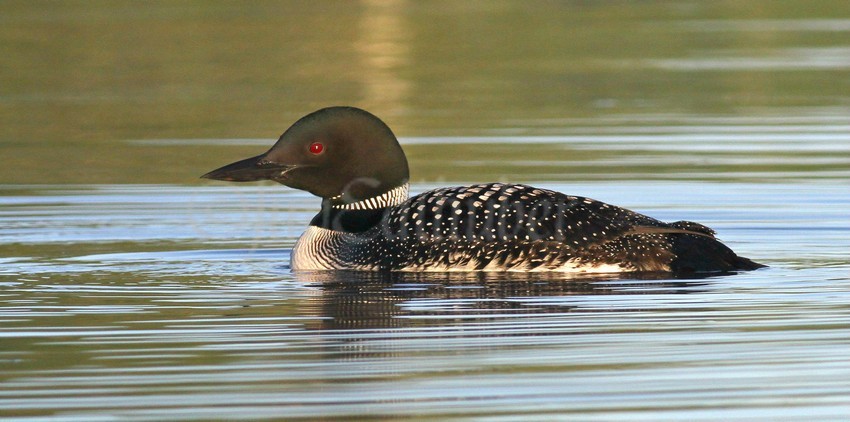
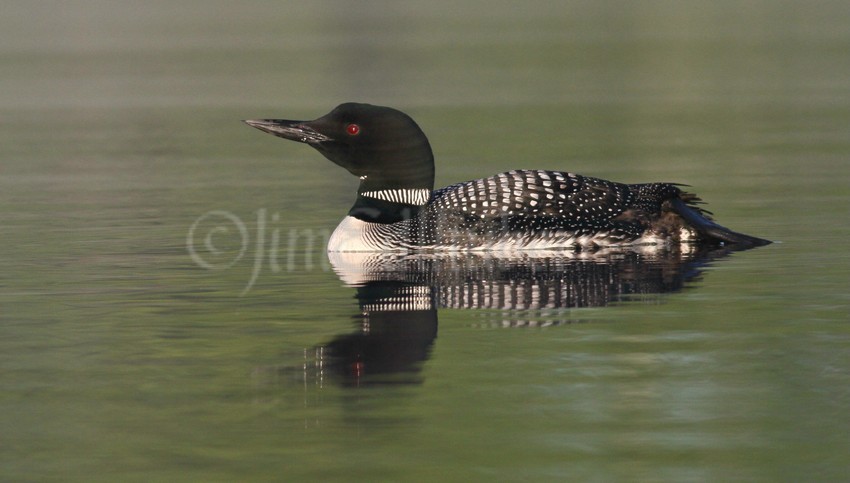
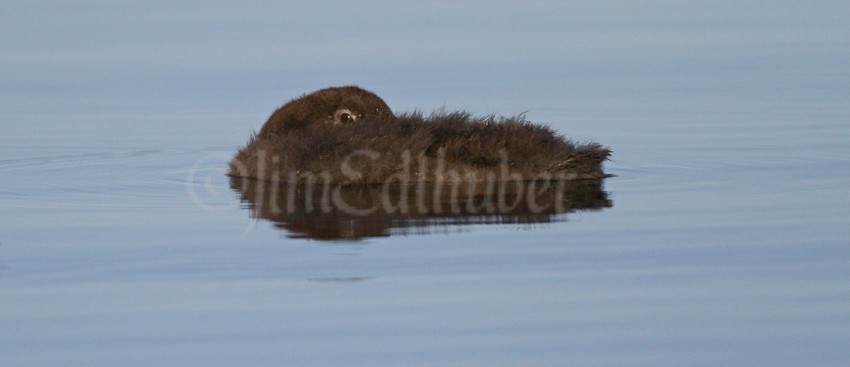
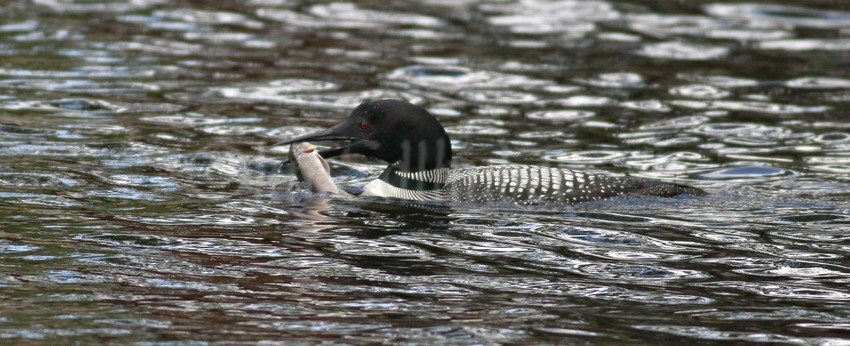
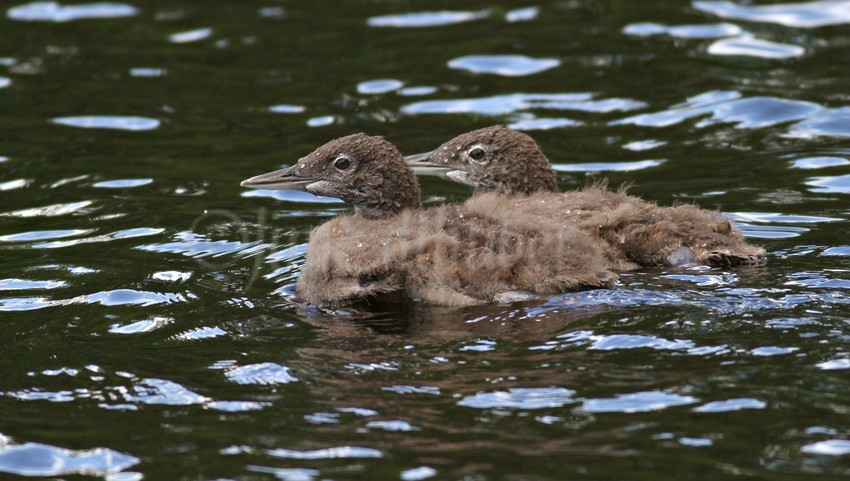
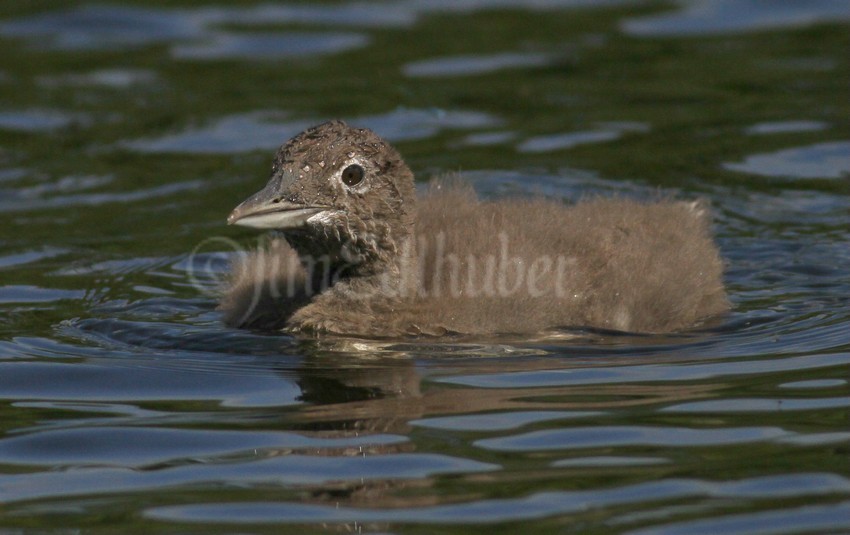
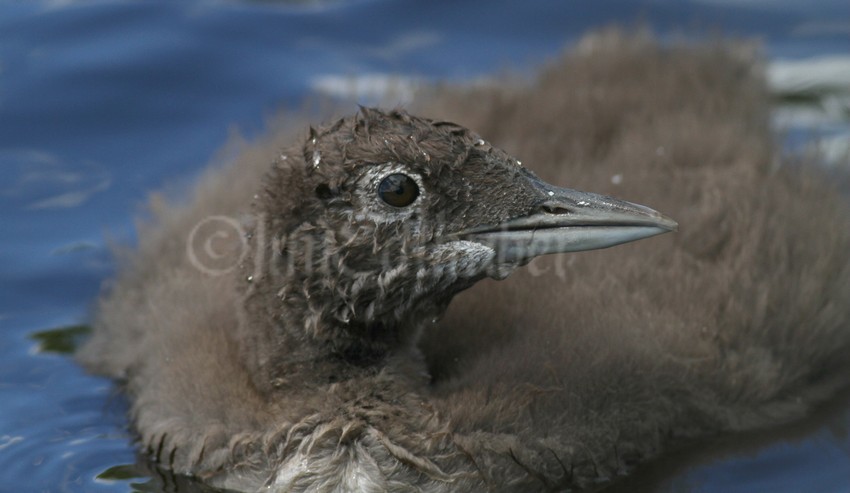
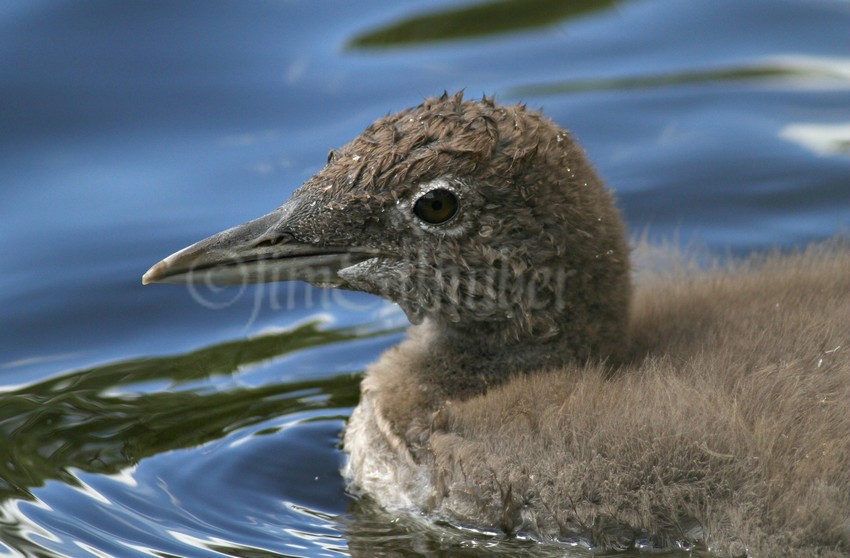
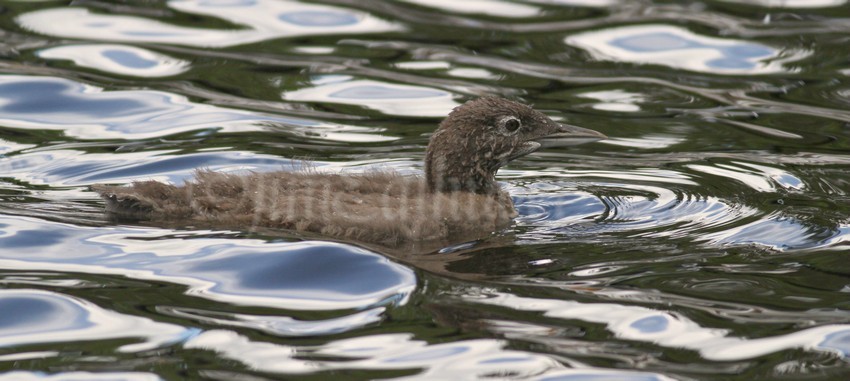
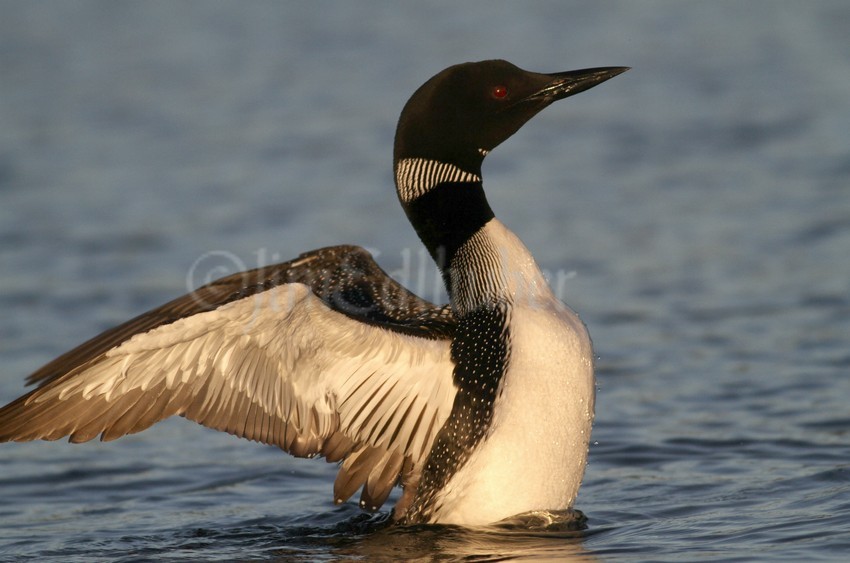
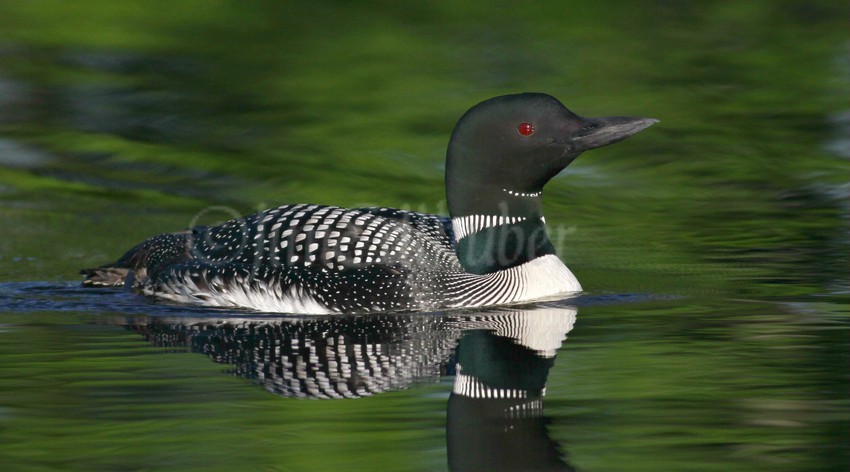
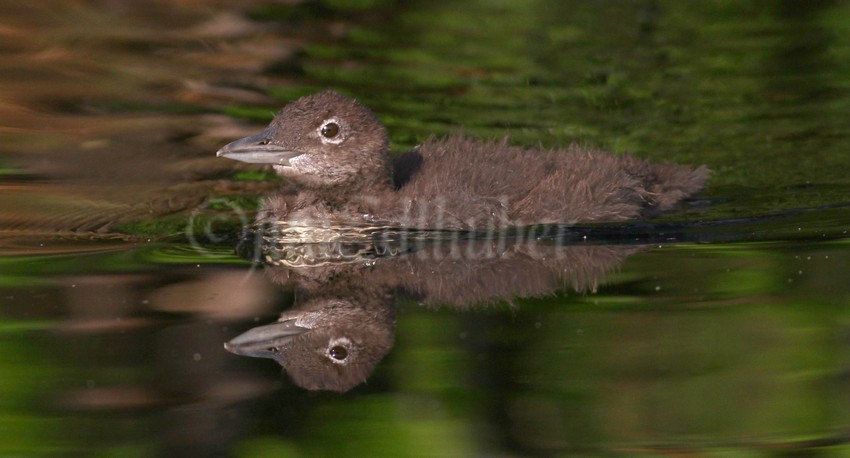
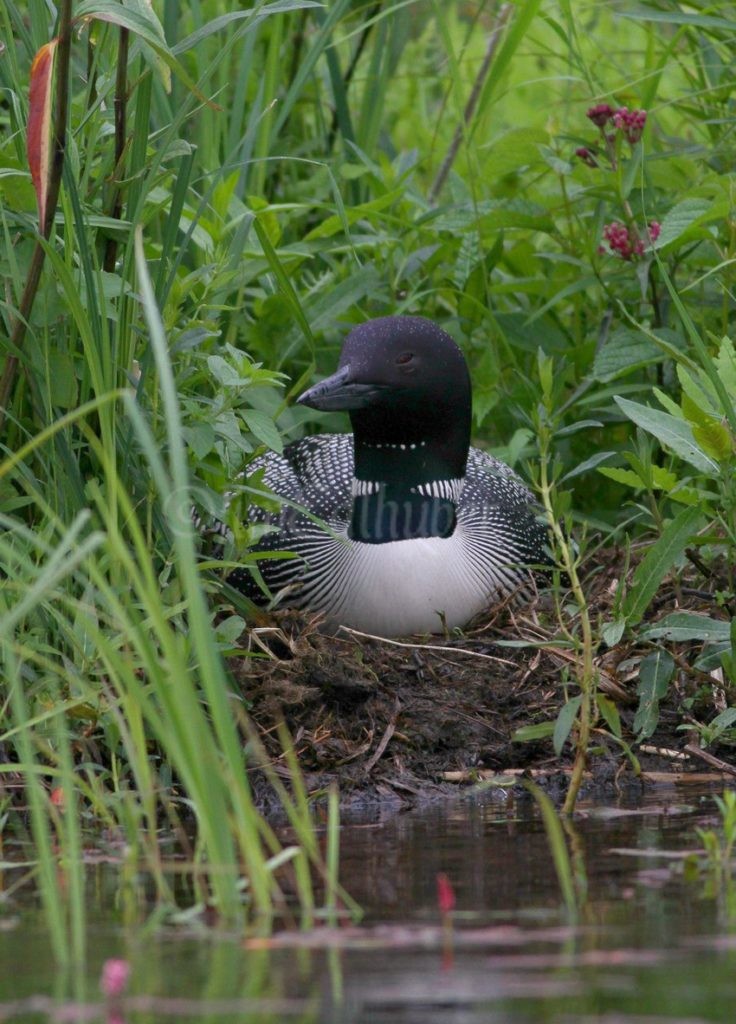
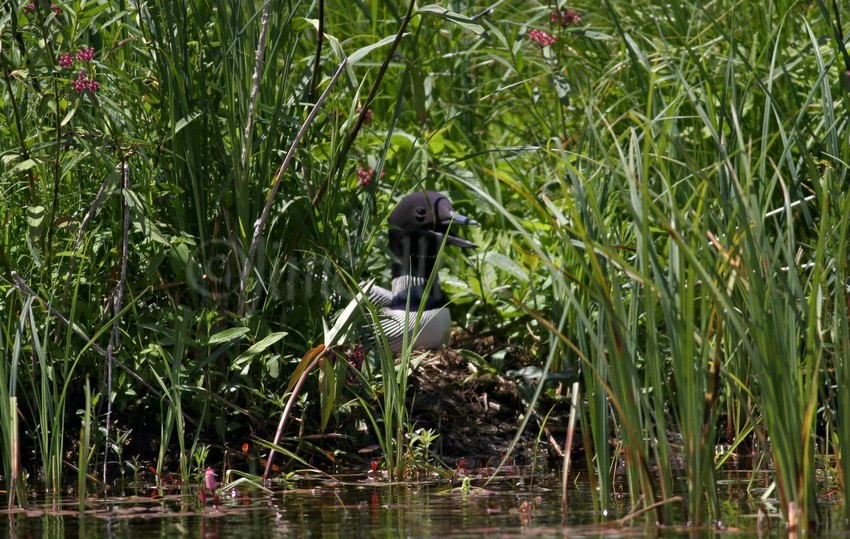
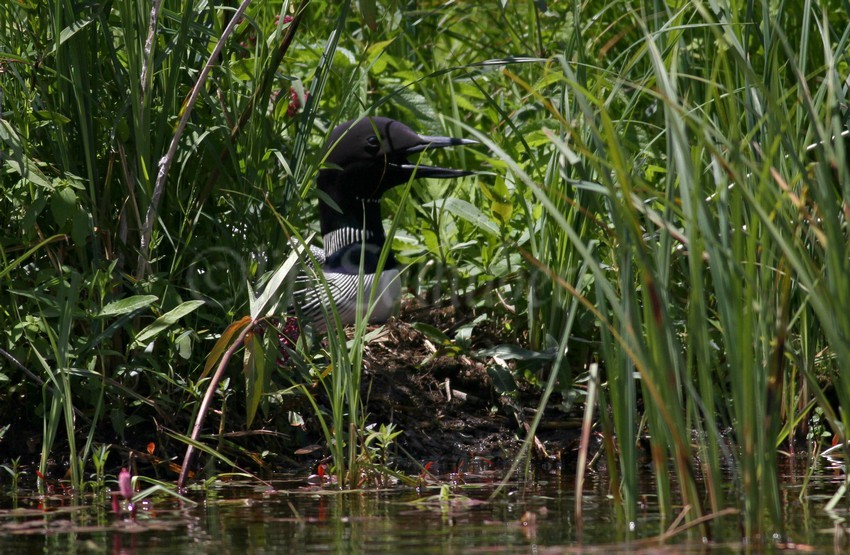
On a recent trip to Sawyer County in Northern Wisconsin, I had the opportunity to watch and enjoy Common Loons with the chicks. These chicks were already very big, while I also came across an adult sitting on a nest. Also present and something I see every year were groups of 3-8 Common Loon adults gathered at sunrise as if they were having coffee. Then they split up and go out their separate ways an hour or so after sunrise. Another observation was an adult, just one adult present at this time, lays low in the water. Moments later I hear the sound of wings from behind me, I look up, 3 adult loons fly over the area in front of me. No loons in sight, they have all disappeared under the water, even the chicks. 15-20 seconds later, they all surface. A couple minutes later and adult loon flies in and joins the 3, now were have 2 adults and 2 chicks. What just took place?? I keep learning new things about these magnificent birds while a spend time watching them. Images were taken during the last few days of June and a couple of days in July 2016.

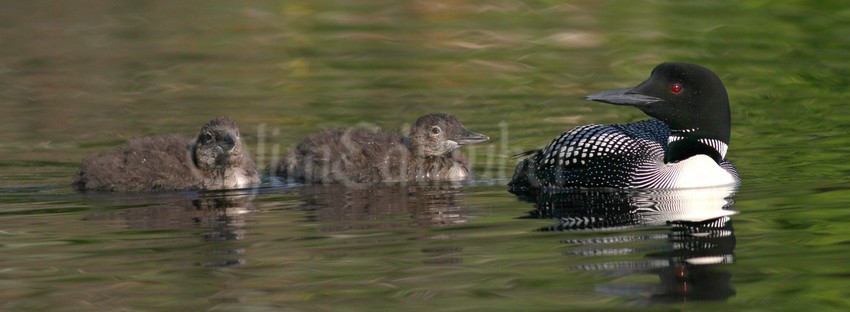
Common Loon adult with chick

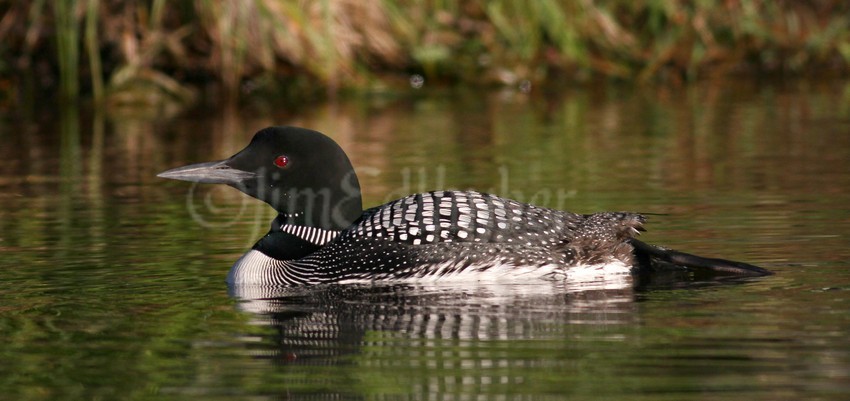
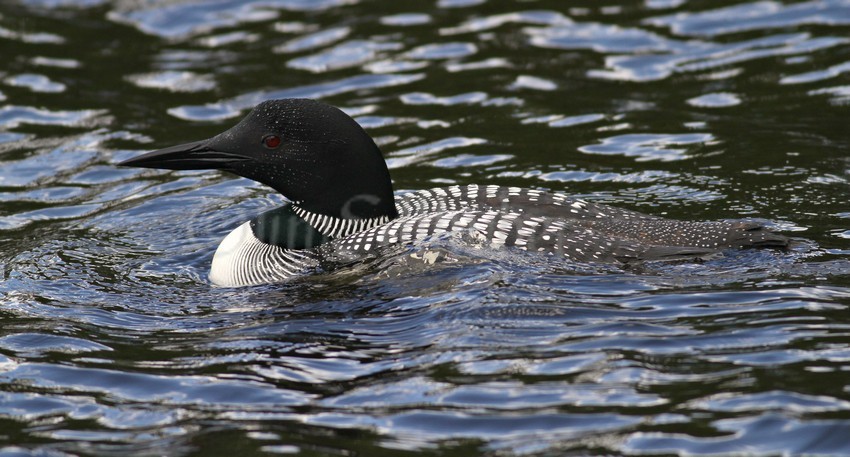
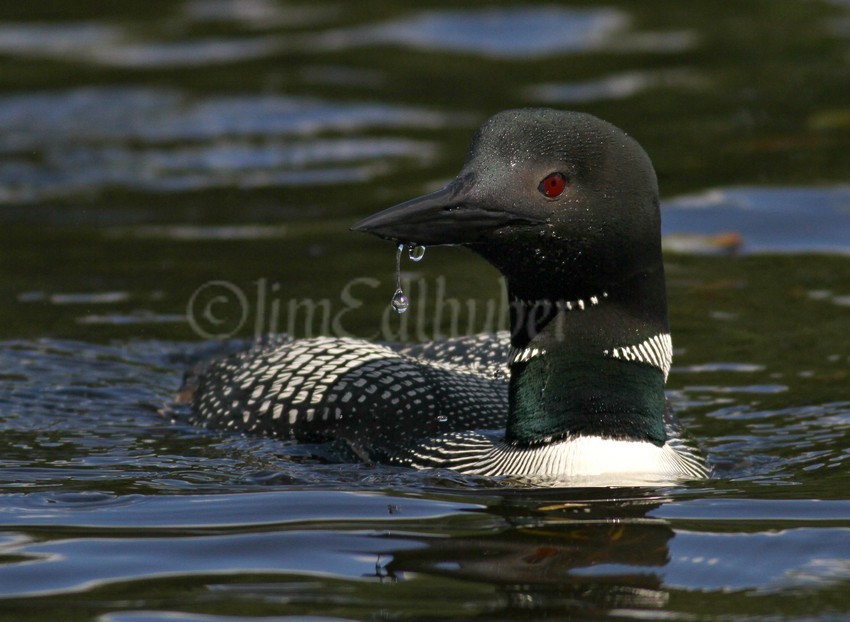
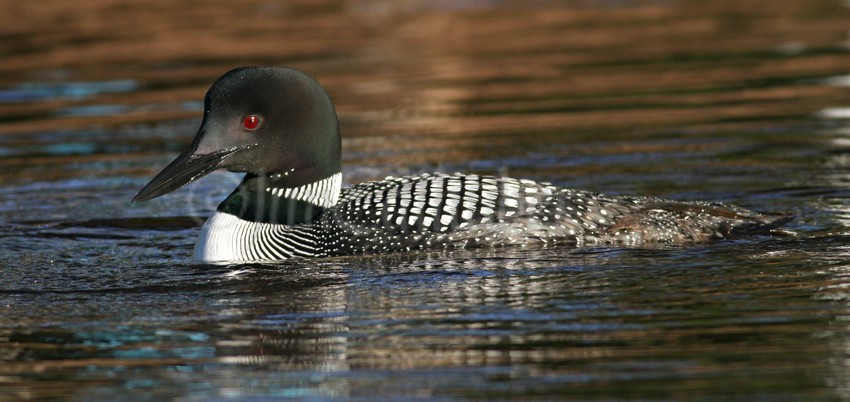
Common Loon

Binomial name: Gavia immer

Category: Loons

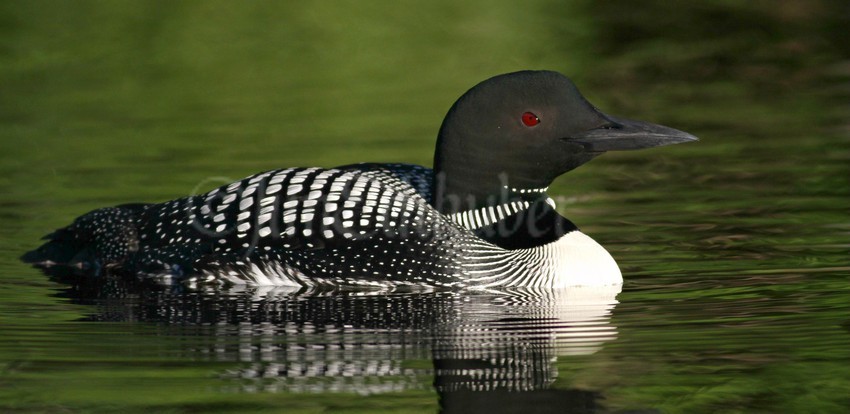
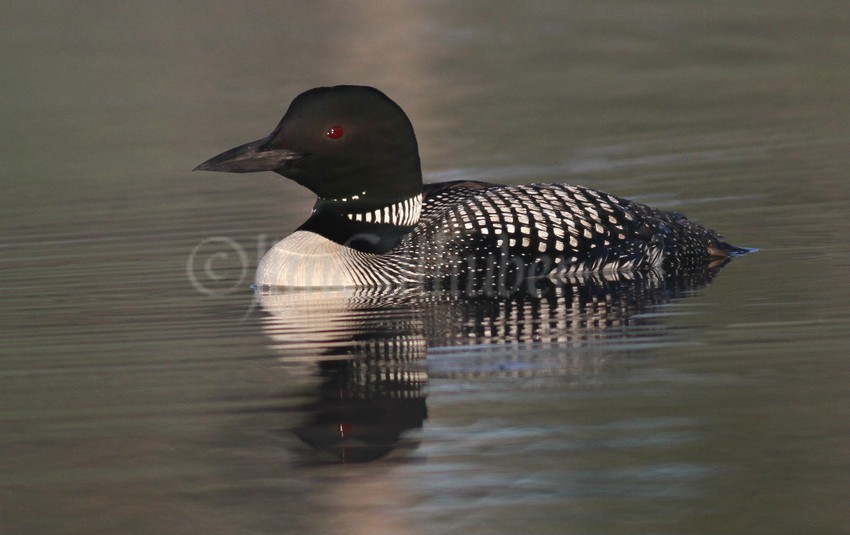
Description: Black head with black and white checkered body in summer for breeding season; brown and white body in the winter.  Blackish-blue bill that is held horizontally and black feet.

Size: 24″-40″ long, 4′ – 5′ wingspan

Weight: 4 lbs. – 8 lbs.

Habitat: Large lakes and shorelines

Diet: Fish (perch, trout, sunfish, bass, crayfish)

Nesting: Usually nests on small islands or other locations safe from land-based predators.  The nest may be made out of thin sticks, dried grasses, or a depression in mud or sand.  Typically 1 to 3 eggs will be laid at one time and will be incubated by both parents.  The parents aggressively protect their nests and share the responsibility of feeding the young.  Baby loons may be seen riding on the back of either parent in the water.
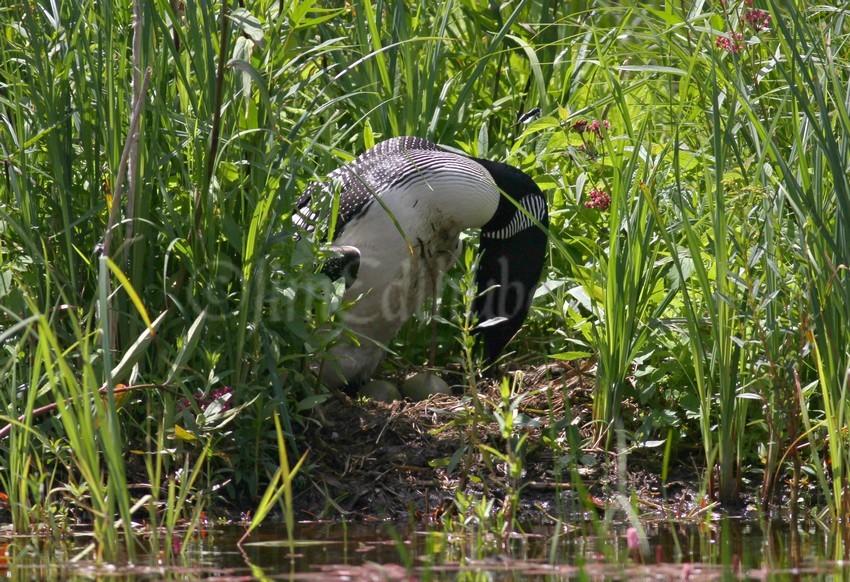
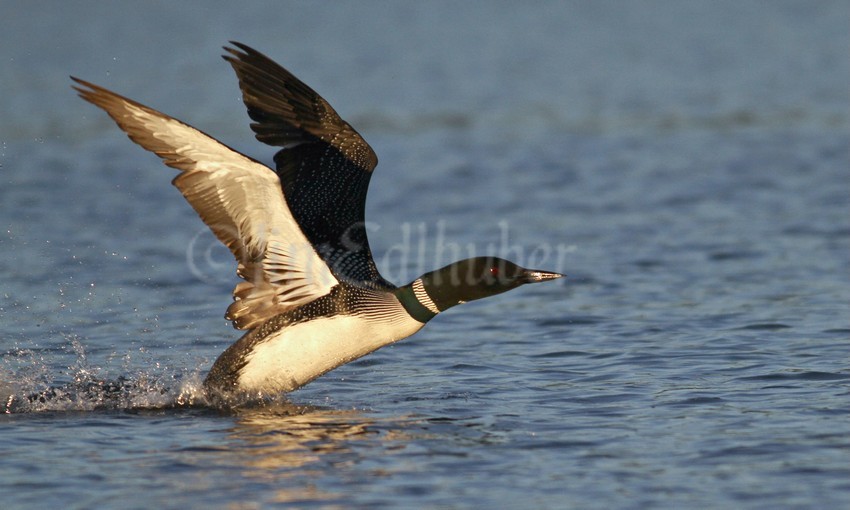
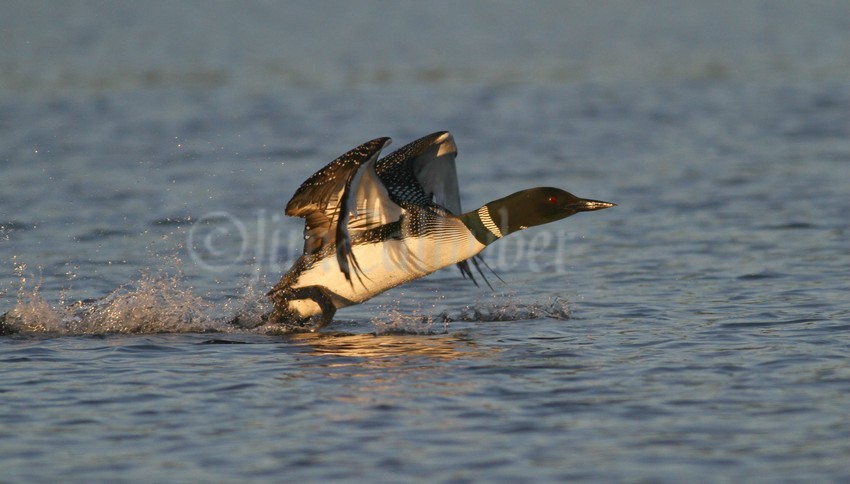
Notes: The Common Loon has legs positioned in the rear of its body.  This makes for excellent diving and graceful swimming; however, it also makes for awkward landings and clumsy walking.  In fact, Loons require a “runway” spanning 30 yards or 1/4 mile for take-off and landing AND it can only be done in water.  Loons have actually been stranded in small ponds, icy lakes, or even a parking lot without a suitable runway and must be rescued.

Common Loon adult

Common Loon, adult

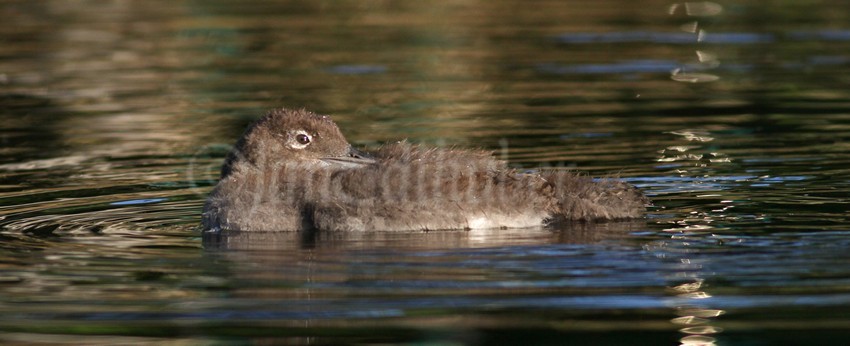
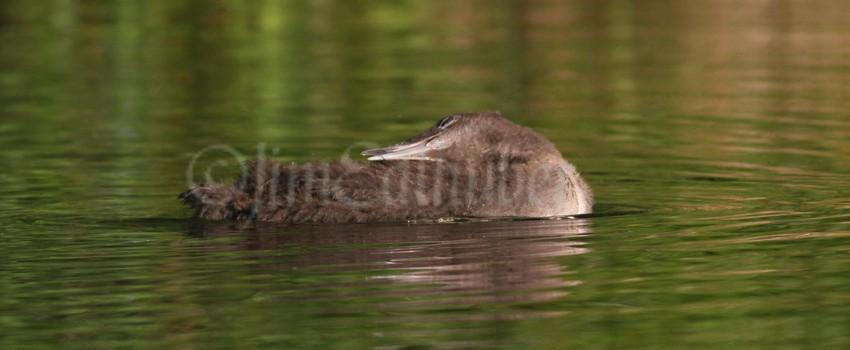
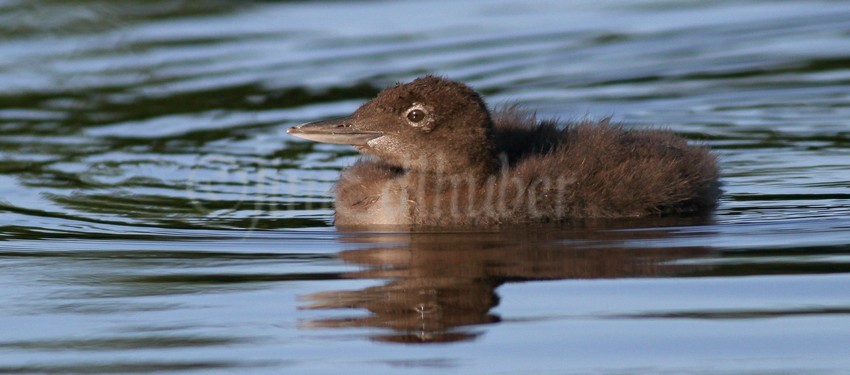
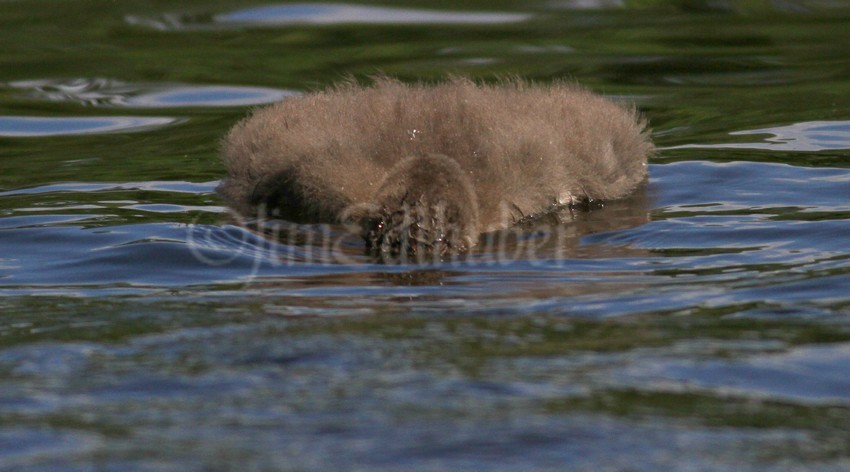
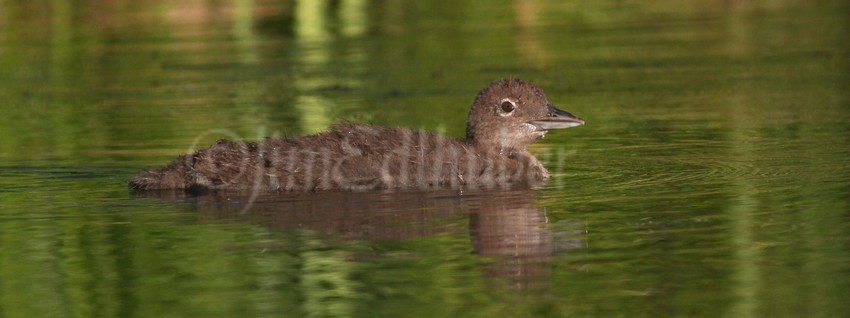
Common Loon, chick

Common Loon, chick

Common Loon, adult on nest
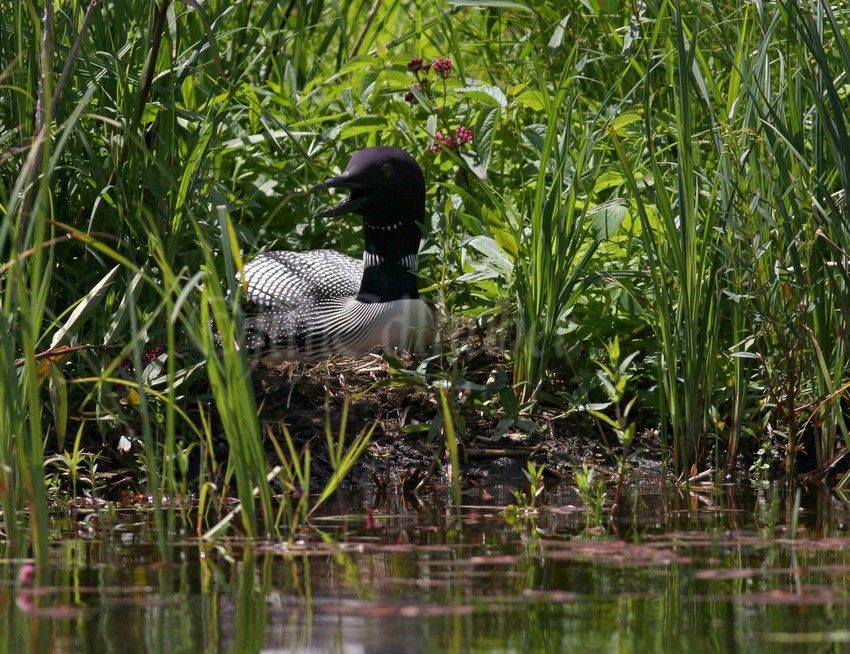
Common Loon, adult on nest
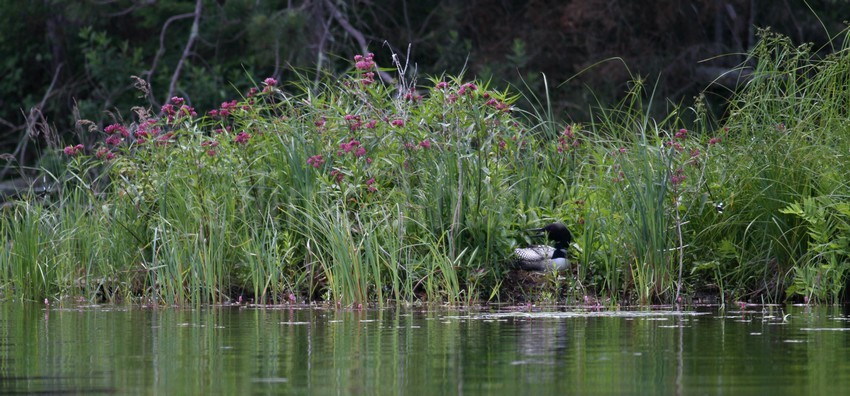
Common Loon, adult on nest
Common Loon, adult on nest

Common Loon, adult on nest

Common Loon, adult on nest

Common Loon, adult on nest rolling over eggs

Common Loon, adult on nest turning eggs over

Common Loon, adult on nest

Common Loon, adult on nest

Common Loon, adult on nest, view of nesting site

Common Loon, adult on nest, view of nesting site

Common Loon, adult

Common Loon, adult

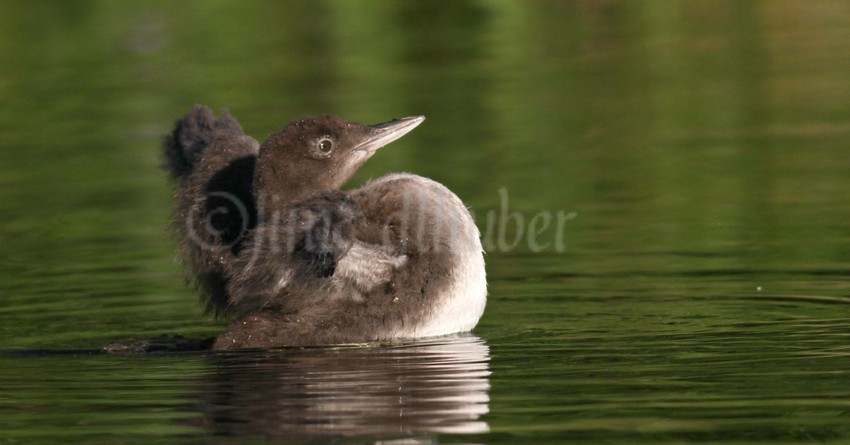
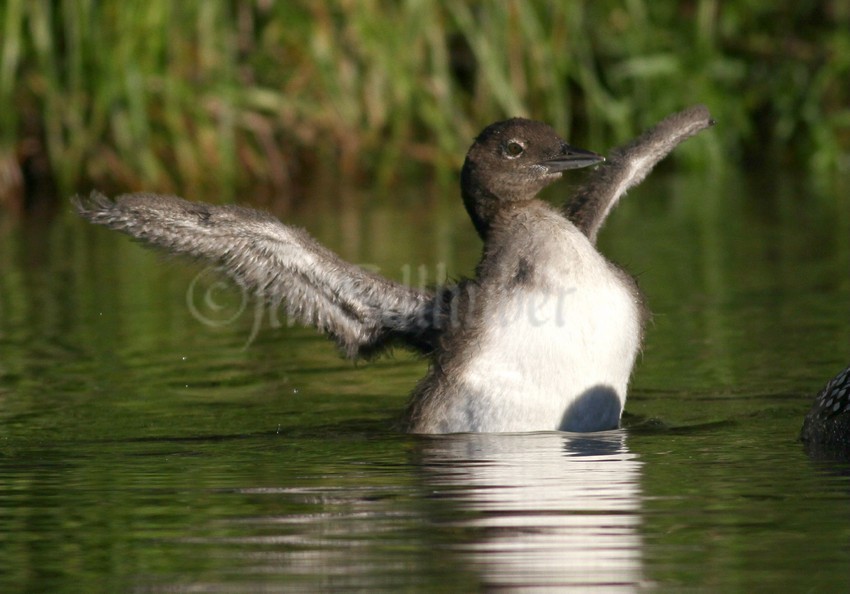
Common Loon, chick stretching

Common Loon, chick stretching

Common Loon, adult with chick

Common Loon, adult with chick

Common Loon, adult

Common Loon, adult

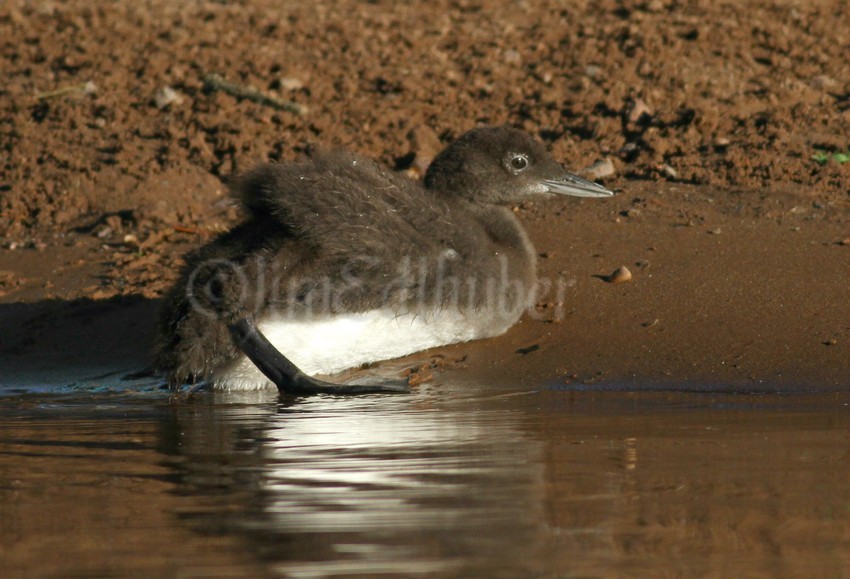
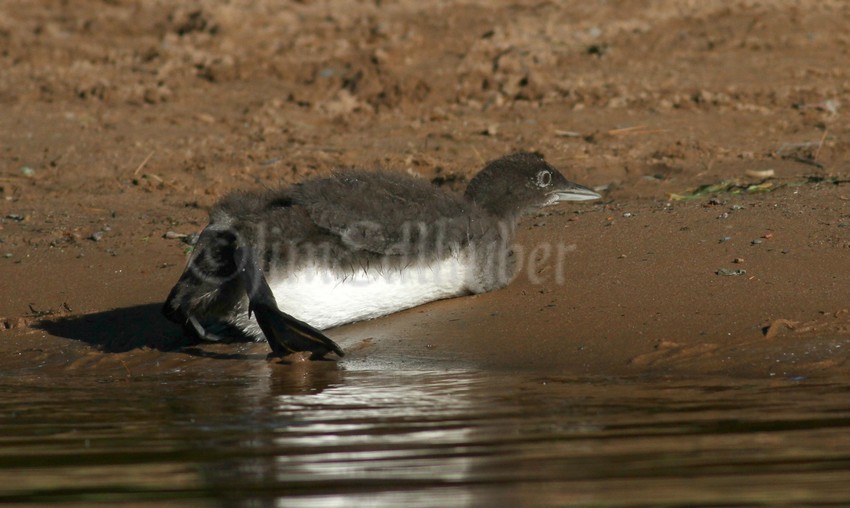
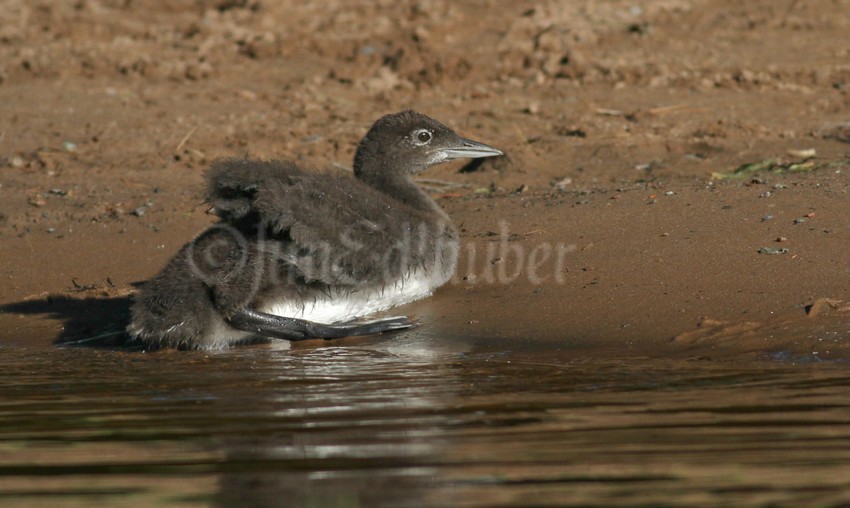
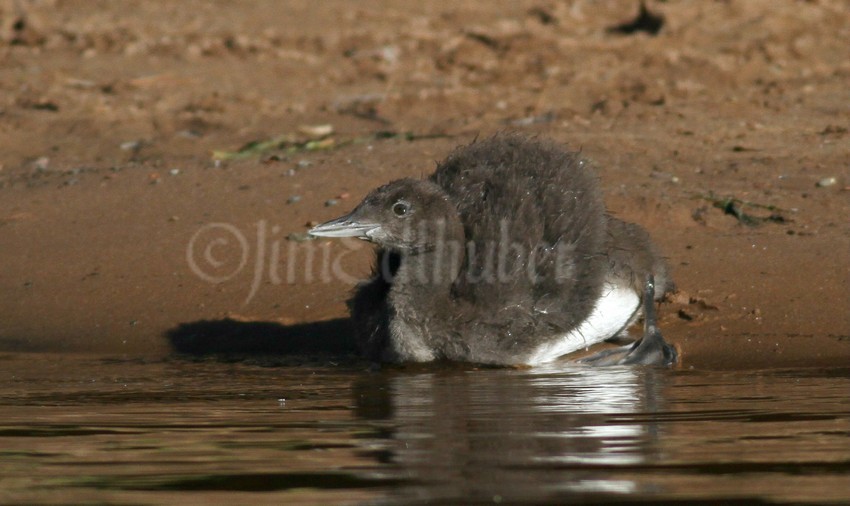
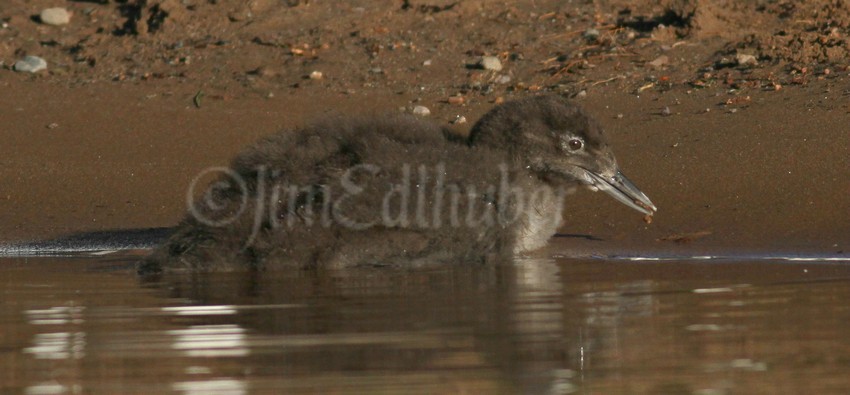
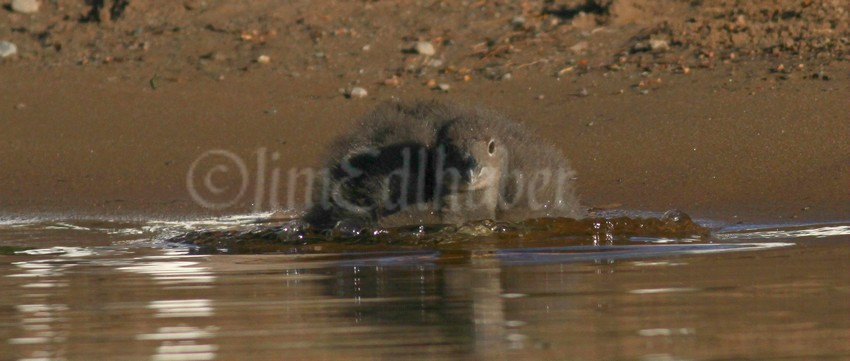
Common Loon, chick, adults bring the chicks to a sandy shoreline area for the walking on land. Common Loons only walk a short distance and that occurs at nesting time. Their nests are typically 1 foot or less from water.

Common Loon, chicks at the shore

Common Loon, chick, one reason a chick needs to learn how to walk is to walk on shore for nesting

Common Loon, chick need to learn to walk a short distance for nesting

Common Loon, a chick walks on shore

Common Loon, chick need to learn to walk a short distance for nesting

Common Loon, a chick on shore

Common Loon, chick, walking on the beach

Common Loon, a chick walks on shore

Common Loon, chick, walking on the beach

Common Loon, a chick walks on shore

Common Loon, chick training time on the beach

Common Loon, chick walking back into water

Common Loon, chick eating a worm

Common Loon, chick eating a worm on shore

Common Loon, chick heading back out into the water after a short walk on shore

Common Loon, chick heading back out into the water after a short walk on shore

Common Loon, chick stretching

Common Loon, chick starting the stretch

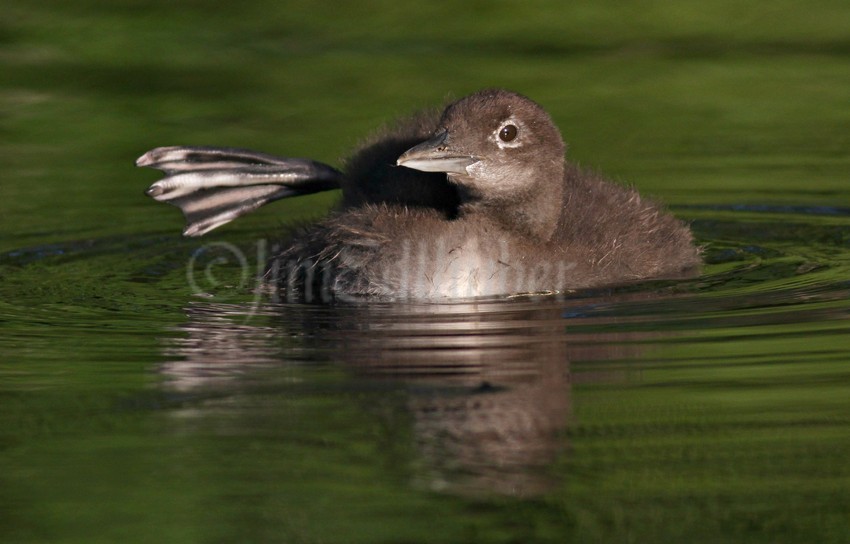
Common Loon, chick stretching a leg

Common Loon, chick stretching a leg

Common Loon, adult

Common Loon, adult

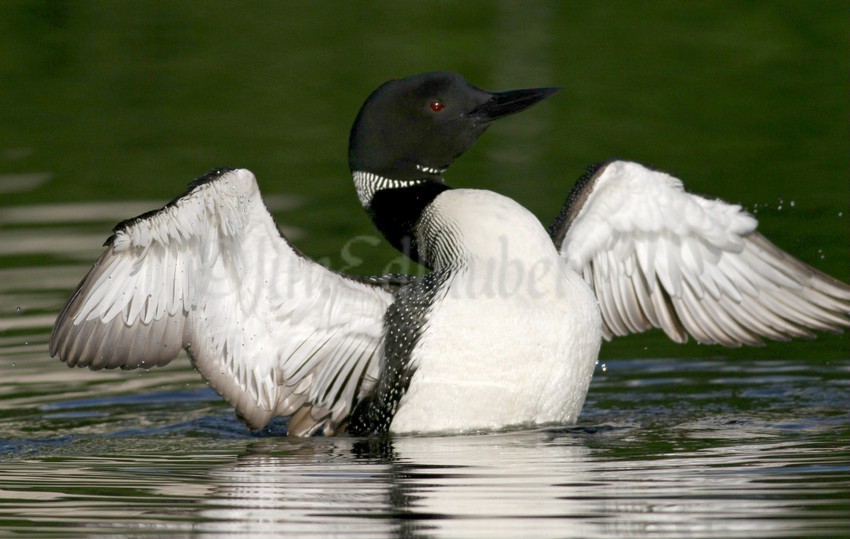
Common Loon, adult stretching

Common Loon, adult stretching with chicks nearby

Common Loon, chick preening

Common Loon, chick preening

Common Loon, chick preening

Common Loon, chick preening

Common Loon, chick preening

Common Loon, chick preening

Common Loon, chick preening

Common Loon, chick preening

Common Loon, chick preening

Common Loon, chick preening

Common Loon, chick stretching

Common Loon, chick stretching

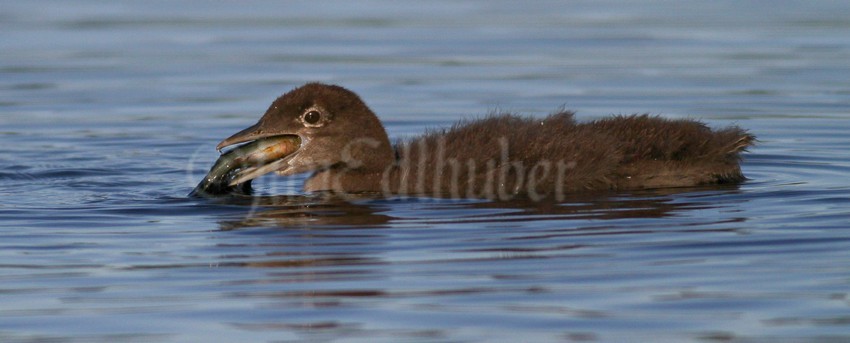
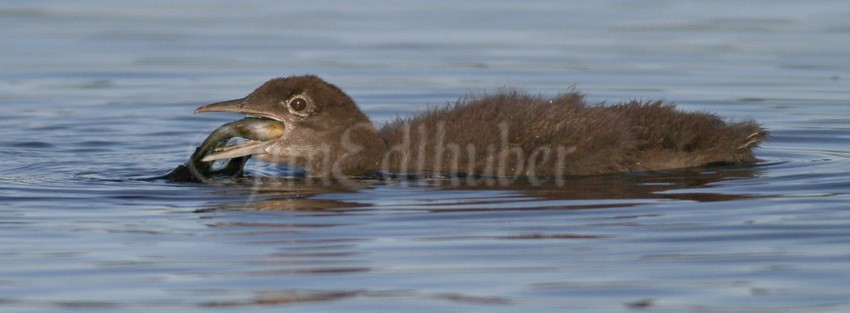
Common Loon, chick with fish

Common Loon, chick with fish

Common Loon, chick with fish

Common Loon, chick with fish

Common Loon, chick with fish, gulp!

Common Loon, chick, gulp!

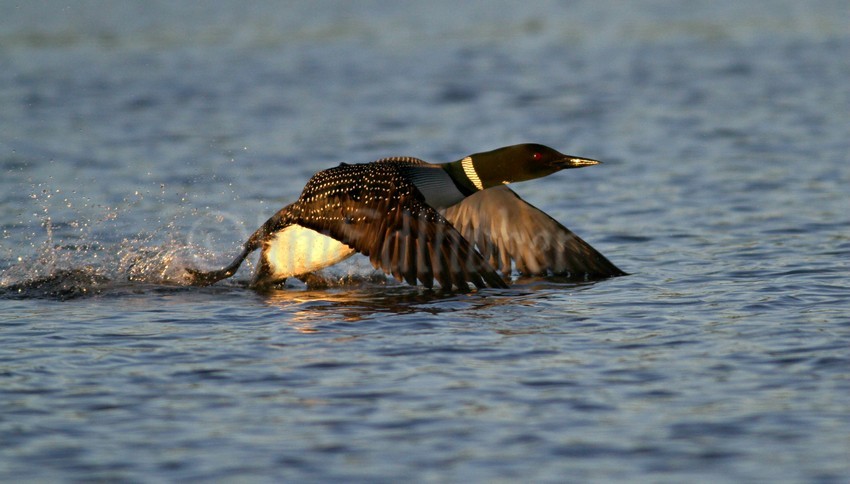
Common Loon, adult taking off

Common Loon, adult taking off

Common Loon, adult taking off

Common Loon, adult taking off

Common Loon, adult taking off

Common Loon, adult taking off

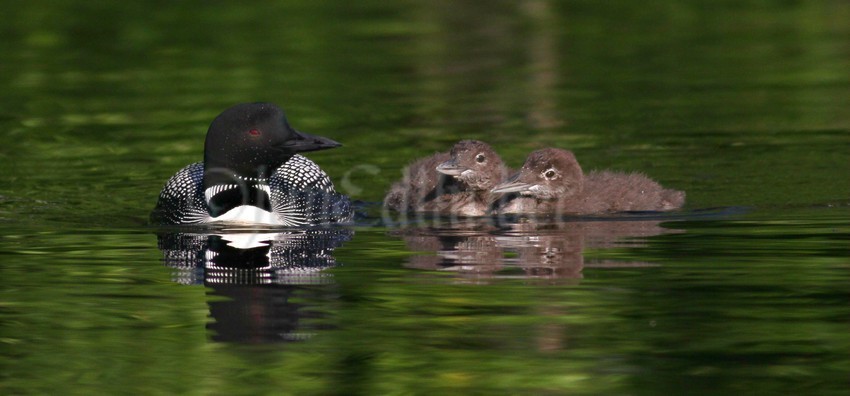
Common Loon, adult with chicks

Common Loon, adult with chicks

Common Loon, adult with chicks

Common Loon, adult with chicks

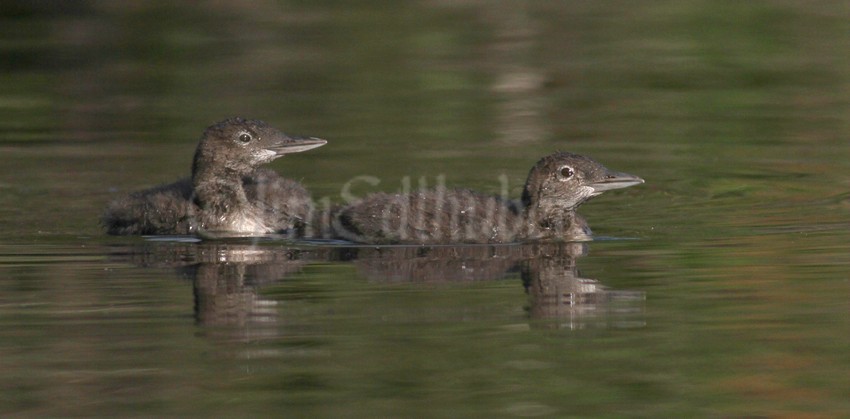
Common Loon, chicks

Common Loon, chicks

They are always watching!

They are always watching!

Common Loon, adult stretching

Common Loon, adult stretching

Common Loon, adult

Common Loon, adult

Common Loon, chick in search of food in shallow water, just like the adults taught them them

Common Loon, chick in search of food in shallow water, just like the adults taught them

Common Loon, chick in search of food in shallow water, just like the adults taught them them

Common Loon, chick in search of food in shallow water, just like the adults taught them

Common Loon, chick in search of food in shallow water, just like the adults taught them them

Common Loon, chick in search of food in shallow water, just like the adults taught them

Common Loon, adult

Common Loon, adult

Common Loon, chick getting the catch, you can do it as the adult watches

Common Loon, chick getting the catch, you can do it as the adult watches

Common Loon, adults

Common Loon, adults

Common Loon, adult

Common Loon, adult

Common Loon, adult

Common Loon, adult

They are always watching!

They are always watching!

Common Loon, adult bringing a fish to the chicks

Common Loon, adult bringing a fish to the chicks

Common Loon, chicks

Common Loon, chicks

Common Loon, chick

Common Loon, chick

Common Loon, chick

Common Loon, chick

Common Loon, chick

Common Loon, chick

Common Loon, chick

Common Loon, chick

Common Loon, adult stretching

Common Loon, adult stretching

Common Loon, adult

Common Loon, adult

Common Loon, chick

Common Loon, chick

Common Loon, adult

Common Loon, adult watching a chick search for food

Common Loon, adult

Common Loon, adult over sees the chick getting food

Common Loon, adult

Common Loon, adult with chick

Common Loon, adult with chick

Common Loon, adult with chicks

Common Loon, adult

Common Loon, adult

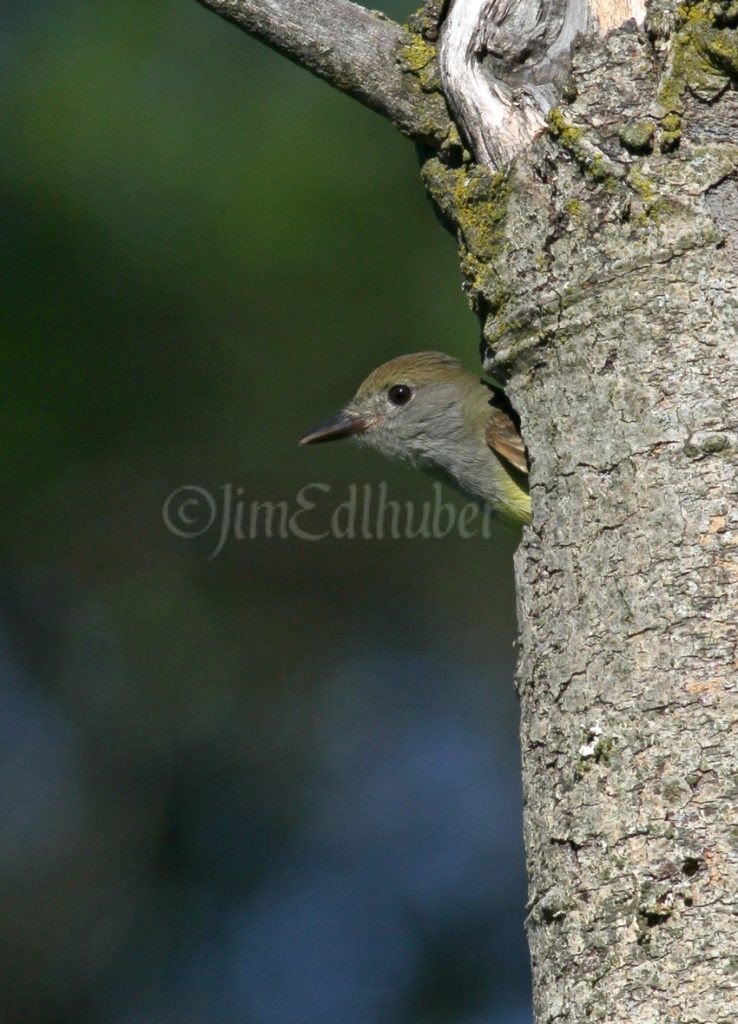
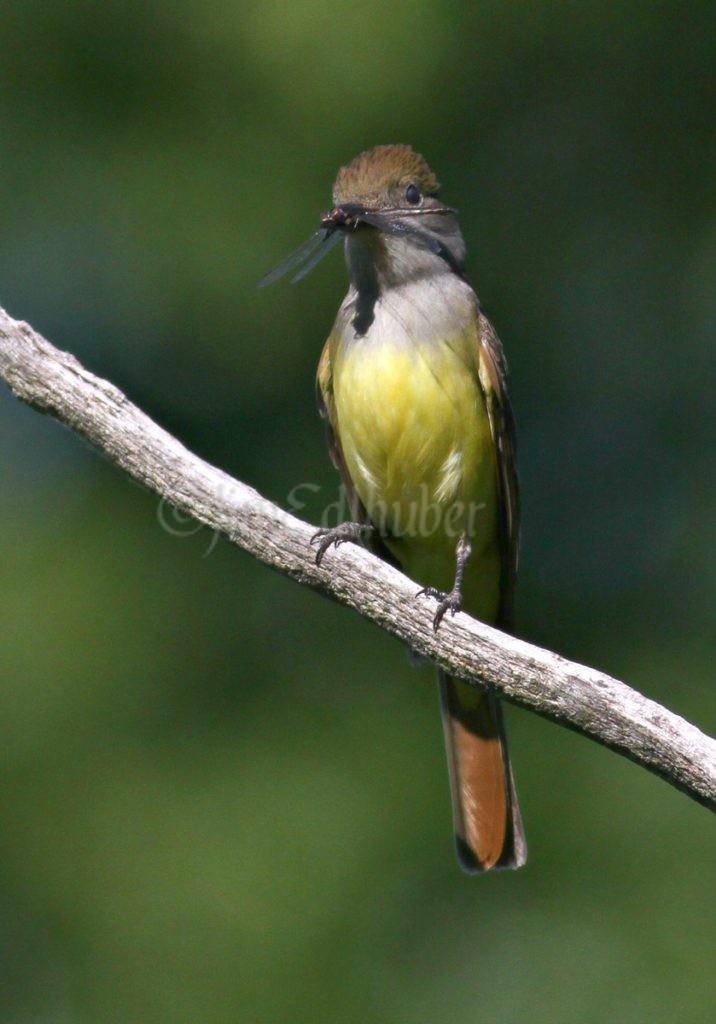
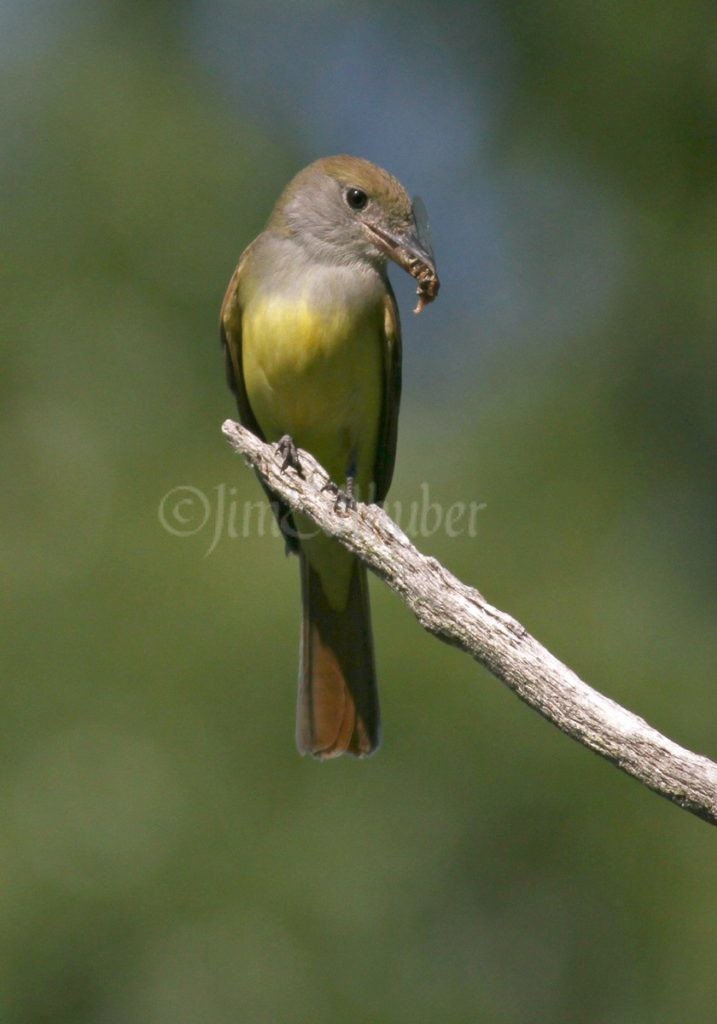
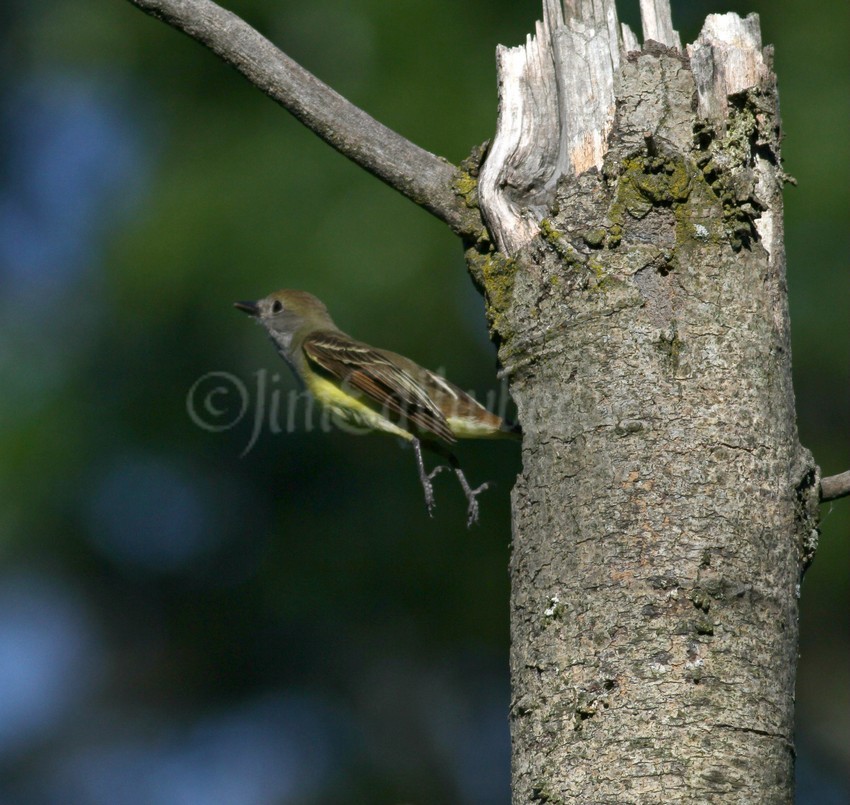
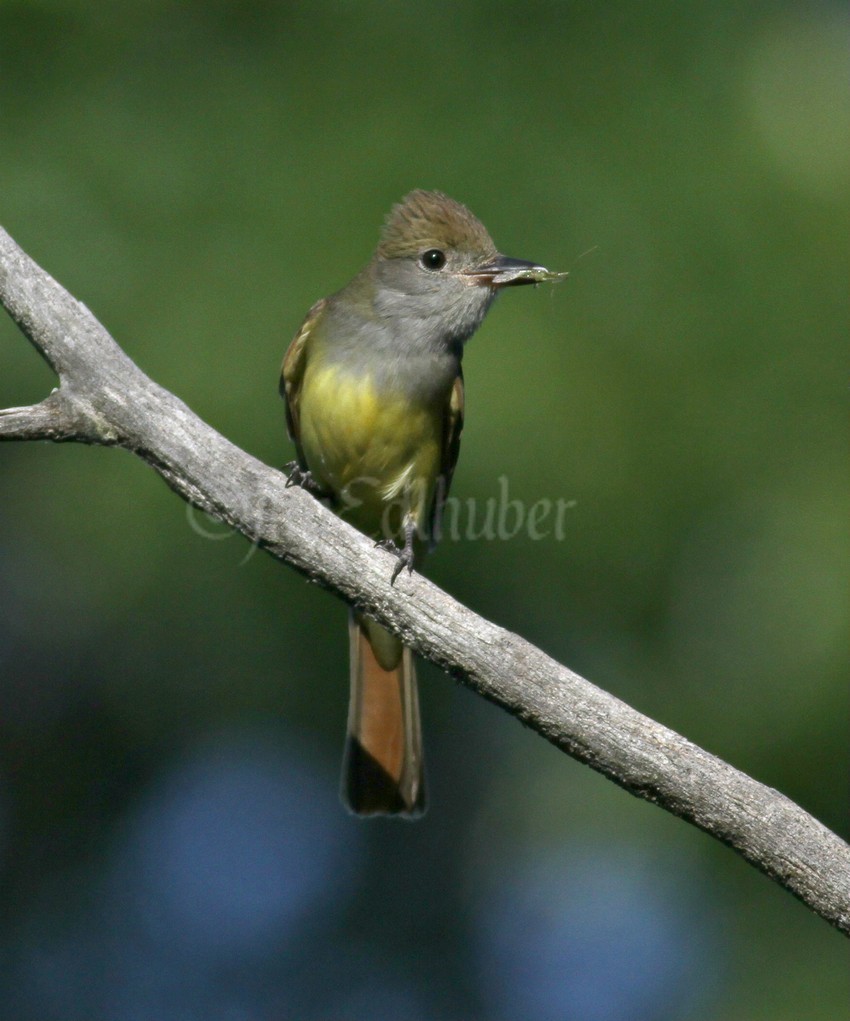
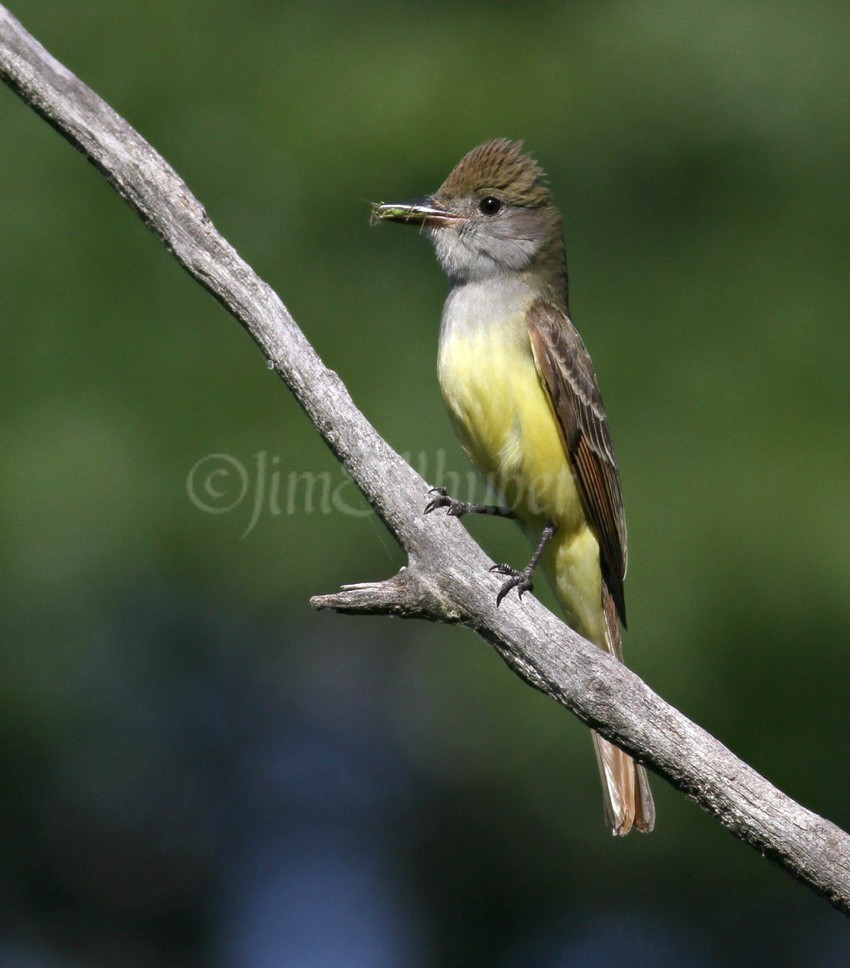
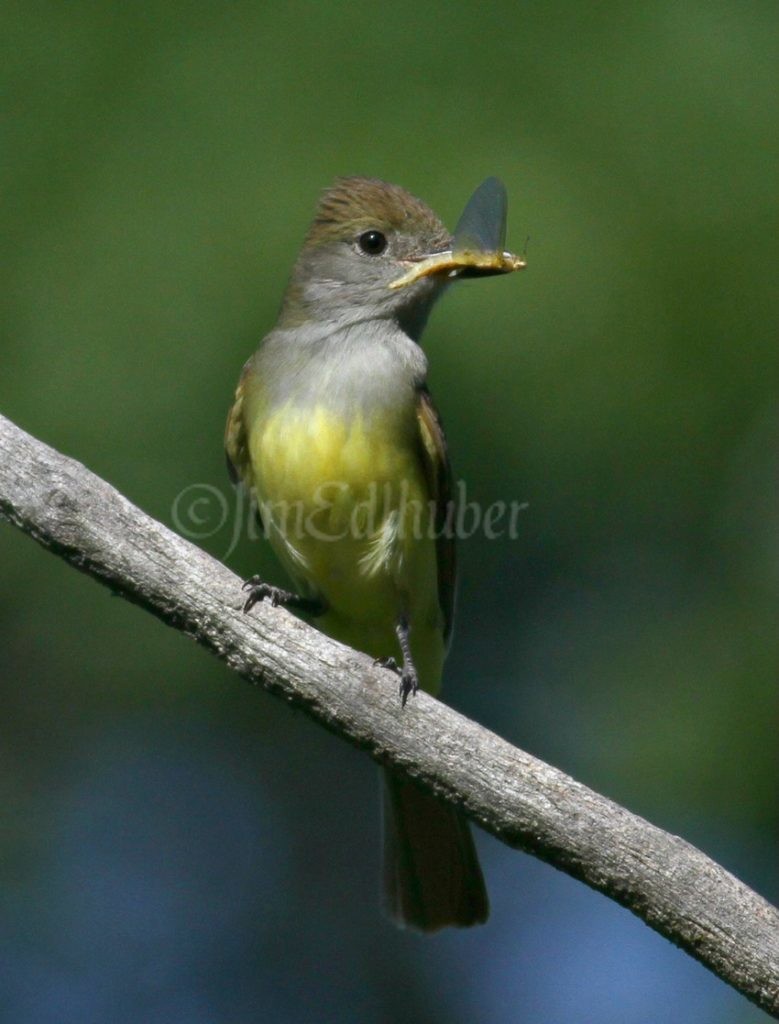
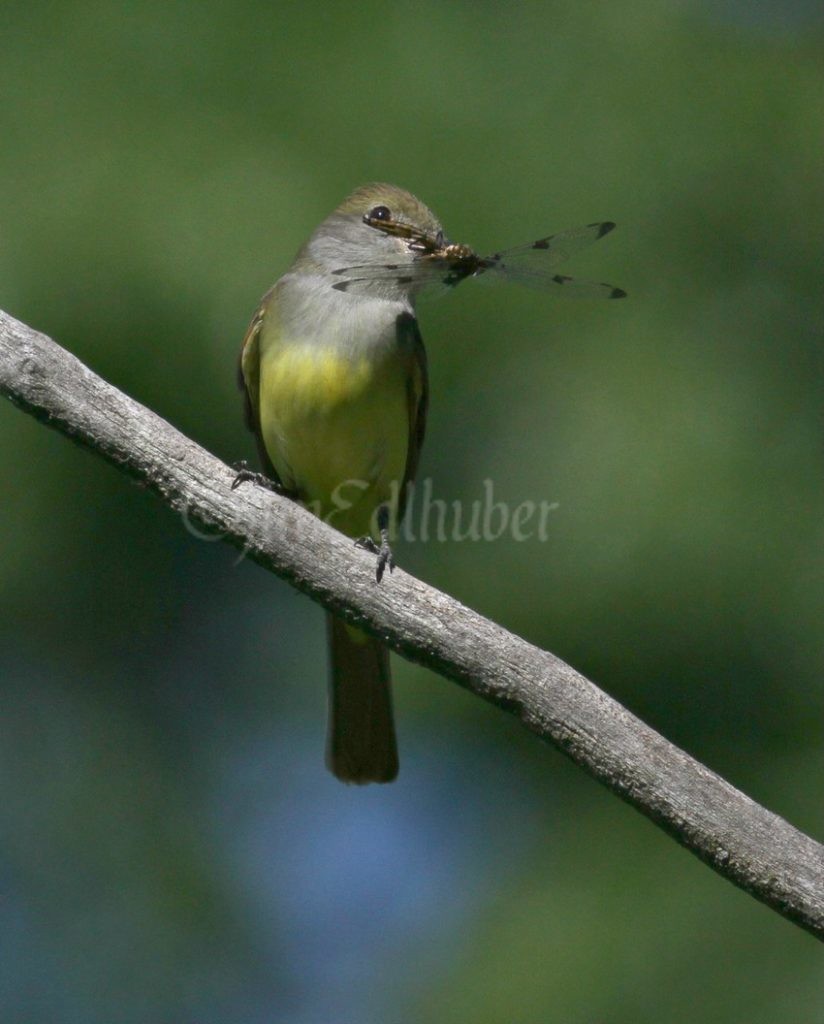
Great Crested Flycatcher bringing food to the nest hole in Walworth County Wisconsin on June 21, 2016
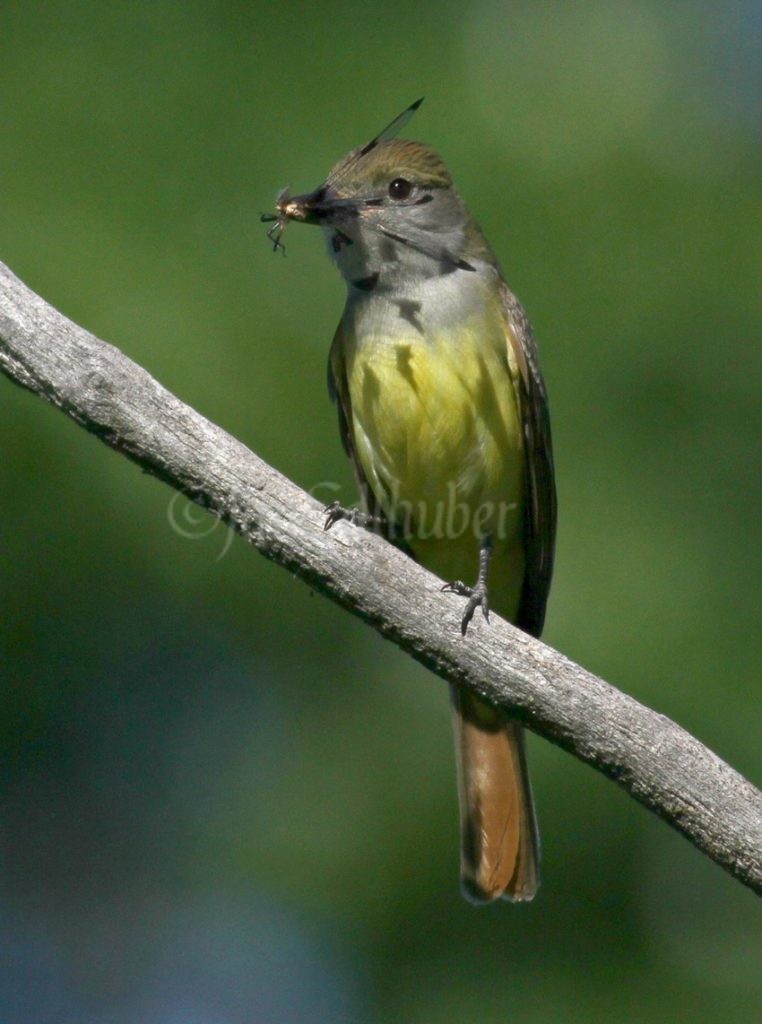
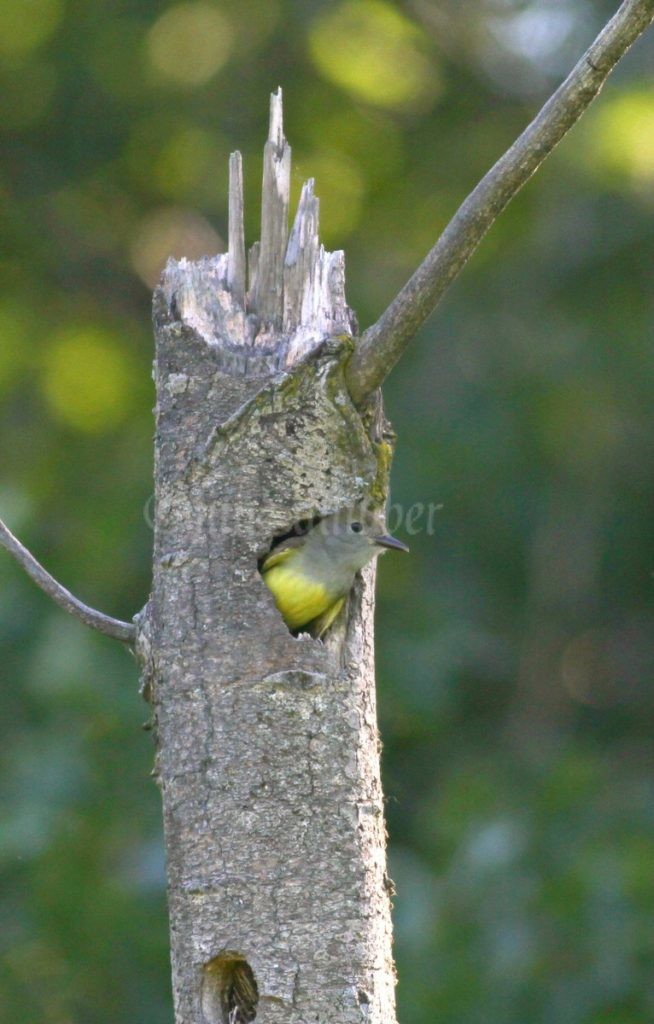
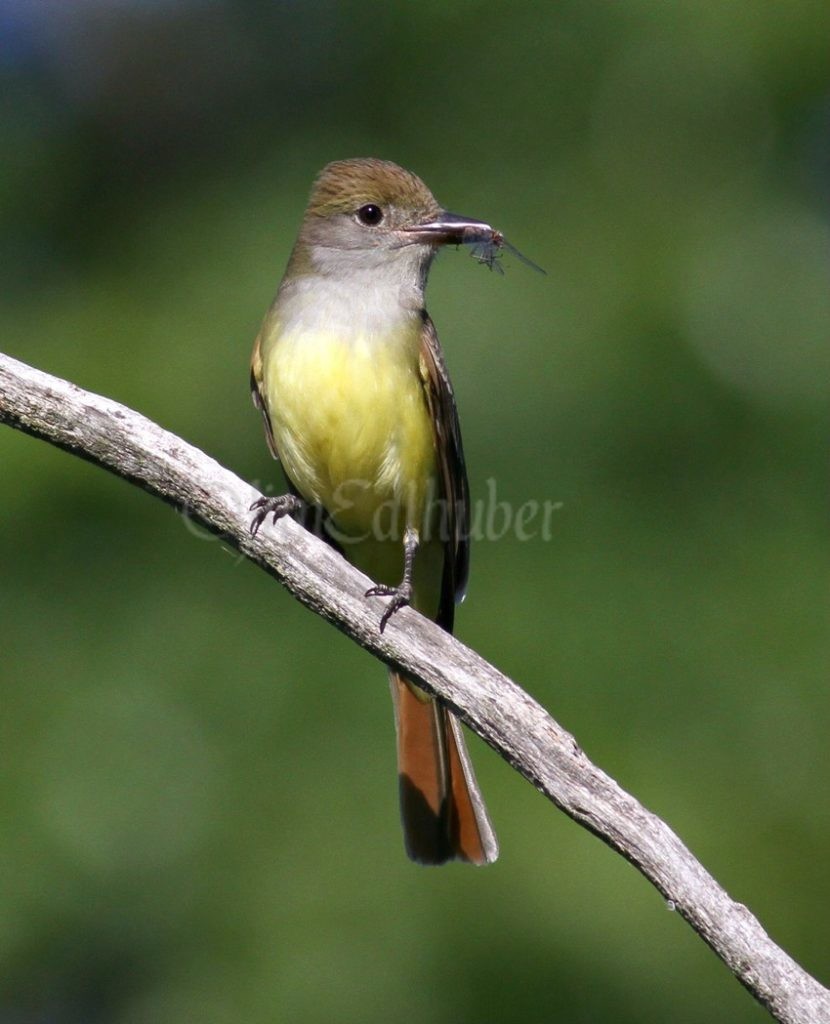
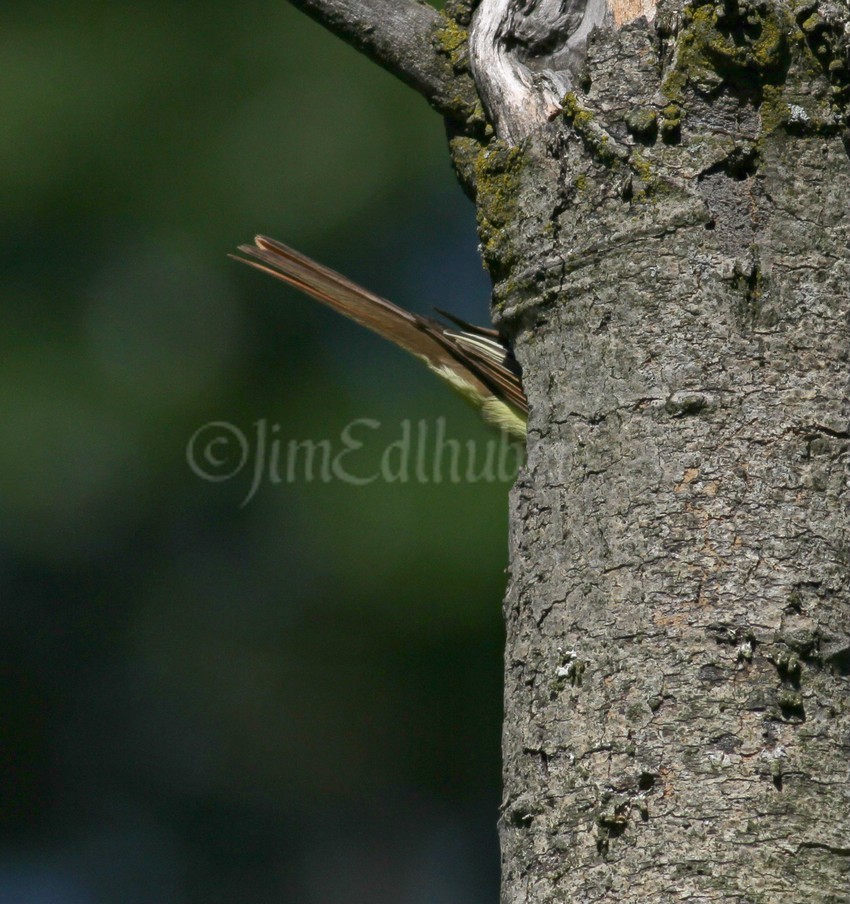
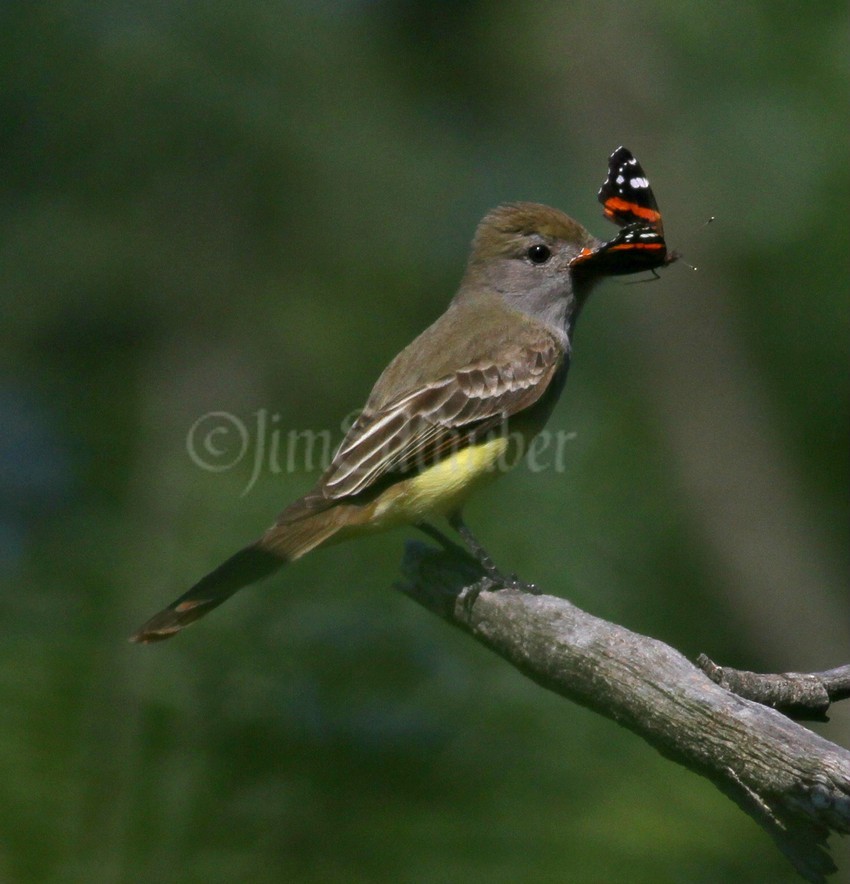
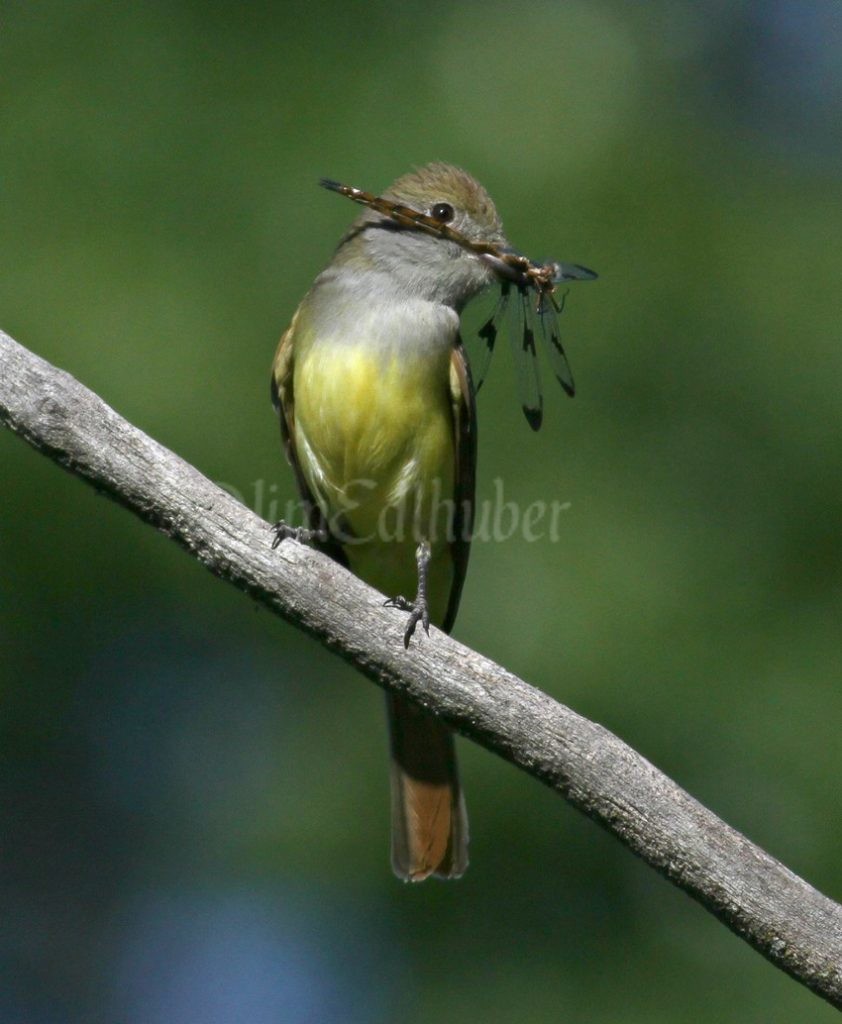
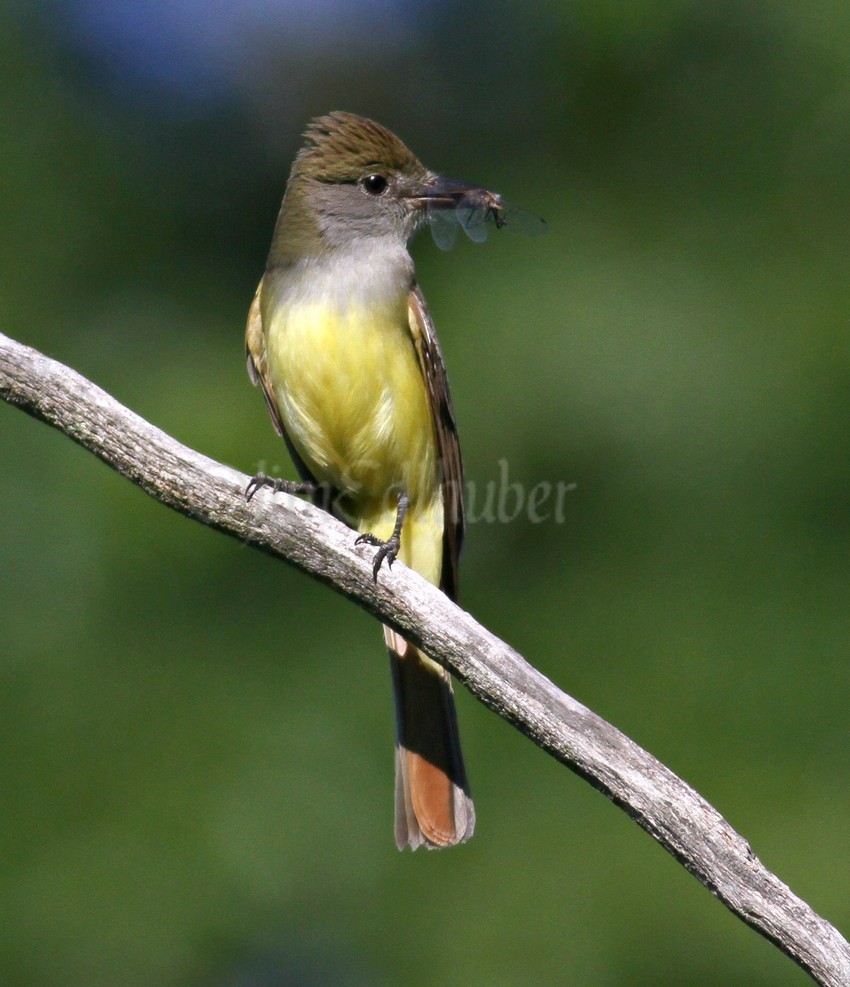
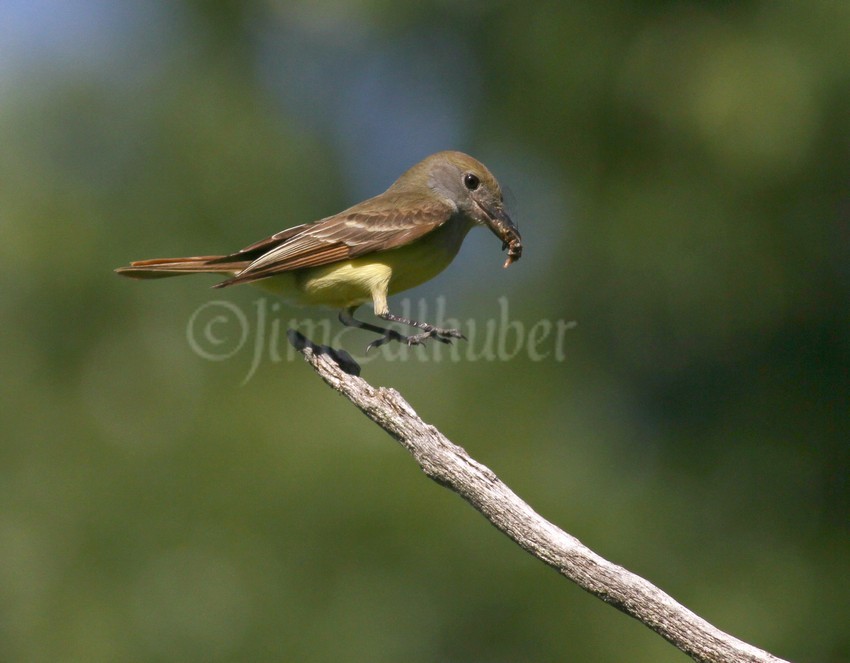
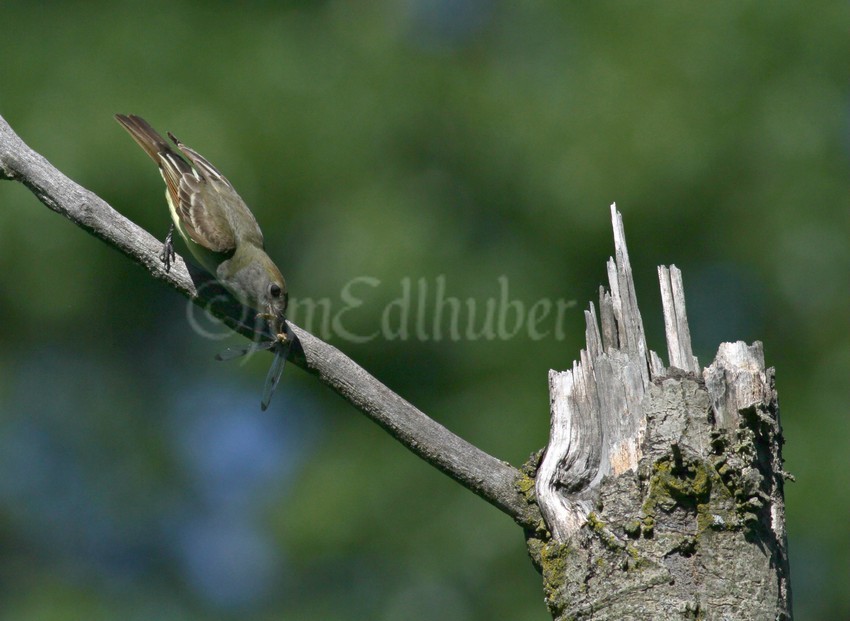
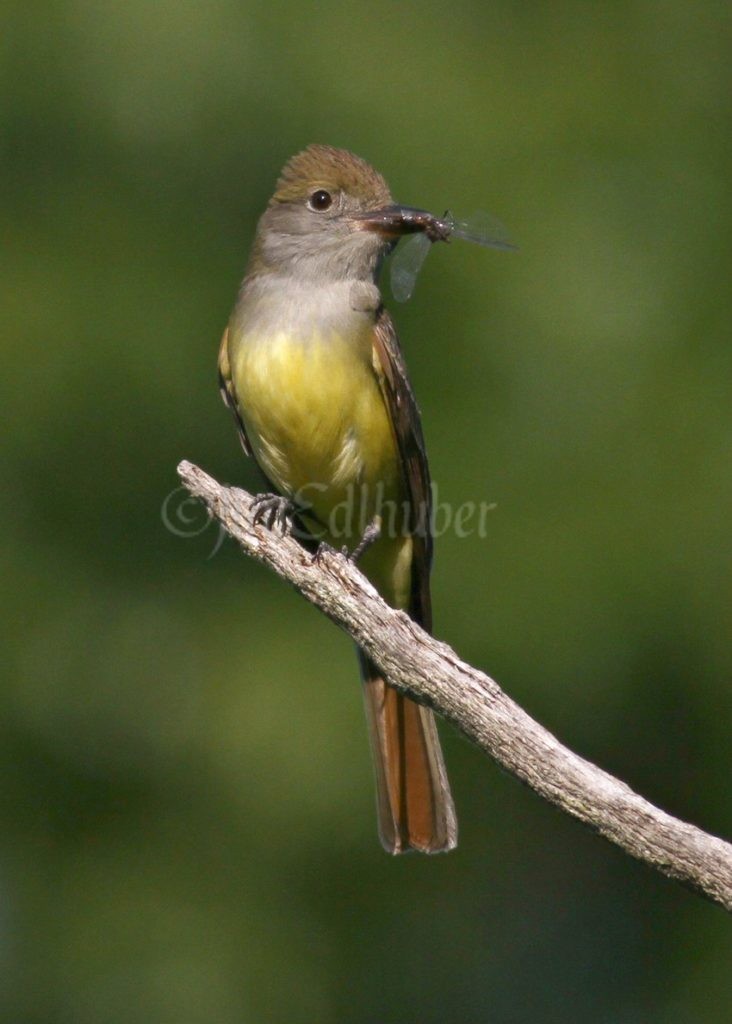
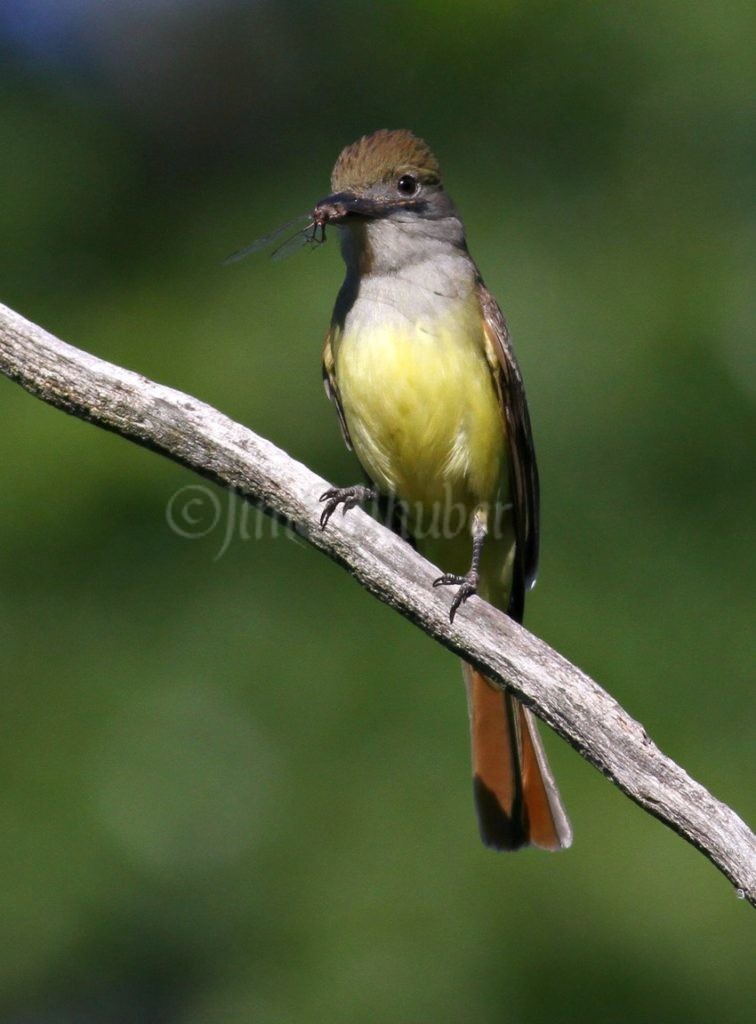
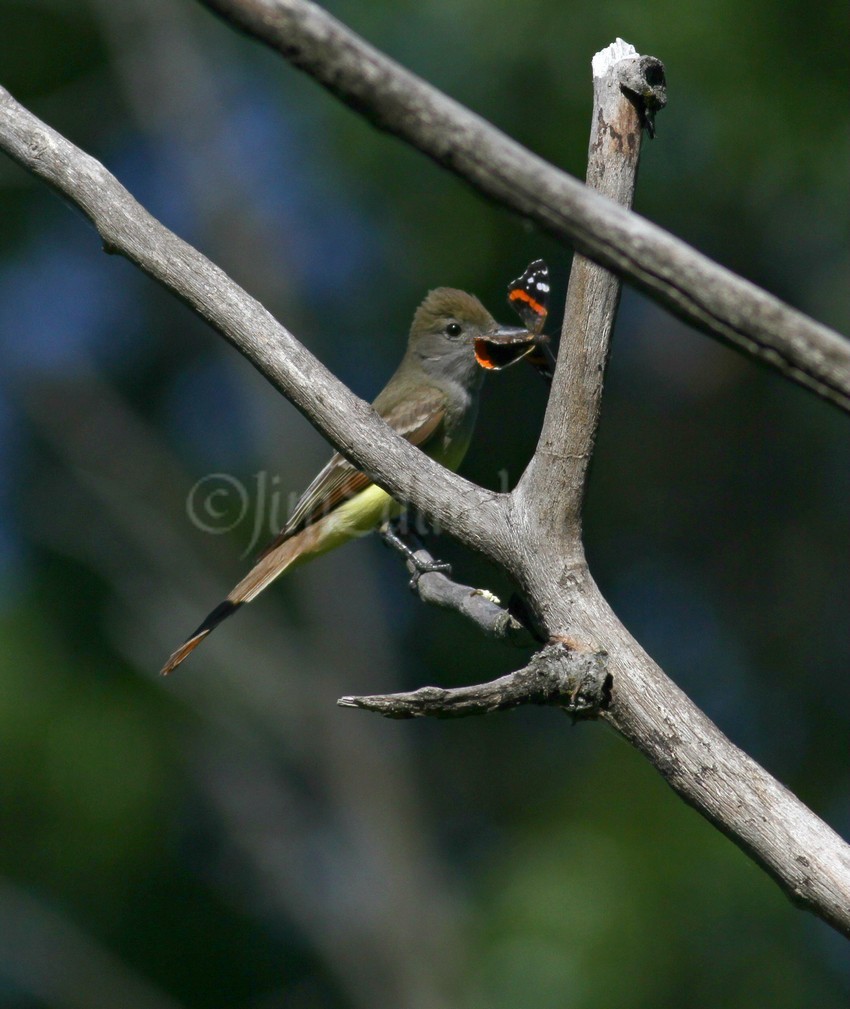
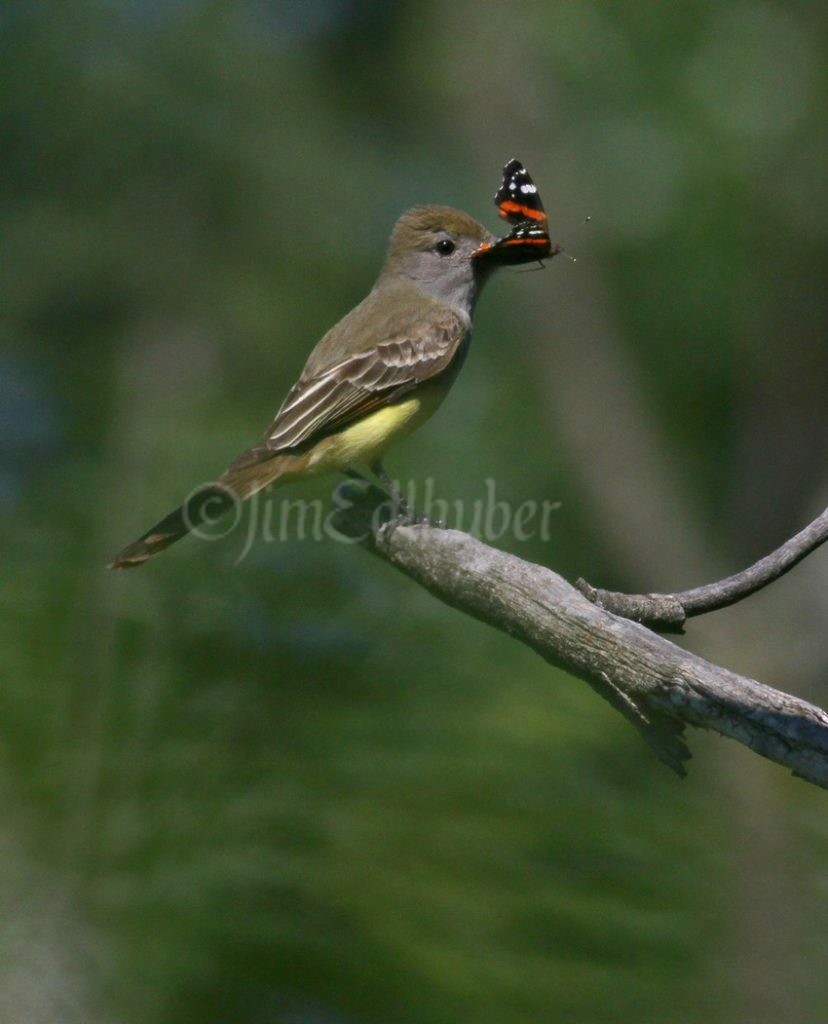
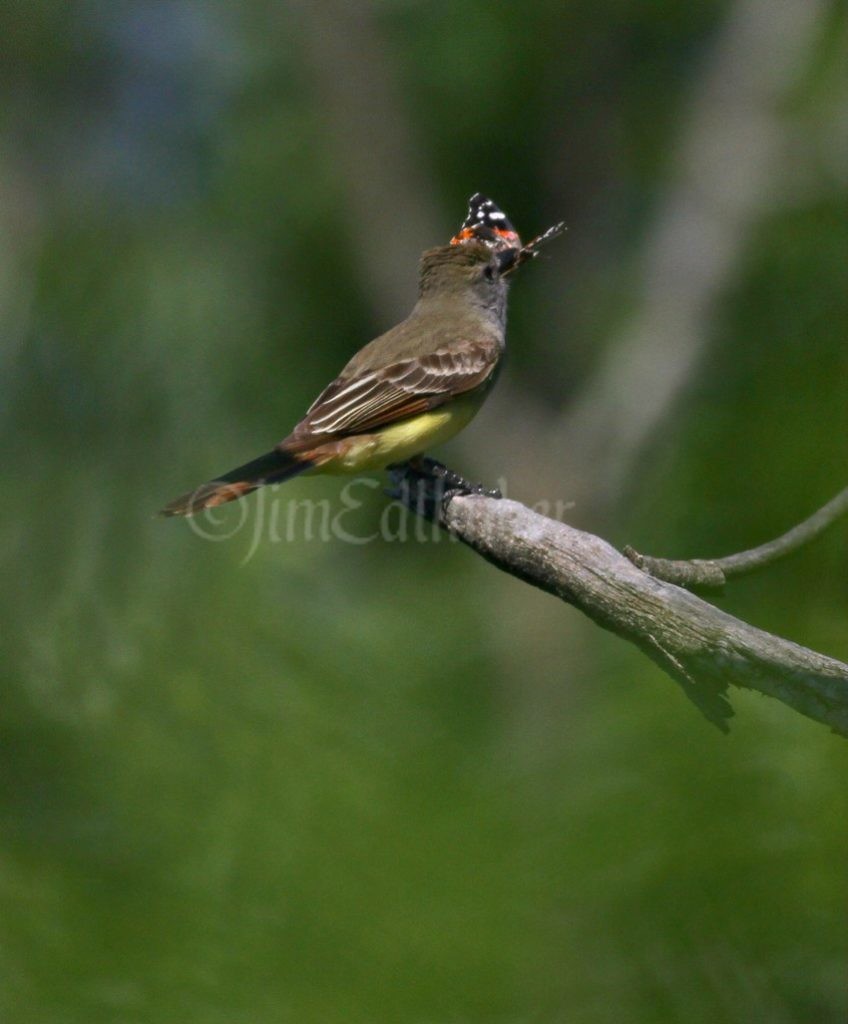
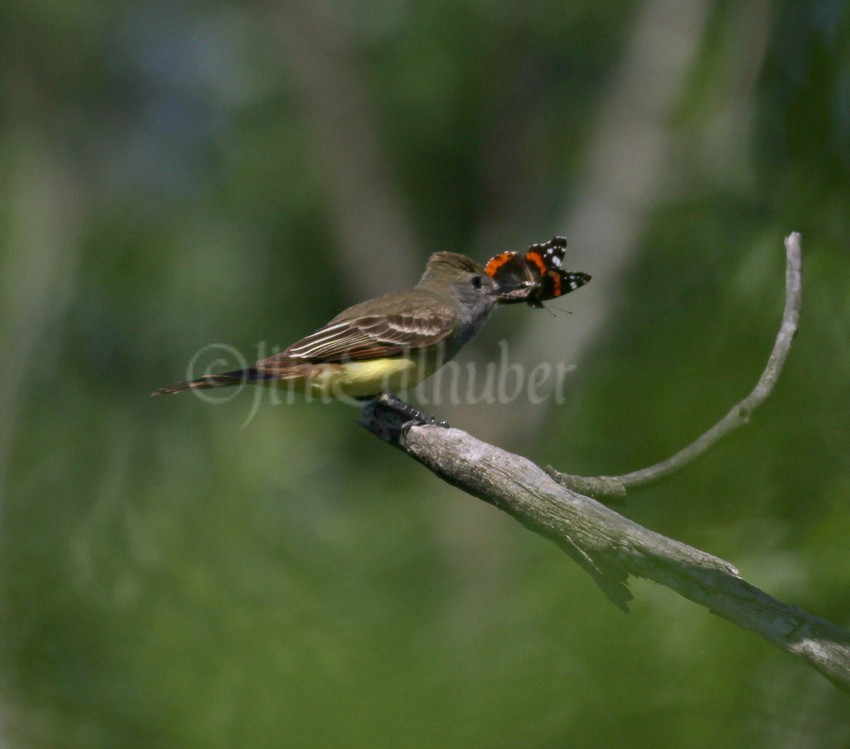
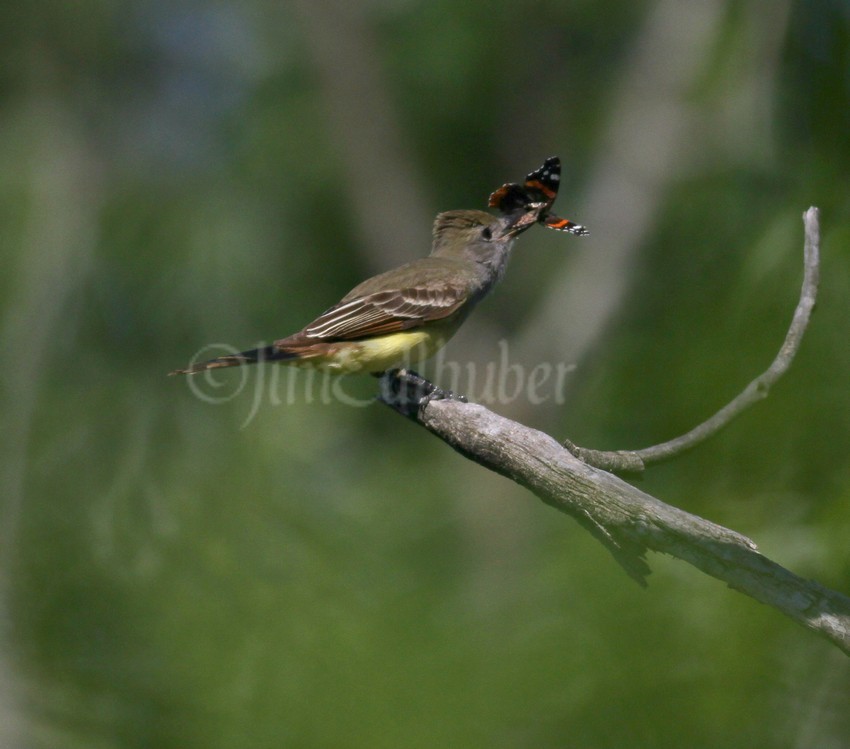
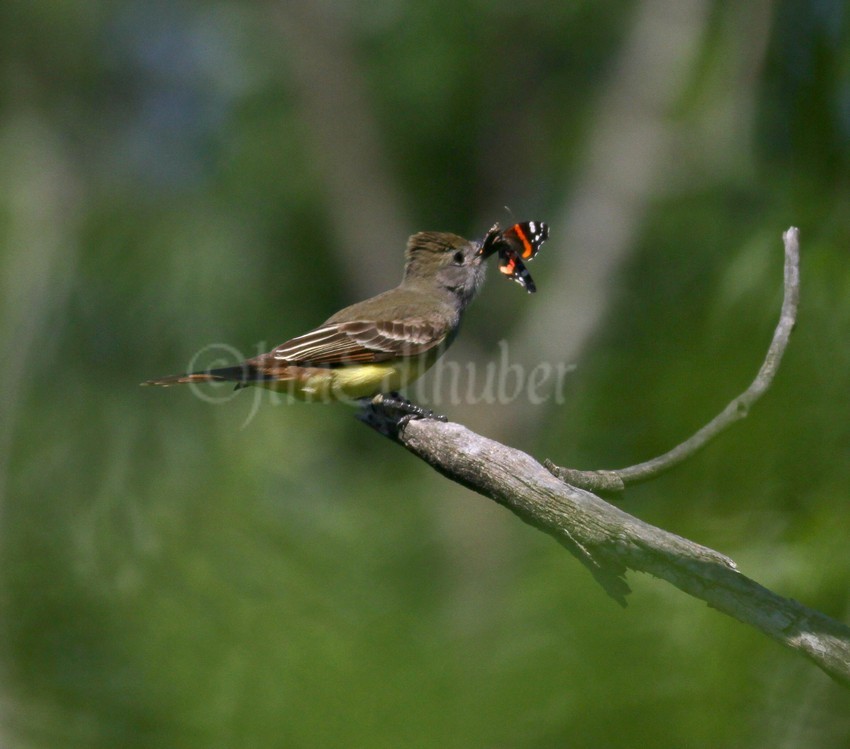
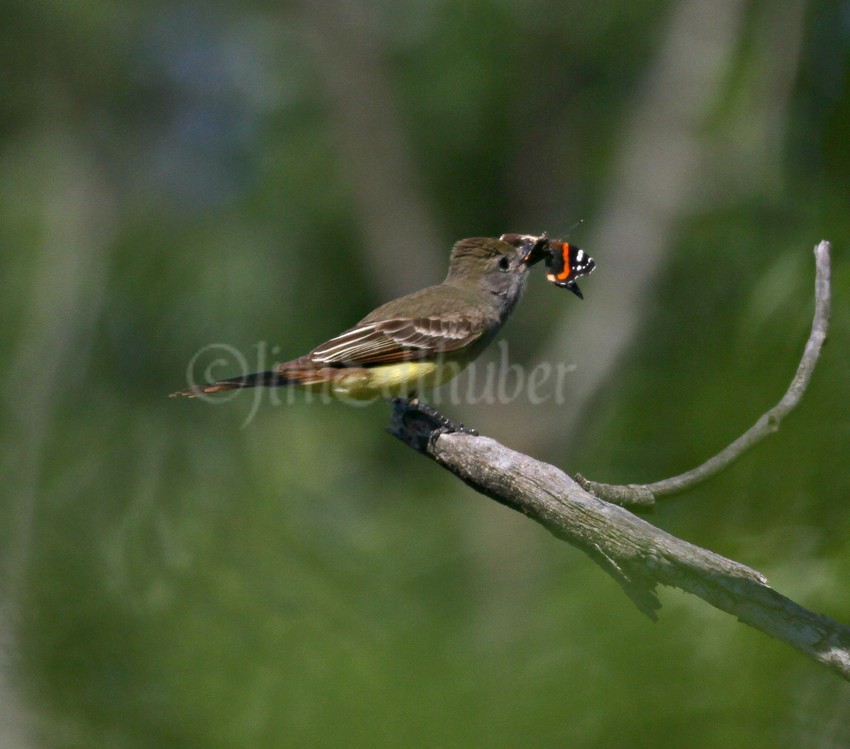
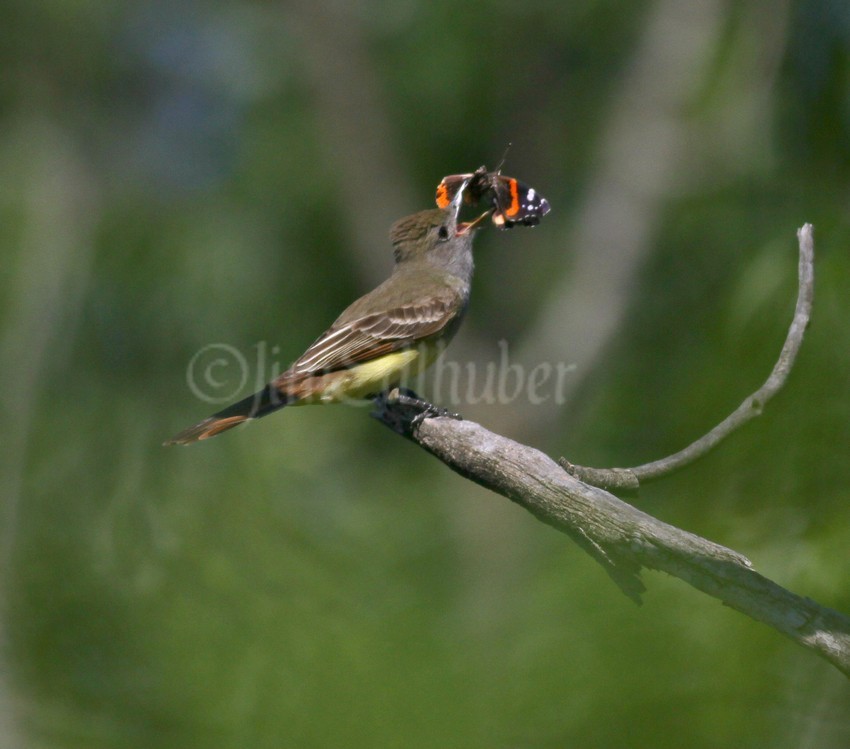
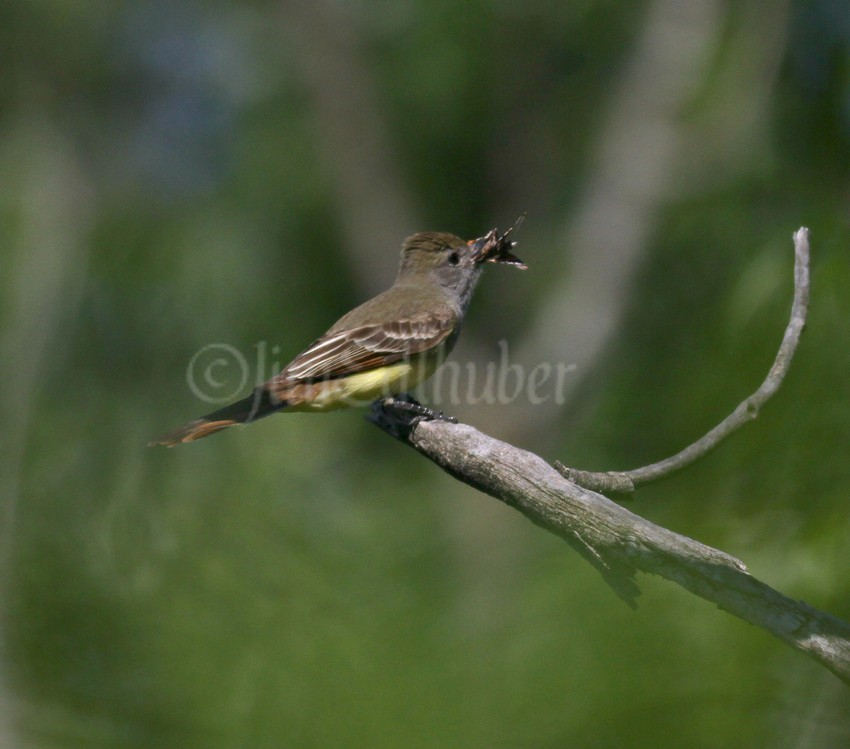
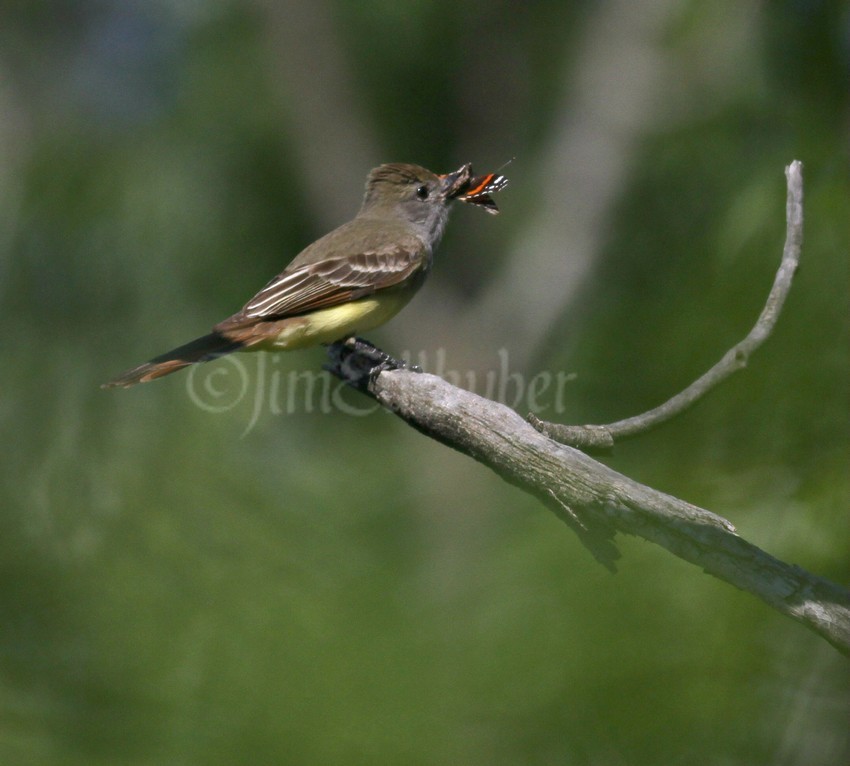
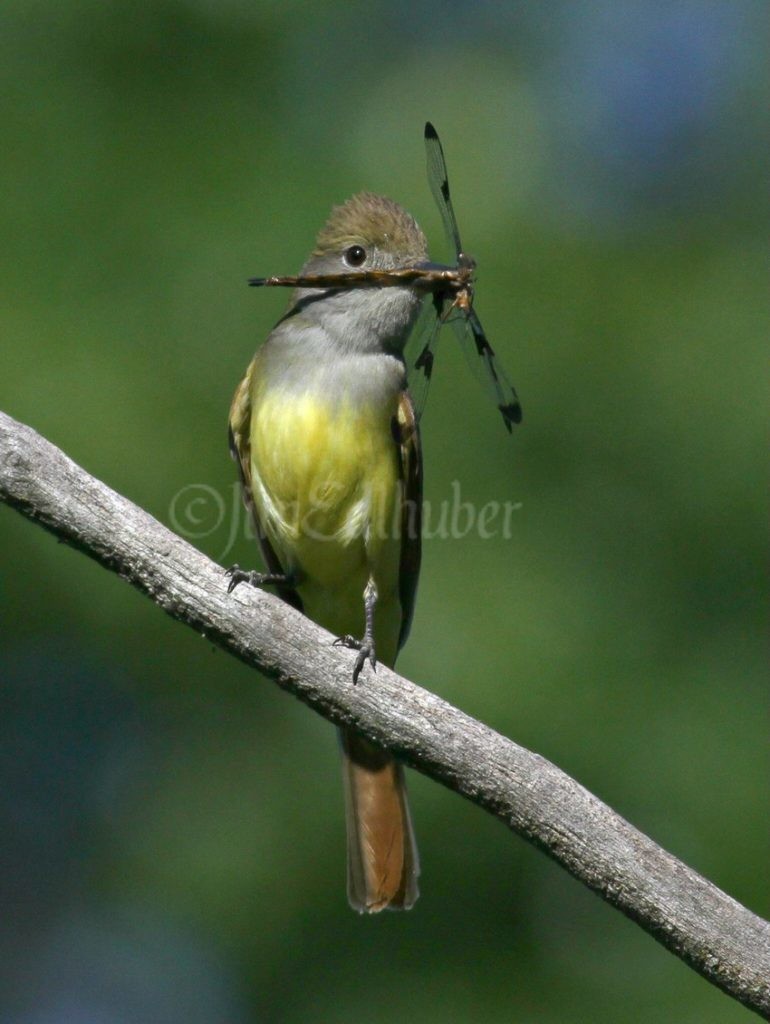
My day started out meeting up with Anne Moretti and birding at the Beulah Bog in Walworth County. We tried for the White-eyed Vireo and heard it well but just could not get looks at it. I had tried the day before too and heard it numerous times, sometimes very close by but just could not get looks at this bird. It was a great experience birding with Anne as she can just walk down the path and call out all the birds on both sides, it was a first for me experience at that. Her hearing is just incredible along with the knowledge of bird calls. It amazed me! I know other birders do this, and common in the birding world, it was just a great experience. From there I photographed a Great Crested Flycatcher bringing food to the nest hole. For the most part it captured dragonfly species and Mayflies. Once it captured a Admiral Butterfly and perched on a nearby tree limb as it is typical of what it does before it enters the nest hole. The butterfly struggled to get away, still alive, for fear it would lose the butterfly the flycatcher just ate butterfly, pretty cool to see. Some caterpillars were also brought in. The birds tail each time when feeding the young stuck out of the nest hole just a little bit so the young must pretty far down in the nest hole yet. Some Gray Catbirds gave the flycatchers some grief on occasion near the nest hole tree but nothing amounted to anything. Images were taken on June 21, 2016.
_rIMG_0722_cr

Great Crested Flycatcher with a Prince Baskettail

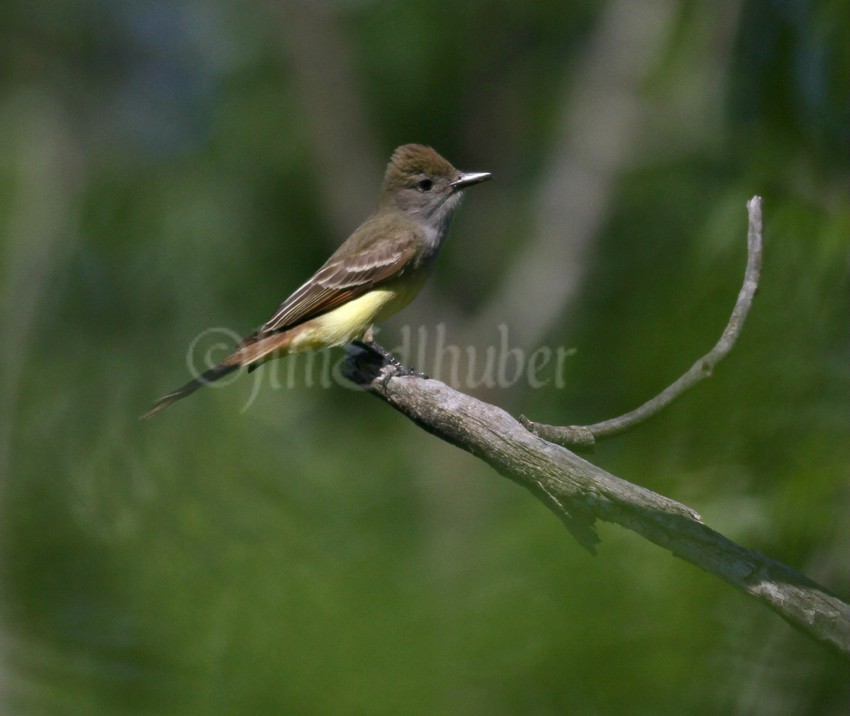
Great Crested Flycatcher

Binomial name: Myiarchus crinitus

Category: Tyrant Flycatchers

Size: 8.75” long, 13” wing span

Weight: 1.2 oz

_rIMG_0781_cr

Great Crested Flycatcher with a Prince Baskettail

_rIMG_0227_cr

Great Crested Flycatcher nest hole
_rIMG_0407_cr

Great Crested Flycatcher with insect

_rIMG_1197_cr

An adult feeding young in the nest hole
_rIMG_0931_cr

Great Crested Flycatcher with a Admiral Butterfly. It ate this butterfly before making it to the nest hole as it appeared it may slip away as it was still alive and it looked like it might get away.
_rIMG_0746_cr

Great Crested Flycatcher with a Prince Baskettail

_rIMG_0454_cr

Great Crested Flycatcher with a dragonfly species

_rIMG_0990_cr

Great Crested Flycatcher going down the branch on the way to the nest hole

_rIMG_1036_cr

Great Crested Flycatcher going down the branch closer to the nest hole

_rIMG_0503_cr

Great Crested Flycatcher just before it leaves the nest hole after feeding, looks around, all points clear!

_rIMG_0616_cr

Great Crested Flycatcher with a dragonfly

_rIMG_0988_cr

Great Crested Flycatcher with something

_rIMG_0279_cr

Leaving the nest hole after feeding the young

_rIMG_0257_cr

Great Crested Flycatcher with something

_rIMG_0537_cr

Great Crested Flycatcher with insects

_rIMG_0679_cr

Great Crested Flycatcher with a Mayfly

Great Crested Flycatcher with a Twelve-spotted Skimmer

Great Crested Flycatcher with a Prince Baskettail

Great Crested Flycatcher with a dragonfly

Great Crested Flycatcher with a dragonfly

Great Crested Flycatcher with a drogonfly

Great Crested Flycatcher with a dragonfly

*************************************************************************************************

Admiral Butterfly that does not get away series, not the sharpest images…


__rIMG_0926_cr

Just after catching the Admiral Butterfly the Great Crested Flycatcher perches near the nest hole

The struggle continues as the butterfly tries to get away

The struggle continues as the butterfly tries to get away

And continues...

And continues…

And continues...

And continues…

And continues...

And continues…

And continues...

And continues…

And continues...

And continues…

One the way down...

One the way down…

And...

And…

And...

And…

Gone!!

Gone!!

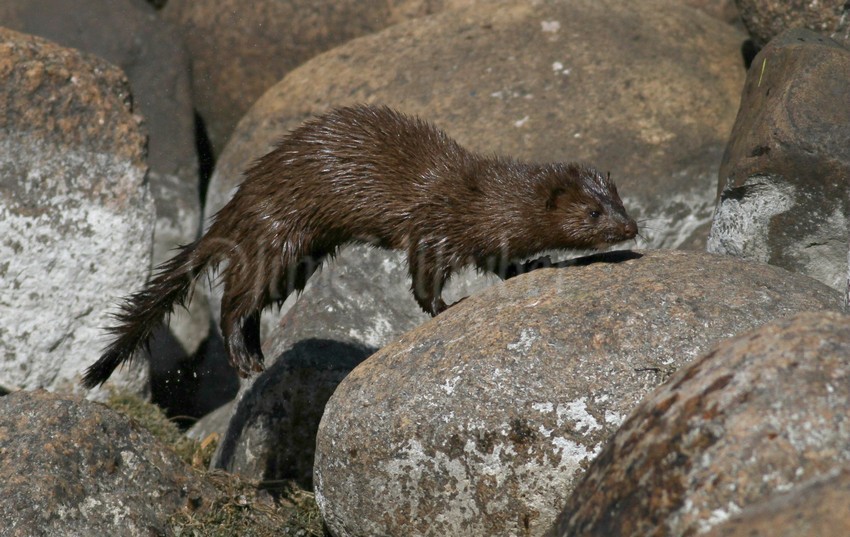
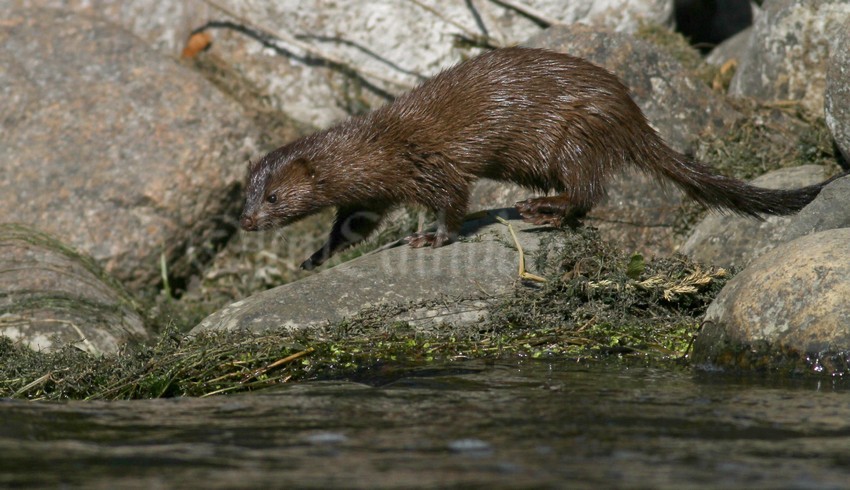
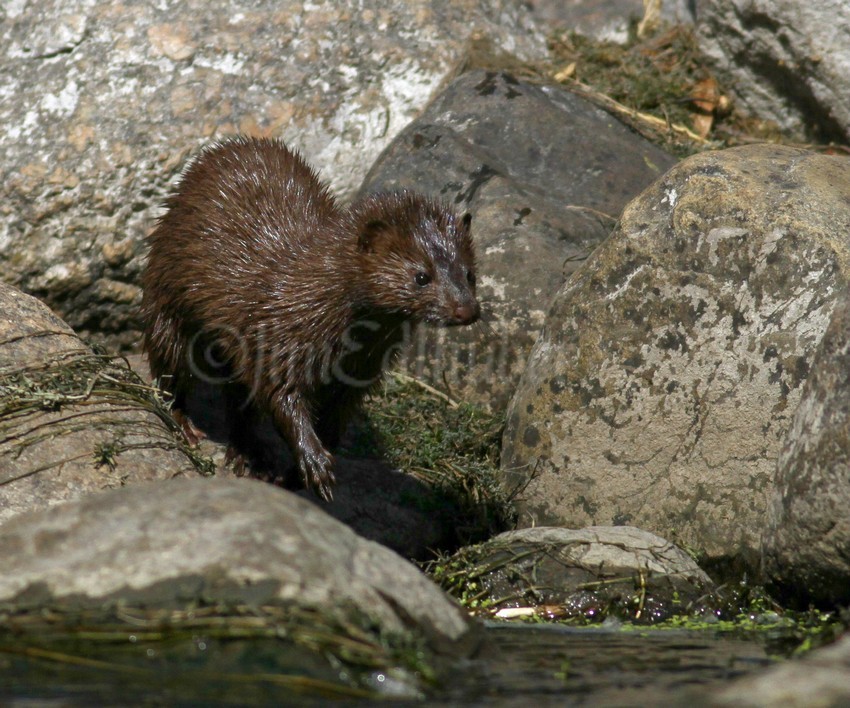
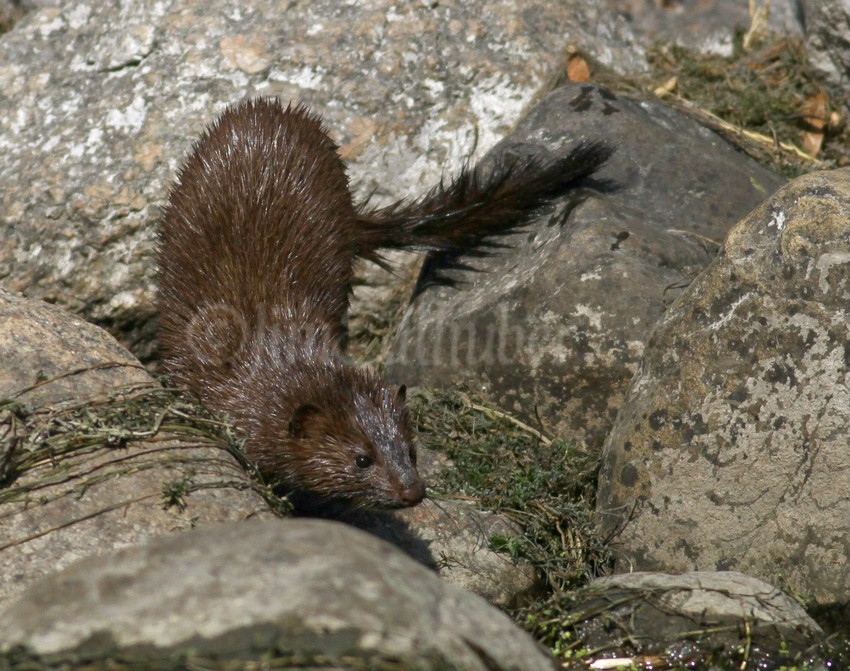
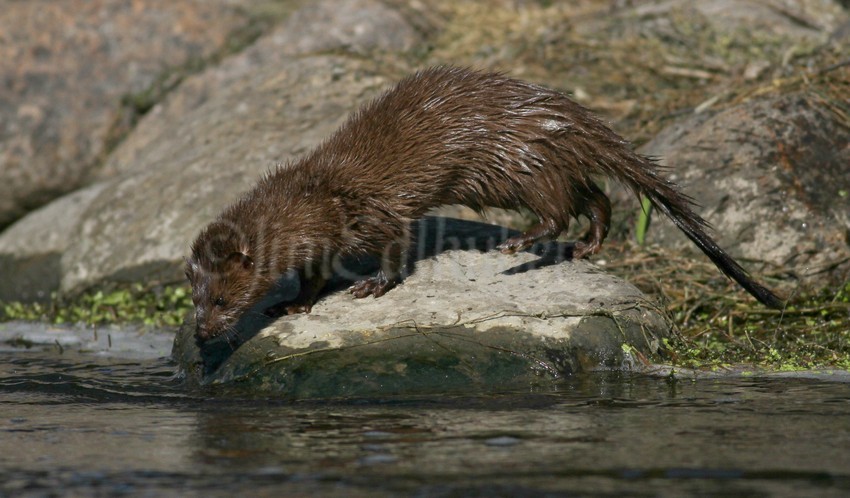
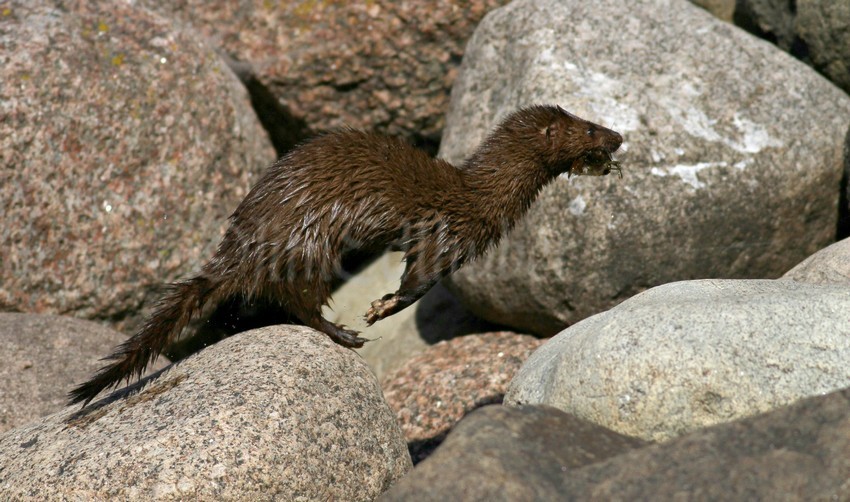
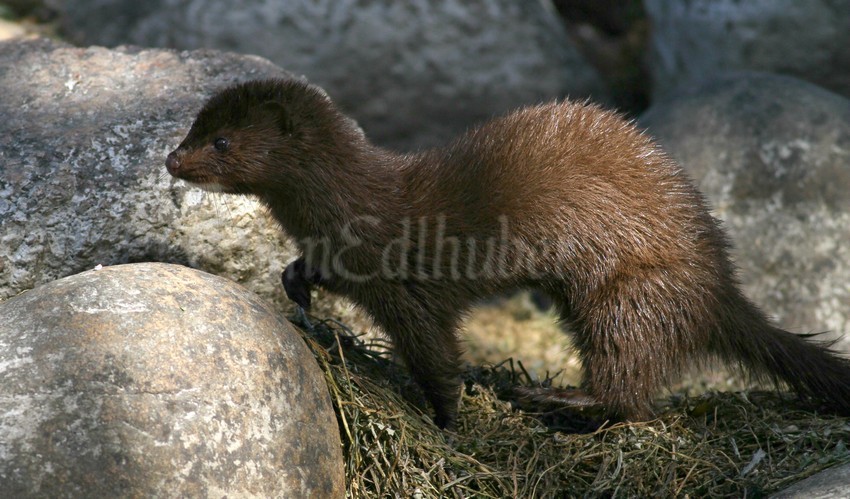
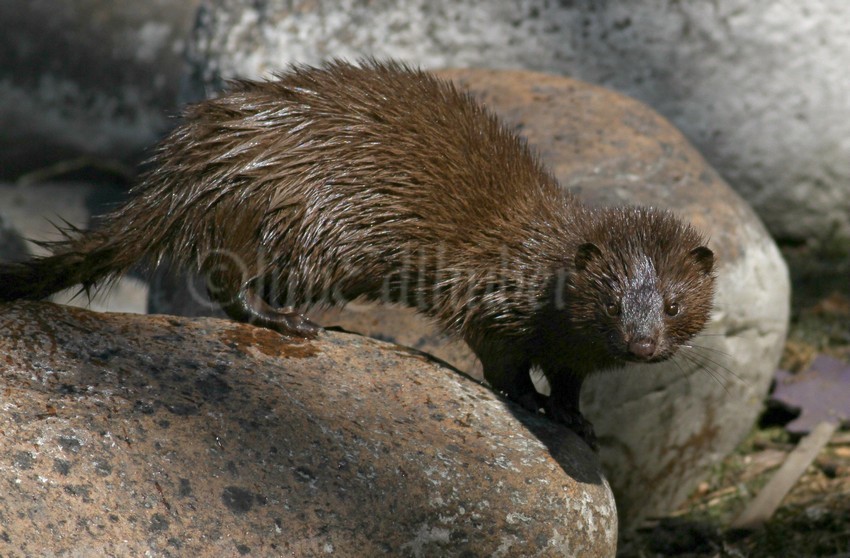
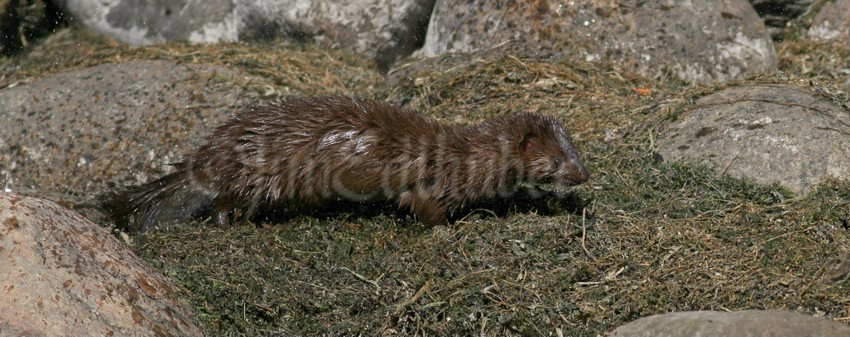
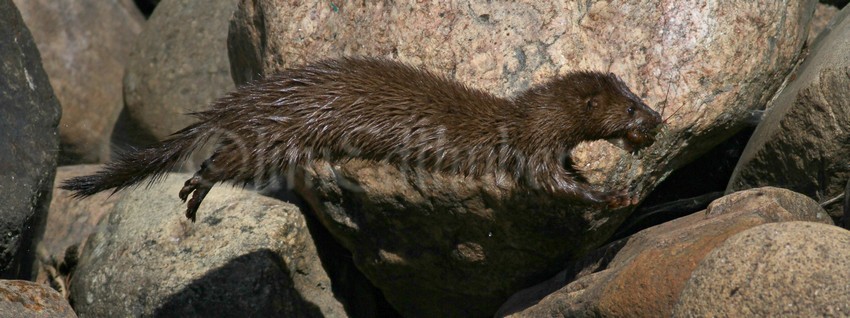
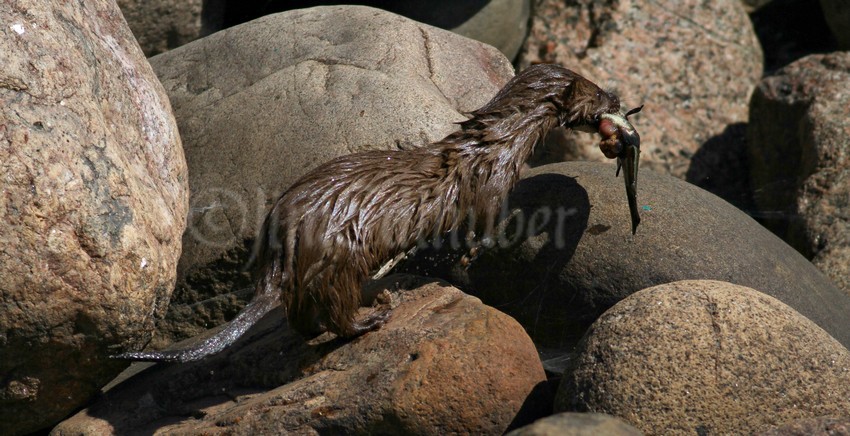
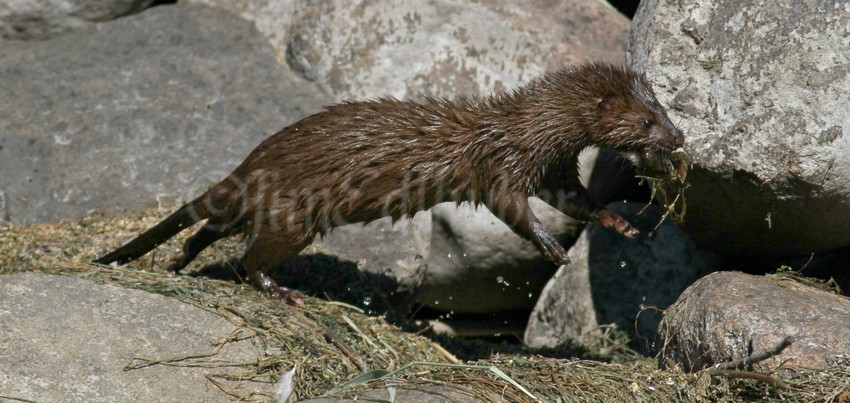
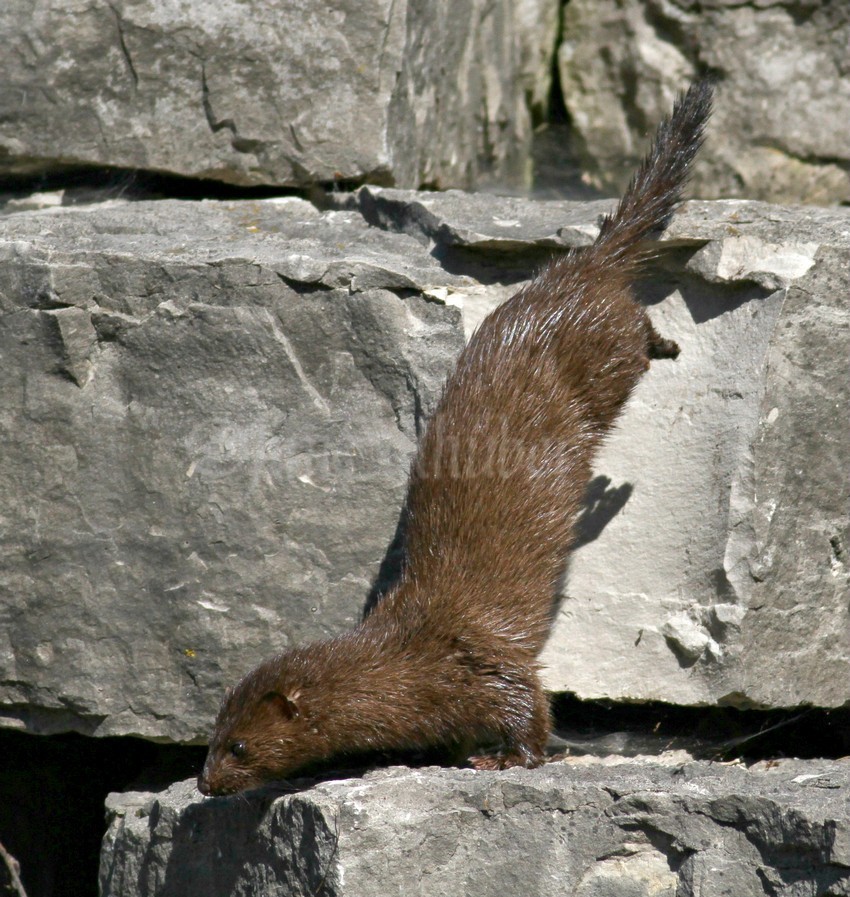
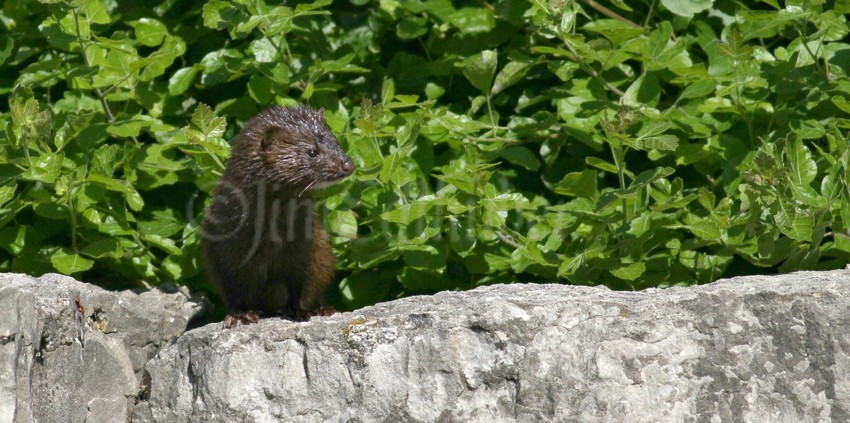
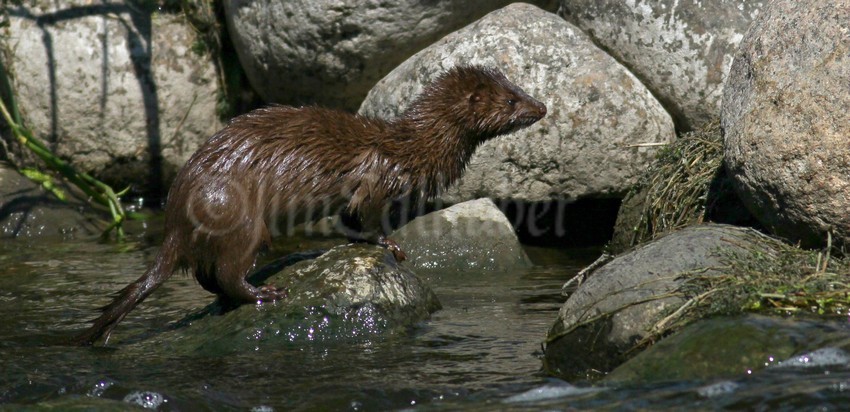
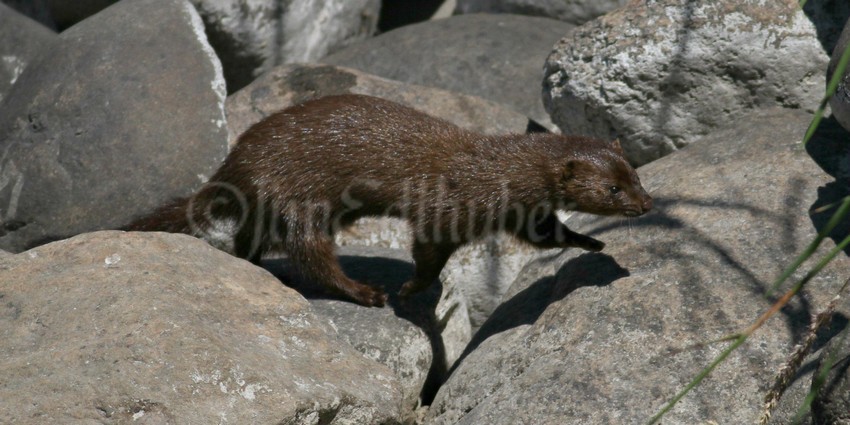
American Mink in Waukesha Wisconsin on June 19, 2016

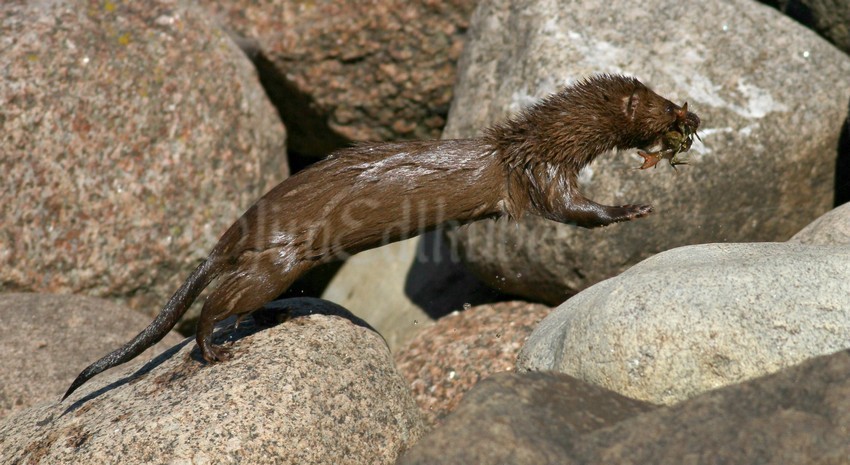
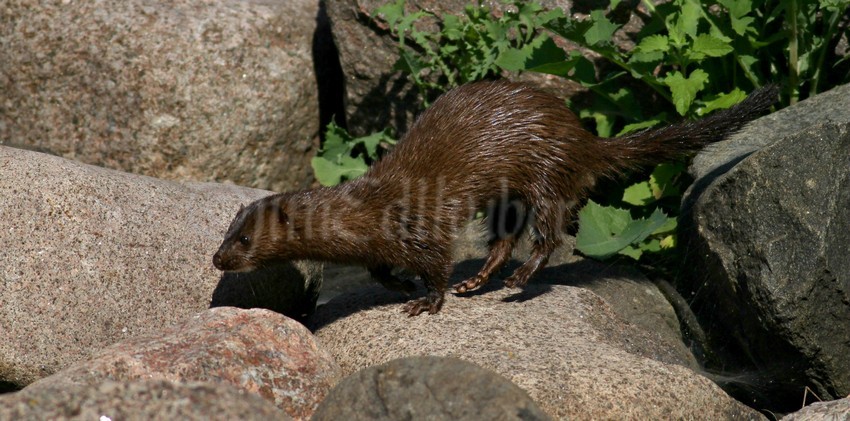
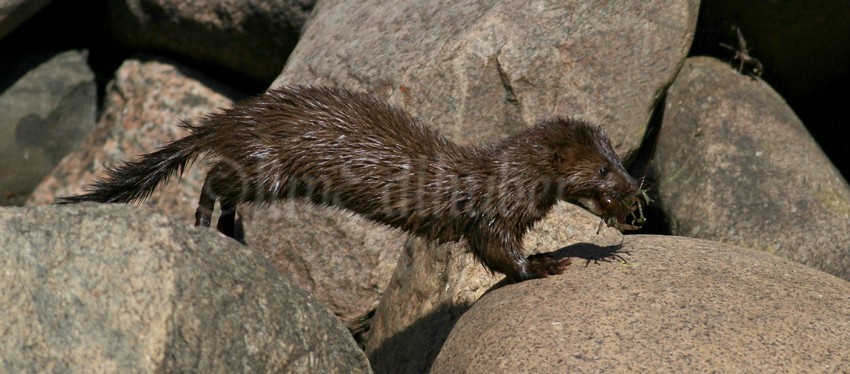
An American Mink has been hanging out near the Fox River in Waukesha. It moves fast along the rocks along the river stopping at locations searching for food in and out of the water. Dan W was there and we had a fun time for awhile photographing this little one gathering food for possible little ones and also food for itself. This female is not always active so one never knows when it will show up. Images were taken on June 19, 2016.

__rIMG_8540_cr

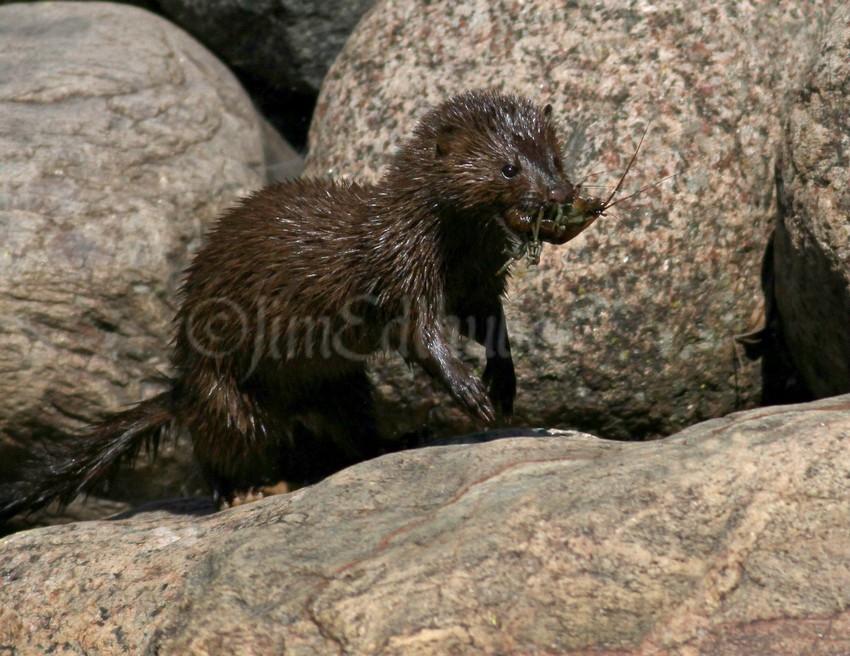
American Mink with crayfish

American Mink

Scientific name: Neovison vison

Type: Mammal

Habitat: Forested areas along, rivers, streams and lakes with dense vegetation. They may also use habitat of swamps and wetlands.

Average life span in the wild: 1 to 3 years

Size: Adults, head and body males 23”-27” long, females 18”-22” long.

Weight: 2 to 3.5 lbs

Diet: Mainly fish, amphibians, crustaceans, small rodents and sometimes insects. Voles are one of their choice meals.

Range: Alaska, Canada and the entire US except for the Southwest.

__rIMG_8632_cr

__rIMG_8687_cr

__rIMG_8904_cr

American Mink with crayfish

__rIMG_8659_cr

In search off….

__rIMG_8703_cr

__rIMG_8702_cr

__rIMG_8747_cr

In search off…

__rIMG_8762_cr

__rIMG_8777_cr

__rIMG_8802_cr

__rIMG_8879_cr

__rIMG_8909_cr

American Mink with crayfish

__rIMG_8911_cr

American Mink with crayfish

__rIMG_9018_cr

American Mink with Bullhead

__rIMG_9077_cr

American Mink with crayfish

__rIMG_9125_cr

__rIMG_9200_cr

__rIMG_9272_cr

__rIMG_9267_cr

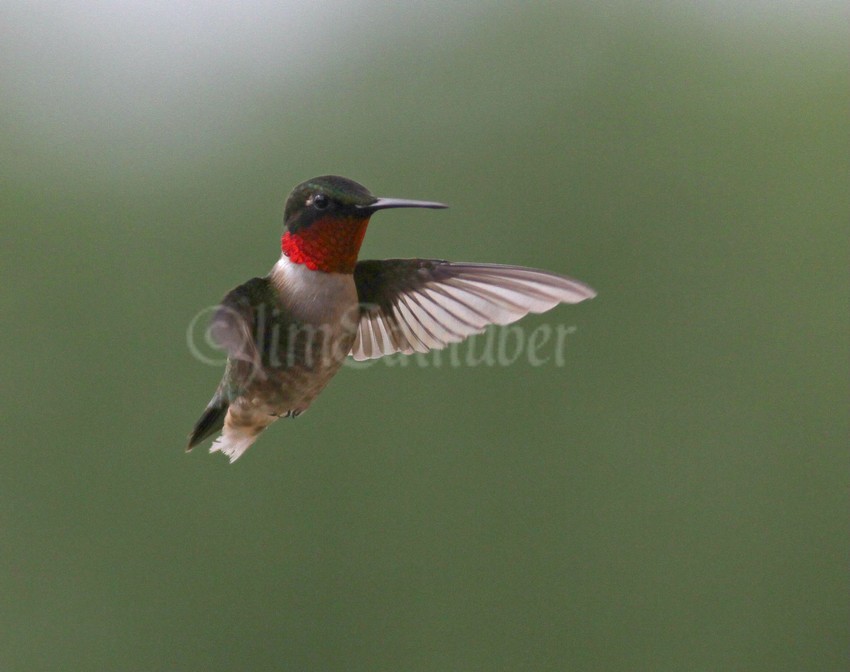
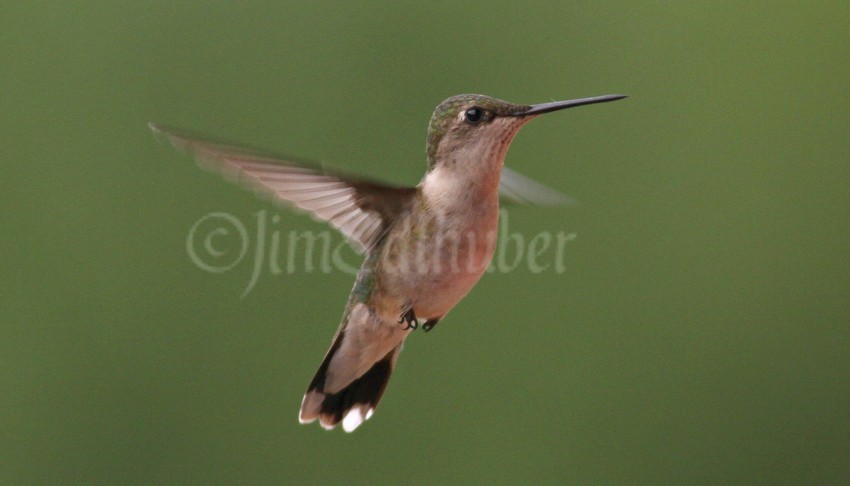
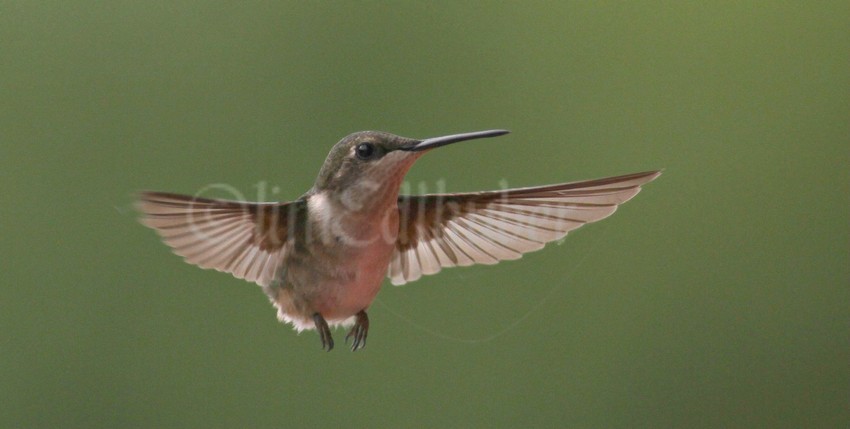
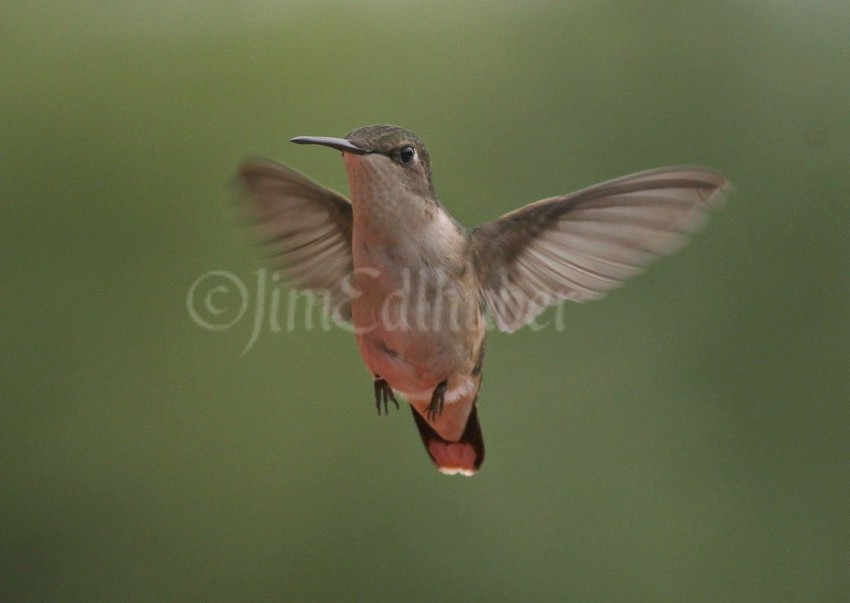
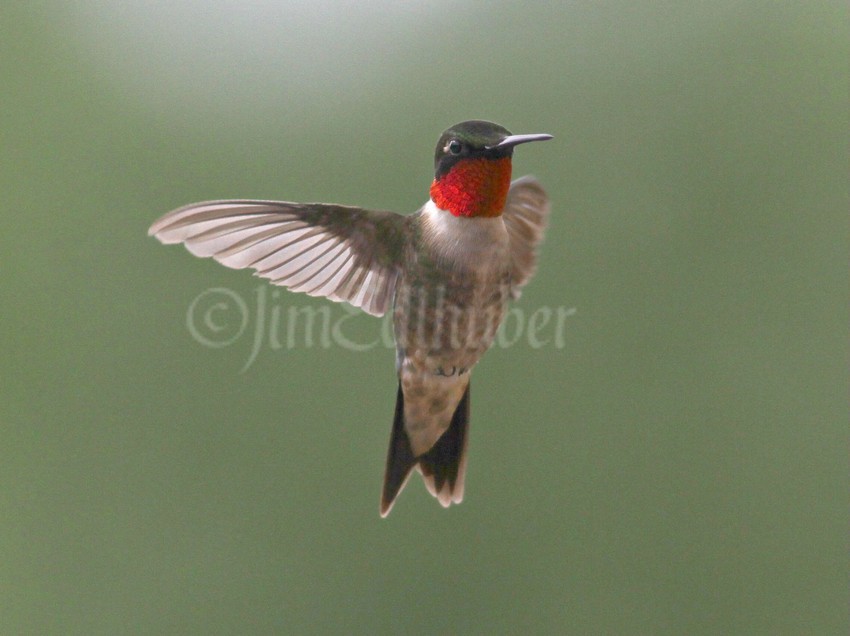
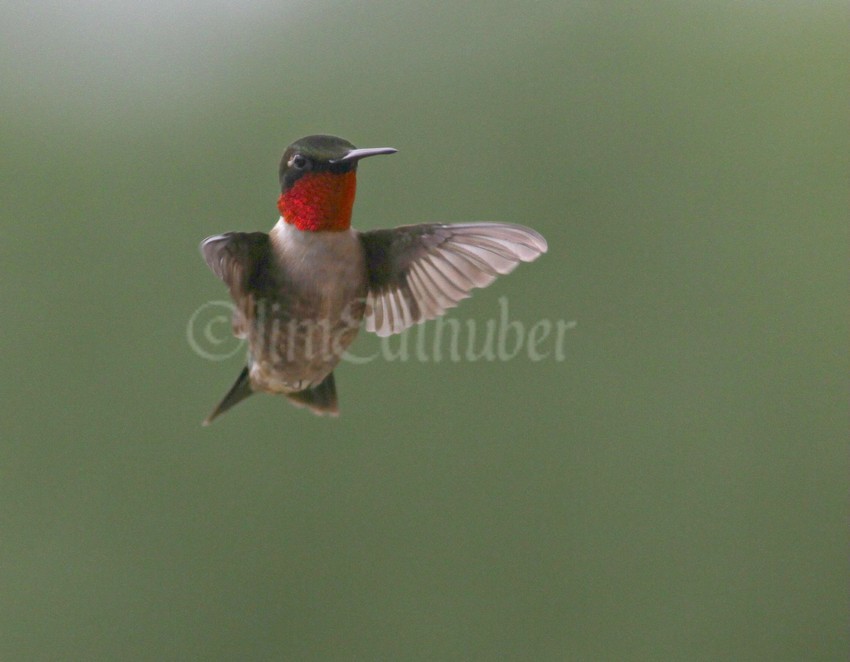
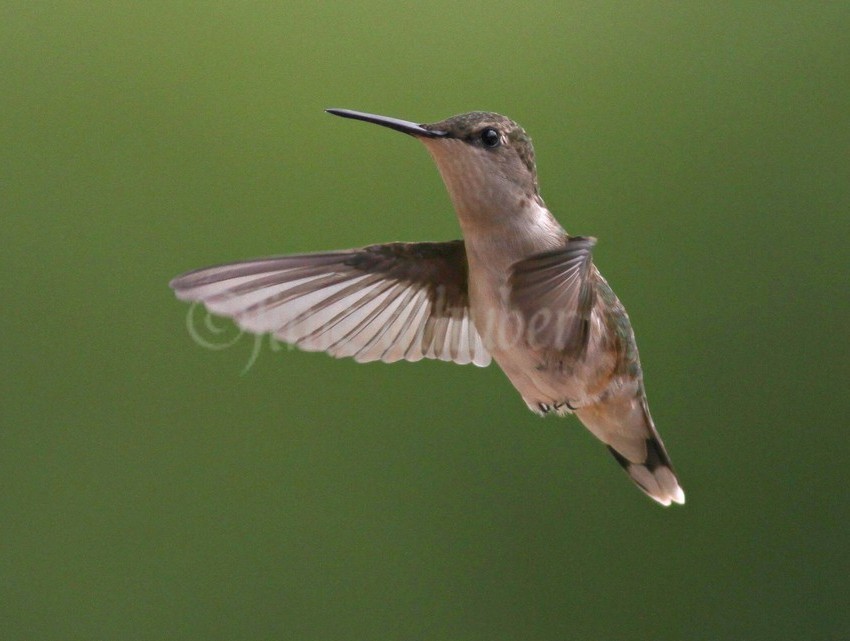
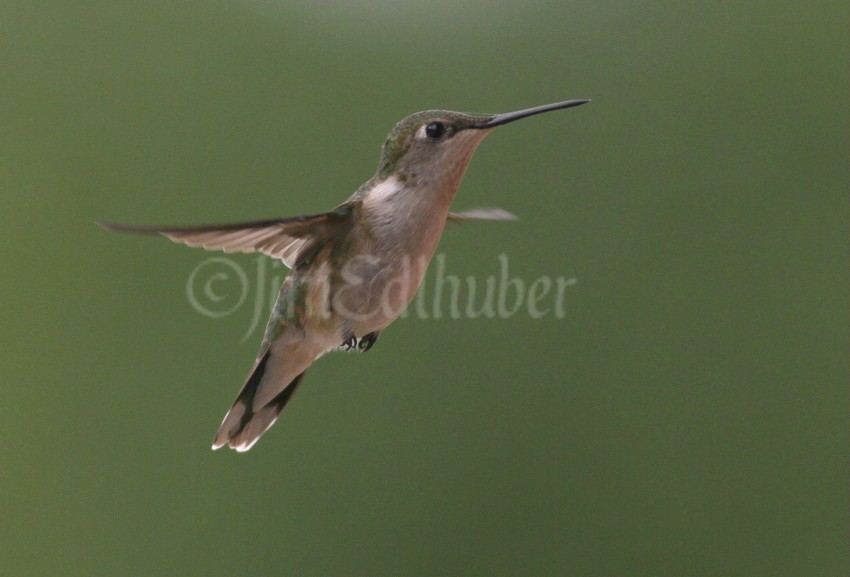
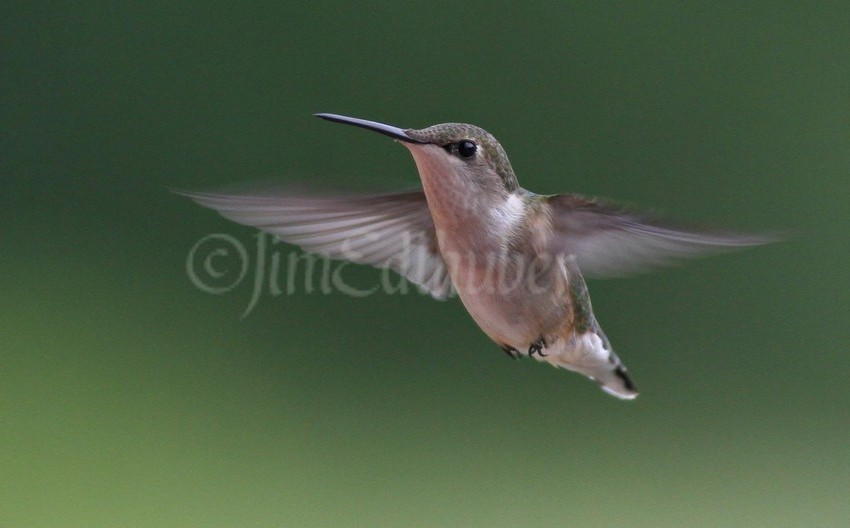
Ruby-throated Hummingbirds at Wyalusing State Park in Wisconsin on June 16, 2016

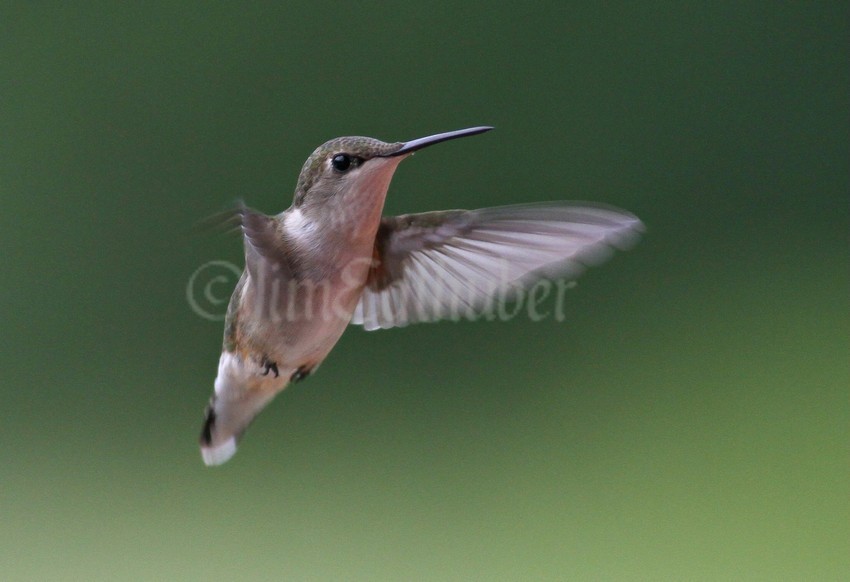
With not much going on bird wise, I decided to make a run out to Wyalusing State Park to see what was going on. Bruce joined me for the day and we had a great time. Some of the species seen in the park were Cerulean Warbler, a life birds for me. Yellow-billed Cuckoos, Dickcissels, Scarlet Tanager, Blue Indigo Buntings, American Bald Eagles, and very many Baltimore Orioles to name a few. The highlight of the day were the 30-40 Ruby-throated Hummingbirds at the 4 feeders at once at the visitor center at the park entrance. I have never seen more than a couple of Ruby-throated Hummingbirds at once so seeing 30-40 at once was an amazing treat. One of the staff had noted that hummingbirds were recently banded and they had 4 birds that had returned from the previous year, how exciting! For the most park a cloudy day, the sun showed for a few minutes with nice mild temps. Images were taken on June 16, 2016.

___rIMG_7387_cr

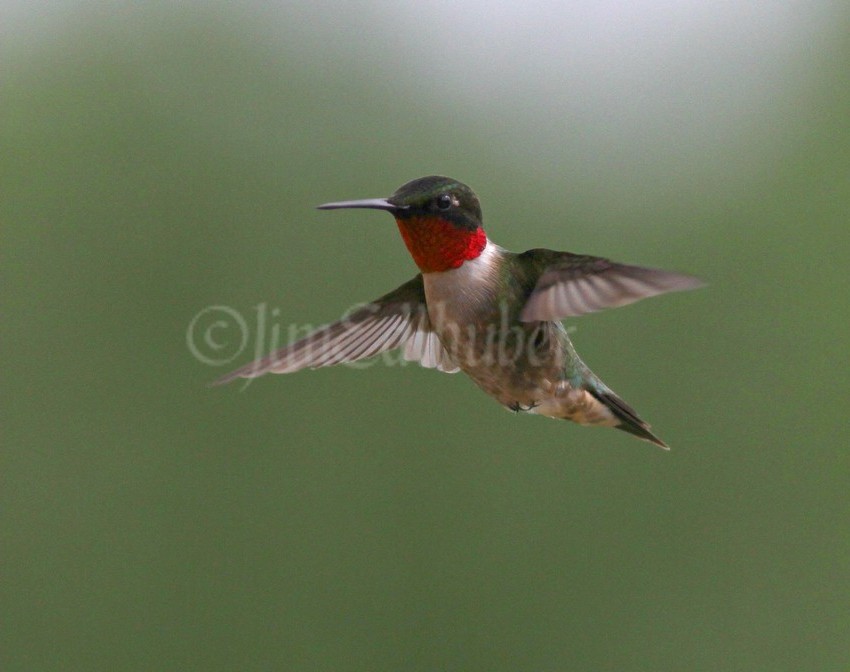
Ruby-throated Hummingbird, male

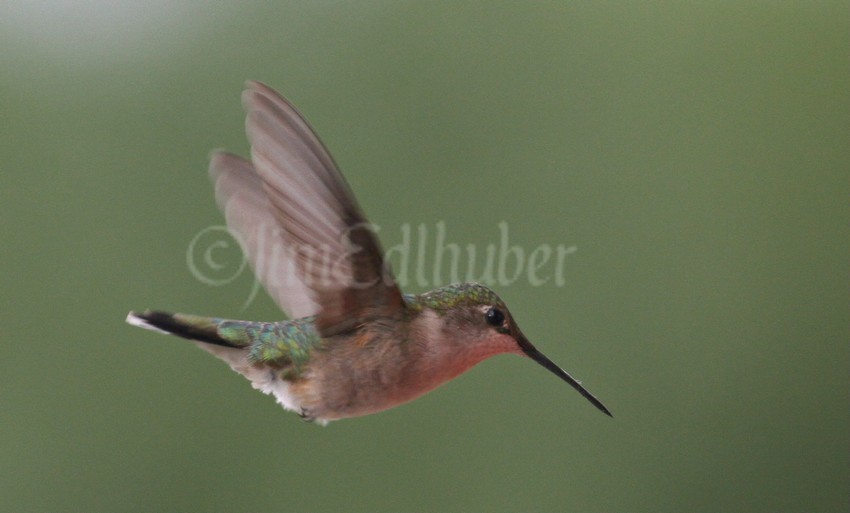
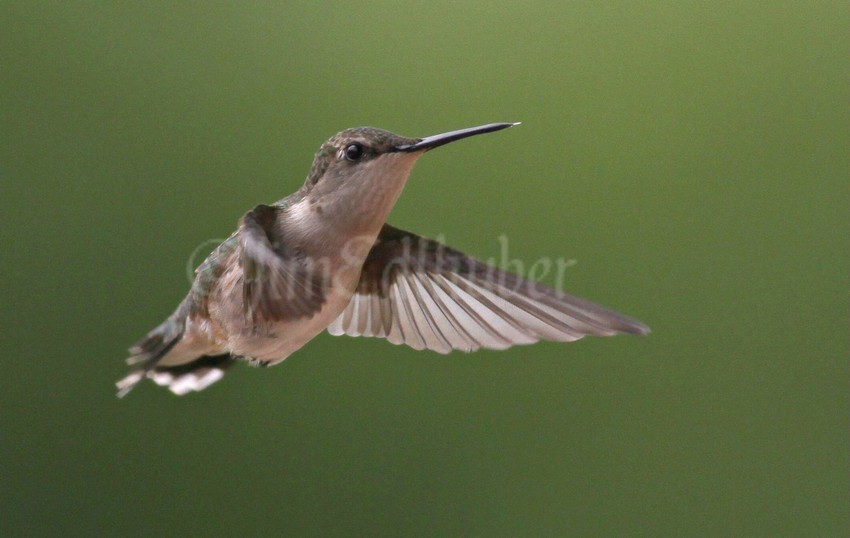
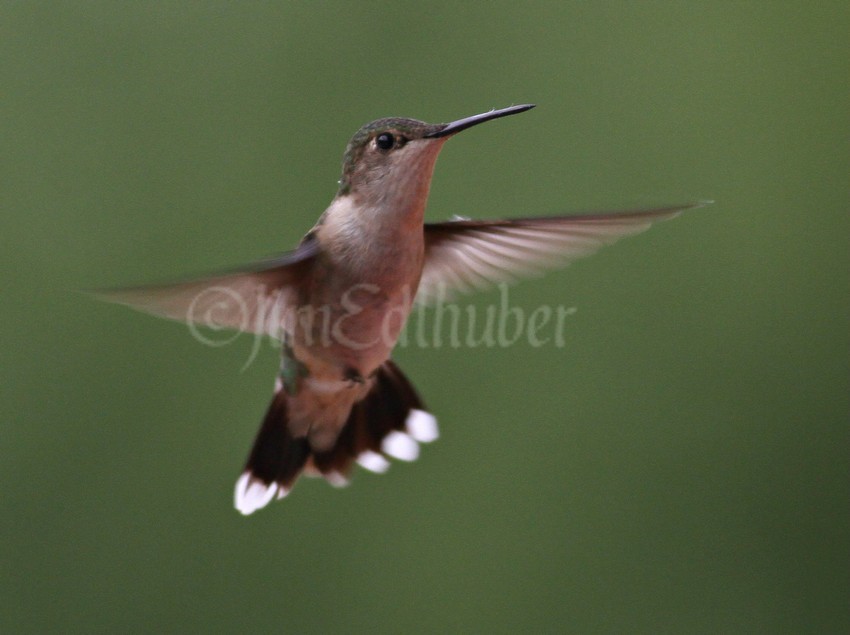
Ruby-throated Hummingbird

Binomial name: Archilochus colubris

Category: Hummingbirds

Weight: 0.071 oz. – 0.21 oz.

Ruby-throated Hummingbird, female

Ruby-throated Hummingbird, female

Ruby-throated Hummingbird, female

Ruby-throated Hummingbird, female

Ruby-throated Hummingbird, female

Ruby-throated Hummingbird, female

Ruby-throated Hummingbird, male

Ruby-throated Hummingbird, male

Ruby-throated Hummingbird, male

Ruby-throated Hummingbird, male

Ruby-throated Hummingbird, female

Ruby-throated Hummingbird, female

Ruby-throated Hummingbird, female

Ruby-throated Hummingbird, female

Ruby-throated Hummingbird, female

Ruby-throated Hummingbird, female

Ruby-throated Hummingbird, male

Ruby-throated Hummingbird, male

Ruby-throated Hummingbird, female

Ruby-throated Hummingbird, female

Ruby-throated Hummingbird, female

Ruby-throated Hummingbird, female

Ruby-throated Hummingbird, female

Ruby-throated Hummingbird, female

Ruby-throated Hummingbird, female

Ruby-throated Hummingbird, female

Ruby-throated Hummingbird, male

Ruby-throated Hummingbird, male

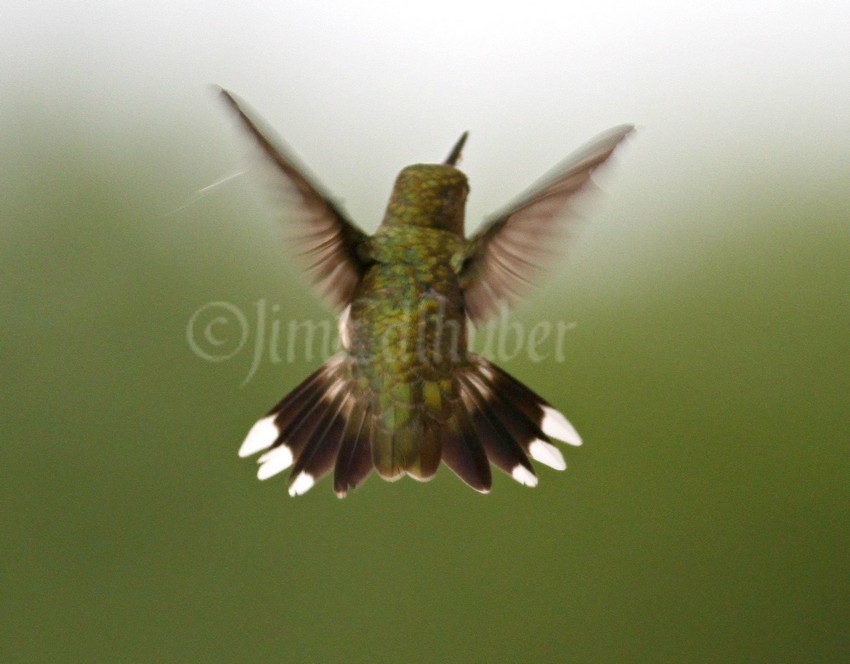
Ruby-throated Hummingbird, female, blurry back view

Ruby-throated Hummingbird, female, blurry back view


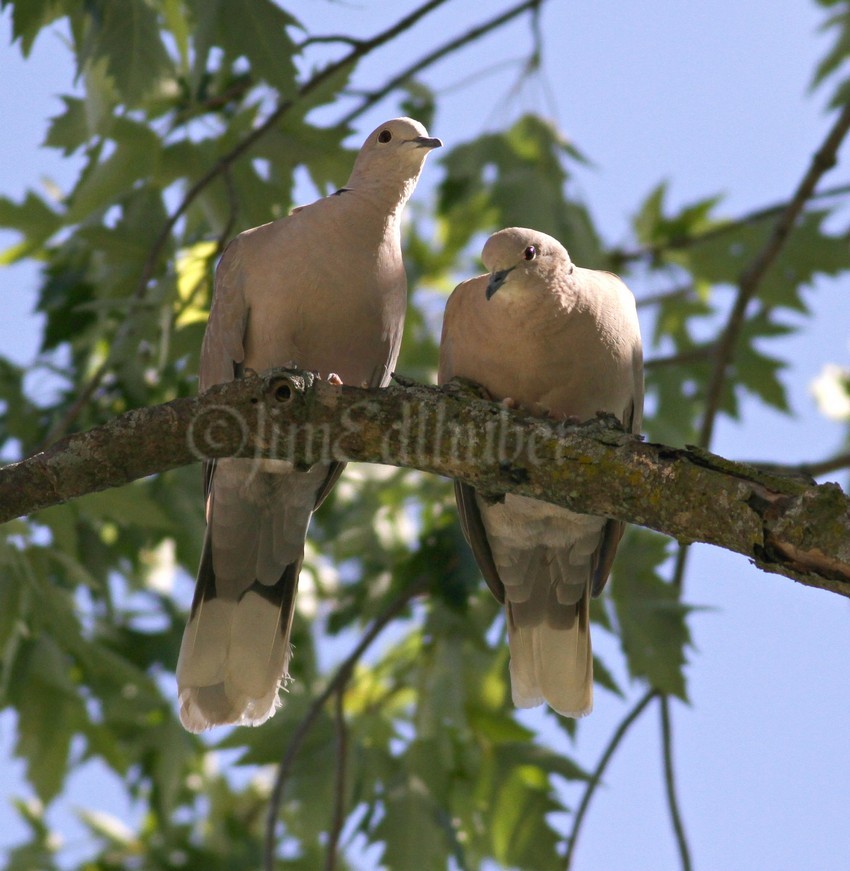
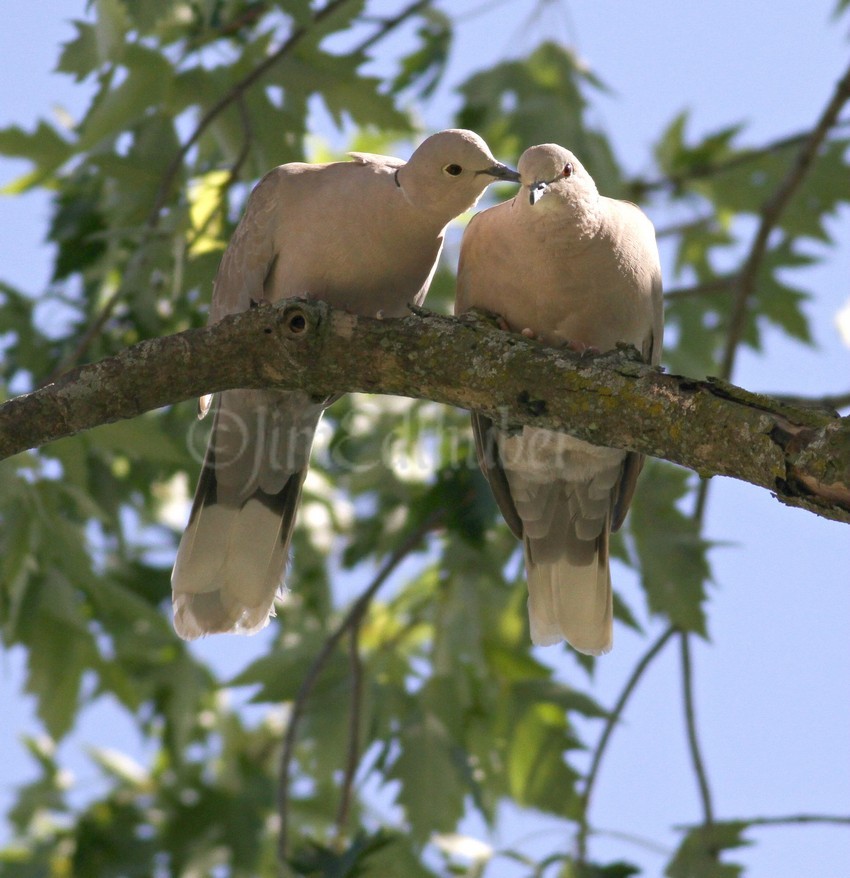
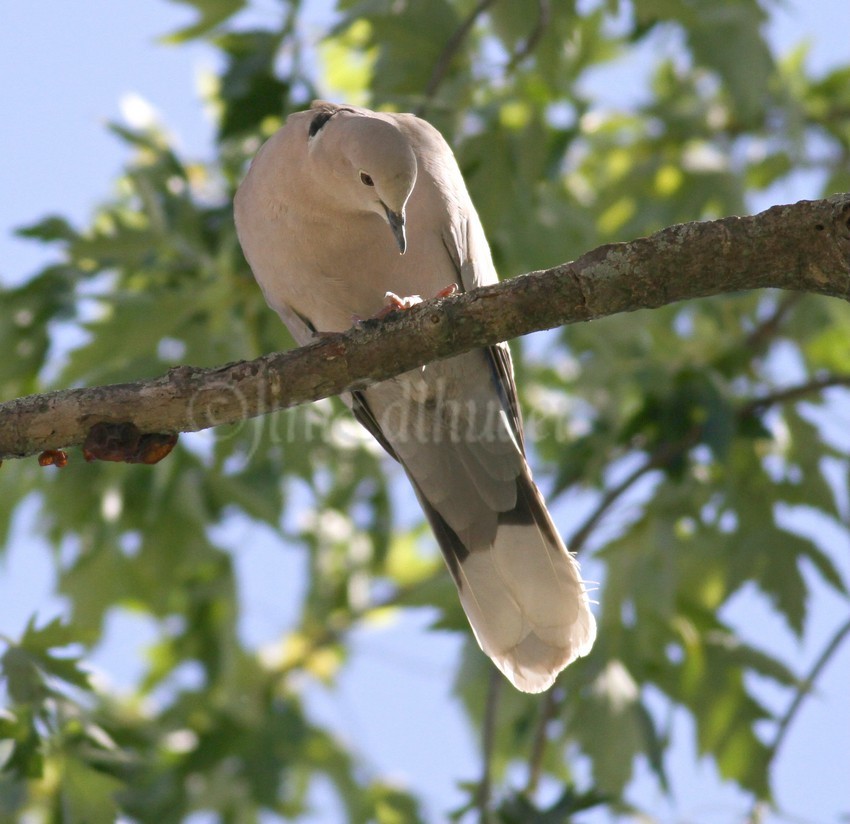
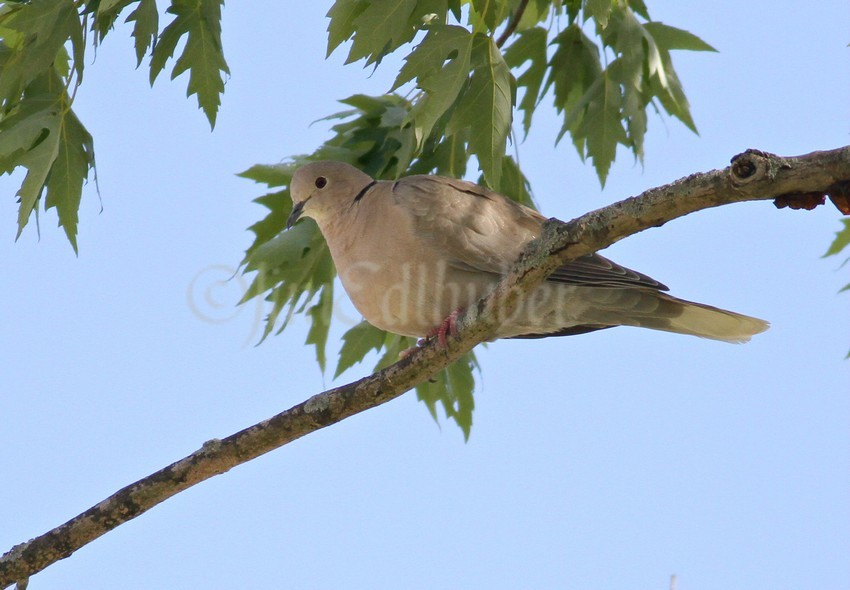
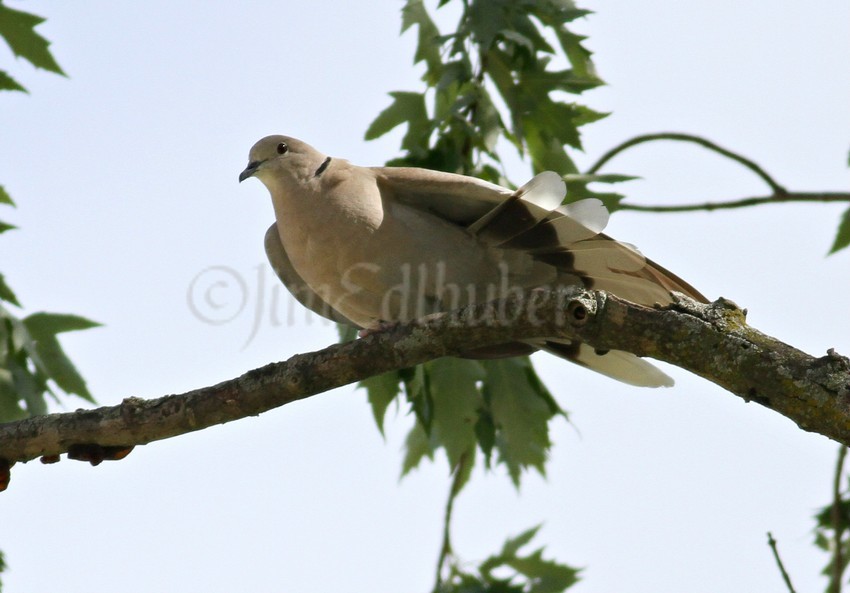
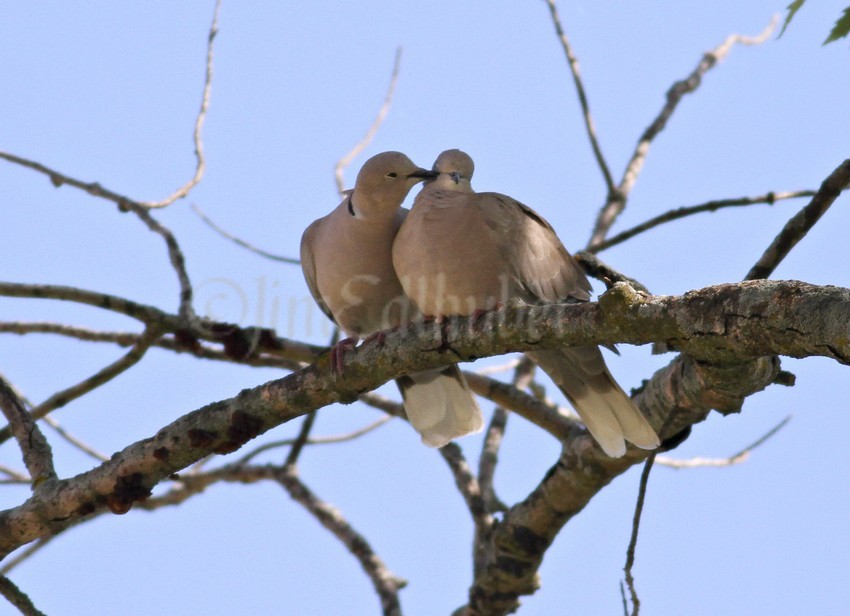
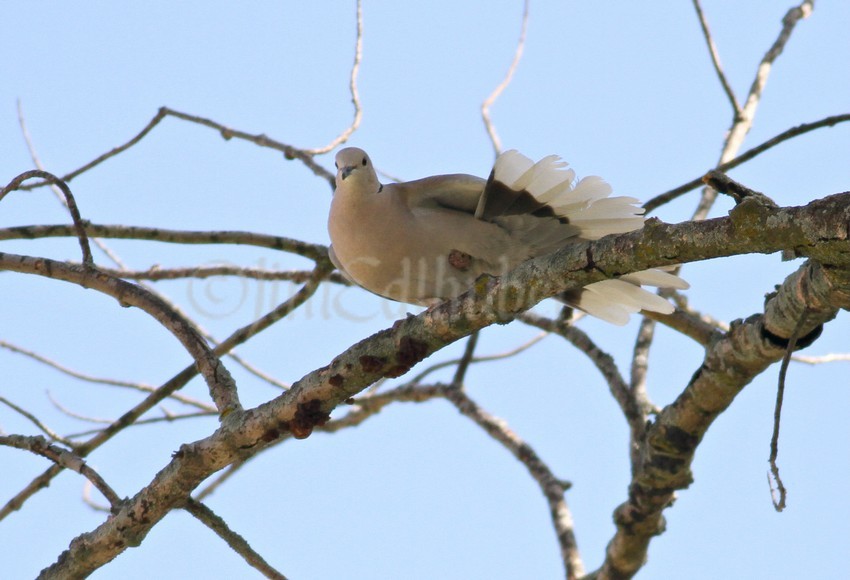
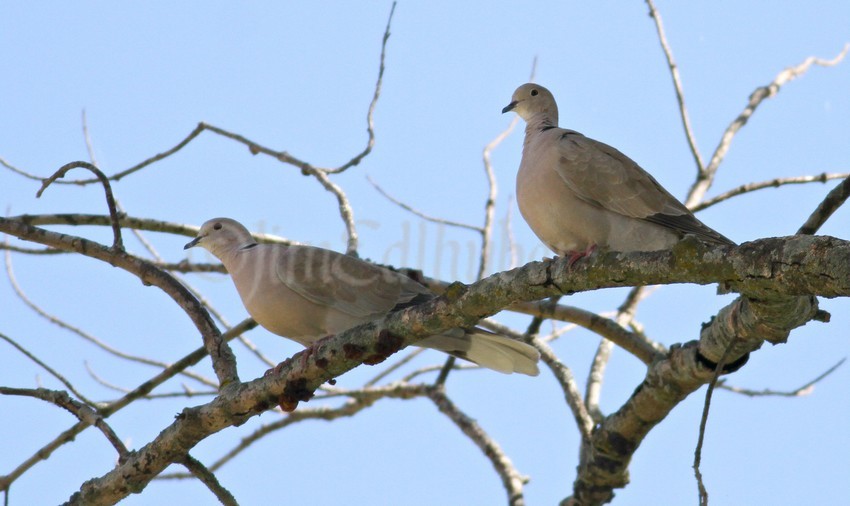
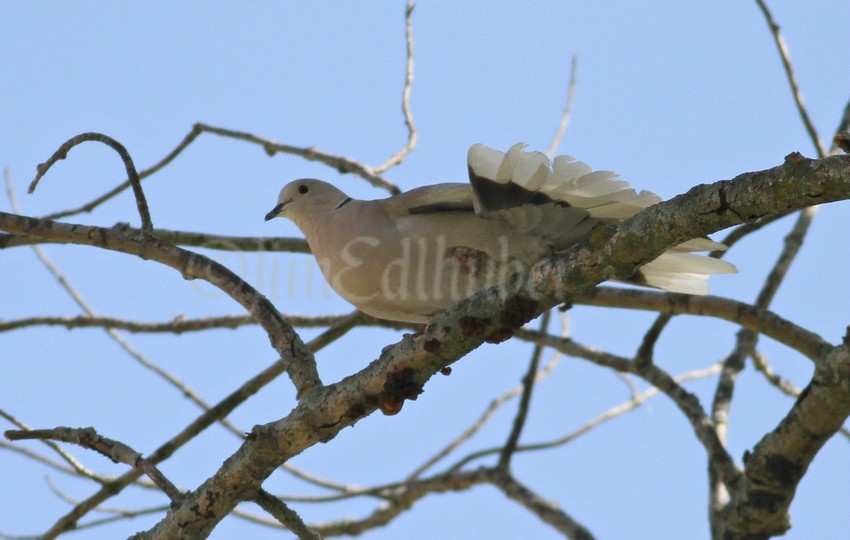
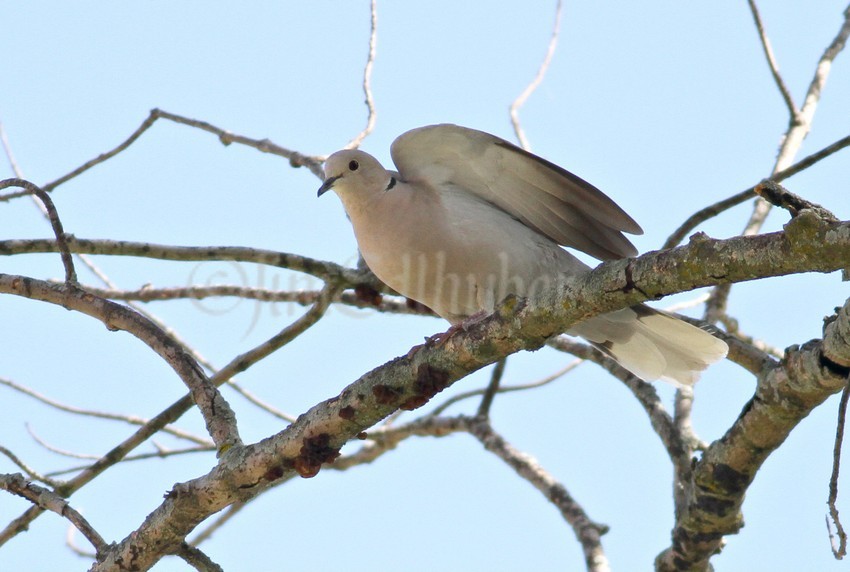
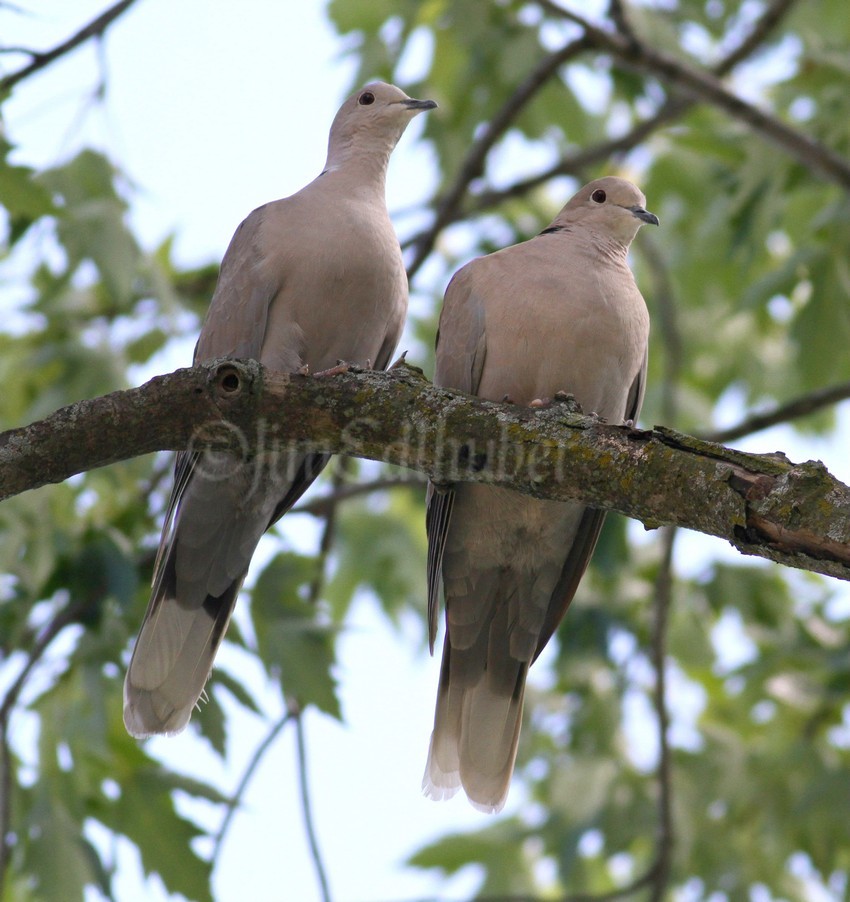
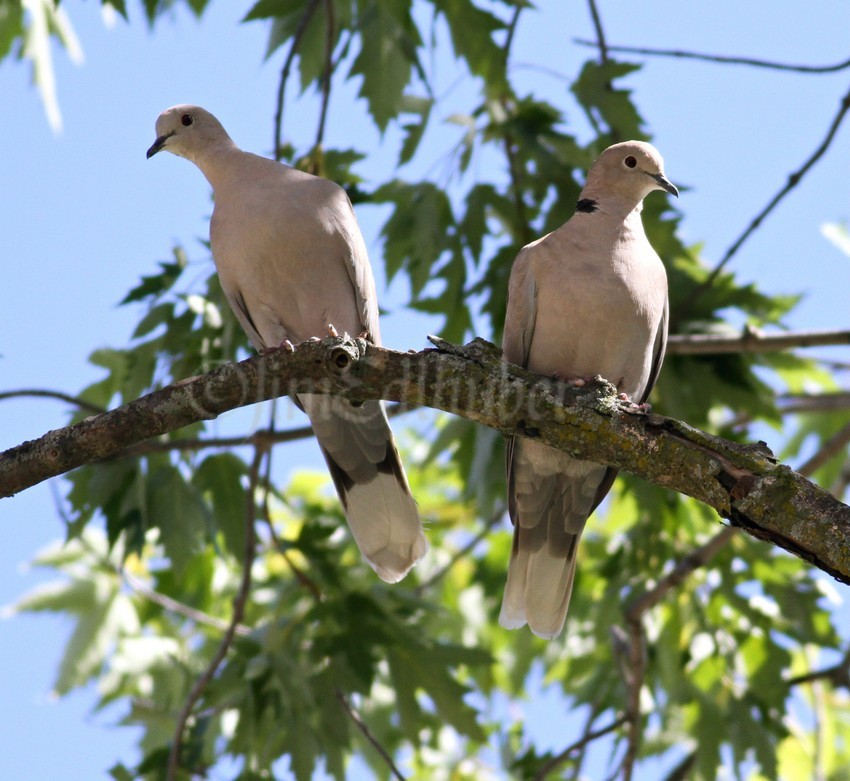
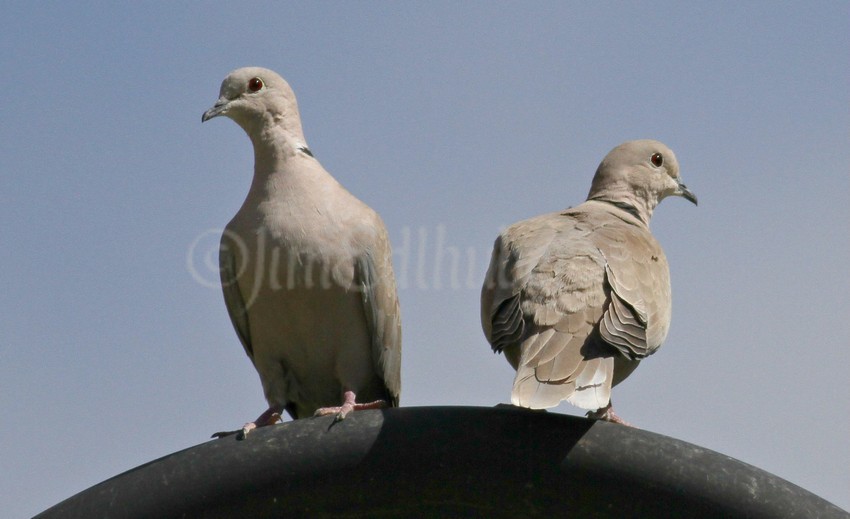
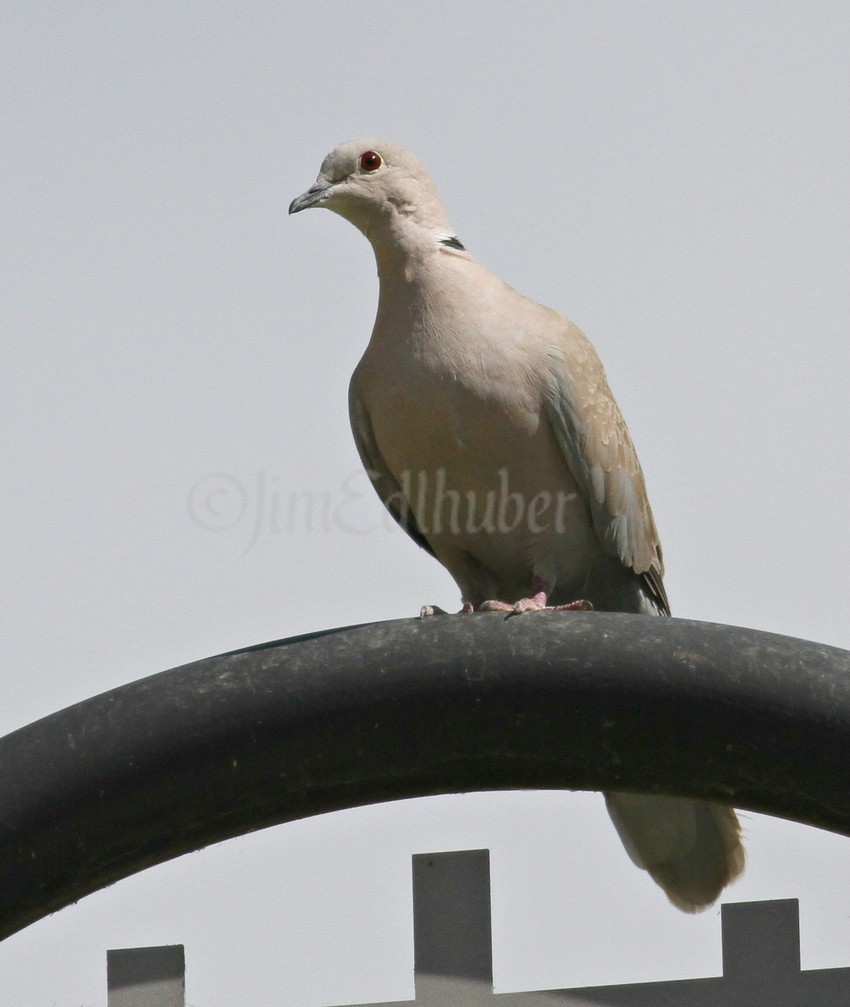
Eurasian Collared-Doves in Burlington Wisconsin on June 15, 2016

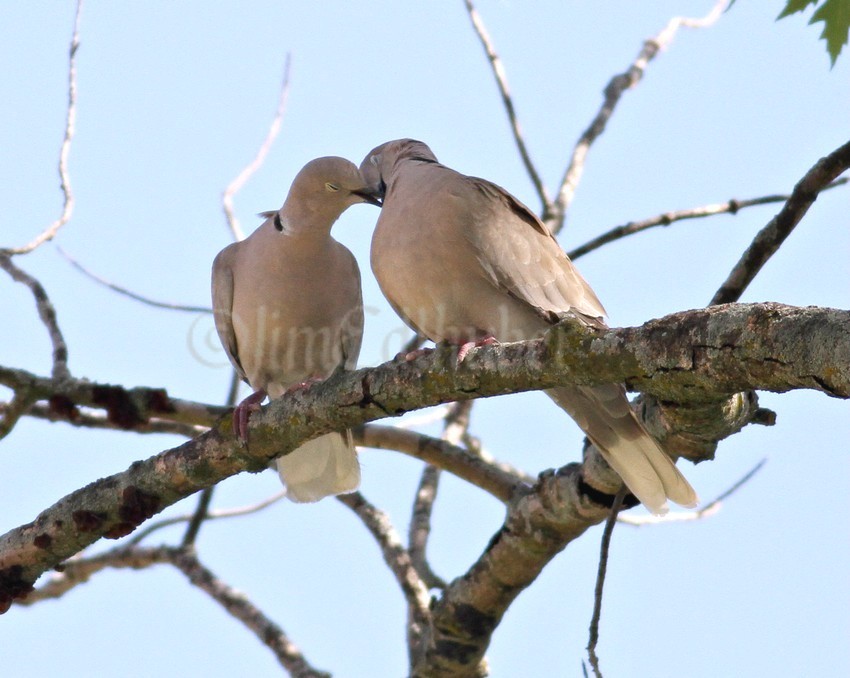
After 6 years of birding, I have finally seen the Eurasian Collared-Dove in Burlington Wisconsin. I only looked for this species once actually in Arlington last fall and came up empty. Always thinking I would just come across one, but did not. It was a life bird and a fun one at that. I heard of this pair nesting in Burlington and after seeing Becky’s ebird yesterday, thank you, I thought I would give it a try. Almost immediately after arriving about 8 am at the location, I saw the pair perched in a high tree on a dead limb. From there the pair took some short flights in the area but perched in different locations. They stuck together for the most part and at times showed signs of “love” I would say. I did see in a tree at least one Eurasian Collared-Dove sitting on a nest. I would have taken a picture of this, but a couple feet from someones apartment window I choose not to. It would have not looked like much as the setting was very low light and branched. The location of this pair is on the west side of the Fox River and north of E. State St. at an apartment building. Images were taken on June 15, 2016.

____rnew coverIMG_5890_cr

Eurasian Collared-Dove

Binomial name: Streptopelia decaocto

Category: Doves and Pigeons

Size: 13” long, 22” wing span

Weight: 7 oz

_rIMG_4954_cr

_rIMG_4961_cr

_rIMG_5057_cr

_rIMG_5464_cr

_rIMG_5410_cr

_rIMG_5776_cr


_rIMG_5605_cr

_rIMG_5675_cr


_rIMG_5388_cr

_rIMG_5612_cr

_rIMG_5263_cr

_rIMG_5178_cr

_rIMG_5995_cr

_rIMG_5963_cr

Spring Blooming Native Wildflowers in Waukesha County Wisconsin on June 9, 2016

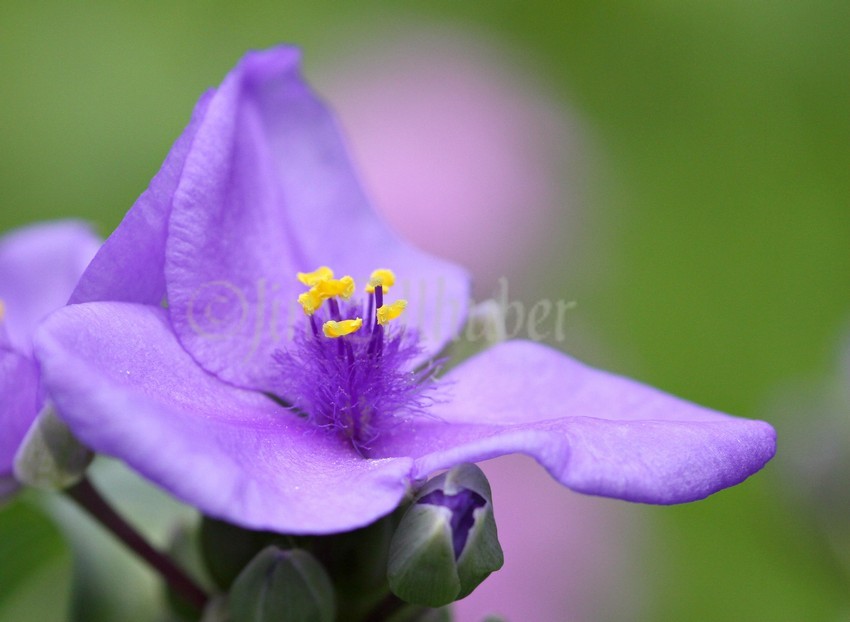
I have put together some recently taken images of wildflowers here in Waukesha Co. There are a couple that are native to the midwest, but not Wisconsin. Those wildflowers are stated on the images. Images were taken in 2016 through June 9, 2016.

_rIMG_2650_cr

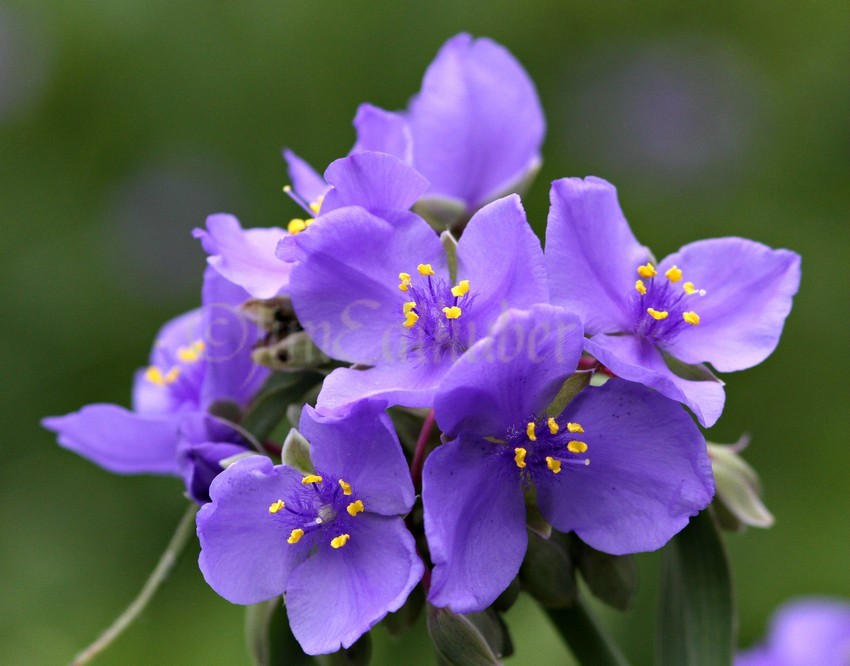
Spiderwort, Tradescantia ohiensis

_rIMG_2582_cr

Spiderwort, Tradescantia ohiensis

_rIMG_2774_cr

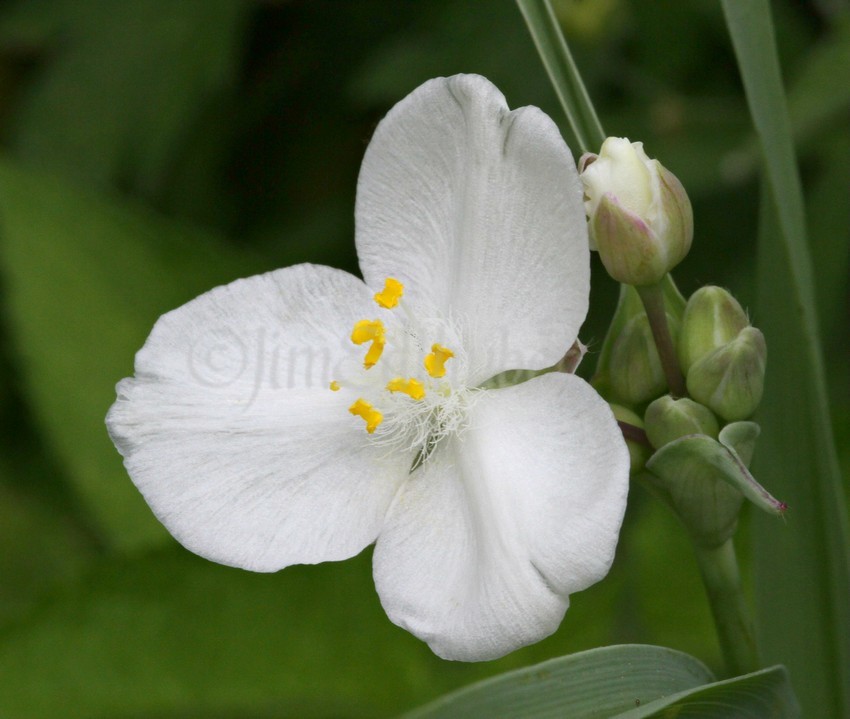
Spiderwort, Tradescantia ohiensis alba

__rIMG_3919_cr

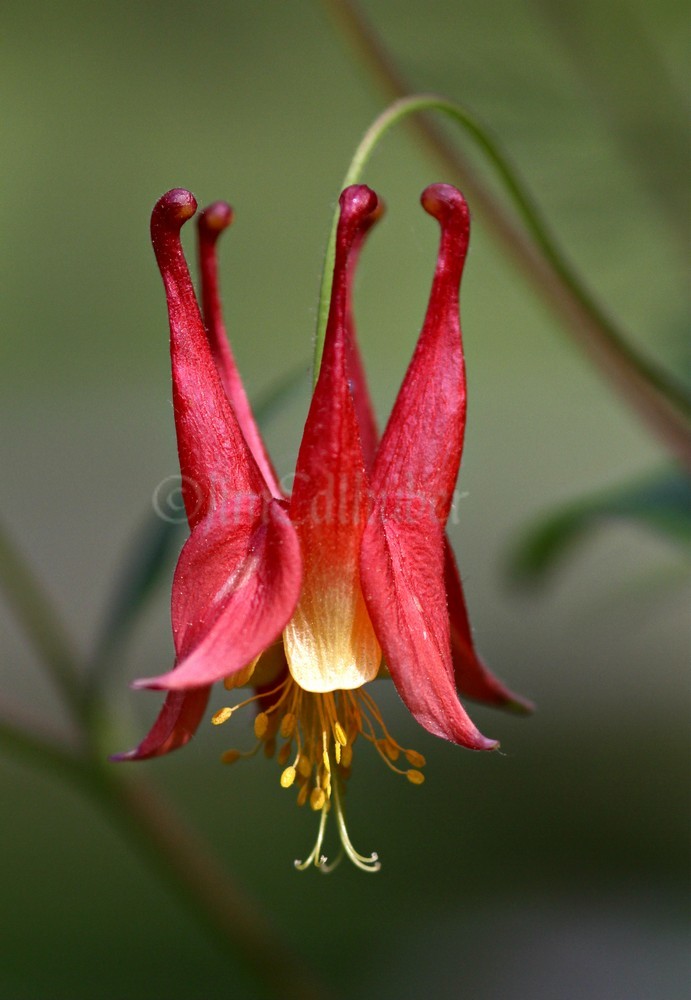
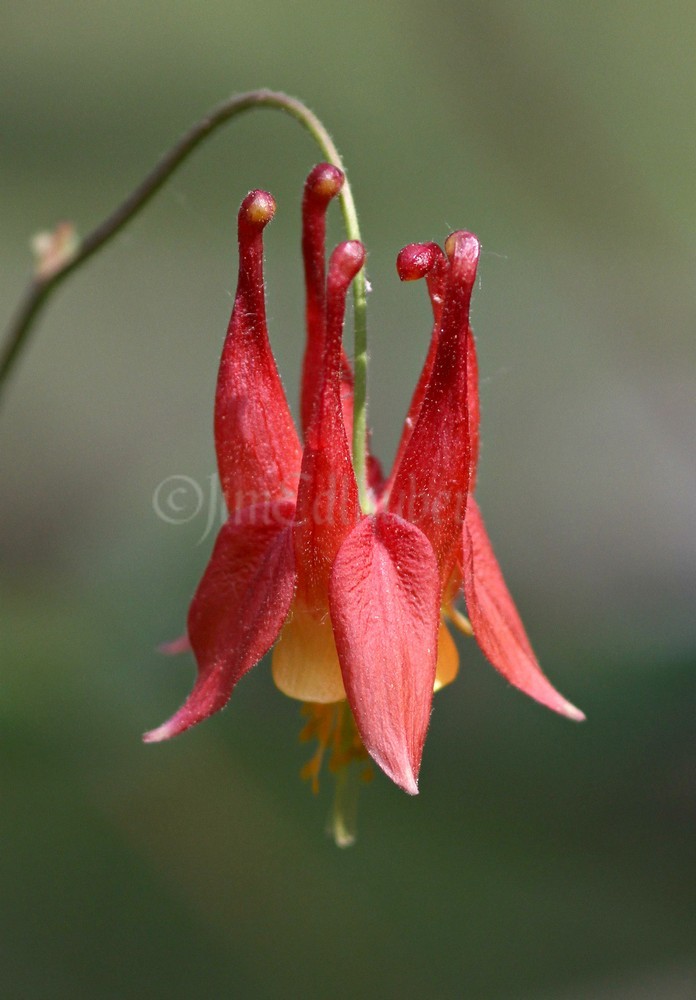
Wild Columbine, Aquilegia canadensis

__rIMG_3614_cr

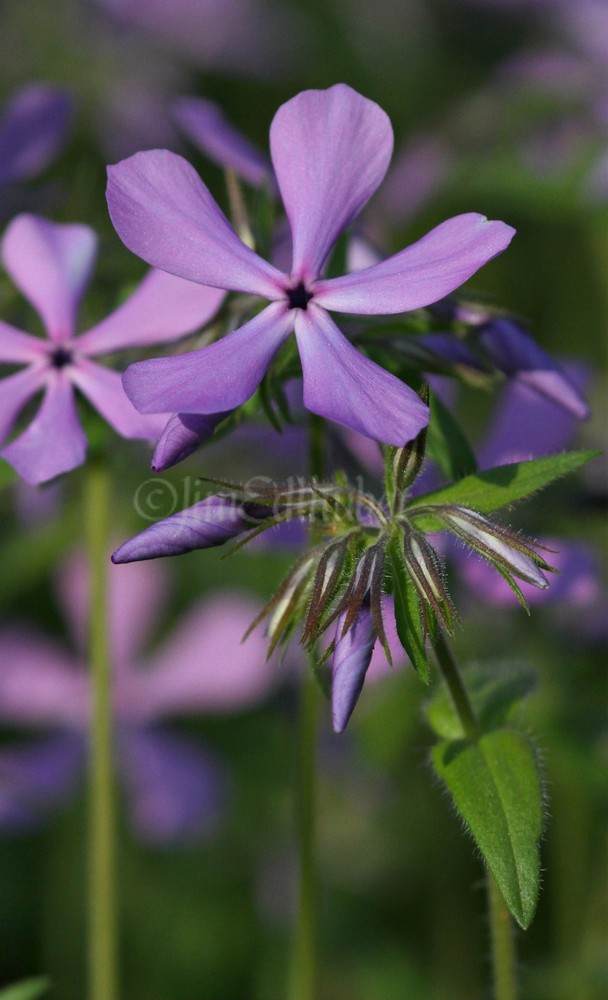
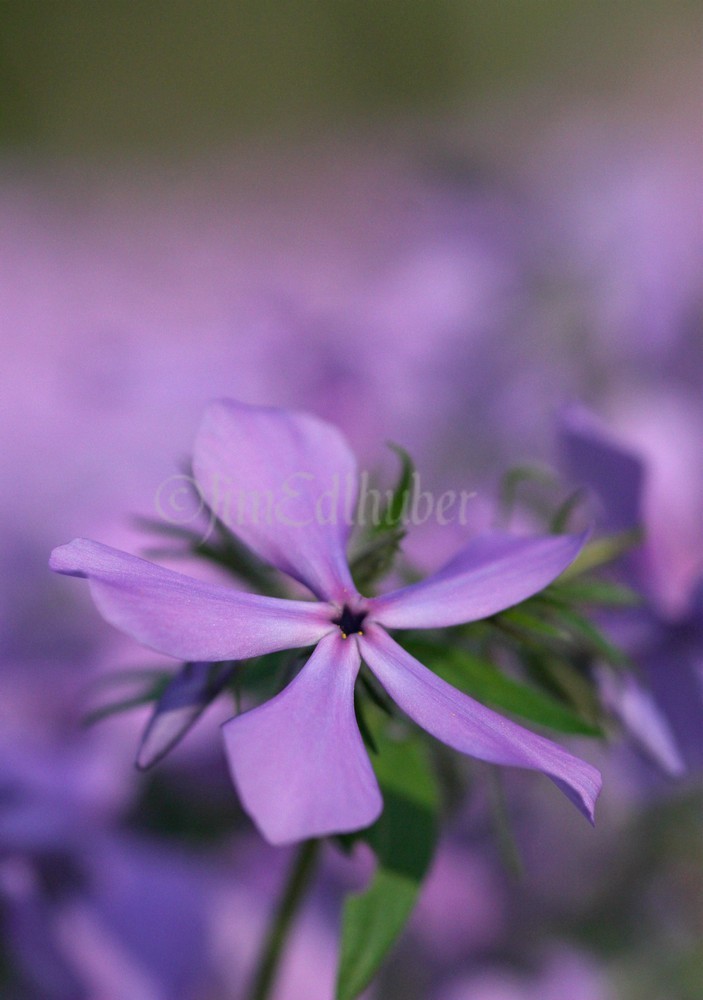
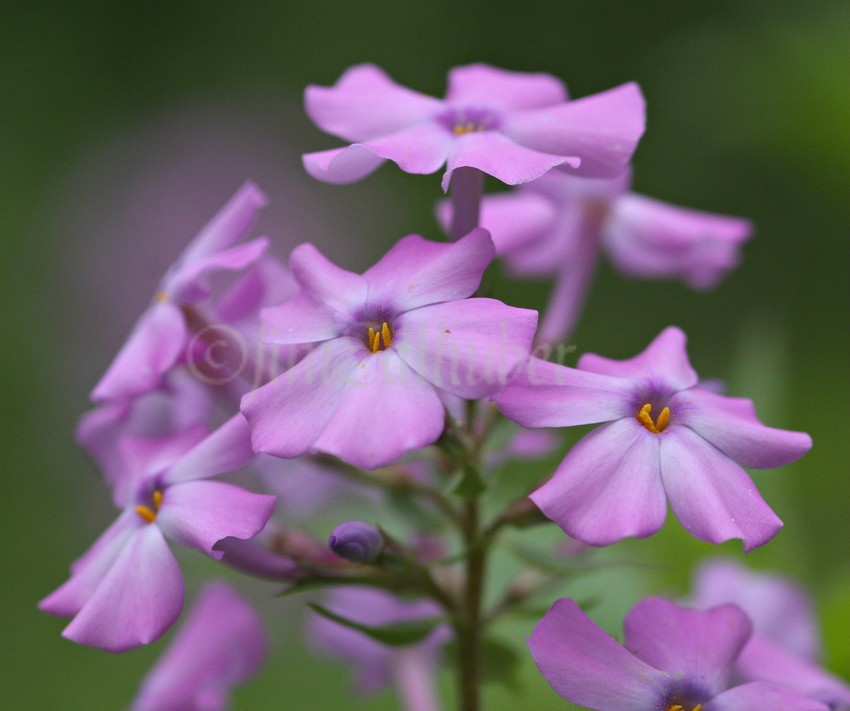
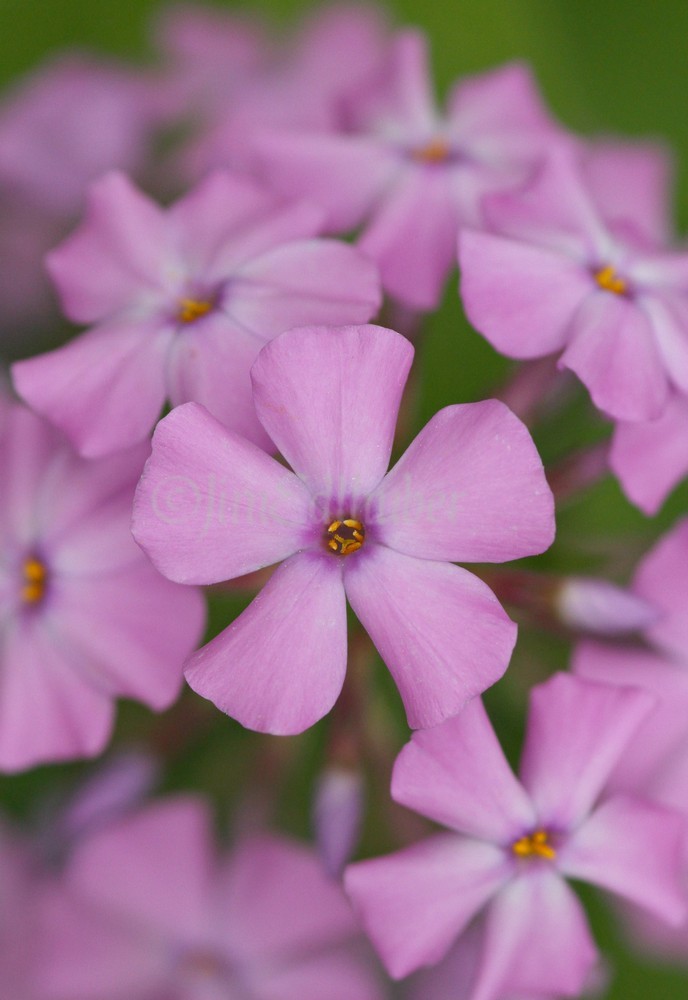
Wild Blue Phlox, Phlox divaricata

____rIMG_3518_cr

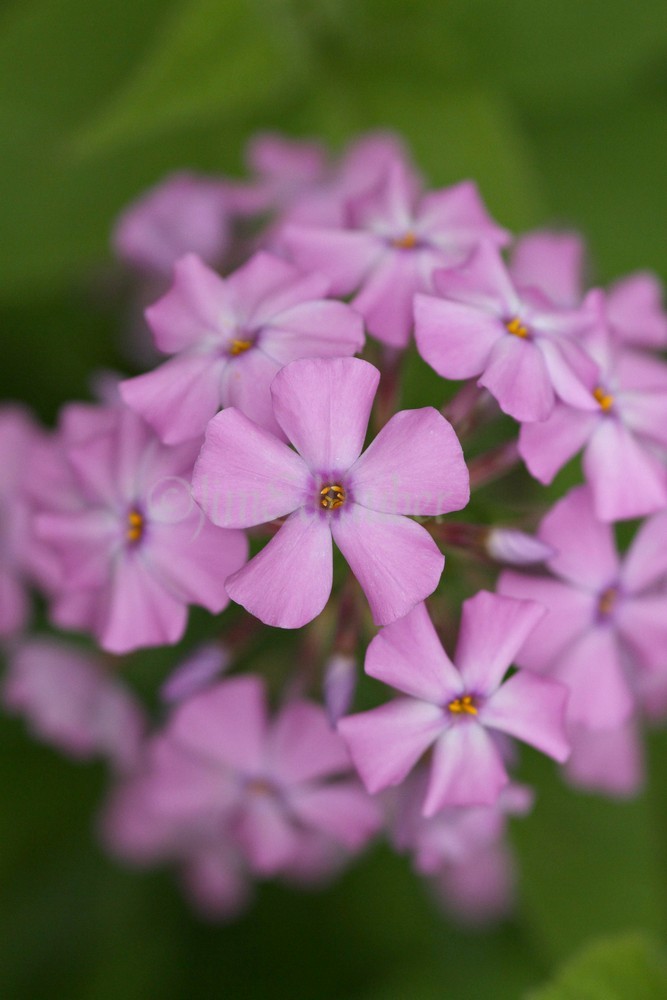
Wild Blue Phlox, Phlox divaricata

___rwfIMG_2066_cr

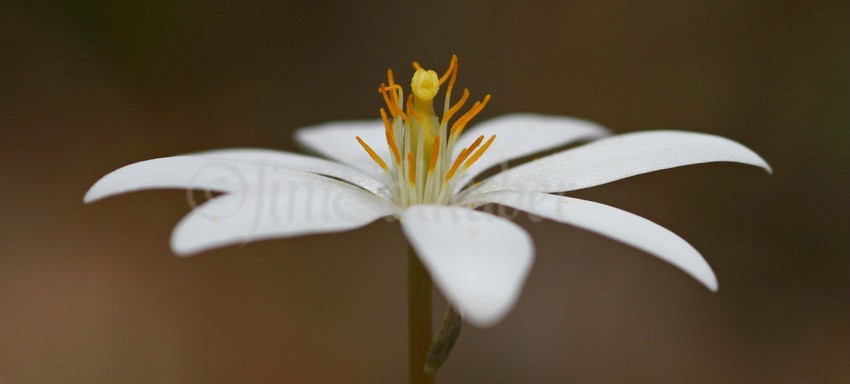
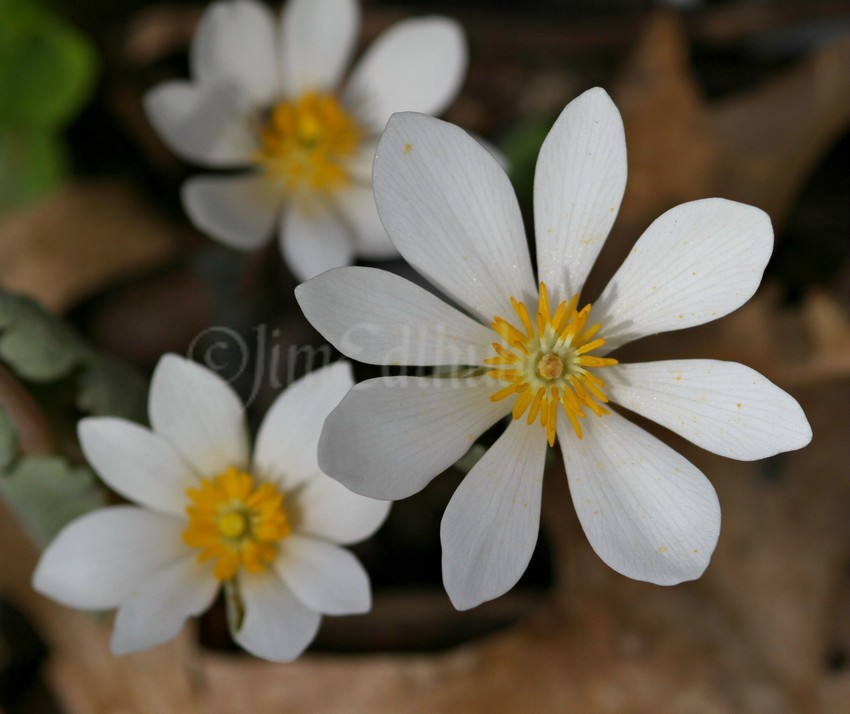
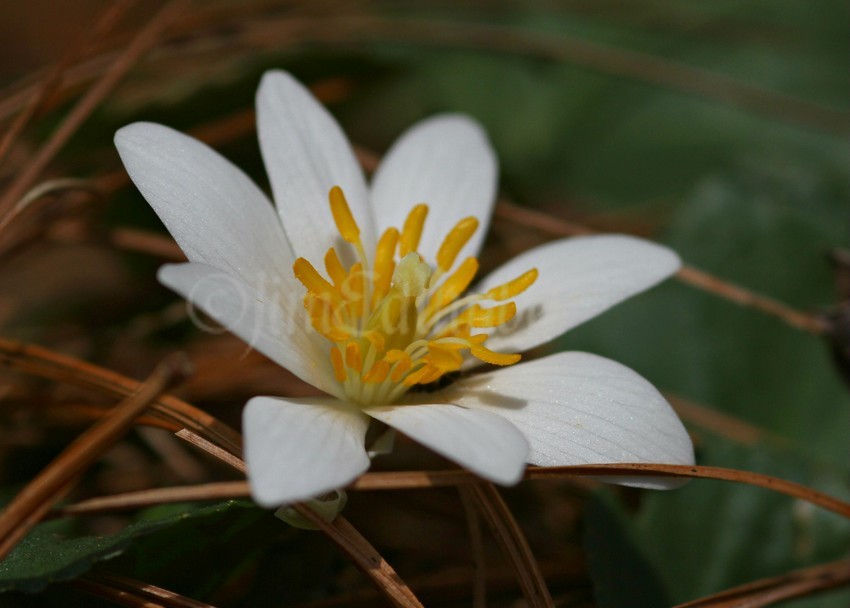
Bloodroot, Sanguinaria canadensis

___rwfIMG_2110_cr

Bloodroot, Sanguinaria canadensis

_rIMG_2603_cr

Meadow Phlox, Phlox maculata (introduced species in Wisconsin)

_rIMG_2735_cr

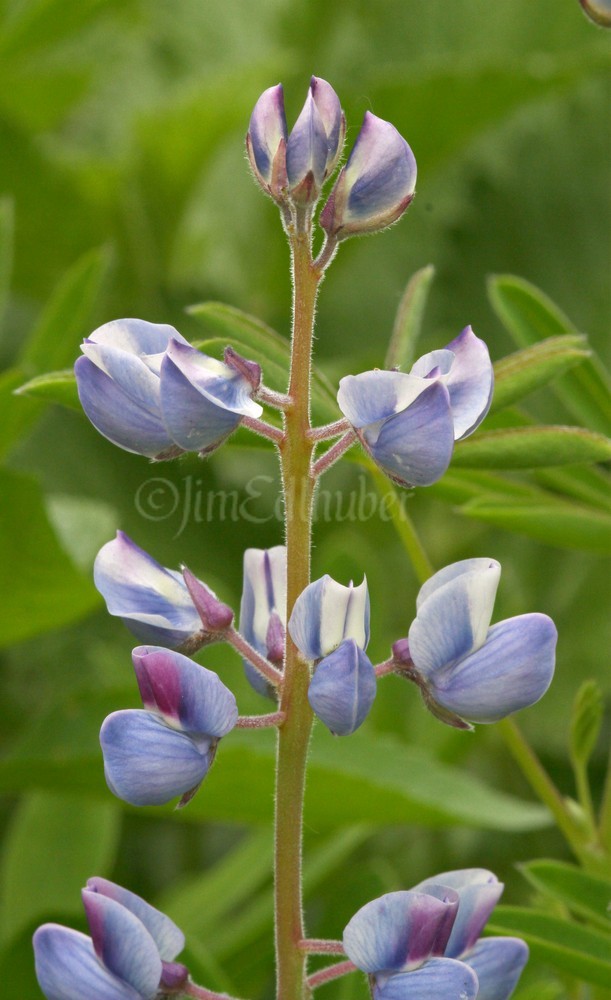
Wild Lupine, Lupinus perennis

_rIMG_2811_cr

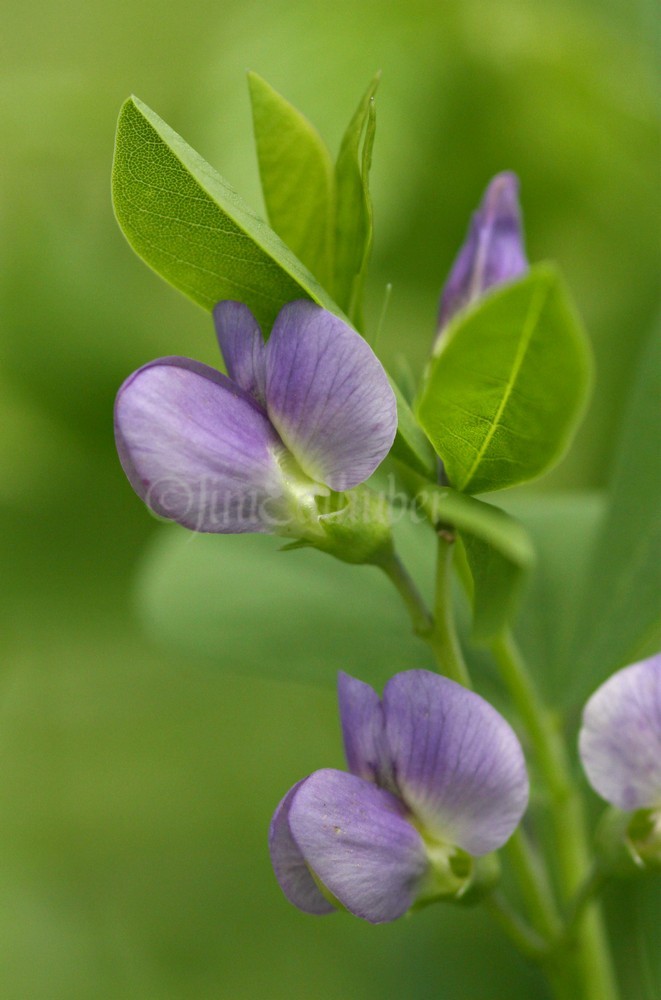
Wild Blue Indigo, Baptisia australis, (introduced species in Wisconsin)

_rwfIMG_2027_cr

Bloodroot, Sanguinaria canadensis

__rrwgIMG_3771_cr

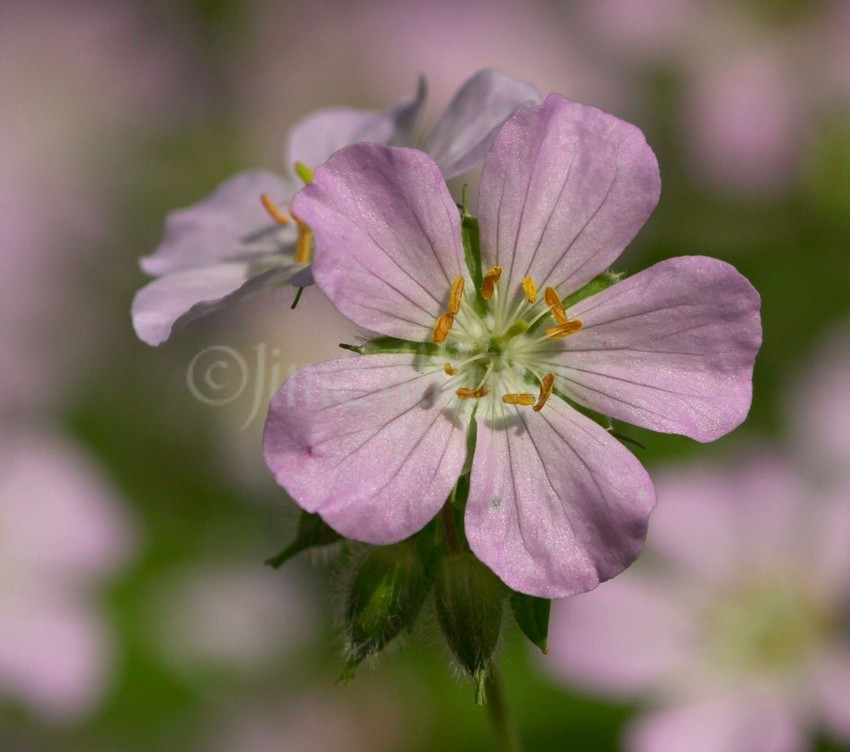
Wild Geranium, Geranium maculatum

__rIMG_3925_cr

Wild Columbine, Aquilegia canadensis

_rIMG_2639_cr

Meadow Phlox, Phlox maculata (introduced species in Wisconsin)

_rIMG_2617

Meadow Phlox, Phlox maculata (introduced species in Wisconsin)

_rIMG_2953_cr

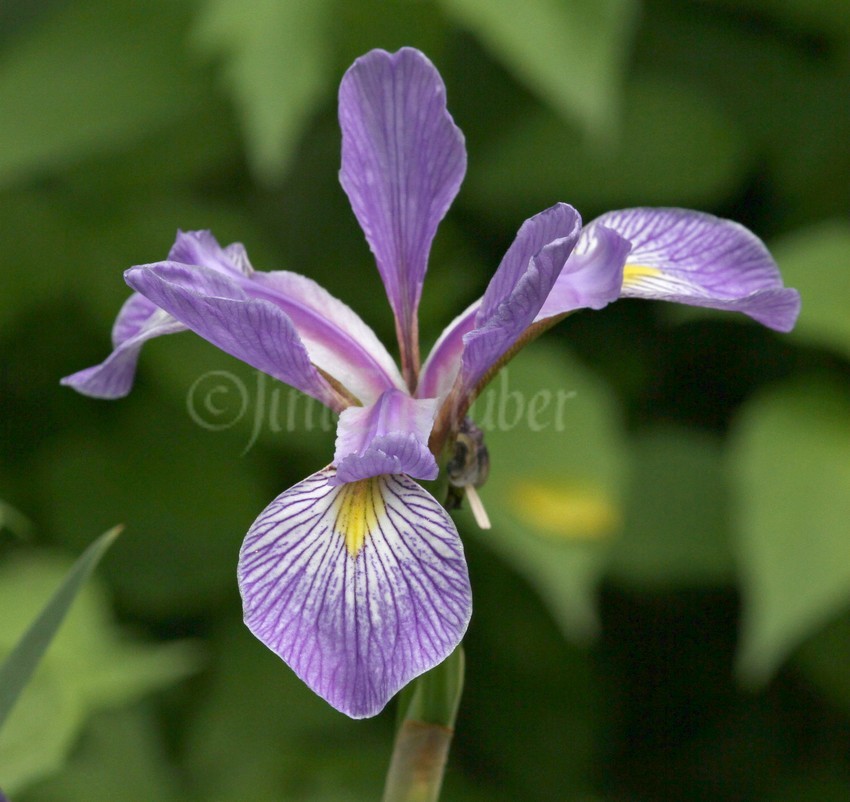
Wild Iris, Blue Flag, Iris versicolor

_rIMG_2940_cr

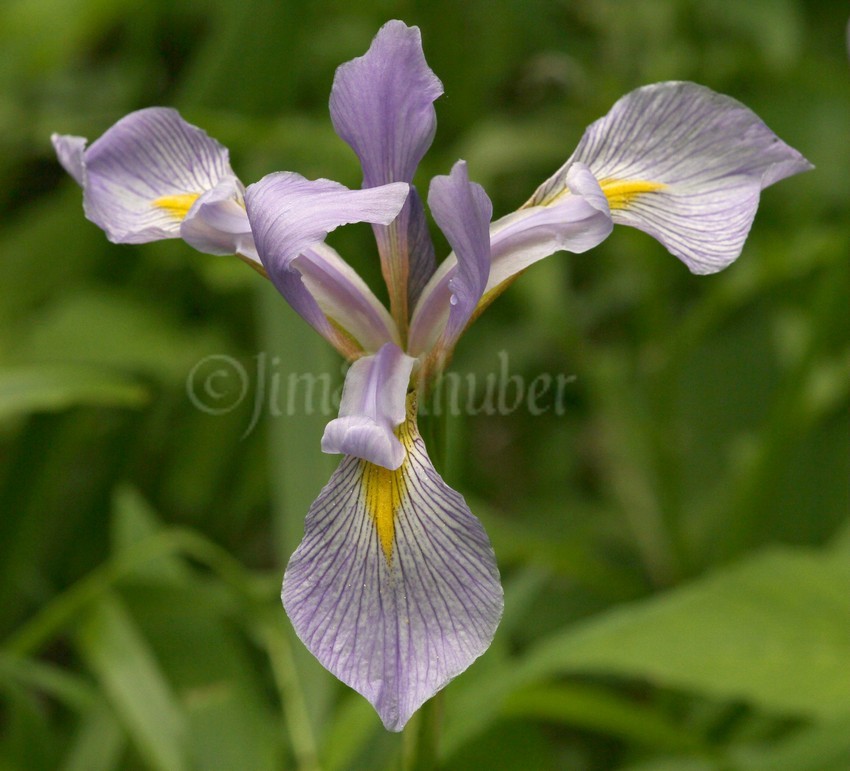
Wild Iris, Iris virginica shrevei

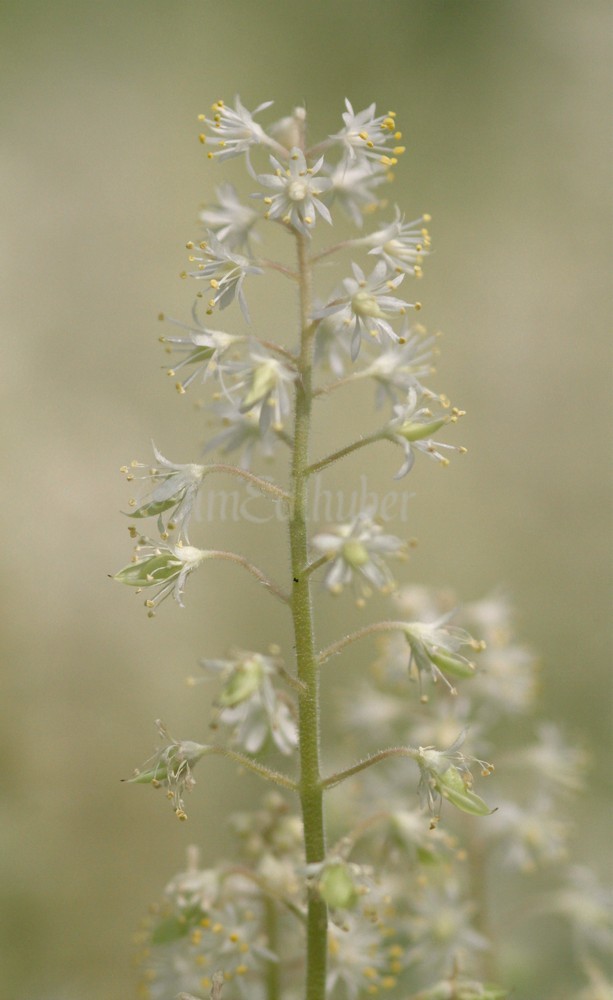
Foamflower, Tiarella cordifolia

Foamflower, Tiarella cordifolia

_rIMG_2846_cr

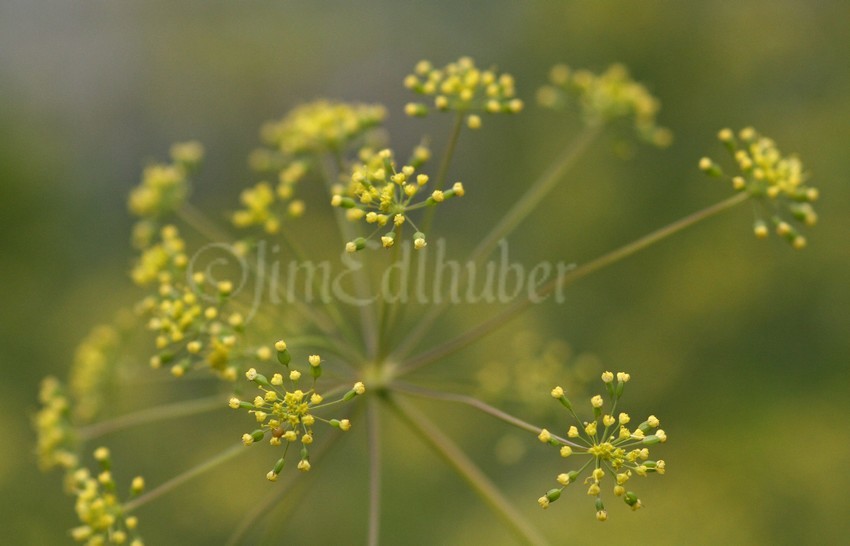
Yellow Pimpernel, Taenidia integerrima

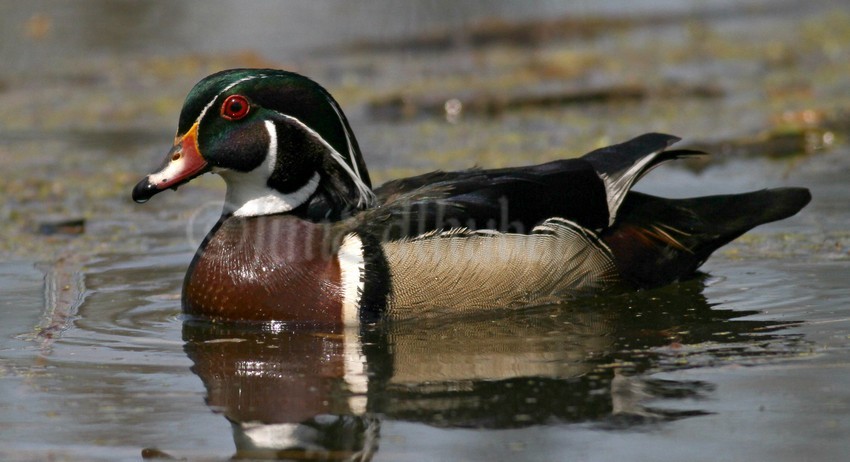
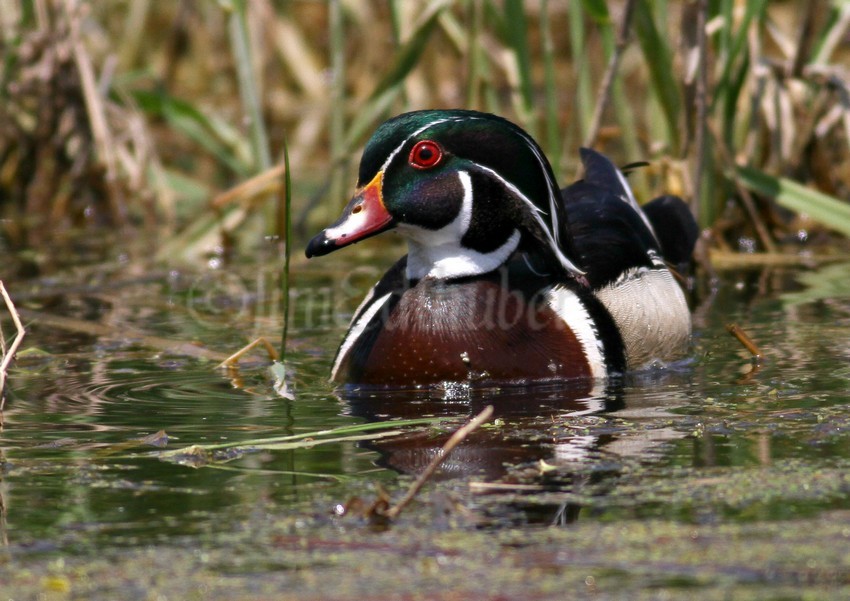
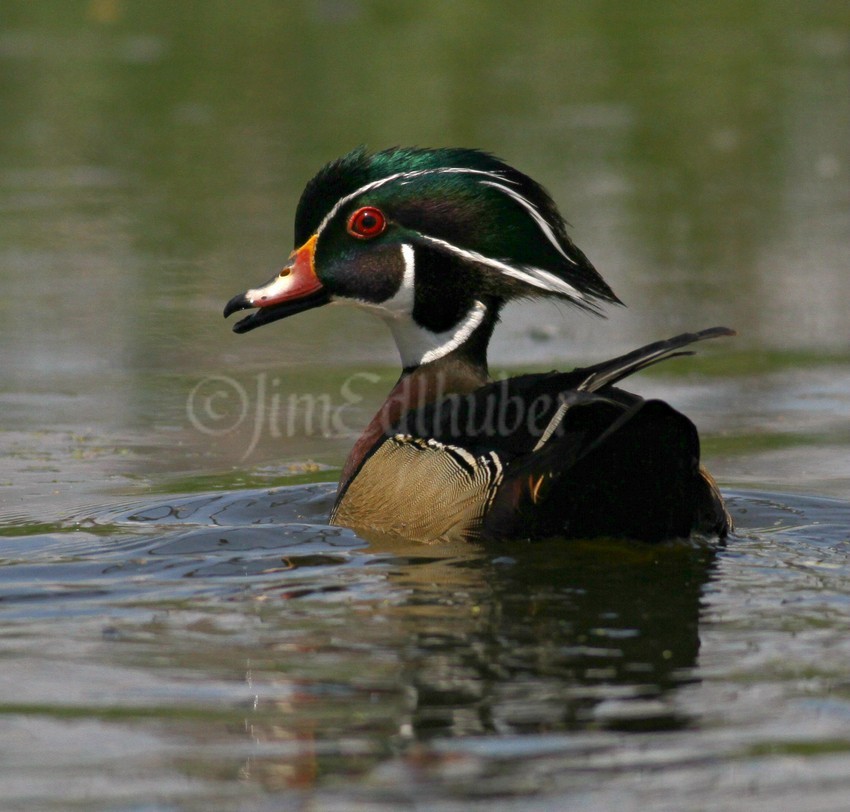
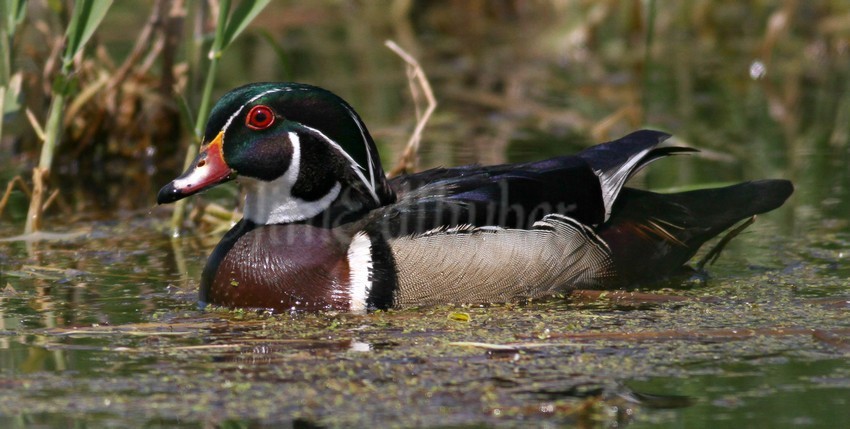
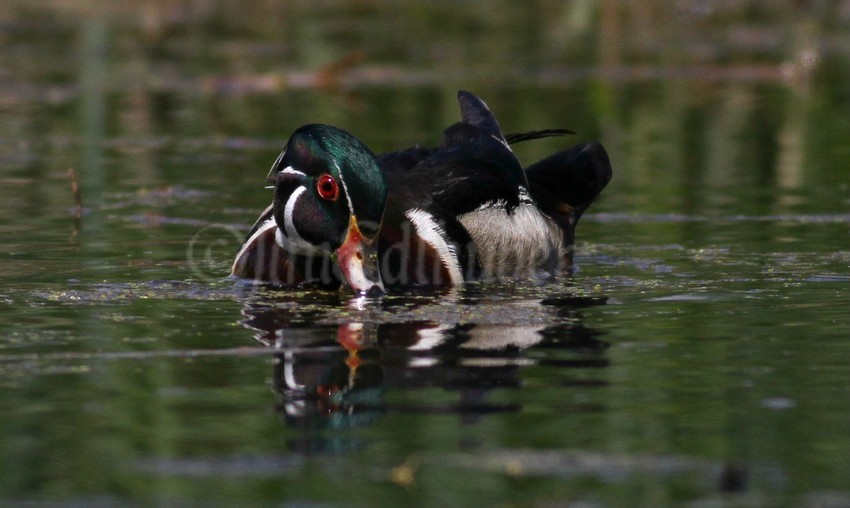
Wood Duck in Waukesha County Wisconsin on June 2, 2016

Checking out some birding spots in Waukesha County I was surprised to find a stunning Wood Duck drake just hanging out eating. It did not seem to mind me being there so I took a few images to share. Images were taken on June 2, 2016.

______rIMG_1316_cr

Wood Duck

Binomial name: Aix sponsa

Category: Ducks, Geese, and Swans

Size: 18.5” long, 30” wing span

Weight: 1.3 lb

______rIMG_1222_cr

______rIMG_1340_cr

______rIMG_1306_cr

______rIMG_1450_cr

Eating aquatic plant material, 80% of their diet

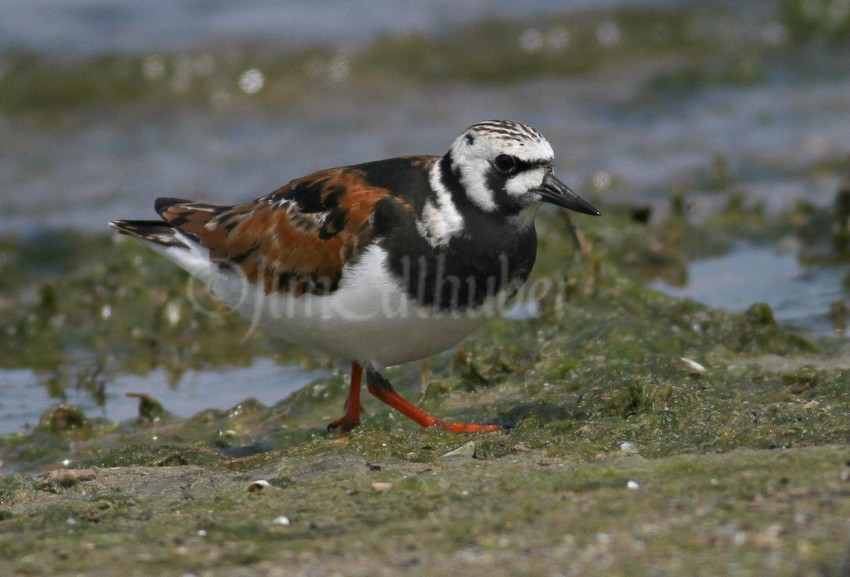
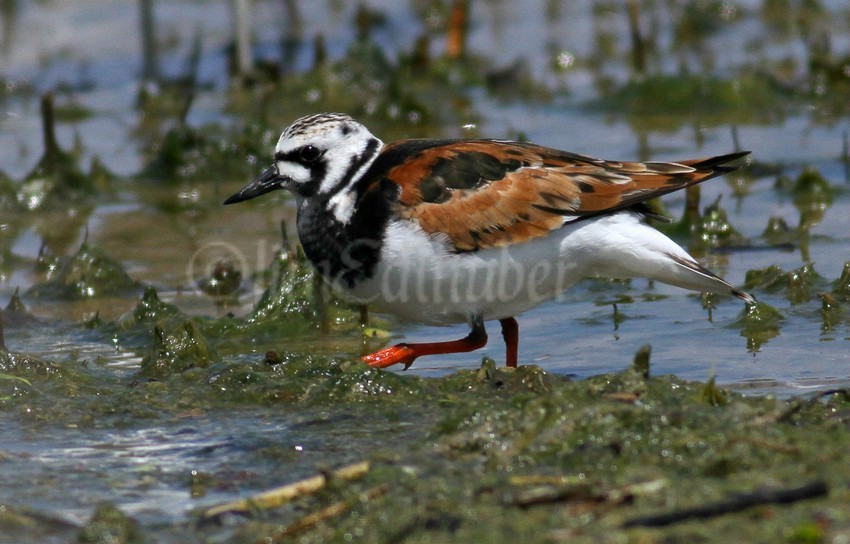
Ruddy Turnstone at North Point in Sheboygan Wisconsin on May 31, 2016

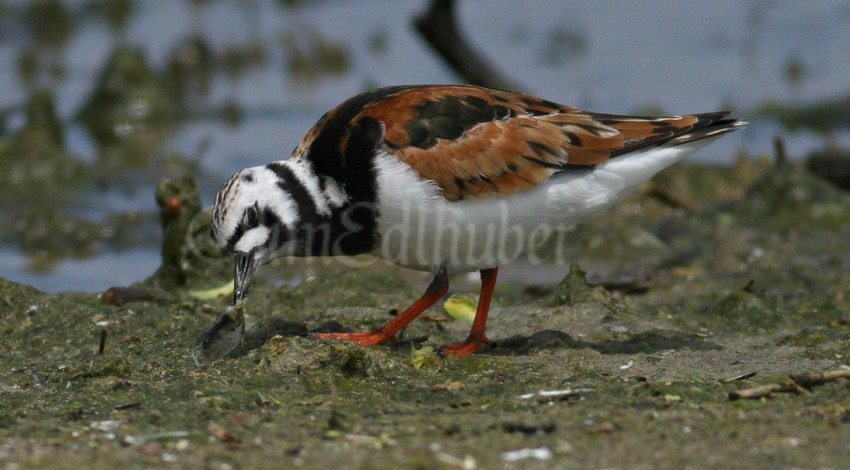
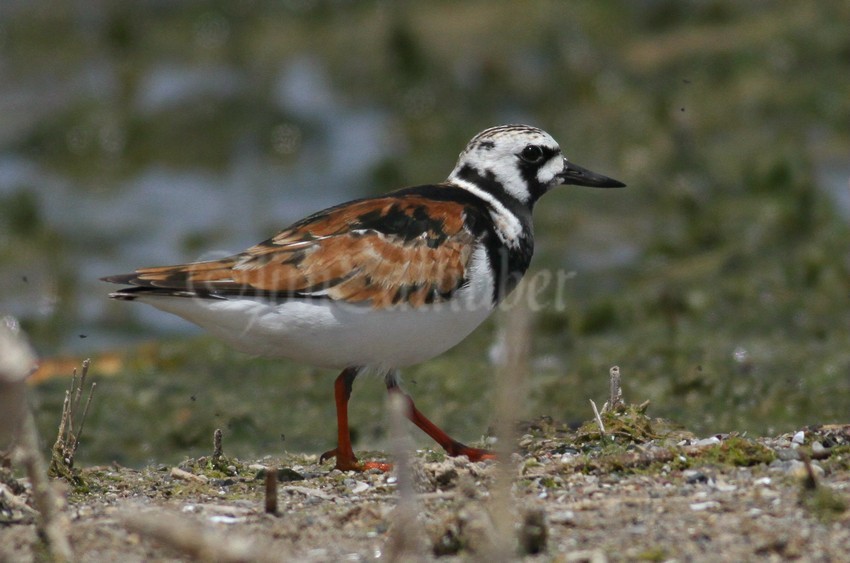
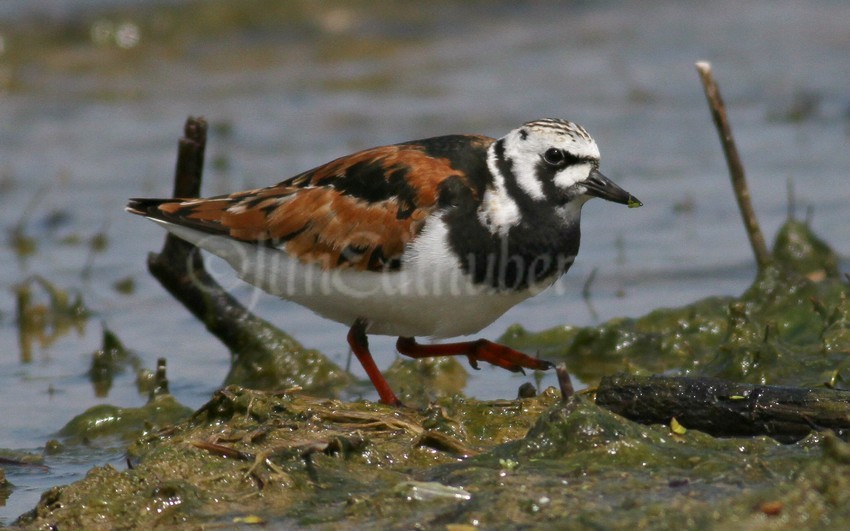
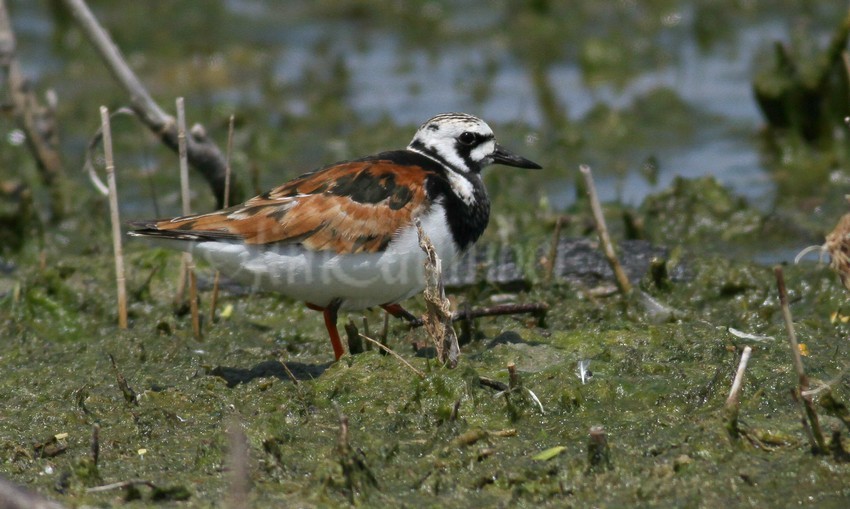
At my visit to North Point this morning in Sheboygan another stunning species showed up. A Ruddy Turnstone, adult male continually feed while I was present except for a few times the gulls flushed the area. Colors on this bird are amazing! While I watched this bird feed, it turned things over on the shore looking for food, which goes with it’s name.  Images were taken on May 31, 2016.

_rrIMG_8637_cr

Ruddy Turnstone

Binomial name: Arenaria interpres

Category: Sandpipers, Phalaropes, and Allies

Size: 9.5” long, 21” wing span

Weight: 3.9 oz

Cool Fact: The Ruddy Turnstone turns things over on the shore foraging for food such as stones and other objects.

_rrIMG_8333_cr

_rIMG_8932_cr

Here the Ruddy Turnstone is turning over a piece of fish skin foraging for food

_rrIMG_8506_cr

_rIMG_8843_cr

Just ate something

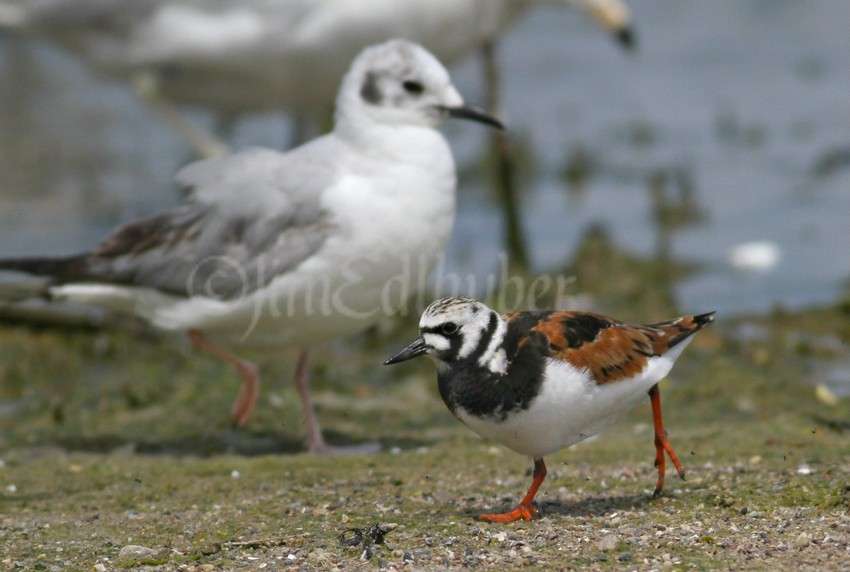
Ruddy Turnstone with a Bonaparte's Gull, size comparison image

Ruddy Turnstone with a Bonaparte’s Gull, size comparison image

_rrIMG_8434_cr

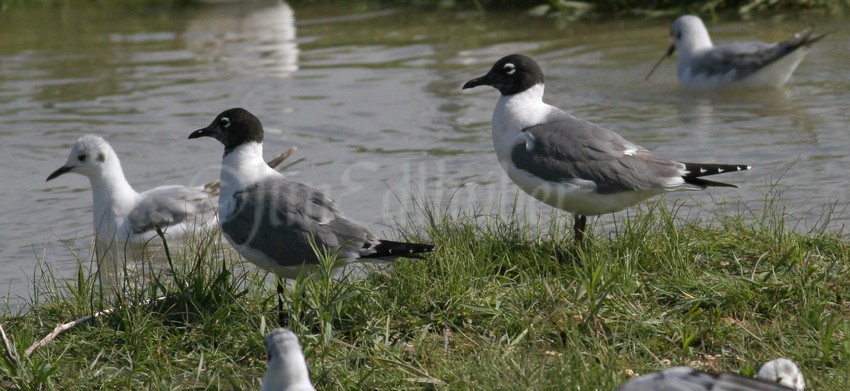
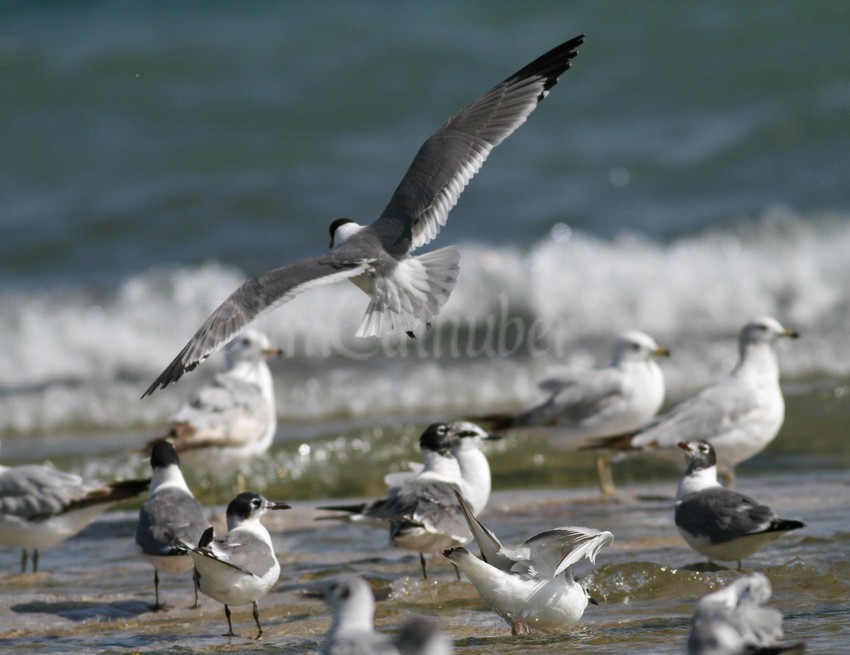
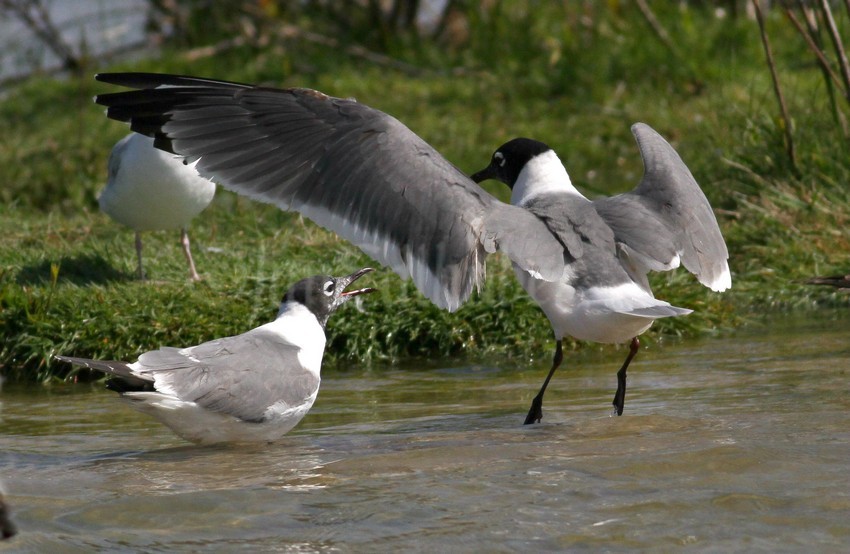
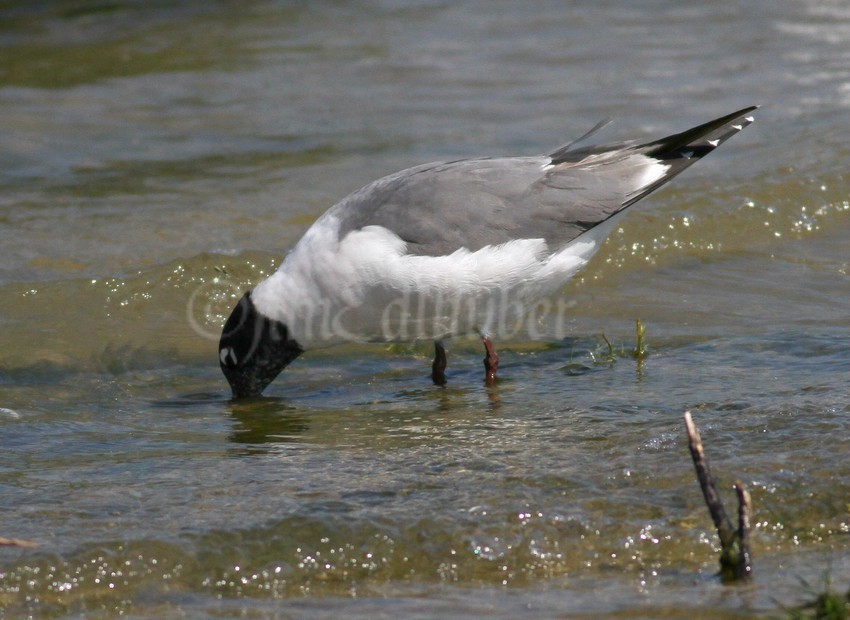
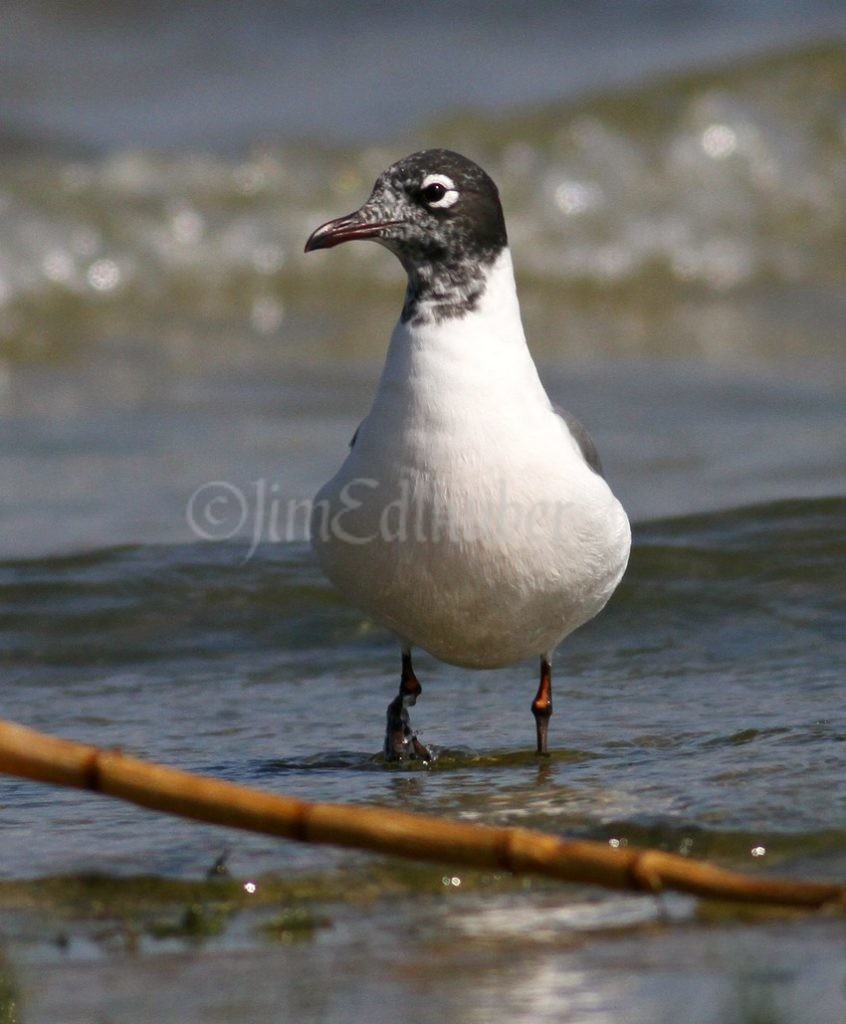
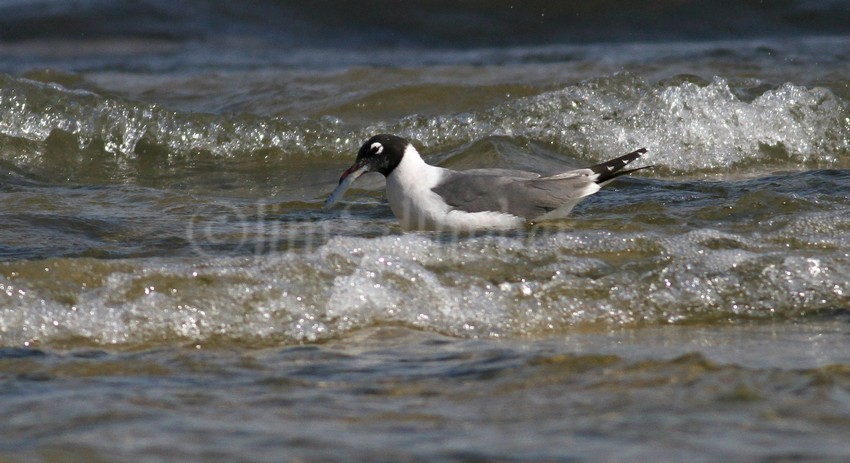
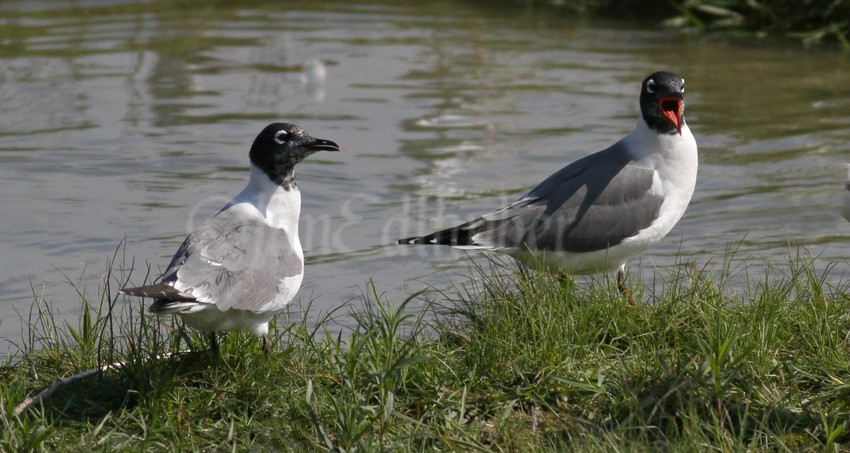
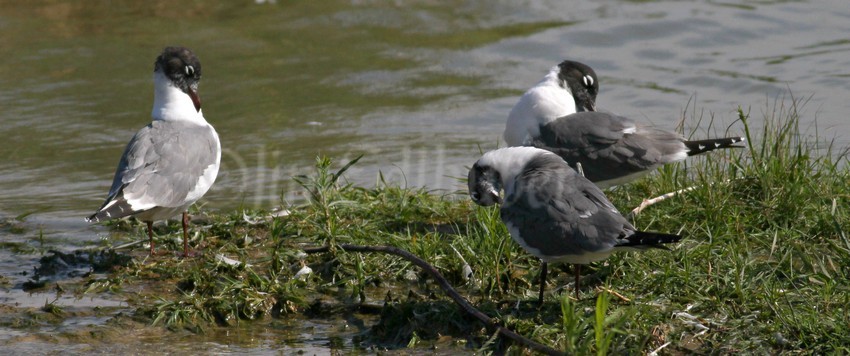
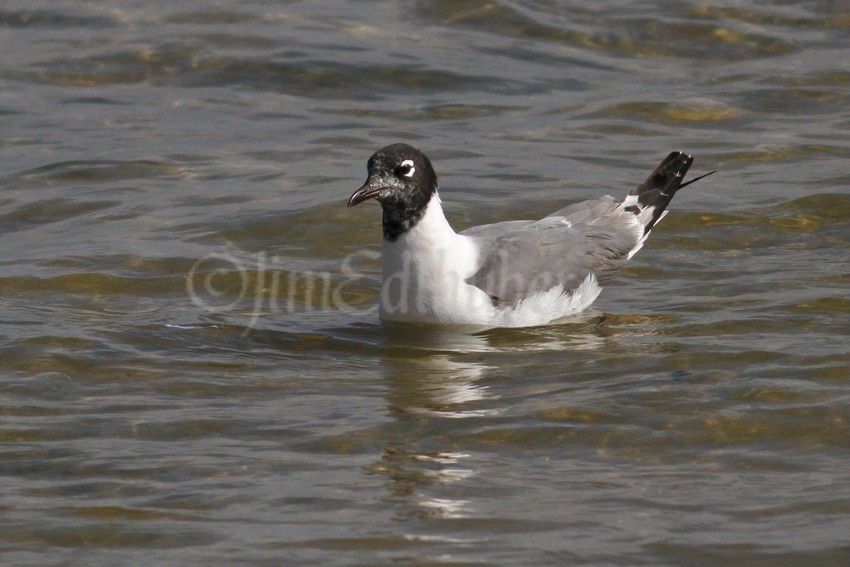
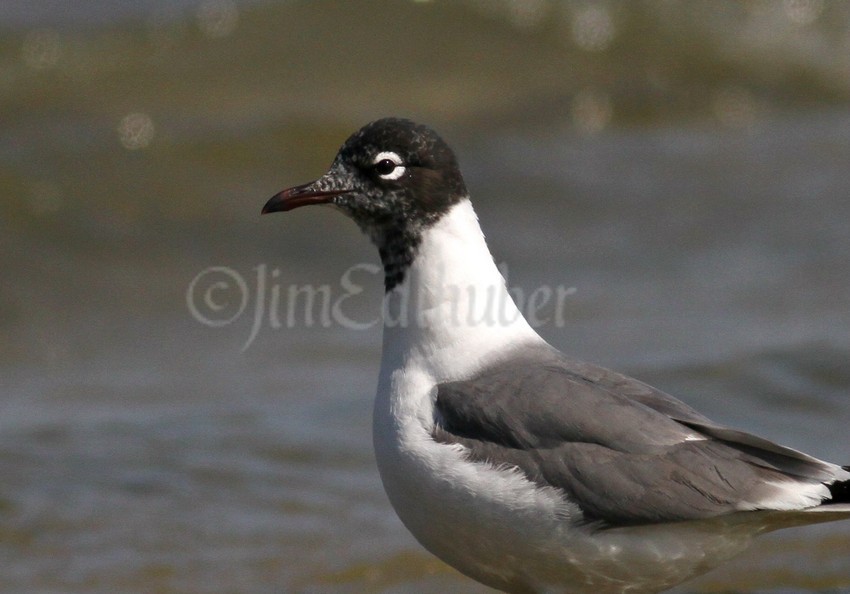
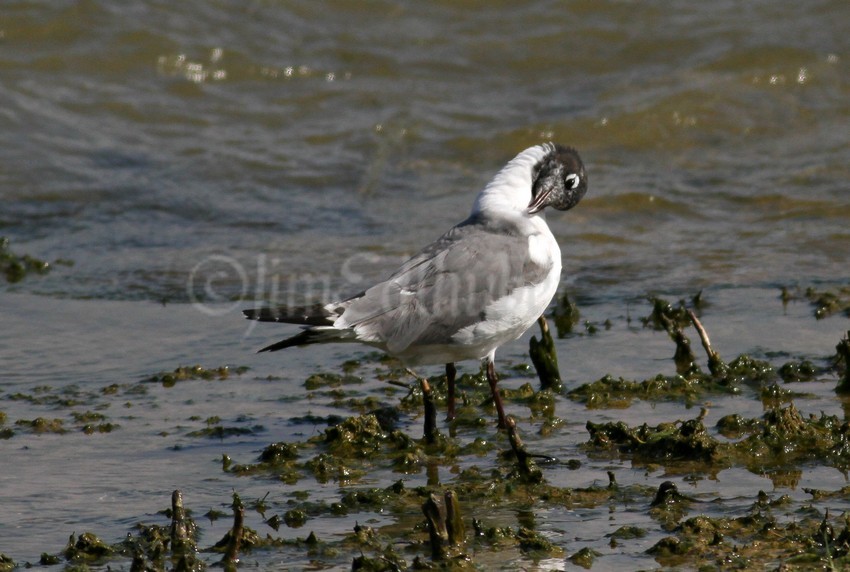
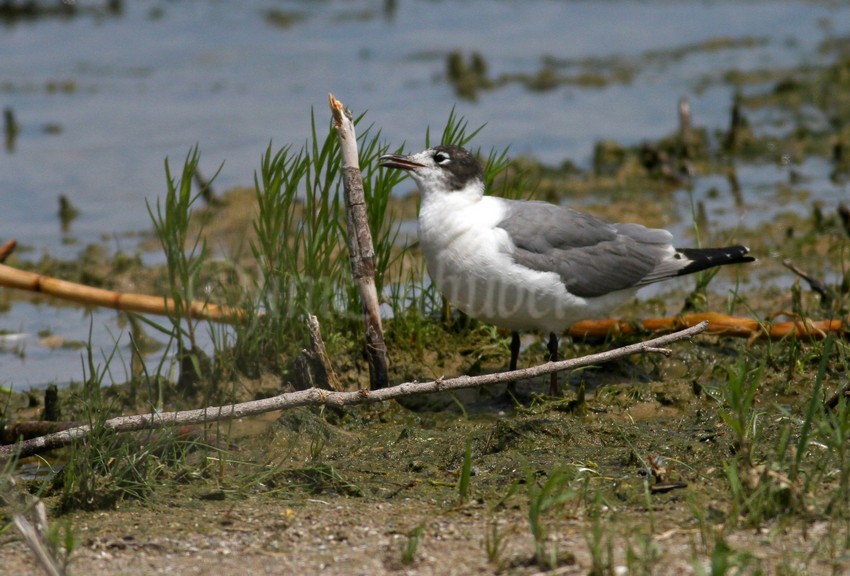
Franklin’s Gulls at North Point in Sheboygan Wisconsin on May 31, 2016

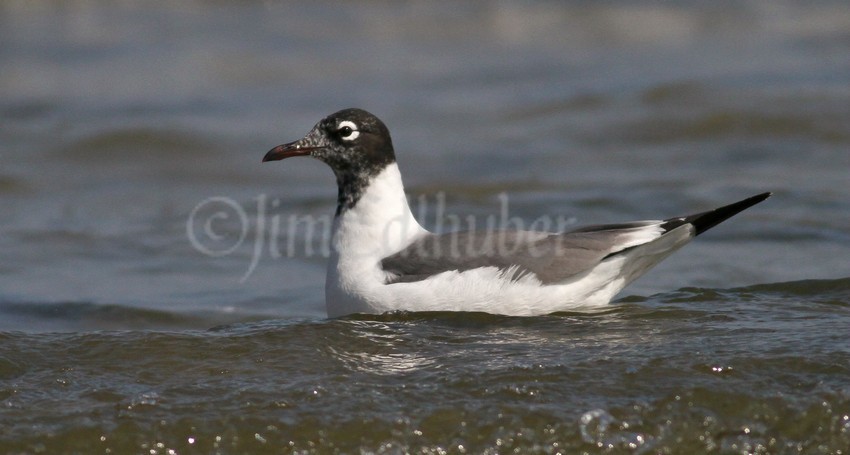
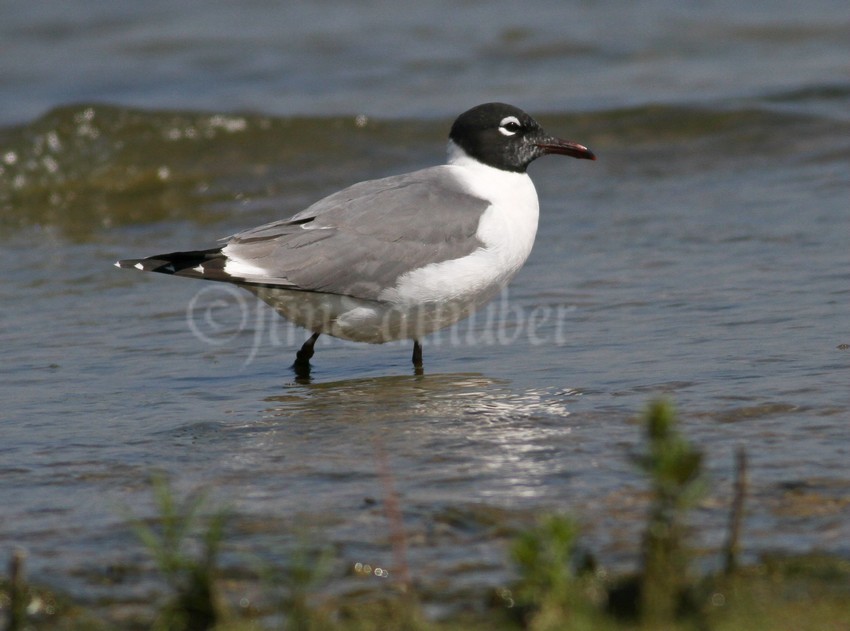
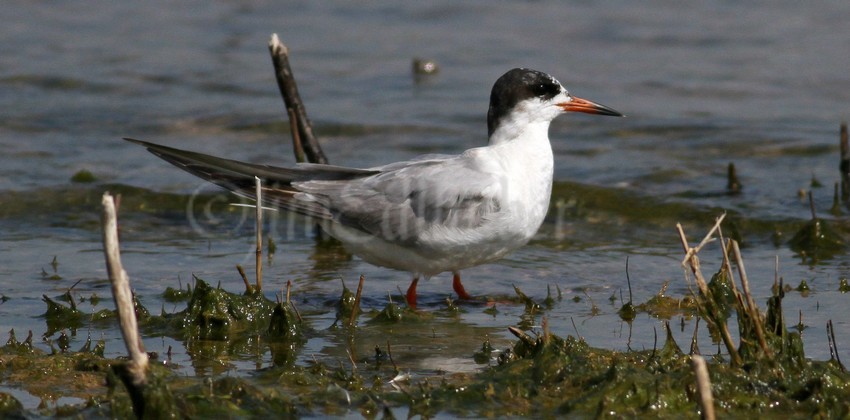
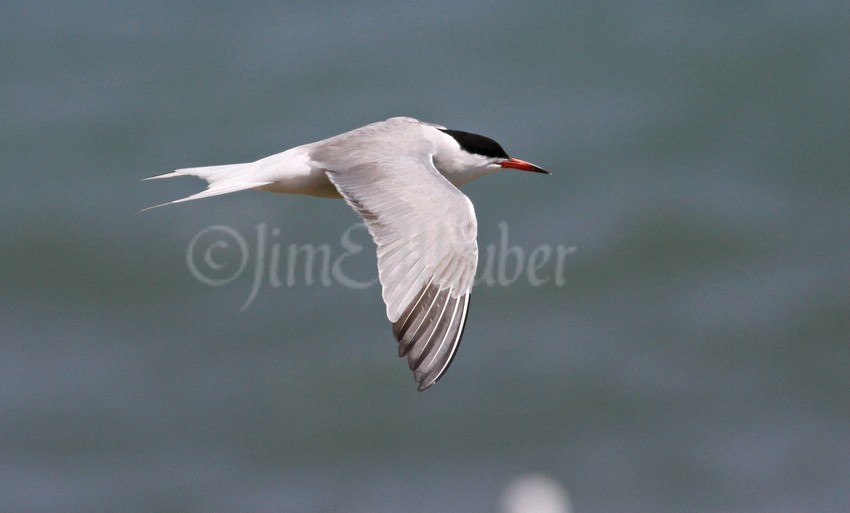
I decided to make a run up to North Point in Sheboygan this morning. At least 7 Franklin’s Gulls were the highlight. It was constant birds coming and going there which always makes it exciting as to what might show up there. Franklin’s Gulls, Bonaparte’s Gulls, Ring-billed along with some Common Terns were the main species present. It was very cold when I got there and once the sun finally showed it made things just better. Images were taken on May 31, 2016.

_rIMG_6935_cr

Franklin’s Gull

Franklin’s Gull

Binomial name: Larus pipixcan

Category: Gulls, Terns and Skimmers

Size: 14.5” long, 36” wing span

Weight: 10 oz

Franklin's Gull

Franklin’s Gull

Franklin's Gulls

Franklin’s Gulls

5 Franklin's Gulls

5 Franklin’s Gulls

Franklin's Gulls

Franklin’s Gulls

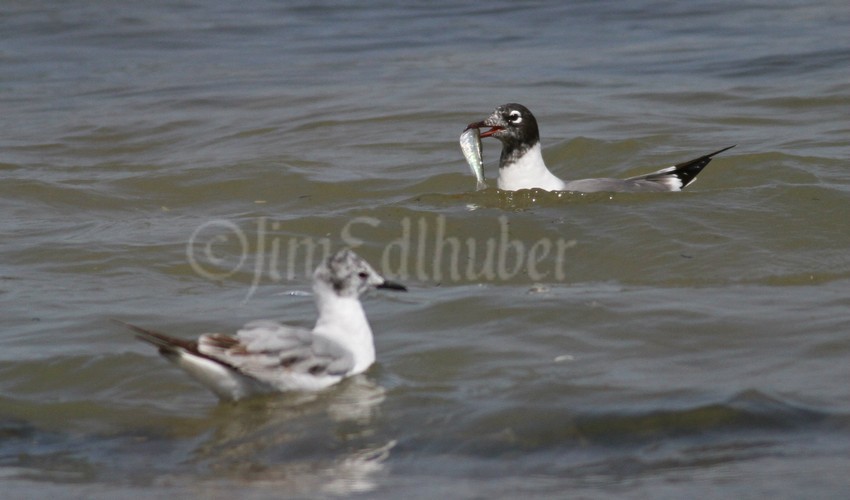
Franklin's Gull with fish and Bonaparte's Gull front

Franklin’s Gull with fish and Bonaparte’s Gull front

Franklin's Gull finding food

Franklin’s Gull finding food

Franklin's Gull

Franklin’s Gull

Franklin's Gull with fish

Franklin’s Gull with fish

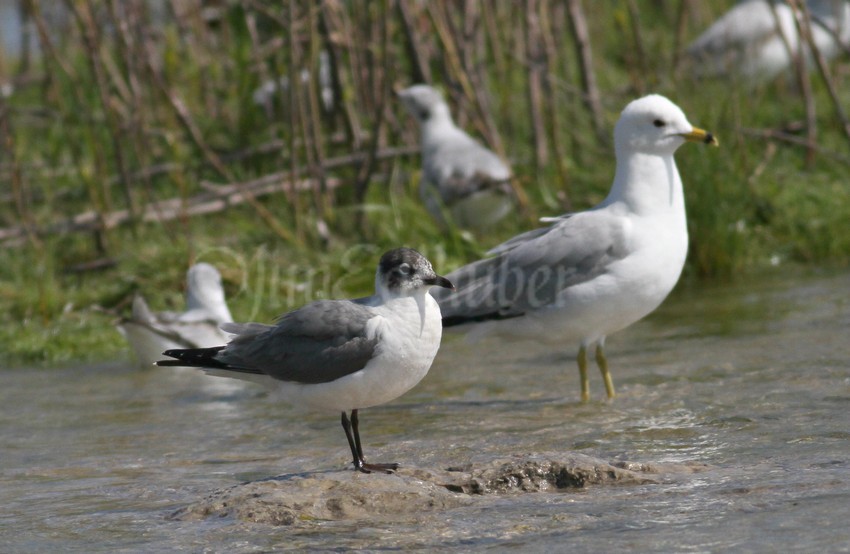
Franklin's Gull with Ring-billed Gull, size comparison image

Franklin’s Gull with Ring-billed Gull, size comparison image

Franklin's Gulls

Franklin’s Gulls

Franklin's Gulls, 3 preening

Franklin’s Gulls, 3 preening

Franklin's Gull

Franklin’s Gull

Franklin's Gull

Franklin’s Gull

Franklin's Gull preening

Franklin’s Gull preening

Franklin's Gull eating bugs off a stick

Franklin’s Gull eating bugs off a stick

Common Tern

Common Tern

Common Tern

Common Tern


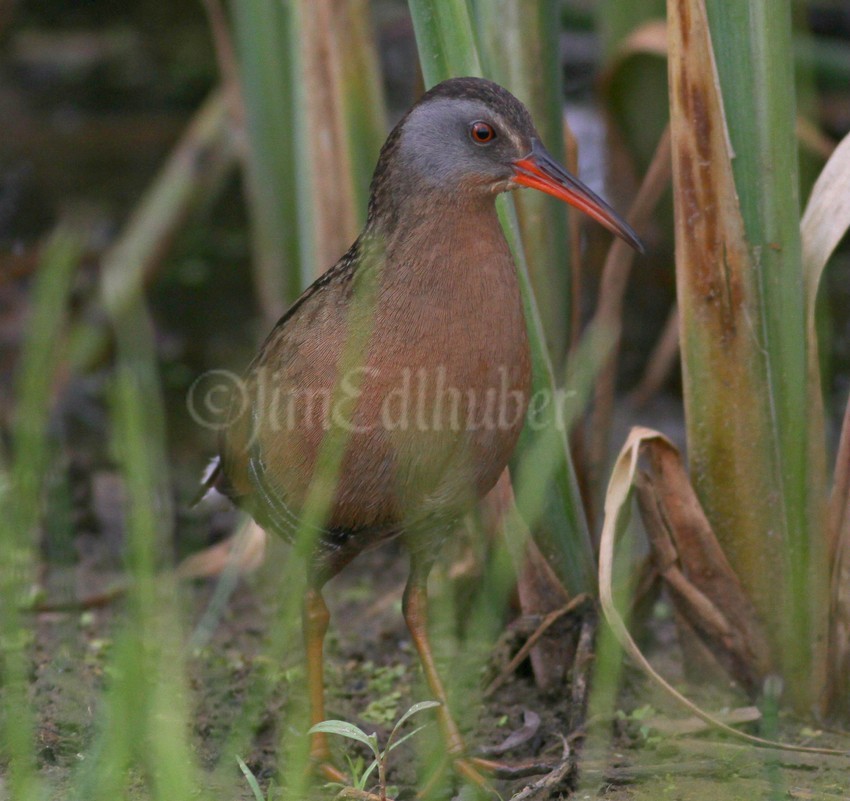
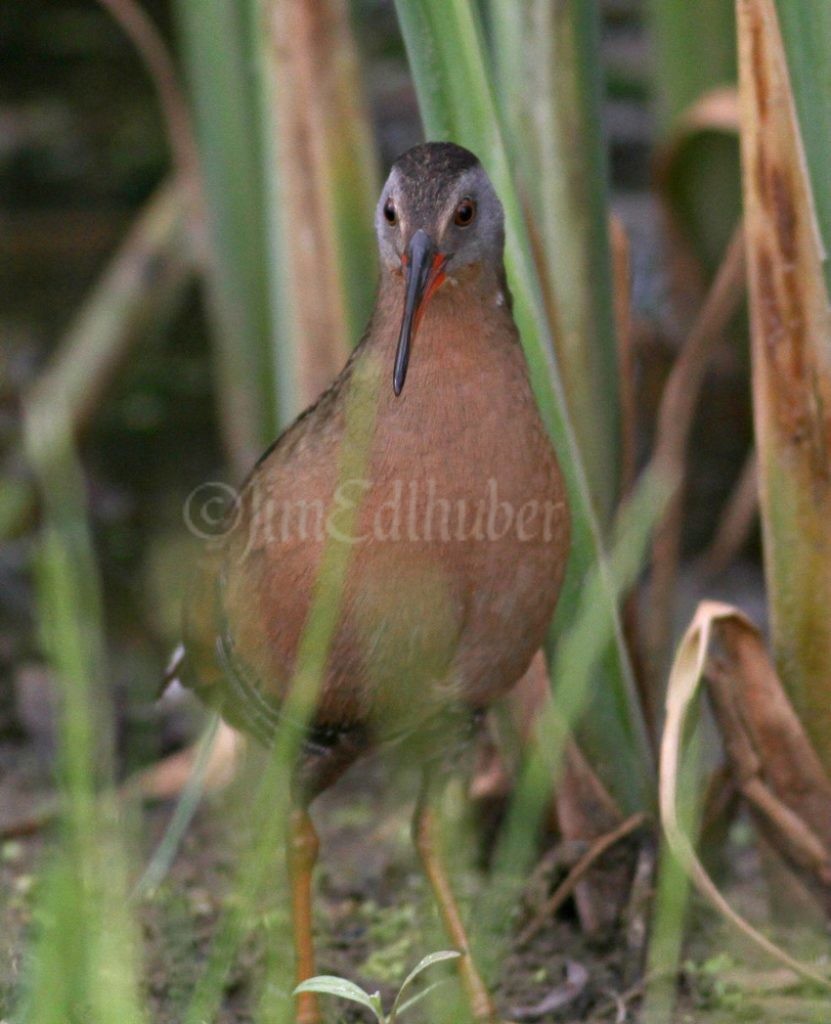
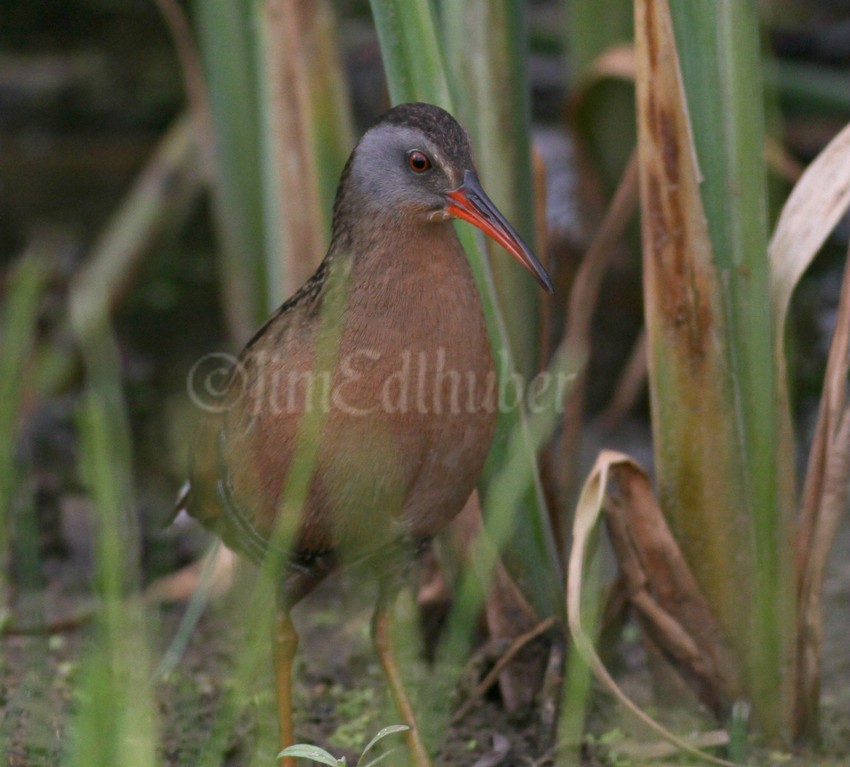
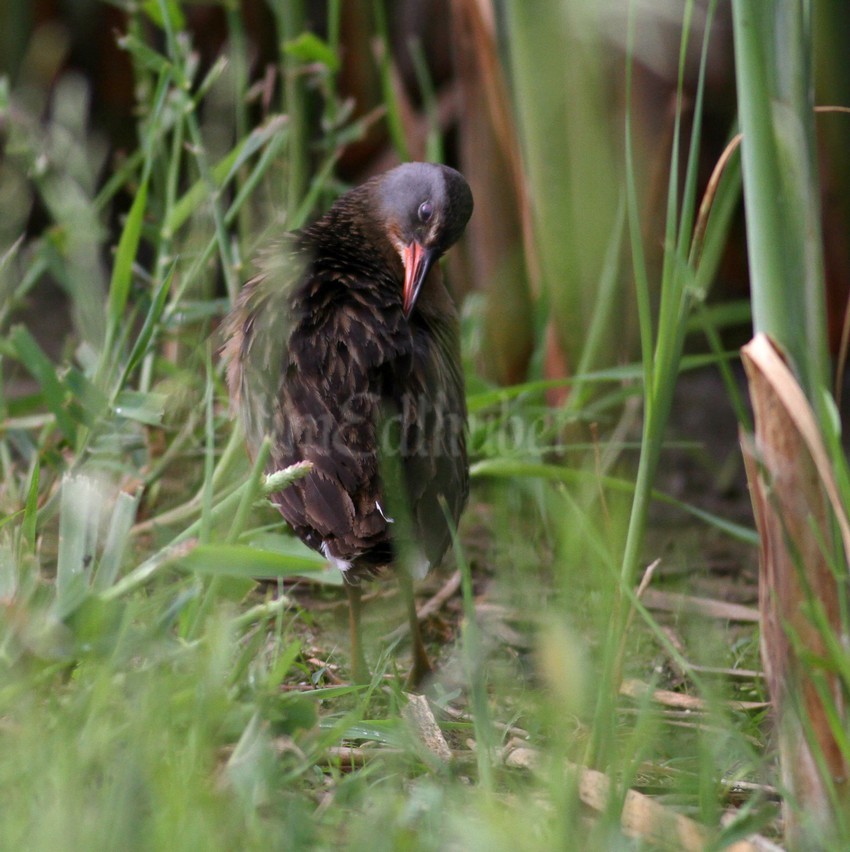
Virginia Rail at the Vernon Marsh in Waukesha County Wisconsin on May 28, 2016

On a birding walk with the Benjamin Goss Bird Club at the Vernon Marsh a pair of Virginia Rails were found. They were hanging out near a nest area. We did not hang around long but I did take a couple of quick images to share. They remained in the grasses near waters edge. A fun time with some great birders. Images were taken on May 28, 2016.

Virginia Rail

Virginia Rail

Virginia Rail

Binomial name: Rallus limicola

Category: Rails, Gallinules, and Coots

Size: 9.5” long, 13” wing span

Weight: 3 oz

Virginia Rail

Virginia Rail

Virginia Rail

Virginia Rail

Virginia Rail, preening

Virginia Rail, preening


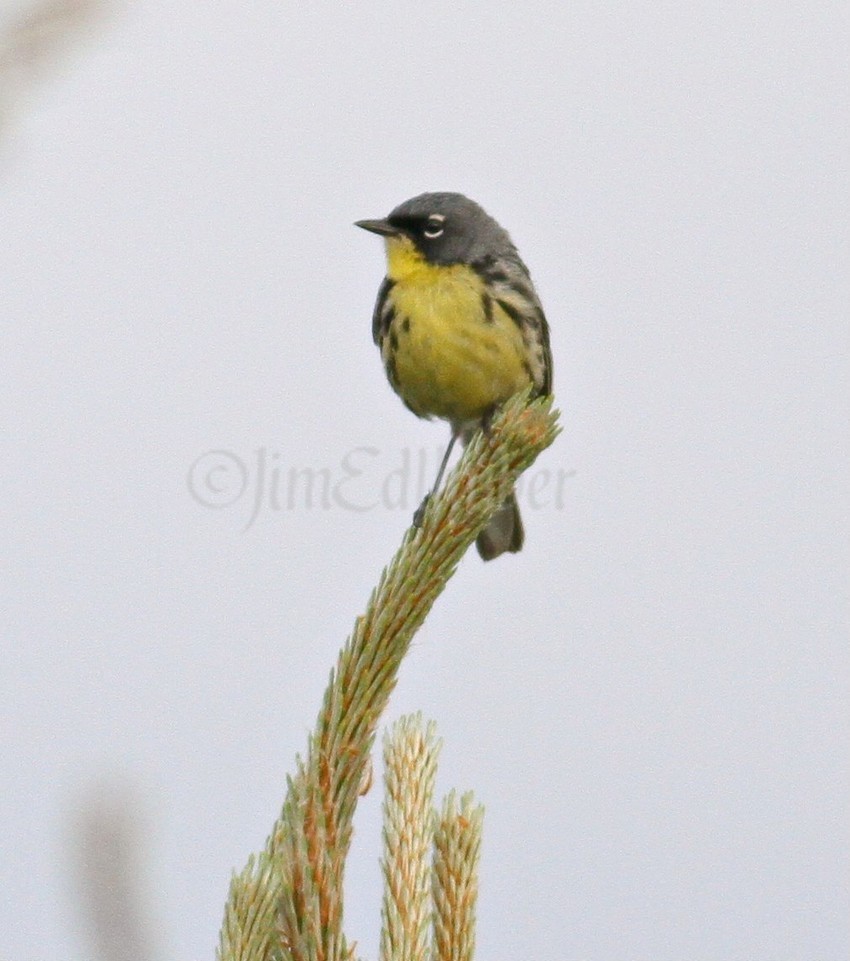
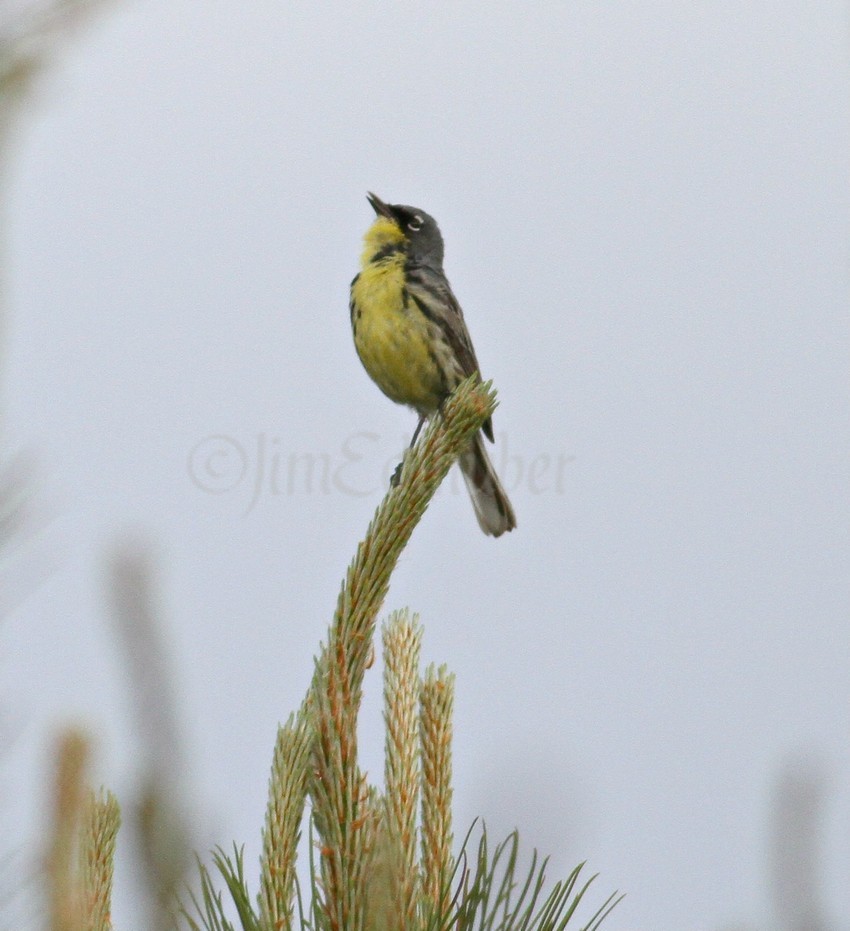
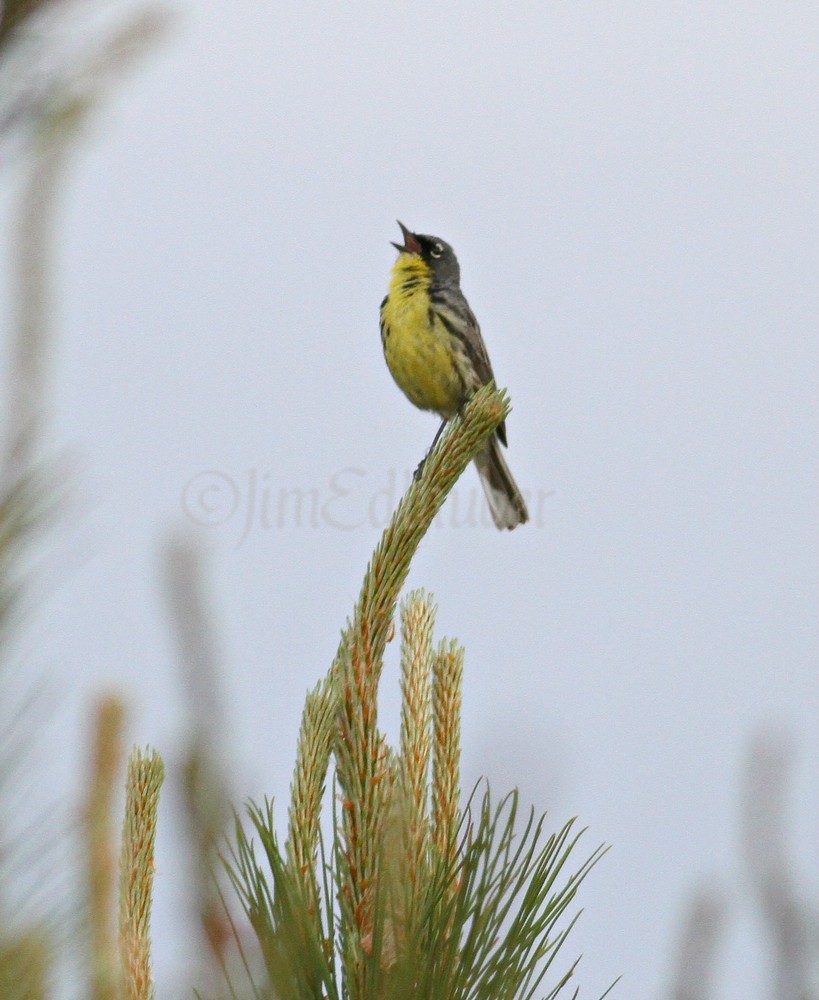
Kirtland’s Warbler in Adams County Wisconsin on May 27, 2016

I decided to do some searching for a Kirtland’s Warbler in Adams County Wisconsin on May 27, 2016. I had some luck along side a road where a male was singing away. No calls were used in obtaining these images and the images were taken from the road in an area where habitat looked good for this species to breed. Distant images were taken on May 27, 2016.

__no tag rrIMG_9555_cr

Kirtland’s Warbler

Binomial name: Dendroica kirtlandii

Category: Wood Warblers

Size: 5.75” long, 8.75” wing span

Weight: .48 oz

Cool facts: Through effort this bird is recovering well from once low numbers. This species requires large tracks of land for breeding with sizes comprising of 160 acres or more. Habitat they prefer is dense young jack pine.

__no tag rrIMG_9613_cr

__no tag rrIMG_9617_cr

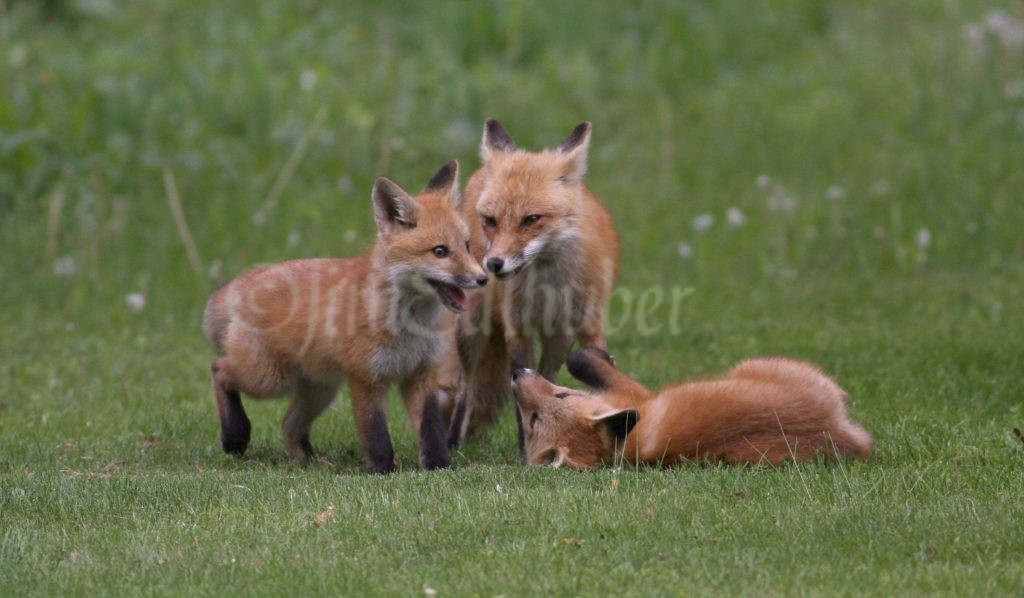
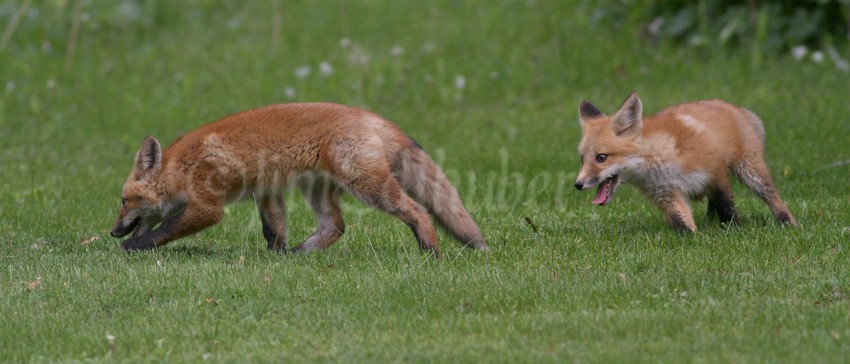
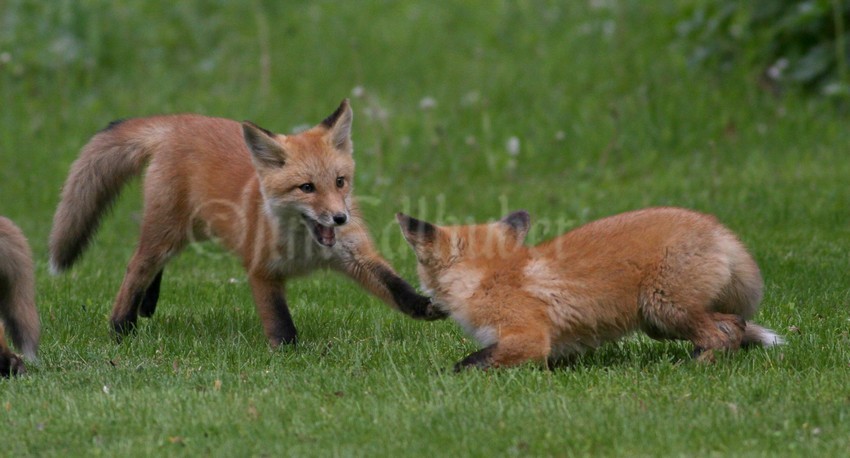
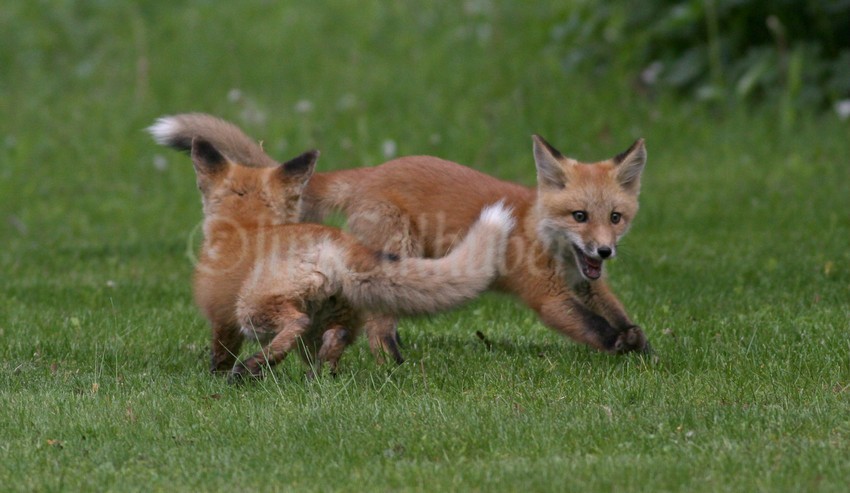
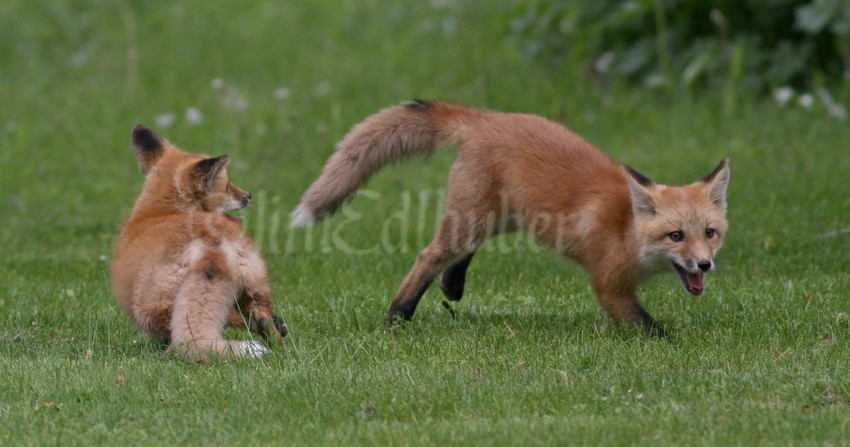
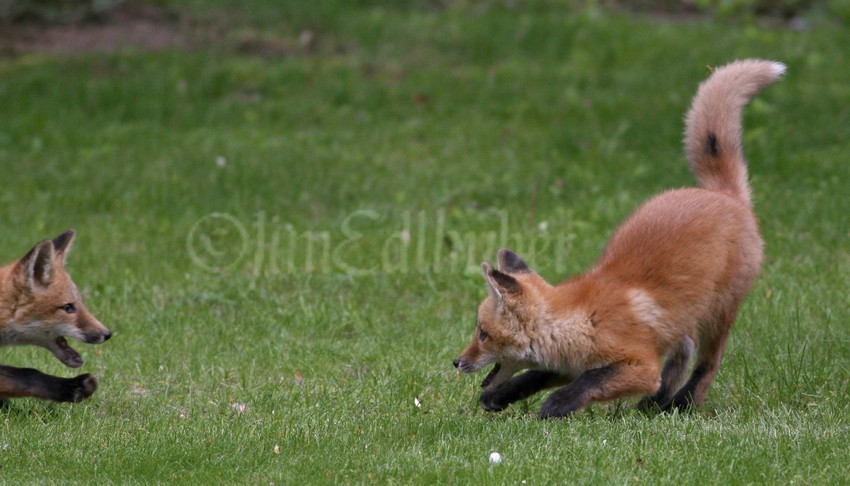
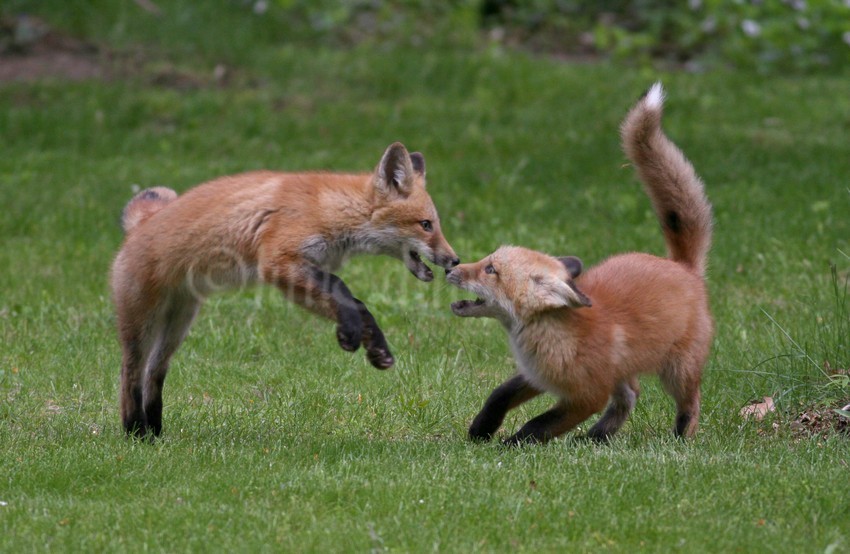
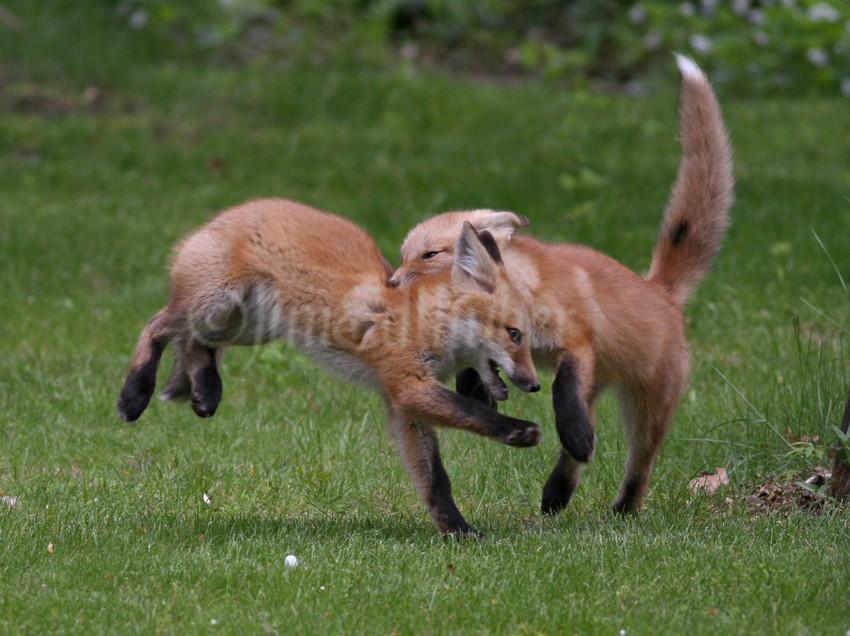
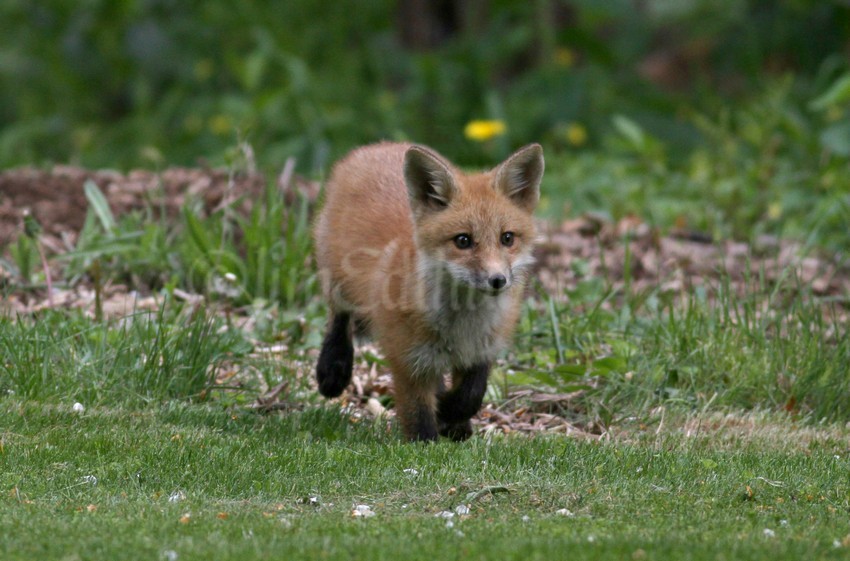
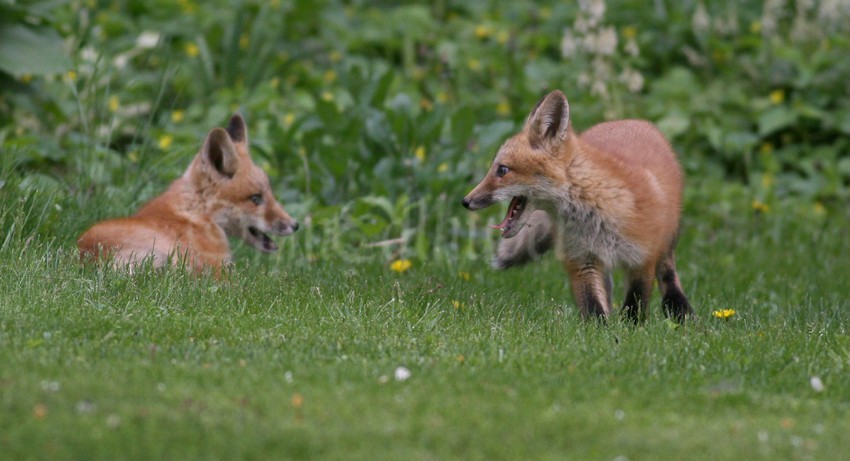
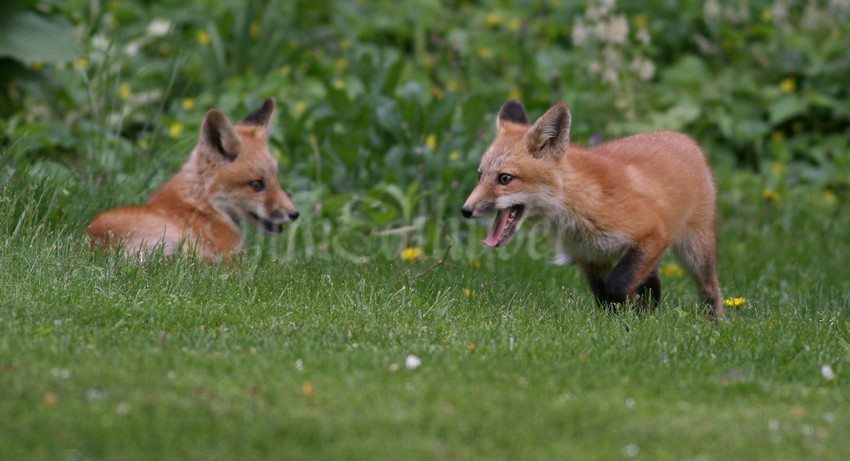
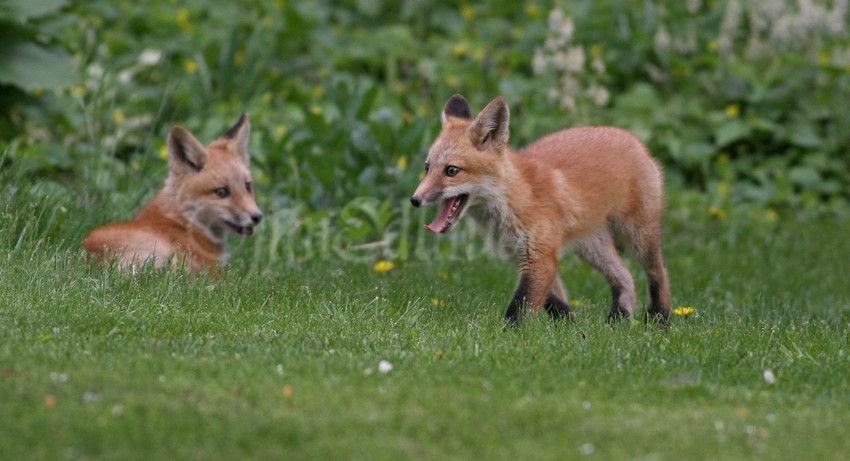
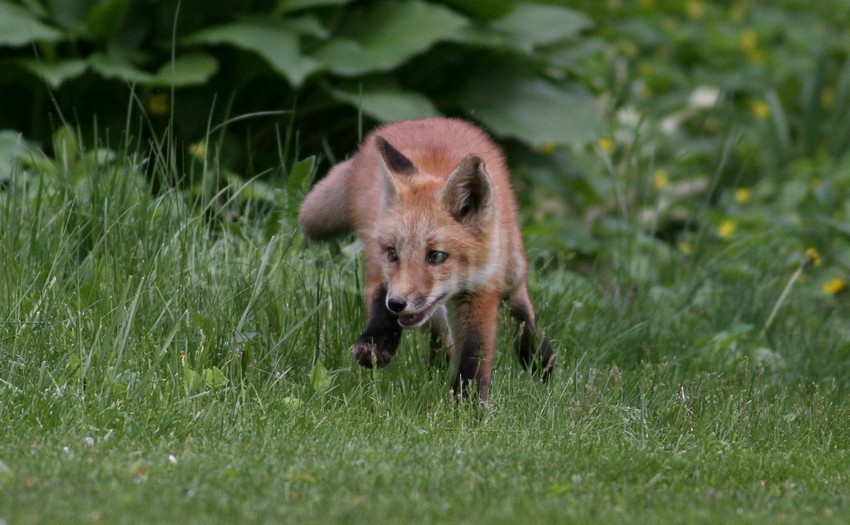
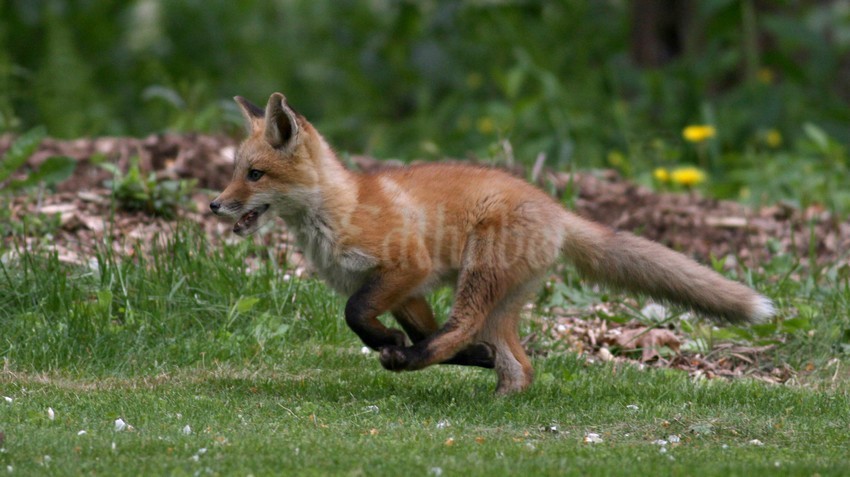
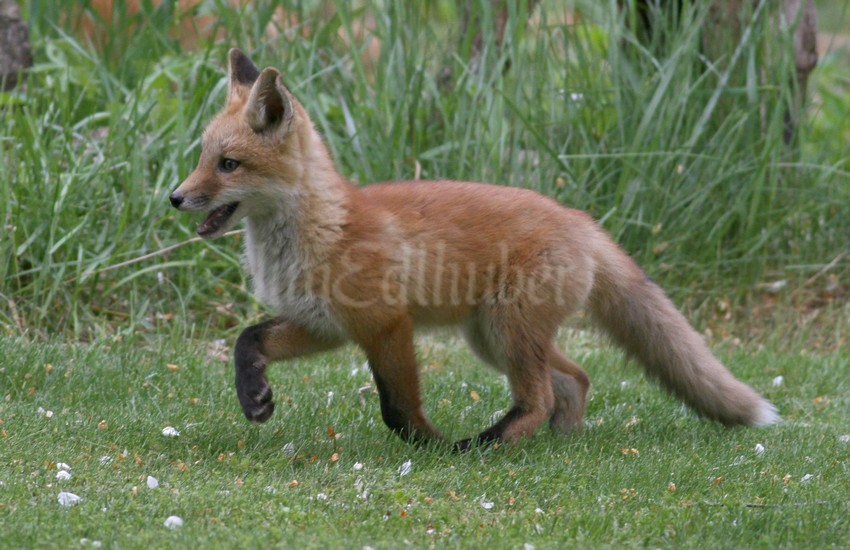
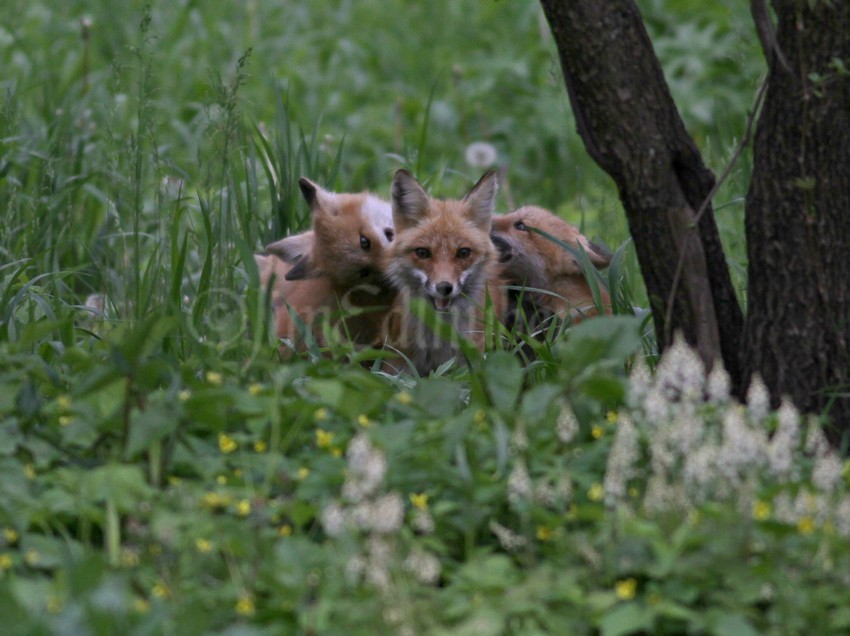
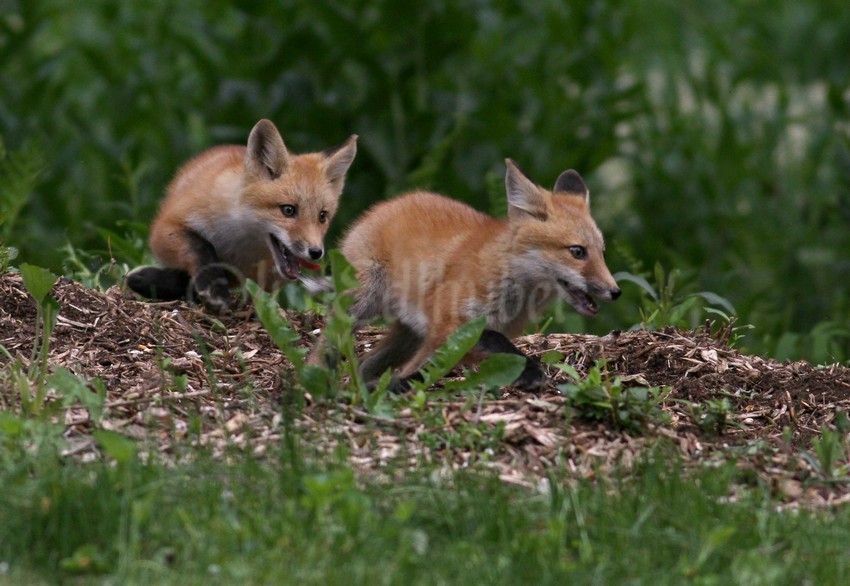
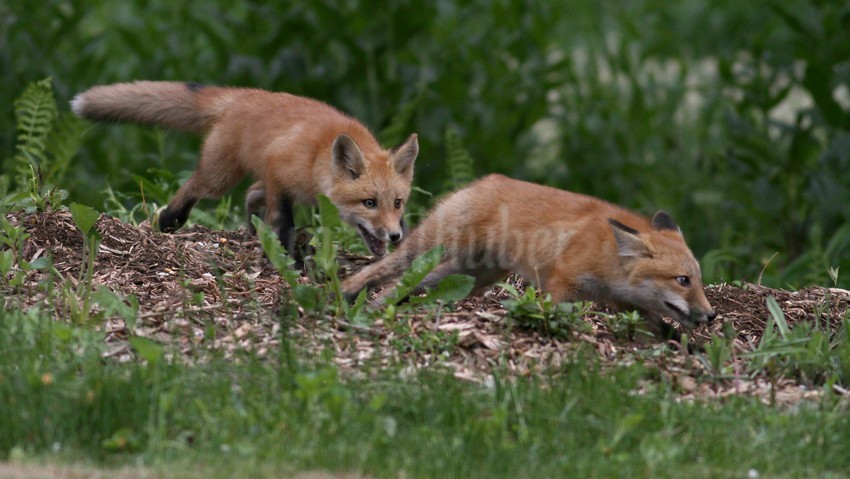
Red Fox kits in Waukesha County Wisconsin on May 26, 2016

During the last month or so in our yard in Waukesha County, the Red Fox kits have come and gone. The family of at least 4 kits, 2 adults have been seen very little. We have only gotten glimpses of them a few times, but those times have been so exciting. I have put together a few images to share of their last appearance that was a few days ago. Will they return, who knows.

_rIMG_9979_cr

Red Fox kits with Red Fox, adult, female

_rIMG_0024_cr

_rIMG_0026_cr

_rIMG_0028_cr

_rIMG_0029_cr

_rIMG_0039_cr

_rIMG_0041_cr

_rIMG_0042_cr

_rIMG_0053_cr

_rIMG_0083_cr

_rIMG_0084_cr

_rIMG_0085_cr

_rIMG_0090_cr

_rIMG_0095_cr

_rIMG_0109_cr

_rIMG_9783_cr

_rIMG_9902_cr

_rIMG_9903_cr

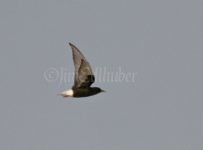
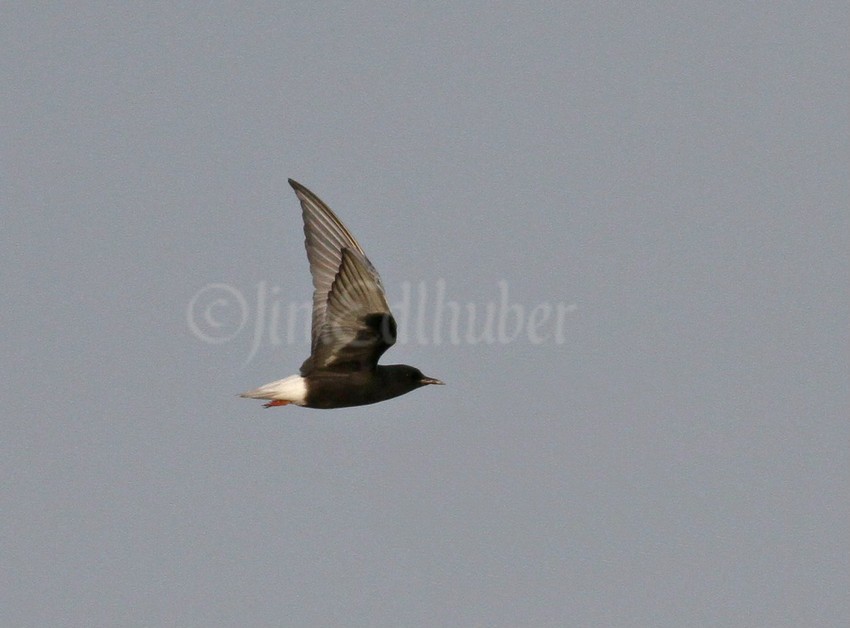
White-winged Tern at the Manitowoc Impoundment in Manitowoc Wisconsin on May 21, 2016

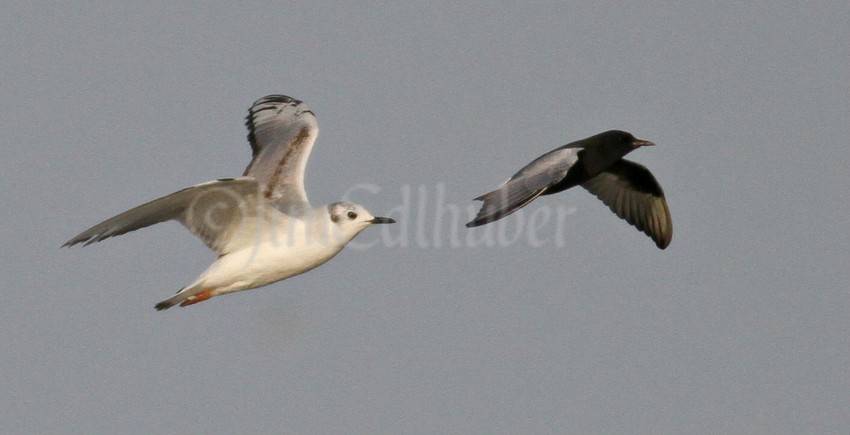
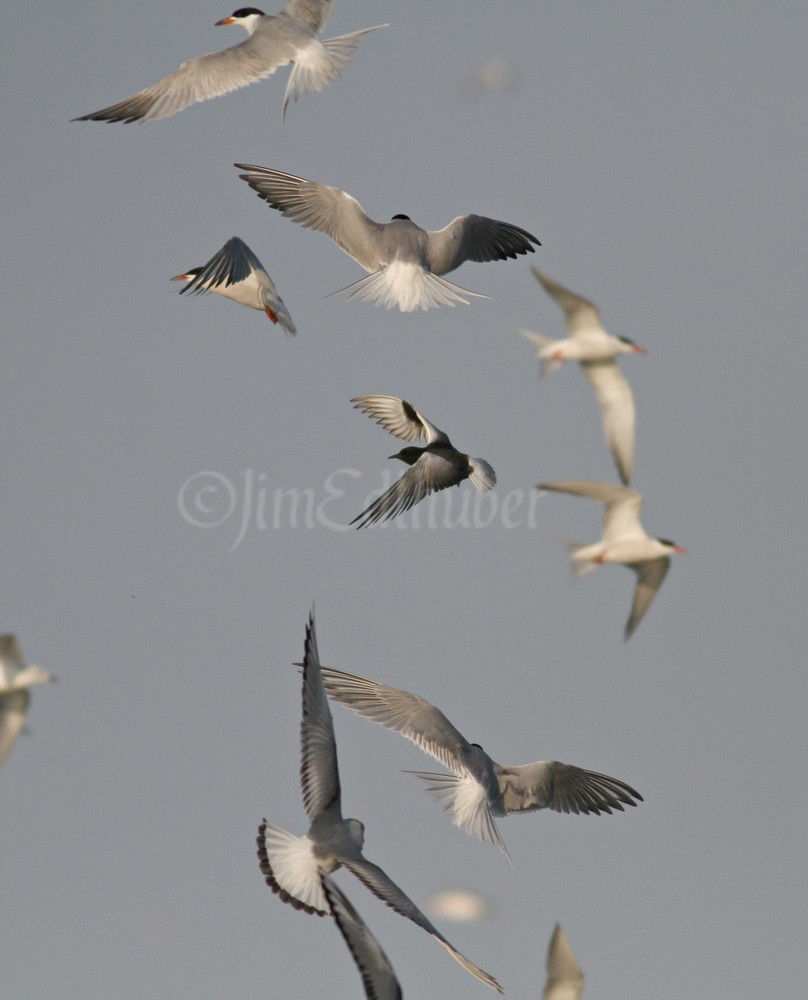
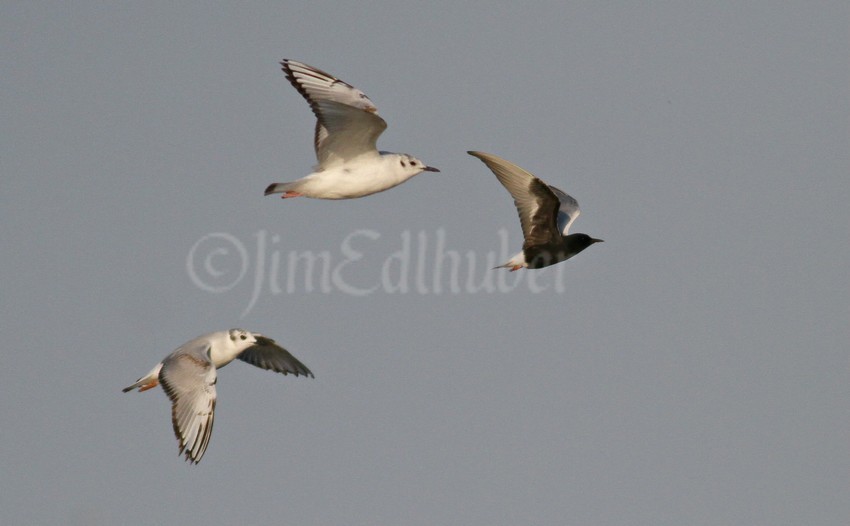
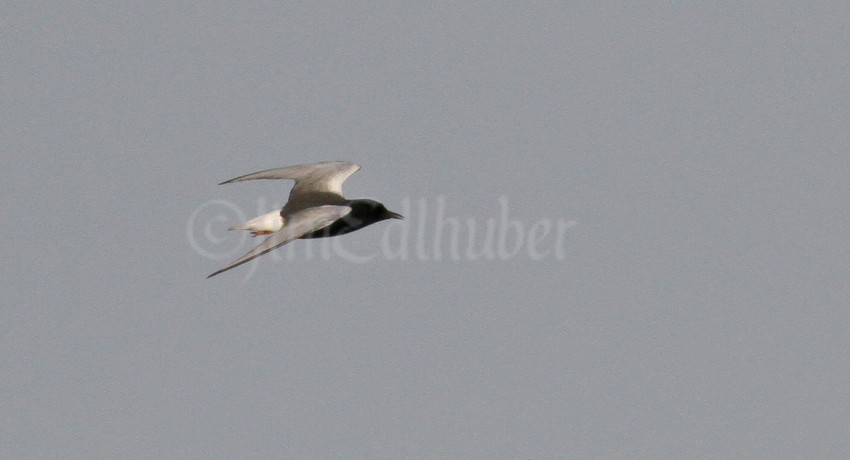
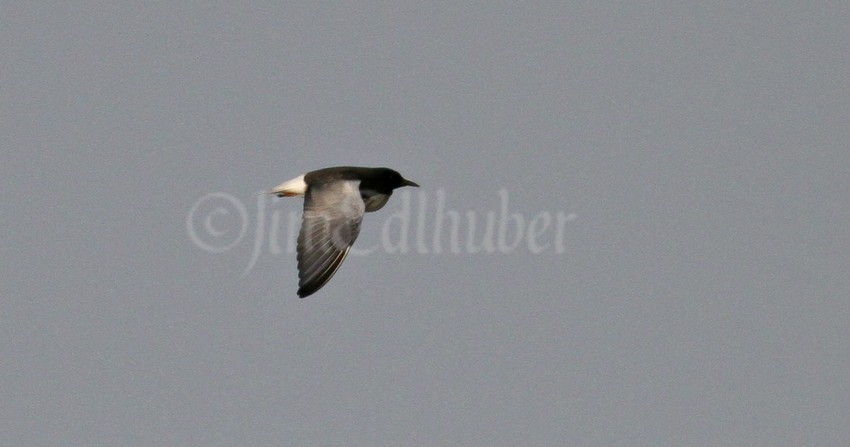
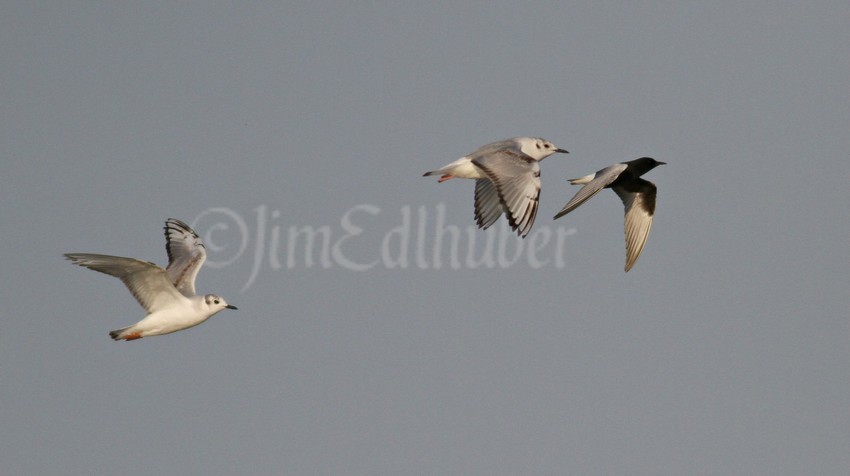
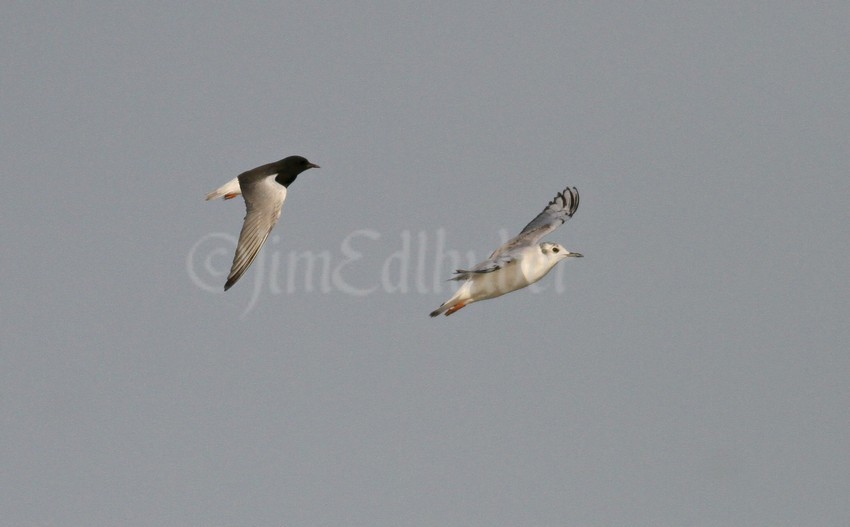
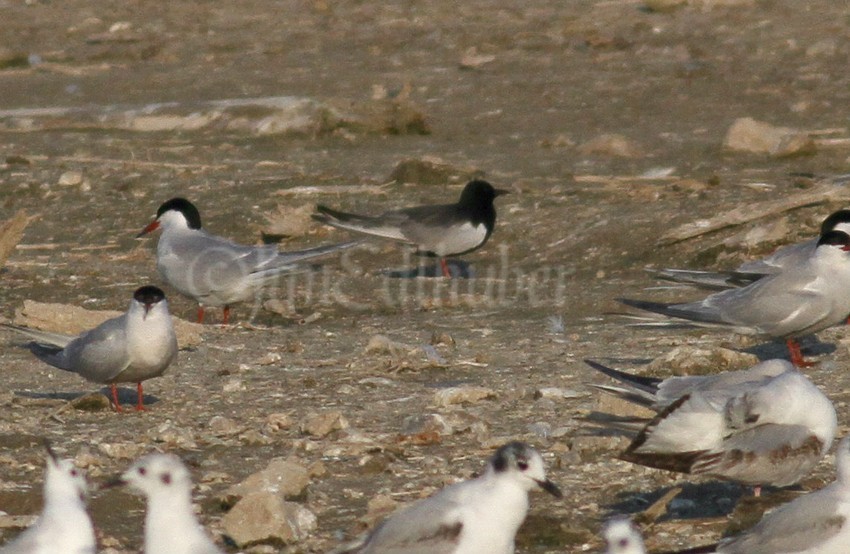
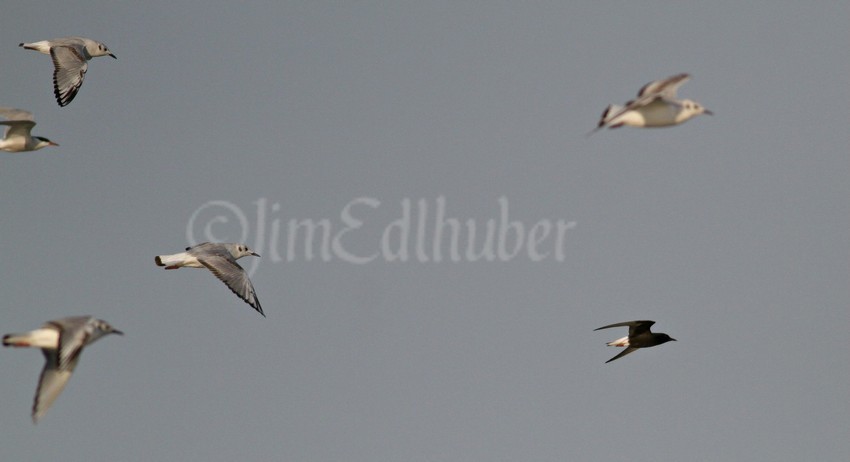
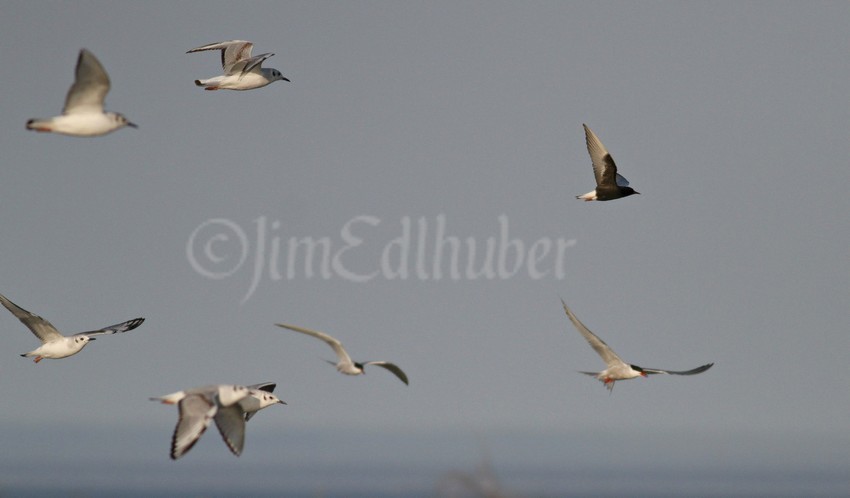
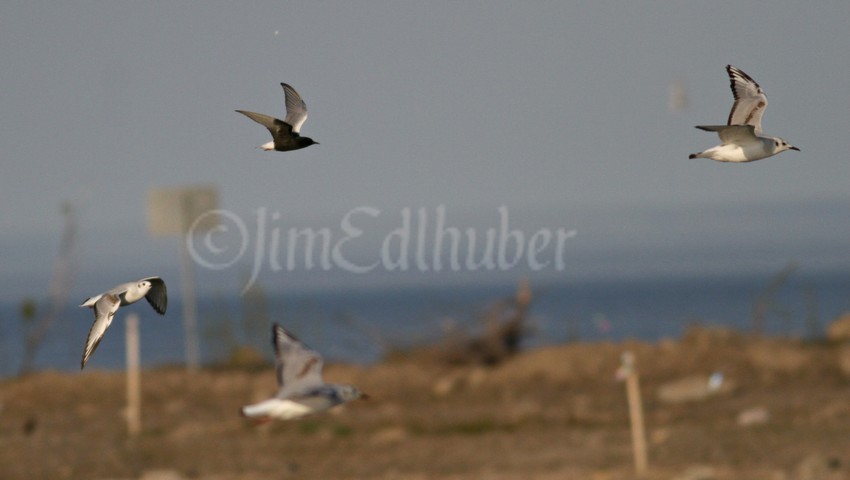
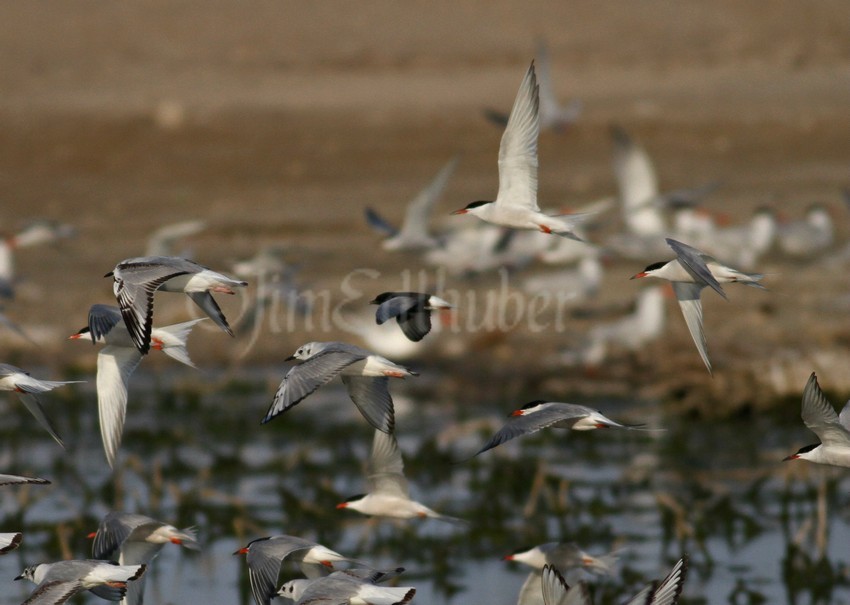
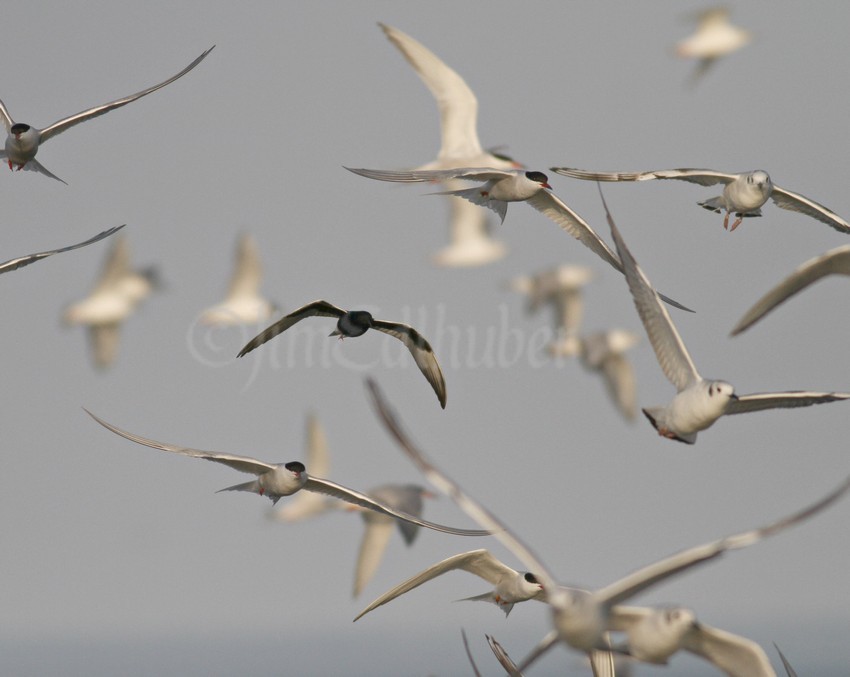
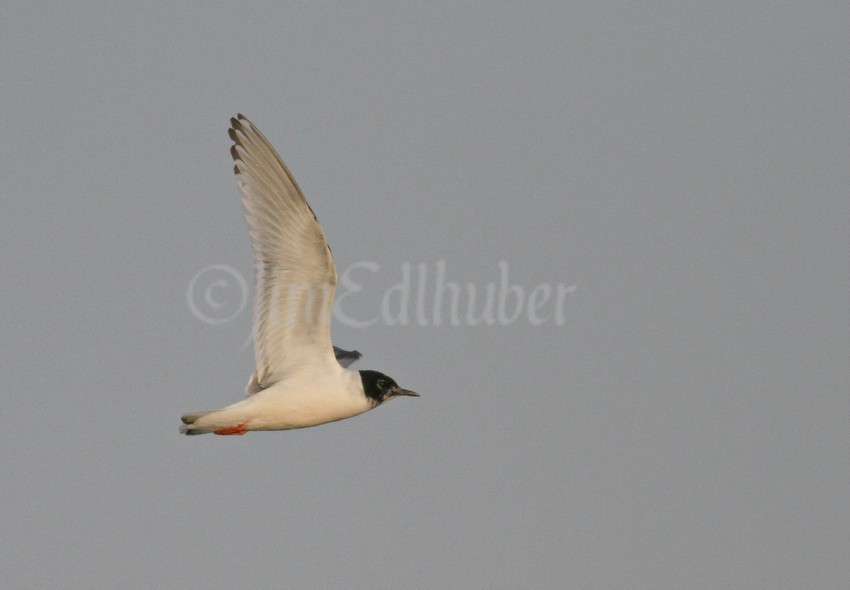
I saw the report of the rare White-winged Tern at the Manitowoc Impoundment in the later afternoon. I had to make the run and try to see the extremely rare bird for the state. It was said today that this is the 2nd state record for this bird in Wisconsin and the previous record goes back to 1873. The normal range for this bird is throughout Eurasia. The White-winged Gull, was formally known as White-winged Black Tern. How nice to have this visitor stop in Wisconsin. When I arrived I just looked for the crowd out on a pier, that was the place I had to go to. The bird was present when I arrived and took to flight a few times. The Bonaparte’s Gulls present did not seem to like having it around. Lots of Terns and Gulls were present, with numbers well into the 100’s maybe a 1,000. A couple of Little Gulls were also present. Thanks to Mark Hodgson for finding this bird, id-ing the bird, and Tom S for getting the word out to others. It just might be a once in a life time to see this bird here in Wisconsin. It was a fun time with birding friends and meeting some new on a beautiful late May evening. These are distant images but the bird was always a long ways off. Images were taken on May 21, 2016.

White-winged Tern

White-winged Tern

White-winged Tern

Binomial name: Chlidonias leucopterus

Category: Gulls, Tern, and Skimmers

Size: 9.5” long, 23” wing span

Weight: 2.2 oz

Bonaparte's Gull with the White-winged Tern

Bonaparte’s Gull with the White-winged Tern, in front

White-winged Tern, in the middle with Caspian Terns

White-winged Tern, in the middle with Caspian Terns

Bonaparte's Gulls with the White-winged Tern (in front)

Bonaparte’s Gulls with the White-winged Tern, in front

White-winged Tern

White-winged Tern

White-winged Tern

White-winged Tern

Bonaparte's Gull with the White-winged Tern, in front

Bonaparte’s Gull with the White-winged Tern, in front

White-winged Tern with a Bonaparte's Gull

White-winged Tern with a Bonaparte’s Gull

White-winged Tern on the shore

White-winged Tern on the shore

_rIMG_3003_cr

_rIMG_3002_cr

_rIMG_2999_cr

_rIMG_2936_cr

White-winged Tern, in the middle just after takeoff from the shore

_rIMG_3225_cr

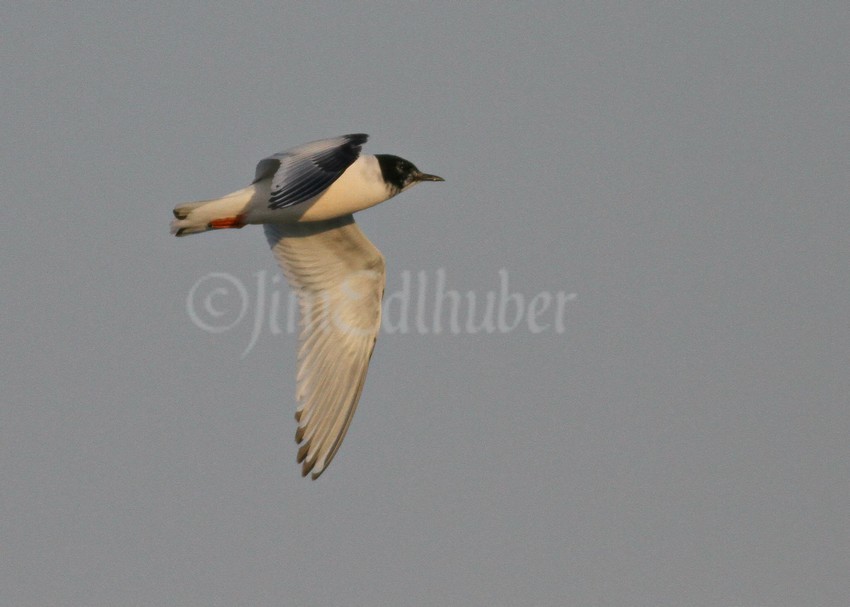
Little Gull

Little Gull

Little Gull

Little Gull

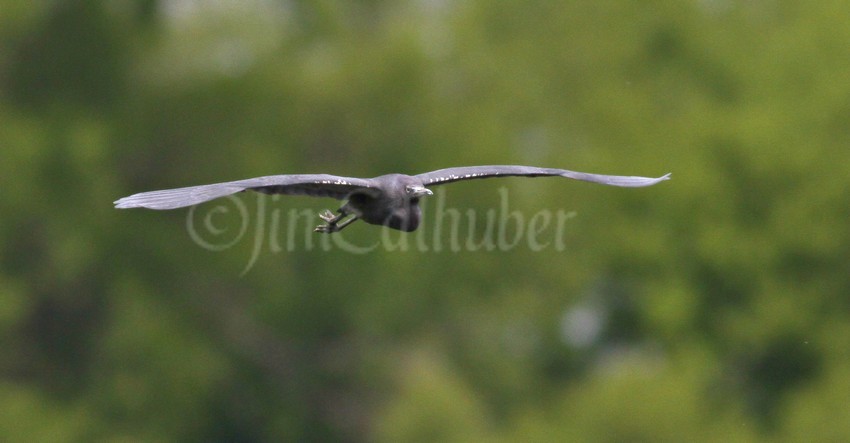
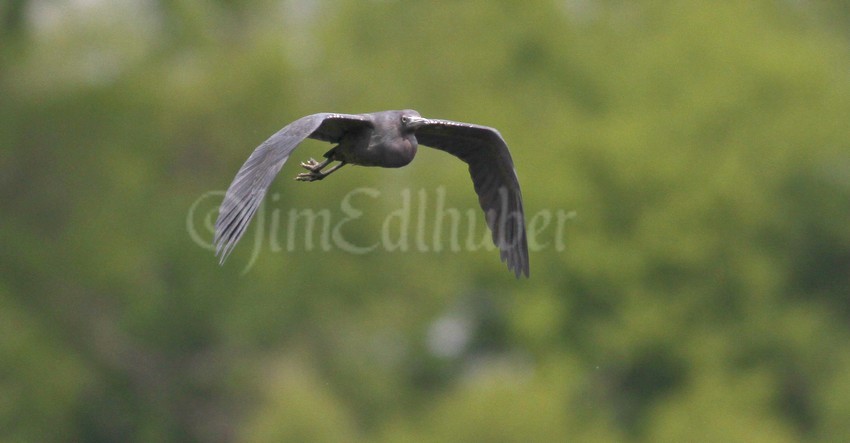
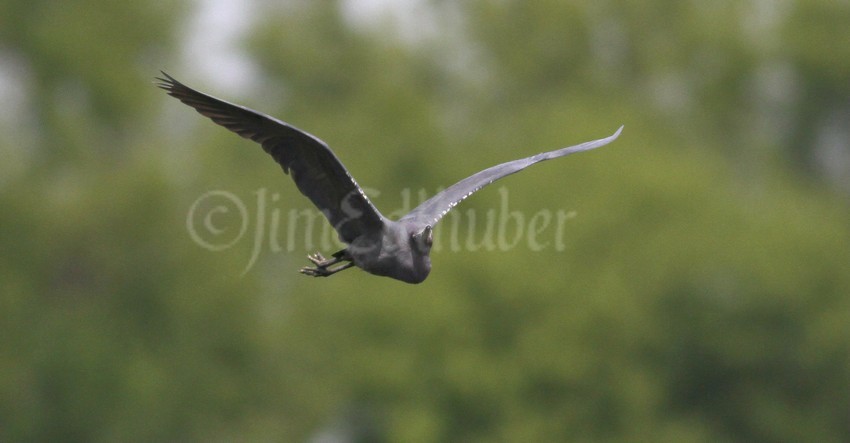
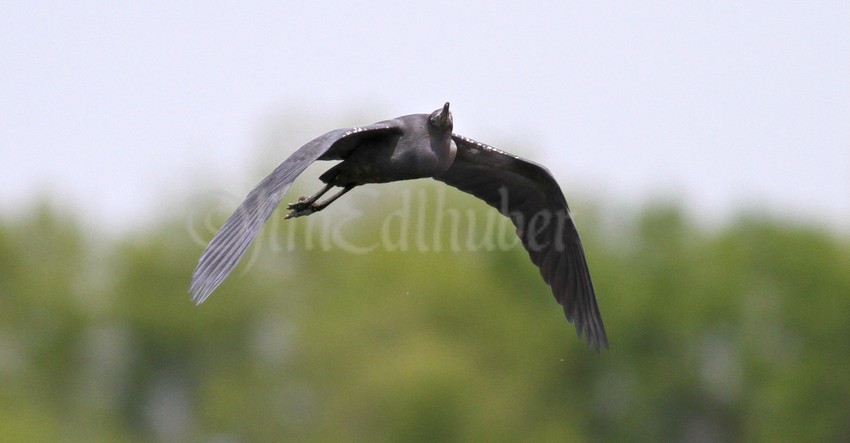
Little Blue Heron at Lake Maria in Green Lake County Wisconsin on May 20, 2016

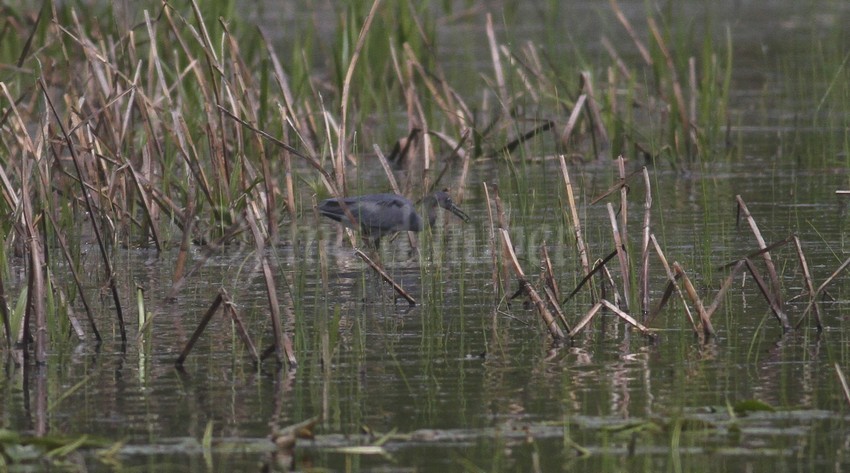
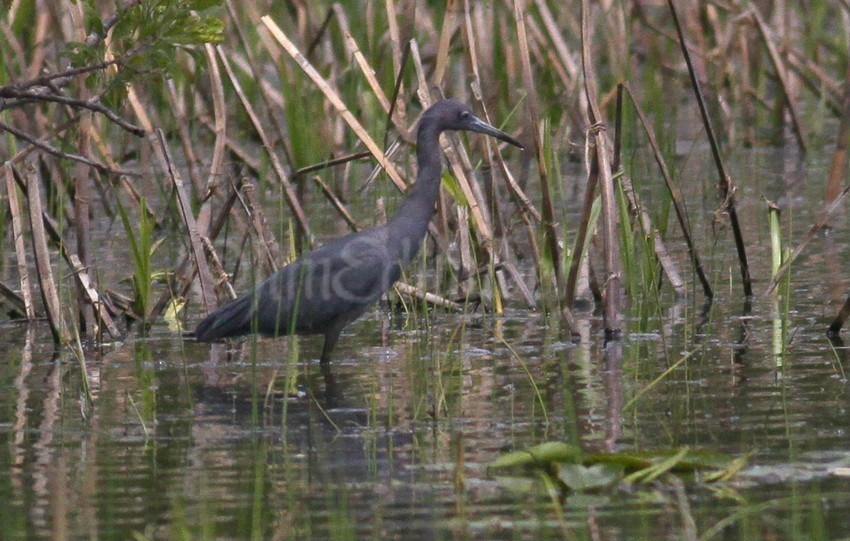
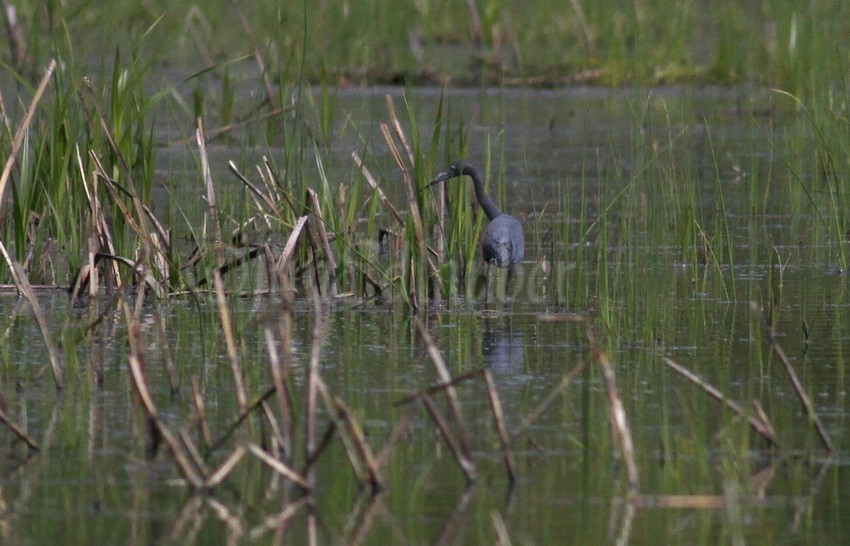
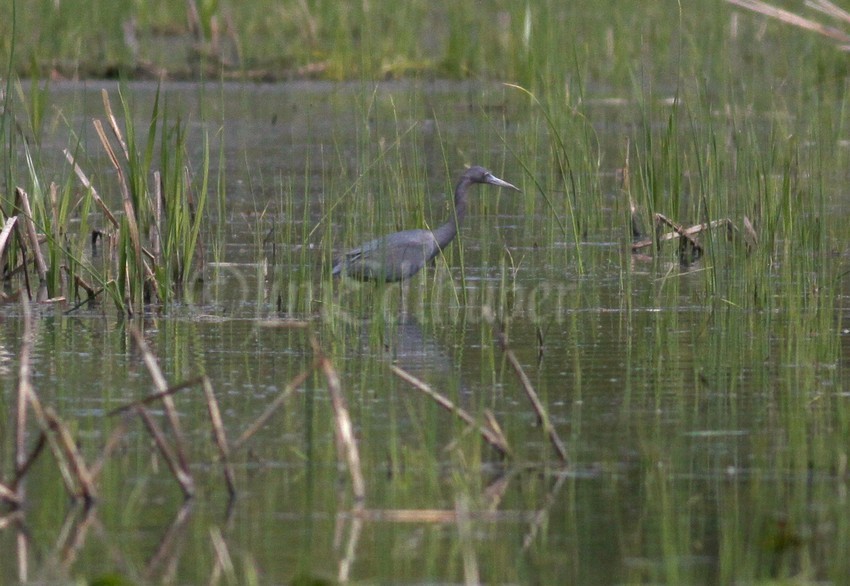
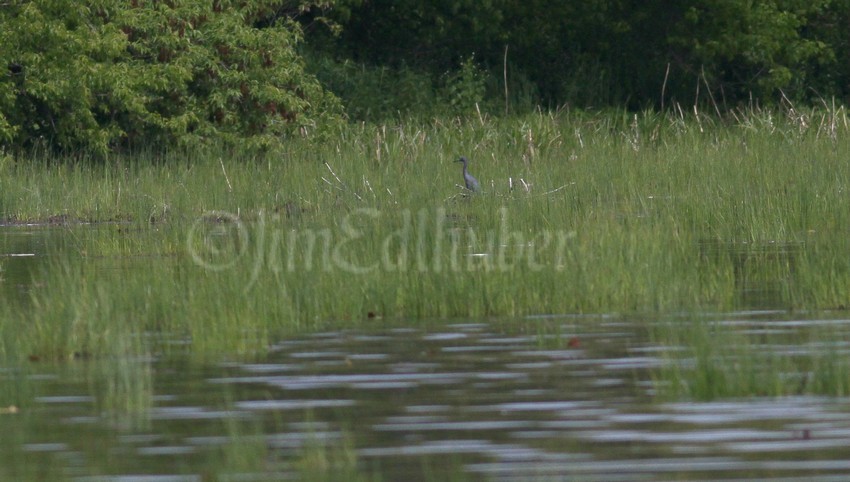
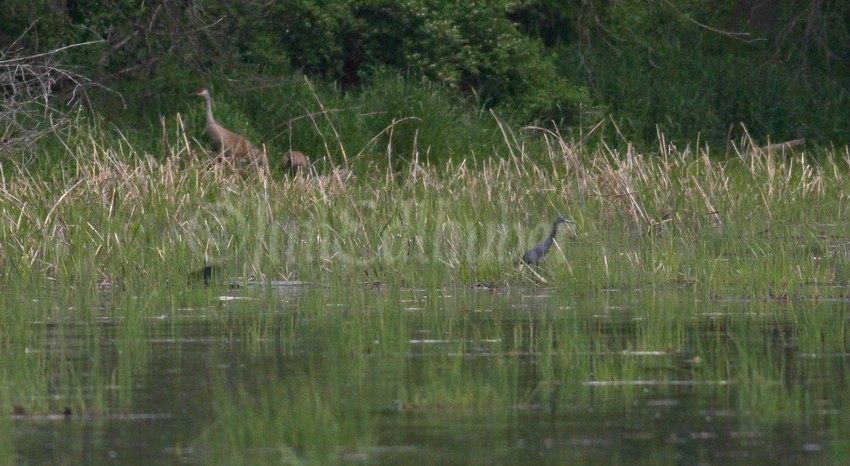
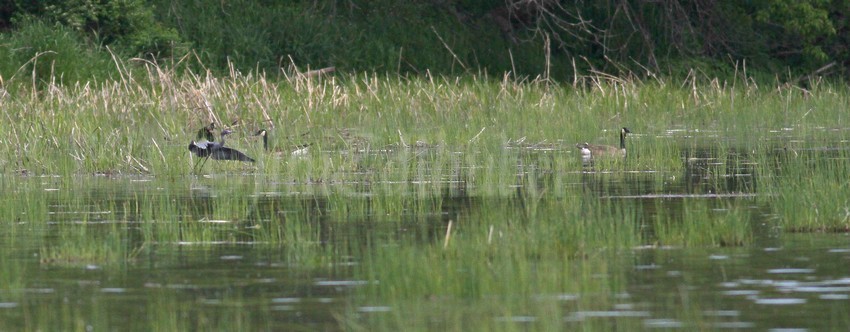
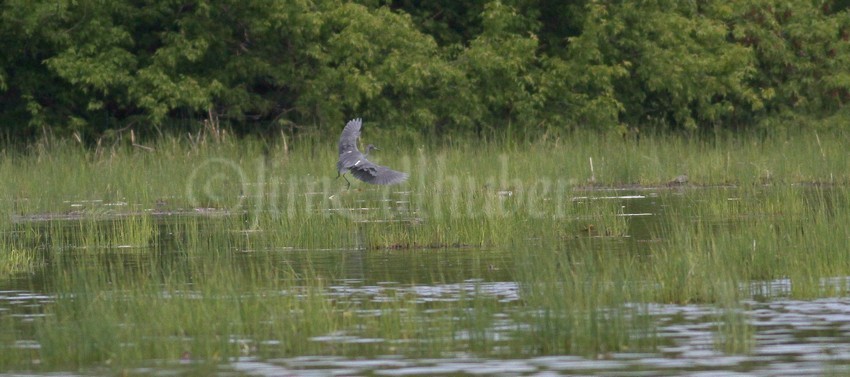
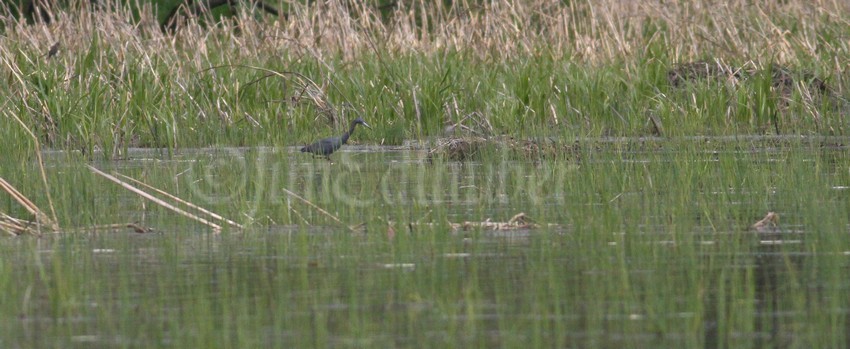
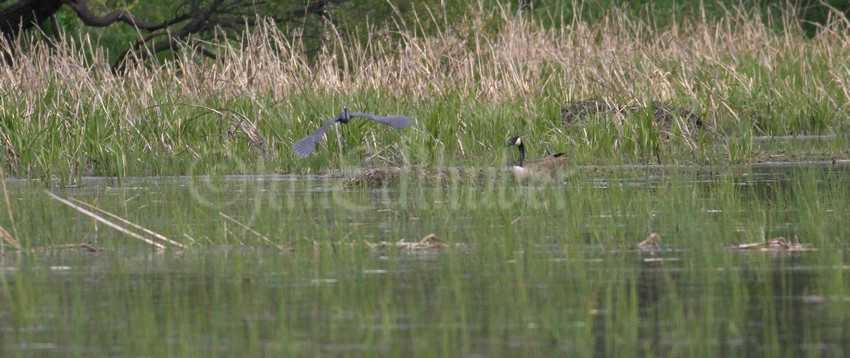
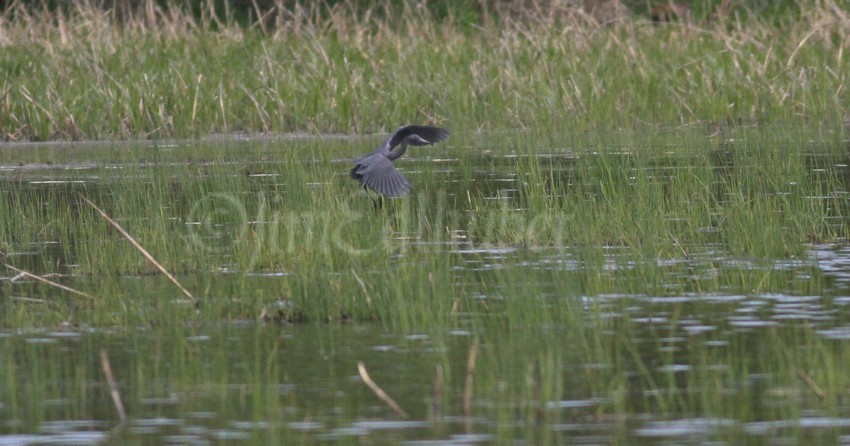
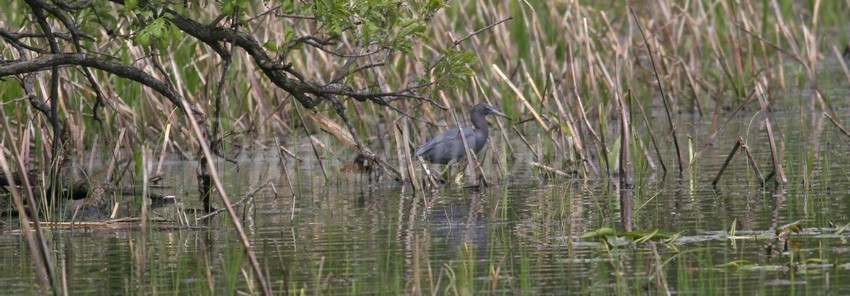
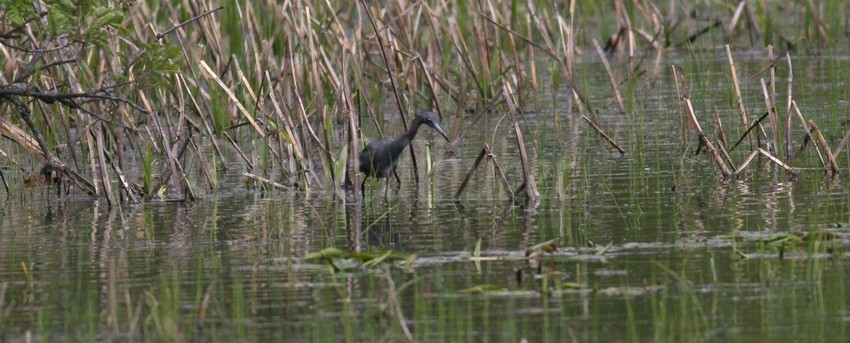
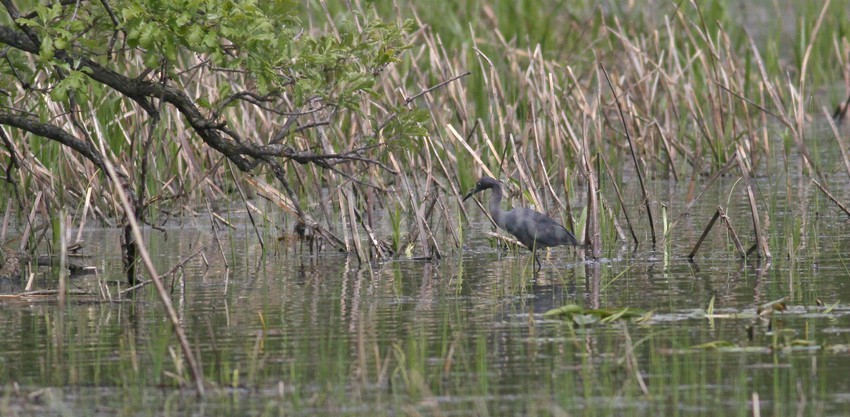
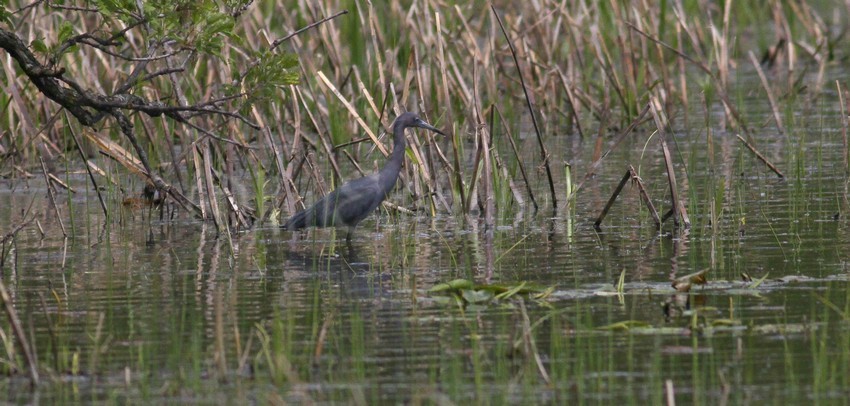
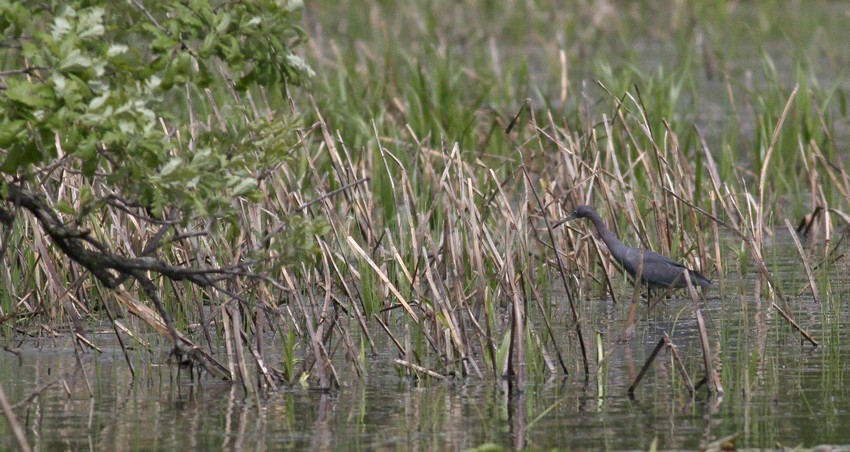
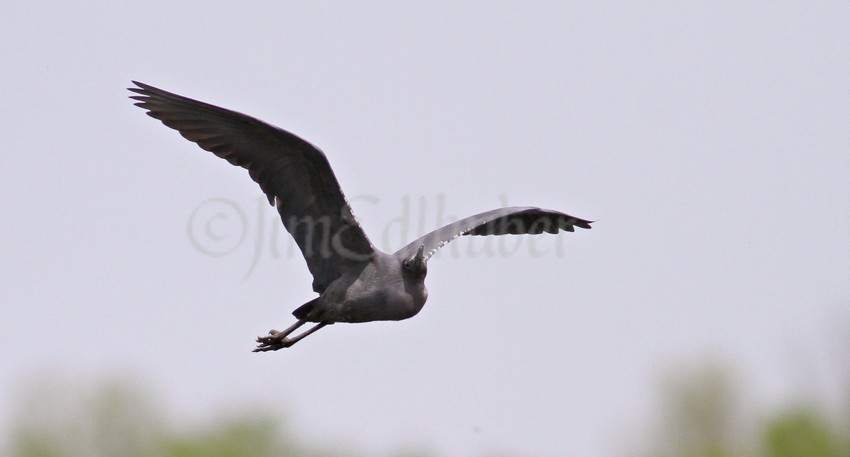
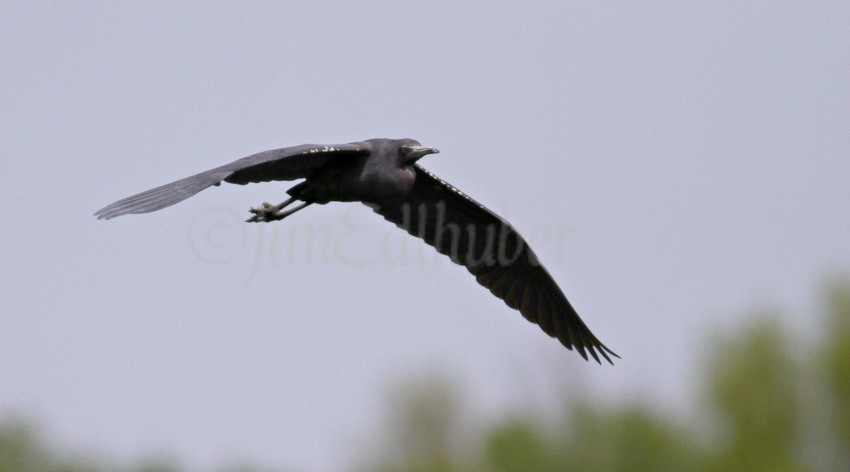
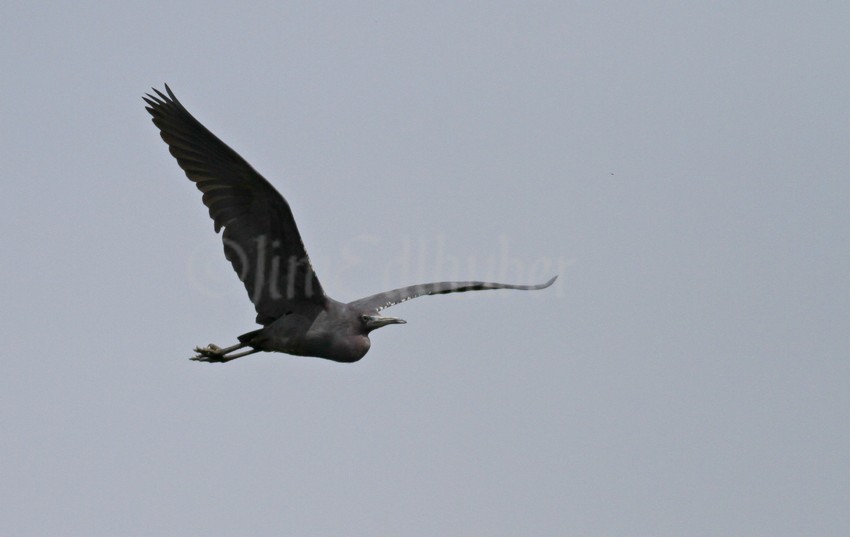
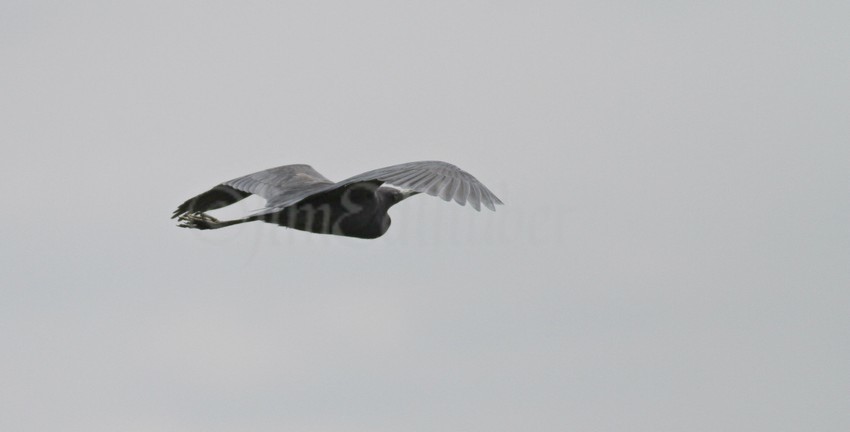
I was birding in the Kettle Moraine South in Waukesha County this morning when the birding wheels stopped. I saw the note on the Little Blue Heron at Lake Maria in Green Lake County. I looked at distance to Lake Maria and thought why not. The normal range for this visiting bird is more the southern US. Upon arriving at the boat landing at Maria Lake, it only took me a minute to see the Little Blue Heron a long ways down the shore to the north. It was hard to see in the grasses, but I knew that the bluish bird could only be the Little Blue Heron. It continued north until it was surrounded by 4 Canada Geese and then 2 adult Sandhill Cranes later did not seem to happy to have it around either. The Canada Geese appeared to threaten it, but all backed off right away and left that area. It looked like Canada Geese nests were everywhere but empty and the Sandhill Cranes appeared to be tending to little ones behind the tall grasses. The bird moved back a little to the south in and out of the grasses. Perched once off shore for about 45 minutes. I could not see it perched but figured, it was doing that and did not see it fly away. It went back towards shore and I saw some blue go up into a tree, figured it was once again going to perch. After about 30 minutes, it flew out of the woods, made a 90 degree turn to the south and flew right in front of the boat landing. That was the last I saw of the bird. I hung around for about 20 minutes. A few other birders came and went but it was quiet there.  The Little Blue Heron was found this morning by Jeff B and Wendy S got the word out for others to see. A big thank you to them and what a fun time it was! I hope it hangs around for awhile for others to see. Some of these images are distant but felt they were part of the story. Images were taken on May 20, 2016.

__rIMG_2838_cr

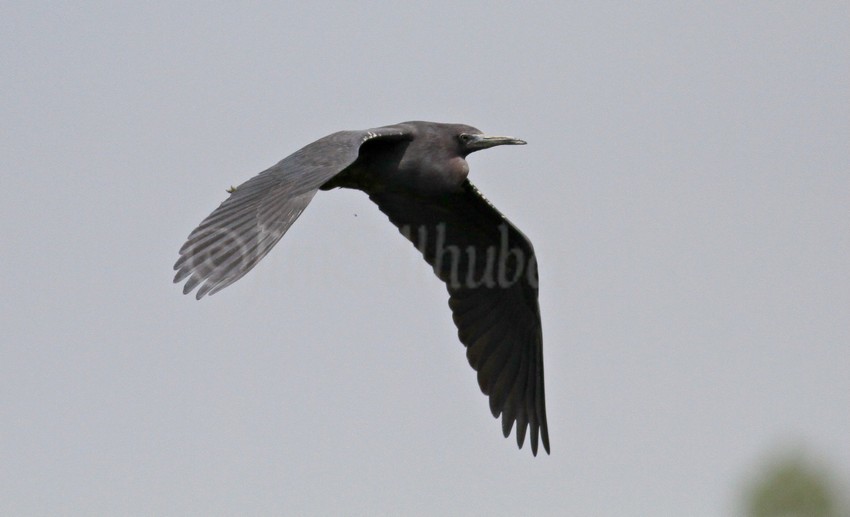
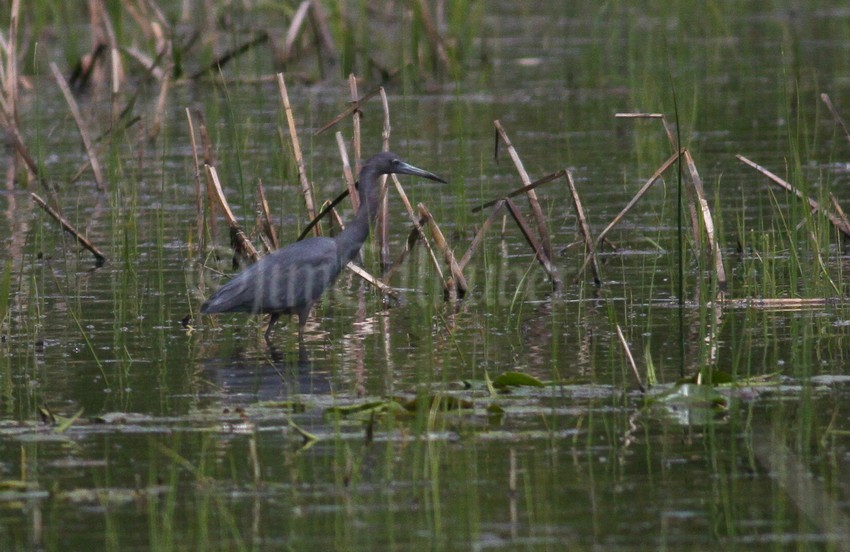
Little Blue Heron

Binomial name: Egretta caerulea

Category: Bitterns, Herons, and Allies

Size: 24” long, 40” wing span

Weight: 12 oz

____use_IMG_2721_cr

Looking for food

______________rIMG_2797_cr

________rrrrIMG_2659_cr_cr

Looking for food

Looking for food

Looking for food

Looking for food

Looking for food

The Little Blue Heron is far down the shore to the north

The Little Blue Heron is far down the shore to the north

Looking for food but the Sandhill Cranes are watching too

Looking for food but the Sandhill Cranes are watching too

Looking for food

Canada Geese are moving in, the Little Blue Heron moves out

Time to move on

Time to move to a new spot

Time

Canada Geese have surrounded the Little Blue Heron

one

Canada Goose makes a statement and the Little Blue Heron does not move

two

The Canada Geese move out of the area, the Little Blue Heron (in the middle of image) stays put for the short term

three

Time to move to a different area again, moving slowly to the south along the shore

Looking for food

Looking for food once again

Looking for food, but here comes another Canada Goose!

Looking for food, but here comes another Canada Goose, off the Little Blue Heron goes!

Four

Lets try this place for looking for some food

Under a tree limb the Little Blue Heron is looking for food

Under a tree limb the Little Blue Heron is looking for food

Little Blue Heron looking for food

Little Blue Heron looking for food

Little Blue Heron looking for food

Little Blue Heron looking for food

Little Blue Heron looking for food

Little Blue Heron looking for food

Little Blue Heron looking for food

Little Blue Heron looking for food but on its way to perch

Off the perch it goes and heading to the south off shore near the boat landing

Off the perch it goes and heading to the south off shore near the boat landing

Heading south

Heading south

Heading south

Heading south

Heading south

Heading south

Heading south

Heading south

Heading south

Heading south

Heading south

Heading south

And still heading south as it passes by me.......

And still heading south as it passes by me…….

___rIMG_2841_cr

Great Blue Herons with young in Southern Wisconsin on May 19, 2016

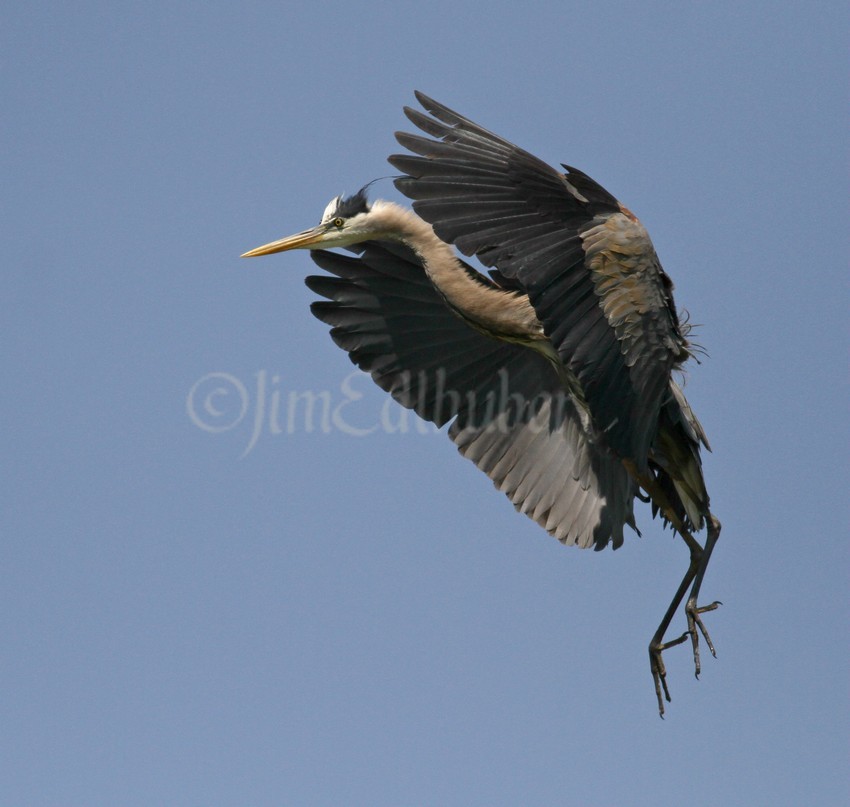
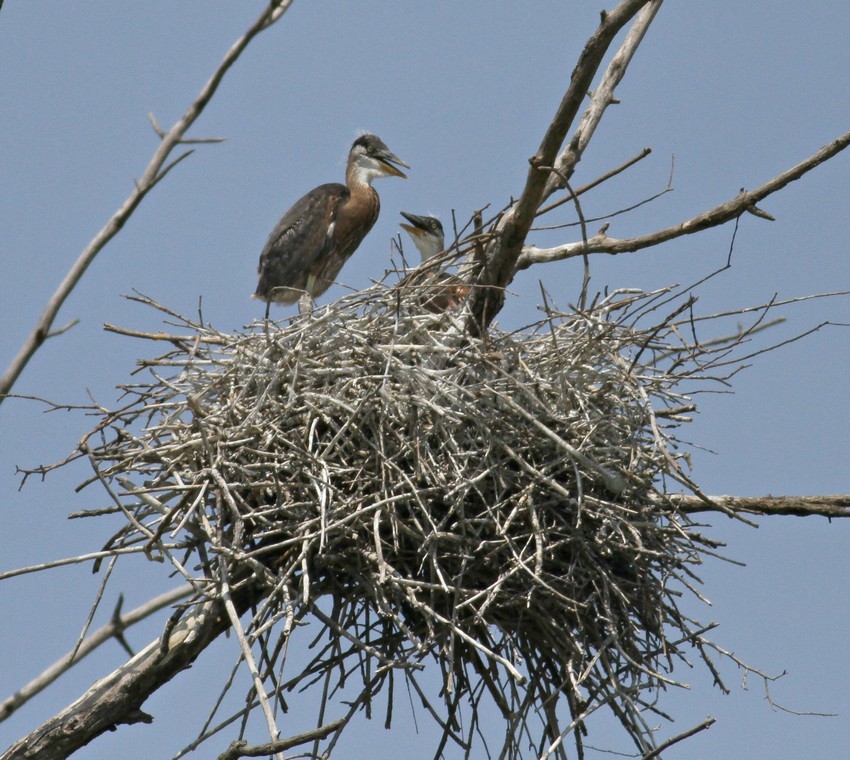
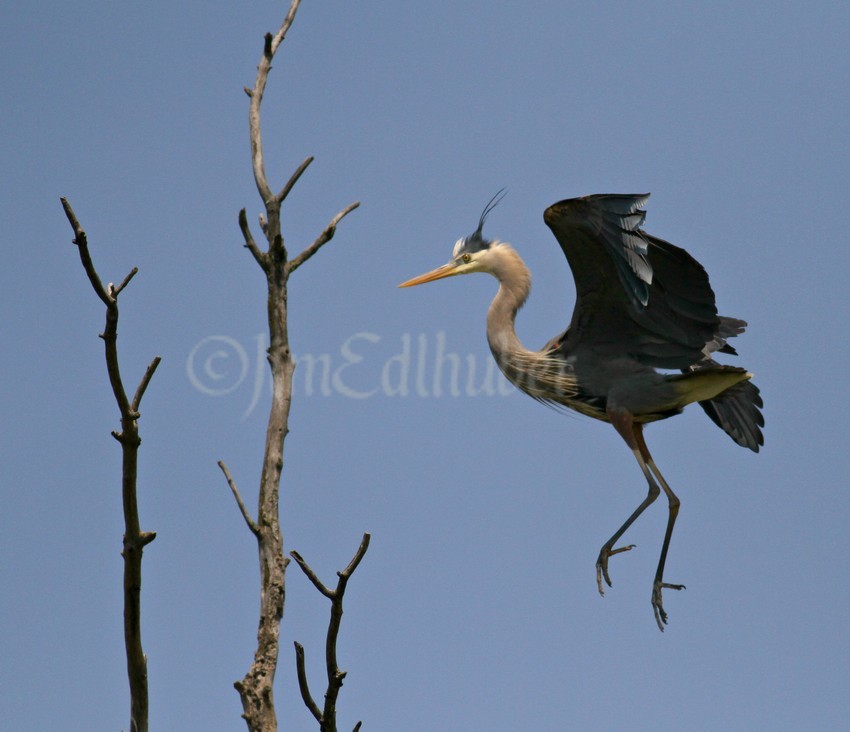
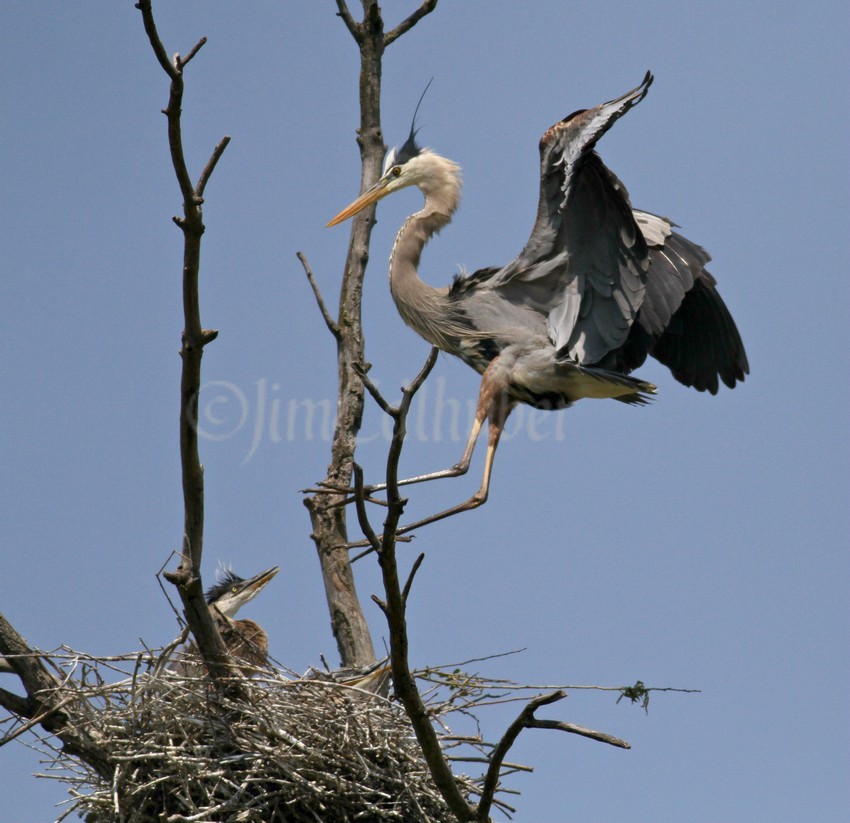
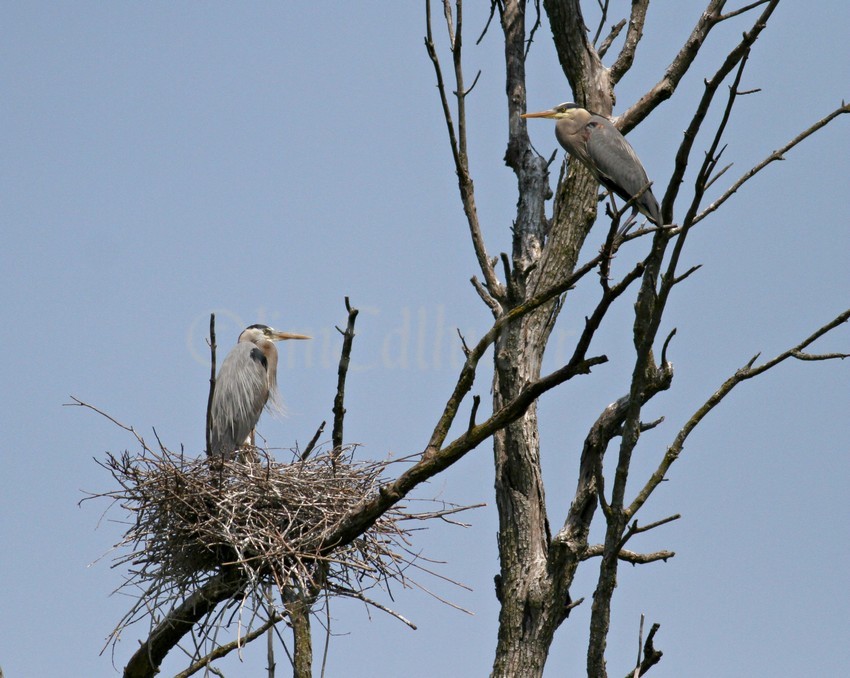
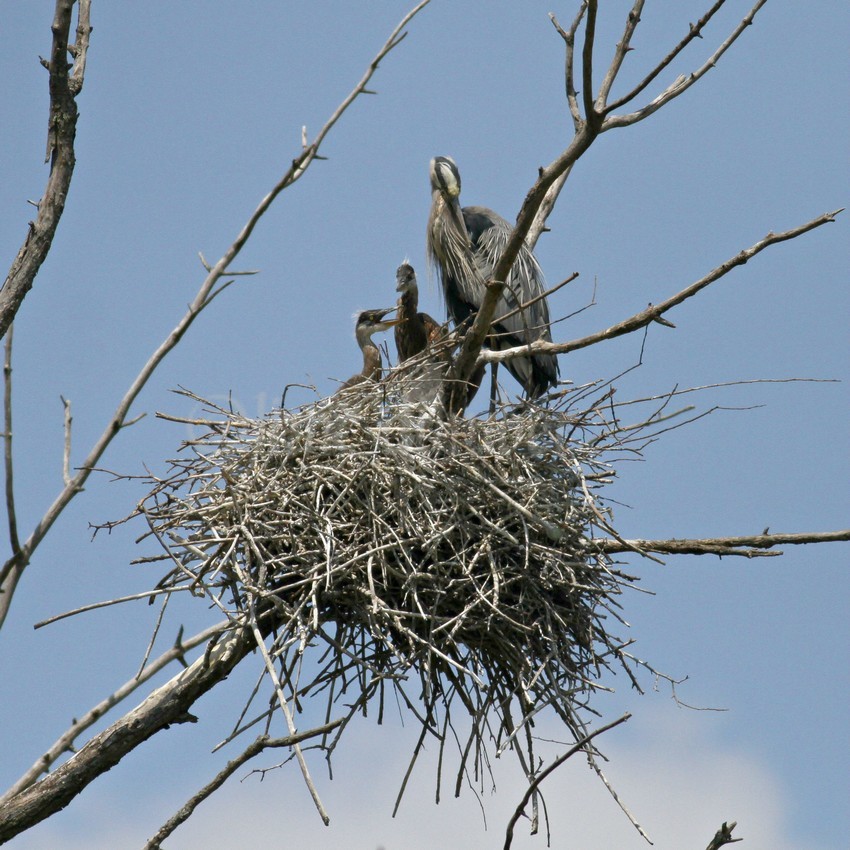
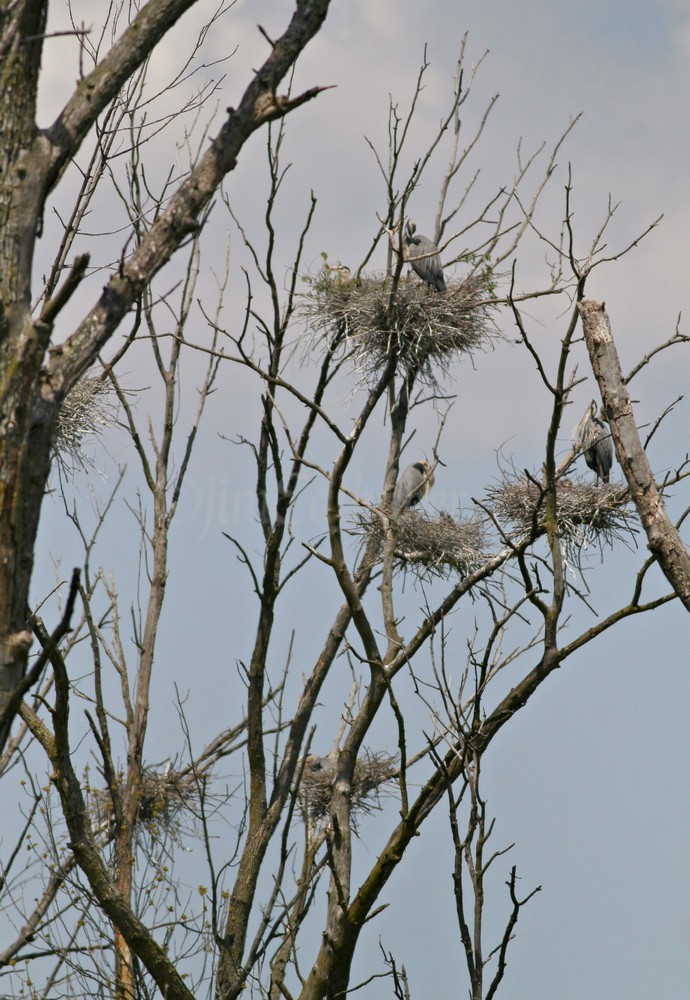
I checked out a Great Blue Heron rookery in southern Wisconsin today to see what was going on. Lots of young and getting to have some size to them too. Some adults came with sticks for ongoing nest maintenance. Other adults came to the nest and regurgitated food in to the nest for the young to eat. Always amazing when I sit back and watch all these things happen. A beautiful sunny day with low winds and mild temps. Images were taken on May 19, 2016.

____rIMG_0452_cr

Great Blue Heron

Binomial name: Ardea herodias

Category: Bitterns, Herons, and Allies

Size: 46” long, 72” wing span

Weight: 5.3 lb

____rIMG_9886_cr

____rIMG_0372

____rIMG_0344_cr

____rIMG_0871_cr

____rIMG_9889_cr

____rIMG_0454_cr

____rIMG_0976_cr

____rIMG_0332_cr

_____rIMG_0688_cr

The nest has ongoing maintenance

The nest has on going maintenance

_____rIMG_0033_cr

_____rIMG_1104_cr

Adult preening, with young

_____rIMG_1394_cr

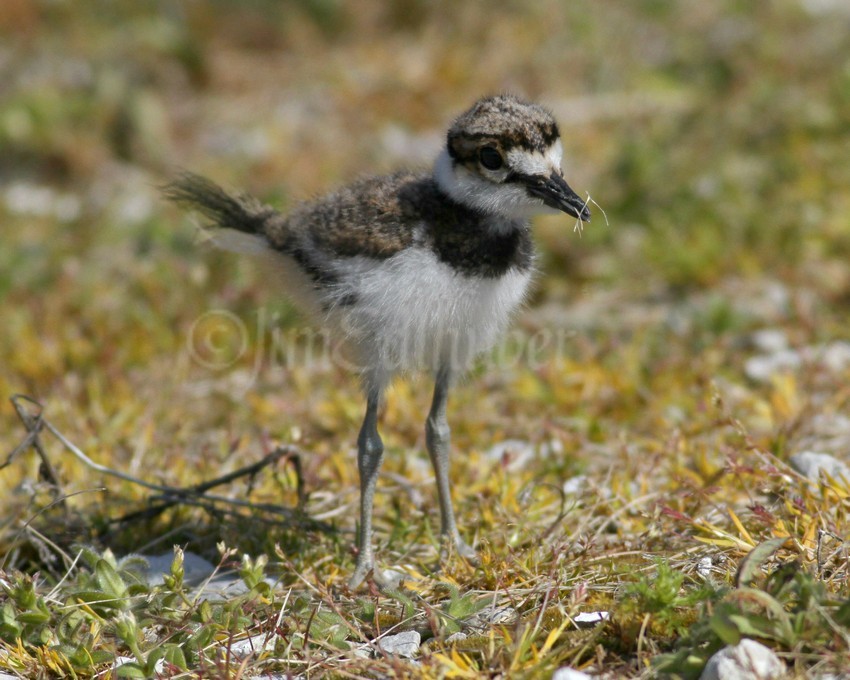
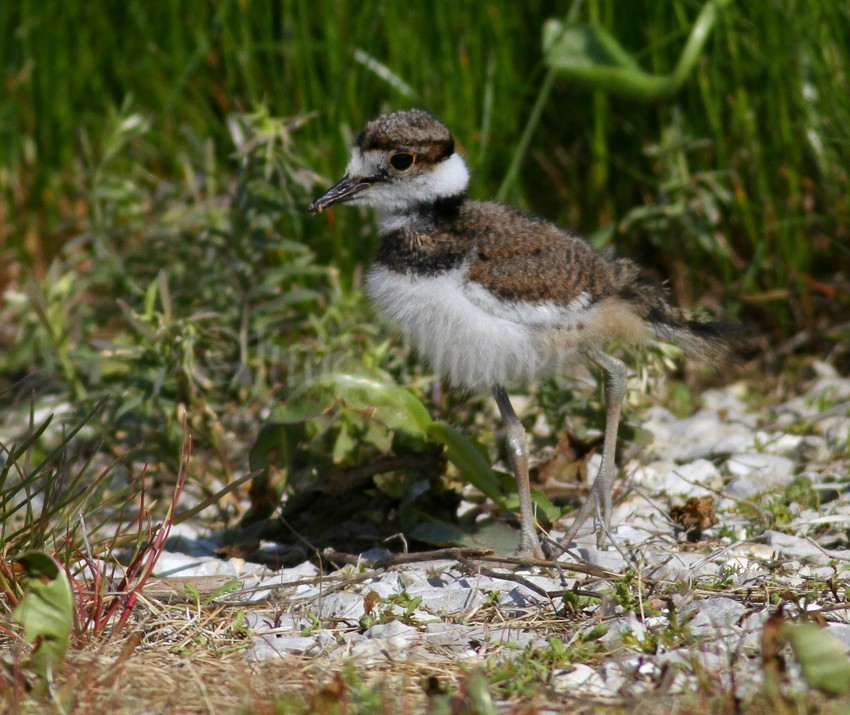
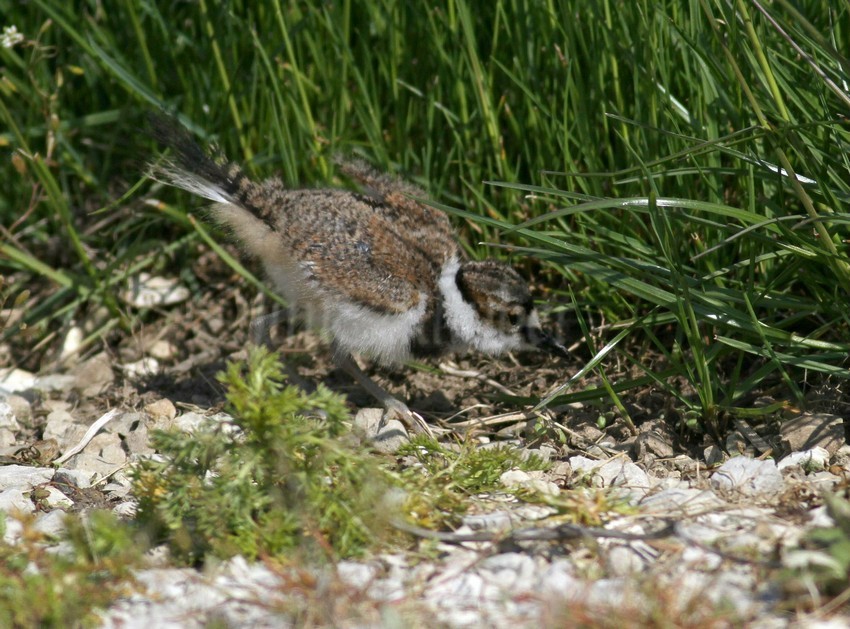
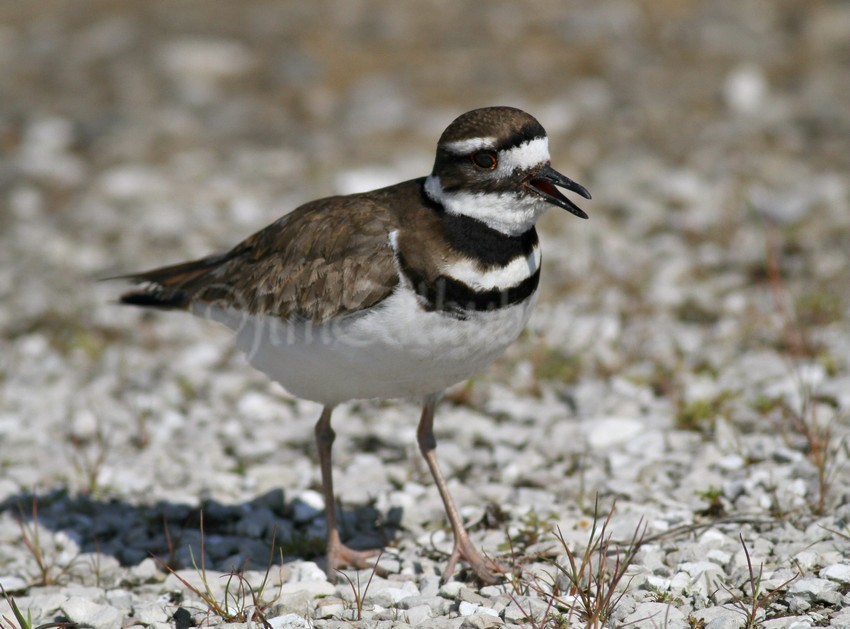
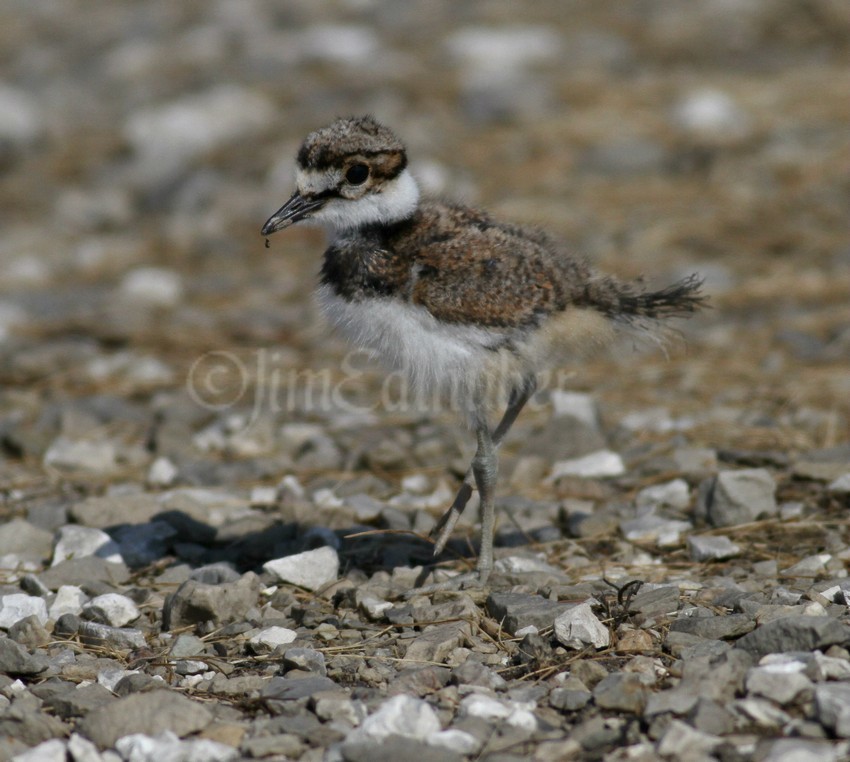
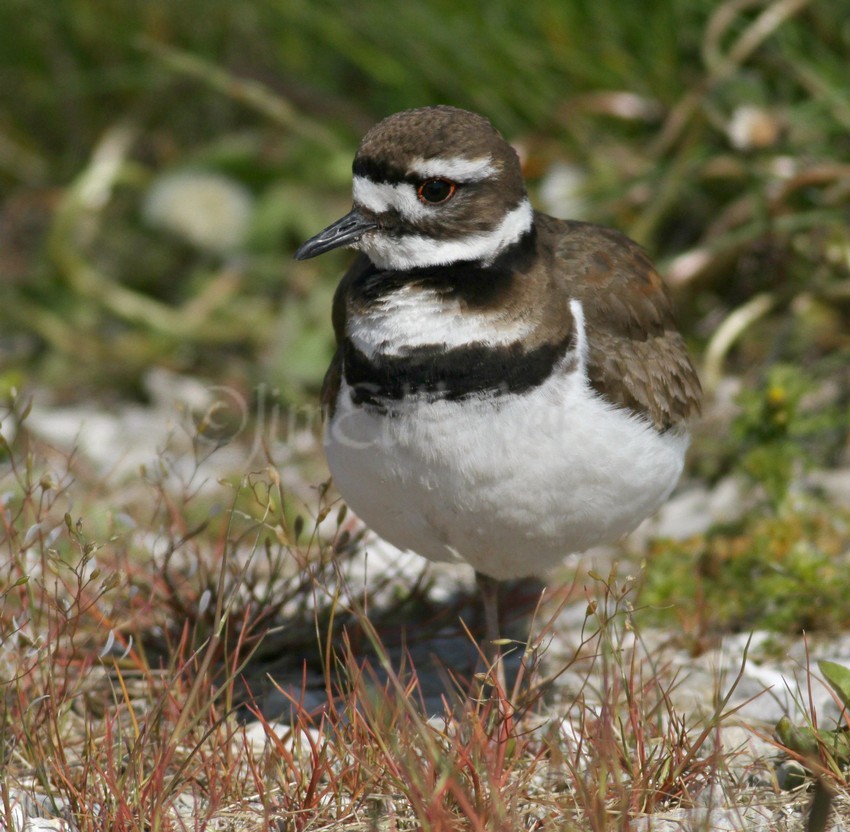
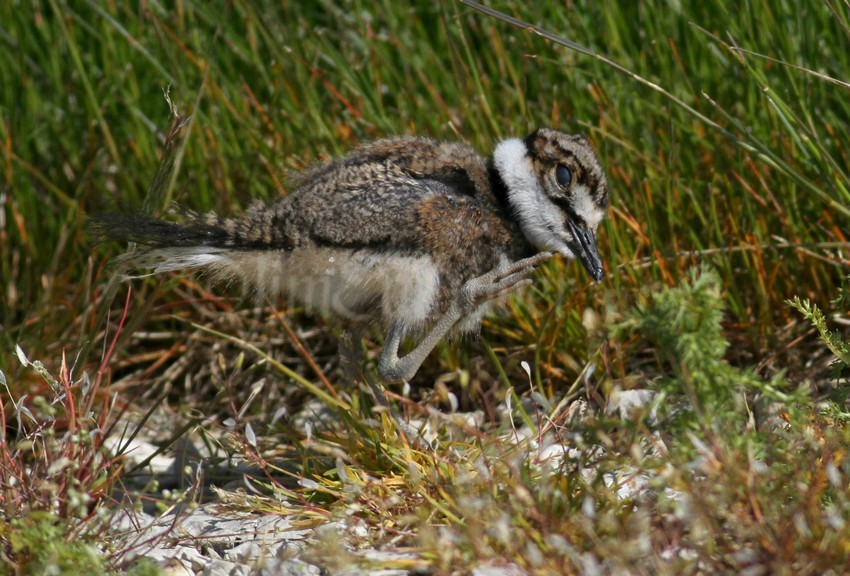
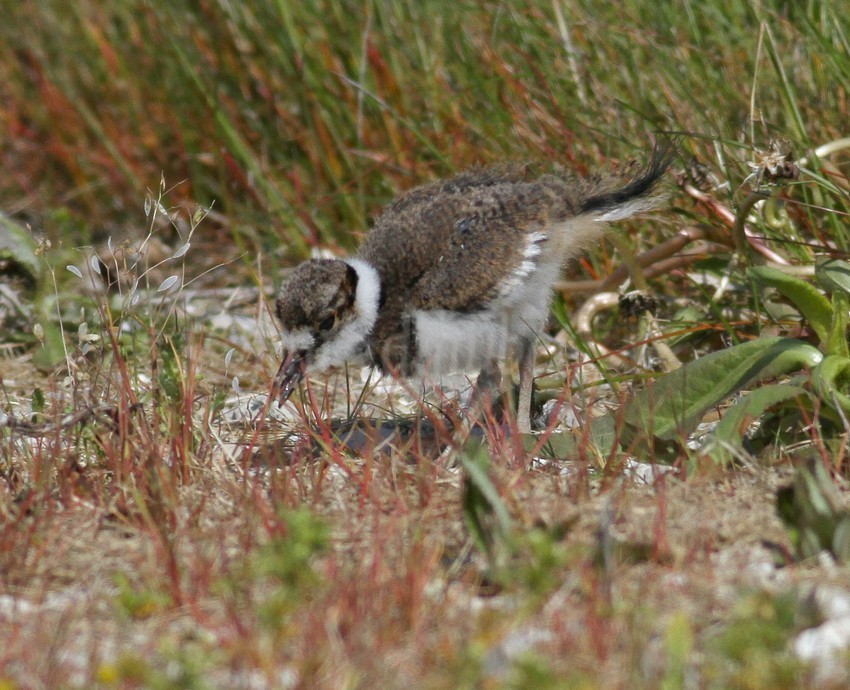
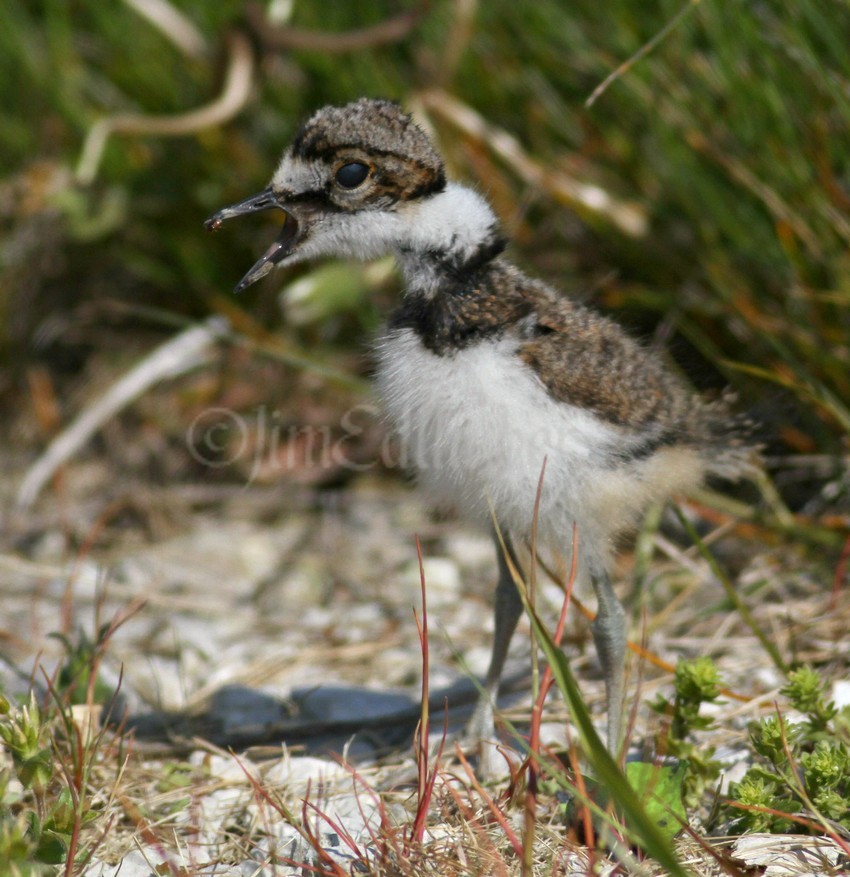
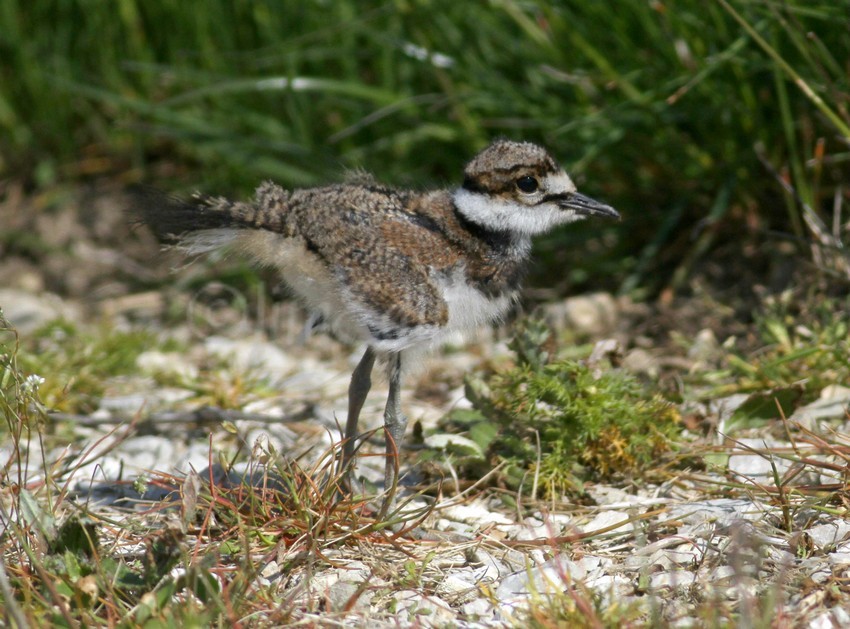
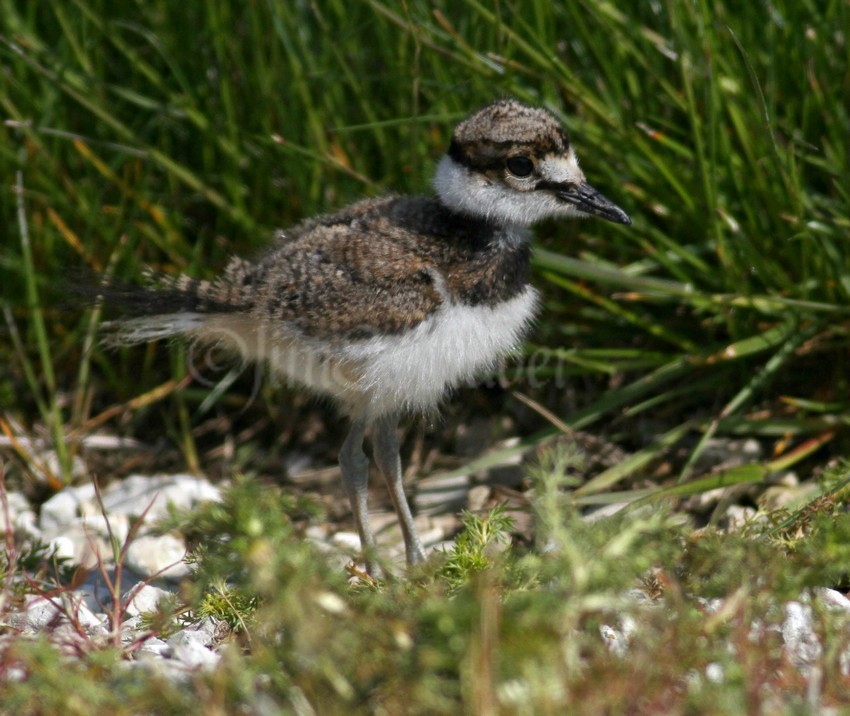
Killdeer Chicks with Adults in Wisconsin on May 18, 2016

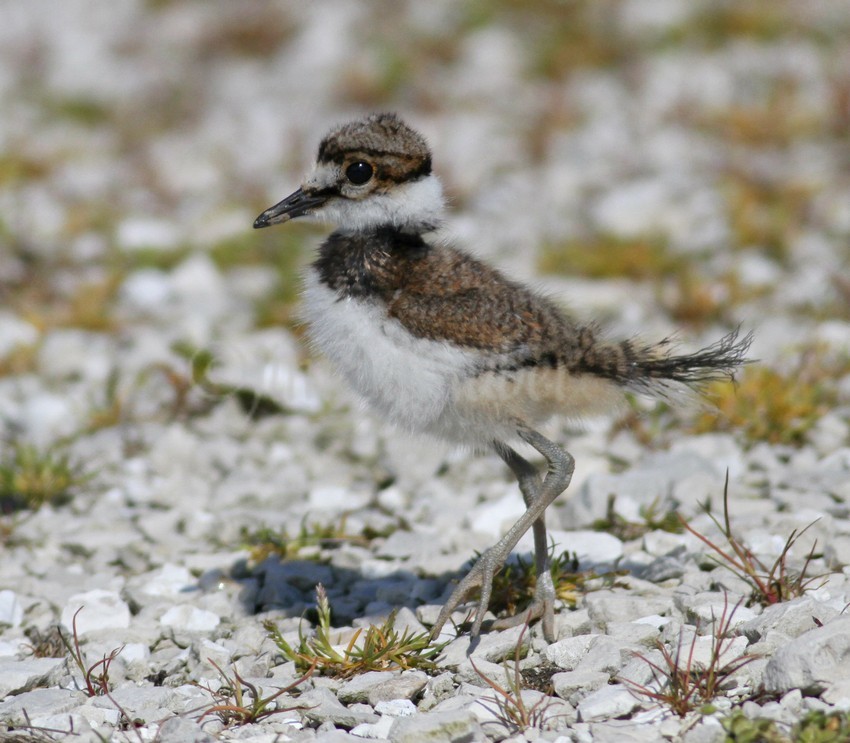
I came across some Killdeer chicks this morning with the adults near by. These are hardly chicks anymore as they are growing fast.

_rIMG_2156_cr

Chick

Killdeer

Binomial name: Charadrius vociferus

Category: Lapwings and Plovers

Size: 10.5” long, 24” wing span

Weight: 3.3 oz

_rIMG_2001_cr

Chick

_rIMG_1867_cr

Chick

Getting a bug

Chick, getting a bug

Adult

Adult

_rIMG_1989_cr

Chick, just had a bug

Adult

Adult

The itch

Chick with the itch

Getting a bug

Chick getting a bug

_rIMG_1947_cr

Chick, the call

Chick

Chick

Chick

Chick

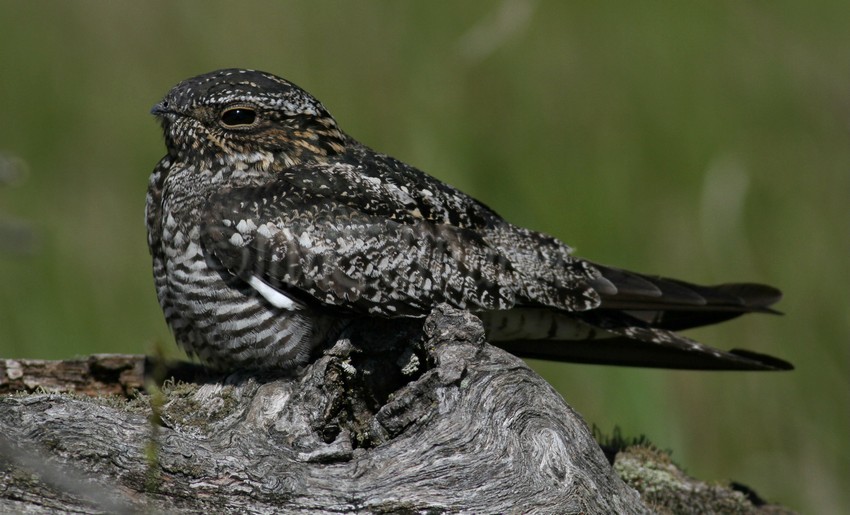
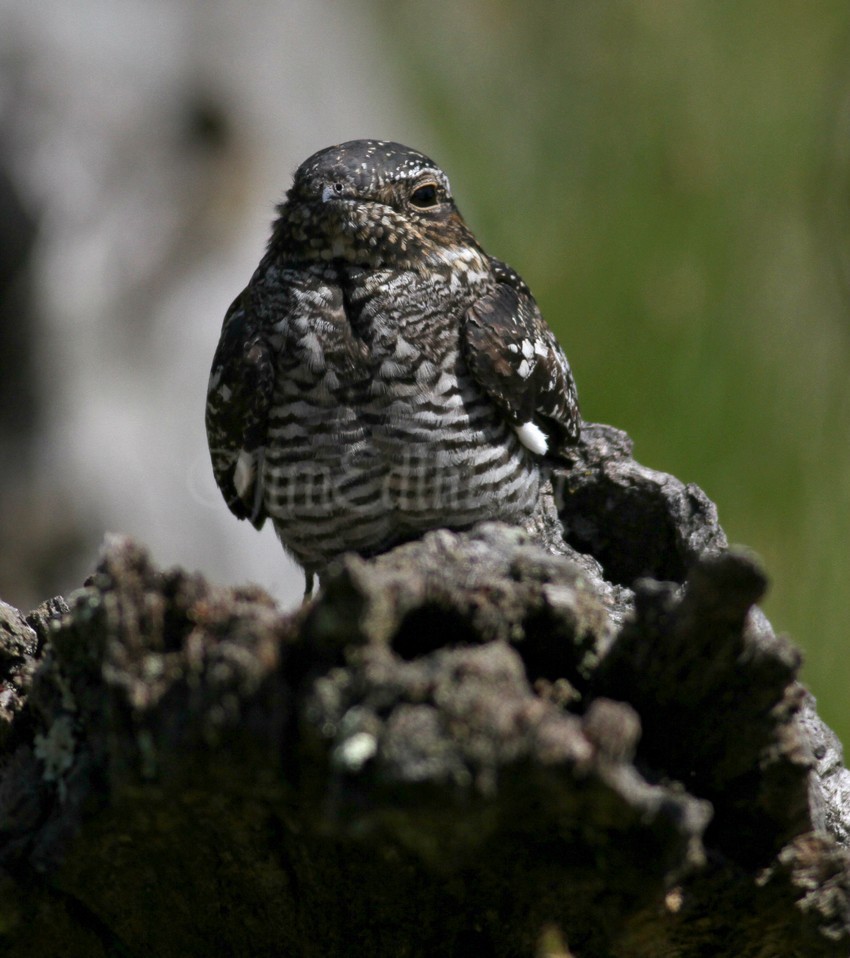
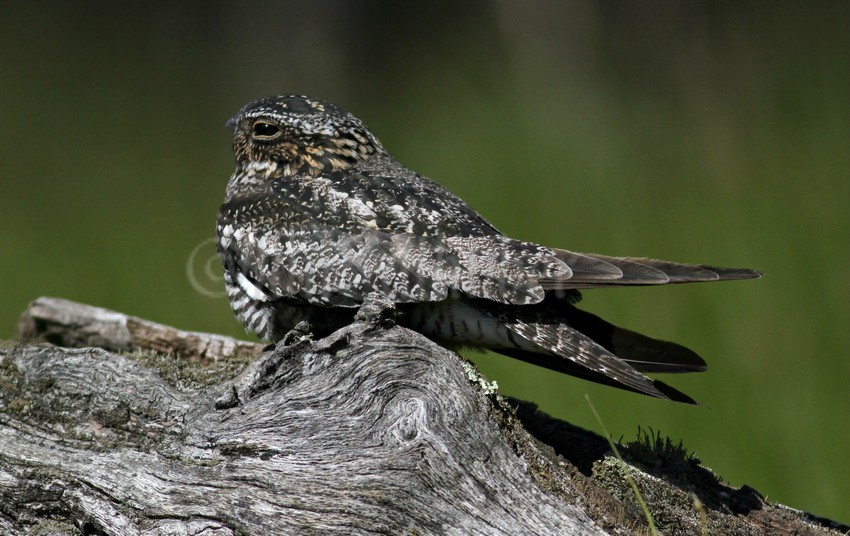
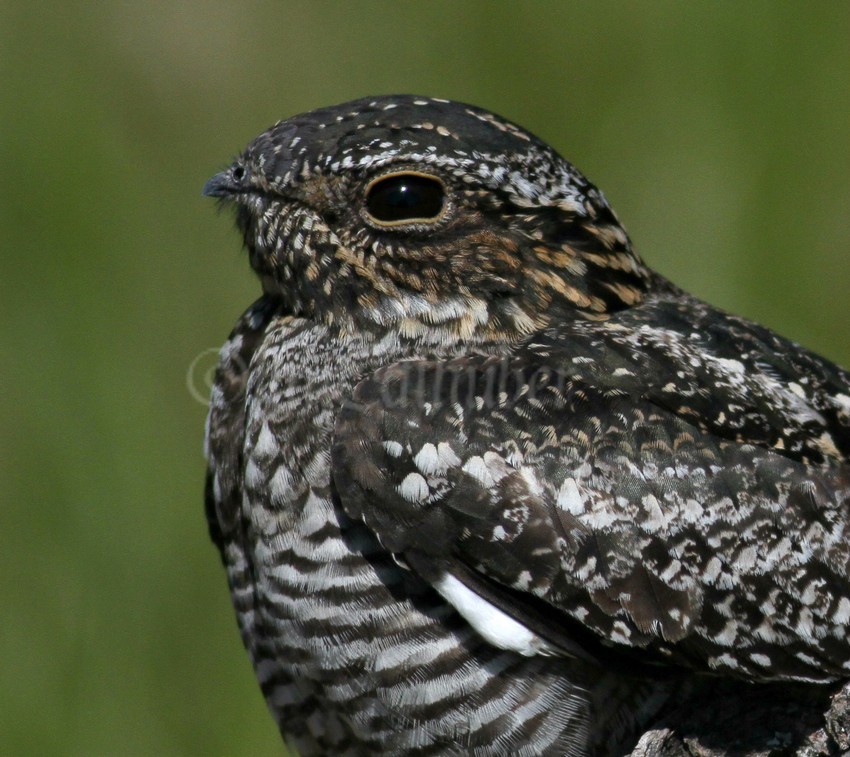
Common Nighthawk in Marquette County Wisconsin on May 15, 2016

On a hike today I accidentally flushed a Common Nighthawk. It perched on a log nearby and posed nicely. What a nice surprise to find. I did not flush the bird so I do not have any flight shots. I’m sure now thinking about it their is probably a nest in the area. Images were taken on May 15, 2016.

___rIMG_9441_cr

Common Nighthawk

Binomial name: Chordeiles minor

Category: Goatsuckers

Size: 9.5” long, 24” wing span

Weight: 2.2 oz

Cool facts: These birds are typically seen diving in loop patterns in early mornings or evenings. They forage over open areas near woods and over wetlands for insects. This birds breeding grounds are from the entire US into northern Canada and they migrate to South America in the winter months.

___rIMG_9485_cr

___rIMG_9467_cr

___rIMG_9342_cr

Warblers at Whitnall Park in Milwaukee Wisconsin on May 14, 2016

Whitnall Park this morning was up and down with warbler species. Pockets of them, as probably the same as pockets of bugs present. No large numbers but things were hoping at times. Species I seen today were Yellow, Magnolia, American Redstarts, Wilson’s, Canada, Yellow-rumped, Common Yellowthroat, Black and White, Nashville, Blackburnian, Palm and Chestnut-sided. It was a cold cloudy day, with low 40’s, steady winds with light sleet at times. Felt like winter! Images were taken on May 14, 2016.

Canada Warbler, male

Canada Warbler, male

Canada Warbler, male, getting a bug

Canada Warbler, male, getting a bug

Canada Warbler, male

Canada Warbler, male looking for the bug

Canada Warbler, male, looking for the bug

Canada Warbler, male, looking for the bug

Black and White Warbler, male

Black and White Warbler, male

Chestnut-sided Warbler, female

Chestnut-sided Warbler, female

Chestnut-sided Warbler, female, calling

Chestnut-sided Warbler, female, calling

Chestnut-sided Warbler, female

Chestnut-sided Warbler, female

Chestnut-sided Warbler, male

Chestnut-sided Warbler, male

American Redstart, male

American Redstart, male

American Redstart, male

American Redstart, male

American Redstart, male, with a bug

American Redstart, male, with a bug

American Redstart, female

American Redstart, female

Common Yellowthroat, male

Common Yellowthroat, male

Yellow Warbler, male

Yellow Warbler, male

Red Fox kits in Waukesha County Wisconsin on May 14, 2016

Re-post, this is a older post from this year in May 2016. It was revamped and some new images have been added, a link goes out to alert anyone who has signed up for alert. Sorry if this has inconvenienced you.

Just a couple shots of Red Fox kits taken in Waukesha County this morning. Cloudy day with some ice pellets and temps around 45 degrees. Images were taken on May 14, 2016

_rrIMG_0481_cr

_rIMG_0480_cr

_rIMG_0479_cr

_rIMG_0475_cr

_rIMG_0498_cr

_rIMG_0510_cr

_rIMG_0511_cr

_rIMG_0523_cr_cr

r_IMG_0532_cr

Playtime, images taken at 150 feet

Playtime

Playtime

Playtime

Playtime

Playtime

Playtime

Playtime

__rIMG_0623_cr

Jumping on the tall grass

Jumping on the tall grass

Female is always moving around the area looking for intruders while the kits are out running around and playing

Female is always moving around the area looking for intruders while the kits are out running around and playing